
Blog
The Best Totally Branded Cooler Bags for Summer Corporate Events and Picnics


Table of Contents
1. Introduction: Elevating Your Brand with Practicality
2. Why Branded Cooler Bags Are a Summer Essential
3. Key Features to Look for in a Corporate Cooler Bag
4. Top Cooler Bag Styles for Different Corporate Needs
5. Customization Options: Making Your Brand Pop
6. Beyond the Event: The Lasting Impact of a Quality Cooler Bag
7. Sustainability and Ethical Sourcing in Branded Merchandise
8. Maximizing ROI: Distribution Strategies for Branded Cooler Bags
9. Case Study: A Successful Corporate Picnic with Branded Gear
10. Final Thoughts: Your Brand, Chilled to Perfection
1. Introduction: Elevating Your Brand with Practicality
Summer corporate events and picnics offer a fantastic opportunity for businesses to connect with clients, reward employees, and foster team spirit in a relaxed setting. While the focus is often on the food, entertainment, and networking, the subtle power of branded merchandise should never be underestimated. Among the myriad of promotional items available, the branded cooler bag stands out as a particularly effective choice, especially when sourced from a reputable provider like Totally Branded. It’s not just a container for keeping drinks cold; it’s a portable billboard, a functional gift, and a tangible representation of your brand’s thoughtfulness and quality. This guide will delve into why a well-chosen, branded cooler bag is an indispensable asset for your summer corporate activities and how to select the best options to make a lasting impression.
2. Why Branded Cooler Bags Are a Summer Essential
The warmer months naturally lend themselves to outdoor activities, and with outdoor activities comes the need to keep food and beverages cool and fresh. This inherent utility makes cooler bags an incredibly practical and appreciated item. Unlike some promotional giveaways that might be used once and forgotten, a quality cooler bag becomes a staple for beach trips, park visits, grocery runs, and, of course, future picnics.
### Practicality Meets Promotion
The primary function of a cooler bag ensures it will be used repeatedly. Every time an employee or client reaches for their branded cooler bag, your company logo and message are reinforced. This consistent exposure builds brand recognition and recall far more effectively than many other forms of advertising. It transforms a simple event accessory into a long-term marketing tool.
### Enhancing Event Experience
At your corporate event itself, branded cooler bags contribute significantly to the overall experience. Imagine attendees enjoying perfectly chilled drinks and snacks, all thanks to a stylish cooler bag bearing your company’s logo. It subtly communicates attention to detail and care for your guests’ comfort, reflecting positively on your brand.
3. Key Features to Look for in a Corporate Cooler Bag
Choosing the right cooler bag goes beyond just slapping a logo on any available model. Several critical features differentiate a mediocre cooler bag from one that truly enhances your brand image and provides lasting value.
1. Insulation Quality: This is paramount. Look for bags with thick, high-density foam insulation or even advanced thermal lining materials. The goal is to keep contents cold for extended periods, ideally several hours, especially under direct sunlight.
2. Durability of Materials: The exterior fabric should be robust and tear-resistant, often made from materials like 600D polyester, ripstop nylon, or even recycled PET. The interior lining should be leak-proof and easy to clean, typically PEVA or PVC.
3. Capacity and Size: Consider the typical use case. Are these for individual lunches, or for a family-sized picnic? Capacities range from small 6-can bags to large 40-can or more options. Offer a variety if possible, or choose a versatile mid-range size.
4. Comfortable Carrying Options: Padded shoulder straps, reinforced handles, and even backpack styles enhance usability. If the bag is meant for heavier loads, strong stitching and comfortable grips are essential.
5. Additional Pockets and Compartments: Extra storage for utensils, napkins, keys, phones, or even dry goods adds significant value and functionality.
6. Zipper Quality: Often overlooked, but crucial. High-quality, smooth-gliding zippers that are robust and resistant to snags will ensure the bag lasts longer.
7. Aesthetic Appeal: The design should be modern, clean, and align with your brand’s aesthetic. A sleek, well-designed bag is more likely to be used frequently.
4. Top Cooler Bag Styles for Different Corporate Needs
The variety of cooler bag styles available means there’s a perfect fit for every corporate event and purpose.
### The Classic Lunch Cooler
Ideal for daily use by employees or as a practical giveaway for new hires. These are typically compact, holding 6-12 cans, and are perfect for carrying a packed lunch and a few drinks. They are often budget-friendly, making them suitable for large-scale giveaways.
### Backpack Coolers
Offering hands-free convenience, backpack coolers are excellent for more active events like team-building excursions, hiking, or cycling corporate challenges. They distribute weight evenly and often come with extra pockets for personal items, making them a premium gift.
### Tote Cooler Bags
Stylish and versatile, tote cooler bags can double as everyday bags while still providing insulation. They are popular for corporate picnics where attendees might carry other items, and their larger surface area provides ample branding space.
### Wheeled Coolers
For larger corporate gatherings or events requiring significant food and beverage transport, wheeled coolers are invaluable. While often larger and more of an investment, they offer maximum capacity and ease of transport, perfect for catering or large team events.
### Insulated Grocery Bags
A highly practical and eco-friendly option. These bags are designed for grocery shopping but function perfectly as large cooler bags for picnics. They promote sustainability and get frequent use, offering excellent brand exposure.
5. Customization Options: Making Your Brand Pop
The true power of a branded cooler bag lies in its customization. Beyond just placing a logo, there are numerous ways to make your cooler bag uniquely yours.
1. Logo Placement and Size: Strategically place your logo where it’s most visible without being overpowering. Consider the size relative to the bag’s surface area.
2. Color Matching: Many suppliers, including Totally Branded, offer a wide range of colors. Choose colors that complement your brand guidelines or event theme.
3. Printing Techniques:
Screen Printing: Cost-effective for large quantities and vibrant, solid colors.
Embroidery: Adds a premium, textured feel, ideal for a more sophisticated look on higher-end bags.
Heat Transfer: Good for intricate designs or multi-color logos.
Digital Printing: Best for complex graphics, gradients, or smaller runs.
4. Personalization: For VIP clients or top-performing employees, consider adding individual names alongside your company logo for an extra special touch.
5. Branded Zipper Pulls or Tags: A subtle yet impactful way to reinforce your brand identity.
6. Beyond the Event: The Lasting Impact of a Quality Cooler Bag
A high-quality branded cooler bag transcends the initial event, continuing to work for your brand long after the last sandwich has been eaten. This extended utility translates into exceptional long-term marketing value.
### Continued Brand Exposure
Every time the cooler bag is used, whether at the beach, a family outing, or a trip to the supermarket, your brand is on display. This organic exposure reaches new audiences who might not have attended your corporate event, expanding your brand’s reach without additional advertising spend. This continuous visibility makes branded merchandise, particularly practical items like cooler bags, a highly cost-effective marketing strategy.
### Positive Brand Association
When recipients repeatedly use a durable and functional item that was gifted by your company, they form a positive association with your brand. It communicates that your company values quality, practicality, and provides useful solutions. This goodwill can translate into increased loyalty from employees and stronger relationships with clients.
7. Sustainability and Ethical Sourcing in Branded Merchandise
In today’s conscious consumer landscape, the environmental and ethical footprint of promotional products is increasingly important. Choosing suppliers who prioritize sustainability can significantly enhance your brand’s image.
1. Recycled Materials: Look for cooler bags made from recycled PET plastics or other sustainable fabrics. This demonstrates a commitment to environmental responsibility.
2. Durable Construction: A product that lasts longer is inherently more sustainable as it reduces waste. Investing in quality materials and craftsmanship aligns with eco-friendly principles.
3. Ethical Manufacturing: Partner with suppliers who adhere to fair labor practices and ethical manufacturing standards. Inquire about their supply chain transparency.
4. Biodegradable Options: While less common for cooler bags, some components or packaging might be biodegradable.
By choosing sustainable options, your branded cooler bags not only serve their primary function but also convey your company’s dedication to corporate social responsibility, resonating deeply with environmentally aware audiences.
8. Maximizing ROI: Distribution Strategies for Branded Cooler Bags
Simply ordering branded cooler bags isn’t enough; a well-thought-out distribution strategy ensures maximum impact and return on investment.
1. Employee Appreciation Gifts: Distribute them at company picnics, holiday parties, or as part of a wellness program. Happy employees are your best brand ambassadors.
2. Client Gifts: Present them at client appreciation events, trade shows, or as part of a welcome kit for new clients. A thoughtful, practical gift can strengthen business relationships.
3. Event Giveaways: Offer them as prizes, part of a registration package, or as a premium giveaway at corporate events, conferences, or product launches.
4. Volunteer Thank You Gifts: If your company is involved in community service, branded cooler bags make excellent thank-you gifts for volunteers.
5. Partnership Marketing: Collaborate with other businesses and distribute co-branded cooler bags at joint events or promotions.
Strategic distribution ensures your valuable branded merchandise reaches the right hands, maximizing its potential for brand exposure and positive association.
9. Case Study: A Successful Corporate Picnic with Branded Gear
Consider a tech company, “InnovateTech,” planning its annual summer employee and family picnic. Instead of generic giveaways, they decided to invest in high-quality branded cooler bags from Totally Branded. They chose a stylish backpack cooler style, perfect for families, in their corporate colors, with their minimalist logo embroidered on the front.
Each employee received a cooler bag upon arrival, pre-packed with a few small, branded treats like water bottles and sunscreen. Throughout the day, families used their bags to keep drinks chilled and snacks fresh. The sight of dozens of employees carrying and using their InnovateTech branded cooler bags created a strong sense of unity and company pride.
In the weeks and months following the picnic, employees were seen using their cooler bags at local parks, sporting events, and even on grocery runs. This consistent, organic exposure extended InnovateTech’s brand visibility far beyond the single event, reinforcing their commitment to employee well-being and practical, quality gifts. The feedback was overwhelmingly positive, with many employees praising the utility and design of their new cooler bags.
10. Final Thoughts: Your Brand, Chilled to Perfection
In the competitive landscape of corporate branding, standing out requires thoughtful, practical, and high-quality promotional items. Branded cooler bags, especially those expertly customized by a provider like Totally Branded, offer a unique blend of utility, visibility, and lasting impact. They are more than just containers; they are mobile advertisements, symbols of appreciation, and tools that enhance experiences. By investing in the right cooler bag, featuring smart design and strategic distribution, your brand can enjoy sustained recognition, positive associations, and a chilled, refreshing presence in the minds of your audience, long after the summer sun has set.



In Italy, certain dates are secured the way one secures a front-row seat at a couture show: well in advance, and after a private conversation. For sought-after venues and dates, conversations may begin well ahead of the celebration. Choosing a planner also involves finding the right fit: the couple explores the studio’s work, while the team considers the brief, timing, budget and resources the project would require. That initial exchange helps establish whether their expectations and ways of working align.
What Every Destination Wedding in Italy Starts With
A first meeting with one of these studios resembles a fitting with a master tailor, where measurements come before fabrics. The planner wants to know how many guests will cross the ocean to be there and how many days the celebration will span. Next comes the question of service, and of what the couple envisions beyond the wedding itself, from private dinners to luncheons that call for their own arrangements.
These conversations help connect the couple’s wishes with practical considerations, including venue capacities, operating rules and costs. They also give the studio a clearer understanding of the couple’s priorities and the experience they hope to offer their guests.
Why Timing Matters for a Luxury Wedding in Italy
Couples often arrive with an approximate budget and leave with a clearer understanding of the investment required to bring their vision to life. That understanding develops through conversations about priorities, guest numbers, venues and services, with estimates refined as the arrangements become more defined.
Discussing budgeting for a destination wedding in Italy before committing to a venue helps connect those choices from the outset. It also creates an opportunity to consider how spending might be distributed across the celebration and which elements matter most to the couple.
Beginning twelve to eighteen months ahead can allow more time to explore venues, coordinate suppliers and develop bespoke details. The appropriate schedule will depend on the wedding date, availability and the complexity of the brief. A couture gown, embroidered linens or custom stationery may each have their own production requirements, to be discussed with the professionals involved.
How Privacy Becomes Part of the Planning Brief
For couples who value privacy, the planning conversations offer an opportunity to discuss how information and images should be handled. Confidentiality arrangements can be defined with the planner and the suppliers involved, according to the couple’s preferences and the scope of each professional’s work.
Some couples may wish to approve photographs before publication; others may prefer to keep the celebration entirely private. Clarifying those expectations helps establish how images may be shared, who should be consulted and which arrangements need to be recorded in writing.
Discretion can also inform practical decisions about guest information, supplier communications and photography during the event. Any additional measures should be discussed individually, with responsibilities agreed among the people involved.
How a Curated Supplier Network Changes What’s Possible
A curated supplier network can bring different skills, materials and creative perspectives to a wedding project. Depending on the brief, the search might involve specialist textile makers, glass artisans, floral designers or craftspeople producing individual pieces for the celebration.
The planner’s role is to identify professionals whose work suits the couple’s vision and to explore what is feasible within the budget and schedule. Bespoke commissions and privately managed venues each require their own conversations about availability, costs and practical conditions.
Established working relationships can support communication between artisans and event professionals. Clear specifications, realistic production schedules and coordinated responsibilities then help turn the creative proposal into arrangements that can be delivered.
This is precisely the path Nicole Sparvieri has followed. Born in Rome, she has lived in the United States, the United Kingdom and Canada, and refined her eye in London at Quintessentially, producing events for leading international brands. Today she heads the Nicole Sparvieri Company and a global network of specialists, bringing that same care to the weddings she designs in Italy.
What Changes Once the Right Planner Says Yes to a Destination Wedding in Italy
Once the collaboration is confirmed, the project develops according to the agreed brief and planning schedule. Creative proposals may explore the atmosphere of each event, the visual identity and the details that connect the celebration, with the couple involved in the decisions that reflect their priorities.
The planner brings design and logistics into the same conversation, helping the couple understand the options and their practical implications. Communication becomes more structured, with each decision presented at the right time and every detail carefully coordinated.
In the sixteenth century, Baldassare Castiglione gave it a name in The Book of the Courtier: sprezzatura, the art of making what costs study and effort look effortless. A great Italian wedding lives by the same grace. Guests will see only a celebration that glides along with ease, and the credit, as with all truly beautiful things, will stay behind the scenes.

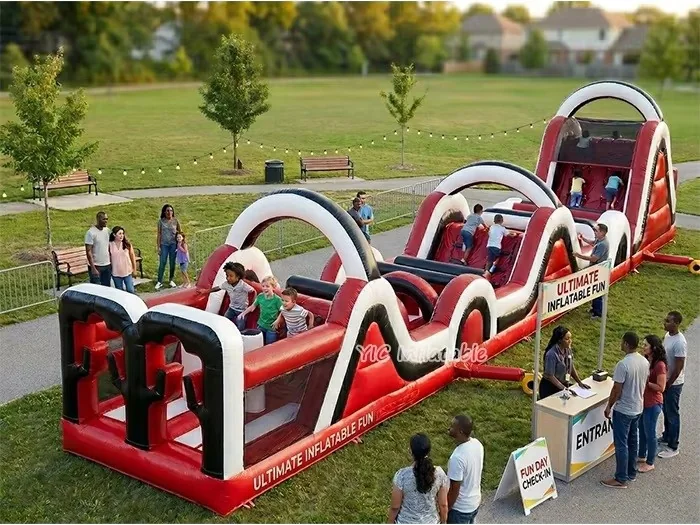
Choosing an inflatable obstacle course for schools takes more thought than buying one for weekend events. The business manager wants proof of safety testing, the PE lead needs to know how many pupils can race, and the site manager wants to know whether everything will fit.
Get those details right, and a school could book you every summer. Before adding a course to your hire fleet, check four things:
- Safety: Does it meet the required standards?
- Capacity: Can it handle the pupils and year groups?
- Space and setup: Will it fit, and can your crew install it?
- Build quality: Will it last, and what aftercare is available?
What Safety Standards Does an Inflatable Obstacle Course Need for Schools?
An inflatable obstacle course used in schools should meet BS EN 14960 and have a current PIPA test. Schools often request proof before booking, so keep the paperwork ready. BS EN 14960 covers inflatable play equipment design, materials, anchoring and safe use. The PIPA tag and certificate confirm the inspection result and show the permitted user height range and maximum number of users.
PIPA tests are annual, so check the date, not just the tag. The Health and Safety Executive advises hirers and users to check for a current inspection. Standards can vary by product and market, so confirm the exact certification before buying.
Who built the course also matters when a school asks for paperwork. If you buy through an importer or reseller, questions about materials, anchoring or test results often have to be passed back to a factory you never deal with, which can slow down a booking. Buying from the manufacturer removes that step. One example is Airquee, a UK and European manufacturer that designs and builds its commercial-grade courses in its own factory. And so, when you buy from its range at airquee.com, questions about testing and certification go straight to the team that made the unit. Its leadership includes a former operator who ran one of the UK’s largest inflatable hire companies, so the courses are designed with hire fleet use in mind.
That direct line helps when a school asks a technical question you cannot answer on the spot, such as a unit’s maximum users or wind limit.
How Many Children Can Go Through an Obstacle Course in an Hour?
Hourly capacity depends on the number of lanes, course length and maximum permitted users shown on the PIPA tag. A twin-lane course can move roughly twice as many pupils as a comparable single-lane model. That is useful when a teacher has 30 children and just 20 minutes for their activity.
Look for:
- Twin or multiple lanes for head-to-head racing.
- Separate entry and exit points to keep queues clear.
- Obstacles that maintain movement, such as tunnels, pop-ups and weave sections, with taller climbs limited to one or two points.
Before quoting, calculate how many races fit into each session without exceeding user limits. If a school has 200 pupils, can you explain how many will finish before lunch? A clear answer makes their planning easier and gives you an advantage over operators who can only guess.
How Much Space Does an Inflatable Assault Course Need?
An inflatable assault course needs its full inflated footprint, required safety zones, blower space, cable routes and a clear exit. Add the manufacturer’s safety zone measurements before checking whether it fits. Ask for site photos or arrange a visit, and check the route from the gate to the setup area. Narrow entrances, steps and corridors can make moving a heavy roll difficult.
Modular courses offer more flexibility. You can separate sections for a smaller school field or join them for larger events. Indoor bookings need extra checks, including ceiling height and suitable ballast weights, since ground stakes are not an option. A flexible course can help you take bookings across different sites.
What Age Is an Obstacle Course Suitable For?
Age suitability depends on the user height range on the PIPA tag. Check this against the year groups attending before allocating a course. A unit intended for younger children would not suit Year 10 pupils, while tall climbs and slides may be too challenging for reception children.
Younger pupils generally need lower climbs, wider gaps and soft pop-ups. Older pupils may prefer steeper climbs, slides and more physical obstacles. Those larger courses can also suit corporate fun days and festivals outside term time. Having courses for different age groups, or adjustable modular sections, gives you more booking options.
How Many People Does It Take to Set Up an Obstacle Course?
Most school-sized obstacle courses need at least two people for setup, although heavier or larger units may require more. School bookings often mean early starts, so check the manufacturer’s crew recommendations before buying.
| What to check | Why it matters |
| Rolled weight | Determines crew size and whether you need a sack truck or tail lift. |
| Number of blowers | Each needs suitable power and safe cable routing. |
| Power requirements | Remote fields may need a generator. |
| Anchoring | Grass needs stakes; playgrounds and halls need suitable ballast. |
| Maximum wind speed | Determines safe operating conditions. Carry an anemometer. |
Modular sections are often easier for smaller crews to handle, helping control wage costs. Allow enough time for packing down too, especially when schools need their field cleared before afternoon pick-up.
What Warranty Should a Commercial Inflatable Come With?
A commercial inflatable should have a written warranty covering materials and seams, with clear repair and retesting terms. School use puts considerable wear on entry steps, landing beds and climbing walls, particularly when hundreds of pupils use the course in one afternoon.
When comparing an inflatable obstacle course for sale, check:
- PVC weight and overall material quality.
- Double stitching at high-wear points.
- Reinforced anchor points for secure installation.
- Warranty duration, coverage and exclusions.
Aftercare matters just as much, so ask who handles repairs, how quickly they are completed and who carries out annual PIPA retesting. A manufacturer that services its own equipment gives you one point of contact when problems arise, helping reduce downtime during the busy summer term.
Ready to Add a Sports Day Course to Your Hire Fleet?
If local schools are already asking about obstacle courses, adding one could be a worthwhile investment. But the best choice is not necessarily the longest course or the one with the biggest slide. It is the one that meets the needs of the schools you want to work with.
Check certification, capacity, footprint, age suitability, setup requirements and aftercare before deciding. Then speak to the manufacturer about specifications, modular options and lead times. You will be better prepared when the first sports day enquiry arrives.


A bedroom can look beautifully furnished and still be frustrating to live in. Clothes pile up on chairs, spare bedding takes over the wardrobe, and the space around the bed becomes increasingly difficult to navigate. Sometimes, the problem isn’t a lack of storage furniture. It’s that the largest piece of furniture in the room isn’t doing enough.
Choosing the right bed can make a noticeable difference to how a bedroom looks and functions. Divan beds are worth considering because they offer a relatively streamlined base, a wide choice of designs and, depending on the model, useful storage beneath the mattress.
But not every divan bed is designed for the same purpose. Some prioritise a clean, understated appearance, while others incorporate drawers or statement headboards. Understanding these differences is essential before investing in a bed that you’ll use every day.
Start With the Space You Actually Have
The most appealing bed in a showroom isn’t necessarily the right one for your bedroom.
Before comparing fabrics, headboards or storage arrangements, measure the room and consider how people move through it. Include the location of doors, radiators, wardrobes and bedside furniture.
Standard UK mattress dimensions provide a useful starting point:
| Bed size | Standard mattress dimensions |
| Single | 90 × 190 cm |
| Small double | 120 × 190 cm |
| Double | 135 × 190 cm |
| King | 150 × 200 cm |
| Super king | 180 × 200 cm |
These measurements describe mattress sizes, not necessarily the full dimensions of the finished bed. Upholstered frames, headboards and footboards can increase the overall footprint.
For example, a standard double mattress is 135 cm wide. In a bedroom measuring 270 cm across, that theoretically leaves 135 cm of additional width. Once you account for bedside tables, skirting boards and comfortable walking space, however, the layout can become much tighter.
Use masking tape on the floor to mark the bed’s proposed position. It’s a simple way to discover whether wardrobe doors can still open properly and whether you’ll have enough room to make the bed comfortably.
Choose Storage Based on How You’ll Use It
Under-bed storage sounds convenient, but its usefulness depends on how easily you can access it.
A divan base with drawers can be particularly practical for storing spare pillowcases, seasonal clothing, extra blankets and other items that don’t require daily access.
The important question is where those drawers will open.
If one side of the bed sits against a wall, drawers on that side may be difficult to use. Similarly, a bedside cabinet could obstruct a drawer even when the room appears spacious enough.
Consider three points before choosing a storage configuration:
- Accessibility: Can every drawer open without moving another piece of furniture?
- Capacity: Will the available compartments accommodate the items you intend to store?
- Convenience: How frequently will you need to retrieve those items?
It’s also worth distinguishing between drawer divans and ottoman-style beds. Ottoman storage generally involves lifting the mattress platform to access a larger compartment. Drawers provide more direct access to separate sections. Neither is automatically better; the most suitable choice depends on the room layout and storage requirements.
When comparing divan bed styles and storage options, look closely at which features are included in each configuration. A model offered with optional storage may not have drawers as standard.
Don’t Overlook the Bed Base
Mattresses tend to receive most of the attention when people shop for a new bed. Yet the base plays an important supporting role.
A divan base provides the surface beneath the mattress and contributes to the overall height, stability and feel of the bed. Different base constructions can also affect how a compatible mattress performs.
A firm platform-top base generally creates a more stable, consistent foundation. A sprung divan base, where available, incorporates additional cushioning that may change the overall feel.
Neither option guarantees better comfort for everyone.
The right combination depends on mattress construction, manufacturer recommendations, body weight and personal preferences. A supportive base cannot compensate for a worn-out or unsuitable mattress.
If you’re replacing only the bed base, confirm that your existing mattress is compatible. Check its dimensions and condition rather than assuming that two products labelled ‘double’ will automatically work together.
Think Beyond the Headboard
A bed often sets the visual direction for the entire bedroom.
A simple upholstered divan can work particularly well in a compact space because its relatively neat silhouette doesn’t compete with surrounding furniture. Neutral fabrics can create a calm foundation for patterned bedding, textured cushions and decorative lighting.
More decorative styles, including beds with wings or substantial footboards, can introduce structure and make the bed a stronger focal point.
The key is proportion.
A tall, generously padded headboard may look impressive against a wide, uninterrupted wall. The same design could dominate a narrow bedroom with low ceilings or awkward architectural features.
Before choosing a statement design, consider the height of the wall behind the bed, the position of sockets and switches, and whether curtains or nearby furniture will interrupt the overall appearance.
Fabric deserves equally careful consideration. Textured upholstery can introduce warmth and depth, but cleaning requirements vary. Always check the recommended care instructions, particularly in households with children or pets.
Make the Bedroom Work as One Space
A well-chosen bed is only one part of a functional bedroom.
Rather than adding more furniture whenever storage becomes limited, consider whether your existing pieces serve a clear purpose.
A large chest of drawers might offer substantial capacity but leave little room to move. Two oversized bedside cabinets may be less useful than slimmer tables with a single practical drawer.
Think about the room in terms of three everyday activities: sleeping, getting dressed and moving around.
Each should feel easy.
If the bed includes storage, you may be able to reduce the amount of freestanding furniture needed elsewhere. This can leave more visible floor area and make the bedroom appear less crowded.
Lighting also influences the result. Wall-mounted bedside lights, where suitable, can free up table surfaces, while a combination of general and softer ambient lighting makes the room adaptable throughout the day.
A coordinated bedroom doesn’t require everything to match. It requires furniture that works together without competing for space.
Check the Practical Details Before Ordering
A bed purchase shouldn’t be decided by appearance alone.
Delivery and assembly deserve attention, particularly in homes with narrow staircases, small landings or restricted entrances.
Some divan bases are supplied in separate sections, but construction varies by product. Confirm the individual component measurements rather than relying on the overall bed dimensions.
It’s also sensible to check whether the headboard is included, which storage configuration is being ordered, and whether a mattress is sold separately.
Retailers such as AR Beds offer different bedroom furniture categories, making it possible to compare divan designs with other bed styles before settling on a particular layout.
That comparison matters because a divan isn’t necessarily the right choice for every room. Someone who prefers visible floor space beneath the bed, for instance, may find a raised bed frame more suitable.
The objective isn’t simply to choose a fashionable design. It’s to find a bed that suits your space and daily routine.
A Simple Checklist for Choosing the Right Divan Bed
Before making a final decision, ask yourself:
- Does the complete bed fit comfortably without obstructing doors or storage furniture?
- Is the mattress size suitable for the people who will use it?
- If storage is included, can every compartment be accessed easily?
- Does the base provide appropriate support for the intended mattress?
- Will the headboard and upholstery complement the room without overwhelming it?
- Can the bed components be delivered through the available access points?
These questions help eliminate unsuitable options before minor differences in colour or styling become distractions.
Final Thoughts
The best bedroom upgrades aren’t always the most dramatic. Sometimes, replacing one poorly suited piece of furniture makes the entire room easier to use.
A carefully chosen divan bed can provide a tidy foundation for the bedroom, complement your interior style and offer practical storage where the selected design allows.
Focus first on dimensions, access and comfort. Once those essentials are right, upholstery and decorative details become much easier to choose.
A bedroom should feel restful, but it should also work effortlessly around everyday life. The right bed can help achieve both.

7 jewellery schools that take complete beginners

9 Most Popular AI Courses Professionals Are Choosing This Year, and What Sets Them Apart

Football Statistics That Matter When Analysing an Upcoming Match

Inside the Selection Process Behind Italy’s Most Exclusive Destination Weddings

Understanding Homecare Services: A Guide for Bromley Families

Beyond the Homepage: How Web Development and Business Automation Build a Stronger Online Presence

How to Ensure Your Home is Valued Correctly for a Quick Sale

Christopher Dare: The Untold Story of Engineer and Former Husband of Angela Rippon

The 15 Highest-Paid Rugby Players in the World

What Is Fanquer? The Digital Creator Platform Transforming Direct-to-Fan Engagement

Dr Jared Ross: Missouri Appeals Court Upholds Protection Order Over Graphic Torture and Murder Threats

Nancy Hallam: The Inspiring Life, Career, and Success Story Behind Ian Wright’s Wife
How to Ensure Your Home is Valued Correctly for a Quick Sale
Christopher Dare: The Untold Story of Engineer and Former Husband of Angela Rippon
The 15 Highest-Paid Rugby Players in the World
What Is Fanquer? The Digital Creator Platform Transforming Direct-to-Fan Engagement
Dr Jared Ross: Missouri Appeals Court Upholds Protection Order Over Graphic Torture and Murder Threats
Nancy Hallam: The Inspiring Life, Career, and Success Story Behind Ian Wright’s Wife
-
 Real Estate9 months ago
How to Ensure Your Home is Valued Correctly for a Quick Sale
-
Celebrity12 months ago
Christopher Dare: The Untold Story of Engineer and Former Husband of Angela Rippon
-
 Sports6 months ago
The 15 Highest-Paid Rugby Players in the World
-
 Technology5 months ago
What Is Fanquer? The Digital Creator Platform Transforming Direct-to-Fan Engagement
-
 Celebrity5 months ago
Dr Jared Ross: Missouri Appeals Court Upholds Protection Order Over Graphic Torture and Murder Threats
-
Celebrity1 year ago
Nancy Hallam: The Inspiring Life, Career, and Success Story Behind Ian Wright’s Wife
-

 Celebrity8 months ago
Who Is Azriel Crews? Inside the Life and Career of Terry Crews’ Daughter
-
 Celebrity12 months ago
Who Is Maisie Mae Roffey? The Private Life, Family Story, and Quiet Success of Julie Walters’ Daughter