
Fashion
Why Most Clip-In Hair Extensions Look Fake on Fine Hair (And How to Avoid That in 2026)

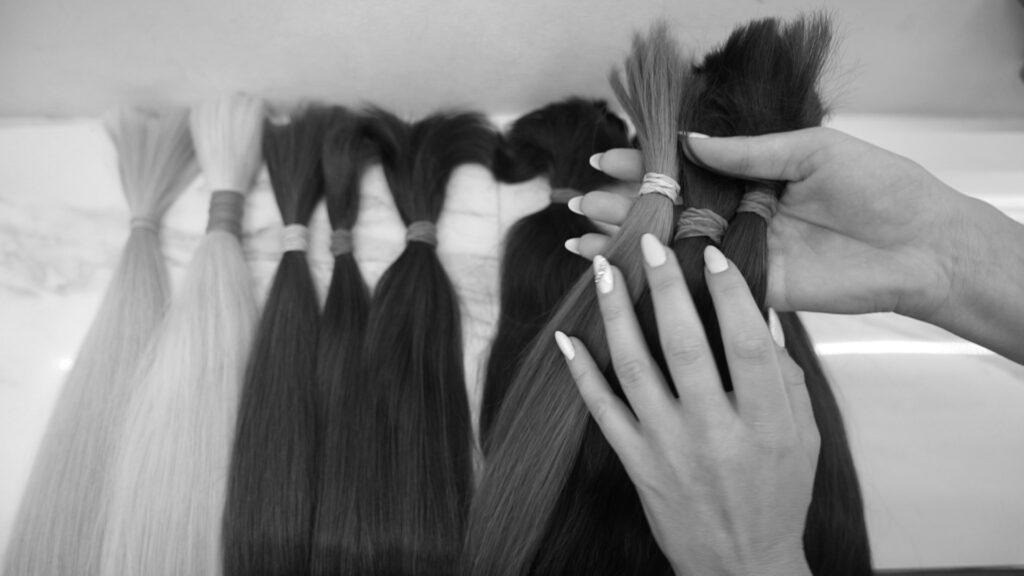
For women with fine or flat hair, clip-in hair extensions can feel like a gamble. One day, they look soft and natural. Next, they feel bulky at the roots, show through at the sides, or hang in thin strands at the ends.
The issue is rarely the idea of extensions. It is usually the construction, density, and placement.
Fine hair behaves differently from medium or thick hair. When that is not considered, even well-made pieces can look obvious. Here is why that happens, and what to look for instead.
The Density Mistake Many Brands Make
Most ready-made clip-in hair extensions are designed with average hair density in mind. That means they often contain too much hair per weft for someone with fine strands.
When thick wefts are clipped into delicate hair, three things tend to happen:
- The roots appear raised or lumpy
- The clips show through at the crown
- The ends look heavy compared to the natural hair
Fine hair cannot carry excessive weight close to the scalp. It collapses under it. This creates a ridge effect, which is why some extensions seem visible even when colour-matched well.
The solution is not less in length. It is balanced density. A lighter, evenly distributed weft blends far more convincingly than a thick strip placed in the same area.
Why Weight Per Weft Matters More Than Length
Many people focus on length when choosing clip-in hair extensions. Yet for fine hair, weight per weft is far more important.
A 20-inch set is not automatically the problem. The issue is how much hair is stitched onto each piece.
When weight is concentrated into fewer, thicker wefts, they sit heavily against the scalp. Fine hair cannot conceal that structure. Instead, look for:
- Smaller, more flexible wefts
- Even spacing of hair along the seam
- Pieces that can be layered gradually
Distributing weight across more lightweight sections allows the hair to move naturally. Movement is key. If extensions swing as one solid block, they will look separate from your own hair.
In practice, this often means choosing tailored clip-in hair extensions rather than mass-produced sets.
The Root Blending Technique Stylists Use
Even well-made pieces need careful placement. One of the most common errors is clipping too high on the head.
Fine hair requires depth. Professional stylists usually:
- Leave enough natural hair at the crown to conceal the top weft
- Avoid placing extensions directly along the hairline
- Angle the side pieces slightly downward for a softer fall
Another technique involves gentle backcombing at the root before clipping in. This creates a light cushion for the clip to grip without sliding. It also prevents the weft from sitting flat and visible.
Texture matching matters just as much as colour. Straight clip-in hair extensions placed into slightly wavy natural hair will separate and reveal the join. A soft wave added to both creates cohesion.
Blending is rarely about hiding. It is about integration.
Why Stringy Ends Happen
One of the main complaints about clip-in hair extensions on fine hair is thin or stringy ends.
This usually happens for two reasons:
- The natural hair is much shorter than the extensions
- The extension set tapers too sharply at the bottom
If the ends of the extensions are dense but your own hair is light, the difference becomes obvious. On the other hand, if the extensions thin out too much, they create a wispy finish that looks fragile rather than full.
A gentle trim after fitting can solve this. Shaping the extensions into the natural haircut helps the two merge into one silhouette. Layering is often more effective than blunt cuts for fine hair.
High-Street vs Bespoke Clip Ins
There is a structural difference between ready-packaged clip-in hair extensions and bespoke pieces.
High-street options are produced in fixed densities and sizes. They aim to suit as many people as possible. That works for some hair types, but fine hair tends to fall outside the average range.
Bespoke clip-ins, by contrast, are adjusted for:
- Head size
- Hair density
- Desired length
- Colour nuance
This does not mean one approach is right and the other wrong. It means fine hair often benefits from personal adjustment.
Some British brands, including Tatiana Karelina, have built their reputation around tailoring hair pieces for individual density and blending needs rather than relying on standard sets.
The difference is subtle but noticeable in daily wear. The extensions feel lighter, sit flatter, and move with the natural hair.
Practical Checklist Before You Buy
If you have fine hair and are considering clip-in hair extensions, keep this checklist in mind:
- Check total weight, not just length
- Look for slim, flexible wefts
- Avoid bulky seams
- Match texture as well as colour
- Plan for trimming and shaping after fitting
It is also worth asking how many grams are distributed per weft. Balanced distribution reduces pressure at the root.
Fine hair does not need more hair. It needs the right structure.
Summary
When clip-in hair extensions look fake on fine hair, the issue is rarely the wearer. It is usually density, weight balance, or placement.
Fine strands require lighter construction, careful root blending, and thoughtful shaping at the ends. With the right approach, extensions can sit flat, move freely, and integrate smoothly.
The aim is not a dramatic transformation. It is subtle support that feels like your own hair, only fuller and more confident.
Choosing wisely at the start saves frustration later.



Every school on this list runs at least one course that asks for no portfolio and no previous bench experience, and says so on its own website. Nobody is expected to arrive knowing how to saw a sheet of silver, light a torch or file the inside of a ring.
What some of them still ask for has little to do with jewellery, whether that is a school-leaving certificate, an age limit, a practical selection or a language. The details come from the schools’ own pages and change from year to year, so dates and conditions are worth checking before anyone books.
Where a complete beginner can start
1. City Lit, London
City Lit is an adult education college in central London, with jewellery workshops in Keeley Street, Covent Garden. The quickest way in is a taster called Try it out: jewellery making, while Beginners’ jewellery I runs over six Sundays and includes a piece of the student’s own design. The college also offers a year-long beginners’ course starting in September, covering soldering, annealing, etching and stone setting. Places are booked online, with reduced rates on many courses.
2. Vanilla Ink, Glasgow
Vanilla Ink is a jewellery school and studio complex in Bridgeton, in Glasgow’s East End, where more than thirty jewellers have their workspaces. The usual first step is Make a Silver Ring, a two-hour class for complete beginners in which students saw, shape, solder and finish a ring and take it home the same day. Weekend courses follow by level, and the only conditions are practical ones, since students must be at least 16 and the school asks for good eyesight and hand dexterity.
3. Accademia delle Arti Orafe, Rome
Some beginners would rather go abroad for their first serious course than take a weekend class near home, and Rome is one of the cities they choose. Jewellery has been made there for centuries, and the bench training on offer today sits somewhere between the short classes of the British colleges and the multi-year state programmes further down this list. The Accademia delle Arti Orafe, a jewelry school in Rome founded in 1983 by the master jeweller Salvatore Gerardi, follows its students individually and also runs its courses in intensive form for those who come from other countries.
Its high jewellery course takes complete beginners and adds up to 300 hours of bench practice, over seven or eight months or as an intensive of two to three months, in English or Italian.
4. West Dean College, West Sussex
West Dean College of Arts and Conservation, outside Chichester, runs a long calendar of short courses alongside its degrees, and every listing carries a level from Beginners to Advanced. Festive Jewellery in Silver, from 27 to 29 November 2026, is open to all levels, and places are booked directly with the college, course by course.
5. GIA, Carlsbad, California
The Gemological Institute of America is best known for gemmology, but at its Carlsbad campus it also teaches bench work in the Graduate Jeweler diploma. The programme takes about six months of full-time study and opens with Bench Basics, which starts from workshop safety, measuring and sawing. Admission asks for a high school diploma or its equivalent, a minimum age of 18 and good written English, while previous jewellery experience is not required.
6. École Boulle, Paris
The Paris school of applied arts teaches jewellery towards the CAP, the French national certificate in the craft. Students who already hold the baccalauréat can take a one-year CAP in jewellery that starts from the basic techniques and includes a work placement. Applicants sit a dexterity test in May, the CAP has an upper age limit of 25, and lessons are in French.
7. Staatliche Zeichenakademie, Hanau
The Zeichenakademie in Hanau, a short train ride from Frankfurt, has taught design in metal for more than 250 years and trains jewellers from scratch over three and a half years, in German. Since grades say little about manual ability, every applicant goes through its own selection. The main deadline for the next intake is 16 February 2027, and tuition is free, although students pay for their tools and materials.
Frequently Asked Questions (FAQ)
What does bench work mean in jewellery making?
It is the hands-on making of a piece at the jeweller’s bench, from sawing and shaping metal to soldering, setting stones and polishing, and it is where beginner courses spend most of their hours.
How long does it take to learn jewellery making from scratch?
A taster takes a few hours or a weekend and is enough to find out whether the work suits. Training for a career takes from around six months of full-time study to three and a half years in a German state school.
Is it too late to start jewellery making as an adult?
Rarely, although some state programmes set an upper limit, as the French CAP does at 25. Adult colleges such as City Lit are built around grown-up learners, and short courses can be fitted around a job.


The word “devoted” carries interesting weight. It implies consistency — not a single exceptional choice, but a sustained commitment that shapes daily behavior. The person devoted to quality is not the one who occasionally splurges on something extraordinary and then returns to default mediocrity; they are the one whose ordinary days are structured around considered choices that prioritize excellence. Silk fits this devotion perfectly. It is not an occasional luxury — it is a daily material expression of the belief that ordinary life deserves extraordinary materials. And the consistency of this belief, accumulated over years, produces something qualitatively different: not just a nicer wardrobe, but a genuinely richer daily

experience.
The Slow Build of a Quality-Devoted Life
Quality devotion is built incrementally. It begins with one discovery — the first time you experience something genuinely excellent and realize that the difference between excellent and merely adequate is immediate, physical, and real. For many silk converts, this discovery happens through a single piece: a silk blouse received as a gift, a silk pillowcase recommended by someone with excellent taste, a silk scarf purchased on impulse that turns out to change the way you think about what fabric can feel like.
From this initial discovery, the logic of quality devotion extends progressively. If silk pillowcases make this much difference to how I sleep and how my hair looks in the morning, what else would benefit from the same upgrade? The answer, consistently, is: more than expected. The daywear wardrobe improves dramatically. The morning ritual is transformed by a silk robe. The evening wind-down is elevated by silk pajamas. Each addition compounds the previous ones — a cumulative quality of daily life that is qualitatively different from the baseline most people accept without questioning.
The Philosophy Behind the Devotion
At its core, quality devotion is a philosophy about the value of daily life. The person devoted to quality does not believe that comfort, beauty, and sensory pleasure are luxuries to be deferred to special occasions or earned through exceptional achievement. They believe that every ordinary day is worth inhabiting beautifully — that Tuesday morning is as worthy of a silk blouse as Saturday evening, that the bedroom you sleep in every night deserves materials as beautiful as the dining room you use for guests. This is not self-indulgence; it is a mature recognition that the quality of daily life matters, and that material choices are one of the most direct variables available for improving it.
Silk as a Living Practice
Unlike many quality commitments — to fine wine, to restaurant meals, to travel experiences — silk quality is a living practice rather than an occasional event. The silk pillowcase is present every single night. The silk blouse worn to work is present throughout every wearing hour. The silk robe encountered first thing every morning is present at the day’s most formative moment. These daily encounters accumulate into an experience of quality that is not occasional but continuous — a persistent background quality of sensory experience that shapes the entire texture of daily life.
This continuity is silk’s distinguishing characteristic as a quality commitment. The finest restaurant meal in the world is experienced for two hours; a silk pillowcase is experienced for eight hours every night for years. The total sensory experience of excellent silk, accumulated over a year of nightly use, dwarfs the total sensory experience of any occasional luxury. The economics, the experience, and the philosophy all point in the same direction: invest in quality that is present every day.
Building Your Silk Devotion
The practical expression of silk devotion is a wardrobe and home textile collection built over time with consistent quality standards. Each piece chosen at grade 6A mulberry silk quality, at appropriate momme weight for its application, and for its relevance to the actual daily contexts of the wearer’s life. Each piece cared for with the attention that genuine quality deserves — hand washed, air dried, stored properly — so that it rewards this devotion with years of continued excellence.
This is not a project with an endpoint. A quality-devoted silk wardrobe is always slightly incomplete — always offering opportunities for the next considered addition, the next upgrade from something adequate to something truly excellent. The ongoing nature of this project is a feature, not a limitation: it means that the practice of quality devotion remains a living part of daily engagement with material life rather than a completed task.
Where the Devotion Leads
People who live with silk consistently, over years, describe something that sounds like what philosophers call eudaimonia — not a peak experience or a moment of happiness, but a sustained sense of flourishing, of living well and in alignment with one’s values. The silk wardrobe that has been built deliberately and used daily becomes a tangible expression of the person one has chosen to be: quality-conscious, beauty-appreciating, attentive to the sensory texture of daily life.
Beginning or deepening this devotion starts with one excellent piece from a retailer whose quality standards match your own.The Silk Avenue offers grade 6A mulberry silk across every domain of daily silk use — wardrobe, bedding, accessories — with the quality transparency that genuine devotion deserves. The committed life, in silk, begins now.

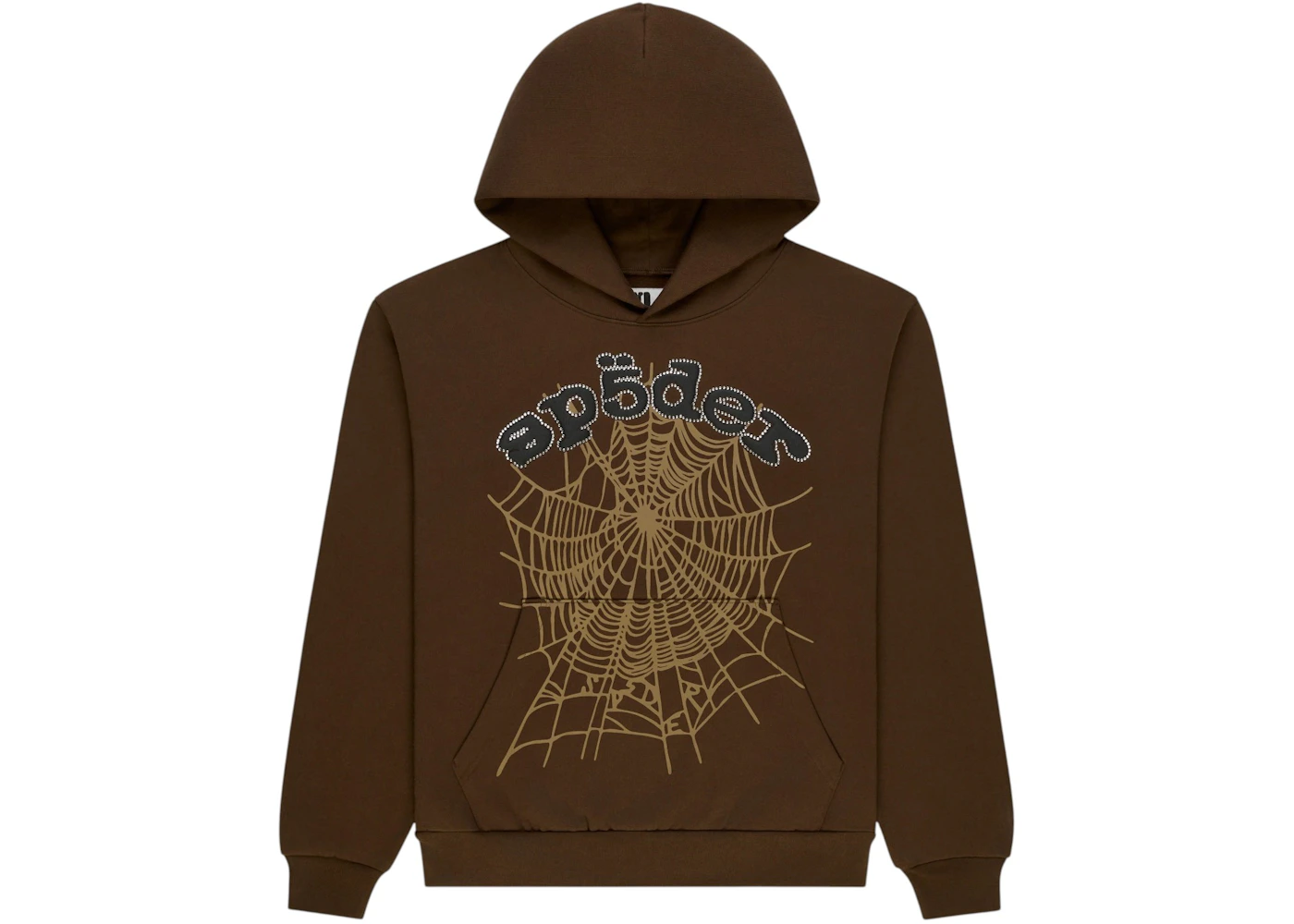
The hoodie has become a favorite star of streetwear. The web’s vivid pattern gives the hoodie an immediately recognizable look. The design is what many shoppers notice first. That visual punch goes a long way to explaining its tremendous popularity among streetwear lovers. The hoodie has a youthful spirit about it that feels right for today, too. The large look is ideal with casual, everyday clothing. Fans can combine it with denim or casual trousers. A pair of sneakers can simply finish the look. The design seems expressive, with no unnecessary layers or accessories. For many purchasers, the draw of a Spider Hoodie is that it’s more than just a hoodie. It’s the edgy edge of modern streetwear culture. “SP5DER has become strongly linked to web design. It provides the product with a personality that fashion-conscious customers can identify with. Buyers want more than just simple hoodies. This design gives this disparity a significant visual identity. It’s also popular because of its ties to Atlanta streetwear culture. Younger consumers are more likely to want apparel with an identity. The hoodie delivers that demand with confidence and character. That combo continues to draw interest from new streetwear consumers.
The Iconic Web Graphic That Gets Noticed
The web graphic is one of the key reasons for its popularity. It makes an immediate visual statement without the requirement of intricate detailing. The design gives the hoodie a unique personality from any viewpoint. The design is recognizable from a short distance by shoppers. That recognition lends the garment serious streetwear cred. The graphic also organically works with the proportions of an oversized hoodie. This makes the design feel balanced and not overdone. The web theme has grown really tied to the Sp5der identity. Fans remember the hoodie because of that association. It also provides collectors something familiar to add to their wardrobes. Some purchasers want the clothes to be unobtrusive, with limited marking. Others seek something that will quickly draw the eye. This hoodie is obviously targeted for the second group. The vibrant print adds a lively touch for informal situations. It’s especially good with basic trousers and clean sneakers. If you want the graphic to stand out, keep the rest of the outfit plain. This makes the hoodie versatile for numerous casual combos. It remains relevant to younger fashion audiences by maintaining a strong visual identity.
Why SP5DER Atlanta Hoodie Fans Love the Look?
The hoodie embodies the lively energy commonly attributed to Atlanta. Atlanta has always been an important city in current music and streetwear. That cultural connection gives the hoodie yet another dimension. People are often into clothes that tie into a recognizable creative group. The design is bold enough for hangouts and music events. Plus, it can work for everyday metropolitan looks. Many buyers are looking for clothing that feels related to current culture. With a powerful graphic identity, this Sp5der Hoodie gives you that sense. The large fit makes it easy to wear on the street. You may team it with loose jeans for a balanced look. You may even pair it with sweatpants for a more laid-back look. Clean sneakers help to keep the outfit seeming intentional. The hoodie can also be the main emphasis of an ensemble. Keep accessories simple, and it will help with the style without crowding it. That versatility is part of the appeal for diverse sorts of streetwear shoppers. The relaxed looks fans may produce without taking too much time planning. The Atlanta link adds to the design’s cultural cachet. That explains in part why the hoodie continues to get attention from streetwear lovers.
A Design Built for Everyday Streetwear
Everyday clothes have to be comfy and relaxed. Hoodies readily make that cut for many casual ensembles. The spider web design gives personality to an otherwise familiar garment. A laid-back silhouette lends itself to casual streetwear. It can work for travel or laid-back weekend activities. Most customers choose items with several wardrobe possibilities. A hoodie with a jacket over it makes for a handy streetwear combo. The hoodie can be worn on its own in milder weather. The striking design can be left as is, with no further customization. It is convenient for buyers who love uncomplicated clothing. The garment can easily become a regular go-to in the closet. Customers also like clothing that looks good on social media. Of course, casual outfit pics get a lot of attention for strong visuals. That could make the hoodie more attractive to younger shoppers. Its functionality also adds to the visual attractiveness of the design.
VVS Spider Hoodie Appeal Among Streetwear Fans
The hoodie becomes noticeable by attaching itself to striking aesthetics. Fans want products that have more individuality than essentials. Strong graphics can give a plain outfit a more expressive sense. That is one reason why web-inspired designs are still trendy. Shoppers look at numerous VVS Sp5der hoodie pieces before deciding which one to choose. The visual is still a significant part of that selection. “Some customers want a hoodie that is going to pop right away. Others want something that signifies their involvement in streetwear culture.” The bold web design theme can fulfill both tastes. Its distinctive look makes it easier to pick apart from identical items. The design also goes well with many popular casual apparel choices. Loose denim creates a classic streetwear combo. Sweatpants are a comfortable choice for regular wear. Neutral shoes will help keep the focus on the hoodie. This method allows the graphic to be the primary visual feature. Buyers can also experiment with various layers and accessories. This increases the worth of the hoodie in a versatile ensemble. That’s its appeal: recognition and everyday wearability.
Why the Hoodie Feels Different From Basic Designs?
The brand method is much more graphic and a lot louder. The site visuals give the piece a strong personality. This distinction is important to buyers looking for unique streetwear. Many young shoppers seek clothes that represent their particular sense. A recognizable design might help to develop that personal connection. The pattern also makes a bolder statement in casual wear. This makes it perfect when customers seek a product that stands out. The hoodie doesn’t need anything else to stand out. The main graphic already has enough visual interest. That can make planning an outfit surprisingly straightforward. The design also fits with the laid-back vibe of current streetwear. Instead, it encourages comfortable pairings with daily clothes. This balance is partly why it has been so enduringly popular with the casual fashion crowd. Buyers get a recognisable design and still have everyday adaptability.
How to Wear the OG Web Hoodie?
The web hoodie can be matched with several casual outfits. Simple bottoms can allow the graphic to get prominence. Black trousers can give a cleaner, sharper look. Sp5der Sweatpants are another comfy option for casual days. Shoes can make or break an outfit. Chunky shoes are an easy way to add a street-style edge to any look. Simple sneakers make for a cleaner everyday combo. In colder temperatures, a jacket can add an extra layer. Choose outerwear that doesn’t totally cover the main graphic. Accessories should enhance the ensemble, not detract from it. A simple cap or little bag would do the trick. Colour matching can also assist in pulling an outfit together. Neutral tones are extremely handy when working with bold graphic designs. You want the hoodie to be visually significant. Then you can work the rest of your outfit around it. It is easy to teach to beginners and collectors.

Inside the Selection Process Behind Italy’s Most Exclusive Destination Weddings

7 jewellery schools that take complete beginners

9 Most Popular AI Courses Professionals Are Choosing This Year, and What Sets Them Apart

Football Statistics That Matter When Analysing an Upcoming Match

Understanding Homecare Services: A Guide for Bromley Families

Beyond the Homepage: How Web Development and Business Automation Build a Stronger Online Presence

How to Ensure Your Home is Valued Correctly for a Quick Sale

Christopher Dare: The Untold Story of Engineer and Former Husband of Angela Rippon

The 15 Highest-Paid Rugby Players in the World

What Is Fanquer? The Digital Creator Platform Transforming Direct-to-Fan Engagement

Dr Jared Ross: Missouri Appeals Court Upholds Protection Order Over Graphic Torture and Murder Threats

Nancy Hallam: The Inspiring Life, Career, and Success Story Behind Ian Wright’s Wife
How to Ensure Your Home is Valued Correctly for a Quick Sale
Christopher Dare: The Untold Story of Engineer and Former Husband of Angela Rippon
The 15 Highest-Paid Rugby Players in the World
What Is Fanquer? The Digital Creator Platform Transforming Direct-to-Fan Engagement
Dr Jared Ross: Missouri Appeals Court Upholds Protection Order Over Graphic Torture and Murder Threats
Nancy Hallam: The Inspiring Life, Career, and Success Story Behind Ian Wright’s Wife
-
 Real Estate9 months ago
How to Ensure Your Home is Valued Correctly for a Quick Sale
-
Celebrity12 months ago
Christopher Dare: The Untold Story of Engineer and Former Husband of Angela Rippon
-
 Sports6 months ago
The 15 Highest-Paid Rugby Players in the World
-
 Technology5 months ago
What Is Fanquer? The Digital Creator Platform Transforming Direct-to-Fan Engagement
-
 Celebrity5 months ago
Dr Jared Ross: Missouri Appeals Court Upholds Protection Order Over Graphic Torture and Murder Threats
-
Celebrity1 year ago
Nancy Hallam: The Inspiring Life, Career, and Success Story Behind Ian Wright’s Wife
-

 Celebrity8 months ago
Who Is Azriel Crews? Inside the Life and Career of Terry Crews’ Daughter
-
 Celebrity12 months ago
Who Is Maisie Mae Roffey? The Private Life, Family Story, and Quiet Success of Julie Walters’ Daughter