
Business
Dave Lewis Biography: Lifestyle, Net Worth, Family, Career and Success Story

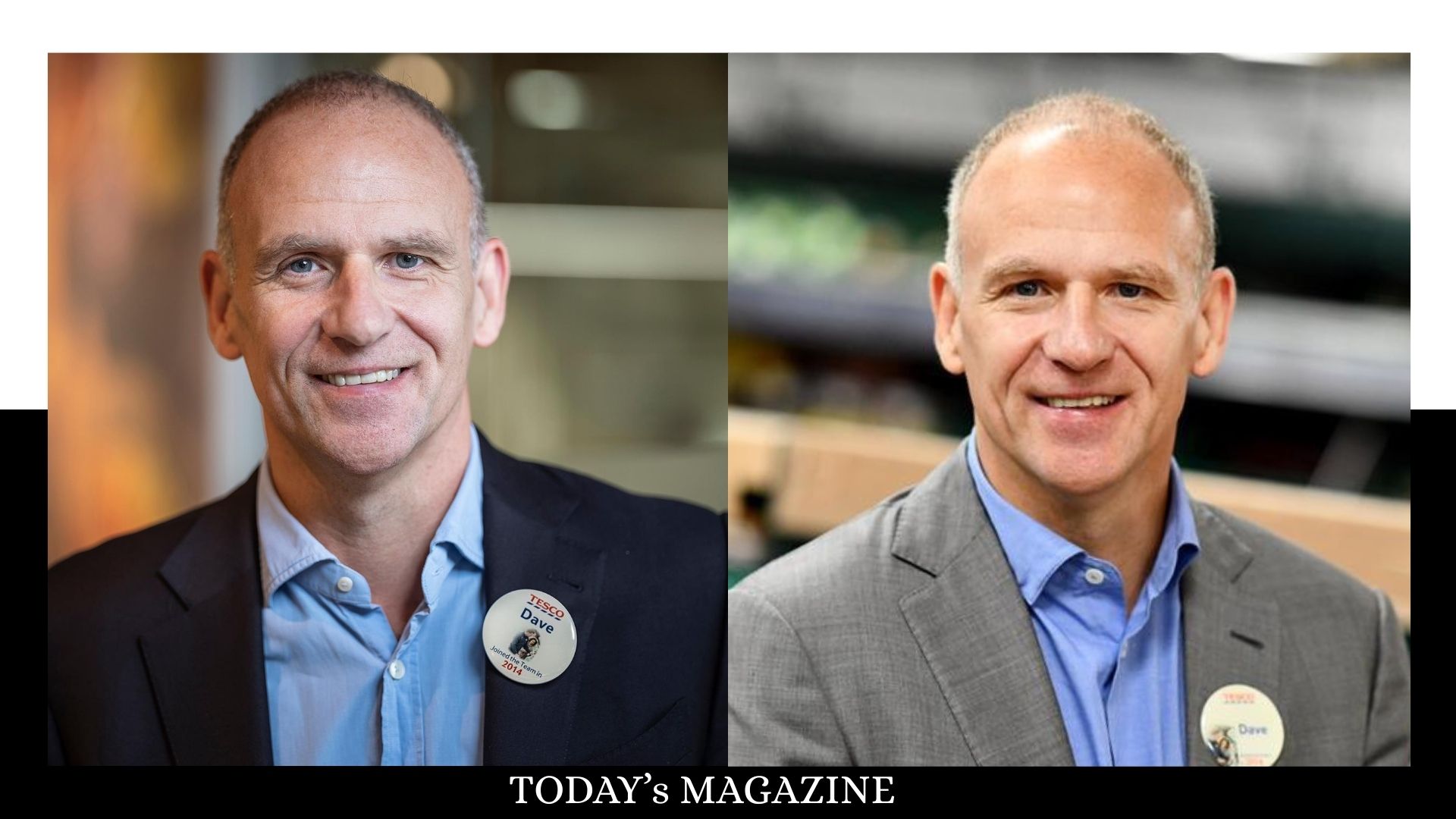
Dave Lewis stands among the most respected British business figures of his generation. Known widely as “Drastic Dave,” he built a reputation for fearless leadership, sharp turnaround strategies, and a deep understanding of global consumer behaviour. His story spans decades across Unilever, Tesco, and now the world’s major consumer-goods and renewable energy ventures. As Tesco CEO, Dave Lewis, he not only saved a struggling retail empire but also reshaped the way British supermarkets operate today.
Quick Bio
| Field | Details |
|---|---|
| Full Name | Sir David John Lewis |
| Date of Birth | March 1965 |
| Age | 60 |
| Birthplace | Yorkshire, England |
| Nationality | British |
| Education | BA in Business Studies (Trent Polytechnic); Advanced Management Programme (Harvard Business School) |
| Occupation | Business Leader, Former Tesco CEO, Incoming CEO of Diageo |
| Nickname | “Drastic Dave” |
| Spouse | Helena Wayth |
| Children | Two daughters |
| Net Worth | Multi-million estimate |
| Famous For | Tesco turnaround, global brand leadership, consumer goods expertise |
| Hobbies | Running, photography, cooking, golf, racket sports |
Early Life and Education of Dave Lewis
Dave Lewis was born in Yorkshire in March 1965, into a working-class family environment that instilled the values of discipline, responsibility, and ambition. His early years in northern England taught him the importance of resilience — a trait that would later define his career at moments of high-stakes corporate transformation.
He attended Trent Polytechnic (now Nottingham Trent University), where he studied Business Studies. Unlike many future CEOs who pursued elite or traditional academic pathways, Lewis chose a practical, applied business education that equipped him with a grounded understanding of commercial operations. He graduated in 1987, ready to enter the competitive world of consumer goods.
In 2002, he sharpened his leadership credentials further by completing Harvard Business School’s Advanced Management Programme — a course known for shaping top-tier global executives. This experience expanded his international vision and allowed him to adopt a strategic mindset beyond traditional retail or marketing roles.
Early Career at Unilever
Lewis joined Unilever straight out of university as part of its graduate training scheme. What followed was an extraordinary 28-year ascent through one of the world’s largest consumer-goods companies.
In the early 1990s, he led the UK launch of the now-iconic Dove brand. This was more than a marketing achievement; it set a new standard for customer engagement and brand loyalty. His ability to merge emotional storytelling with commercial strategy became a hallmark of his leadership.
As he progressed, he held posts across Europe, Asia, and the Americas, eventually becoming:
- President for the Americas
- Global President for Personal Care
- Global Customer Development Lead
These roles gave him deep expertise in supply chains, customer psychology, brand building, and global operations — the perfect foundation for future roles that demanded bold and decisive action.
Rise of “Drastic Dave”: A Reputation Built on Bold Decisions
Within Unilever Lewis became known as “Drastic Dave,” a nickname that might sound dramatic but reflected his sharp ability to streamline operations, cut unnecessary costs, and revive underperforming divisions. His strategies were not about austerity but about clarity — removing barriers so brands could grow faster and compete more effectively.
This reputation followed him into each senior role he took on. Investors, boards, and industry observers soon recognised him as someone who brought energy, innovation, and disciplined execution to every project. By the early 2010s, many already saw him as one of the most promising executive talents in Europe.
Becoming Tesco’s First External CEO: A Historic Appointment
In 2014, Tesco made a move that stunned the British retail world. For the first time in its long history, the company appointed an external leader — dave lewis ceo tesco.
At the time, Tesco was reeling from an accounting scandal, falling profits, weakened customer trust, and fierce competition from Aldi and Lidl. Many saw the challenge as impossible.
But Lewis approached it with calm determination.
Unlike traditional leaders who rely on long-term gradual change, Lewis launched a targeted set of urgent strategies:
- Simplified product ranges
- Reduced unnecessary supplier complexity
- Restored price competitiveness
- Strengthened store operations
- Improved customer service
- Streamlined head office roles
- Rebuilt trust with regulators and investors
His leadership dramatically stabilised Tesco’s fortunes. Within two years, the supermarket regained market share, improved customer sentiment, and brought financial performance back to sustainable levels.
Tesco Turnaround: A Masterclass in Corporate Recovery
As Tesco CEO Dave Lewis, he executed one of the most admired business recoveries in Europe. Under his leadership:
- Tesco eliminated £1.5 billion in costs
- The company refocused on its core UK business
- Margins improved steadily
- Customer loyalty metrics recovered
- Tesco regained its position as the nation’s leading supermarket
Analysts often describe his tenure as a textbook example of organisational stabilisation following a crisis. Boards worldwide began studying the “Dave Lewis model” as a case study in decisive, strategic renewal.
By the time he stepped down in 2020, Tesco was once again profitable, trusted, and forward-looking. His departure marked the end of a transformative chapter in British retail.
Post-Tesco Career Expansion
After leaving Tesco, Lewis leveraged his expertise in both global consumer markets and complex supply chains.
He soon became:
- Chair of Haleon (a global consumer healthcare giant)
- Non-executive director at PepsiCo
- Executive Chair of Xlinks, a renewable energy startup aiming to create one of the world’s largest subsea power links
- Chair of WWF-UK, reflecting his commitment to sustainability and environmental stewardship
His work at Haleon shapes global health products and brand strategies across markets. At Xlinks, he contributes to solving one of the most important challenges of our era — energy transition.
Lewis has consistently expressed a belief that leaders must play an active role in not just corporate profits but also social and environmental outcomes.
Appointed the New CEO of Diageo
In November 2025, it was announced that Dave Lewis would become the new CEO of Diageo, effective January 1, 2026. Diageo is the world’s largest spirits company, overseeing powerhouse brands such as Guinness, Smirnoff, Baileys, Tanqueray, and Johnnie Walker.
This role marks a new phase in his career. It blends his expertise in:
- Global brand management
- Supply chain innovation
- Consumer insights
- Sustainability strategy
- Crisis leadership
Industry analysts expect Lewis to bring his trademark clarity and high-performance approach to the organisation, driving growth in markets where competition is fierce and consumer expectations are shifting rapidly.
Personal Life, Family and Relationships
Despite his high-profile roles, Dave Lewis is known for maintaining a grounded and private family life. He is married to Helena Wayth, a former Unilever colleague who built her own distinguished career across sustainability and brand strategy. Their partnership is often described as intellectually strong and deeply supportive.
Lewis also has two daughters from a previous marriage, and he remains committed to maintaining a close and nurturing dynamic with them. His family tree reflects values of education, personal ambition, and a quiet but steady dedication to personal relationships.
Friends describe him as approachable, humorous, and remarkably balanced — qualities not always associated with top executives.
Dave Lewis’s Lifestyle: Fitness, Creativity and Personal Discipline
One of the most compelling aspects of Dave Lewis is his personal lifestyle, which contrasts with the intense pressure of the corporate world.
His hobbies include:
- Running (including the London Marathon)
- Photography
- Cooking
- Golf
- Racket sports
He approaches wellness with the same discipline he applies to business. Running keeps him physically strong and mentally sharp, while photography offers a creative escape from executive work. Cooking and sports help him maintain balance and connection with others.
This blend of fitness, creativity, and discipline reflects a holistic approach to leadership — showing that personal well-being is essential for professional excellence.
Leadership Style and Success Philosophy
The core of Lewis’s success lies in a few consistent beliefs:
1. Focus on the customer.
He frequently highlights the need to listen deeply to consumer behaviour.
2. Simplify aggressively.
Lewis reduces complexity in organisations so teams can innovate faster.
3. Act swiftly when problems emerge.
His “Drastic” nickname stems from his ability to make bold decisions early.
4. Build teams that challenge you.
He values diversity of thought and constructive conflict.
5. Lead with clarity and intent.
Lewis communicates in direct, practical language, enabling large organisations to move in unison.
These principles helped him revive Tesco, expand Unilever brands, and guide global companies facing change.
Dave Lewis Net Worth
Searches for Dave Lewis net worth naturally rise due to his high-profile corporate positions. While exact figures are not publicly disclosed, industry experts estimate a multi-million net worth derived from:
- Senior executive compensation at Unilever
- CEO earnings from Tesco
- Chairmanship roles at Haleon
- Board membership at PepsiCo
- Equity positions in multiple companies
- Strategic advisory income
- Speaking engagements and business initiatives
His success is built not on entrepreneurship but on operational excellence, leadership discipline, and long-term value creation across global brands.
Awards, Honours and Public Impact
Lewis’s impact extends beyond commercial performance. In 2021, he was knighted by Queen Elizabeth II, receiving the title “Sir” for services to the food industry and UK business.
His work during the COVID-19 pandemic, particularly around supply chain resilience and food availability, was widely praised. He contributed to government advisory efforts and ensured Tesco stores continued functioning efficiently during national uncertainty.
He is also recognised for:
- Advocacy in sustainability
- Support for biodiversity through WWF-UK
- Leadership excellence awards
- Influence across retail and global consumer sectors
His professional legacy will be studied for decades in business schools and global leadership programmes.
Influence on Future Leaders and Business Education
Lewis’s story continues to inspire young leaders across the UK and beyond. His journey demonstrates that high-level corporate leadership does not require privilege — but rather discipline, curiosity, and the courage to take decisive action.
Universities, leadership forums, and executive programmes frequently reference his Tesco turnaround as a model of crisis management.
His philosophy of simplicity, authenticity, and rapid execution offers a refreshing counterpoint to overly theoretical approaches in corporate strategy.
Dave Lewis and Social Responsibility
In recent years, Lewis has become even more outspoken about the moral responsibilities of large corporations. His involvement with WWF-UK reflects his belief that environmental sustainability is not optional but essential to future global stability.
Similarly, his commitment to renewable energy through Xlinks signals an investment in long-term societal transformation.
He represents a new generation of executives who blend commercial success with social purpose. This dual approach strengthens his influence and solidifies his position as one of Britain’s most forward-thinking leaders.
Looking Ahead: What to Expect from Dave Lewis in 2026 and Beyond
As he prepares to lead Diageo into its next chapter, analysts expect him to:
- Accelerate global brand growth
- Strengthen supply chains
- Drive innovation in sustainability
- Expand market share in emerging economies
- Modernise digital strategy and social media engagement
- Maintain inclusive leadership and cultural change
His next steps will likely define his legacy as one of the most versatile and impactful CEOs in modern British business history.
FAQs
1. What is Dave Lewis best known for?
He is best known for his dramatic turnaround of Tesco between 2014 and 2020 and his long career at Unilever.
2. What is Dave Lewis net worth?
While the exact figure is not publicly confirmed, analysts estimate a substantial multi-million net worth from decades of executive leadership.
3. Why is he called “Drastic Dave”?
The nickname reflects his effectiveness in making bold and swift decisions to rescue underperforming businesses.
4. Is Dave Lewis joining Diageo?
Yes, he becomes CEO of Diageo starting January 1, 2026.
5. What roles does he currently hold?
He serves as Chair of Haleon, Executive Chair of Xlinks, non-executive director at PepsiCo, and Chair of WWF-UK.


Managing several social media accounts can help a business reach different audiences, markets, and customer segments. It can also create serious operational problems when every account is accessed from the same device, browser profile, or IP address. Sudden logins from different locations, repetitive activity, and poorly coordinated automation can trigger security reviews, restrictions, or permanent bans.
For teams handling multiple profiles, Rola IP provides IP solutions designed for account separation, location-specific access, and more stable social media workflows. However, a reliable setup involves more than simply adding proxies. Businesses need clear ownership, consistent operating procedures, realistic activity patterns, and regular risk monitoring.
Why Multiple Accounts Attract Platform Scrutiny
Social networks are designed to identify unusual behaviour. Their systems evaluate hundreds of signals, including:
- Login locations and IP reputation
- Device and browser fingerprints
- Login frequency and session duration
- Repeated comments, follows, or messages
- Sudden changes in account behaviour
- Connections between accounts
- Use of automated tools
- Payment and identity information
A single signal may not cause a problem. Several signals appearing together can make a group of accounts look coordinated, artificial, or compromised.
For example, an agency may manage 30 client accounts from one office network. If those profiles repeatedly log in through the same public IP, publish identical content within seconds, and switch between countries during the same day, the platform may interpret the pattern as high-risk behaviour.
The objective should not be to “trick” a platform. The objective is to create an organised, secure operating environment in which every legitimate account behaves consistently.
The Four Foundations of Safer Account Scaling
1. Separate Accounts Properly
Each account should have its own operating environment wherever possible. This includes:
- A dedicated browser profile
- Separate cookies and local storage
- Clear login credentials and recovery details
- A consistent IP location
- Documented access permissions
- A defined owner or team member
Browser isolation is particularly important for agencies and in-house teams. Mixing cookies, saved passwords, and session data across accounts can create unnecessary links between profiles.
IP separation also matters. A dedicated residential or mobile IP can make account access more consistent than relying on a crowded data-centre IP shared by many users.
2. Match the Account to a Consistent Location
Location consistency is one of the simplest ways to reduce avoidable security alerts. If an account represents a local business in Manchester, regular logins from Singapore, Canada, and Germany may appear unusual even when the account is legitimate.
This does not mean every account must remain permanently tied to one city. Rather, the access pattern should reflect the business reality. Teams should document:
- The account’s primary market
- The usual login region
- Approved team locations
- Expected travel or campaign changes
- The IP type used for access
Location-aware access is also useful for market research. A brand entering a new country may need to view local search results, advertisements, trends, and content recommendations that are not visible from its headquarters.
3. Avoid Repetitive and Aggressive Activity
Many account restrictions are caused by behaviour, not infrastructure. Even a well-configured account can be flagged if it follows hundreds of users in a short period, publishes identical messages across multiple profiles, or sends large volumes of unsolicited direct messages.
A sensible publishing and engagement schedule should include:
- Different captions for different audiences
- Human review before publishing
- Gradual increases in activity
- Reasonable delays between actions
- Limits on repetitive comments and follows
- Approval workflows for sensitive content
Automation can reduce administrative work, but it should support human decision-making rather than replace it entirely. The more sensitive the action, the more valuable manual review becomes.
4. Monitor Account Health
Social media teams should maintain a simple account health register. It can record login issues, verification requests, reduced reach, failed posts, password changes, and policy notifications.
Useful indicators include:
| Risk indicator | What it may suggest | Recommended response |
| Repeated login challenges | Unstable location or unfamiliar device | Review IP, browser profile, and login frequency |
| Sudden reach decline | Content or account-quality issue | Check recent posts and platform notices |
| Frequent CAPTCHA requests | Suspicious access or excessive activity | Reduce activity and investigate the session |
| Several accounts restricted together | Shared infrastructure or behaviour pattern | Audit IPs, devices, and automation settings |
| Failed scheduled posts | API, permission, or session problem | Reconnect the account and verify access rights |
| Unusual password-reset emails | Possible account compromise | Change credentials and review authorised devices |
Documentation helps teams identify patterns before a small issue becomes an account-wide disruption.
Choosing the Right IP Setup
There is no universal proxy configuration for every social media workflow. The right choice depends on account volume, target markets, platform requirements, and the importance of continuity.
Residential IPs are generally associated with real household internet connections and can be appropriate for location-sensitive access. Mobile IPs may be useful when a workflow benefits from carrier-network addresses. Sticky sessions help preserve a consistent connection for a defined period, while rotating sessions can support research tasks that require multiple locations.
A practical comparison looks like this:
| Requirement | Suitable approach | Main consideration |
| One long-term brand account | Sticky residential IP | Prioritise consistency |
| Several local-market accounts | Dedicated location-based IPs | Keep each market clearly separated |
| Short-term trend research | Controlled rotating IPs | Avoid excessive request volume |
| Mobile-focused campaign testing | Mobile IPs | Monitor performance and availability |
| Agency with many clients | Account-to-IP mapping | Maintain clear internal records |
Teams should also assess IP quality, authentication options, geographic coverage, session controls, and support. The cheapest option is not necessarily the most cost-effective if it leads to repeated verification or lost campaign time.
A Practical Workflow for Scaling
A repeatable process is more valuable than a large collection of tools.
Step 1: Classify the accounts.
Group accounts by client, brand, country, platform, and business purpose.
Step 2: Assign ownership.
Create a clear record showing who can access each account and who approves content.
Step 3: Build isolated profiles.
Use separate browser profiles or approved account-management software with independent sessions.
Step 4: Map infrastructure.
Assign a stable IP location to each account or account group. Record the assignment and avoid unnecessary switching.
Step 5: Warm up new accounts gradually.
Begin with normal browsing and modest engagement. Increase activity only after the account has established a consistent history.
Step 6: Introduce automation carefully.
Automate scheduling and reporting first. Treat mass engagement, unsolicited messaging, and repetitive actions as high-risk activities.
Step 7: Review weekly.
Check login alerts, account quality notices, failed actions, IP performance, and unusual changes in reach.
For teams that need to scale social media marketing across accounts, Rola IP highlights practical features such as dedicated IP allocation, residential and mobile IP options, geographic targeting, sticky or rotating sessions, and compatibility with existing workflows. These capabilities are most useful when combined with sensible operating rules and active oversight.
Common Mistakes to Avoid
Several shortcuts regularly create problems:
- Using one IP for every account
- Changing locations repeatedly during the same session
- Logging into client accounts from unmanaged personal devices
- Publishing identical content at exactly the same time
- Buying low-quality or publicly shared IPs
- Giving broad access to too many employees
- Ignoring platform policy changes
- Increasing activity sharply after a period of inactivity
Security systems are becoming more sophisticated, but basic operational discipline still prevents many issues.
FAQs
Can a business legally manage multiple social media accounts?
Yes. Businesses, publishers, and agencies commonly manage multiple accounts. The important requirements are legitimate ownership, compliance with each platform’s rules, accurate account information, and responsible use of automation.
Will a proxy guarantee that an account will not be banned?
No. An IP solution cannot guarantee account safety. Bans may result from policy violations, spam, compromised credentials, misleading content, or abusive engagement. A stable IP is one part of a broader risk-management process.
Should every account have a separate IP?
Not always. Separate IPs are particularly useful for unrelated brands, different clients, or accounts operating in different countries. Smaller teams may use a carefully controlled setup, provided that account access remains consistent and documented.
Are residential IPs better than data-centre IPs?
It depends on the workflow. Residential IPs may provide a more natural connection profile for location-sensitive social media access, while data-centre IPs can be suitable for certain technical or high-volume tasks. Quality, consistency, and proper configuration matter more than the label alone.
How often should social media account infrastructure be reviewed?
A monthly review is a reasonable minimum for established teams. High-volume agencies should review account health, access logs, IP performance, and platform-policy changes at least weekly.
Final Takeaway
Scaling social media safely requires coordination between people, processes, content, devices, and network infrastructure. Businesses that separate accounts, maintain consistent locations, control activity levels, and monitor account health are better positioned to grow without creating unnecessary security signals.
The strongest approach is not the most aggressive one. It is the one that makes every account look and operate like a legitimate business asset, with clear ownership and a stable history.


Managing an Airbnb property in Las Vegas can be rewarding, but it also comes with high expectations. Guests expect every stay to feel clean, comfortable, and welcoming from the moment they walk through the door. In a city known for tourism, entertainment, and year-round visitors, maintaining a spotless vacation rental is essential for earning positive reviews and securing repeat bookings.
Whether you own a single short-term rental or manage multiple properties, a professional Airbnb cleaning service Las Vegas can help you deliver a consistently exceptional guest experience while saving time and reducing stress.
In this blog, we’ll explore why every Airbnb host in Las Vegas can benefit from professional cleaning services and how they contribute to the success of your vacation rental.
The Importance of Cleanliness in the Airbnb Industry
Cleanliness is one of the first things guests notice when they arrive at a vacation rental. A sparkling clean property creates a positive first impression and sets the tone for the entire stay.
Even small issues like dusty furniture, fingerprints on mirrors, or unclean bathrooms can lead to negative reviews. On the other hand, a spotless home helps guests feel comfortable, valued, and more likely to leave a five-star rating.
Professional Airbnb cleaning ensures every guest walks into a fresh, sanitized, and guest-ready space.
1. Better Guest Reviews
Positive reviews are one of the most valuable assets for any Airbnb host.
Guests often mention cleanliness in their reviews, and consistently clean properties are more likely to receive higher ratings.
Professional cleaners follow detailed checklists to ensure every room is thoroughly cleaned,
helping you exceed guest expectations and improve your property’s reputation.
Higher ratings can also increase your visibility on Airbnb, making it easier for potential guests to find and book your property.
2. Faster Turnovers Between Guests
Las Vegas vacation rentals often have back-to-back bookings, especially during holidays, conventions, concerts, and major events.
Preparing a property in just a few hours can be challenging without professional help.
An experienced Airbnb cleaning team can efficiently:
- Clean every room
- Sanitize bathrooms and kitchens
- Change bed linens
- Replace towels
- Empty trash
- Vacuum and mop floors
- Restock guest essentials
- Perform a final property inspection
Quick and reliable turnovers help ensure your property is always ready for the next guest.
3. Save Time and Reduce Stress
Managing an Airbnb involves much more than cleaning.
Hosts also need to:
- Respond to guest inquiries
- Manage reservations
- Coordinate check-ins and checkouts
- Handle maintenance requests
- Update calendars
- Monitor pricing
- Communicate with guests
Outsourcing cleaning allows you to focus on growing your rental business instead of spending hours preparing the property after every checkout.
4. Meet Guest Expectations
Today’s travelers expect hotel-level cleanliness from vacation rentals.
Professional cleaners understand these expectations and pay close attention to details that guests notice, including:
- Fresh-smelling rooms
- Spotless bathrooms
- Clean kitchen appliances
- Dust-free furniture
- Fingerprint-free glass
- Fresh linens
- Sanitized high-touch surfaces
These details create a welcoming environment that guests appreciate.
5. Consistent Cleaning Every Time
One of the biggest advantages of hiring professionals is consistency.
Professional Airbnb cleaners follow standardized cleaning procedures, ensuring every guest receives the same high-quality experience regardless of how busy your booking schedule becomes.
Consistency builds trust with guests and protects your reputation.
6. Help Maintain Superhost Status
Airbnb’s Superhost program rewards hosts who consistently provide exceptional guest experiences.
Cleanliness is one of the most important factors affecting guest ratings.
Professional cleaning services help you maintain high standards that contribute to:
- Better overall ratings
- More positive guest feedback
- Increased booking opportunities
- Stronger guest confidence
Maintaining excellent cleanliness can support your efforts to qualify for or retain Superhost status.
7. A Healthier Environment for Guests
Guests expect vacation rentals to be clean, sanitized, and safe.
Professional cleaners disinfect high-touch surfaces such as:
- Door handles
- Light switches
- Remote controls
- Kitchen counters
- Bathroom fixtures
- Appliance handles
Regular sanitation helps create a healthier environment for every guest and demonstrates your commitment to cleanliness.
8. Protect Your Investment
Your Airbnb property is a valuable investment.
Routine professional cleaning helps preserve:
- Flooring
- Carpets
- Furniture
- Upholstery
- Kitchen surfaces
- Bathroom fixtures
- Appliances
Removing dirt, stains, and dust before they accumulate can help reduce long-term wear and extend the lifespan of your property’s furnishings.
9. Handle Las Vegas’ Unique Cleaning Challenges
Las Vegas presents unique conditions that make regular cleaning especially important.
Common challenges include:
- Desert dust entering through doors and windows
- High guest turnover
- Heavy foot traffic
- Summer heat
- Seasonal tourism peaks
Professional cleaners understand these local conditions and can help keep your rental looking its best throughout the year.
10. Restocking and Property Checks
Many Airbnb cleaning services go beyond basic cleaning by performing simple property checks between guest stays.
These may include:
- Restocking toiletries
- Refilling paper products
- Checking light bulbs
- Reporting maintenance issues
- Inspecting appliances
- Looking for guest damage
- Ensuring all amenities are ready
These additional services help prevent guest complaints and keep your property operating smoothly.
What Is Typically Included in an Airbnb Cleaning Service?
Most professional Airbnb cleaning services include:
- Dusting all surfaces
- Vacuuming carpets and rugs
- Sweeping and mopping floors
- Cleaning kitchens
- Sanitizing bathrooms
- Making beds with fresh linens
- Replacing towels
- Emptying trash bins
- Cleaning mirrors and glass
- Wiping high-touch surfaces
- Restocking basic guest supplies
- Final property walkthrough
Some companies also offer deep cleaning, laundry services, window cleaning, and inventory management.
How Often Should Airbnb Properties Be Professionally Cleaned?
Most Airbnb properties should be cleaned after every guest checkout.
In addition, scheduling a deep cleaning every few months helps maintain areas that require extra attention, such as:
- Baseboards
- Ceiling fans
- Window tracks
- Upholstery
- Inside appliances
- Air vents
Routine maintenance keeps your property in excellent condition year-round.
Tips for Choosing the Right Airbnb Cleaning Service in Las Vegas
When selecting a cleaning company, look for one that offers:
- Experience with short-term rentals
- Flexible scheduling
- Same-day turnover cleaning
- Reliable communication
- Quality inspections
- Laundry and linen services
- Transparent pricing
- Fully insured cleaning professionals
- Positive customer reviews
A dependable cleaning partner can make managing your Airbnb much easier.
Frequently Asked Questions
How quickly can an Airbnb be cleaned between guests?
The time depends on the property’s size and condition, but most standard vacation rentals can be professionally cleaned within a few hours, making same-day turnovers possible.
Can Airbnb cleaners restock guest supplies?
Yes. Many cleaning companies can replenish essentials such as toilet paper, paper towels, soap, shampoo, and other guest amenities as part of their service.
Is professional Airbnb cleaning worth the cost?
For many hosts, the answer is yes. Professional cleaning helps maintain high standards, improve guest satisfaction, protect the property, and free up valuable time to focus on managing bookings and providing a great guest experience.
Can cleaning be scheduled automatically after every checkout?
Many Airbnb cleaning companies offer recurring or on-demand scheduling that aligns with your booking calendar, helping ensure your property is cleaned promptly between stays.
Conclusion
Running a successful Airbnb in Las Vegas requires more than a great location and attractive amenities—it requires a commitment to cleanliness. Guests notice the smallest details, and a consistently clean property can make the difference between an average review and a five-star experience.
Professional Airbnb cleaning services las vegas help hosts save time, manage quick turnovers, maintain high cleanliness standards, and create welcoming spaces that encourage repeat bookings. Whether you host occasionally or manage multiple vacation rentals, partnering with an experienced cleaning company can simplify operations and enhance your property’s reputation.

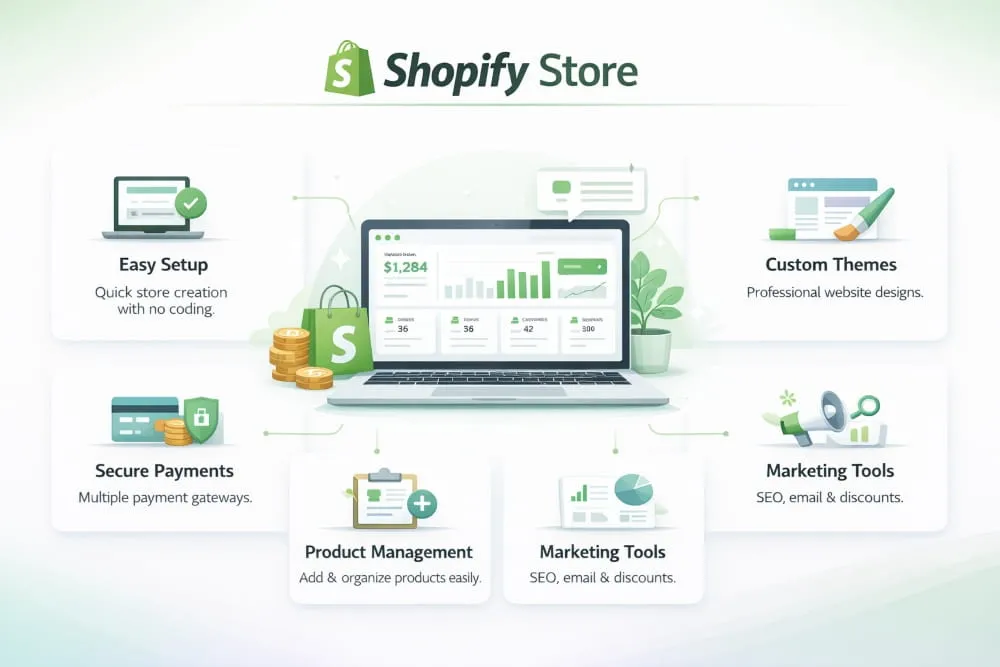
Setting up a Shopify store has never been easier. All you need to do is pick a theme, add your products, set up payment processing, and you’re good to go within a matter of days.
But there’s a big difference between launching a Shopify store and building one that’s actually ready to scale.
You may have a very good-looking store when it launches, but then find yourself struggling with management after just six months. Your products become messy, your apps slow down your website, your inventory becomes more difficult to handle, your support requests start piling up, and what used to take only minutes becomes an exercise that takes hours.
That’s why any proper Shopify store setup must be done with an eye on the future.
The goal isn’t simply to get your store live. It’s to build a solid foundation that can support more products, more customers, more orders, and potentially more team members without creating operational chaos.
What to Prepare Before You Build
Before you start customizing your Shopify store, take time to define how the business will actually operate.
This includes deciding:
- What products will you sell?
- Who is your target customer?
- Which payment methods will you offer?
- Where will you ship?
- How will orders be fulfilled?
- What is your return policy?
- Which apps are genuinely necessary?
- Who will manage the store after launch?
Though these might appear to be obvious questions, it is better to answer them in the beginning to avoid making big modifications later on.
The catalog of products should also be somehow organized. This means establishing the way of organizing collections and their naming, as well as managing product variations, SKUs, and inventory.
It will always be better to plan ahead of time how many sales channels you might be entering in the future.
The Full Setup Checklist: Products, Payments, Shipping, and Theme
A reliable Shopify store checklist should cover more than design.
Your store needs four major foundations: products, payments, shipping, and customer experience.
Product Setup
Before uploading products, prepare:
- Product titles
- Descriptions
- High-quality images
- SKUs
- Pricing
- Variants
- Inventory quantities
- Product categories
- Collections
- SEO titles and meta descriptions
Consistency matters.
If every product follows a different structure, managing your catalog becomes increasingly difficult as you grow.
Payment Setup
Configure the payment methods your customers are most likely to use.
Before launch, verify:
- Payment gateway configuration
- Currency settings
- Checkout experience
- Tax settings
- Order confirmation emails
Always test the checkout process yourself.
A store isn’t ready to launch until you know customers can successfully move from product discovery to payment confirmation.
Shipping Setup
Your shipping settings should reflect how your business actually fulfills orders.
Define:
- Shipping zones
- Delivery rates
- Free shipping thresholds
- Local delivery options, if applicable
- International shipping rules, if relevant
- Return and refund procedures
Clear shipping information can prevent unnecessary customer support requests after launch.
Theme and Store Design
Your theme isn’t just about aesthetics.
A good Shopify store should make it easy for customers to:
- Navigate categories
- Find products
- Understand pricing
- Review product information
- Add items to cart
- Complete checkout
Focus on clarity before decoration.
A visually impressive store that makes customers work to find what they need won’t perform as well as a simple store with an intuitive user experience.
Launch-Day Optimization Essentials
Your Shopify launch checklist should include a final review before the store is opened to customers.
Start by checking the complete customer journey. Visit your store as if you’re a first-time shopper.
Can you find a product quickly?
Can you understand what makes it valuable?
Can you add it to your cart?
Can you complete checkout without confusion?
This type of testing often reveals problems that aren’t obvious from the Shopify admin.
Check Your Mobile Experience
A large portion of ecommerce traffic comes from mobile users.
Check:
- Navigation
- Product images
- Buttons
- Text readability
- Checkout flow
- Page loading
Don’t assume that a store that looks good on desktop will automatically work well on mobile.
Review SEO Basics
Your Shopify store optimization should begin before launch.
Check:
- Page titles
- Meta descriptions
- Product URLs
- Image alt text
- Internal links
- Collection structure
Make sure important pages are easy for both users and search engines to discover.
Test Your Apps
Apps can add useful functionality, but installing too many can create unnecessary complexity.
Before launch, confirm that every app:
- Works correctly
- Integrates with your theme
- Doesn’t create conflicts
- Provides genuine value
If an app isn’t solving a real business problem, consider whether you need it at all.
Post-Launch Tasks Owners Often Forget
Launching your Shopify store is not the finish line; it’s the beginning of ongoing management.
Many store owners forget to regularly review:
Inventory Accuracy
Products can sell faster than expected. Monitor stock levels and avoid overselling.
Customer Feedback
Your first customers can reveal problems you didn’t identify during testing.
Pay attention to questions, complaints, and recurring confusion.
Store Performance
Monitor site speed, broken links, checkout issues, and app conflicts.
Product Updates
Keep product information, pricing, images, and inventory accurate.
Analytics
Note the origins of your customers, what products they view, and at what stage they stop shopping.
SEO
Keep refining your category pages, product pages, internal links, and content according to actual search results.
This continuous Shopify store optimization is what keeps your store competitive post-launch.
How a Virtual Assistant Can Help With Shopify
As your store grows, managing Shopify becomes a job in itself.
This is where a virtual assistant for Shopify can become a valuable part of your operations.
A Shopify VA can help with many routine tasks, including:
- Adding new products
- Updating product descriptions
- Managing product images
- Creating collections
- Updating prices
- Monitoring inventory
- Processing orders
- Tracking shipments
- Managing returns
- Updating store content
- Adding image alt text
- Performing basic SEO updates
- Managing customer inquiries
- Preparing reports
This will not only save you a few hours of your time, but it will also bring you consistency.
If you have 50 different products that you want to launch, a Shopify virtual assistant can use a structured product upload system to ensure that each of those listings is done consistently.
If your inventory is updated on a daily basis, a VA will ensure that there are no issues with discrepancies that can arise as a result of inconsistent management.
If your shop needs to grow and get a couple of different collections, they can help you organize the process.
The most important thing is to provide them with structured processes and systems.
You should never expect a virtual assistant to make all your decisions.
Offloading Setup and Upkeep
Most entrepreneurs usually take care of everything in their Shopify stores at first.
It is quite normal; you have to know how your store functions at first.
However, when you start earning more money, it becomes a big problem to manage all these tasks yourself.
This is where businesses often choose to hire a virtual assistant for Shopify operations.
A VA can support both the initial setup and ongoing store management.
During setup, they can assist with:
- Product uploads
- Collection organization
- Basic store configuration
- Image optimization
- Product data entry
- SEO metadata updates
After launch, they can support:
- Inventory updates
- Order management
- Product maintenance
- Customer support
- Returns coordination
- Content updates
- Store monitoring
This approach allows founders to maintain oversight without being responsible for every repetitive task.
The important distinction is control.
Delegation of operational tasks does not necessarily imply delegating your whole business.
You can create workflows, set approval flows, limit access rights for accounts, and check performance reports.
In other words, you can delegate the execution but keep control.
Final Thoughts
Building a successful Shopify store is not about getting up and running as quickly as possible.
It is about laying a groundwork that will be capable of scaling in the future.
This includes properly structuring your products, setting up payments and shipping right, optimizing the user experience, pre-launching the store, and setting up maintenance processes.
As your store expands, the amount of work you have to do will expand with it.
A virtual assistant for Shopify can assist in managing the mundane backend tasks involved in operating an online store – right from uploading products and managing inventories to managing orders and performing SEO tasks.
The goal is simple: To establish a Shopify store that not only works for the present but will also work well in the future when you have many more products, customers, and pending orders.

Beyond the Still Image: How Photographers Are Using AI Music to Bring Their Work to Life

How to Scale Social Media Marketing Across Multiple Accounts Without Getting Banned

Why Every Airbnb Host in Las Vegas Needs a Professional Cleaning Service

How to Set Up a Shopify Store That’s Built to Scale From Day One

The Biggest NABERS Energy Changes Coming by 2030

How to Stay Focused While Learning Coding Online

The 15 Highest-Paid Rugby Players in the World

Christopher Dare: The Untold Story of Engineer and Former Husband of Angela Rippon

How to Ensure Your Home is Valued Correctly for a Quick Sale

Nancy Hallam: The Inspiring Life, Career, and Success Story Behind Ian Wright’s Wife

What Is Fanquer? The Digital Creator Platform Transforming Direct-to-Fan Engagement

Who Is Maisie Mae Roffey? The Private Life, Family Story, and Quiet Success of Julie Walters’ Daughter
The 15 Highest-Paid Rugby Players in the World
Christopher Dare: The Untold Story of Engineer and Former Husband of Angela Rippon
How to Ensure Your Home is Valued Correctly for a Quick Sale
Nancy Hallam: The Inspiring Life, Career, and Success Story Behind Ian Wright’s Wife
What Is Fanquer? The Digital Creator Platform Transforming Direct-to-Fan Engagement
Who Is Maisie Mae Roffey? The Private Life, Family Story, and Quiet Success of Julie Walters’ Daughter
-
 Sports3 months ago
The 15 Highest-Paid Rugby Players in the World
-
Celebrity9 months ago
Christopher Dare: The Untold Story of Engineer and Former Husband of Angela Rippon
-
 Real Estate6 months ago
How to Ensure Your Home is Valued Correctly for a Quick Sale
-
Celebrity9 months ago
Nancy Hallam: The Inspiring Life, Career, and Success Story Behind Ian Wright’s Wife
-
 Technology2 months ago
What Is Fanquer? The Digital Creator Platform Transforming Direct-to-Fan Engagement
-
Celebrity9 months ago
Who Is Maisie Mae Roffey? The Private Life, Family Story, and Quiet Success of Julie Walters’ Daughter
-

 Health7 months ago
Enclomimed 25 (Enclomiphene) – Effective PCT Protocol
-
 Business8 months ago
Simon Dixon Biography: Lifestyle, Net Worth, Family, Career and Success Story