
Blog
Why the Right Toys Matter More Than You Think for Toddler Development

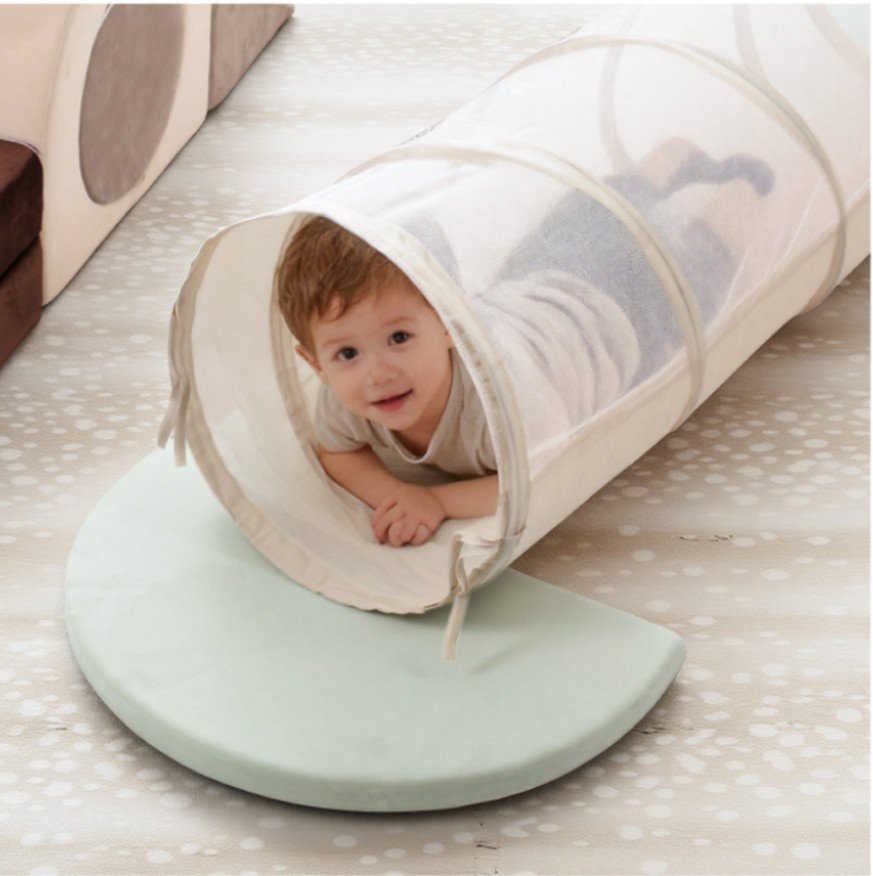
Every parent has stood in the middle of a toy aisle wondering which options are actually worth the money. It is easy to assume toys are simply entertainment, but the toddler years are a period of rapid brain and body growth, and the objects a child interacts with daily play a direct role in shaping that growth.
Pediatric occupational therapists have long emphasized that movement, touch, and exploration are not separate from learning. They are the foundation of it. As more parents look for ways to support their child’s development at home, there has been a noticeable shift toward toys designed specifically for motor and sensory growth rather than passive entertainment.
This shift reflects a broader trend in early childhood development: purposeful play. Understanding what that means, and how to choose toys that support it, can make a real difference in a toddler’s physical confidence and emotional regulation.
What “Motor and Sensory Development” Actually Means
Motor development refers to a child’s growing ability to control their body, from grasping small objects to climbing over obstacles. Sensory development is closely linked, involving how a toddler processes touch, balance, sound, and movement.
These systems develop together. A toddler who climbs, crawls through tunnels, or balances on a soft beam is not just building muscle. They are training their brain to interpret spatial information and coordinate movement in response to it.
Toys that encourage this kind of full-body engagement, rather than sitting still with a screen or a single-function toy, give toddlers repeated opportunities to practice these skills naturally. This is one reason climbing sets, balance beams, and textured play mats have become staples in many households.
Why Emotional Regulation Ties Into Physical Play
Toddlers are still learning how to manage big emotions, and physical activity is one of the most effective outlets available to them. Movement helps regulate the nervous system, which is why active play often calms a toddler down rather than winding them up further.
Parents sometimes notice unusual behaviors during this stage of development and understandably want answers. If a child seems to lash out physically, including toward themselves, it is worth understanding the underlying cause rather than reacting to the behavior alone. Resources that explain why does my toddler hit himself can help parents recognize whether the behavior stems from frustration, sensory overload, or a developmental phase, and how consistent, structured play can support healthier emotional expression over time.
Providing safe, engaging physical outlets at home is one practical way to give toddlers a constructive channel for the intense emotions they are still learning to manage.
Choosing Toys That Grow With Your Child
Not all toys offer the same developmental value. When evaluating options, it helps to look past bright colors and marketing claims and focus on what the toy actually asks a child’s body to do.
Toys that involve climbing, balancing, stacking, and crawling tend to offer the most benefit because they engage multiple muscle groups and sensory systems at once. Open-ended toys, ones without a single “correct” way to play, also encourage problem-solving and creativity rather than repetitive, passive use.
Durability matters as well. Toddlers are rough on their belongings, so materials that hold up to daily climbing, jumping, and general wear are a practical consideration for any household investing in active play equipment.
The Role of Indoor Play Spaces in Everyday Development
Not every family has access to a backyard or nearby playground every day, especially during colder months or in urban settings. This is where indoor play setups have become increasingly popular among parents looking for consistent developmental support at home.
A well-designed indoor play area, even a modest one, gives toddlers daily opportunities to climb, balance, and move without needing to leave the house. This consistency matters more than occasional big outings, since motor and sensory skills develop through repetition.
Brands like BanaSuper have built their offerings around this exact need, creating foam-based climbing sets, play mats, and soft furniture designed to support safe, repeatable physical play indoors. The goal is to make active development part of a toddler’s everyday routine rather than an occasional activity.
Setting Toddlers Up for Long-Term Success
The toys and play environments a toddler grows up with do more than fill hours in the day. They shape how confidently a child moves through the world, how well they regulate their emotions, and how naturally they develop coordination and problem-solving skills.
Choosing purposeful, well-designed play equipment is a small decision that compounds over time. Toddlers who get consistent opportunities to climb, balance, and explore tend to carry that physical confidence into later childhood.
As more research continues to validate the connection between movement and cognitive development, it is likely that thoughtfully designed active play products will only become a bigger part of how families approach early childhood at home. Investing in the right tools now is investing in a child’s long-term growth.



Fox is the fur people notice from across the street. It’s long, full and light-catching, and it frames the face in a way sleeker furs don’t. But volume is exactly what makes fox tricky to buy. On the wrong frame or in the wrong length, it can swallow you. Here’s how to get it right.
The main types of fox
• Silver fox: near-black fur with bright silver-white tips. Dramatic, glamorous and the most classic choice.
• Red fox: warm russet tones, often with darker legs and paws worked into the pattern. Looks wonderful with camel, cream and denim.
• Cross fox: red fox with a darker band across the shoulders and back. It gives a natural, layered pattern that’s very wearable.
• Shadow fox: pale, almost white fur with soft grey or brown shading. Lighter and more delicate in feel.
• Dyed fox: fox takes colour beautifully, from soft pastels to deep jewel tones. Great for a jacket or a statement piece.
How fox differs from mink
Fox has longer, fuller guard hairs, so it’s more voluminous and very warm for its weight. The flip side is that those long hairs are more delicate. They don’t love friction, so seatbelts, shoulder bags and backpacks wear fox faster than mink.
Many modern fox pieces use knitted fox, where strips of fur are woven onto a light mesh. It’s lighter, less bulky and moves more like a knit, which makes fox far easier to wear.
When a fox coat works
A full or knee-length fox coat is pure drama. It’s at its best for evenings, ski resorts and occasions where you want to make an entrance. It suits taller frames especially well, and it looks best with slim trousers or a straight dress underneath to balance the volume.
If that’s the look you want, browse a fox fur coat collection where you can compare natural silver and red fox in longer lengths.
When a fox jacket is the better choice
For most women, and especially if you’re petite, a shorter fox jacket is easier. You get the glamour around the face and shoulders without the bulk at the hips. A cropped fox jacket over jeans and boots looks relaxed and fashionable, and it’s much easier to manage in a car or at a restaurant table. A fox jacket with a collarless neckline is especially flattering.
You can see cropped, collarless and knitted styles in one place in a fox fur jacket collection.
Styling tips for fox
• Keep everything else streamlined: slim trousers, sleek boots, a simple dress.
• Skip big scarves. The fox already does the work around your neck.
• Carry a clutch or hand-held bag instead of a shoulder bag.
• If you’re petite, choose cropped lengths or knitted fox to keep proportions balanced.
Caring for fox
Shake it gently after wearing so the hair falls back into place. Never brush fox with a regular brush. If it gets wet, let it dry at room temperature, then shake it again to fluff it up. Store it on a wide hanger with space around it so the fur isn’t crushed, and put it into cold storage in summer.
Chosen well, fox is the fur that makes winter feel like an occasion.


Walk onto almost any building site at break time and you will find someone scrolling through their phone. Some will be checking the football scores. But a surprising number will be reading about their own industry. Site managers, bricklayers, quantity surveyors, architects and suppliers all keep an eye on trade news, and for good reason.
Construction is one of the biggest parts of the UK economy, and it touches almost everything we do, from the homes we live in to the roads, schools and hospitals we rely on. It is also an industry that changes all the time. New rules, new materials, new ways of working and shifts in the wider economy can all affect who gets work, what they get paid and how jobs are done. This article looks at why construction people follow the news, the kinds of changes that have shaped the industry this year, and where to keep up.
Why trade news matters to people on the tools and in the office
For people working in construction, the news is not just background noise. It can have a direct effect on their week.
A change to building regulations might mean a different way of fitting insulation or fire stopping. A big project winning approval nearby could mean months of steady work for local trades. News that a large contractor is in financial trouble might be a warning sign for the smaller firms that supply it. A rise in the price of steel or timber can change the cost of a job that was quoted weeks earlier.
Keeping up helps people plan. A builder who knows that new rules are coming can train staff in good time. A supplier who spots a growing demand for a certain product can stock up. An apprentice who reads about where the industry is heading can choose which skills to focus on.
There is also a simple professional pride. Many people in construction care about their craft and like to know what others are doing. Reading about an unusual project, a clever bit of engineering or a firm that has found a better way of working can be inspiring.
The kinds of change that shaped the year
Every year brings its own headlines, but a few broad themes keep coming up in UK construction, and this year has been no exception. Reading regular construction news articles is the easiest way to watch these themes develop over the months rather than catching them all at once.
Safety and regulation remain high on the agenda. The building safety reforms of recent years continue to change how buildings are designed, signed off and managed, especially taller residential blocks. Firms have had to get used to new processes, new duties and more paperwork, and the trade press has followed how this is working in practice.
Skills and labour are another constant theme. The industry has long talked about the need for more young people to join, and about an ageing workforce in many trades. Apprenticeships, training schemes and ways to attract people from other careers are discussed again and again.
Costs and the wider economy matter enormously. Interest rates, material prices, energy costs and the health of the housing market all affect how much is being built. When conditions are tight, firms look for savings. When they improve, new projects start moving.
The push towards lower carbon building is now part of everyday conversation. That covers everything from better insulated homes and heat pumps to timber frame construction, recycled materials and reducing waste on site. Clients and planners increasingly ask about environmental performance, so contractors need to keep up.
Technology keeps creeping into the industry too. Digital design models, drones for surveys, apps for site paperwork and factory built components are all becoming more common. Trade news helps people see which tools are genuinely useful and which ones are more hype than help.
Where to follow construction news
There are plenty of places to keep up, and most people use a mix depending on their role and how much time they have.
Trade publications and websites are the obvious starting point. They cover industry news, project wins, policy changes and opinion pieces from people who work in the sector. Checking them regularly gives a good overview of what is happening across the industry, from big infrastructure schemes to changes that affect small builders and tradespeople.
Professional bodies and trade associations are another useful source. Many publish updates for their members on regulation, training and best practice, and some share news more widely through their websites and newsletters.
Government websites are worth knowing about for official updates on building regulations, planning policy and safety rules. They are not always the easiest read, but they are the place to check the details when something changes.
Social media has become a big part of how construction people share news. LinkedIn is popular with professionals and businesses. Other platforms are full of tradespeople showing their work, sharing tips and discussing the issues that affect them. These can be a great way to hear directly from people on the ground, although it is always wise to check facts against a reliable source.
Podcasts and video channels are handy for people who spend a lot of time driving between sites. Many cover industry news, business advice and technical topics in an easy to listen to format.
Finally, local news matters too. Planning decisions, new developments and regional investment often appear first in local papers and websites, which is useful for firms that work in a particular area.
Getting the most out of what you read
With so much information around, it helps to be a little selective.
Pick a few trusted sources and check them regularly rather than trying to read everything. Sign up for a weekly newsletter if daily news feels like too much. Focus on the topics that affect your own work, whether that is housing, commercial building, groundworks or a specialist trade.
Talk about what you read. Sharing a useful article with your team, or raising a change in the rules at a site meeting, helps everyone stay informed. Some firms set aside time each month to go over industry updates together.
And keep a healthy level of curiosity. The best people in construction tend to be the ones who keep learning, long after their training has finished.
Conclusion
Construction people read trade news because it affects their work, their plans and their livelihoods. The industry is shaped by safety rules, skills, costs, carbon and technology, and all of these keep shifting. By following a handful of good sources, from trade websites and professional bodies to social media and local news, anyone in the sector can stay ahead of the changes rather than being caught out by them. A few minutes of reading at break time can go a long way.

Brisbane, the vibrant capital city of Queensland, offers a wealth of retail employment opportunities for job seekers. The retail sector in Brisbane is diverse and expanding, providing a variety of roles that cater to different skills, interests, and career goals. Whether you are looking to begin your career, seek advancement, or find flexible work arrangements, exploring the available retail jobs in Brisbane can be a rewarding endeavour.
Overview of the Retail Industry in Brisbane
The retail industry in Brisbane continues to grow due to the city’s expanding population and thriving tourism sector. This growth translates to increased job openings across supermarkets, department stores, specialty shops, and online retail platforms. Employers seek candidates who demonstrate excellent customer service, strong communication skills, and adaptability to dynamic retail environments.
Popular Retail Roles in Brisbane
Retail roles vary widely depending on sector and employer. Popular positions include sales assistants, cashiers, store managers, visual merchandisers, and stock coordinators. Each role demands differing levels of experience and offers unique career development pathways. For instance, sales assistants often have opportunities to progress to supervisory or managerial positions over time.
Sales Assistant
As the front-line staff, sales assistants are crucial for ensuring customer satisfaction. Responsibilities include greeting customers, providing product advice, handling inquiries, and processing transactions. Many retailers provide on-the-job training to develop effective customer service techniques and product knowledge.
Store Manager
Store managers oversee daily operations, supervise staff, manage inventory, and ensure sales targets are met. Leadership, organisational, and problem-solving skills are essential in this role. Experienced sales staff often transition into management roles after gaining proficiency in retail operations.
Emerging Trends Impacting Retail Jobs in Brisbane
The retail sector is adapting to technological advancements and changing consumer behaviours. There is a growing demand for workers skilled in digital technologies, online sales platforms, and data analysis. Retailers increasingly blend physical stores with e-commerce channels, creating hybrid roles that require a mix of traditional and digital capabilities.
Technology Integration
Advanced point-of-sale systems, inventory tracking software, and customer relationship management tools are now common in retail environments. Proficiency with such technology is an asset when applying for retail jobs in Brisbane. Additionally, social media management and online customer support are becoming vital components of retail roles.
Focus on Customer Experience
Consumers expect seamless shopping experiences integrating both online and offline channels. Retail staff who can personalise service and effectively assist customers across multiple platforms provide significant value. This focus on customer experience is shaping the evolution of retail roles.
Seasonal and Part-Time Retail Employment Opportunities
Many retail businesses in Brisbane increase staffing during peak periods such as the Christmas season, sales events, and public holidays. These periods offer numerous temporary and part-time job openings suitable for students, casual workers, or those seeking supplementary income. Flexible working hours attract a broad range of applicants.
Retail Casual and Part-Time Work Benefits
Part-time retail jobs provide flexibility and build valuable skills in customer interaction, time management, and teamwork. These roles often serve as a foundation for longer-term employment or career progression within the retail industry.
Essential Skills for Success in Brisbane Retail Jobs
Success in retail requires a combination of interpersonal skills, attention to detail, and resilience. Key competencies include communication, sales aptitude, problem-solving, and the ability to work under pressure. Candidates who demonstrate enthusiasm and willingness to learn stand out to employers in Brisbane’s competitive retail market.
Customer Service Excellence
Effective communication and empathy enable retail workers to satisfy diverse customer needs, handle complaints professionally, and foster repeat business. Training in customer service principles often improves job performance and satisfaction.
Adaptability and Teamwork
The retail environment demands flexibility to cope with shifting priorities and busy periods. Collaborative skills help maintain efficient store operations and positive workplace culture.
How to Apply for Retail Jobs in Brisbane
Job seekers can explore numerous vacancies through dedicated job portals, company websites, and recruitment agencies specialising in retail. Preparing a clear, concise resume emphasizing relevant experience and skills enhances prospects. Tailored cover letters expressing genuine interest in retail roles further improve candidacy.
Utilising Online Job Portals
Websites like CareerOne provide up-to-date listings of retail vacancies throughout Brisbane. Candidates can filter searches by job type, location, salary, and employer, simplifying the application process. Creating profiles on such platforms also enables alerts for new job postings matching individual preferences.
Interview Preparation
Researching prospective employers and understanding their product offerings is vital before interviews. Practising responses to common retail interview questions related to customer service scenarios, teamwork, and conflict resolution builds confidence.
Career Progression in Brisbane’s Retail Sector
The retail industry offers multiple pathways for career advancement. Starting in entry-level roles, employees can develop expertise and move into supervisory, managerial, or specialist positions such as buyer or merchandiser. Continuous professional development and additional qualifications further enhance opportunities.
Training and Qualifications
Vocational education courses related to retail management, marketing, or supply chain can support career growth. Some employers also provide in-house training or sponsor employees for external qualifications.
Networking and Industry Engagement
Joining retail associations or attending industry events in Brisbane provides insights into market trends and potential job leads. Networking helps build relationships essential for career development.
Conclusion
The retail sector in Brisbane presents a dynamic environment with diverse job opportunities suitable for individuals at all career stages. From frontline sales roles to managerial positions, the city’s evolving retail landscape offers prospects to learn, progress, and succeed. By leveraging available resources such as retail jobs in Brisbane listings and enhancing key skills, job seekers can secure rewarding positions in this vital industry sector.

Top Property Law Solicitors in London for Legal Advice

How to make an older commercial property work for a modern business

Why Your Beauty Clinic in Bali Matters for Filler Results

4 Ecommerce Businesses That Need to Invest in Outsourced 3PL Logistics Services

Fox Fur Coat or Fox Fur Jacket? A Guide to Wearing the Most Dramatic Fur

South Bay Beach Club: Your Guide to a Peaceful Beachfront Getaway

How to Ensure Your Home is Valued Correctly for a Quick Sale

Christopher Dare: The Untold Story of Engineer and Former Husband of Angela Rippon

The 15 Highest-Paid Rugby Players in the World

What Is Fanquer? The Digital Creator Platform Transforming Direct-to-Fan Engagement

Dr Jared Ross: Missouri Appeals Court Upholds Protection Order Over Graphic Torture and Murder Threats

Nancy Hallam: The Inspiring Life, Career, and Success Story Behind Ian Wright’s Wife
How to Ensure Your Home is Valued Correctly for a Quick Sale
Christopher Dare: The Untold Story of Engineer and Former Husband of Angela Rippon
The 15 Highest-Paid Rugby Players in the World
What Is Fanquer? The Digital Creator Platform Transforming Direct-to-Fan Engagement
Dr Jared Ross: Missouri Appeals Court Upholds Protection Order Over Graphic Torture and Murder Threats
Nancy Hallam: The Inspiring Life, Career, and Success Story Behind Ian Wright’s Wife
-
 Real Estate9 months ago
How to Ensure Your Home is Valued Correctly for a Quick Sale
-
Celebrity11 months ago
Christopher Dare: The Untold Story of Engineer and Former Husband of Angela Rippon
-
 Sports5 months ago
The 15 Highest-Paid Rugby Players in the World
-
 Technology5 months ago
What Is Fanquer? The Digital Creator Platform Transforming Direct-to-Fan Engagement
-
 Celebrity5 months ago
Dr Jared Ross: Missouri Appeals Court Upholds Protection Order Over Graphic Torture and Murder Threats
-
Celebrity12 months ago
Nancy Hallam: The Inspiring Life, Career, and Success Story Behind Ian Wright’s Wife
-

 Celebrity8 months ago
Who Is Azriel Crews? Inside the Life and Career of Terry Crews’ Daughter
-
 Celebrity11 months ago
Who Is Maisie Mae Roffey? The Private Life, Family Story, and Quiet Success of Julie Walters’ Daughter