
Game
Top 6 Game Development Studios for Scalable Game Production

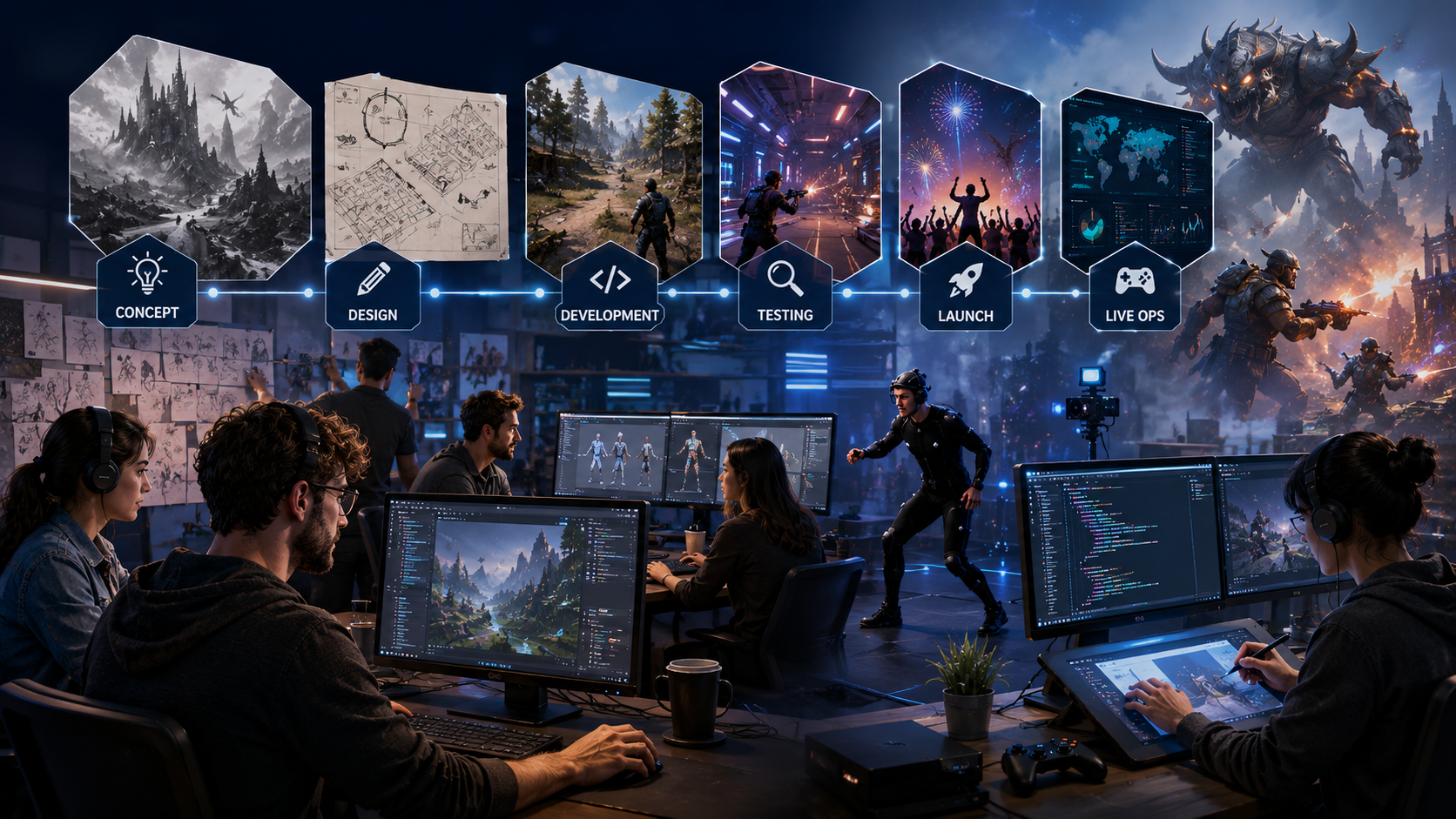
Game production no longer moves in linear cycles. Studios manage overlapping milestones, parallel feature pods, platform-specific optimization tracks, and post-launch content streams simultaneously. The game development studios that scale effectively are those that treat production as an adaptive system rather than a fixed pipeline.
Scalability in 2026 means absorbing workload spikes without disrupting velocity. It means expanding engineering or art capacity mid-cycle, supporting multiple live products, and aligning teams across engines and platforms without productivity collapse. This guide highlights six studios built to handle that level of operational elasticity.
TL;DR
Scalable production is defined by operational flexibility and execution velocity:
- Concurrent multi-project handling without delivery slowdown
- Rapid team ramp-up during feature spikes
- Engine versatility across Unity and Unreal ecosystems
- Structured pod-based production architecture
- Juego Studios operates as a game development studio structured to expand engineering and art capacity through modular co-development frameworks.
Production Elasticity: The Real Meaning of Scale in 2026
Scale today is less about team size and more about how production architecture absorbs change. Feature expansions, platform launches, and live-service updates often overlap, creating pressure on engineering and art pipelines.
- Concurrent project capacity: Studios must manage multiple production streams without cross-team interference or priority conflicts. Elasticity also depends on ramp speed. When publishers increase scope mid-cycle, the partner must deploy additional specialists without onboarding delays.
- Rapid resource deployment: Structured onboarding systems allow new contributors to integrate into active sprint cycles without productivity lag. Toolchain flexibility matters equally. Engine shifts, middleware updates, and platform certification changes require adaptable workflows.
- Engine adaptability: Scalable studios maintain proficiency across major engines and shared asset frameworks to prevent technical bottlenecks. Sustainable scaling also protects velocity during contraction phases.
- Controlled downsizing: Teams must reduce capacity after release without losing institutional knowledge needed for future updates. Studios that master these mechanics transform scalability from a hiring function into a production strategy.
Structural Indicators of True Production Scale
Not every growing studio sustains throughput under pressure. Operational signals reveal whether the scale is structural or superficial.
- Pod-based architecture: Feature ownership is divided into independent yet synchronized units, preventing bottlenecking.
- Automation discipline: Build pipelines, QA automation, and asset validation tools to reduce manual overhead during expansion.
- Cross-functional synchronization: Engineering, art, QA, and LiveOps teams align under shared sprint rhythms to maintain predictable velocity.
- Retention stability: Low turnover among senior contributors preserves continuity during team expansion.
- Live-service readiness: Studios capable of supporting ongoing content updates demonstrate sustained production elasticity.
Top 6 Game Development Studios for Scalable Game Production
Juego Studios
Juego Studios has built its delivery architecture around modular production expansion, enabling concurrent execution across engineering, art, QA, and LiveOps pipelines. With 300+ professionals and multi-region presence across India, the USA, the UK, and the Middle East, the company supports scalable PC, console, mobile, and immersive projects through structured co-development and managed outsourcing models. As one of the globally active game development studios, Juego aligns pod-based execution with milestone velocity, integrating elastic resourcing into ongoing production environments.
Key Highlights:
- Modular co-development and managed outsourcing frameworks
- Cross-platform production across PC, console, mobile, and XR
- Structured pod-based delivery architecture
- Integrated art, engineering, and LiveOps capabilities
- Multi-region production infrastructure
Sumo Digital
Sumo Digital operates with over 1,300 professionals across 16 studios worldwide, supporting simultaneous multi-project production across console, PC, and mobile platforms. Established in 2003, the company has scaled its delivery capacity to support both full development and structured co-development mandates while maintaining predictable production throughput.
Key Highlights:
- 1,300+ team distributed across global studios
- Concurrent multi-title development capability
- Cross-platform engineering and technical art depth
- Structured co-development engagement models
- Long-term collaboration with major publishers
iLogos
Founded in 2006, iLogos has delivered over 460 projects with a team of 300+ experts supporting mobile, PC, console, and emerging platforms. The company emphasizes adaptive scaling, allowing clients to expand production bandwidth through full-cycle development, co-production, porting, and LiveOps services.
Key Highlights:
- 460+ completed projects across genres
- Full-cycle and co-production support
- Cross-platform development capability
- LiveOps and post-launch scalability
- Flexible engagement customization
Lakshya Digital
Lakshya Digital, part of Keywords Studios, employs more than 800 specialists across international locations and has contributed to over 150 major titles. The studio specializes in large-scale art production and technical integration pipelines that support high-volume asset throughput for multi-platform projects.
Key Highlights:
- 800+ art and technical professionals
- High-volume AAA asset production
- Multinational production infrastructure
- Proprietary workflow systems
- Enterprise-aligned collaboration processes
Moonmana
Founded in 2008, Moonmana focuses on cross-platform PC, console, and mobile development with particular strength in MMO and desktop production. Operating across Poland and Spain with distributed remote teams, the studio supports full-cycle development, post-release updates, and QA discipline.
Key Highlights:
- PC-focused full-cycle development specialization
- MMO and online game production experience
- Unity and Unreal Engine expertise
- QA-integrated production pipelines
- Cross-border distributed collaboration
Stepico
Stepico is a European studio with over 200 professionals delivering full-cycle development, art production, and LiveOps support across mobile, PC, and console projects. The company combines engineering and creative pipelines under scalable engagement models designed to accommodate fluctuating production scopes.
Key Highlights:
- 200+ professionals across disciplines
- Full-cycle and art production integration
- Unity and Unreal development capability
- Dedicated team engagement models
- Live game operation support
How to Choose a Partner Built for Scalable Production
Scalability should be evaluated as an operational system, not a headcount metric. Studios that scale effectively demonstrate structured expansion logic, velocity protection, and concurrency discipline.
- Ramp velocity: Assess how quickly the studio can deploy additional engineers or artists into active sprint cycles without disrupting momentum.
- Concurrency tolerance: Verify their ability to manage multiple parallel production streams without resource cannibalization.
- Pipeline automation: Automation across build systems, asset validation, and QA reduces friction during scale expansion.
- Engine depth: Cross-engine proficiency ensures that production elasticity does not collapse when switching technology stacks.
- Knowledge retention: Stable senior leadership and low attrition protect institutional memory during rapid scaling phases.
- LiveOps continuity: Studios supporting post-launch updates demonstrate sustained throughput rather than one-time delivery capability.
Common Scalability Pitfalls in External Production
Scaling introduces structural pressure. Studios without architectural discipline often encounter predictable breakdowns.
- Overextension risk: Rapid hiring without onboarding systems reduces quality control and sprint efficiency.
- Tool fragmentation: Inconsistent engine configurations or pipeline tooling create integration slowdowns.
- Communication saturation: As teams expand, the number of reporting layers increases. Without structured escalation channels, decision latency increases.
- Pod imbalance: Uneven workload distribution across feature pods leads to bottlenecks and idle capacity.
- Velocity illusion: Short-term output spikes may mask underlying burnout or unstable workflows.
Studios built for sustained elasticity design processes to prevent these breakdowns before they occur.
Conclusion
Scalable game production depends on architectural foresight rather than reactive growth. Studios that embed elasticity into their production models handle scope expansion, platform complexity, and live-service evolution without destabilizing delivery velocity.
The studios highlighted here demonstrate structured concurrency management, modular engagement frameworks, and cross-functional synchronization. For partners seeking sustained production throughput, scalability must be evaluated as a systemic capability rather than a temporary expansion tactic.
FAQs
What makes a studio scalable beyond team size?
Scalability depends on production architecture, onboarding speed, concurrency management, and automation discipline. Headcount alone does not ensure sustained throughput.
How quickly should a scalable partner ramp new resources?
Mature studios integrate new contributors within active sprint cycles using structured onboarding documentation and synchronized toolchains.
Why does automation matter in scalable production?
Automation reduces manual bottlenecks in builds, testing, and asset validation, protecting velocity during expansion phases.
When should companies prioritize scalability over specialization?
Projects with evolving scope, multi-platform deployment, or live-service roadmaps benefit from partners capable of elastic expansion.
How do you differentiate a growing studio from a mature game development studio?
A mature game development studio demonstrates repeatable ramp processes, cross-functional synchronization, and long-term operational stability rather than temporary team expansion.
What role does a video game development studio play in scalable pipelines?
A reliable video game development studio integrates modular engagement models that allow engineering and art pods to expand or contract without disrupting milestone cadence or cross-platform alignment.


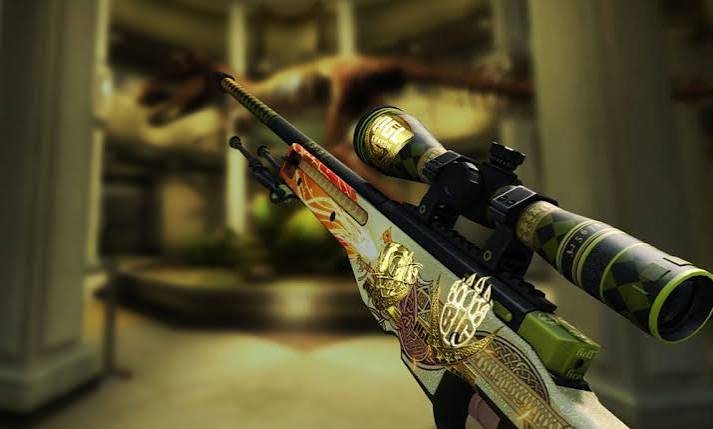
You aimed at a target, the odds came through, and the skin is now yours. A winning csgo skin upgrade feels like the finish line, but it is the start of a decision. What you do in the next minute decides whether the win stays a win, so it helps to know your options before the moment arrives.
A Win Only Counts Once You Bank It
Winning does not automatically put value in your pocket.
The Skin Lands in Your Site Inventory First
When you win, the target goes into your inventory on the site, not your Steam account. It is yours, but it is still on a gambling platform. Until you move it, the skin is one click away from being staked again.
Withdrawing Locks the Value In
Withdrawing sends the skin to your Steam inventory through your Trade URL. Once it is in Steam, the win is settled and cannot be lost on the site. That is the point where a paper win turns into a real one. Some sites also let you turn the skin into site balance, which is useful when you would sooner hold funds than the item itself.
Deciding What to Do With a csgo skin upgrade Win
The best time to plan a win is before you have one.
Set a Number Before You Start
The best way to handle a win is to decide the plan ahead of time. Pick a value that would make you glad to walk away, and withdraw the moment you reach it. A choice made in advance holds up better than one made in the heat of a streak.
Banking Part and Playing the Rest
You do not have to choose all or nothing. Many players withdraw most of their winnings and keep a small portion in play. That locks in the bulk of the value and still leaves room to chase another jump with money they are fine to lose.
The Trap of Playing With House Money
This is where a good night can slip into a flat one, and there is research behind why.
The House Money Effect Is a Known Bias
Economists Richard Thaler and Eric Johnson described it in 1990. People take bigger risks with money they see as winnings than with money they earned, because a loss from the winnings feels cheaper. In one of their tests, players told they had won 30 dollars were far more willing to gamble it on a coin toss than players given the same 30 dollars with no win attached, even though the odds were identical. On an upgrader, that pull to keep going is the streak talking, and the math has not changed at all.
The Edge Does Not Care Where the Skin Came From
Every skin you put back in faces the same house edge as your first stake, usually a few percent and closer to ten on some sites. A win reinvested is just a new bet with the same odds against it. The more times you send a winning skin back through the upgrader, the more chances the edge has to take it, and each pass puts the whole win on the line again for a bit more value.
Getting Your Win Out
When you decide to bank a win, the details of Steam’s trade holds matter. Without the Steam Guard Mobile Authenticator, a trade can stay locked for up to 15 days. With the authenticator active and aged for more than a week, withdrawals clear in minutes. Removing it or changing your password resets that timer, so leave your security settings alone before you cash out. GudDrop sends a won skin straight to your Steam inventory through your Trade URL, so once the hold rules are met, locking in the value takes only a moment. Keen to keep climbing? The same win can go back in as your next stake, with the odds shown before you commit.
Treat Every Win as a Decision
A winning csgo skin upgrade is a decision as much as a result. Decide in advance what would satisfy you, bank at least part of it, and remember that anything you reinvest meets the same edge all over again. A win on GudDrop can head to Steam in a moment or go back onto a higher target, whichever fits your plan.

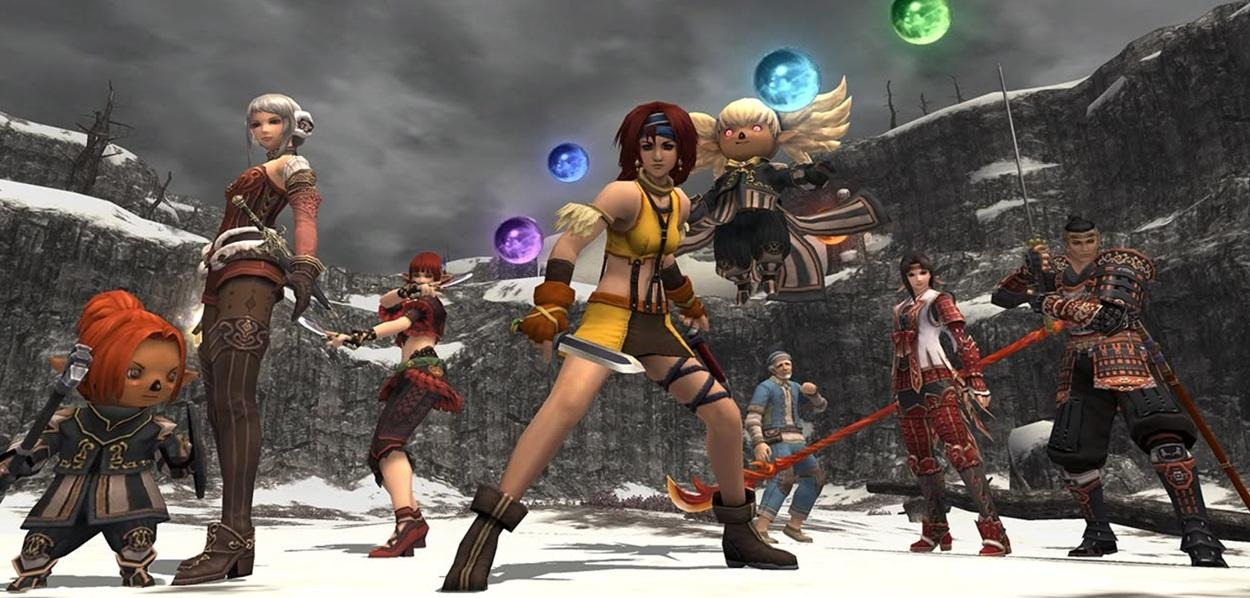
FFXI has treated Beseiged as some nostalgic relic of the Treasures of Aht Urhgan era for ages. It is an event where level 99 and Item Level 119 players can easily wipe out the entire horde of enemies in a single strike. Therefore, to make things more interesting, the developers have implemented Level 13 Besieged, where the beastman hordes scale up to Content Level 119 (CL119).
In this guide, we will talk about all the changes that you may encounter in Level 13 Beiseiged, along with the special combat mechanics that the monsters possess. If you are looking for a guide that can help you survive CL119, this one is just for you!
What is Level 13 Besieged?
At CL119, all enemies have their stats significantly scaled up. That being said, if you want to clear Level 13 Besieged, you need to equip high-tier gear that can amp up your attack accuracy. Here are some basic upgrades to get started with.
- Melee attackers and tanks need to target an accuracy of roughly 1200 to 1300 to make sure their attacks land successfully on standard level 13 Beseiged enemies. It would be great to beat boss monsters if you could achieve even higher stats.
- If you want to stun or make your enemy fall asleep, you need to amp up your Magic stats. Using proper gear sets will decrease the chances of your enemies resisting the magic spells.
Stages of Beseiged
The Besieged is a cyclic gameplay divided into 4 phases. It concludes after approximately 16 to 36 hours following the end of the previous invasion. However, it can conclude as early as 30 minutes after recovering a stolen Astral Candescence. You are rewarded with FFXI Gil upon successful defense.
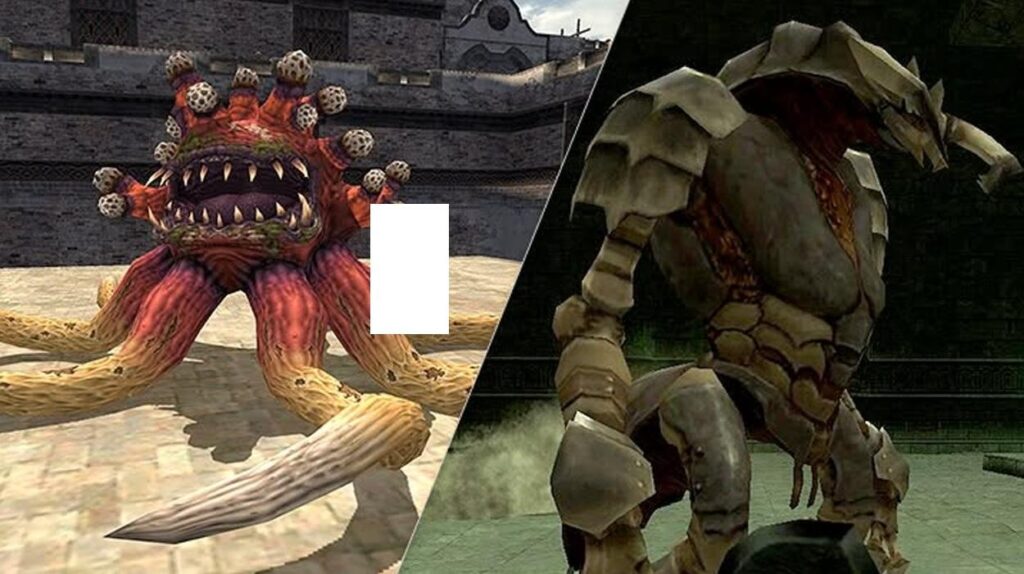
The phases are as follows:
- Training Phase: While the enemy force rating is below 100, they remain in the Training state. During this time, if you attack the enemies and defeat them, it will lower the military force count.
- Preparing Phase: Once they hit a force rating of 100 or higher, they lock into the irreversible Preparing stage. The army’s total force escalates automatically by one point every few minutes until it hits 200. Reaching a force of 200 allows the beastmen to summon elite monsters like Illuyankas, Gere, or the Nemean Lion.
- Advancing Phase: Now the enemy army begins advancing toward Al Zahbi. The Undead Swarm invades the Bhaflau Thickets within 15 to 20 minutes, while the Mamool Ja and Troll Mercenaries invade the Wajaom Woodlands, taking roughly 20 to 35 minutes.
- Attacking Phase: The moment the vanguard crosses into the capital, it is now the Attacking Phase. You are granted exactly one real-world hour to eliminate the enemy troops. If the beastmen successfully seize the Astral Candescence, the enemy’s status shifts to “Defending.”
Buffed Up Enemies At CL119
Each of the three invading beastman factions has unique mechanical challenges that scale dangerously at CL119.
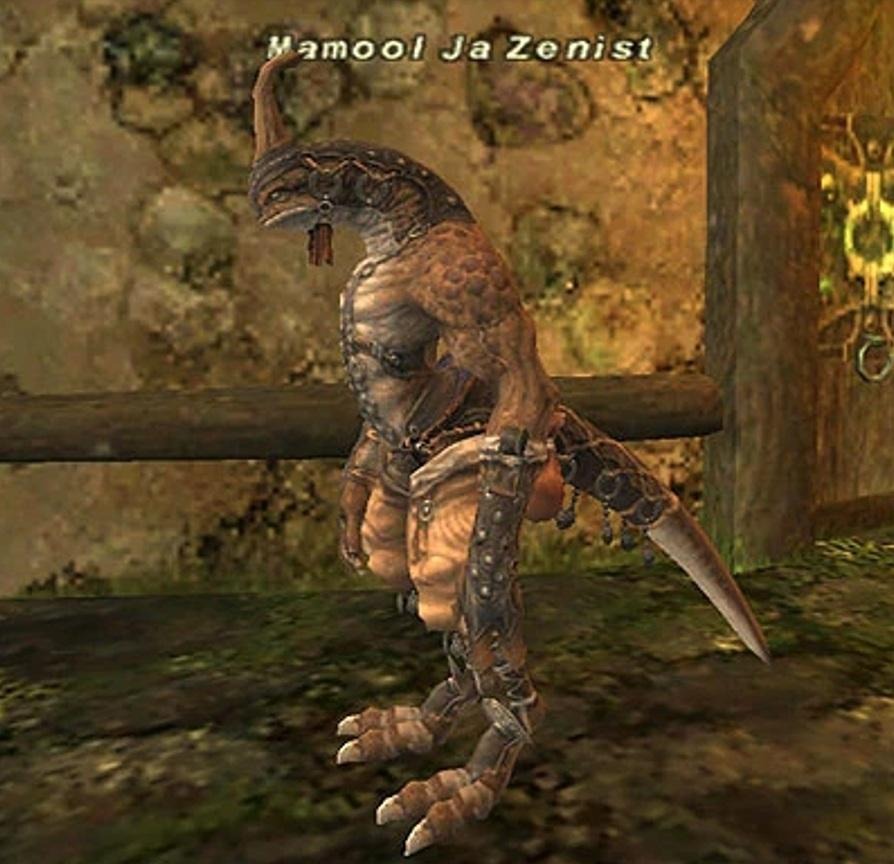
The Mamool Ja Savages
The Mamool Ja specializes in fast movement and multi-hit weapon skills. At Level 13, its abilities like Firespit and Warm-Up scale lethally. A single Firespit hit from a CL119 Mamool Ja savage can comfortably wipe out your team in no time.
Also, the enemy leader of Mamool Ja Savages, Gulool Ja Ja, now has abilities scaled up that can dispel your front line of vital protections like Protect, Shell, and Haste.
The Troll Mercenaries
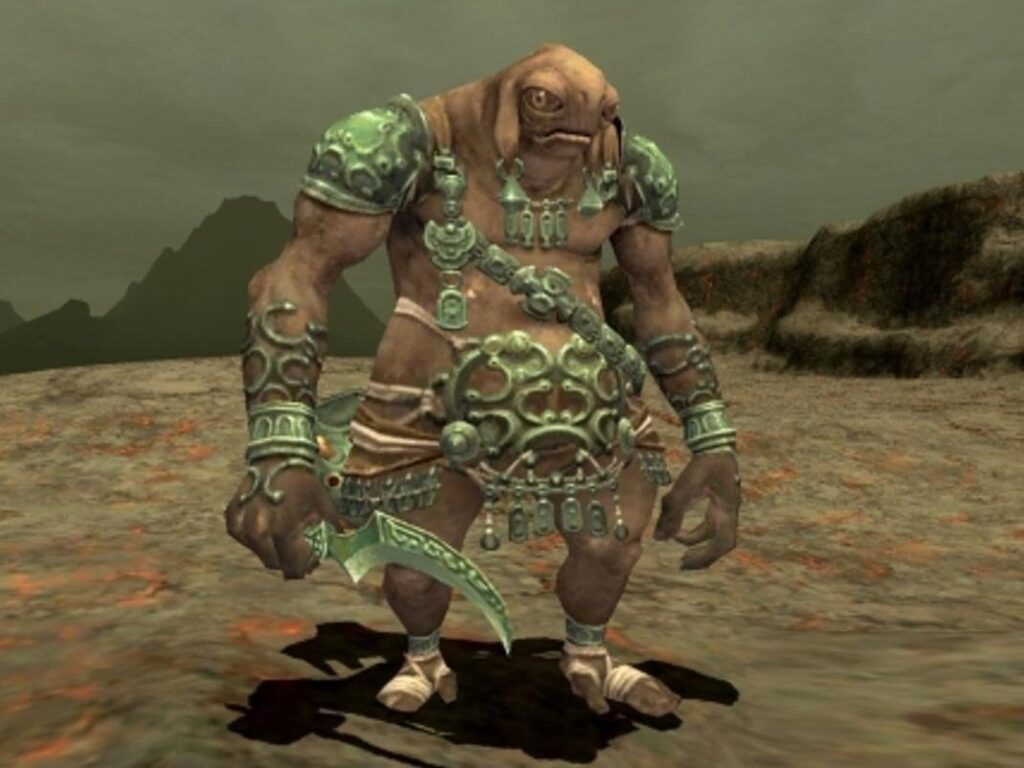
The Trolls boast massive HP bars and high physical defense stats. They also have a larger area-of-effect that can knock back your entire team. Their Enrage mechanics scale their physical attack power exponentially with their HP drop. This means that if you don’t finish off a Troll quickly, the low HP ones will deal even greater damage to your team.
Their leader, Gurfurlur the Menacing, is one of the toughest bosses of FFXI. At CL119, any magical damage or spell cast directly on Gurfurlur heals him and triggers immediate counter-attacks. Therefore, only physical damage is effective on him.
The Undead Swarm
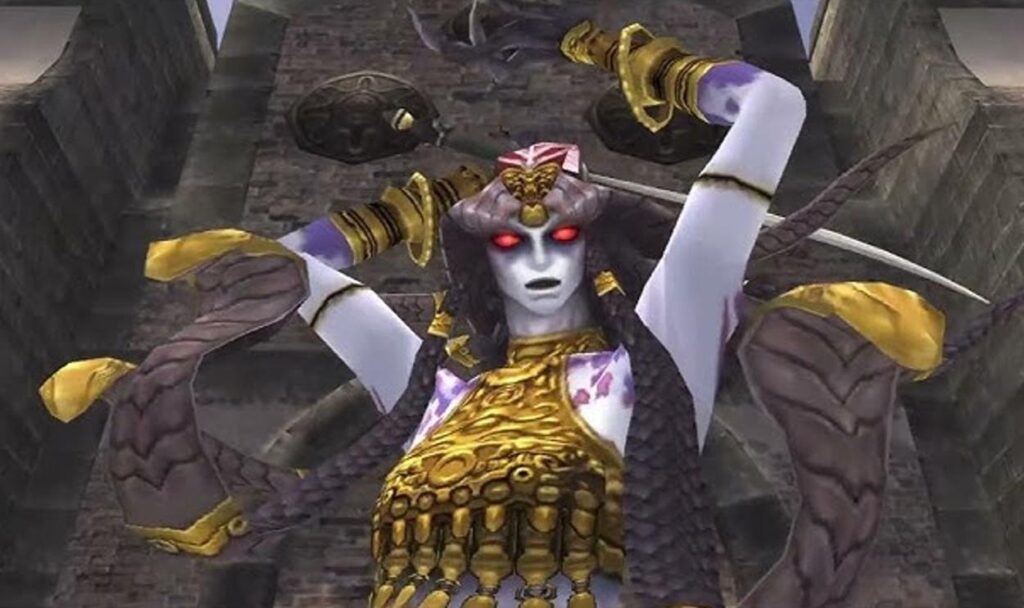
The Undead Swarm has 4 enemies: Lamia, Merrow, Qutrub and Draugar. Lamia and Merrow scale their ranged archery and spellcasting to a much higher value at CL119, while the roaming Qutrubs have great physical scaling that can kill a player instantly.
Medusa is the leader of the Undead Swarm and if you encounter her at CL119, you cannot defeat her without a good strategy. She has Imperial Press and her gaze-based petrification/charm abilities. If you want to kill her, focus on her minion Lamiae first and then circle back to her.
Team Strategies for CL119 Besieged
Surviving the intense density and damage output of a fully scaled CL119 Besieged match requires players to organize themselves into clear, role-specific operational configurations.
| Role Category | Job | Strategy & Combat Mechanics |
| Frontline Damage Dealers | Paladin | Holds choke points and maintains Phalanx and runs the Majesty-boosted Cure IV. |
| Runefencer | Grants Tenebrae or Lux runes that increase resistance against light and deal darkness damage. | |
| Puppetmaster | Deploys Soulsoother or Valoredge automatons to hold high-tier NM aggro. | |
| Crowd Control | Blue Mage | Uses Tourbillion, Cruel Joke, and spams Subduction for wide-angle weight/slow modifiers. |
| Black Mage | Drops heavy elemental bursts and coordinates Sleepga II to freeze enemy reinforcements. | |
| Geomancer | Deploys Frailty bubbles to shred defense or Torpor to slow down enemy attack speeds. | |
| Support | White Mage | Cycles Curaga routines to counter massive NM AoE; keeps Stona, Viruna, and Blindna ready. |
| Red Mage | Distributes Refresh III and Haste II. Also lands Saboteur-boosted Distract, Frizzle, and Inundation. |
Building a team requires FFXI Gil. If you are running low, you can buy FFXI Gils to quickly progress with character ascension and building.
Conclusion
Besieged Content Level 119 in FFXI can be a lot to take in if you do not have the gear for it. By selecting optimized gear and builds and setting up a balanced team, you can protect Al Zahbi from the enemy troops. Focus on building teams according to the enemies you are planning to fight. The Troll Mercenaries should only be attacked with physical damage dealers, while the Undead Swarm should be wiped out as quickly as possible before Medusa can reach you. By following this guide, you can become the true master of FFXI end game!


Many basketball teams struggle to create a professional look while keeping players comfortable before games. The good news is that the right Custom Basketball Warm-Up Suits can improve team appearance, boost confidence, and provide lasting performance throughout the season.
Whether you manage a school team or a competitive club program, choosing the right warm-up apparel is important. Quality warm-up suits help players stay comfortable during pre-game routines, travel, and tournaments while creating a strong team identity.
In this guide, you will learn what makes a great basketball warm-up suit, the features to look for, customization options available, and how to choose the best solution for your team. You will also discover what to expect when working with a Basketball Warm-Up Suits manufacturer and how to get the best value from your investment.
Why Basketball Teams Need Custom Warm-Up Suits
What Are Basketball Warm-Up Suits?
Basketball warm-up suits are matching jackets and pants worn by players before games, during travel, and while sitting on the bench. They are designed to keep athletes warm, comfortable, and ready to perform.
Unlike regular athletic clothing, warm-up suits are made specifically for team use. They often include team colors, logos, player names, and other custom details that create a consistent appearance across the roster.
Benefits for School and Club Teams
Warm-up suits also help schools create a consistent athletic program image across multiple sports. Schools that invest in basketball apparel frequently purchase custom tackle football uniforms for their fall sports programs as well. This approach helps maintain brand consistency and simplifies team apparel management.
Some key advantages include:
- Improved team unity
- Better player comfort before games
- Protection from cold gym environments
- Professional appearance during travel
- Increased school or club visibility
- Long-term apparel consistency
When every player wears matching gear, it helps create a stronger team culture and sense of belonging.
How Warm-Up Apparel Supports Team Identity and Performance
Confidence plays a major role in sports. When athletes look organized and professional, they often feel more prepared and focused.
Custom warm-up suits also help teams build a recognizable identity. Parents, fans, and opponents can easily identify the program, which strengthens the team’s image both on and off the court.
For school and club programs that compete regularly, consistent branding helps create a lasting impression throughout the season.
Key Features to Look for in Custom Basketball Warm-Up Suits
Moisture-Wicking Fabrics
Basketball players are constantly moving, even during warm-ups. Moisture-wicking fabrics pull sweat away from the skin and help players stay dry.
This feature improves comfort and prevents athletes from feeling heavy or uncomfortable before tip-off.
Lightweight and Breathable Construction
Heavy apparel can restrict movement and cause overheating. Lightweight materials allow players to move naturally while maintaining comfort.
Breathable fabrics also improve airflow, helping athletes stay cool during warm-up drills and pre-game activities.
Flexible Fit for Movement
Basketball requires quick cuts, jumps, and stretches. Warm-up suits should allow full range of motion without feeling tight.
Look for athletic fits and performance fabrics that move with the body rather than restricting movement.
Durable Stitching for Frequent Use
School and club teams often use warm-up suits throughout an entire season and sometimes for multiple years.
Strong stitching and quality construction help garments withstand:
- Regular washing
- Frequent travel
- Practice sessions
- Tournament schedules
- Daily team activities
Durability is especially important for youth and high school programs with limited budgets.
Full-Zip Jackets and Matching Pants
Full-zip jackets allow players to remove or adjust layers quickly before entering the game.
Matching pants complete the professional look and provide a coordinated appearance that players can wear during travel, warm-ups, and team events.
Frequently Asked Questions
1. What are custom basketball warm-up suits?
Custom basketball warm-up suits are matching jackets and pants designed specifically for a team. They can be customized with team colors, logos, player names, and numbers. Teams wear them before games, during travel, and on the bench to create a professional and unified appearance.
2. Why do basketball teams use warm-up suits?
Basketball teams use warm-up suits to keep players comfortable before games and during practice sessions. They also help build team identity, improve professionalism, and create a consistent look for school teams, club programs, and tournament events.
3. What fabric is best for basketball warm-up suits?
Polyester performance fabric is one of the most popular choices for basketball warm-up suits. It is lightweight, durable, moisture-wicking, and easy to maintain. Some teams also choose stretch fabric blends for added flexibility and comfort during movement.
4. Can basketball warm-up suits be customized with team logos?
Yes. Most custom basketball warm-up suits can include team logos, player names, numbers, sponsor branding, and school graphics. Customization is commonly done through sublimation printing, embroidery, heat transfer, or screen printing depending on the design requirements.
5. How do I choose the right size for my basketball team?
The best approach is to request a sizing chart or sample set before placing a bulk order. Measuring players accurately helps reduce sizing issues. Many manufacturers offer youth, adult, men’s, women’s, and athletic-fit options to accommodate different team needs.
6. How long does it take to produce custom basketball warm-up suits?
Production times vary by manufacturer and order size. Most custom orders take between 3 and 6 weeks after design approval. Additional time may be required for sample development, large orders, or international shipping.
7. What should I look for in a basketball warm-up suits manufacturer?
Look for a manufacturer with experience in team apparel production, customization services, quality control processes, and reliable delivery timelines. It is also important to review samples, fabric options, minimum order quantities, and customer support before ordering.
8. Are custom basketball warm-up suits suitable for youth and school teams?
Yes. Custom warm-up suits are widely used by youth leagues, middle schools, high schools, and club basketball programs. They provide comfort, durability, and a professional team appearance while helping young athletes feel connected to their team and program.

Is Bangkok Safe for Tourists? Essential Tips Before Starting Your Holiday

When Weeks Turn Into Months: Planning Car Hire for a Longer Stay

What Makes a Good Value Umrah Package in 2026?

A Lab Preparation Checklist for Working With PT-141 Research Peptides

7 Common Myths About Hiring a Mechanical Bull for an Event

How Businesses Can Use Lapel Pins in the UK for Brand Awareness

The 15 Highest-Paid Rugby Players in the World

Christopher Dare: The Untold Story of Engineer and Former Husband of Angela Rippon

How to Ensure Your Home is Valued Correctly for a Quick Sale

What Is Fanquer? The Digital Creator Platform Transforming Direct-to-Fan Engagement

Dr Jared Ross: Missouri Appeals Court Upholds Protection Order Over Graphic Torture and Murder Threats

Nancy Hallam: The Inspiring Life, Career, and Success Story Behind Ian Wright’s Wife
The 15 Highest-Paid Rugby Players in the World
Christopher Dare: The Untold Story of Engineer and Former Husband of Angela Rippon
How to Ensure Your Home is Valued Correctly for a Quick Sale
What Is Fanquer? The Digital Creator Platform Transforming Direct-to-Fan Engagement
Dr Jared Ross: Missouri Appeals Court Upholds Protection Order Over Graphic Torture and Murder Threats
Nancy Hallam: The Inspiring Life, Career, and Success Story Behind Ian Wright’s Wife
-
 Sports5 months ago
The 15 Highest-Paid Rugby Players in the World
-
Celebrity11 months ago
Christopher Dare: The Untold Story of Engineer and Former Husband of Angela Rippon
-
 Real Estate9 months ago
How to Ensure Your Home is Valued Correctly for a Quick Sale
-
 Technology5 months ago
What Is Fanquer? The Digital Creator Platform Transforming Direct-to-Fan Engagement
-
 Celebrity4 months ago
Dr Jared Ross: Missouri Appeals Court Upholds Protection Order Over Graphic Torture and Murder Threats
-
Celebrity11 months ago
Nancy Hallam: The Inspiring Life, Career, and Success Story Behind Ian Wright’s Wife
-

 Celebrity7 months ago
Who Is Azriel Crews? Inside the Life and Career of Terry Crews’ Daughter
-

 Health9 months ago
Enclomimed 25 (Enclomiphene) – Effective PCT Protocol