
Health
The Formula You’ve Never Heard of Just Rewired American Healthcare


Some of the most consequential changes in public life arrive without a single rally, debate, or viral moment. They arrive as technical updates. In the United States, one such update has quietly finished rolling out this year, and it is redirecting billions of dollars, reshaping how illness is recorded for tens of millions of older people, and offering the rest of the world a preview of a question every health system will eventually face: what happens when you change the maths behind the medicine?
The maths behind the medicine
Here is the machinery in plain terms. More than thirty million older Americans get their government health coverage through private insurers, a programme called Medicare Advantage. The government pays each insurer a monthly amount per member. Crucially, that amount is not flat. It rises with how ill the member’s medical records say they are, using a scoring formula that converts documented diagnoses into a risk number.
The intent is decent: insurers should be paid more for covering sicker people, or they would avoid them. But look at what the design creates. Every recorded diagnosis has a cash value. Not the treatment. The record.
Over fifteen years, an industry grew around that fact. Insurers deployed teams and software to comb old medical charts for any condition that could be added to a member’s file. Diagnoses that scored well in the formula appeared in records at rates medicine could not explain. Independent congressional advisers now estimate the resulting excess payments at tens of billions of dollars a year.
The update
The government’s answer was not a speech. It was a version change. The scoring formula, known technically as the CMS-HCC model, was rebuilt, and the new version, V28, finished phasing in fully by this year. The Medicare risk adjustment model changes read dryly, category restructuring, recalibrated weights, thousands of diagnosis codes removed from scoring, but their effect is anything but dry: the exact codes the chart-mining industry had learned to hunt lost much of their payment value overnight.
A second, blunter change landed alongside it. Starting from 2027 payments, diagnoses that surface only through after-the-fact chart reviews, with no link to an actual patient visit, will largely stop counting toward risk scores at all. In other words, the formula now asks a question it never used to ask: did this diagnosis come from a real encounter between a doctor and a patient, or from a filing cabinet?
Alongside the recalibrated formula came the enforcers. Federal auditors have scaled to roughly two thousand certified coders re-checking insurers’ diagnosis records on a quarterly cycle, with error rates from samples extrapolated across whole contracts. Reviews published this spring found 81 to 91 percent of certain sampled high-risk codes unsupported at three audited plans. One major insurer settled with the US Department of Justice for 117.7 million dollars over how its records were assembled.
Winners, losers, and the sound of software being rewritten
The redistribution has been swift and telling. Insurers whose risk scores reflected genuinely sick populations felt modest effects. Those whose scores leaned on intensive code-hunting watched projected revenue sag, because the update targeted precisely their favourite inputs. Entire vendor businesses built on “find more codes” are reinventing themselves around a new pitch: prove the codes you have.
For patients, the visible change is small but real. Expect more attention during actual visits to reviewing and confirming chronic conditions, because the visit is now where diagnoses must live to count. The perverse era in which a patient’s paperwork could grow sicker while the patient stayed the same is being engineered to a close.
Why this is tomorrow’s news everywhere
It is tempting to file this as American insurance arcana. Resist the filing. Every developed health system is moving money toward formulas: population-based budgets, risk-weighted allocations, outcome-linked payments. Britain’s NHS distributes funds to regions using need formulas built on recorded data. European insurance systems run their own risk equalisation schemes. Wherever the formula goes, the same drama follows: the measured adapt to the measurement, the data drifts toward the money, and eventually the formula must be rebuilt to ask for proof.
America simply ran the experiment first, biggest, and most expensively. Its correction, a rebuilt model, encounter-linked evidence requirements, and auditors with extrapolation authority, is the template other systems will reach for when their own formulas start to bend.
The lesson travels in one sentence: in modern healthcare, the formula is policy, and updating the formula is reform. No rally required. Just a version number, quietly moving billions, while the news cycle looks elsewhere. Today you have heard of it. Most people never will, and it will shape their care all the same.


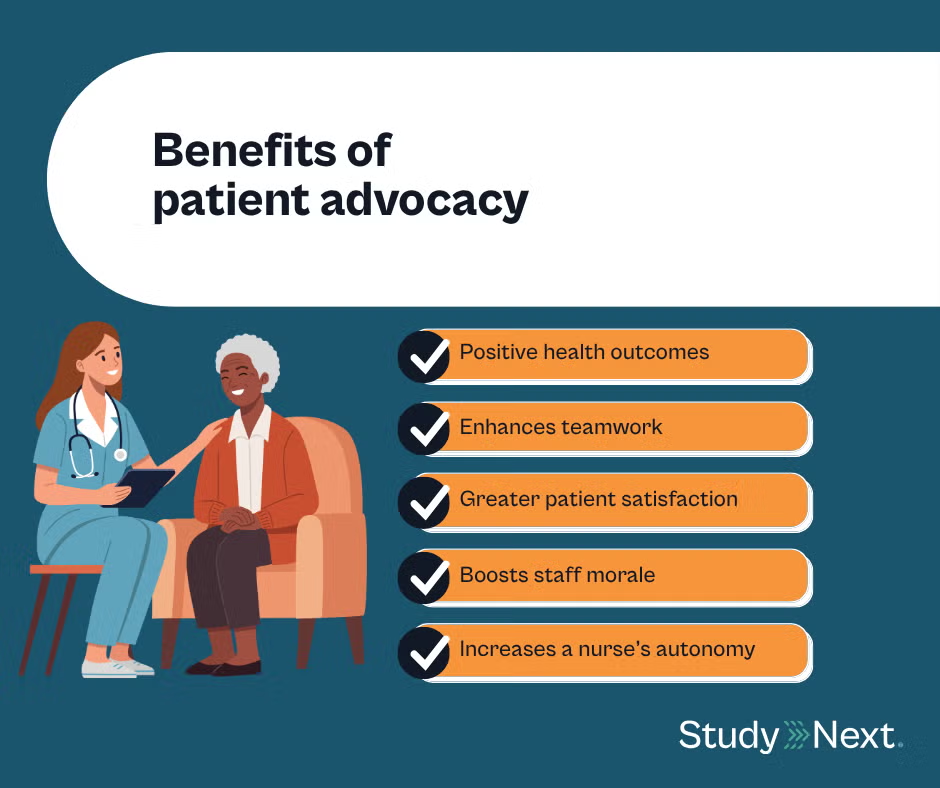
Healthcare can sometimes feel like its own mountain to climb, particularly when you’re unwell, waiting for answers or trying to understand unfamiliar medical jargon. That’s why patient advocacy matters. At its simplest, it means making sure patients have the information, confidence and support they need to take an active role in decisions about their care. It isn’t about challenging healthcare professionals at every turn. It’s about encouraging open conversations, asking questions and knowing where to turn when something doesn’t feel clear.
Why Communication Matters in Healthcare
Good healthcare depends on good communication. Patients need to understand what’s happening, why a particular treatment is being suggested and what other options might be available. Healthcare professionals, meanwhile, need an accurate picture of symptoms, concerns and individual circumstances.
If something doesn’t make sense during an appointment, it’s perfectly reasonable to ask for another explanation. Writing questions down beforehand or taking somebody you trust with you can also make it easier to remember important information.
Understanding Patient Rights and Responsibilities
Knowing your rights as a patient can make healthcare feel considerably less intimidating. Patients have the right to receive information about available tests and treatments, including their risks and benefits. Patients also have the right to be involved in decisions about their care, access their health records and accept or refuse treatment, subject to rules around capacity and consent.
Alongside those rights come responsibilities. Giving healthcare professionals accurate information, treating staff with respect and attending appointments where possible can all contribute to better communication and care. Being an active patient doesn’t mean assuming you know more than your clinician. It means recognising that your own experiences and preferences are relevant parts of the conversation.
Building Confidence When Navigating Healthcare Systems
Speaking up can be difficult, especially when something has gone wrong or you’re unsure whether your concerns are justified. Start by asking questions. Request clarification, keep useful records and, where appropriate, speak to the healthcare provider directly. In more serious situations where someone believes they may have been harmed by negligent treatment, they might choose to seek independent advice from specialist Medical Negligence Solicitors who can help explain the options available.
Seeking legal advice isn’t necessary for every poor experience or unexpected medical outcome though. It’s one possible route when there are specific concerns about whether appropriate standards of care were met.
Becoming an Active Partner in Your Care
Patient advocacy is ultimately about participation. You don’t need specialist medical knowledge to ask what a treatment involves, request information in clearer language or explain that something doesn’t feel right. Modern healthcare works best when patients feel able to communicate openly and healthcare professionals have the information they need to make informed clinical decisions.
Knowing your rights, using reliable information and asking for support when necessary can make healthcare experiences easier to understand and navigate. Being informed won’t remove every uncertainty, but it can help you become a more confident partner in your own care.


If you are considering donor egg IVF, you may want to know your chances of having a baby before starting treatment. You may also be comparing fertility clinics, treatment costs, and success rates to find an option that fits your needs and budget.
Several factors can affect the results of donor egg IVF. These include the egg donor’s age, egg quality, embryo growth, sperm health, and your own health. A clinic’s success rate can also vary based on the type of treatment and the number of embryo transfers included in its figures.
Understanding these factors can help you set clear goals and prepare for treatment. It can also help you ask useful questions before making a choice. The following sections cover six key factors that may affect donor egg IVF success rates and explain how each one can shape your treatment results.
1. Donor Age and Egg Quality

The age of the egg donor can affect the quality of the eggs used in treatment. Younger donors tend to have a higher share of eggs with the correct number of chromosomes. Chromosomes carry the genetic information needed for normal growth.
Eggs with an incorrect number of chromosomes may have a lower chance of developing into a healthy pregnancy. They may also raise the risk of an embryo failing to attach to the uterus or a pregnancy ending in miscarriage.
A 2024 study examined 515 donor egg cycles and 1,831 embryos, finding that the rate of chromosome problems increased across older donor age groups. The highest rate was among donors aged 31–35.
Egg quality, sperm health, and embryo growth also affect treatment results. When looking at donor egg IVF success rates, check the donor age range and ask how the clinic checks donor health and egg quality.
2. Fresh vs. Frozen Donor Eggs
Donor eggs may be used fresh or frozen. Fresh eggs are collected from a donor and used for fertilization around the same time, while frozen eggs are collected earlier, stored, and thawed when needed.
The main difference between the two options is treatment timing. Fresh egg treatment may require the donor’s cycle and your treatment cycle to be planned together, while frozen eggs offer more flexibility.
Both options may lead to similar results. A 2025 study of 214 donor egg treatment cycles reported live birth rates of 69.6% with fresh eggs and 66.6% with frozen eggs, with no clear difference between the groups.
Your choice may depend on egg supply, treatment needs, and cost. Your specialist can explain which option may work best for your situation.
3. Egg Numbers and Embryo Growth
The number of eggs available for fertilization can affect how many embryos may develop. Egg maturity and quality also play a role, as some eggs may not fertilize or continue to grow.
After eggs are collected or thawed, the lab team prepares them for fertilization and monitors their growth over the next few days. Some embryos stop developing early, while others reach a later stage called the blastocyst stage, when they may be ready for transfer.
A higher number of suitable eggs can give the lab team more chances to create embryos. However, the final number also depends on sperm quality, successful fertilization, and embryo growth.
The number of embryos that develop can differ from one treatment cycle to another. Understanding each stage can help you set realistic expectations about how many embryos may be available for transfer.
4. Your Health and Uterine Health
Your body needs to support embryo attachment and pregnancy, even when the eggs come from a donor. Past and current health details, hormone levels, and long-term health problems may all affect your treatment and pregnancy care.
Research also points to a link between recipient health and donor egg IVF results. A 2023 study of 1,394 donor egg recipients found that body mass index (BMI) was linked to live birth results after a single embryo transfer.
Your age and other health details may affect your care plan as well. A fertility specialist can review these details and explain whether any steps may help prepare you for treatment.
The uterus must also be ready for an embryo to attach. Your care team may check the lining of the uterus, look for growths such as fibroids or polyps, and review past health problems or surgery that could affect the uterus.
Share your full health history with your specialist before treatment. Blood tests or scans may also help your care team prepare your body for embryo transfer.
5. Sperm Health and Fertilization
Donor egg quality is important, but sperm health also affects embryo growth. The sperm must join with the egg and provide half of the genetic material needed for an embryo.
A semen test can check sperm count, movement, and shape. The results help your fertility team understand sperm health and choose a suitable way to fertilize the eggs.
In some cases, the lab may use a method called intracytoplasmic sperm injection (ICSI). With ICSI, an embryologist places one sperm directly into a mature egg. The method may help when certain sperm problems are present or when fertilization has been difficult in the past.
Once fertilization takes place, the lab team watches each embryo as it grows. The results help your fertility team decide which embryos may be suitable for transfer.
Before treatment, ask whether your partner or sperm provider needs testing. Your specialist can explain the results and discuss whether standard IVF or ICSI may suit your needs.
6. Embryo Quality and Transfer Success
Embryos grow over several days after fertilization. Some reach the blastocyst stage around day five or six. The lab team then checks their shape and cell structure before choosing an embryo for transfer.
Embryo grading describes how an embryo looks under a microscope. A higher grade can suggest stronger growth, while the chance of pregnancy also depends on other factors.
Some clinics may offer genetic tests on embryos in certain cases. These tests check for changes in the number of chromosomes in a small sample of cells. Your specialist can explain whether a test may be useful in your case and how the results could affect your treatment plan.
A single embryo transfer may lower the chance of a multiple pregnancy. Your specialist can help choose how many embryos to transfer by looking at your health, embryo quality, and past treatment.
Before treatment, find out how the clinic grades embryos and chooses one for transfer. Its transfer policy and reported pregnancy and live birth rates can also help you understand its approach.
Bottom Line
Donor egg IVF success rates depend on several factors, including donor age, egg quality, embryo growth, sperm health, and your own health. Understanding these factors can help you set clear goals and ask useful questions before you begin.
Clinic success rates can help you compare treatment options, but they need to be viewed in context. Your health and treatment plan are unique, so discuss your expected results, available choices, and next steps with your fertility specialist.


The road to a successful cosmetic surgery starts long before surgery. The first consultation is one of the most crucial, as the patient will share with a trusted surgeon their objectives, medical background, and potential treatment choices. Being well prepared for this appointment helps you to know what will happen and makes decisions easier for you.
Those looking into “plastic surgeries abroad” may also have specific questions regarding the remote consultation process and traveling to and from overseas medical facilities and with medical staff. The website of Europe Surgery in Wroclaw, Poland, offers details about cosmetic surgeries and patient care arrangements.
The guide outlines a few steps to take leading up to a consultation, what information to bring along, and questions to ask prior to considering seeking treatment in another country.

Key Takeaways
- Gather together the details of your medical file prior to calling a surgeon.
- Express what you’re looking to achieve when you’re asking for treatment and why.
- Discuss appropriate procedures, risks, and alternatives.
- Hire a surgeon who is qualified and experienced.
- Ask for written details of the costs of treatment.
- Talk about traveling, post-op care, and recovery.
- Do not be hurried to decide once.
Identify the most primary treatment concerns.
Before your consultation, come up with some questions to ask. There are patients who wish to find out about facial procedures; others are interested in breast surgery or a different body contouring procedure.
Some of the surgeries mentioned are breast augmentation surgery, breast improvement surgery, breast reduction surgery, nose reshaping surgery (rhinoplasty), facelift surgery (facelift), eyelid surgery, liposuction surgery, and tummy tuck surgery; all of them are included as surgeries in Europe Surgery.
Take note of the particular issues you want to discuss. Discuss your expectations of change, rather than determine what operation you want to have done without medical guidance.
A surgeon can determine your situation and let you know if a surgery might work. There’s also a possibility that you find another option is better suited to your requirements.
Create a Medical History
Your medical history is important for the surgeon to take into consideration and to determine if you are a good surgical candidate. On the day of the appointment, collect information on:
- Existing medical conditions.
- Prescription and Over-the-Counter medications and supplements.
- Known allergies.
- Experience with previous operations and anaesthesia.
- Addictions to tobacco and lifestyle behaviors.
- Previous cosmetic treatments.
Tell honestly when sharing this information. Every detail — it doesn’t matter if it doesn’t seem cosmetic-related — can impact surgical planning.
If you want to visit a plastic surgery clinic overseas, ask them what medical documents and test results they require before you go. Certain exams might be performed from a distance; others must be taken in person.
Find out information about the Surgeon before an appointment.
It is important for patients to know who can carry out their operation. It is important to seek information from the surgeon regarding their training, qualifications, and experience in the procedure.
An introduction of the surgical team to the website of Europe Surgery is done by Europe Surgery. Europe Surgery introduces its surgical team on the website. This information can assist you in determining who the medical providers were but should not take the place of independent verification.
Inquire about how often the surgeon does your procedure, the techniques he employs, and how he copes with complications.
It is also important to ask before surgery, during surgery, and as you recover, claims will be made for your care about who will be taking care of you.
Prepare some questions on the procedure.
A consultation is a time to learn about treatment and not just get a price quote.
Consider asking:
- What might be the reasons for me to undergo this procedure?
- What is actually possible to achieve, and what will the outcome be?
- What surgical procedure would you use?
- What is most important to consider, and what are the risks and complications?
- Do I need general or local anaesthetic?
- What could be the length of time for recovery?
- Is there anything else that could be done other than surgery?
As you may assume, clear answers are critical when choosing plastic surgery abroad, as there is a need for extra travel arrangements and aftercare.
If something you do not understand is used, feel free to request the surgeon’s explanation of that new or unfamiliar term.
Comprehend the Financial Information
Any treatment should be discussed in detail prior to committing. Ask for an itemised quotation that explains what is included in the proposed package.
Europe Surgery publishes data on the cost of procedures and provides a description of the services which might involve consultations, examinations, surgery and hospital costs, medicines and care after surgery.
Otherwise, there is an option to see the differences regarding inclusions in packages. Check if accommodation, flights and transfers, and extra surgical garments and tests are separated as extra charges.
Inquire about the terms on which the plan can be cancelled, and about any revision provisions and the cost of any further complications that you might encounter. Comparing providers fairly is easier and should be done using written information.
The next activity is to have a discussion about travel and appointment arrangements.
Timing and punctuality are important when conducting a treatment, and with international treatment they are required to be even more meticulous. For patients, appointments will be required for consultations, medical exams, as well as surgery and post-surgical follow-up visits while they are in residency.
Europe Surgery is based in Wroclaw, Poland, and offers patients information on where to stay.
Make sure to check what the date of arrival will be, the treatment program needed, and how long a person should stay for before the flight. Discuss with the person who had surgery if anyone must go with them and what help might be needed following surgery.
Your surgeon and him or her alone will decide on a time when it’s medically safe to travel home. Don’t shorten the recovery period because of a desired flight schedule.
Before scheduling an appointment, ask questions about aftercare.
Post-surgical care should be addressed at the time of the initial consultation, rather than after the surgery. Inquire about the process when checking wounds, administering medicines, changing bandages, and scheduling follow-up appointments.
Learn who to call if you have any unusual symptoms upon returning home. Ask for written directions and when timely medical care is needed regarding warning signs.
Remember, during the research process, that you plan to arrange a local healthcare professional who can help you if it is determined that additional assessment is necessary in the country where you have decided to seek plastic surgery.
Give yourself some time before you make your decision.
Once you’ve had your consultation, carefully check the information you got. Take into account the surgeon’s recommendations, potential risks, recovery, and treatment expenses.
A second opinion by another doctor might be a better idea before considering surgery. If someone feels pressured to make a decision after a few minutes, then the provider is not being trusted. If it takes only a few minutes before they make a decision and if there is no time to consider, then it is not the right provider.
People who opt in for plastic surgery abroad should be confident about the medical plan and not just because of an incredible result or an appealing deal.
Conclusion
By preparing for your first cosmetic surgery consultation, you can clear up any misunderstandings and make informed choices about your surgery. These are significant components of informed decision-making: organizing medical information, conducting research on the surgeon, and asking clear questions.
In Poland, Europe Surgery offers information regarding Europe Surgery’s surgical team, patient arrangements, and procedures. Patients should check the physicians’ medical professionalism themselves and check all the treatment information directly.
In the end, when you are considering plastic surgery overseas, you must have a well-developed plan, along with realistic expectations and an aftercare procedure. If you are prepared, you will be able to put your health first and make a treatment choice that is right for you.

Thai Television Entertainment: Discover the Growing Popularity

Building a Stronger Compliance Culture: A Practical Guide to Risk Management and Employee Training

Effective Concrete Crack Repairs: Enhancing Structural Integrity with Ironstone Civil

Best IPTV in the UK for 2026/2027? Here’s Why I’d Pick TrimixIPTV

Who Pays for Your Injuries After an Uber Accident in Richmond?

What to Consider When Ordering Packaging Samples

How to Ensure Your Home is Valued Correctly for a Quick Sale

Christopher Dare: The Untold Story of Engineer and Former Husband of Angela Rippon

The 15 Highest-Paid Rugby Players in the World

What Is Fanquer? The Digital Creator Platform Transforming Direct-to-Fan Engagement

Dr Jared Ross: Missouri Appeals Court Upholds Protection Order Over Graphic Torture and Murder Threats

Who Is Azriel Crews? Inside the Life and Career of Terry Crews’ Daughter
How to Ensure Your Home is Valued Correctly for a Quick Sale
Christopher Dare: The Untold Story of Engineer and Former Husband of Angela Rippon
The 15 Highest-Paid Rugby Players in the World
What Is Fanquer? The Digital Creator Platform Transforming Direct-to-Fan Engagement
Dr Jared Ross: Missouri Appeals Court Upholds Protection Order Over Graphic Torture and Murder Threats
Who Is Azriel Crews? Inside the Life and Career of Terry Crews’ Daughter
-
 Real Estate10 months ago
How to Ensure Your Home is Valued Correctly for a Quick Sale
-
Celebrity1 year ago
Christopher Dare: The Untold Story of Engineer and Former Husband of Angela Rippon
-
 Sports6 months ago
The 15 Highest-Paid Rugby Players in the World
-
 Technology6 months ago
What Is Fanquer? The Digital Creator Platform Transforming Direct-to-Fan Engagement
-
 Celebrity6 months ago
Dr Jared Ross: Missouri Appeals Court Upholds Protection Order Over Graphic Torture and Murder Threats
-
 Celebrity9 months ago
Who Is Azriel Crews? Inside the Life and Career of Terry Crews’ Daughter
-
 Celebrity1 year ago
Nancy Hallam: The Inspiring Life, Career, and Success Story Behind Ian Wright’s Wife
-
 Celebrity1 year ago
Who Is Maisie Mae Roffey? The Private Life, Family Story, and Quiet Success of Julie Walters’ Daughter