
Business
The Complete 2025 Guide to Reward Events: Trends, Tools, and Tactics Reshaping Employee Recognition in America


Employee recognition has quietly become one of the more pressing operational concerns for American businesses in 2025. Not because it is new, but because the gap between organizations that do it well and those that do it poorly has grown wide enough to affect retention, productivity, and culture in measurable ways. Human resources professionals, operations leaders, and company executives are increasingly treating recognition not as a morale bonus but as a core management function — something that requires planning, structure, and consistent execution.
What changed is not the concept itself. Businesses have always found ways to acknowledge good work. What changed is the expectation. Employees today — particularly those hired after 2018 — carry a different baseline understanding of what a healthy workplace looks like. They have seen formal recognition programs at other companies, heard about them from peers, and in many cases, walked away from roles where acknowledgment was absent. The business case is no longer speculative. Replacing a mid-level employee carries a real cost in recruiting, onboarding, and productivity loss. Recognition programs, when structured properly, reduce that turnover cost directly.
This guide addresses how recognition has evolved, what employers are doing differently in 2025, and why the structure of the recognition event itself — not just the reward — determines whether the investment actually lands.
What Reward Events Actually Are and Why Structure Matters
A reward event is a planned, formal or semi-formal occasion in which an organization publicly or privately acknowledges an employee’s contribution, milestone, or performance. It is distinct from casual praise or informal feedback. The event format — whether it is a team gathering, a company-wide ceremony, a department lunch, or a digital acknowledgment broadcast — determines how the recognition is received, remembered, and repeated as a cultural signal within the organization.
Organizations working to build consistent recognition programs often start by examining what a well-run reward event looks like in practice. Resources that outline the components of structured recognition — such as those that address reward events across different business contexts — provide useful grounding for teams building out these programs for the first time or refining existing ones.
Structure matters in recognition for the same reason it matters in any repeatable business process. An event that happens inconsistently, that favors certain departments over others, or that lacks a clear connection between the achievement and the recognition erodes trust rather than building it. Employees notice when recognition appears arbitrary. They also notice when it disappears entirely after an initial push. The format of the event communicates as much as the reward itself. The same logic applies outside the company, where manufacturers run clearly structured channel incentive programs to reward distributors for results.
The Difference Between Recognition and Reward
These two terms are often used interchangeably, but they refer to different things in practice. Recognition is the act of acknowledging someone’s effort, behavior, or outcome. Reward is the tangible or intangible benefit attached to that acknowledgment — a gift card, an extra day off, a public commendation, a trophy, or a promotion.
Well-designed programs combine both, but the sequence matters. Recognition delivered without any associated reward still has value. A reward delivered without genuine recognition — a check that arrives without explanation or ceremony — often falls flat or even creates confusion. The acknowledgment of what someone did, and why it mattered to the team or organization, is frequently more meaningful than the monetary or material value of the reward itself.
For 2025, many organizations are investing in the recognition component specifically — improving how they communicate the “why” behind each acknowledgment — because this is where the cultural impact is actually created.
The Trends Driving Recognition Program Investment in 2025
Workforce dynamics in the United States continue to shift in ways that make consistent, structured recognition more important. Remote and hybrid work arrangements have reduced the frequency of spontaneous, in-person acknowledgment. Managers who previously complimented work in hallways or during team lunches now operate in contexts where those informal moments do not occur naturally. The absence of informal recognition in distributed teams has created a visible gap that formal programs are being asked to fill.
Simultaneously, workforce research from institutions like Gallup has continued to demonstrate that employees who feel regularly recognized report higher engagement, stronger commitment to their organization, and lower intention to leave. These findings have moved recognition from the “nice to have” column into budget planning conversations at organizations that previously deprioritized it.
Hybrid Work and the Recognition Gap
Remote and hybrid models created a structural challenge for recognition. When employees are distributed across time zones and communication happens largely through asynchronous channels, the natural rhythms of recognition — a quick acknowledgment after a meeting, a team applause at the end of a project — do not occur without deliberate effort.
Organizations that adapted quickly created digital recognition channels: dedicated Slack or Teams spaces for acknowledgment, digital award certificates sent to personal and professional profiles, and virtual ceremonies that mirror the format of in-person events. Those that did not found that their remote employees felt less connected to the organization’s sense of shared achievement — a perception that compounded over time into disengagement and eventual attrition.
Generational Expectations in the Modern Workforce
The workforce in 2025 spans multiple generations with different norms around recognition. Employees who entered the workforce before the age of formalized recognition programs often expect modest, private acknowledgment. Those who joined in the past decade — shaped by social feedback environments and greater transparency in workplace culture — may expect acknowledgment to be more visible, more frequent, and more specific.
Neither expectation is wrong. Both need to be accommodated in a well-designed recognition program. This is one reason organizations are moving away from single-format recognition events and toward tiered systems that include peer-to-peer acknowledgment, manager-driven recognition, and executive-level commendation — each serving a different purpose and reaching a different layer of the organization.
Building a Recognition Calendar That Holds Up Over Time
One of the most common failure points in recognition programs is inconsistency. A company launches a recognition initiative with strong internal momentum, runs a well-executed kickoff event, and then allows the program to fade as other operational priorities take over. Employees remember the absence of follow-through more acutely than they remember the initial event.
A recognition calendar solves this by scheduling acknowledgment in advance and assigning clear ownership. The calendar does not need to be complex. It should include anchor events tied to the company’s operational cycle — end-of-quarter reviews, project completions, hiring anniversaries, and safety milestones — along with more frequent, lower-ceremony touchpoints that keep recognition visible throughout the year.
Frequency Versus Formality
Not every recognition moment requires a formal event. The most effective programs use a combination of frequent, informal acknowledgment and periodic, structured events. Informal recognition keeps the culture warm on a day-to-day basis. Formal events create shared memories and signal that the organization treats achievement as something worth marking publicly.
The balance point varies by organization size, industry, and management style. A construction firm with field crews working on project timelines will approach recognition differently than a technology company with distributed product teams. What remains constant across contexts is the need for both types — and the failure mode that occurs when organizations choose one to the exclusion of the other.
Technology Tools Supporting Recognition in 2025
A range of purpose-built platforms now support recognition program management. These tools allow managers to send acknowledgments, track participation across departments, allocate recognition budgets, and generate reports on program engagement. The more mature platforms integrate with existing HR systems, allowing recognition data to sit alongside performance data in a single view of the employee lifecycle.
The value of these tools is not primarily in automation — it is in consistency. A platform that prompts managers to acknowledge tenure milestones, surfaces peer nominations for review, and records recognition history creates a structural backstop that prevents gaps. Without a system of record, recognition programs tend to reflect the habits of individual managers rather than a coherent organizational commitment.
Choosing the Right Platform for Your Organization’s Scale
Organizations under a certain size often find that dedicated platforms introduce more complexity than value. A company with fewer than fifty employees may achieve better results with a simple, structured process — a monthly team meeting segment, a shared digital board, or a manager guide that standardizes the language and frequency of acknowledgment — than with a subscription platform designed for enterprise use.
Larger organizations, particularly those with multiple locations or distributed workforces, benefit more from platform infrastructure because the challenge is not designing recognition programs — it is making sure they run consistently across departments and management styles with varying levels of engagement.
Measuring Whether Recognition Programs Are Working
Recognition investment without measurement is difficult to defend in budget cycles and difficult to improve over time. The metrics that matter most are not program participation rates — those are easy to inflate with mandatory acknowledgment — but indicators of actual engagement and retention impact.
Organizations that measure recognition program effectiveness typically track employee engagement survey scores over time, voluntary turnover in recognized versus unrecognized employee groups, and manager participation consistency across departments. These metrics take time to accumulate, which is why recognition programs require a long-term commitment from leadership to produce interpretable results.
Connecting Recognition to Business Outcomes
The clearest business case for recognition investment comes from retention data. When an organization can show that employees who received consistent, structured recognition stayed longer, required less replacement hiring, and maintained higher productivity through their tenure, the program cost is easy to contextualize. This connection is rarely made in organizations where recognition is informal and undocumented because the data trail simply does not exist.
Formalizing recognition — even modestly — creates the documentation needed to make that analysis possible. It is one of the less-discussed practical benefits of moving from informal acknowledgment to structured events.
Conclusion: Recognition as an Operational Standard, Not a Cultural Extra
The shift happening in 2025 is not about companies discovering that recognition is valuable. Most already knew that. The shift is about treating recognition with the same operational discipline applied to other management functions — scheduling it, resourcing it, assigning ownership, tracking it, and adjusting it based on real feedback.
Organizations that run reward events on an ad hoc basis, whenever enthusiasm peaks or budgets allow, will continue to see the gap between their recognition intentions and employee experience. Those that build recognition into their operational calendar as a repeatable, consistently executed process will find it much easier to retain the people they have invested in hiring and developing.
The tools, platforms, and frameworks available in 2025 make structured recognition more accessible than it has ever been for businesses of all sizes. The limiting factor is rarely capability — it is commitment. Recognition programs succeed when leadership treats them as a permanent fixture of how the organization operates, not a seasonal initiative or a response to a retention crisis already underway.
For HR professionals, operations managers, and executives building or refining these programs now, the most important step is simply deciding that consistency is non-negotiable — and then building the structure that makes consistency possible.


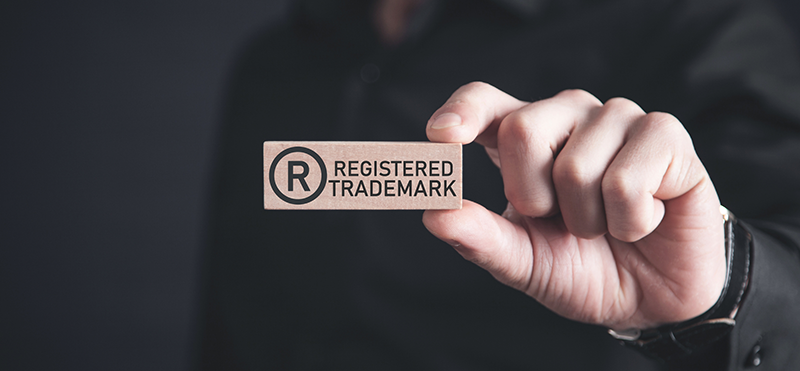
When starting a UK business, registering a company name is usually one of the first things on the list. But there is another name-related decision that many business owners overlook: trade mark registration. This often leads to a simple question:
If my company name is already registered with Companies House, why would I need a trade mark?
The answer is that they protect different things. Companies House deals with company registration and company-name rules, while the UK Intellectual Property Office (IPO) deals with trade marks. Registering a company name does not automatically give you trade mark protection.
Need help registering your UK trade mark? BusinAssist can guide you through the UK trade mark application process, helping you take the next step towards protecting your brand.
Explore Our UK Trade Mark Registration Service and start building a stronger foundation for your business.
What Does Companies House Registration Do?
When you form a limited company, you register its legal name with Companies House.
The name must meet Companies House rules and cannot normally be the same as an existing registered company name. If a name is too similar to another company name, you may also have to change it following a complaint.
This gives your company its legal identity. For example, imagine you register: BrightPath Solutions Ltd. That becomes the official name of your limited company. But this does not automatically mean that you have exclusive trade mark rights over “BrightPath Solutions”.
That is where the difference becomes important.
What Does Trade Mark Registration Do?
A trade mark protects a brand used to distinguish your goods or services from those of other businesses.
It can include things such as:
- Business or product names
- Logos
- Certain sounds
- Colours
- Combinations of these elements
A registered trade mark can give the owner stronger rights to take action against unauthorised use of the mark within the relevant scope of protection.
So while Companies House helps establish your company as a legal entity, a trade mark can help protect the brand customers recognise.
Companies House vs Trade Mark Registration
The easiest way to understand the difference is to look at what each registration is designed to do.
| Companies House Registration | Trade Mark Registration |
| Registers a company | Protects a brand or trade mark |
| Gives the business a legal identity | Helps establish exclusive rights in the registered mark |
| Managed by Companies House | Managed by the UK Intellectual Property Office |
| Focuses on company-name rules | Focuses on goods and services covered by the mark |
| Does not automatically create trade mark rights | Can provide stronger legal protection for the registered brand |
| Mainly relevant to the company’s legal identity | Particularly important for customer-facing brands |
The two systems work separately, so registering one does not replace the other.
Why Company Registration Alone May Not Be Enough
Imagine a startup spends two years building a brand around its company name.
It has:
- A popular website
- Thousands of customers
- Social media followers
- Branded packaging
- Paid advertising
- Positive reviews
The founders may assume the company name is protected because it appears on the Companies House register. But company registration does not automatically give the same rights as a registered trade mark.
The IPO specifically warns that registering a company name does not prevent someone else from using a similar or identical trade mark.
That is why checking trade marks should happen before investing heavily in a new brand.
What If Someone Already Has a Similar Trade Mark?
This is where things can become complicated. A company name may be accepted by Companies House but still create a trade mark problem.
For example, you might find that your preferred company name is available, but another business already has a similar registered trade mark covering related goods or services.
Simply having your company name accepted does not automatically solve that problem. Current Companies House guidance recommends checking the UK IPO trade mark register before choosing a company name.
Does a Trade Mark Replace Company Registration?
No. A trade mark and a company are not alternatives.
You can have:
Company registration + trade mark registration
The company registration gives your business its legal identity, while the trade mark can protect the brand you use in the marketplace. A business might therefore operate as:
ABC Innovations Ltd
while using:
ABC
as its customer-facing brand.
The legal company name and the protected brand do not necessarily have to be identical.
What About a Trading Name?
A limited company can also trade under a different name from its registered company name.
For example:
ABC Innovations Ltd
could operate publicly under a trading name.
But using a trading name does not automatically give it trade mark protection.
If the trading name becomes an important part of the company’s brand, registering it as a trade mark may be worth considering. GOV.UK guidance specifically notes that trading names and brands are not automatically protected.
When Should a New Business Think About a Trade Mark?
There is no need to wait until a company becomes large.
In fact, checking the brand early can make business planning easier.
A sensible process is:
- Choose a potential business name.
- Check Companies House.
- Search the UK trade mark database for similar marks.
- Check relevant domains and social media handles.
- Think about how the business could grow.
- Identify the goods and services the brand will cover.
- Consider trade mark registration if the brand is important to the business.
The IPO recommends checking for similar marks before applying and choosing classes and terms that fit the business’s plans.
What Does a Trade Mark Actually Protect?
Trade mark protection is not unlimited. It relates to the goods and services covered by the registration. For example, registering a brand for one category does not automatically mean that nobody anywhere can use the same word for completely unrelated products.
This is why selecting the relevant classes and terms is an important part of the application. The IPO recommends choosing classes and terms that are relevant to your business plans for the next five years. You can consider Trademark Registration guide by BusinAssist to know all the details about trademark registration.
The Simple Way to Think About It
If you remember only one thing from this article, remember this: Companies House protects your company’s place on the company register. A trade mark protects the brand identity you use in the marketplace.
They solve different problems. For a business that is serious about building a recognisable brand, understanding that difference early can prevent unnecessary complications later.
Build the Company. Then Protect What Customers Recognise.
Registering a company is an important first step, but it is only part of building a business. As the company grows, its name, logo and product identity can become valuable commercial assets. Protecting those assets should therefore be considered alongside company formation rather than after the brand has already become established.
If you are setting up or managing a UK company and need support with the administrative side of your business, BusinAssist can help with services including company formation, confirmation statement filing, identity verification and company closure. Your company name may give your business its legal identity. Your brand is what customers remember.

Nobody sets out to tear their software stack apart after six months. But it happens constantly. A founder grabs a free tool early on because it does one job well enough, and then the team doubles, the sales process completely changes, customers start expecting more, and suddenly that same tool becomes the bottleneck holding everyone back.
Startups don’t grow in straight lines. Software picked when the company was three people won’t hold up once there are fifteen, with proper sales channels, active marketing campaigns, revenue targets to hit and new hires to onboard. So what causes the mismatch, and how do you pick something you won’t need to bin within twelve months?
Your Processes Will Change Faster Than You Think
Early on, process doesn’t exist. Leads trickle in from emails, LinkedIn, referrals and maybe the odd event, and someone tracks everything in a spreadsheet that works fine because one person is doing all the selling.
Things change fast though. A second hire joins, marketing kicks off campaigns, and the spreadsheet can’t tell you who last spoke to a lead or how long deals have gone untouched. So the team grabs a CRM, but they pick one that fits the current workflow instead of what they’ll actually need in a few months when the whole operation looks different.
Most startups move from total disorder to a rough system and then to a proper repeatable playbook within about twelve months. That journey breaks tools. Whatever CRM worked during the messy early days will almost certainly buckle once processes get tighter and the team starts demanding more from it.
Pick for Flexibility, Not Just Features
Founders love a long feature list. It’s natural to compare platforms by counting what they offer and going with the one that ticks the most boxes, but that logic falls apart the moment your workflow changes and the tool can’t bend with it.
What actually matters is flexibility. Can you customise fields, rework pipeline stages, add automations and plug in other tools as your stack grows? Reviews comparing the top CRMs for early stage startups now rate platforms on scaling pain points and exit strategies alongside the usual pricing breakdowns, which tells you how common this problem really is. So before you commit, ask yourself whether you can reshape the tool in six months without having to rebuild everything from scratch.
Check the Exit Before You Enter
Before you put anything into a new platform, check how easy it is to get your data back out. This step gets skipped constantly. Export options, API access, data portability and migration support aren’t exciting things to evaluate during a free trial, but they’ll save you weeks of pain when you eventually need to switch.
Don’t overlook this part. If a platform makes it difficult to pull out contacts, deal history, pipeline data and communication logs, you’re handing your most valuable business information to a vendor that could effectively trap you, and you won’t spot the problem until it’s already too late.
Every Tool Is Temporary
That sounds dramatic. But it’s a much healthier way to think about software when you’re running a startup, and it changes the way you set things up from day one. You’ll keep data cleaner because you know it’ll need exporting eventually. You’ll document workflows properly because someone new will need to understand them when the platform changes. And you’ll stop building your entire operation around one vendor’s quirks, because you’ve accepted that the tool serving you well right now probably won’t be the one serving you well in eighteen months.
Startups that handle transitions well planned for change from the very beginning. They picked platforms with decent APIs and clean export options, they kept their data structured, and when the time came to move, the migration took days instead of months. Getting lucky with your first platform pick is rare. Being ready to move when you outgrow it is something you can actually control.
What This Means for Your Next Software Decision
Cycling through tools in a young company isn’t a sign that someone made a bad call. It happens naturally when a business grows fast and works things out along the way. The founders who waste the most time and money are the ones who either cling to a tool long past the point where it stopped working, or who panic-switch to something new without checking whether it’ll last any longer than the last one did.
Test the export options before you test the features. Push the flexibility during the trial, not after you’ve committed. Ask about migration paths and what happens to your data if you leave. And don’t get attached to any platform just because it works right now, because what your startup needs at three months old will look nothing like what it needs at eighteen, and the only real mistake is being surprised when that day arrives.


Businesses have to make a lasting impression, and the best way to do it is by increasing their brand visibility through capturing customer interest and developing strong relationships. Branded items are a great way to raise brand awareness, like traditional advertising, social network campaigns, and digital advertising. Corporate pins are among the many options for branding because of their lightweight nature, trendiness, and suitability for branding with logos, colours, and text. This article explains how lapel pins can be used by companies in the UK to promote their business by gifting them, using them in corporate events, and branding employees and clients.
Here are ways businesses use lapel pins to increase visibility of a brand:
For Promotional Gifts
Promotional gifts are an effective tool to introduce a company to potential clients and to keep its products or services in the minds of existing ones. Custom lapel pins are excellent freebies because they are lightweight, portable, and easy to distribute during marketing campaigns. Companies can use branded pins as part of welcome kits, seasonal promotions, purchase incentives, and thank-you packages for customers. Combining lapel pins UK with other promotional products can help a business to design coordinated gift packages that increase their brand awareness.
Employee Branding & Identity
Their interactions with your employees strongly influence your clients’ perception of your company. A clear and professional brand identity throughout the workforce helps customers recognise employees and connect their appearance with the company’s values. Custom lapel pins can be used in corporate attire, uniforms for employees, and name tags. Companies can also use Lapel pins UK to celebrate years of service, distinguish departments, and recognise staff achievements, to keep visual consistency.
Corporate Events & Exhibitions
Exhibitions, trade shows, conferences, and corporate events are some of the best opportunities that companies have to grow their networking with different industry professionals and potential clients. But it’s hard to stand out from the many popular exhibitions. The importance of personalised lapel pins in the UK is very high for companies that want to differ from others with a message through a unique design. You can check out Rocketbadge to get custom-made lapel pins at affordable prices.
Special Edition Products for Special Occasions
Producing special edition products is a great way to raise awareness for the brand and create a sense of intrigue around it. These days, it is quite popular to make custom lapel pins in the UK for many worthy occasions such as milestone events or product launches.
Their uniqueness may be enough to encourage customers, staff, and event-goers to keep them as collectors. Businesses can also encourage customers to post pictures of their limited-edition products on social media to increase the campaign’s reach and visibility online.
Select Designs That Will Help Your Brand
The way promotional lapel pins in the UK are designed has much to do with how well they work. The pin needs to be attractive enough that people will want to wear it, and it needs to clearly identify the company. Businesses should be focusing on recognisable logos, consistent brand colours, clear writing, and appropriate shapes. Simplicity is often more effective, as overcomplicated designs can make it hard to see the finer details.
Conclusion
Lapel pins are a cost-effective and versatile way for companies to market their brand in several ways. They provide companies a chance to connect with the public through everyday connections, collectables, corporate event items, employee accessories, or gifts. Lapel pins in the UK can be an effective part of a bigger promotion plan, as they keep the company in people’s minds long after the end of a campaign when used properly.

The Ultimate Guide to Women’s Sandals for Style and Comfort

Essential Guide to Hire Furniture in Sydney for Stylish Home Makeovers

Publishing AI-Assisted Drafts as PDFs: A Free Markdown Workflow with iBoomto

Spinal Alignment in Kuala Lumpur: What It Involves and What It Costs

When Weeks Turn Into Months: Planning Car Hire for a Longer Stay

Top 10 Best Minicab Companies in London & Surrounding Counties

The 15 Highest-Paid Rugby Players in the World

Christopher Dare: The Untold Story of Engineer and Former Husband of Angela Rippon

How to Ensure Your Home is Valued Correctly for a Quick Sale

What Is Fanquer? The Digital Creator Platform Transforming Direct-to-Fan Engagement

Dr Jared Ross: Missouri Appeals Court Upholds Protection Order Over Graphic Torture and Murder Threats

Nancy Hallam: The Inspiring Life, Career, and Success Story Behind Ian Wright’s Wife
The 15 Highest-Paid Rugby Players in the World
Christopher Dare: The Untold Story of Engineer and Former Husband of Angela Rippon
How to Ensure Your Home is Valued Correctly for a Quick Sale
What Is Fanquer? The Digital Creator Platform Transforming Direct-to-Fan Engagement
Dr Jared Ross: Missouri Appeals Court Upholds Protection Order Over Graphic Torture and Murder Threats
Nancy Hallam: The Inspiring Life, Career, and Success Story Behind Ian Wright’s Wife
-
 Sports5 months ago
The 15 Highest-Paid Rugby Players in the World
-
Celebrity11 months ago
Christopher Dare: The Untold Story of Engineer and Former Husband of Angela Rippon
-
 Real Estate9 months ago
How to Ensure Your Home is Valued Correctly for a Quick Sale
-
 Technology5 months ago
What Is Fanquer? The Digital Creator Platform Transforming Direct-to-Fan Engagement
-
 Celebrity5 months ago
Dr Jared Ross: Missouri Appeals Court Upholds Protection Order Over Graphic Torture and Murder Threats
-
Celebrity11 months ago
Nancy Hallam: The Inspiring Life, Career, and Success Story Behind Ian Wright’s Wife
-

 Celebrity8 months ago
Who Is Azriel Crews? Inside the Life and Career of Terry Crews’ Daughter
-

 Health9 months ago
Enclomimed 25 (Enclomiphene) – Effective PCT Protocol