
Home Improvement
Mid-Century Designer Chairs: Where Design Meets Everyday Comfort

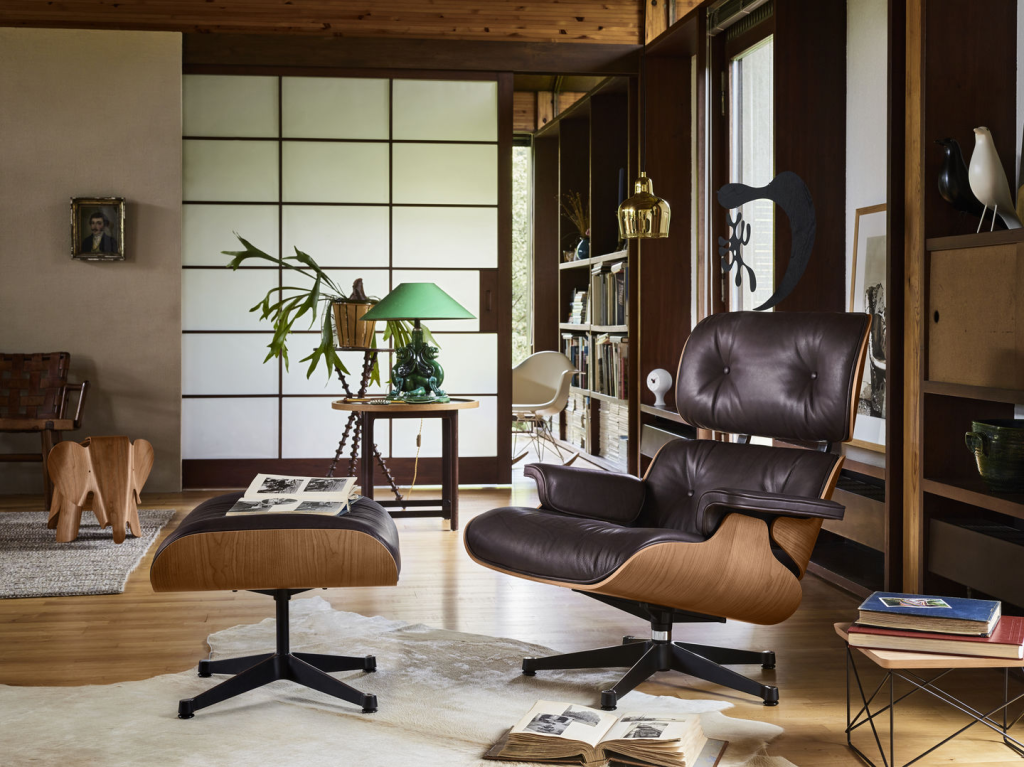
In a world where interiors are increasingly defined by personality and function, mid-century Designer Chairs continues to stand out as one of the most influential design movements of the last century. Its clean lines, practical form, and timeless appeal have made it a preferred choice for homeowners, designers, and architects across the UK and Europe.
At its core, this style is not just about furniture — it is about how a space feels when design and comfort come together seamlessly.
The Moment a Room Gains Character
There is always a defining moment in interior design — the point when a room stops feeling empty and starts feeling lived in. More often than not, this transformation begins with seating.
A well-designed Eames lounge chair does more than provide a place to sit. It becomes a focal point, shaping the identity of a living room while setting the tone for the entire space.
Mid-century modern chairs achieve this balance with remarkable simplicity. Their forms are minimal, yet expressive. Their presence is subtle, yet powerful.
What Defines Mid-Century Modern Design
The mid-century modern movement, spanning from the 1930s to the 1960s, emerged during a time of rapid industrial and cultural change. Designers sought to combine functionality with beauty — eliminating unnecessary detail while improving everyday usability.
Key characteristics include:
- Clean, geometric lines
- Functional, uncluttered structure
- Organic curves inspired by nature
- Focus on practicality and comfort
- Use of natural materials such as wood and leather
Influenced heavily by American industrial design and European modernism, this style has remained relevant for decades, proving that good design never goes out of fashion.
Today, its influence is visible in contemporary homes, offices, and hospitality spaces across the UK — especially in cities like London, Manchester, and Birmingham, where modern interiors often blend vintage inspiration with contemporary living.
Why Mid-Century Modern Chairs Remain So Popular
One of the reasons this design style has endured is its adaptability. A mid-century modern chair can fit effortlessly into both minimalist apartments and more traditional homes.
These chairs are designed not just for appearance but for long-term use. The combination of ergonomic structure and durable materials ensures they remain functional for years.
Key benefits include:
- Timeless aesthetics that match modern interiors
- Ergonomic comfort designed for daily use
- Durable construction using solid wood and quality materials
- Easy maintenance suitable for busy households
- Versatile styling that pairs with various décor themes
This combination of form and function is what makes mid-century furniture a long-term investment rather than a short-term trend.
Craftsmanship and Material Quality
Behind every well-designed chair is careful material selection and craftsmanship. In mid-century modern furniture, wood plays a central role — not just structurally, but aesthetically.
Common materials include:
Teak Wood
Known for its resistance to moisture and long-lasting strength, teak is ideal for furniture that needs to withstand daily use while maintaining its appearance over time.
Walnut Wood
Walnut offers a rich, deep tone with natural grain patterns that add warmth and character to interiors.
These materials are often paired with high-quality cushioning and upholstery, creating a balance between comfort and durability.
Sustainable sourcing and responsible production methods are also becoming increasingly important, especially in European markets where environmental awareness strongly influences purchasing decisions.
Comfort That Goes Beyond Appearance
While design is important, comfort remains the foundation of any seating solution. Mid-century modern chairs are engineered with ergonomics in mind.
Seat angles, backrest curvature, and cushioning density are carefully calculated to support the body during extended use. This reduces strain on the back and improves overall posture — making these chairs suitable not only for living rooms but also reading corners and workspaces.
Each design undergoes practical testing to ensure long-term usability, including weight support, material resilience, and comfort retention.
The result is a chair that feels as good as it looks — something that is increasingly rare in today’s fast-paced furniture market.
Creating a Balanced Living Space
Interior design today is about more than just filling a room — it’s about creating balance.
A mid-century modern lounge chair often becomes the centerpiece of a living space. When paired with a matching table or complementary furniture pieces, it helps establish visual harmony throughout the room.
Designers often use these elements to create:
- Calm and structured living rooms
- Minimalist lounge areas
- Warm and inviting reading spaces
- Functional yet stylish interiors
This flexibility is one of the key reasons mid-century design continues to dominate modern interior trends across Europe.
A Style That Bridges Past and Present
What makes mid-century modern furniture truly unique is its ability to bridge eras. It carries the elegance of the past while meeting the expectations of modern living.
In today’s homes, where space efficiency and visual simplicity are essential, this design philosophy feels more relevant than ever.
It is not just about nostalgia — it is about creating environments that feel intentional, comfortable, and timeless.
Final Thoughts
Mid-century modern chairs represent more than just furniture — they reflect a design philosophy rooted in balance, purpose, and longevity.
As homeowners in the UK continue to prioritize quality, sustainability, and aesthetic simplicity, this style remains a strong and reliable choice. It proves that great design does not need to be complex — it only needs to be thoughtful.
Whether placed in a contemporary London apartment or a suburban family home, a mid-century modern chair continues to do what it has always done best: transform a room into a space worth living in.



First-time clients of professional cleaning services often arrive at the experience with expectations shaped by one of two things: either they imagine something transformative that leaves every surface gleaming, or they’ve read enough reviews to be quietly anxious that it won’t live up to what the photos on the website suggested. The reality tends to be more straightforward than either end of that spectrum, and knowing what’s actually going to happen on the day makes the whole thing considerably less uncertain.
Professional cleaning is a service delivered by real people working within a defined scope and a defined time. Understanding that scope, communicating your priorities clearly, and knowing how to evaluate the result are the three things that determine how good the first experience is.
Before the Clean: What You Should Do
Preparation makes a bigger difference than most first-time clients expect. A professional cleaner working in an environment where surfaces are accessible and clear of items that don’t belong on them will produce a noticeably better result in the same time than one working around clutter.
This doesn’t mean the house needs to be spotless before they arrive, which would rather defeat the purpose. It means that surfaces you want cleaned should be accessible, and that anything you’d prefer the cleaner not to move or handle should be put away or clearly indicated. Important documents, medications, fragile items, pets that need to be in specific areas: communication about these before the day is much simpler than the alternative.
Also communicate, in advance and specifically, what matters most to you. If the kitchen is the priority, say so. If there are areas you want skipped, say so. If there’s a particular surface material in the bathroom that reacts badly to certain products, flag it. Cleanbee cleaning services, like any professional operation worth using, takes client briefings seriously precisely because the cleaner who knows what the client cares about can deliver a result that the cleaner working from a generic brief can’t.
What Actually Happens During a Standard First Clean
A first clean with a new property is typically more time-intensive than a maintenance clean of a property that’s been professionally cleaned before. This is because the cleaner is starting from a baseline that may have accumulated over time rather than simply maintaining an already-established standard.
The first clean usually covers the obvious surfaces across all rooms, bathrooms and kitchen in depth, floors vacuumed and mopped, and the general tidying up of the space. Depending on the scope you’ve agreed and the condition of the property, it may also include inside appliances, windows (internal), and other more detailed tasks that a regular maintenance clean might not cover on every visit.
What it won’t cover, unless you’ve specifically asked and agreed it in scope, are tasks like cleaning inside wardrobes, washing dishes, doing laundry, or moving heavy furniture to clean behind it. Professional cleaning operates within an agreed scope, and things outside that scope aren’t missed — they were never part of what was agreed. If you want specific additional tasks, the time to discuss them is before the clean, not after.
How Long It Takes
A standard first clean of a two- to three-bedroom property in reasonably good condition typically takes two to four hours with a professional cleaner. Larger properties, properties in more challenging condition, or cleans with extended scope will take longer. Properties that have been regularly maintained are faster to clean than those that haven’t been professionally cleaned recently.
If you’ve been given a time estimate and the cleaner is on track with that estimate, the work is progressing as expected. If the clean is taking noticeably longer, the most likely explanation is that conditions on the day were different from what the estimate assumed, whether that’s the state of particular areas or additional tasks that weren’t in the original scope.
When there’s a time constraint, good cleaners prioritise the agreed scope so that the most important areas are complete before time runs out. This is another reason why communicating your priorities in advance pays off: a cleaner who knows the kitchen and bathrooms are the priority and that the spare bedroom is less critical can sequence the work to ensure the most important things are done properly even if time ends up tight.
Evaluating the Result Properly
The right time to assess the result of a professional clean is while it’s still fresh, before the space is used again. Go through the rooms that matter most and check the areas you care about specifically. This is not an adversarial process. It’s the practical step that tells you whether the service delivered what you expected, and it’s the basis of any feedback you give.
Be specific in your feedback, whether positive or negative. “The bathroom looks great, but the kitchen hob still has some residue on the back corners” is useful feedback that the cleaner can act on. “It wasn’t quite right” is not. Specific positive feedback tells the cleaner what they did well in your space. Specific negative feedback gives them what they need to fix it either immediately or on the next visit.
Most professional cleaning services, and Cleanbee cleaning services in particular, expect feedback from first-time clients and treat it as a normal part of the service relationship. A service that’s confident in its work and genuinely interested in client satisfaction welcomes the feedback that allows it to calibrate to what you actually want, rather than assuming a generic standard will suit every household.
What Happens After the First Clean
If the experience was positive, establishing a regular schedule is the obvious next step. Regular maintenance cleans are faster and often less expensive per visit than first cleans, because the property is already at a professional standard and the cleaner’s job is to maintain it rather than restore it.
If something wasn’t right, the appropriate route is to contact the service promptly with specific feedback. Most professional services have a complaints or feedback process that allows problems to be addressed — either through a re-clean of the specific area or through a credit — and using this process is what professional cleaning services are set up to accommodate.
The first clean is a calibration exercise as much as a cleaning exercise. Both you and the service are learning about each other: what the property requires, what your priorities are, what the cleaner’s approach looks like in your specific space. The second and third cleans almost always go more smoothly than the first, because the calibration has already happened.
That’s the honest picture of what to expect. Not a transformation, and not the anxiety of an unknown quantity. A professional service, doing professional work, on terms you’ve agreed in advance.

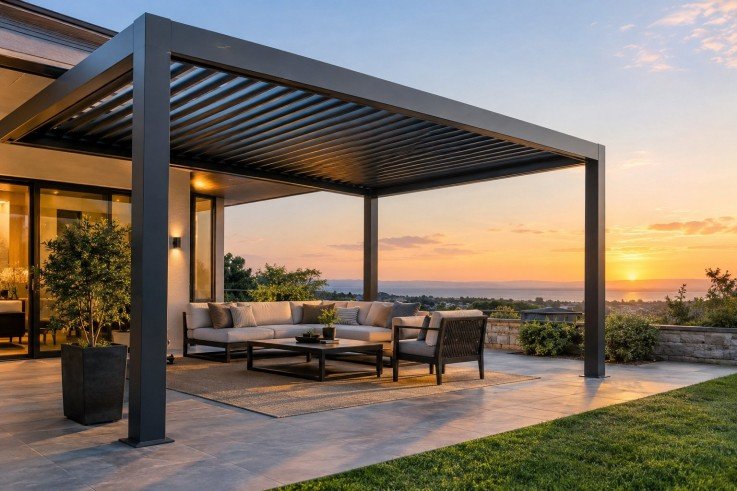
钢结构凉棚与轻型铝制凉棚在户外建筑市场中占据着不同的份额。
对于住宅露台而言,铝材通常能够提供足够的结构性能,同时安装也相对简便。而当项目涉及更大跨度、更重的屋顶系统、商业用途、暴露位置或需要更高结构刚度的建筑设计时,钢材则更具吸引力。
买家面临的挑战是,许多销售“金属凉棚”的公司主要生产铝制品。钢材可能只是辅助选择,或者框架可能外包给一家综合加工公司。
这份榜单重点关注那些拥有明确钢结构凉棚或钢结构遮阳设施制造能力的制造商。排名依据包括钢材材质、防腐蚀性能、结构定制能力、制造能力、工程支持、生产适用性以及各制造商能够承接的项目类型。
顶级钢结构凉棚制造商概览
| 秩 | 制造商 | 国家 | 主钢结构凉棚强度 |
|---|---|---|---|
| 1 | ALUX | 中国 | ZAM钢结构凉棚及OEM/ODM制造 |
| 2 | 钢制遮阳棚架 | 美国 | 工程全钢定制结构 |
| 3 | 联合国内阁 | 意大利 | 建筑用镀锌钢凉棚 |
| 4 | 莱萨格特 | 澳大利亚 | COLORBOND 和 ZINCALUME 钢系统 |
| 5 | 雪松林产品 | 美国 | 商业管状钢凉棚 |
| 6 | 朗森凉棚 | 中国 | 钢结构凉棚批发生产 |
| 7 | 遮阳棚 | 意大利 | 集成太阳能的钢结构凉棚 |
| 8 | 露台生活 | 澳大利亚 | 澳大利亚焊接钢结构 |
| 9 | 钢铁园林公司 | 英国 | 定制钢制花园凉棚 |
| 10 | 泰克诺门金属工业 | 阿联酋 | 项目预制钢结构凉棚 |
我们寻找钢结构凉棚制造商的标准
与普通凉棚的比较不同,仅凭工厂规模不足以确定制造商是否适合采购钢制凉棚。
我们考虑了几个与钢材相关的因素。
钢材及防腐蚀
户外钢材需要有效的防腐蚀保护。
根据制造商和市场的不同,这可能包括热浸镀锌、锌铝镁涂层、镀锌钢、粉末涂层或这些处理方法的组合。
对于沿海地区、潮湿气候、游泳池以及预计多年置于户外的商业项目而言,防护系统尤为重要。
结构制造能力
之所以选择钢材,通常是因为买家需要更高的刚性或更大的结构设计灵活性。
因此,一家合格的制造商应该提供的不仅仅是标准的3×3米花园套件。焊接、切割、机械加工、结构连接、定制立柱、横梁、安装系统以及项目特定尺寸的能力至关重要。
工程支持
For commercial terraces, hotels, restaurants, public areas, carports, and larger residential projects, the pergola may need to satisfy specific wind, snow, anchoring, or structural requirements.
Manufacturers with engineering and testing capabilities therefore have an advantage over suppliers that simply resell standardized structures.
1. ALUX
ALUX ranks first because steel is treated as a dedicated product platform rather than simply an alternative material added to an aluminum pergola catalog.
The manufacturer produces several all-steel pergola configurations using zinc-aluminum-magnesium coated steel, commonly referred to as ZAM steel. ZAM addresses one of the main concerns associated with outdoor steel structures: long-term corrosion.
ALUX’s steel range currently includes standard patio pergolas, knock-down models designed for more efficient shipping, outdoor kitchen pergolas, pergola carports, pergolas combined with storage rooms, and larger customized configurations. Its heavier models use steel louvers and can be configured for manual or motorized operation.
This product variety matters for B2B buyers. A distributor may want a compact flat-packed product, while a contractor may require a heavier structure for an outdoor kitchen or commercial area. Being able to develop these products on the same steel manufacturing platform reduces the need to work with separate factories.
ALUX also operates its own steel processing, powder-coating, assembly and testing processes within a 46,000 m² manufacturing facility. Its published production capacity is approximately 4,500 pergola sets per month.
More importantly for steel products, the manufacturer publishes actual testing procedures rather than relying only on general durability claims. These include a 168-hour salt-spray test, wind testing, roof-load testing and structural stability testing.
Buyers can also specify dimensions, finishes, louver configurations, side walls, glass systems, lighting, branding and packaging through OEM or ODM development.
For importers and private-label outdoor brands sourcing Custom Steel Pergolas, this combination of dedicated ZAM steel models, factory manufacturing, project customization and export-oriented production makes ALUX a practical first option to evaluate.
Best for: Importers, distributors and outdoor brands sourcing custom or private-label steel pergolas in volume.
2. Steel Shade Pergolas
Steel Shade Pergolas is a US manufacturer focused specifically on steel shade structures rather than offering steel as one product among many.
The company manufactures its structures in the Tulsa, Oklahoma area and specializes in bolt-together steel pergola systems. Its designs include four-post pergolas, straight cantilever structures, radius cantilever pergolas and roofed structures.
One important difference is that these are engineered structures rather than typical consumer garden kits. The company designs pergolas according to regional wind, snow and seismic loads.
Steel also allows Steel Shade Pergolas to work with wider spans and cantilever arrangements that would be more difficult to achieve economically with lighter structural materials.
The bolt-together approach simplifies installation because the components can arrive ready for assembly without requiring on-site welding.
Its business model is particularly relevant for contractors, architects, commercial developers and US customers who require local engineering documentation.
Best for: Engineered commercial and residential steel pergolas in the United States.
3. UNOSIDER
Italy’s UNOSIDER takes a very different approach to steel pergolas.
Instead of emphasizing industrial-looking heavy structures, the manufacturer uses machined steel to create architectural outdoor systems with more decorative detailing.
Its Novecento and Timeless product families use steel structures treated with hot-dip galvanizing followed by powder coating.
UNOSIDER also combines steel frames with modern roof technologies. Its Timeless Bioclimatica, for example, uses a freestanding steel structure together with adjustable aluminum roof louvers and integrated drainage.
This combination makes the company particularly relevant to villas, hospitality projects, restaurants and architecture where the appearance of the structural frame is as important as its load-bearing role.
Custom dimensions and multiple finish options are also available.
Best for: Premium architectural and hospitality projects requiring decorative steel structures.
4. LYSAGHT
LYSAGHT is one of the strongest options for buyers specifically interested in coated steel outdoor structures in Australia.
Its pergolas, patios and verandahs use Australian-made COLORBOND steel and ZINCALUME steel supplied within the BlueScope manufacturing ecosystem.
COLORBOND steel uses multiple protective layers and a baked-on finish designed for long-term outdoor exposure, while ZINCALUME uses an aluminum-zinc-magnesium alloy coating.
Rather than competing directly with European bioclimatic pergola brands, LYSAGHT is particularly strong in roofed pergolas and patio structures designed around Australian residential and climatic requirements.
Its established steel supply chain also makes the brand relevant for buyers who place material traceability and standardized steel systems ahead of highly customized decorative design.
Best for: Australian roofed pergolas, patios and residential steel outdoor structures.
5. Cedar Forest Products
Cedar Forest Products, based in the United States, manufactures steel pergolas for parks, schools, commercial landscapes and public recreational spaces.
Its structures use tubular steel frames fabricated by certified welders. A factory-applied powder coating is standard, and pergolas arrive ready for assembly without requiring field cutting or welding.
Customization is one of its strongest features.
Buyers can specify different columns, supporting beams, roof pitches, electrical openings, decorative elements, curved beams and other architectural details.
This makes Cedar Forest Products substantially different from manufacturers targeting residential e-commerce pergola kits.
Its steel pergolas are better suited to landscape architects, municipalities, schools, parks and commercial developers that need structures integrated into a larger outdoor environment.
Best for: Public spaces, parks, schools and commercial landscape projects.
6. LonsonPergola
LonsonPergola is another Chinese manufacturer offering steel products directly to wholesale and OEM customers.
The company promotes standard steel pergola sizes as well as custom configurations. It also supports customized dimensions, structural calculations, mounting solutions, finishes and accessory integration.
Its published steel pergola range includes products designed for wind resistance of approximately 120–180 km/h depending on configuration.
Lonson also positions itself toward distributors and European buyers, with relatively low wholesale minimum orders and OEM/ODM support.
Compared with some project-focused steel fabricators, Lonson is more suitable for buyers that want repeatable models that can be ordered in quantity rather than individually fabricated architectural structures.
Best for: Wholesalers and distributors sourcing repeatable steel pergola models from China.
7. Pergosolar
Pergosolar from Italy stands out because it combines steel pergola engineering with solar applications.
Its steel pergola systems use steel-alloy frames, stainless steel hardware and epoxy powder-coated finishes. The company supports several roof configurations including waterproof fabric, micro-perforated coverings and photovoltaic panels.
Its solar pergola design turns the overhead area into a functional energy-generation surface rather than treating the pergola exclusively as a shading structure.
Steel is particularly logical for this application because photovoltaic modules and their mounting systems add additional dead load to the roof structure.
Pergosolar can therefore be relevant for parking areas, commercial buildings, hospitality environments and sustainability-focused architectural projects.
Best for: Steel pergolas incorporating photovoltaic or specialized roof systems.
8. Patio Living
Patio Living manufactures steel patio and pergola structures in Western Australia.
Its systems use welded components rather than relying entirely on bolted framing, with powder-coated steel frames and COLORBOND roofing options.
This approach is particularly appropriate for permanent residential outdoor structures where the pergola effectively becomes an extension of the house.
Different roof materials can be incorporated depending on the required balance between shade and daylight, including steel roofing and polycarbonate systems.
Rather than producing internationally standardized pergola kits, Patio Living is more focused on locally manufactured, project-specific structures.
Best for: Permanent steel patio and pergola construction in Western Australia.
9. Steel Landscaping Co.
Steel Landscaping Co. manufactures bespoke steel pergolas in England.
Its approach is closer to custom garden architecture than industrial pergola production.
The company uses thick steel sections and produces custom structures in different sizes, shapes and styles. Designs can range from simple contemporary pergolas to arched walkways and traditional garden structures intended to support climbing plants.
This makes the company especially relevant to landscape designers and premium residential projects where a pergola is being treated as part of the garden design rather than simply as a roof or shade product.
Made-to-order production also gives designers substantial freedom over proportions and decorative details.
Best for: Bespoke gardens, landscaping projects and traditional steel pergola designs in the UK.
10. Techno Door Metal Industries
Techno Door Metal Industries is a UAE-based metal manufacturer producing project-engineered steel pergolas alongside other architectural metal structures.
Its pergola capabilities include freestanding structures, cantilever pergolas and decorative shade systems. The company offers powder-coated finishes and manufactures structures according to supplied dimensions and project specifications.
Because Techno Door is fundamentally a metal fabrication company, it can work with projects that do not fit standard pergola module sizes.
The company also handles fabrication, finishing and installation for projects throughout the UAE.
Its capabilities are particularly relevant in the Gulf, where steel structures may need to accommodate strong sunlight, larger commercial spaces and architecture-specific dimensions.
Best for: Villas, hotels and commercial steel pergola projects in the UAE and GCC region.
Steel Pergola vs. Aluminum Pergola: When Does Steel Make More Sense?
Neither material is universally better.
Aluminum generally wins when low weight, natural corrosion resistance and easy installation are the priorities.
Steel becomes more attractive when structural demands increase.
Common situations include:
- Large pergola spans
- Commercial outdoor dining areas
- Heavy roofing systems
- Solar panel roofs
- Outdoor kitchens
- Cantilever structures
- High wind areas
- Significant snow loads
- Integrated glass walls
- Large sliding doors
- Permanent architectural structures
钢材的刚性更强,可以减少移动,并允许将更重的部件集成到凉棚中。
这样做的代价是,防腐蚀变得更加重要。
应该选择哪种类型的钢材?
并非所有钢结构凉棚都使用相同的材料体系。
镀锌钢
热镀锌是在钢材表面形成一层保护性的锌层。
热浸镀锌结构在建筑和商业户外应用中很常见,因为锌涂层可以保护下面的钢材免受腐蚀。
ZAM钢铁
ZAM指的是锌铝镁合金涂层钢。
该涂层在保护层中添加了铝和镁,越来越多地用于对防腐蚀性能要求较高的户外结构。
对于预制凉棚来说,这种方法尤其有用,因为制造商可以在最终粉末涂装之前生产出受保护的钢制部件。
粉末涂层钢
粉末涂层可提供可见的外观效果和额外的保护层。
但是,买家不应该仅仅根据粉末涂层颜色来评价钢制凉棚。
粉末涂层下的防腐蚀保护同样重要,尤其是在运输或安装过程中表面被刮伤的情况下。
向钢制凉棚制造商提出的问题
在索取最终报价之前,买家应该要求提供详细的规格说明,而不仅仅是比较凉棚的尺寸。
重要问题包括:
- 使用的是哪种钢材?
- 钢材是镀锌、ZAM涂层还是有其他保护措施?
- 涂层厚度是多少?
- 粉末涂装是在公司内部完成的吗?
- 焊接和机械加工是在公司内部完成的吗?
- 该建筑结构经过屋顶荷载测试的荷载是多少?
- 有哪些风力性能数据可供参考?
- 能否提供结构图?
- 是否可以定制柱和梁的尺寸?
- 各个部件是焊接连接的还是螺栓连接的?
- 替换零件可以单独订购吗?
- 是否有可拆卸包装?
- 可以集成哪些配件?
- 目标市场有哪些测试或认证可供选择?
对于进口商而言,还值得检查集装箱装载量和安装要求,因为钢制部件通常比同等铝制系统更重。
最后想说的话
钢制凉棚市场比铝制凉棚市场更加分散。
一些制造商专注于标准化户外产品,而另一些则更像结构钢制造商。意大利制造商往往更注重建筑装饰,澳大利亚制造商经常围绕涂层钢屋顶系统进行建造,而美国制造商则通常专注于工程商业建筑。
这意味着没有哪一家制造商能够满足所有项目的需求。
对于建筑和装饰项目,像UNOSIDER这样的制造商可能更合适。Steel Shade Pergolas和Cedar Forest Products的产品尤其适用于结构工程和商业应用方面的需求。Pergosolar为光伏结构提供专门的解决方案,而像Patio Living和Techno Door这样的区域性制造商则更适合本地化设计的项目。
ALUX之所以能在这份以采购为重点的榜单中名列榜首,是因为其钢结构凉棚平台兼具标准化生产和项目定制的优势。它提供多种专用全钢型号、ZAM防腐蚀保护、OEM/ODM开发、内部生产和测试,同时又具备持续出口订单的能力。
对于 B2B 买家而言,这种组合尤其有用,因为他们的目标不仅仅是完成一个钢结构,而是建立一个可重复使用的凉棚产品线,用于分销或项目供应。

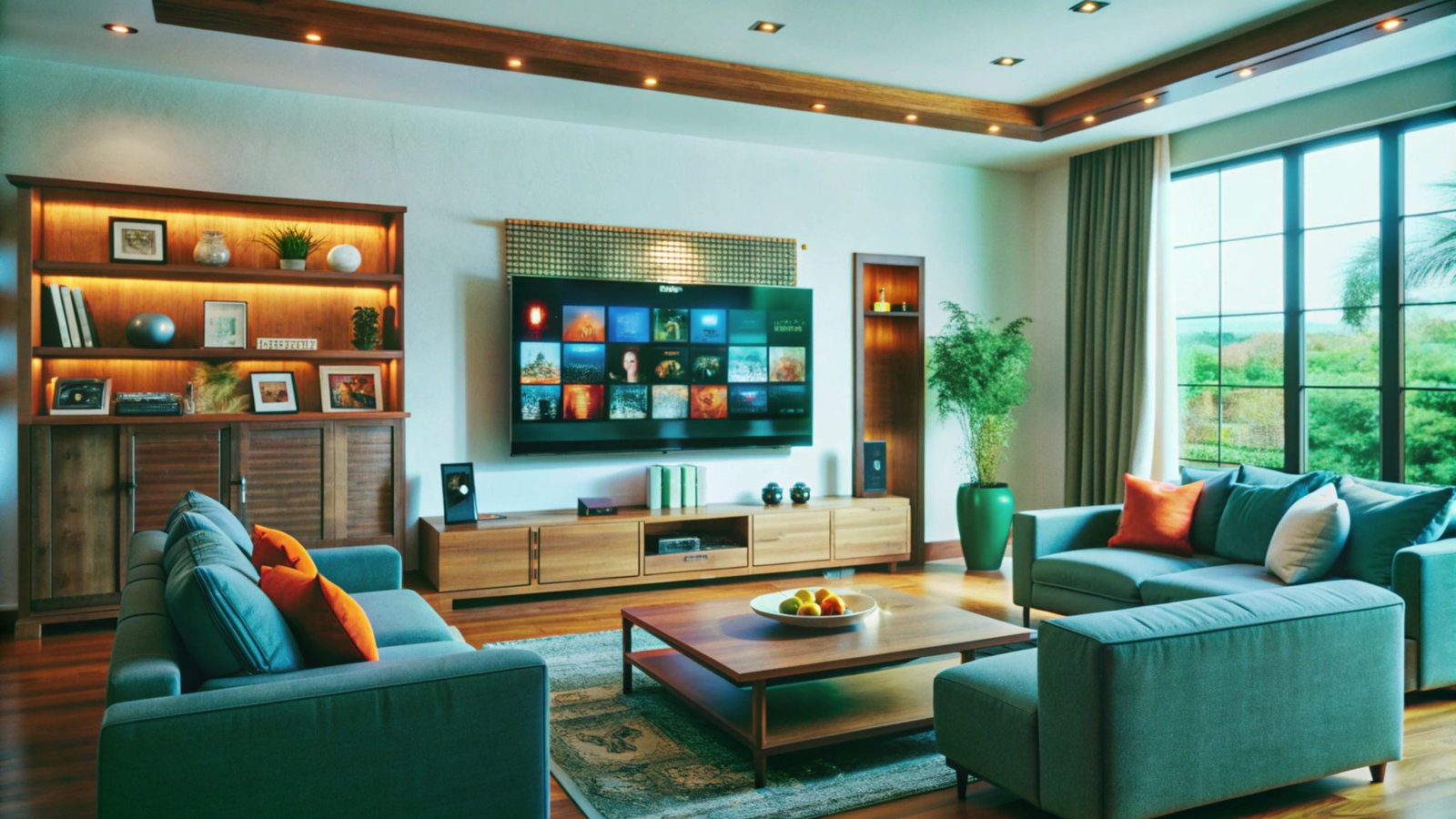
A television needs to perform under different lighting conditions throughout the day. Daytime viewing can involve sunlight and artificial light reflecting from the screen, while night-time viewing typically involves lower ambient light and greater visibility of darker scenes.
Several display characteristics influence this performance. Brightness, reflection handling, contrast, HDR capability, colour performance, picture settings and viewing angles all contribute to how consistently a television can be used across changing environments.
High Brightness for Daytime Visibility
Screen brightness is an important consideration when a television is used in a room with substantial ambient light. A brighter display can help maintain image visibility when sunlight or indoor lighting competes with the light produced by the screen.
Peak brightness and sustained brightness are different measurements. Peak brightness describes the highest luminance a display can produce under specific conditions, while sustained brightness concerns its ability to maintain brightness over a longer period.
Brightness also needs to be adjustable. A setting that works in a bright room may appear unnecessarily intense when the same television is viewed at night. Therefore, adjustable picture controls can help accommodate changes in the viewing environment.
In summary: Brightness supports daytime visibility, but adjustable brightness is also important for comfortable night-time viewing.
Effective Reflection and Glare Handling
Reflections can make a television harder to view during the day. Windows, lamps and other light sources can appear on the screen, potentially obscuring details in the displayed image.
Screen finish affects how external light interacts with the display. Some screens use anti-reflective treatments or finishes designed to reduce the impact of reflections, although their effectiveness varies between models.
TV placement also affects glare. Positioning the screen away from direct sunlight and strong light sources can reduce reflections without requiring changes to the television itself.
In summary: Reflection handling works together with appropriate room positioning to maintain visibility when ambient light is high.
Strong Contrast and Black-Level Performance
Contrast describes the difference between the brightest and darkest parts of an image. Strong contrast can help preserve separation between highlights and shadows, particularly in content containing both very bright and dark areas.
Black-level performance becomes particularly noticeable in darker viewing environments. In a dim room, viewers can more readily distinguish how effectively a display reproduces dark areas without making them appear unnecessarily bright.
Ambient light can also affect perceived contrast. Reflections and scattered light may make dark areas appear lighter, which is why contrast performance and reflection handling should be considered together.
In summary: Contrast and black-level performance support image separation, while room lighting can influence how those characteristics are perceived.
HDR and Wide Brightness Range
High Dynamic Range (HDR) content uses a wider range of brightness and contrast than standard dynamic range content. A compatible television needs appropriate brightness and contrast capabilities to reproduce HDR content effectively.
Daytime conditions can make darker HDR details harder to perceive if substantial ambient light reaches the screen. At night, lower ambient light can make differences between bright highlights and dark areas more apparent.
HDR performance therefore depends on more than HDR compatibility alone. Display brightness, contrast, black levels and the viewing environment all influence the resulting image.
In summary: HDR benefits from suitable brightness and contrast, while ambient lighting affects how its wider range is perceived.
Accurate Colour and Colour Volume
Colour performance can change with brightness levels and viewing conditions. Colour volume considers how well a display maintains colour saturation across different brightness levels.
A QLED TV uses quantum-dot technology as part of its display system, which can support colour reproduction at different brightness levels. However, the performance of individual televisions depends on their specific display characteristics and settings.
Room lighting can also affect perceived colour. Strong ambient light and reflections may reduce the apparent distinction between darker colours, making the viewing environment an important part of colour perception.
In summary: Consistent colour performance helps a television remain suitable across different brightness settings and room conditions.
Automatic and Customisable Picture Settings
Televisions commonly provide picture controls that allow users to adjust the image according to their environment. Depending on the model, these can include brightness, contrast, colour and preset picture modes.
Some televisions also include ambient-light sensors that can automatically adjust certain picture characteristics according to surrounding conditions. The availability and operation of these features vary between models.
Manual settings remain useful when viewing conditions change significantly. Daytime viewing may require different brightness settings from night-time viewing, particularly in rooms with large windows.
In summary: Adjustable and, where available, automatic picture settings allow the display to adapt to changing lighting conditions.
Wide Viewing Angles for Shared Viewing
Viewing angle affects how consistently brightness, contrast and colour are maintained when someone watches from the side rather than directly in front of the screen. This can matter in living rooms where several people sit at different positions.
A television with suitable viewing-angle performance can provide more consistent images across a wider seating area. This consideration applies during both daytime and night-time viewing.
Screen size and seating arrangement should also be considered together. For example, a 65-inch TV can occupy a substantial portion of a living room, making seating position relevant to how consistently different viewers see the image.
In summary: Wide viewing angles help maintain consistent picture characteristics for viewers sitting in different positions, regardless of the time of day.
Visit Harvey Norman Singapore and discover a television that can accommodate both bright daytime rooms and darker evening environments.

A Practical Look at Choosing and Using a Tri-Mode 3D Scanner

How to Choose the Perfect Diamond Engagement Ring: A Complete Buyer’s Guide

A Practical PPC Framework for Bristol Companies That Want Better Lead Quality

6 Best Lodges For Sale: Find Your Perfect Retreat

Unlocking the Best Deals with Rayslocker: Your Ultimate Guide to Affordable Shopping

Maximizing Utility and Security: The Ultimate Guide to UTE Tool Boxes

The 15 Highest-Paid Rugby Players in the World

Christopher Dare: The Untold Story of Engineer and Former Husband of Angela Rippon

How to Ensure Your Home is Valued Correctly for a Quick Sale

What Is Fanquer? The Digital Creator Platform Transforming Direct-to-Fan Engagement

Dr Jared Ross: Missouri Appeals Court Upholds Protection Order Over Graphic Torture and Murder Threats

Nancy Hallam: The Inspiring Life, Career, and Success Story Behind Ian Wright’s Wife
The 15 Highest-Paid Rugby Players in the World
Christopher Dare: The Untold Story of Engineer and Former Husband of Angela Rippon
How to Ensure Your Home is Valued Correctly for a Quick Sale
What Is Fanquer? The Digital Creator Platform Transforming Direct-to-Fan Engagement
Dr Jared Ross: Missouri Appeals Court Upholds Protection Order Over Graphic Torture and Murder Threats
Nancy Hallam: The Inspiring Life, Career, and Success Story Behind Ian Wright’s Wife
-
 Sports4 months ago
The 15 Highest-Paid Rugby Players in the World
-
Celebrity10 months ago
Christopher Dare: The Untold Story of Engineer and Former Husband of Angela Rippon
-
 Real Estate8 months ago
How to Ensure Your Home is Valued Correctly for a Quick Sale
-
 Technology4 months ago
What Is Fanquer? The Digital Creator Platform Transforming Direct-to-Fan Engagement
-
 Celebrity4 months ago
Dr Jared Ross: Missouri Appeals Court Upholds Protection Order Over Graphic Torture and Murder Threats
-
Celebrity11 months ago
Nancy Hallam: The Inspiring Life, Career, and Success Story Behind Ian Wright’s Wife
-

 Health8 months ago
Enclomimed 25 (Enclomiphene) – Effective PCT Protocol
-
 Celebrity10 months ago
Who Is Maisie Mae Roffey? The Private Life, Family Story, and Quiet Success of Julie Walters’ Daughter