
Travel
How Companies Are Redefining Business Travel for Maximum Efficiency

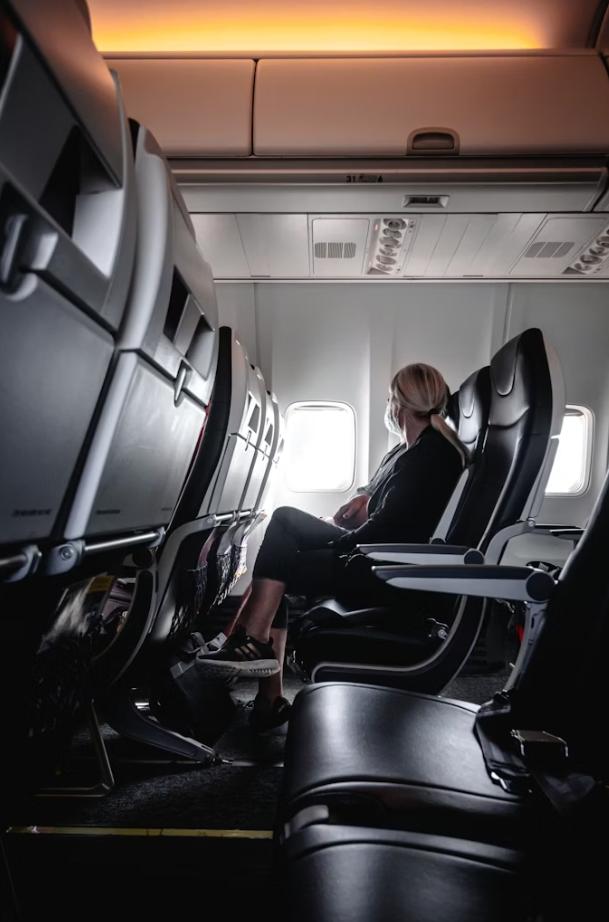
Corporate travel is no longer measured by the number of meetings attended or the miles covered. In 2026, companies are redesigning travel programs with one clear objective: efficiency. Every trip is expected to save time, support growth, and deliver measurable results. This shift is transforming how organizations approach business travel. Companies now view travel as a strategic investment rather than a routine activity. If a trip does not create value, many firms choose digital alternatives. If it does create value, they want that journey managed with maximum precision.
Why Old Travel Models No Longer Work
Traditional travel systems often relied on manual processes, disconnected tools, and one-size-fits-all policies. While these methods once worked, they now create delays, confusion, and unnecessary costs. Modern business travel requires faster decisions and better coordination. Employees move across markets, schedules change quickly, and leadership teams want clear returns on travel spending. That is why many businesses are replacing outdated methods with smarter travel frameworks.
Booking Systems Are Becoming Centralized
When employees book through different websites and unmanaged channels, visibility is lost. Costs become difficult to track, policies are ignored, and reporting slows down. To solve this, many companies are centralizing reservations into one system. A modern business travel program often uses a single platform for flights, hotels, approvals, and reporting. Centralization creates stronger control while making travel easier for employees.
Time Savings Matter as Much as Price
The cheapest option is not always the most efficient one. A low fare with long layovers or poor arrival times may cost more in lost productivity. Smart companies now measure total value. If a direct flight helps an employee attend meetings earlier and return faster, paying slightly more can be the better decision. This mindset is redefining business travel across industries. Efficiency now includes time, energy, and business impact.
Smarter Policies Replace Rigid Rules
Older travel policies often focused on strict limits that did not match real business needs. Employees then requested exceptions, slowing down the process. Forward-thinking organizations are building more flexible structures. Policies still control spending, but they allow smarter decisions based on trip purpose and urgency. This new approach improves compliance because business travel rules feel practical instead of restrictive.
Technology Is Driving Faster Decisions
Automation has become one of the biggest advantages in travel management. Approval workflows, itinerary updates, expense capture, and reporting can now happen with minimal manual effort. Digital business travel tools allow companies to approve urgent trips quickly and monitor spending in real time. Platforms such as Trip.Biz reflect this trend by combining booking convenience with management visibility. For many organizations, technology has become the foundation of efficient travel programs.
Employee Experience Is Part of Productivity
Companies increasingly recognize that uncomfortable travel reduces performance. Poor schedules, overnight trips, and inconvenient hotels often lead to fatigue. Because of this, many firms now include traveler experience in business travel planning, along with fair per diem support for meals and daily expenses. Reasonable schedules, better hotel locations, and practical itineraries lead to stronger results. An employee who arrives prepared and energized is far more valuable than one who arrives exhausted.
Reporting Creates Better Strategy
Leadership teams want proof that travel budgets are being spent wisely. Modern reporting tools now track trip costs, booking trends, supplier performance, policy compliance, and per diem spending. This data helps businesses improve future decisions. They can identify waste, negotiate stronger supplier rates, and redirect budgets toward higher-value travel. In 2026, strong reporting is one of the main reasons business travel programs perform better than ever.
Small Businesses Are Adopting the Same Logic
Efficient travel is no longer limited to multinational corporations. Smaller companies are also redesigning how they manage employee mobility. Even with limited budgets, clear approval systems, smarter booking tools, and well-structured per diem policies can create effective business travel strategies. Smaller businesses gain an advantage when they travel less often but more strategically. Good organizations can often outperform larger spending.

What Redefined Travel Looks Like
The modern travel model is simple: purposeful trips, smart booking, employee energy protection, and measurable outcomes. Businesses following these principles turn business travel into a growth tool rather than just an expense. This mindset creates stronger returns from every approved journey.
Conclusion
Corporate mobility is being reshaped by smarter priorities. Businesses now expect every trip to justify its cost, time, and purpose. The future of business travel belongs to organizations that plan strategically, use better tools, and focus on efficiency at every stage. These companies will spend less on unnecessary trips while achieving more from the travel they approve.
Frequently Asked Questions
Why are companies changing business travel policies?
To improve efficiency, reduce waste, and create better outcomes.
Is cheaper travel always better?
No, lower fares can reduce productivity if schedules are poor.
How does technology improve travel efficiency?
It speeds approvals, centralizes bookings, and improves reporting.
Why does employee comfort matter?
Traveler well-being often affects meeting performance and trip success.
Can small businesses benefit from smarter travel planning?
Yes, strategic travel helps companies of all sizes maximize budgets.


Bangkok is categorized among the most fascinating holiday destinations in the world, famous for offering a mix of rich ancient heritage, modern luxury, scenic beauty, world-class food, and lively street life. Planning a trip to this heavenly site in Thailand provides a rejuvenating escape from the busy routine of life. However, there is one very important thing that many travellers wonder: whether or not Bangkok is safe for tourists. The answer is ‘Yes.’ Read this article to explore more about safe tourism here, along with tips before starting your Bangkok holidays.
Key Safety Overview of Travelling to Bangkok
In case you don’t know, the stunning city of Bangkok is globally recognised as a highly safe destination for travellers. Violent crime against visitors is seen as extremely rare here. The main concerns you may experience are petty theft and crimes of opportunity, like bag snatching and pickpocketing. These events are very common in crowded markets such as Chatuchak or renowned nightlife hubs including Khao San Road. Transportation and financial scams are also matters of great concern in Bangkok. Smart planning can help you enjoy a hassle-free journey.
The following table breaks down the key safety aspects to help you gain a better understanding.
| Safety Category | Risk Level | Essential Advice & Takeaways |
| Violent Crime | Very Low | Extremely Rare Targeting Foreigners. Standard Big-City Awareness Is Required |
| Petty Theft & Pickpocketing | Moderate | Common in Crowded Tourist Hubs Like Khao San Road and Markets; Keep Your Bags Zipped and Worn in Front |
| Tourist Scams | High | Frequent Around Top Sights. Ignore Strangers Offering “Cheap” Tours or Claiming Attractions Are Closed |
| Weather & Floods | Seasonal | Heavy Downpours From June to November Can Lead to Waist-Deep Street Flooding and Transit Standstills |
| Road & Transit Safety | Moderate | Tap Water Is Unsafe to Drink. Air Pollution and Smoke Haze Can Spike Dangerously From December to April |
Essential Tips to Consider Before Starting Your Holiday
Below are some essential tips to consider before you go for a seamless journey from start to end.
1. Use Ride-Hailing and Rail Networks
You might be wondering how you can make the most of your dream getaway to Bangkok. One of the other ways to end up with a smooth travel experience is to use ride-hailing and rail networks. It helps avoid traffic jams, bypass language barriers, and ensures fair negotiations.
2. Keep Your Passport Valid & Digital Arrival Card Ready
Keeping your passport valid (for at least six months) from your arrival date and submitting the Thailand Digital Arrival Card (TDAC) are obligatory steps to easily enter Bangkok. Make sure to keep these crucial things ready to enjoy a seamless entry to Bangkok, either solo or as a family.
3. Watch Out for Common Scams
Whenever you plan a trip to the exotic city of Bangkok in Thailand, we urge you to watch out for common scams. It is a leading way to enjoy your getaway to the fullest without any kind of stress. Tricksters frequently target visitors around major attractions and transit hubs to scam.
4. Carry Physical Thai Baht (THB)
If you are looking for ways to enhance your Bangkok holidays experience to the brim, try to plan your itinerary wisely. One of the other essential tips to follow before beginning your journey is to carry physical Thai Baht (THB). That is how you will be able to make smooth transactions.
5. Understand Local Etiquette (“Losing Face”)
Understanding local etiquette is a vital tip to follow during your Bangkok tour because social values, public dignity, and emotional composure are profoundly valued in the city. No matter where you go, you should have a clear idea of local etiquette (“losing face”) to avoid any issues.
6. Protect Yourself from the Heat and Sun
Protecting yourself from the heat and sun is very important when travelling to Bangkok in Thailand. The UV index frequently reaches extreme levels (11 to 12). High humidity traps body heat, causing rapid dehydration, fatigue, and exhaustion, which can badly impact your getaway.
7. Stay Close to Public Transit When Booking a Hotel
There are a lot of things to consider before you head to Bangkok. Among the most essential ones is to stay closer to public transit when booking a hotel for your stay. It saves you from severe traffic gridlock, keeps you comfortable during rainy seasons, and cuts down travel expenditures.
8. Use Mosquito Repellent (DEET)
It sounds great if you’re about to visit Bangkok for your holiday to escape the hectic routine of your life. We suggest that you act upon essential tips for a really enjoyable journey, and one of the most critical ones is to use mosquito repellent (DEET) for disease prevention on your trip.
9. Dress Respectfully at Temples
If you are visiting temples during your journey to Bangkok, we recommend that you dress respectfully. You have to respect the local culture and religious norms of the city when visiting any sacred site. This way, you will be able to get the most out of your vacation more seamlessly.
10. Don’t Drink the Tap Water
Last but not least, it is also advised to avoid drinking the tap water on your trip. It is an essential safety tip for travellers because low water pressure and ageing pipes can immediately contaminate the supply. Drinking tap water can quickly disturb the stomach, which is not good.
Wrap Up
To conclude, we hope that you have now got to know whether Bangkok is a safe destination for tourism. The article also covered essential tips that every traveller should follow before visiting this city to enjoy a seamless experience. However, if your concern is creating a flexible itinerary, this is your sign to contact Virikson Holidays. The expert agents at the company strive hard to make your Bangkok holidays hassle-free by handling complex travel logistics on your behalf. It lets you enjoy your trip in full swing with no stress of managing travel arrangements.

Most long stays begin as short ones. A two-week assignment is extended. A relocation takes longer than planned because the housing search drags on. The car you booked for a fortnight is suddenly needed for a quarter. Planning for the longer version early costs little and prevents several awkward conversations later.
Week one to week four: the settling-in stretch
The first weeks are about learning routes. You discover which roads clog at which hour, where the nearest fuel stations are and how much distance a normal week really consumes. Keep a short log of kilometres for the first fortnight. It will show whether the mileage allowance in your agreement fits real life, and it gives you evidence if you need to renegotiate.
Pay attention to the days you did not drive as well. If the car sat parked for several days in a row, a more flexible arrangement might have suited you better. Careful observation in the first month is the least expensive research you will do.
Month two and beyond: becoming routine
Once the car carries you to work, school and shops, it behaves less like a rental and more like a utility. For stays that look likely to pass the one-month mark, compare monthly car hire Dubai terms with a series of shorter bookings, and ask for the total over your expected stay rather than a headline figure. A single contract also means one set of paperwork, one deposit and one return date to track.
| Stay length | What matters most | Ask the provider |
| Up to 2 weeks | Flexibility and quick return | How are early returns handled? |
| 2 to 4 weeks | Mileage and extension rules | Is the allowance per week or per month? |
| 1 to 3 months | Total cost and maintenance | Who arranges servicing, and what happens if the car is unavailable? |
| 3 months or more | Contract terms and vehicle changes | Can the vehicle be swapped, and how are extensions priced? |
Maintenance, servicing and what happens if the car fails
A car driven daily for months needs attention that a three-day rental never does. Ask whether servicing falls to you or the provider, how a breakdown is reported and whether a replacement vehicle is offered. These terms are rarely in a headline, and they matter far more in month three than on day one. Check tyre condition and warning lights during handover and photograph the odometer.
Keep an eye on practical details too. Note the date of any warning light, any unusual noise and any service reminder, and report each to the provider promptly and in writing. A dated record makes it easy to show that a problem was raised early, which can matter if a repair or a replacement car is needed later. It also helps to know where the nearest service point is and what its opening hours are, because a fault that appears on a Friday can disrupt a whole weekend.
Keeping flexibility without losing control
Plans change in both directions. If you are unsure how long the stay will last, a short bridging period can protect you: some renters start with weekly car hire Dubai terms until the assignment or housing is confirmed, then move to a longer agreement. Ask whether days already paid count towards the new period, and whether the vehicle can stay the same when you switch.
Documents and extension etiquette
Keep your licence, identification and visa details current and readily available, because a longer contract may ask for them again at renewal. Request any extension in writing before the end date and keep the confirmation. A casual message the night before the return is not a record.
Think about the exit as well. Ask how the return will be scheduled, whether a final inspection is required and how long any deposit takes to be released. Planning the ending at the start avoids a rushed return on the last day of a long stay.
Knowing when weekly stops fitting
Weekly hire loses its edge once you renew it several times in a row. At that point the repeated renewals add admin and uncertainty, and a monthly structure with clear mileage and maintenance terms usually gives you steadier planning. Run the numbers for both structures on your expected stay, then choose the one with the clearer terms.
Long-stay questions
When should I switch from weekly to monthly hire?
When you expect to renew weekly bookings repeatedly. Compare the total cost for your expected stay under both structures, and check mileage and extension rules.
Is maintenance included in long-term hire?
It varies by provider and contract. Ask who arranges servicing, how breakdowns are handled and whether a replacement vehicle is provided.
Can I extend a long-term hire?
Often yes, subject to availability. Ask how much notice is needed and request the extension in writing before the end date.
Does the mileage allowance change on longer hires?
It can. Read how the allowance is calculated for the period and ask what additional kilometres will cost.

Staying in Chora With Little Venice at Your Door
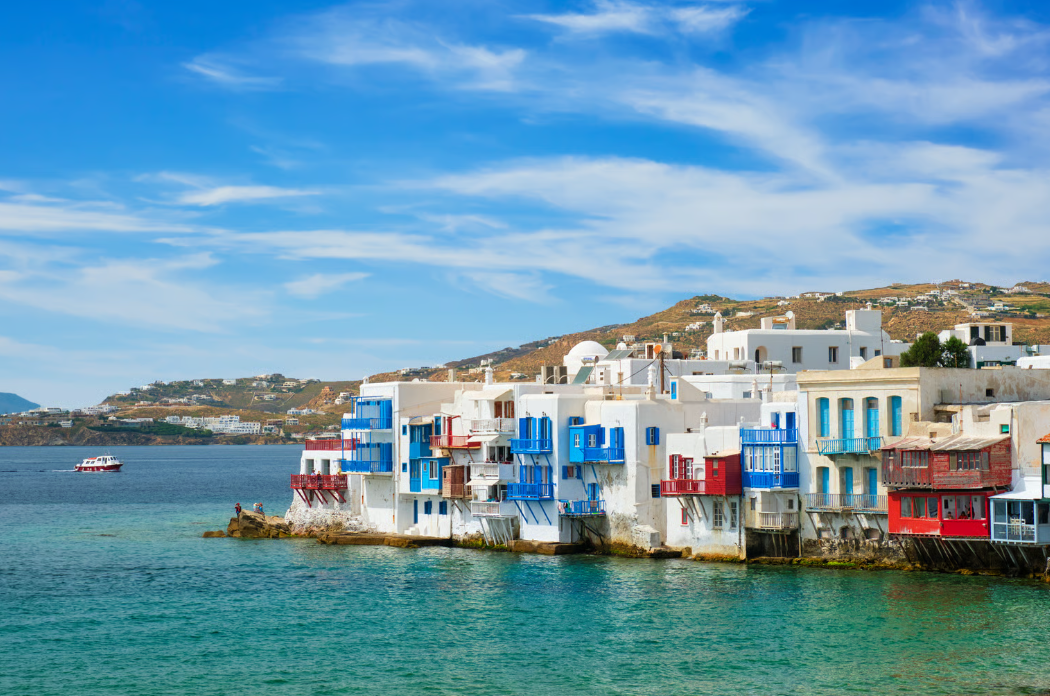
Staying in Chora with Little Venice at your door places travellers within walking distance of waterfront dining, sunset views, and central nightlife. Chora functions as the main town centre of Mykonos, connecting visitors to landmarks, restaurants, and shopping through narrow stone streets. Little Venice sits along the western edge of town, offering balconied buildings that extend directly over the sea. Windmills overlook the harbour from a nearby hillside, reachable within a short walk from most central accommodation. Restaurants concentrate along the waterfront, supporting flexible evening plans without extended travel.
Central positioning supports a car-free itinerary, since attractions, dining, and entertainment remain within walking distance throughout the day and evening. Accommodation located inside or near Chora shortens transportation time between sightseeing, meals, and nightlife venues. Travellers gain flexibility to shift between activities without committing to long drives across the island. Combined access to Little Venice, the windmills, and central dining positions Chora as a practical base for visitors prioritising walkable convenience over extended beach access.
Why Do Travellers Choose to Stay in Mykonos Town?
Travellers choose to stay in Mykonos Town for direct access to dining, nightlife, and central sightseeing without lengthy commutes. Restaurants and bars concentrate along the waterfront and surrounding streets, placing evening options within a short walking distance from accommodation. Shopping districts run through the town centre, offering boutiques and galleries alongside traditional Cycladic architecture. Proximity to Little Venice and the windmills allows travellers to reach landmark attractions without arranging daily transport. Narrow stone streets connect historic churches, waterfront viewpoints, and central squares within a compact walkable area.
Sightseeing routes through town remain accessible throughout the day, removing the need for scheduled transportation between stops. Dining variety spans casual tavernas to upscale waterfront venues, supporting flexible meal planning across a stay. Nightlife extends into late hours near the harbour, drawing travellers seeking evening entertainment close to accommodation. Central positioning reduces daily logistics for groups, balancing sightseeing, dining, and rest periods. Combined with dining access, proximity to nightlife, and walkable sightseeing, Mykonos Town is a practical base for travellers prioritising central experiences over beach proximity.
What Can Travellers Access From Mykonos Town?
The attractions and services travellers can access from Mykonos Town are listed below.
- Little Venice: Waterfront buildings and balconies overlook the sea along the western edge of town. Sunset views draw visitors during early evening hours.
- Mykonos Windmills: Historic windmills sit on a hillside overlooking the harbour and surrounding coastline. The site remains a short walk from central accommodation.
- Restaurants: Dining options range from traditional tavernas to upscale waterfront venues. Menus vary across Greek, Mediterranean, and international cuisine.
- Nightlife: Bars and lounges concentrate near the harbour and central streets. Evening activity extends into late hours during peak season.
- Shopping: Boutiques, jewellery shops, and art galleries line the narrow streets throughout town. Selection ranges from local crafts to designer brands.
- The Old Port: Ferries and boats depart from the harbour area, connecting travellers to nearby islands, with onward stays often arranged through nearby Villas in Mykonos.
Can Staying in Chora Reduce Daily Travel?
Yes, staying in Chora can reduce daily travel. Central accommodations place dining, nightlife, and sightseeing within walking distance, removing the need for daily car or taxi trips. Travellers move between Little Venice, the windmills, and central restaurants without arranging transportation in advance. Reduced dependence on vehicles lowers daily costs and simplifies evening plans around nightlife venues. Walkable access also allows flexible scheduling, since attractions remain reachable at any hour without coordinating rides. A Chora-based itinerary suits travellers who prioritise central experiences over extended stays at outlying beaches.
How Close Is Little Venice to Accommodation in Mykonos Town?
Little Venice sits within a short walking distance of accommodation throughout central Mykonos Town, providing easy access to waterfront dining and sunset views. Properties positioned inside Chora place travellers within minutes of the waterfront buildings and balconies that define the area. Evening routines often include a walk to Little Venice for sunset, followed by dinner at a nearby restaurant along the water. The distance between central accommodation and the waterfront rarely exceeds a short stroll through narrow stone streets.
The walkable distance between accommodation and Little Venice supports spontaneous evening plans, since travellers avoid coordinating rides for short trips. Nearby attractions, including the Mykonos Windmills, remain within walking distance of most central properties. The proximity strengthens the appeal of central stays for visitors prioritising waterfront experiences and nightlife access during their time in Mykonos.
What Can Travellers Experience Around Little Venice?
The experiences travellers can access around Little Venice are listed below.
- Waterfront views: Buildings with balconies extend directly over the sea along the western shoreline. The setting draws visitors throughout the day and evening.
- Sunset: Clear views over the Aegean Sea attract crowds in the early evening. Timing varies by season, with later sunsets during summer months.
- Restaurants: Waterfront dining venues offer seating close to the water’s edge. Menus range from seafood-focused options to broader Mediterranean cuisine.
- Mykonos Windmills: The historic windmills sit on a nearby hillside, reachable by a short walk from Little Venice. The site connects directly to broader sightseeing routes through town.
- Nearby attractions: Narrow streets and shops surround the waterfront area, extending exploration beyond the immediate shoreline. Historic churches and galleries sit within short walking distance.
Why Are Villas in Mykonos Town Relevant to a Central Stay?
The reasons villas in Mykonos Town are relevant to a central stay are listed below.
- Private accommodation: Villas offer separate living space away from hotel corridors and shared facilities. Groups gain more control over daily routines and privacy.
- Proximity to attractions: Properties positioned within or near Chora keep Little Venice, the windmills, and central dining within walking distance. Location reduces reliance on transportation.
- Space for groups: Multiple bedrooms and shared living areas suit families or groups travelling together. Layouts vary from compact units to larger multi-room properties.
- Flexibility: Kitchens and private outdoor areas allow travellers to structure meals and rest periods independently. Flexibility supports varied schedules among group members.
- Connection to central experiences: Selection across villas in Mykonos spans central and near-central locations, keeping travellers close to nightlife, dining, and sightseeing without sacrificing private space.
What Accommodation Features Matter for a Chora Stay?
The accommodation features that matter for a Chora stay are listed below.
- Privacy: Separate entrances and private grounds distinguish villas from shared hotel spaces. Groups gain independence over daily schedules.
- Space: Multiple bedrooms and living areas support families or larger travel groups. Outdoor terraces add room beyond the interior living space.
- Location: Distance from Little Venice, the windmills, and central dining affects daily convenience. Properties closer to town reduce transportation needs.
- Accessibility: Narrow streets throughout Chora may limit vehicle access near some properties. Walking distance from parking areas varies by location.
- Amenities: Kitchens, air conditioning, and outdoor seating vary between listings. Some properties include pools or rooftop terraces overlooking the town.
Can a Central Villa Provide Both Privacy and Accessibility?
Yes, a central villa can provide both privacy and accessibility. Properties positioned near Chora offer private entrances and separate living spaces away from shared hotel facilities. Walking distance to Little Venice, the windmills, and central dining remains short despite the private setting. Outdoor terraces and gated grounds add seclusion without removing travellers from central attractions. Groups gain control over daily routines while maintaining quick access to nightlife and sightseeing. Balancing the two priorities makes central villas a practical option for travellers seeking privacy alongside walkable convenience throughout their stay.
What Are the Benefits of Staying Near Little Venice?
The benefits of staying near Little Venice are listed below.
- Dining access: Waterfront restaurants sit within short walking distance, reducing the need for evening transportation. Menus span casual tavernas to upscale seafood venues.
- Nightlife: Bars and lounges concentrate along the same waterfront stretch, extending activity into late hours. Evening plans require minimal travel between venues.
- Sunset views: Clear sightlines over the Aegean Sea draw visitors during early evening. The location remains a popular gathering point before dinner.
- Sightseeing: The Mykonos Windmills sit within short walking distance, connecting travellers to broader routes through town. Historic streets and churches surround the immediate area.
- Central attractions: Shopping districts and the Old Port remain within walking distance of Little Venice. Proximity supports flexible daily planning without arranging transport.
How Does a Mykonos Concierge Team Help Visitors Staying in Chora?
A Mykonos concierge team helps visitors staying in Chora by coordinating reservations, transportation, and daily logistics throughout a stay. Restaurant bookings at popular waterfront venues are arranged in advance, particularly during peak dining hours near Little Venice. Transportation requests, including airport transfers and private drivers, get scheduled around a traveller’s planned itinerary. Deliveries of groceries or specific items to a villa reduce the need for travellers to manage errands independently. Activity bookings, including boat excursions or guided tours, get coordinated based on group preferences and available scheduling.
Local requests extend to beach club reservations and event coordination for groups celebrating special occasions. Concierge staff maintain familiarity with venue availability throughout Chora, reducing wait times for high-demand restaurants and bars. Travellers gain a single point of contact for adjustments during a stay, avoiding separate communication with multiple service providers. The coordination reflects the broader role of a Mykonos concierge team in simplifying a central-based holiday.
What Can Concierge Support Arrange During a Chora Stay?
The concierge services that can be arranged during a Chora stay are listed below.
- Restaurant reservations: Tables at waterfront and central dining venues get secured ahead of peak hours. Concierge staff often have limited availability during high season.
- Transportation: Airport transfers and private drivers get scheduled around planned arrival and departure times. Requests extend to inter-island ferry coordination when needed.
- Deliveries: Groceries, beverages, and specifically requested items get delivered directly to the villa. Timing gets coordinated around a traveller’s arrival schedule.
- Activities: Boat excursions, guided tours, and cultural experiences get booked according to group interest. Scheduling accounts for weather and seasonal availability.
- Beach access: Sunbed and cabana reservations are arranged for beaches outside walking distance of Chora. Transportation to and from the beach gets coordinated alongside the booking.
- Local arrangements: Event planning and specialised requests get handled upon request. Availability depends on provider schedules and advance notice.
Can Concierge Support Make a Central Villa Stay More Convenient?
Yes, concierge support can make a central villa stay more convenient. Restaurant reservations at high-demand venues near Little Venice get secured without requiring travellers to manage bookings independently. Transportation arrangements, including transfers and drivers, remove the logistics of navigating narrow Chora streets. Deliveries and errands get handled directly, reducing time spent away from planned activities. Local coordination extends to beach access, activities, and event planning throughout a stay. Combined support reduces friction across daily logistics, allowing travellers to focus on dining, sightseeing, and nightlife within central Mykonos.
How Does Staying in Chora Compare With Staying Near a Mykonos Beach?
Chora and beach-area stays offer distinct advantages depending on traveller priorities. Central accommodation places dining, nightlife, and sightseeing within walking distance, while properties near a Mykonos Beach prioritise direct shoreline access and quieter surroundings. Transportation needs, privacy levels, and daily pace shift depending on which setting a traveller selects. The comparison below outlines key differences across accessibility, dining, and overall atmosphere between the two locations.
The comparison between staying in Chora and staying near a Mykonos beach is shown in the table below.
| Factor | Staying in Chora | Staying Near a Beach |
| Accessibility | Walkable access to central attractions | Requires transport for town visits |
| Dining | A dense concentration of restaurants nearby | Fewer options, often beachfront tavernas |
| Nightlife | Bars and lounges within walking distance | Limited nightlife, quieter evenings |
| Beach proximity | Requires transport to reach the shoreline | Direct or short walk to the beach |
| Privacy | Narrower streets, closer neighbouring properties | More seclusion, spaced-out villas |
| Transportation requirements | Minimal for central activities | Higher for reaching the town and attractions |
| Traveler priorities | Suits sightseeing, dining, and nightlife focus | Suits relaxation and beach-focused stays |
Selecting between the two settings depends on whether a traveller prioritises central convenience or direct beach access for the entire stay.

Is Bangkok Safe for Tourists? Essential Tips Before Starting Your Holiday

When Weeks Turn Into Months: Planning Car Hire for a Longer Stay

What Makes a Good Value Umrah Package in 2026?

A Lab Preparation Checklist for Working With PT-141 Research Peptides

7 Common Myths About Hiring a Mechanical Bull for an Event

How Businesses Can Use Lapel Pins in the UK for Brand Awareness

The 15 Highest-Paid Rugby Players in the World

Christopher Dare: The Untold Story of Engineer and Former Husband of Angela Rippon

How to Ensure Your Home is Valued Correctly for a Quick Sale

What Is Fanquer? The Digital Creator Platform Transforming Direct-to-Fan Engagement

Dr Jared Ross: Missouri Appeals Court Upholds Protection Order Over Graphic Torture and Murder Threats

Nancy Hallam: The Inspiring Life, Career, and Success Story Behind Ian Wright’s Wife
The 15 Highest-Paid Rugby Players in the World
Christopher Dare: The Untold Story of Engineer and Former Husband of Angela Rippon
How to Ensure Your Home is Valued Correctly for a Quick Sale
What Is Fanquer? The Digital Creator Platform Transforming Direct-to-Fan Engagement
Dr Jared Ross: Missouri Appeals Court Upholds Protection Order Over Graphic Torture and Murder Threats
Nancy Hallam: The Inspiring Life, Career, and Success Story Behind Ian Wright’s Wife
-
 Sports5 months ago
The 15 Highest-Paid Rugby Players in the World
-
Celebrity11 months ago
Christopher Dare: The Untold Story of Engineer and Former Husband of Angela Rippon
-
 Real Estate9 months ago
How to Ensure Your Home is Valued Correctly for a Quick Sale
-
 Technology5 months ago
What Is Fanquer? The Digital Creator Platform Transforming Direct-to-Fan Engagement
-
 Celebrity4 months ago
Dr Jared Ross: Missouri Appeals Court Upholds Protection Order Over Graphic Torture and Murder Threats
-
Celebrity11 months ago
Nancy Hallam: The Inspiring Life, Career, and Success Story Behind Ian Wright’s Wife
-

 Celebrity7 months ago
Who Is Azriel Crews? Inside the Life and Career of Terry Crews’ Daughter
-

 Health9 months ago
Enclomimed 25 (Enclomiphene) – Effective PCT Protocol
Pingback: The Ultimate Guide to Experiencing a Luxury Vacation - Todays Magazine