
Entertainment
Faucet Repair, Common Problems, and Long-Term Maintenance for Smooth Water Flow

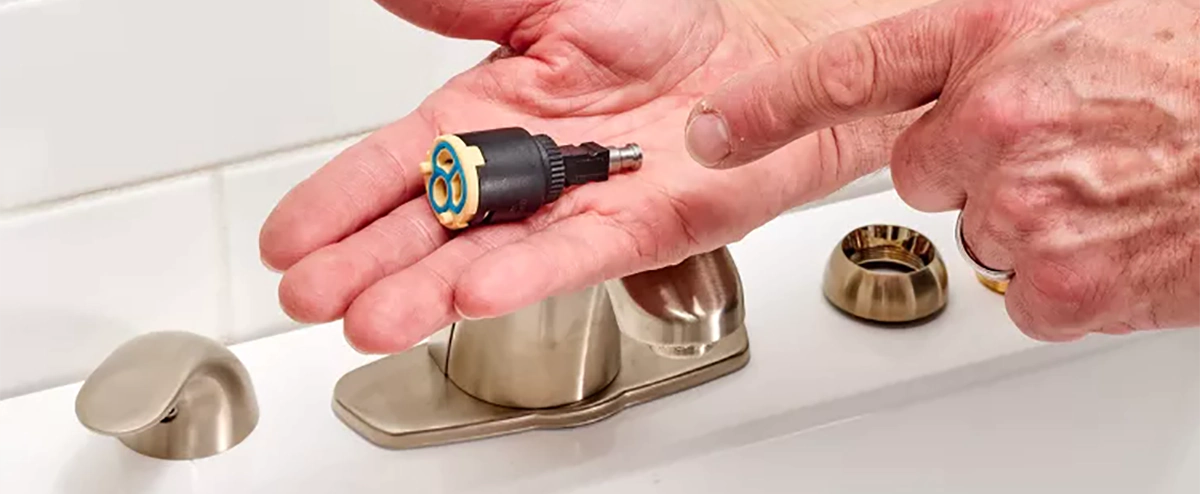
Faucets are among the most important plumbing fixtures in any residential or commercial property. They provide convenient access to water for cooking, cleaning, washing, bathing, and maintaining hygiene throughout the day. Although faucets may appear to be simple fixtures, they play a major role in the overall performance and efficiency of a plumbing system. When functioning properly, faucets provide smooth and controlled water flow that supports daily comfort and convenience. However, because faucets are used constantly, they naturally experience wear and tear over time, leading to leaks, reduced pressure, unusual noises, or difficulty controlling water flow.
Ignoring faucet issues can lead to unnecessary water waste, higher utility bills, and damage to surrounding fixtures or cabinetry. Even a small drip may waste a significant amount of water over time if not repaired quickly. Understanding how faucets work, recognizing the signs of damage, and performing proper maintenance can help homeowners extend the lifespan of their plumbing fixtures while maintaining efficient water usage. Professional <a href=”#”>faucet repair</a> services also play an important role in preventing larger plumbing problems and restoring proper water flow before issues become more severe.
Understanding How Faucets Function
Faucets work by controlling the flow of water from the plumbing supply lines to the outlet where water is dispensed. Inside the faucet are several important components that regulate pressure, temperature, and water volume. When the handle is turned or lifted, internal mechanisms open pathways that allow water to flow through the faucet and out of the spout.
Different faucet designs use different operating systems. Compression faucets rely on rubber washers that tighten against a valve seat to stop water flow. Cartridge faucets use a movable cartridge that controls water pressure and temperature. Ball faucets contain a rotating ball mechanism, while ceramic disc faucets use smooth ceramic plates that slide against each other to regulate water movement.
Although these mechanisms are designed for long-term durability, repeated daily use eventually causes internal parts to wear down. Mineral buildup, corrosion, pressure fluctuations, and aging components can all affect faucet performance and lead to repair needs over time.
Common Faucet Problems Homeowners Experience
One of the most common faucet problems is dripping or leaking water. A leaking faucet is usually caused by worn washers, damaged cartridges, loose seals, or deteriorated valve components. Even a slow drip can waste a large amount of water and increase monthly water bills significantly if ignored.
Low water pressure is another frequent issue experienced by homeowners. Reduced flow often occurs when mineral deposits, debris, or sediment accumulate inside the faucet aerator or internal components. Hard water areas are especially prone to buildup that restricts water movement and affects faucet efficiency.
Loose or difficult-to-turn handles are also common signs of wear. Constant use can loosen screws and internal fittings, making it harder to control water flow properly. In some cases, corrosion or mineral accumulation inside the faucet may cause stiffness or resistance when operating the handle.
Noisy faucets may indicate additional plumbing concerns. Whistling, rattling, banging, or vibrating sounds can result from worn internal components, pressure irregularities, or partially blocked water pathways. These sounds should not be ignored because they may indicate increasing stress within the plumbing system.
Early Warning Signs That Faucet Repair Is Needed
Recognizing early signs of faucet damage can help prevent more serious plumbing issues and expensive repairs later. One of the earliest warning signs is continuous dripping after the faucet has been fully turned off. This usually indicates that internal sealing components are no longer functioning correctly.
Changes in water pressure may also suggest developing problems. If water flow becomes inconsistent, weak, or uneven, there may be buildup inside the aerator or damage to internal cartridges or valves.
Difficulty operating the handle is another indication that maintenance or repair may be necessary. A handle that feels loose, stiff, or unstable often signals internal wear or mineral accumulation.
Water discoloration can also indicate faucet or plumbing problems. Rust-colored or cloudy water may result from corrosion inside the faucet body or connected pipes. Addressing these warning signs early helps prevent worsening damage and protects overall plumbing performance.
Understanding the Faucet Repair Process
Professional faucet repair begins with identifying the faucet type and diagnosing the exact cause of the problem. Because different faucet styles use different mechanisms, proper identification is important for selecting the correct repair method and replacement components.
Before repairs begin, the water supply is turned off to prevent leaks or flooding during disassembly. The faucet handle, trim pieces, cartridges, washers, or valves are then removed carefully to access internal parts.
Each component is inspected for:
- Wear and tear
- Mineral buildup
- Cracks or corrosion
- Loose fittings
- Damaged seals or washers
If worn parts are identified, they are replaced with new components designed specifically for the faucet model. Mineral deposits are cleaned away, and the faucet is reassembled and tested to ensure proper operation, smooth water flow, and leak prevention.
Proper repair restores efficiency, improves performance, and helps extend the overall lifespan of the faucet.
How Mineral Buildup Damages Faucets Over Time
Mineral buildup is one of the leading causes of faucet performance problems, especially in areas with hard water. Water containing high levels of calcium and magnesium gradually leaves deposits inside faucet components, aerators, and supply lines.
Over time, these mineral deposits can:
- Restrict water flow
- Reduce pressure
- Damage cartridges and valves
- Cause uneven spray patterns
- Create stiffness in handles
- Contribute to leaks and corrosion
Aerators are especially vulnerable to buildup because they contain small mesh screens that easily trap debris and minerals. If not cleaned regularly, clogged aerators can significantly reduce faucet efficiency.
Routine cleaning and maintenance help prevent excessive buildup and reduce long-term wear on internal plumbing components.
Importance of Routine Faucet Maintenance
Regular maintenance is one of the best ways to extend faucet lifespan and prevent costly plumbing repairs. Simple preventive care helps maintain consistent performance while reducing the risk of leaks and water waste.
Cleaning faucet surfaces and aerators regularly helps remove dirt, soap residue, and mineral deposits before they become severe. Periodically checking for small leaks or loose fittings allows minor problems to be corrected before larger repairs become necessary.
Lubricating moving parts in certain faucet types can also improve smooth operation and reduce internal friction. Homeowners should avoid using excessive force when turning handles because unnecessary pressure may damage seals and internal mechanisms.
Professional inspections may also help identify hidden issues developing inside the plumbing system before they affect faucet performance.
Different Types of Faucet Repairs
Faucet repairs vary depending on the faucet design and the specific issue involved. Washer replacement is one of the simplest and most common repairs for compression faucets. Replacing worn rubber washers often resolves dripping and leaking problems quickly.
Cartridge replacement is common in modern faucets where the internal cartridge controls water flow and temperature. When cartridges wear out or become clogged, replacing them usually restores smooth operation and proper pressure.
Aerator cleaning is another simple but important repair service. Removing and cleaning the aerator helps restore proper water flow by eliminating trapped debris and mineral buildup.
Valve repairs may be required when internal valve systems become damaged or corroded. In more severe cases, replacing the valve assembly may be necessary to restore reliable performance.
Each repair type helps improve faucet efficiency while preventing additional damage to the surrounding plumbing system.
When Faucet Replacement Becomes the Better Option
Although many faucet problems can be repaired successfully, replacement is sometimes more practical than repeated repairs. Older faucets that develop frequent leaks or recurring mechanical issues may no longer function efficiently even after repairs.
Severe corrosion, cracked components, outdated designs, or extensive internal damage often indicate that replacement is the better long-term solution. Modern faucets offer improved durability, water-saving features, and more efficient operating systems that reduce maintenance requirements.
Replacing outdated faucets may also improve the appearance and functionality of kitchens, bathrooms, and commercial spaces while increasing overall property value.
Preventing Future Faucet Problems
Preventive maintenance plays a major role in avoiding frequent faucet repairs and extending plumbing fixture lifespan. Installing water filtration systems can help reduce mineral buildup and protect internal faucet components from hard water damage.
Regular inspections help identify small leaks, loose handles, or pressure issues before they become more serious. Cleaning aerators and removing buildup routinely also helps maintain smooth and consistent water flow.
Proper installation is equally important because incorrectly installed faucets are more likely to develop leaks or alignment issues. Professional installation helps ensure secure fittings and long-term reliability.
By maintaining faucets properly and addressing problems early, homeowners can improve water efficiency, reduce repair costs, and avoid unnecessary plumbing damage.
Conclusion
Faucets are essential plumbing fixtures that support daily comfort, hygiene, and convenience in homes and commercial properties. Because they are used constantly, faucets naturally experience wear over time and may develop leaks, pressure issues, mineral buildup, or mechanical problems that affect performance.
Understanding how faucets work, recognizing early warning signs, and performing regular maintenance are important steps in preserving long-term efficiency and preventing costly repairs. Professional faucet repair services help restore smooth water flow, reduce water waste, and protect the overall plumbing system from larger complications.
With proper care, routine maintenance, and timely repairs, faucets can continue operating efficiently for many years while supporting reliable water access and improved household functionality..
Visit: Speed Post Tracking



A smart television that felt quick five years ago can feel painfully slow today. Menus lag, apps crash and a favourite streaming service may have stopped updating altogether. Before you buy a new television, there are several simple things worth trying. Many older sets can be made useful again at little or no cost.
Start with the basics
Update the television’s software first. Manufacturers release updates that fix bugs and improve performance, and many people never install them. Then remove apps you no longer use, because they take up storage and memory. Restarting the television fully, including unplugging it for a minute, clears temporary problems.
Check your connection
Many problems blamed on the television are actually network problems. If the set supports it, connect it to your router with a network cable instead of wifi. If that is not possible, move the router closer or use the 5 GHz band. For smooth streaming, as a rule of thumb you need about 10 Mbit/s for HD and 25 Mbit/s for 4K.
Know what your television can install
Samsung and LG televisions each have their own app store, and older models stop receiving new apps and updates after some years. If your favourite service is missing or outdated, that is usually a limit of the television, not of your internet. In that case you have two options: look for an alternative app that the television still supports, or add an external device.
Add a streaming stick or box
A small streaming device is often the cheapest and most effective upgrade. It plugs into an HDMI port, gets regular updates and runs modern apps quickly. Fire TV Stick, Android TV boxes and Apple TV are popular choices. When you compare them, look at the network connection (an Ethernet port is a plus), 4K and HDR support, and how long the manufacturer promises updates. A Dutch-language comparison of streaming boxes shows how the main options differ.
Use the television’s own strengths
Even if you add a streaming stick, the television remains your screen. Use the picture mode that suits the room, turn off unnecessary processing such as heavy motion smoothing, and check the audio settings. A soundbar is often a better upgrade than a new television, because built-in speakers are the weakest part of most sets.
Installing apps step by step
If you want to know how apps are installed on Samsung and LG sets, and which limits to expect, there is a Dutch-language guide to installing streaming apps on Samsung and LG smart TVs that explains the process.
Take a look at the privacy settings
Many smart televisions collect data about what you watch, for example through automatic content recognition. While you are in the settings menu, check which data collection and personalised advertising options are switched on and disable what you do not want. It takes a couple of minutes and applies to both older and newer sets.
When to replace it
Replace the television when the picture itself is the problem: poor brightness, dead pixels or a panel that is too small. If the issue is only slow menus and missing apps, a streaming device and a good network connection will usually solve it for a fraction of the price.


Anyone who has waited at a departure gate or sat through a long train ride knows how much a phone can do. Films, music, games and reading material now sit in one pocket-sized device, ready whenever a journey leaves a gap in the day. Mobile apps have changed what people expect from travel downtime, and the change goes well beyond streaming.
Why phones have become the travel entertainment center
Journeys involve a lot of waiting. Airports, stations and connecting flights all create stretches where there is little to do but look at a screen. A smartphone lets you swap between a podcast, a puzzle and an e-book without packing extra devices.
App developers have noticed. Many services are now built for phones first, with simple menus, layouts that adapt to small screens and content that loads quickly. That makes them easy to pick up for a few minutes at a time, which suits the stop-start rhythm of travel.
Streaming and downloads
Streaming platforms are central to travel entertainment. A single app can hold films, series, music and podcasts, and many let you download content in advance. That matters on flights or in areas with weak signal, where a stream may cut out. Downloading a few episodes before you leave is one of the simplest ways to make a long trip easier.
Old habits, new formats
Plenty of familiar pastimes have moved onto phones. Card games, crosswords and board-style games that once needed physical pieces are now a tap away. Everyday services have moved too, including tickets, boarding passes and banking.
Even traditional paper products are adopting the same approach. For example, the Virginia Lottery’s official mobile app includes a lottery scanner for phone that lets players scan a ticket and see whether it is a winner, alongside the latest winning numbers and a retailer finder. It is meant for use within Virginia, but it shows how scanning features can turn a small paper slip into something you check in seconds on a handset.
Games for short and long journeys
Mobile gaming covers puzzles, strategy, simulation and story-led games. Short games fit a ten-minute wait, while longer ones suit a long-haul flight. Modern phones have strong processors and good screens, so even detailed games run smoothly without a dedicated console.
Staying connected abroad
Connectivity decides how much of this you can use. Public Wi-Fi, mobile data and international eSIM options all help, but they vary in cost and reliability. Some apps work offline, while others need a live connection. Some are restricted to certain regions or states, so a service that works at home may not open in another country.
It is worth checking each app’s requirements before you leave, and downloading anything you will need ahead of time.
Security and sensible use
More apps mean more accounts, and that makes basic security important. Download apps from official stores or a company’s own website, keep them updated, and use strong, unique passwords. Be careful on public Wi-Fi, especially when signing in or entering payment details.
Apps connected to games of chance, such as lotteries, are meant for adults only and should be treated as entertainment. Set a budget, never spend money you need for essentials, and look at the responsible-play information the operator provides.
What comes next
Phones will probably stay at the centre of travel entertainment. Better connectivity, more personalized recommendations and smarter offline features should make apps even easier to use on the road. The practical advice stays the same: prepare before you leave, understand each app’s limits, and keep your accounts secure.


Finding the right care and support for a young adult with physical disabilities can take time, particularly when you want to balance their individual needs with their independence and quality of life. If you are exploring options such as young adult residential care, you may also want to understand how respite care could help.
Respite care provides temporary accommodation and support in a care setting. It allows young adults to spend a short period away from home while receiving the assistance they need, whether that is for a weekend, a few days or a longer stay.
For some people, it offers a welcome change of routine. For others, it provides a practical way to explore different care arrangements or give family members a break from their usual caring responsibilities.
How Does Respite Care Work?
Respite care involves arranging a temporary stay with a care provider that can meet your individual needs.
Before your stay, the care team should discuss your usual routines, preferences and support requirements. This helps them understand what assistance you need and how they can make your time there as comfortable as possible.
Depending on your circumstances, support may include:
- Help with washing, dressing and personal care
- Assistance with mobility and transfers
- Support with medication
- Help with eating and drinking
- Access to specialist equipment
- Support with daily activities and socialising
The care available will depend on the provider, so it is important to check that the setting can meet your specific needs before booking a stay.
Respite care is temporary, meaning you can return home afterwards. You do not need to be planning a permanent move into a care home to benefit from it.
When Might You Consider Respite Care?
There are several reasons why respite care may be worth considering for a young adult.
You might need temporary support if your usual carer is going on holiday, has other commitments or needs time to rest. Alternatively, you may simply want to spend some time in a different environment and experience a change from your everyday routine.
Respite care may also be helpful during periods when your usual arrangements are temporarily unavailable or when your family needs additional support.
For young adults who are becoming more independent, a short stay can offer the opportunity to experience life in a care setting without making a long-term commitment.
Whatever your reason for considering respite care, the arrangements should reflect your wishes as well as your care needs.
What Can You Expect During a Respite Stay?
Your experience will depend on the care home and the type of support you require.
You should expect the care team to help you with the activities you need assistance with while respecting your preferences and daily routine.
You may have access to communal areas, organised activities and opportunities to spend time with other residents. Some settings may also be able to support outings or activities in the local community.
It is worth asking how much flexibility you will have during your stay. For example, you may want to maintain your usual sleep routine, enjoy particular hobbies or arrange visits from friends and family.
A good respite experience should provide the right level of care without making you feel that you have lost control over your day.
Can Respite Care Help You Become More Independent?
For some young adults, respite care is an opportunity to build confidence in a new environment.
If you usually live with your family, staying somewhere else for a short period can help you become more familiar with receiving support from people outside your immediate household.
You may also have opportunities to make decisions about your daily activities, meet new people and try experiences that are different from your usual routine.
This can be particularly valuable if you are thinking about your future living arrangements.
However, independence means different things to different people. You should not feel pressured to use respite care as a step towards moving away from home. It can simply be a temporary arrangement that suits your current circumstances.
How Can Respite Care Support Families and Carers?
When a family member provides regular care, their responsibilities can involve considerable time and effort.
Respite care gives family members or unpaid carers an opportunity to take a break, attend to other commitments or spend time resting, knowing that appropriate support has been arranged.
This can help make caring responsibilities more manageable over time.
It is important to remember that arranging respite care is not a sign that a family cannot cope or does not want to provide support. Taking breaks can be a sensible part of maintaining a sustainable caring arrangement.
Where possible, involving the young adult in discussions about respite care can help everyone understand what is needed and make the experience more positive.
How Do You Choose the Right Respite Care Provider?
Not every care home will be suitable for every young adult. Before arranging a stay, you should check that the provider has the facilities, staffing and experience needed to support you.
Consider the following questions:
- Can the provider meet your care needs? Explain any personal care, mobility, medication or clinical requirements.
- Is the accommodation accessible? Check entrances, bedrooms, bathrooms and any specialist equipment you use.
- What is included in the stay? Ask about meals, activities, staffing and any additional costs.
- Will you have opportunities to socialise? Find out what activities are available and whether they suit your interests.
- Can you maintain your usual routine? Discuss your preferences, hobbies and any arrangements you would like to keep.
- What happens in an emergency? Ask how staff respond if you become unwell or your needs change during your stay.
If possible, arrange a visit before your first stay. Meeting the team and seeing the accommodation can help you feel more prepared and give you an opportunity to ask questions.
How Should You Prepare for Your First Respite Stay?
A little preparation can make your first stay feel less unfamiliar.
Start by discussing what you would like from the experience and sharing any concerns with the care provider. You can then work together to plan the practical details.
You may need to bring clothing, toiletries, medication, mobility aids, communication equipment and any personal items that help you feel comfortable.
It is also useful to provide clear information about your care routine, dietary requirements, preferences and emergency contacts. If you rely on particular equipment, confirm in advance what you need to bring and what the provider can supply.
If you feel nervous, remember that it is reasonable to ask questions before you arrive. Knowing what to expect can make the transition easier.
Is Respite Care Different From Permanent Residential Care?
Yes. Respite care is arranged for a temporary period, whereas permanent residential care involves living in a care home on a longer-term basis.
A respite stay may last only a few days or weeks, depending on availability and your circumstances. Permanent residential care is generally considered when someone needs an ongoing arrangement that provides accommodation and regular support.
Although the two options differ in duration, both require careful consideration of your care needs and personal preferences.
A respite stay can help you become familiar with a care setting, but it does not automatically mean that permanent residential care will be the right choice for you.
In Conclusion

Respite care can offer young adults with physical disabilities a flexible way to receive support away from home for a short period. It may provide a change of routine, opportunities to socialise and a chance to experience a different environment while continuing to receive appropriate care.
It can also give family members and unpaid carers valuable time to rest or manage other responsibilities.
The key is to find a provider that understands your individual needs, respects your choices and can offer suitable accommodation and support. By discussing your requirements in advance and preparing for your stay, you can make a more informed decision about whether respite care is right for you.

Best IPTV in the UK for 2026/2027? Here’s Why I’d Pick TrimixIPTV

Who Pays for Your Injuries After an Uber Accident in Richmond?

What to Consider When Ordering Packaging Samples

How Powder Coating Gets Its Tough Finish: A Beginner’s Guide

7 Benefits of Using an Online Meeting Notetaker for Modern Business Teams

All I Need in This Life of Syn – Syna World, Central Cee und Streetwear-Kultur

How to Ensure Your Home is Valued Correctly for a Quick Sale

Christopher Dare: The Untold Story of Engineer and Former Husband of Angela Rippon

The 15 Highest-Paid Rugby Players in the World

What Is Fanquer? The Digital Creator Platform Transforming Direct-to-Fan Engagement

Dr Jared Ross: Missouri Appeals Court Upholds Protection Order Over Graphic Torture and Murder Threats

Who Is Azriel Crews? Inside the Life and Career of Terry Crews’ Daughter
How to Ensure Your Home is Valued Correctly for a Quick Sale
Christopher Dare: The Untold Story of Engineer and Former Husband of Angela Rippon
The 15 Highest-Paid Rugby Players in the World
What Is Fanquer? The Digital Creator Platform Transforming Direct-to-Fan Engagement
Dr Jared Ross: Missouri Appeals Court Upholds Protection Order Over Graphic Torture and Murder Threats
Who Is Azriel Crews? Inside the Life and Career of Terry Crews’ Daughter
-
 Real Estate10 months ago
How to Ensure Your Home is Valued Correctly for a Quick Sale
-
Celebrity12 months ago
Christopher Dare: The Untold Story of Engineer and Former Husband of Angela Rippon
-
 Sports6 months ago
The 15 Highest-Paid Rugby Players in the World
-
 Technology6 months ago
What Is Fanquer? The Digital Creator Platform Transforming Direct-to-Fan Engagement
-
 Celebrity6 months ago
Dr Jared Ross: Missouri Appeals Court Upholds Protection Order Over Graphic Torture and Murder Threats
-
 Celebrity9 months ago
Who Is Azriel Crews? Inside the Life and Career of Terry Crews’ Daughter
-
 Celebrity1 year ago
Nancy Hallam: The Inspiring Life, Career, and Success Story Behind Ian Wright’s Wife
-
 Celebrity1 year ago
Who Is Maisie Mae Roffey? The Private Life, Family Story, and Quiet Success of Julie Walters’ Daughter