
Blog
European Football’s Night Shift


There is a particular kind of tiredness that belongs to football fans in Asia, and you can spot it on a Wednesday morning. The heavy eyes on the Seoul metro, the oversized coffee in Tokyo, the colleague in Singapore who answers every question a beat too slowly. Champions League night has just ended — which is to say, Champions League morning, because a match that kicks off in the European evening arrives in East Asia somewhere between three and five a.m. Nobody involved looks glamorous. All of them would do it again next week, and will.
I’ve come to think of this as European football’s night shift: the vast, mostly invisible workforce of supporters who clock on when Madrid and Munich kick off, and clock off, wrecked and happy, as the sun comes up over the Pacific.
The arithmetic of devotion
The numbers of the clock are unforgiving. Europe’s marquee matches are scheduled for European prime time, which is entirely reasonable and entirely brutal for anyone east of India. A midweek evening kickoff in Paris is the small hours in Seoul; a late La Liga game on a Spanish Sunday night is a Monday sunrise in Manila. Weekend football is kinder — an English afternoon match reaches Korea at a plausible late-night hour — but the continental showpieces live stubbornly in the dead of night.
So fans adapt, and their adaptations have hardened into culture. The pre-match nap, taken with the seriousness of an athlete’s routine. The silent living room, volume at a whisper. The office worker who has learned exactly how much sleep can be sacrificed for a semi-final and still survive the Thursday. It is devotion measured not in money but in mornings.
The gospel of the highlight
Not everyone works the night shift every week, and this is where Asia has built its own parallel football day. For millions, the match is consumed after the fact, over breakfast, as highlights — and the discipline this requires is fierce. The night-shift veteran’s first skill is watching football at dawn; the second is not knowing the score until then. Phones stay on flight mode. Notifications are culled. A stray headline can detonate eight hours of careful ignorance, and every fan I know has a story about the friend, the app or the taxi radio that ruined a final before nine a.m.
The morning replay, honestly, has its own pleasures. No adverts, no dead time, coffee instead of lager. Purists will say it isn’t the same, and they’re right. It isn’t worse, either. It’s simply the form the game takes when it crosses this many meridians.
Finding the match at all
Before any of this — the nap, the alarm, the blackout — comes a duller question: where is the match actually showing? European football reaches Asia through a shifting patchwork of national broadcasters and streaming platforms, and the rights move often enough that habit is useless. The service that carried the Champions League last season may not carry it now; one platform holds England’s league while another holds Spain’s. In Korea, where the appetite for European football runs deep, whole reference sites exist just to keep this straight. Instead of guessing, dedicated supporters quickly look up reliable Overseas soccer broadcast portals to verify which local channel or streaming app legally holds the competition and when the broadcast begins. Guides like JGTV24 solve this exact problem, publishing up-to-date schedules in one place. It sounds like a small thing. At half past two in the morning, with kickoff approaching and the wrong app open, it is not a small thing at all.
This is the unromantic infrastructure of global fandom: not banners or anthems, but timetables, rights lists and local-time conversions, maintained so that the romantic part can happen.
What Europe knows, and what it forgets
European football’s governing bodies are well aware of who is awake out here. UEFA publishes its fixtures and kick-off times for a worldwide readership at uefa.com, clubs run Asian-language social accounts, and the summer now brings a procession of European sides through Seoul, Tokyo and Bangkok, playing friendlies in front of crowds who normally meet them only through a screen at four a.m. The affection at those matches is startling to first-time visitors. It shouldn’t be. These are supporters who have paid for their fandom in sleep, year after year, and a July evening in their own city is the one fixture that finally shows up at a humane hour.
And yet the game’s European heart can still be oddly blind to its eastern audience, scheduling and speaking as if the world ends at the Atlantic. It doesn’t. Some of the most durable football devotion on the planet now lives ten hours ahead of the stadiums.
In praise of the four a.m. fan
It would be easy to file all this under hardship, but that misreads the mood entirely. Ask a Korean or Japanese or Indonesian fan about their team’s great European night and you will not hear complaints about the hour; you’ll hear where they watched, who they woke, how the goal sounded with the volume down. The inconvenient time zone hasn’t diluted the feeling. If anything it has concentrated on it. Love that sets an alarm for half past three has already answered every question about its sincerity.
European football likes to call itself a global game, and for once the cliché undersells the truth. Somewhere out east, the night shift is checking this week’s schedule and setting its alarms. The continent that makes the football sleeps through the loyalty it inspires. The fans wouldn’t have it any other way — although they would, quietly, accept an earlier kickoff.



Behind every successful international dog adoption is a story that reaches far beyond a single animal finding a home. It is a story about creating space, restoring hope, and giving shelters the opportunity to continue helping those still waiting for their chance.
Romanian animal shelters care for thousands of abandoned dogs every year, many rescued from the streets, neglect, or difficult living conditions. While dedicated teams and volunteers work tirelessly to provide food, medical care, and rehabilitation, shelter capacity remains one of the biggest challenges. Every kennel has limits, every rescue centre has finite resources, and every available place matters.
International adoption has become one of the most effective ways to support this continuous rescue effort. When a dog leaves Romania to begin a new life with a loving family abroad, the impact extends far beyond that individual adoption. The newly available space allows another vulnerable dog to be rescued, treated, and prepared for a permanent home. This ongoing cycle makes international partnerships an essential part of modern animal welfare. They help transform shelters from overcrowded facilities struggling to cope into organisations capable of responding to new emergencies and saving even more lives.
For many rescue organisations, each adoption represents a renewed possibility. Instead of turning away animals because of limited capacity, they can continue accepting dogs that urgently need protection. This simple but powerful chain reaction demonstrates why international adoption has become such an important pillar of responsible rescue work.
Expanding hope beyond national borders
Romania has made important progress in animal welfare in recent years, but the number of abandoned dogs remains substantial. Local adoptions continue to play an essential role, yet they are often not sufficient to meet the scale of the challenge. International adoption programmes help bridge this gap by connecting Romanian rescue organisations with families who are ready to welcome a rescue dog into their lives.
The result is a network of compassion that extends across borders. Families gain loyal companions, while a Romanian dog shelter receives the opportunity to continue its lifesaving work. Every successful placement strengthens international cooperation and encourages more people to discover the remarkable resilience and affection that rescued Romanian dogs have to offer.
This growing global community also helps challenge outdated perceptions. Instead of seeing rescue animals only through the lens of hardship, adopters begin sharing stories of resilience, recovery, and unconditional loyalty, inspiring others to consider adoption themselves.
Supporting shelters beyond individual rescues
International adoption provides far more than additional homes. It also creates long-term stability for shelters working under constant pressure. Every adopted dog reduces daily expenses related to food, medical treatment, cleaning, accommodation, and ongoing care. These saved resources can then be redirected towards newly rescued animals requiring immediate attention.
Shelters often care for dogs that have experienced trauma, injury, abandonment, or prolonged neglect. Rehabilitation takes time, patience, and professional support. Veterinary treatments, vaccinations, sterilisation programmes, behavioural work, and daily care require significant financial and human resources. By successfully placing dogs into permanent homes abroad, rescue organisations are better positioned to continue investing in the welfare of those still waiting.
International supporters frequently become long-term advocates after adopting. Many continue donating, fundraising, sponsoring veterinary procedures, or volunteering their time to promote future adoptions. What begins as one adoption often develops into an ongoing relationship that strengthens the organisation’s ability to rescue more animals over the years.
This wider support network allows shelters to think beyond immediate survival. Instead of focusing solely on managing overcrowding, they can invest in better facilities, improved veterinary care, educational programmes, and preventive initiatives that reduce abandonment in the future.
Changing attitudes towards animal welfare
Rescue work is not only about finding homes. It is also about changing how society views companion animals and encouraging responsible ownership. International adoption contributes significantly to this broader mission by demonstrating that every dog deserves respect, care, and the opportunity to become a cherished member of a family.
The vision behind many Romanian animal welfare organisations extends well beyond rescue operations. Their goal is to help build a better world for animals, where abandonment, abuse, and unnecessary suffering become increasingly rare. They believe every pet should be recognised as a family member rather than a disposable possession, and that disadvantaged communities deserve support in caring responsibly for their animals.
Every family that chooses to adopt sends a powerful message that rescue dogs deserve second chances regardless of their past. As these stories spread through communities and across social media, they inspire others to reconsider misconceptions surrounding shelter animals. Each successful adoption shows how kindness can transform both human and animal lives.
Changing attitudes takes time, but every positive experience helps strengthen the bond between people and animals. This renewed appreciation for companion animals creates stronger communities that value prevention as much as rescue.

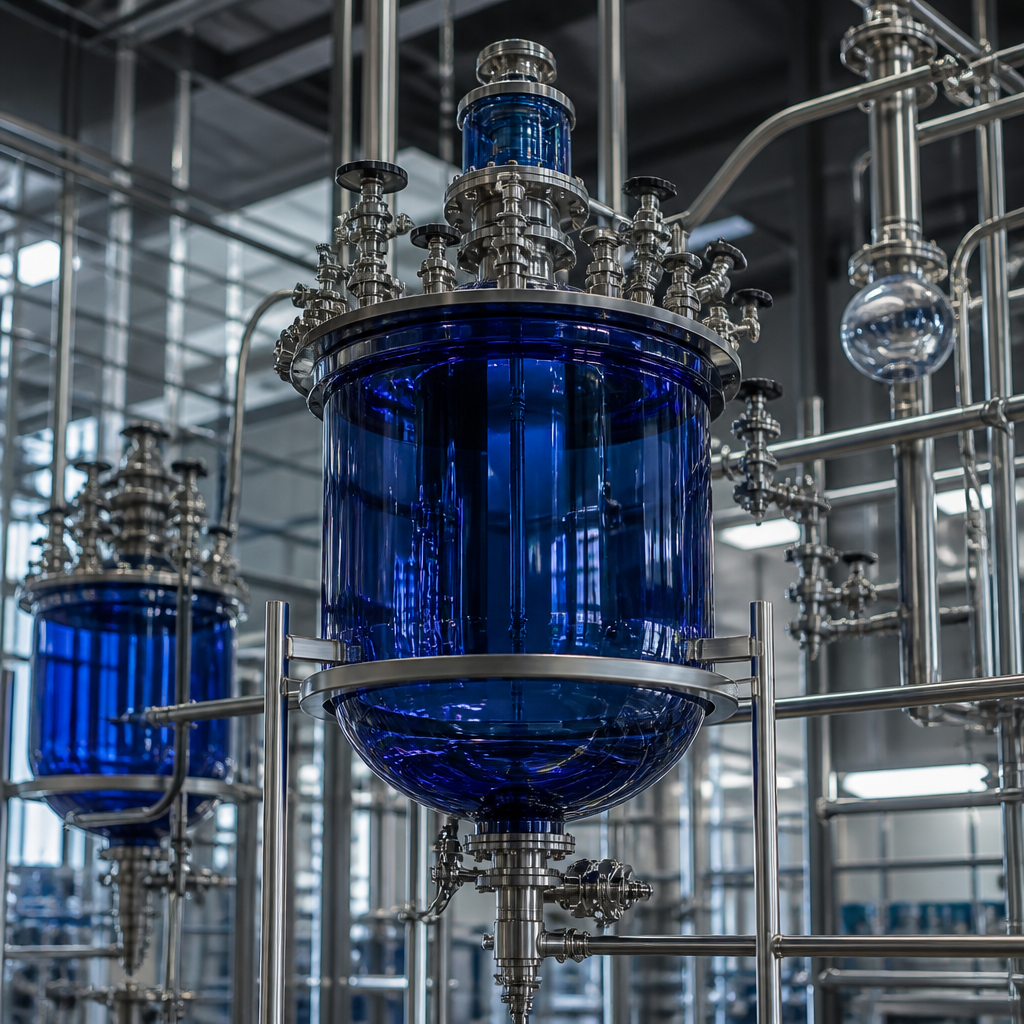
In the world of industrial process engineering, the materials used to contain, mix, and react chemical compounds are never a secondary consideration. They are, in fact, central to product quality, operational safety, and long-term plant efficiency. Among the most trusted solutions in this domain is the glass lined vessel — a technology that has stood the test of time while continuing to evolve alongside the demands of modern manufacturing. From pharmaceutical synthesis to specialty chemical production, these vessels represent a convergence of corrosion resistance, thermal stability, and engineering reliability that few alternatives can match.
Understanding the Role of Glass Lining in Chemical Reactors
Glass lining is applied to the interior surfaces of steel vessels through a high-temperature fusion process. The result is a smooth, chemically inert barrier that protects the base metal from aggressive acids, solvents, and reactive compounds. This dual-material construction gives operators the structural strength of carbon or stainless steel on the outside, while benefiting from the near-universal chemical resistance of borosilicate glass on the inside.
The significance of this design becomes apparent when you consider the range of processes that depend on contamination-free environments. In pharmaceutical manufacturing, even trace metal ions introduced by a corroding vessel wall can compromise batch integrity, trigger regulatory failures, or alter the pharmacological profile of a compound. Glass lining eliminates this risk entirely, making it the material of choice for GMP-compliant facilities worldwide.
Batch Reactors: Where Glass Lining Delivers the Most Value
Batch-type reactors are the workhorses of specialty chemical and pharmaceutical production. Unlike continuous flow systems, batch reactors process defined quantities of material through a complete reaction cycle before being cleaned and recharged. This operational model places unique demands on vessel materials — they must withstand repeated thermal cycling, exposure to diverse chemical formulations, and rigorous cleaning protocols without degrading.
Glass lined batch reactors meet these demands with consistency. The smooth interior surface resists fouling and simplifies cleaning validation, a critical requirement in regulated industries. The glass layer also provides excellent resistance to pH extremes, making these vessels suitable for both strongly acidic and mildly alkaline processes — a versatility that reduces the need for multiple vessel types across a production facility.
Thermal Management and Process Efficiency
Effective heat transfer is a cornerstone of reactor performance. Whether a process requires precise temperature control during an exothermic reaction or rapid cooling to quench a synthesis step, the vessel’s thermal characteristics directly influence yield and safety. Glass lined reactors are typically equipped with external jacketing systems that circulate heating or cooling media, allowing operators to maintain tight temperature profiles throughout a batch cycle.
This thermal management capability connects naturally to broader conversations happening in industrial engineering today. As facilities look to reduce energy consumption and carbon footprints, the integration of efficient heat exchange technologies has become a priority. Innovations in thermal systems — including advances in heat pump technology for industrial applications — are increasingly being evaluated for compatibility with jacketed reactor systems, offering potential pathways to more sustainable process heating and cooling without sacrificing precision.
Agitation Systems and Mixing Dynamics
The effectiveness of a chemical reaction in a batch vessel depends not only on the vessel material but also on how thoroughly the contents are mixed. Agitation systems in glass lined reactors must be carefully designed to avoid damaging the glass lining while ensuring homogeneous mixing of reactants, catalysts, and solvents. Impeller geometry, rotational speed, and shaft sealing all play roles in achieving the right balance between mixing efficiency and mechanical protection of the lining.
Modern glass lined reactors are available with a range of agitator configurations — from anchor and paddle designs suited to viscous materials, to high-speed dispersers for low-viscosity applications. The selection of the appropriate agitation system is a critical engineering decision that should be made in consultation with process specialists who understand both the chemistry and the mechanical constraints of the vessel design.
Material Handling and Powder Transfer in Process Plants
Glass lined reactors rarely operate in isolation. They are part of broader process trains that include material handling systems, separation equipment, and transfer mechanisms. In facilities that handle powders, granules, or bulk solids alongside liquid-phase reactions, pneumatic conveying systems play an essential role in moving materials efficiently between process stages. Understanding the capabilities and limitations of such systems — including technologies like the Fuller-Kinyon pump for dense-phase pneumatic conveying — helps plant engineers design integrated workflows that minimize manual handling and contamination risk.
The intersection of solid and liquid processing is particularly relevant in industries such as agrochemicals, food processing, and specialty materials, where raw materials often arrive as powders that must be dissolved, suspended, or reacted in liquid-phase vessels. Ensuring compatibility between upstream material handling and downstream reactor systems is a systems-level engineering challenge that demands careful attention to flow rates, particle characteristics, and process sequencing.
International Process Plants: A Trusted Source for Glass Lined Equipment
For process engineers and procurement specialists sourcing reactor equipment, the quality and provenance of glass lined vessels matter enormously. International Process Plants has established itself as a reputable supplier of used and refurbished process equipment, offering a wide inventory that includes batch-type reactors and body-only configurations suited to a variety of industrial applications. Their inventory supports facilities looking to expand capacity, replace aging equipment, or commission new production lines without the lead times associated with new fabrication.
The context paragraph below reflects the value proposition that makes this supplier stand out in a competitive market. Choose a title or paragraph based on the anchor text: for facilities requiring a reliable glass lined vessel with documented service history and verified condition, International Process Plants offers a practical and cost-effective alternative to new equipment procurement, backed by technical expertise and a broad selection of process-ready inventory.
Inspection, Certification, and Refurbishment Standards
When purchasing used glass lined equipment, the condition of the glass lining is the primary concern. Spark testing and visual inspection protocols are used to identify pinholes, chips, or delamination that could compromise chemical resistance. Reputable suppliers conduct thorough assessments and, where necessary, arrange for professional relining before equipment is offered for sale. This due diligence protects buyers from costly surprises during commissioning and ensures that refurbished vessels meet the same performance standards as new equipment.
Conclusion: Precision Materials for Demanding Processes
The glass lined vessel remains one of the most enduring and reliable technologies in chemical process engineering. Its combination of corrosion resistance, thermal compatibility, and cleanability makes it indispensable across a wide range of industries. As process facilities continue to evolve — integrating smarter energy systems, more sophisticated material handling, and tighter regulatory controls — the fundamental value of glass lining endures. Whether sourcing new or refurbished equipment, understanding the engineering principles behind these vessels is the foundation of sound procurement and operational decision-making.

Whether it’s the early morning alarm or the afternoon slump, the quest for an energy boost is a universal experience. The energy drink market has exploded, offering a multitude of choices to stimulate your mind and body. Among this vast selection, American energy drinks stand out for their boldness, intense flavors, and promise of a real energy boost.
These drinks, often synonymous with innovation and diversity, have captured the attention of consumers seeking performance, focus, or simply a tasty pick-me-up. They represent much more than just a beverage: a true sensory experience designed to help you overcome the challenges of your day.
But how do you navigate this vast world to find the drink that precisely meets your needs, without the undesirable effects of an energy crash? We offer a detailed exploration to understand what makes these elixirs so popular and how to make the best choice for your taste buds and your vitality.
Why are American energy drinks so appealing?
The appeal of American energy drinks rests on several pillars. First, their ability to provide a quick and noticeable energy boost is often highlighted. When the need for concentration or endurance arises, a well-chosen energy drink can make the difference between a productive day and a lethargic afternoon.
Furthermore, the diversity of flavors is a major factor in their success. Far from basic options, American brands compete to offer original, often fruity, tangy, or even indulgent tastes, transforming consumption into a true pleasure. This variety allows everyone to find something they enjoy, even the most discerning palates.
Finally, the market’s shift towards more balanced formulas, with sugar-free options or those enriched with vitamins and nootropics, addresses growing consumer concerns for healthier and more functional consumption. These drinks are no longer seen simply as stimulants, but as allies in optimizing cognitive and physical performance.
Whether you’re looking for a boost to start your day, to fuel an intense workout, or to stay alert during a demanding task, the world of American energy drinks offers a wide range of solutions designed for every situation. The secret lies in understanding their ingredients and their effects on the body.
The key ingredients for an effective energy boost
To understand the effectiveness of an energy drink, it is essential to examine its composition. Several ingredients work together to provide the desired stimulating effect, each playing a specific role in activating the body and mind.
Caffeine: the main driving force
Caffeine is undoubtedly the key ingredient in most energy drinks. It’s a central nervous system stimulant that helps reduce fatigue and improve alertness. Dosages vary considerably from drink to drink, ranging from the equivalent of a small cup of coffee to much higher concentrations. The source of caffeine can also influence the experience, whether it comes from coffee extracts, green tea, or anhydrous caffeine.
Vitamins and minerals: the catalysts
Many energy drinks are enriched with B vitamins (B3, B6, B9, B12). These vitamins play a crucial role in the body’s energy metabolism, helping to convert food into energy. Their presence contributes to a feeling of a cleaner and more lasting boost of vitality by supporting essential cellular functions.
Amino acids and functional compounds
Taurine, an amino acid, is often found in energy drinks. It participates in various biological processes, including regulating calcium levels in cells and supporting heart function. L-carnitine, another amino acid, is involved in transporting fatty acids to the mitochondria for energy production. Some products also include extracts of ginseng or guarana, known for their stimulant and adaptogenic properties.

Sweeteners: sugar or alternatives
Historically, energy drinks contained significant amounts of sugar, providing quick calories for an immediate boost. However, to meet the growing demand for healthier options, numerous “light” or “zero sugar” versions have emerged, using artificial or natural sweeteners. This choice impacts not only the calorie profile but also the taste and mouthfeel.
Choose the American energy drink that suits your needs
With so many options available, choosing the perfect energy drink can seem complicated. The best choice will depend on your personal preferences, goals, and sensitivity to ingredients. Here are a few pointers to guide you:
- For a gentle and prolonged awakening: Look for drinks with a moderate dose of caffeine and B vitamins. They often offer a stable boost without a feeling of nervousness.
- For intense performance: If you need a powerful boost for a workout or a long period of concentration, opt for formulas with a higher concentration of caffeine, possibly supplemented with L-carnitine or nootropics.
- For those with a sweet tooth: Indulge in the wide variety of fruity, sweet, or tangy flavors. Many American brands are renowned for their bold and innovative taste profiles.
- For mindful consumption: If you’re watching your calorie or carbohydrate intake, opt for “zero sugar” or “light” versions. Also, check the ingredient list to avoid additives you prefer to limit.
- To avoid a “crash”: Some drinks are formulated to provide a more gradual energy release, often through specific combinations of ingredients or different caffeine sources. Listening to your body remains essential.
It is always wise to read labels carefully to find out the caffeine content and other active ingredients, in order to make an informed choice that matches your personal tolerance and expectations.
The diversity of flavors and formats
One of the major strengths of American energy drinks lies in their incredible range of flavors. Far removed from European standards, American brands don’t hesitate to explore bold combinations and unexpected tastes, transforming each sip into a unique experience. You’ll find flavors inspired by tropical fruits, candies, classic sodas, and even limited editions that surprise even the most discerning palates.
This creative energy isn’t limited to flavors. Can sizes also vary, offering options for every occasion: from small cans for a quick and discreet boost to larger sizes for extended hydration and stimulation. This adaptability allows consumers to choose precisely what they need, when they need it.
Brands like Monster Energy , for example, have become benchmarks for their ability to constantly innovate in terms of flavors, offering dozens of variations to satisfy every craving. This perpetual quest for novelty is a distinctive characteristic of the American market, where competition stimulates creativity and pushes manufacturers to redefine the boundaries of taste.
Whether you prefer tangy flavors, intense fruity notes, or more complex blends, chances are you’ll find an American energy drink that will awaken your taste buds and give you the desired boost.
Tips for responsible consumption
While energy drinks can be valuable allies, their consumption should be part of a responsible approach to maximize benefits and minimize potential risks. Proper hydration, a balanced diet, and sufficient sleep remain the cornerstones of good health.
“True energy comes from a healthy lifestyle balance. Energy drinks can be a supplement, but never a substitute for good habits.”
Here are some practical tips:
- Moderation: Monitor your total caffeine intake, which includes coffee, tea, and other sources. Most healthy adults can tolerate a certain amount of caffeine per day, but it’s important to know your own limits.
- Hydration: Energy drinks are not a substitute for water. Make sure you drink enough water throughout the day, especially if you are consuming stimulants.
- Listen to your body: If you experience palpitations, anxiety, or sleep disturbances, it’s best to reduce your intake. Everyone reacts differently to stimulants.
- Avoid mixing them: It is generally not recommended to mix energy drinks with alcohol, as this can mask the effects of alcohol and increase the risks.
- Consumption timing: Avoid consuming energy drinks late in the day, as caffeine can disrupt your sleep cycle.
By respecting these principles, you can enjoy the benefits of energy drinks while taking care of your overall well-being.
An overview of the options available on the market
The American energy drink market is constantly evolving, with regular innovations to meet consumer expectations. Several major categories can be distinguished, each with its own characteristics and advantages:
| Beverage category | Main features | Ideal for |
| Classic Energy Drinks | High caffeine content, often with sugar and taurine. Intense flavors. | A quick and powerful boost, intense activities. |
| Low-Calorie/Zero Sugar Options | Use of artificial or natural sweeteners. Fewer calories. | Those who are watching their weight or sugar intake. |
| Functional Energy Drinks | Enriched with vitamins, nootropics (for concentration), or natural ingredients. | Cognitive support, “clean” and sustainable energy, general well-being. |
| Natural/Organic Variants | Ingredients derived from natural sources, often with fruit or plant extracts. | Consumers who prefer natural and organic ingredients. |
This segmentation clearly demonstrates the market’s sophistication, as it seeks to offer a solution for every need and lifestyle. Innovation continues to develop, with the emergence of new formulas designed to improve concentration, endurance, or recovery, always with original flavor profiles.
Your guide to an optimal wake-up
American energy drinks offer a gateway to a world of intense flavors and powerful energy boosts, designed to help you tackle the day’s challenges. Their popularity continues to grow, driven by constant innovation in tastes and formulations, ranging from classic stimulants to more functional and healthy options.
By understanding the key ingredients, choosing the right drink for your specific needs, and consuming it responsibly, you can get the most out of these energy boosters. Whether you’re looking for a kick-start to your morning, support for your physical performance, or an aid to concentration, the American market is full of hidden gems waiting to be discovered.
Take the time to explore the variety of options, read the labels, and listen to your body’s signals. That’s how you’ll find the drink that will not only tantalize your taste buds but also provide the right, balanced energy you need to excel.

Why Larger Homes Continue to Appeal to Buyers in Sutton Coldfield

The 2025 Buyer’s Guide to Job Shop Scheduling Software for US Manufacturers

7 Signs Your Child Is Ready for a Structured Curriculum for Homeschooling Kindergarten

Float Controlled Valve Sizing: The 6-Step Framework US Engineers Use to Avoid Costly Specification Errors

The Ultimate Guide to ISO 9001 Lead Auditor Training Options

How to Build an Ethics and Compliance Training Program from Scratch: A Step-by-Step Guide for HR Teams

The 15 Highest-Paid Rugby Players in the World

Christopher Dare: The Untold Story of Engineer and Former Husband of Angela Rippon

How to Ensure Your Home is Valued Correctly for a Quick Sale

What Is Fanquer? The Digital Creator Platform Transforming Direct-to-Fan Engagement

Nancy Hallam: The Inspiring Life, Career, and Success Story Behind Ian Wright’s Wife

Enclomimed 25 (Enclomiphene) – Effective PCT Protocol
The 15 Highest-Paid Rugby Players in the World
Christopher Dare: The Untold Story of Engineer and Former Husband of Angela Rippon
How to Ensure Your Home is Valued Correctly for a Quick Sale
What Is Fanquer? The Digital Creator Platform Transforming Direct-to-Fan Engagement
Nancy Hallam: The Inspiring Life, Career, and Success Story Behind Ian Wright’s Wife
Enclomimed 25 (Enclomiphene) – Effective PCT Protocol
-
 Sports4 months ago
The 15 Highest-Paid Rugby Players in the World
-
Celebrity9 months ago
Christopher Dare: The Untold Story of Engineer and Former Husband of Angela Rippon
-
 Real Estate7 months ago
How to Ensure Your Home is Valued Correctly for a Quick Sale
-
 Technology3 months ago
What Is Fanquer? The Digital Creator Platform Transforming Direct-to-Fan Engagement
-
Celebrity10 months ago
Nancy Hallam: The Inspiring Life, Career, and Success Story Behind Ian Wright’s Wife
-
 Health7 months ago
Enclomimed 25 (Enclomiphene) – Effective PCT Protocol
-
 Celebrity9 months ago
Who Is Maisie Mae Roffey? The Private Life, Family Story, and Quiet Success of Julie Walters’ Daughter
-

 Celebrity3 months ago
Dr Jared Ross: Missouri Appeals Court Upholds Protection Order Over Graphic Torture and Murder Threats