
Blog
Drones and UAVs: The Complete Guide to Unmanned Aerial Systems

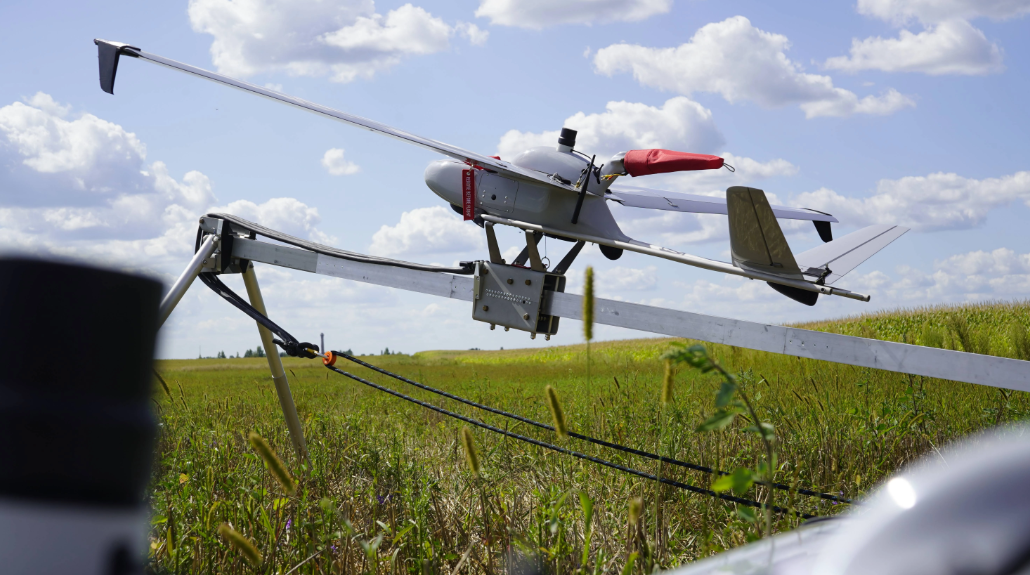
The global unmanned aviation market is expanding rapidly as organisations seek safer, faster, and more cost-effective ways to collect data, monitor territories, and support complex operations. Nowadays, drones and UAVs are increasingly deployed across defence, security, commercial and civil sectors, improving situational awareness and mission effectiveness.
What Is a UAV? Defining Drones and Unmanned Aerial Vehicles
A UAV, or unmanned aerial vehicle, is an aircraft that operates without a pilot on board. It may be controlled remotely, fly along a pre-planned route, or use onboard systems to support autonomous operation. In broader terms, a UAV is often part of a UAS (unmanned aerial system), which also includes the ground control station, payloads, communication links, software, and support equipment.
Modern UAVs are cutting-edge systems that can carry cameras, thermal sensors, communication modules or specialised payloads. Platforms such as Cetus Photo demonstrate how fixed-wing UAVs can support ISR, mapping, and data collection in missions where endurance, image quality, and operational range are significant.
History and Evolution of UAV Technology
The history of unmanned aerial vehicles began long before modern drones. Early 19th-century experimental aircraft were developed for target practice, military testing, and reconnaissance. Over time, improvements in propulsion, navigation, and radio control made UAVs more reliable and practical.
By the second half of the 20th century, reconnaissance drones had become increasingly important in military operations. Today, UAV technology has evolved significantly with advances in sensors, batteries, composite materials, and GPS navigation, enabling more common use across both defence and civil domains.
How Do Drones and UAVs Work? Core Technology Explained
The drone systems operate at the expense of the integration of several key technologies:
- airframe – ensures aerodynamics and structure
- propulsion system – electric or fuel-based; enables flight
- autopilot – controls route execution and flight stability
- navigation systems – GNSS or inertial sensors for understanding aircraft position
- communication links – provide data, command and telemetry transmission between the UAV and operator
- payload – optical cameras or thermal sensors, depending on the mission
- software – supports mission planning and coordination, planning routes and data processing
Types of Drones and UAVs — Full Classification
By design, the main types of drones and uavs include multirotor drones, fixed-wing UAVs, VTOL platforms, and hybrid systems. Multirotor drones are easy to launch and useful for inspection and short-range monitoring. Fixed-wing platforms offer improved coverage and endurance for long-distance reconnaissance and mapping. VTOL UAVs combine vertical take-off with efficient forward flight, while hybrid systems balance endurance and flexibility.
By mission, UAVs are classified as ISR, tactical support, mapping, communication relay or environmental monitoring. In defence applications, a military UAV is typically designed for reconnaissance, surveillance, target acquisition or other mission-specific tasks. At the same time, in the civil sector, drones are highly effective in agriculture, search and rescue, public safety, humanitarian demining, and construction.
Choosing the Right UAV System — Key Considerations
Selecting the proper UAV system depends on mission goals, required data quality and operating environment. Key factors include flight endurance, range, sensor type, payload capacity, launch method, and communication reliability. The best UAV is not always the largest or most sophisticated platform. It is the system that integrates smoothly into workflows and delivers reliable results under real operational conditions. As the industry continues to evolve, users will focus not only on aircraft performance but also on a comprehensive ecosystem that integrates platforms, software, and mission data.



The Familiar Tools and the Gaps They Leave
Ask most people to picture a walking aid, and they will describe a wooden cane or a metal walking frame. Both have kept millions of older adults on their feet, yet the range of equipment has grown a great deal, and some of the most useful options look nothing like a traditional mobility aid. A rollator with a built-in seat, a perching stool by the kitchen counter, or a walking chair that lets the user move around the home while seated can each solve problems a cane was never designed to handle.
That matters because mobility after 70 is rarely about one single difficulty. A walking stick works well for someone with mild unsteadiness or a sore knee on one side. It takes some weight off the weaker leg and gives the brain an extra point of contact with the floor, which improves balance. What it cannot do is offer much support when legs are tired, and it keeps one hand permanently occupied.
A walking frame, often called a Zimmer frame in the UK, provides far more stability. The trade-off is that it needs both hands, has to be lifted with every step and can be awkward in narrow hallways or small bathrooms. Many people quietly develop a risky habit of leaving the frame behind so they can carry a cup of tea or a plate, which is exactly the moment a fall is most likely.
Rollators sit somewhere in between. With three or four wheels, hand brakes and usually a seat and basket, they are excellent for the high street, the park or a trip to the shops. Indoors they can feel bulky, and they demand enough grip strength to operate the brakes reliably.
The real gap appears in everyday household tasks. Cooking, washing up, unpacking shopping and reaching into low cupboards all require free hands and the ability to stay upright for several minutes. For many people over 70, fatigue rather than balance is what limits these jobs, and that is where newer types of equipment have started to fill in.
Matching the Aid to the Task, Not Just the Person
A helpful way to think about mobility equipment is to start with the activity rather than the diagnosis. Instead of asking “what walking aid do I need?”, it is often more productive to ask what happens in each room of the house and where things become difficult. The answers tend to point towards a small collection of aids, each suited to a particular setting.
In the kitchen, the challenge is usually standing still for long periods while using both hands. A perching stool lets someone lean rather than stand, and seated mobility solutions allow a person to move between the hob, the sink and the fridge without getting up each time. In the bathroom, grab rails, a shower stool and a raised toilet seat do more for safety than any walking aid could. On the stairs, a second banister or a stairlift removes the need to carry anything at all. Outside the home, a lightweight folding rollator or, for longer distances, a mobility scooter may be the better choice.
Ending up with two or three different aids is normal and sensible. The most capable manufacturers acknowledge this openly. The walking aids guide from VELA, written by one of the company’s occupational therapists, states plainly that its chair may not fully replace a rollator for trips outside the home. Instead, it presents the chair as an indoor aid that lets users move around with their feet while seated, lock the wheels with a handbrake and use an electric seat lift to reach both high shelves and low drawers. That kind of candour is useful for buyers, because it shows where a product genuinely fits instead of promising that one device will do everything.
Before buying anything, a few practical questions are worth asking. Will it fit through every doorway in the house, including the bathroom? How does it cope with rugs, thresholds and different floor surfaces? Are the brakes easy to use with stiff or arthritic hands? How much does it weigh if it ever needs to be lifted into a car? Is there a trial period or a returns policy? Testing equipment in the actual home, rather than in a showroom with smooth floors and wide aisles, often reveals problems that a product description never mentions.
Keeping Strength and Confidence While the Aids Do Their Part
A walking aid should support activity, not replace it. One of the quiet risks in later life is that equipment makes things so easy that muscles gradually weaken from lack of use. The aim is to use aids for the moments when they genuinely reduce risk or save energy, while still giving the legs regular work to do.
UK physical activity guidelines advise older adults to include activities that improve strength, balance and flexibility on at least two days a week. This does not need to mean a gym membership. Standing up from a chair several times in a row, heel raises while holding the kitchen worktop and slow side steps along a hallway all build the strength that keeps walking safe. Local councils, community centres and charities often run gentle exercise classes designed specifically for older people, and these have the added benefit of getting people out of the house and talking to others.
Professional advice makes a real difference here. A GP can refer someone to a physiotherapist for a walking and balance assessment, and the local council’s adult social care team can usually arrange a visit from an occupational therapist who looks at the home itself. These assessments often lead to simple equipment being loaned or fitted, and they help avoid buying the wrong product. A physiotherapist will also check that a walking stick is set to the right height, which is typically level with the crease of the wrist when the arm hangs loosely.
Equipment needs looking after too. Rubber ferrules on sticks and frames wear down and lose grip, brake cables on rollators can loosen, and wheels collect hair and dust that make them stiff. A quick check every few months keeps everything working as intended.
Finally, it pays to review the whole setup regularly, and always after a fall, an illness or a hospital stay. Needs change, sometimes for the better as strength returns and sometimes as energy dips. Fear of falling can lead people to move less, which in turn makes falls more likely. The right combination of aids, combined with regular movement, breaks that cycle and allows people to stay active, independent and confident in their own homes for longer.

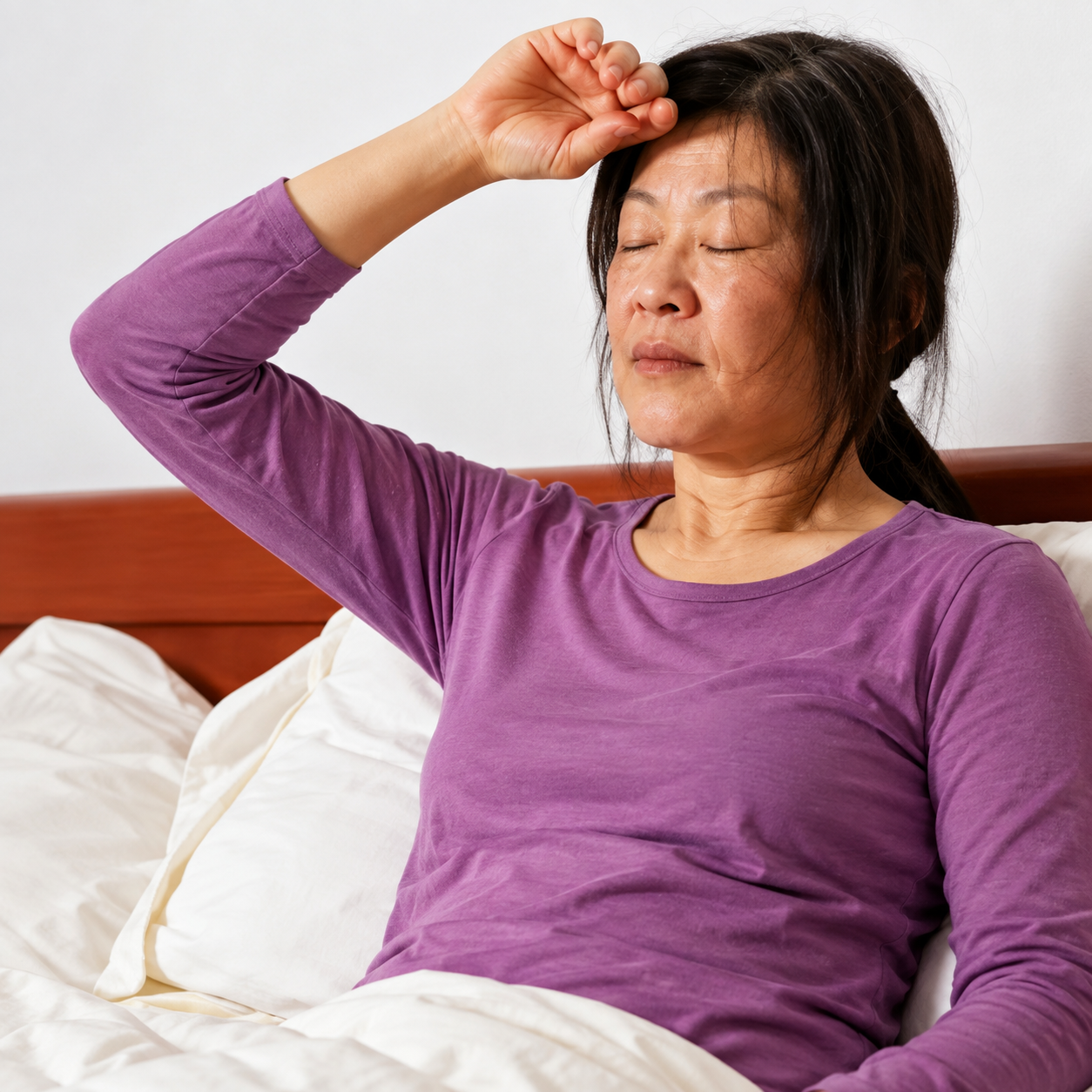
Menopause does not usually happen overnight. Before periods stop completely, many women go through a transition known as perimenopause, during which hormone levels fluctuate and menstrual patterns may begin to change.
For some women, the changes are mild. Others experience symptoms that affect sleep, mood, work, relationships or everyday comfort. Because some symptoms can also occur with other health conditions, it is useful to recognise what may happen during this transition and which changes should not simply be attributed to ageing.
What Is the Difference Between Perimenopause and Menopause?
Perimenopause refers to the transitional period leading up to menopause. It commonly begins during the 40s, although the timing varies between women.
During this stage, levels of hormones such as oestrogen fluctuate. Ovulation may become less predictable, which can affect the menstrual cycle and contribute to symptoms such as hot flushes, night sweats and changes in sleep or mood.
Menopause is reached after 12 consecutive months without a menstrual period, provided there is no other medical explanation for the absence of periods.
The experience is different for every woman. Some notice only changes to their menstrual cycle, while others experience several physical and emotional symptoms over a period of years.
Changes in Your Periods May Be an Early Sign
Changes in menstrual patterns are often among the first noticeable signs of perimenopause.
Your periods may:
- Become shorter or longer
- Occur more or less frequently
- Become heavier or lighter
- Be skipped occasionally
- Become less predictable than before
These changes can occur as ovulation becomes more irregular. However, a change in bleeding pattern should not automatically be assumed to be caused by perimenopause.
Bleeding between periods, bleeding after sex, unusually heavy bleeding or bleeding that differs significantly from your usual pattern can have other causes and may require assessment.
Hot Flushes and Night Sweats Can Affect More Than Comfort
Hot flushes are sudden sensations of heat, often affecting the face, neck and upper body. When they occur at night, they are commonly referred to as night sweats.
Although they may last only a short time, repeated episodes can interfere with sleep and contribute to tiredness during the day. Some women experience these symptoms occasionally, while others find that they affect work, concentration and daily activities.
If these changes have become difficult to manage or occur alongside other symptoms, discussing them with a female gynaecologist can help determine whether they are consistent with the menopausal transition or whether further evaluation may be appropriate.
Keeping a simple record of when symptoms occur, how often they happen and whether anything appears to trigger them can also make it easier to explain what you have been experiencing during a consultation.
Mood, Concentration and Sleep Can Also Change
Perimenopause is not limited to physical symptoms.
Some women notice changes such as:
- Irritability
- Low mood
- Anxiety
- Difficulty concentrating
- Forgetfulness or “brain fog”
- Reduced motivation or energy
- Difficulty falling or staying asleep
Hormonal changes may contribute to these symptoms, while disrupted sleep from night sweats can make fatigue, concentration difficulties and mood changes more noticeable.
However, changes in emotional well-being should not automatically be attributed to menopause. Stress, medical conditions, medication, existing mental health conditions and other life circumstances may also contribute.
If low mood, anxiety or other emotional symptoms are persistent, worsening or interfering with everyday functioning, medical assessment is appropriate.
Vaginal and Urinary Changes Should Not Be Overlooked
Changes in oestrogen levels around menopause can affect tissues around the vagina and urinary tract.
Some women may experience:
- Vaginal dryness
- Irritation or discomfort
- Pain during sexual intercourse
- Reduced sexual desire
- Urinary urgency
- More frequent urination
- Changes in bladder control
These symptoms can sometimes feel difficult to discuss, but they are relevant health concerns rather than something women necessarily have to accept as part of getting older.
Similar symptoms can also occur for reasons unrelated to menopause, including infections and other gynaecological or urinary conditions. Persistent, new or troublesome symptoms therefore warrant appropriate evaluation.
Not Every Bleeding Change Is Part of Perimenopause
Periods often become irregular during perimenopause, but certain bleeding patterns deserve particular attention.
Seek medical advice if you experience:
- Bleeding or spotting between periods
- Bleeding after sexual intercourse
- Periods that become unusually heavy
- Bleeding that lasts considerably longer than usual
- A substantial change from your usual menstrual pattern
- Any vaginal bleeding after menopause
Bleeding after menopause should be assessed rather than regarded as a normal return of menstruation.
There are several possible explanations for abnormal bleeding, including hormonal changes, polyps, fibroids, changes affecting the lining of the womb and other gynaecological conditions. Assessment can help establish the cause and determine whether further investigation is needed.
Early Menopause Deserves Medical Attention
Menopause usually occurs during midlife, but some women experience it earlier.
Early menopause refers to menopause occurring before age 45. Menopause occurring before age 40 is generally described as premature menopause.
Possible signs may resemble those of menopause at the usual age and include:
- Periods becoming irregular or stopping
- Hot flushes
- Night sweats
- Vaginal dryness
- Sleep difficulties
- Mood changes
- Reduced sexual desire
Periods can become irregular for many reasons, particularly in younger women. Changes may be associated with pregnancy, thyroid disorders, medication, significant changes in weight, polycystic ovary syndrome or other medical conditions.
Women below 45 who develop persistent menopause-like symptoms or significant changes in their menstrual cycle should therefore consider medical assessment rather than assuming they are experiencing early menopause.
Symptoms Can Be Different From One Woman to Another
There is no single pattern that defines how a woman will experience perimenopause.
One person may mainly notice irregular periods. Another may experience sleep disruption, hot flushes and vaginal dryness. Symptoms can also appear at different times rather than occurring all at once.
Their intensity may change as well. A symptom that initially seems minor may become more troublesome, while another may gradually improve.
This variation is one reason why it can be useful to pay attention to changes from your own normal baseline rather than comparing your experience with someone else’s.
Preparing for a Discussion About Perimenopause
Before your appointment, consider noting:
- The date of your last few periods
- Changes in the frequency or duration of your cycle
- Whether bleeding has become heavier or lighter
- The frequency of hot flushes or night sweats
- Changes in sleep
- Vaginal or urinary symptoms
- Mood or concentration changes
- Any medications or supplements you currently take
- Relevant personal or family medical history
A symptom record can provide useful context and make it easier to identify patterns.
When scheduling a consultation with a female gynaecologist in Singapore, patients should prioritize fundamental care standards to ensure safe and effective medical attention. This includes verifying the clinician’s accredited credentials, ensuring the consultation directly addresses individual concerns, and confirming that diagnostic tests and treatment recommendations are carefully tailored to their medical history.
Perimenopause and menopause are natural stages of life, but that does not mean every new symptom should automatically be attributed to hormonal change.
Irregular periods, hot flushes, night sweats, sleep changes, vaginal dryness and mood changes can occur during the menopausal transition. At the same time, abnormal bleeding, persistent symptoms and menopause-like changes occurring at a younger age may warrant further assessment.
Knowing what has changed from your usual pattern, keeping track of symptoms and discussing concerns when they arise can help distinguish expected menopausal changes from symptoms that may require further investigation.
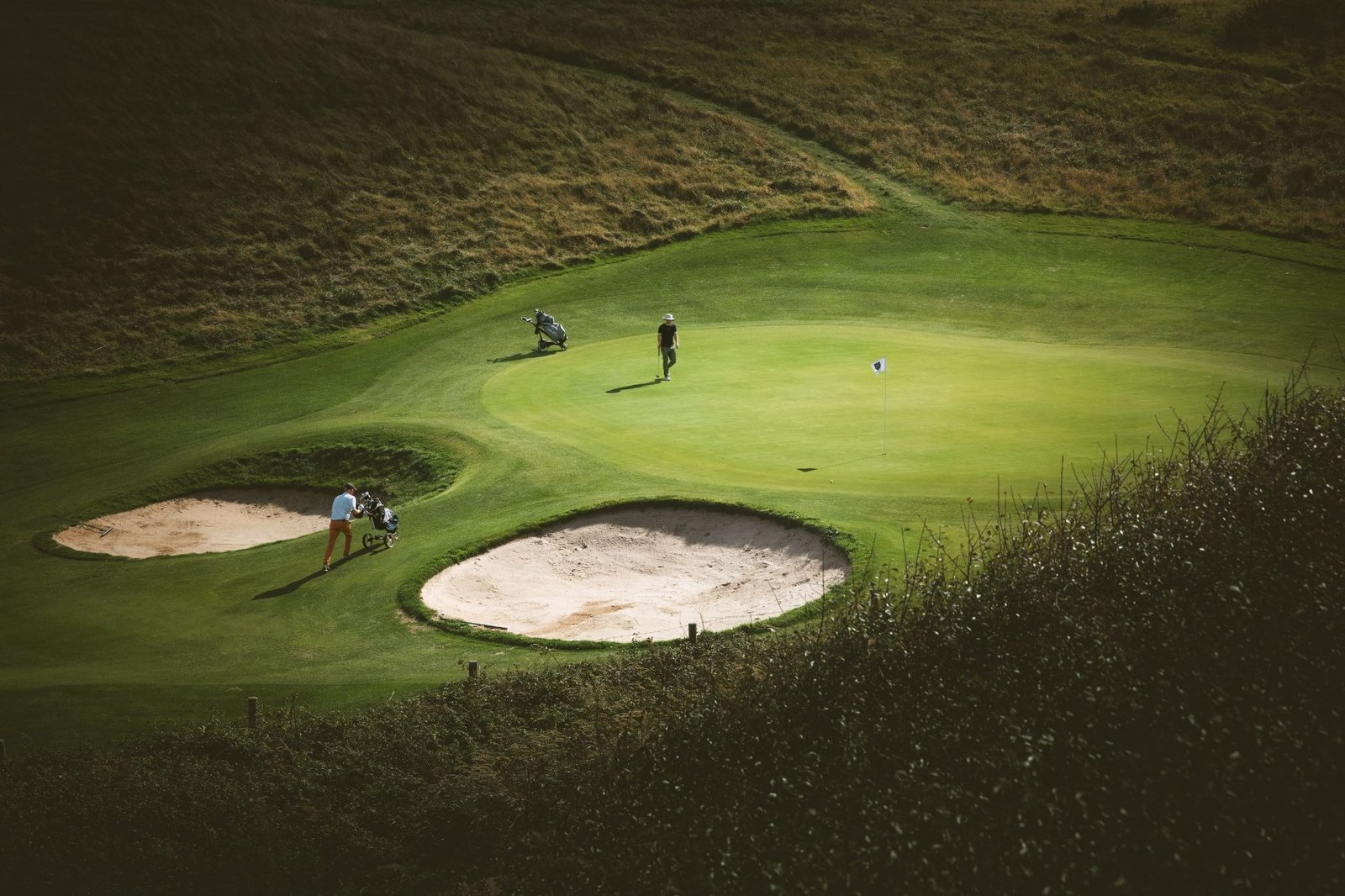
When a golf break is not properly planned, it can feel like an endless series of rounds with beds in between. A well-thought-out itinerary makes a golf vacation feel like a complete experience, replete with excellent golf. Because lodging options and itinerary design are just as crucial as the courses on the schedule, reputable online booking platforms such as My Hotel Break help golfers find accommodations that enable comprehensive, well-planned golf breaks.
Choosing the Right Number of Rounds
The most common mistake you can make on a golf break trip is playing too many rounds in too few days. Three rounds in two days can leave no time to recover properly between them, no time to explore the surrounding area, and no time actually to enjoy the hotel you are paying to stay in. Two rounds is the obvious choice for a short, two-night break. Three nights, three rounds is fine if golf is the main objective, but two rounds and a morning or afternoon of non-golf activities can also offer a more well-rounded experience.
Course Order and Why It Matters
The order of the courses on a golf break itinerary can impact the enjoyment of each course. Starting with a shorter or less demanding course on the first full day gives you time to get used to travelling and the new golfing environment. If the most awaited course is saved for the second full day, you will arrive at it rested, warmed up, and ready to do it justice. Ending a break on a course that exceeds your expectations is a better memory to carry home than ending it on one that disappointed after an outstanding one the day before.
Building in Time Between Golf and Dinner
If planned properly, the most fun part of a golf break can be the time between rounds and dinner. A bath or shower without rushing, a drink at the bar while you go over the day, a short walk around the hotel grounds, or simply time in a comfortable chair with no agenda produces a transition between activity and evening that a rushed return to your room cannot replicate. Building this time into the itinerary, rather than letting the day run up against dinner without a pause, is a simple adjustment that improves the overall experience.
The Role of the Hotel in the Itinerary
A golf break itinerary that focuses only on getting to the hotel and sleeping there between rounds misses much of the fun of a golf break. The best golf hotel properties provide more than just a golf course: a spa to use on the morning of an afternoon tee time, a restaurant that mirrors the quality of the golf, grounds to explore, and staff who know what golfers want at the end of a day. Including the hotel experience in the travel plan, rather than around it, creates a getaway in which each component contributes to the overall experience.
What to Do if the Golf Is Not Available
In the UK, weather, course closures, and tee-time unavailability are all part of golf. If any of these things happen, it puts an itinerary without a plan in place into a stressful situation. Finding another activity at the property or in the local area, whether it’s a spa treatment, a local walk or another course at another property, before the break starts means that if something changes at the last minute, it doesn’t ruin the day.
Checking Out Without Rushing
Check-out time is included in the break. It’s a race to the car park, and that’s the end of the hours you’ve spent on an experience that you paid for. Eating too late in the morning, packing too late, and having a final coffee in the hotel lounge before leaving is a better way to end the day than a rushed exit due to an unwarranted early departure. If a final activity is scheduled for check-out the morning of the property, many will store luggage after check-out. This option allows the break to conclude on its own terms, rather than in line with the hotel car park schedule.

Account Safety 101: How to Vet Any Instagram Growth Service

What Makes Underground Streetwear Hit? Breaking Down the MF DOOM Shirt and Parke Hoodie Hype

Unlocking Peak Performance with AMD Ryzen X3D: A Gamer’s Ultimate Guide

5 questions every Sydney homeowner should ask before hiring a plumber

Transforming Business Efficiency with Modern Workplace Solutions

Empowering Success: Comprehensive NDIS Student Support Services

The 15 Highest-Paid Rugby Players in the World

Christopher Dare: The Untold Story of Engineer and Former Husband of Angela Rippon

How to Ensure Your Home is Valued Correctly for a Quick Sale

What Is Fanquer? The Digital Creator Platform Transforming Direct-to-Fan Engagement

Dr Jared Ross: Missouri Appeals Court Upholds Protection Order Over Graphic Torture and Murder Threats

Nancy Hallam: The Inspiring Life, Career, and Success Story Behind Ian Wright’s Wife
The 15 Highest-Paid Rugby Players in the World
Christopher Dare: The Untold Story of Engineer and Former Husband of Angela Rippon
How to Ensure Your Home is Valued Correctly for a Quick Sale
What Is Fanquer? The Digital Creator Platform Transforming Direct-to-Fan Engagement
Dr Jared Ross: Missouri Appeals Court Upholds Protection Order Over Graphic Torture and Murder Threats
Nancy Hallam: The Inspiring Life, Career, and Success Story Behind Ian Wright’s Wife
-
 Sports5 months ago
The 15 Highest-Paid Rugby Players in the World
-
Celebrity10 months ago
Christopher Dare: The Untold Story of Engineer and Former Husband of Angela Rippon
-
 Real Estate8 months ago
How to Ensure Your Home is Valued Correctly for a Quick Sale
-
 Technology4 months ago
What Is Fanquer? The Digital Creator Platform Transforming Direct-to-Fan Engagement
-
 Celebrity4 months ago
Dr Jared Ross: Missouri Appeals Court Upholds Protection Order Over Graphic Torture and Murder Threats
-
Celebrity11 months ago
Nancy Hallam: The Inspiring Life, Career, and Success Story Behind Ian Wright’s Wife
-

 Health9 months ago
Enclomimed 25 (Enclomiphene) – Effective PCT Protocol
-
 Celebrity11 months ago
Who Is Maisie Mae Roffey? The Private Life, Family Story, and Quiet Success of Julie Walters’ Daughter