
Health
The Caregiver’s Guide to Choosing the Right U Shaped Shower Chair for a Loved One with Limited Mobility

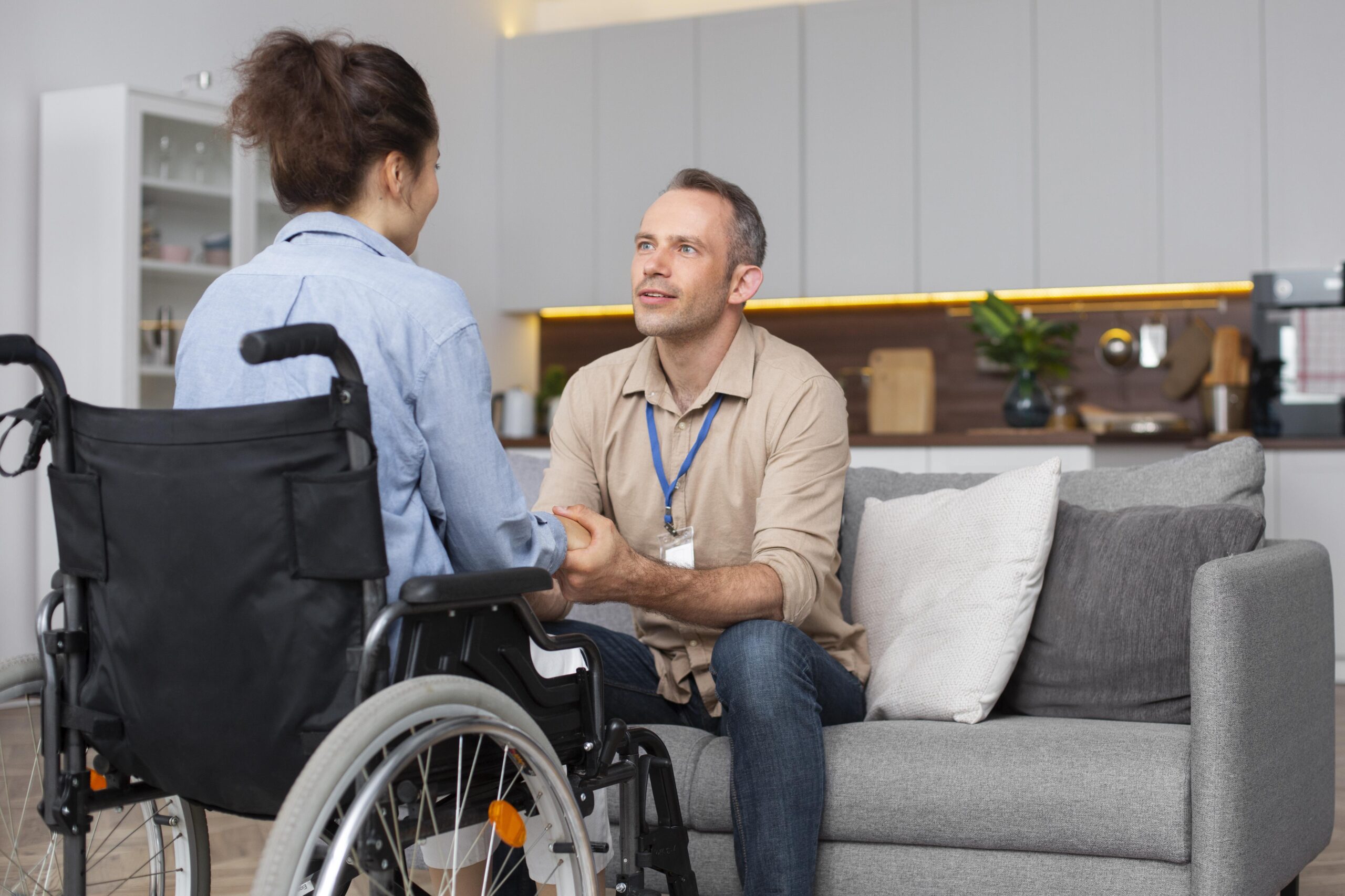
Bathing is one of the most physically demanding activities for someone with limited mobility, and it is one of the most emotionally sensitive as well. For caregivers — whether family members managing care at home or professionals supporting clients in assisted living environments — the decision to introduce a shower chair is rarely straightforward. It involves assessing physical needs, anticipating safety risks, and navigating the practical realities of bathroom space and daily routine.
Among the available options, the open-front shower chair has become increasingly common in both home and clinical settings. But selecting the right design for a specific individual requires more than a quick product comparison. It requires understanding what makes one chair more appropriate than another given the user’s mobility level, the caregiver’s role in the bathing process, and the physical setup of the bathroom environment.
This guide is intended for caregivers who are actively involved in daily care decisions and who want a clear, honest framework for making that selection well.
What Makes the U Shaped Design Distinct from Other Shower Seating
A u shaped shower chair is defined by its open front, which creates a gap in the seat that allows for personal hygiene care without requiring the user to stand or reposition significantly. This design addresses a specific functional gap that a standard shower bench or four-legged stool cannot. For caregivers who assist with perineal hygiene, this matters considerably — both for the comfort of the person receiving care and for the physical ease of the caregiver performing it.
You can explore the range of available options across different configurations of a u shaped shower chair to understand how the open-front design varies by armrest height, seat depth, and weight capacity. These variations are not cosmetic. They reflect meaningful differences in how the chair will perform across different body types and care routines.
The open-front design also affects stability. The absence of seat material at the front changes how weight is distributed when a person sits and shifts. A well-constructed version of this chair compensates through reinforced rear framing and a wider rear leg spread. A poorly constructed one may flex or tilt under load, which introduces risk in an environment where falls are already a primary concern.
How the Open Front Affects Caregiver Posture and Access
Caregiver ergonomics are rarely discussed when shower chairs are marketed, but they matter significantly in daily practice. When a caregiver must assist with washing and hygiene, the angle of access directly affects how much bending, reaching, and repositioning they must do. A seat with a generous open front reduces the physical strain of these tasks and allows the caregiver to work from a more neutral position.
Over time, repetitive awkward postures during bathing assistance contribute to caregiver injury — particularly lower back strain. Selecting a chair that genuinely supports caregiver access is not a secondary consideration. It is a practical factor that affects the sustainability of the care relationship and the quality of care delivered each day.
Weight Capacity and Structural Integrity
The open-front configuration of these chairs means the seat is structurally less complete than a closed seat. This makes the quality of materials and construction more consequential, not less. Aluminum frames with welded joints perform differently than those assembled with press-fit connectors. The difference becomes apparent over months of daily use, particularly if the chair is frequently adjusted for height or moved between shower areas.
Caregivers should confirm that the chair’s stated weight capacity reflects the actual structural rating of the frame, not simply the seat surface. A chair that meets the user’s weight requirement at the seat level but has a frame that flexes or weakens under regular repositioning is not a reliable choice for long-term daily use.
Assessing the User’s Specific Mobility Profile Before Selecting a Chair
Not every person with limited mobility has the same needs, and a shower chair that works well for one individual may be poorly suited to another. The right chair begins with an honest assessment of the user’s current physical condition — not an idealized version of it, and not a projection of what caregivers hope will improve.
Key functional factors to evaluate include whether the user can transfer independently or requires full caregiver assistance, whether they have upper body strength sufficient to use armrests for stabilization, and whether their trunk control is reliable enough to sit without lateral support. These factors shape which chair features are truly necessary versus those that are merely convenient.
Transfers: The Most Critical Safety Moment
The transfer — moving from a wheelchair, bed, or standing position onto the shower chair — is where most bathing-related falls occur. Armrest height, seat height relative to the user’s wheelchair or toilet, and the stability of the chair during a lateral or pivot transfer all directly affect safety during this moment.
For users who transfer laterally from a wheelchair, a chair with removable or swing-away armrests on at least one side is a functional necessity, not an optional feature. Without this, the caregiver must either lift the user over a fixed armrest — which creates fall risk and physical strain — or use a different chair entirely. Understanding how a user transfers before selecting a chair prevents this kind of mismatch.
Cognitive and Behavioral Considerations
For individuals living with dementia or other cognitive conditions, the bathing routine carries additional complexity. A chair that is difficult to understand or that feels unfamiliar can increase resistance to bathing — which in turn increases caregiver effort and the likelihood of unsafe behavior during the process.
In these situations, simplicity of design and consistency of placement matter. A chair that can remain in the shower at all times, rather than being moved before and after each use, reduces the number of transitions the user must navigate and keeps the environment predictable. Familiarity with the physical setting helps reduce anxiety during a routine that many people with cognitive impairment find disorienting.
Bathroom Environment and Practical Fit
The physical characteristics of the bathroom have a direct effect on which chair will actually function as intended. A chair that performs well in a roll-in shower with a wide entry may be difficult to position correctly in a standard tub-shower combination. Evaluating the bathroom environment before selecting a chair prevents costly and disruptive replacements.
Bathroom flooring, drainage placement, and the direction of the showerhead all affect how the chair should be oriented and whether the user will be adequately reached by water flow without being at risk of overexposure. According to the Centers for Disease Control and Prevention, falls among older adults are most commonly associated with environmental hazards, including wet surfaces in bathrooms — a fact that underscores why chair placement and floor stability are not minor details.
Non-Slip Feet and Floor Compatibility
Rubber feet on a shower chair provide traction, but their effectiveness depends on the type of flooring beneath them. Textured tile, smooth acrylic shower bases, and fiberglass surrounds each interact differently with rubber tips. A chair that sits securely on one surface may shift on another. Caregivers should test the chair’s stability on the specific surface it will be used on before establishing it as part of the regular routine.
Some chair designs offer suction-cup feet as an alternative to standard rubber tips. These provide stronger grip on smooth surfaces but may not adhere reliably to textured tile. Understanding the bathroom floor type before selecting foot style is a practical step that directly affects daily safety.
Chair Placement Relative to the Shower Entry
The position of the chair within the shower affects both the user’s comfort and the caregiver’s ability to assist effectively. A chair placed too close to the shower wall may limit the caregiver’s access from one side. A chair positioned too far from the showerhead may mean the user is not adequately reached by water without the caregiver manually directing flow continuously.
Spending time with the chair in the actual shower space before committing to a routine allows caregivers to identify positioning issues early. This is particularly important in smaller bathrooms where space constraints limit options significantly.
Long-Term Durability and Maintenance in Daily Care Routines
A shower chair used once or twice a week as supplemental support has different durability requirements than one that is central to a person’s daily hygiene routine. For caregivers managing high-frequency bathing schedules, material quality and ease of cleaning are operational concerns, not secondary ones.
Aluminum frames resist rust reliably in wet environments, but the seat material matters equally. Plastic seats are easier to clean and less likely to harbor bacteria than padded alternatives, though some users find them uncomfortable during extended sitting. For users who require longer bathing sessions due to mobility challenges, a seat that provides adequate comfort without compromising hygiene maintenance is worth careful consideration.
Routine Inspection and When to Replace
Over time, even well-made chairs show wear. Height adjustment mechanisms may loosen, rubber feet may compress and lose grip, and plastic seats may develop surface cracking that makes cleaning less effective. Building a regular inspection of the chair into the care routine — checking leg stability, foot condition, and seat integrity — is a straightforward practice that prevents unsafe use before problems become visible failures.
Replacing a chair at the first sign of structural compromise, rather than waiting for a more obvious failure, is the more responsible approach when the user relies on it for daily safety.
Closing Thoughts for Caregivers Making This Decision
Choosing a shower chair for someone with limited mobility is not a product decision in the conventional sense. It is a care decision — one that affects daily safety, caregiver sustainability, and the dignity of the person receiving assistance. The u shaped shower chair offers genuine functional advantages for specific care situations, particularly where hygiene access and independent bathing are both priorities.
The best selection process begins with a clear-eyed understanding of the user’s current condition, a realistic assessment of the bathroom environment, and an honest evaluation of how caregiver access affects what the chair needs to do. When those factors are considered together, the resulting choice is far more likely to serve well over time — and far less likely to require revisiting after an avoidable incident.
Caregivers who approach this decision methodically, rather than reactively, give both themselves and their loved ones the most stable foundation for a routine that demands consistency and trust every single day.



The hospital grade label appears on many pump listings, yet it does not always clarify the choice. On paper, the term sounds specific, but it can mean different things depending on the product and context. What usually helps more is looking at how different pumps handle fit, cleanup, hygiene, and the places you pump, then reading what hospital grade is supposed to mean in that context. The sections below walk through the label itself, where it is useful, where it falls short, and whether you need that level of motor performance or a more flexible consumer pump.
Table of Contents
• What a Hospital Grade Breast Pump Actually Means
• Hospital Grade Breast Pump vs Other Pumps by Function and Tradeoff
• How Suction Motor Stability and Hygiene Affect Performance
• How Comfort Features Heat and Massage Support Pumping
• How to Choose a Pump for Your Actual Routine
• When to Seek Professional Help Instead of Adjusting the Pump
• Conclusion
What a Hospital Grade Breast Pump Actually Means
On a product page, hospital grade often signals a stronger motor, tougher parts, a closed system, and suction ranges built for frequent pumping. Hospitals use the phrase differently. There it can mean multi-user equipment with strict cleaning and infection control rules. You are buying for home use, not a maternity ward, so the question becomes whether the pump matches your body, your milk response, your cleaning habits, and whether you pump at the kitchen counter, in the nursery, or in the car between errands.
If the listing gives you a choice, go with a closed system. Milk backing into the motor path creates hygiene problems that show up weeks later, not on day one. CDC breast pump hygiene guidance recommends washing milk-contact parts right after pumping, air drying them fully before storage, and leaving the dish towel out of it. Milk residue does not sit idle on flange parts. Infants have become ill when pump parts were cleaned inconsistently or not dried fully.
The label can stay on your shortlist. Verify each claim in the specs and against your pumping routine.
| Claim | What to check |
| Strong suction | Vacuum range and comfort levels |
| Closed system | Backflow protection and cleaning steps |
| Frequent use | Motor stability and part durability |
| Portable design | Battery life, noise, parts, and fit |
Hospital Grade Breast Pump vs Other Pumps by Function and Tradeoff
The comparison that matters is not hospital grade versus cheap. Each pump type is built for a different job, and every design asks you to give something up. A hospital grade breast pump may hold motor consistency better across long weeks. A wearable pump trades some of that desk-bound setup for mobility and fewer moving parts in your morning routine.
| Pump type | Core strength | Tradeoff to check |
| Hospital grade tabletop pump | Stable motor performance for repeated sessions | Less portable and usually tied to a fixed station |
| High performance wearable pump | Mobility, privacy, and easier use away from a table | Fit, seal, battery, and cleaning load matter as much as suction |
| Basic electric pump | Simple electric pumping without many extra features | May have fewer rhythm, comfort, or portability options |
| Manual pump | Small backup option with no charging required | Hand effort and consistency depend on the user |
When you are down to a few models, side-by-side comparison gets easier once you line up wearable form, suction levels, heat settings, accessories, and cleanup. The eufy breast pumps list those specs on one page if you want that view.
How Suction Motor Stability and Hygiene Affect Performance
Many hospital grade breast pumps advertise a wider vacuum range. That range only matters if you can use it without tensing up. Higher suction numbers do not automatically mean more milk. For a lot of parents, suction that is too strong cuts sessions short. Let-down is finicky. Comfort, flange alignment, stress, warmth, and timing all play a role, and so does the pump rhythm if your body rejects it.
The dial number that works is often well below the maximum. Tense shoulders, nipple rubbing, or watching the clock usually means you are already past the useful range.
After a few weeks, the label fades, and four practical details take over.
• Fit is where suction either spreads across breast tissue or concentrates on the nipple. Bad fit shows up fast.
• Rhythm either matches how your body releases milk or fights it. Harsh cycles feel harsh within the first session.
• Motor stability shows up after weeks of repeat use, when a pump either keeps a steady rhythm or starts to drift.
• Hygiene design is the part many buyers underestimate: how many milk-contact parts need washing and drying after every session.
A strong label will not save a bad fit. Wrong flange size, a harsh rhythm, or a cleanup load you cannot repeat daily will stall the routine no matter how powerful the motor is.
How Comfort Features Heat and Massage Support Pumping
Heat and massage belong in the comfort column, not the medical one. Warmth may help some parents relax before let-down. Massage can add stimulation when a steady pull is not enough. Use them to make the session easier, not to push through pain.
The eufy Wearable Breast Pump S2 Pro is one example of how those comfort features sit beside suction rather than replacing it. It reaches 300 mmHg for parents who need stronger expression during frequent sessions. HeatFlow™ 2.0 offers wraparound warmth across 7 settings, which some parents use for a calmer start before let-down. VibraPump™ adds massage when warmth and rhythm help more than turning the suction up. None of that replaces clinical care. It is comfort support for pumping.
On a work break or a late-night session, its 46 dB operation, app control, a double-sealed flange, and 5 parts to clean can matter as much as raw suction. The wireless charging case is rated for up to 7 days based on three 20-minute sessions per day without heat or massage, and actual battery life depends on settings, usage, and environment.
Treat warmth, massage, fit, and lower suction as signals. If they make pumping easier, that tells you something useful. If discomfort stays the same after fit and setting changes, an IBCLC or healthcare provider is a better next step than cranking suction higher.
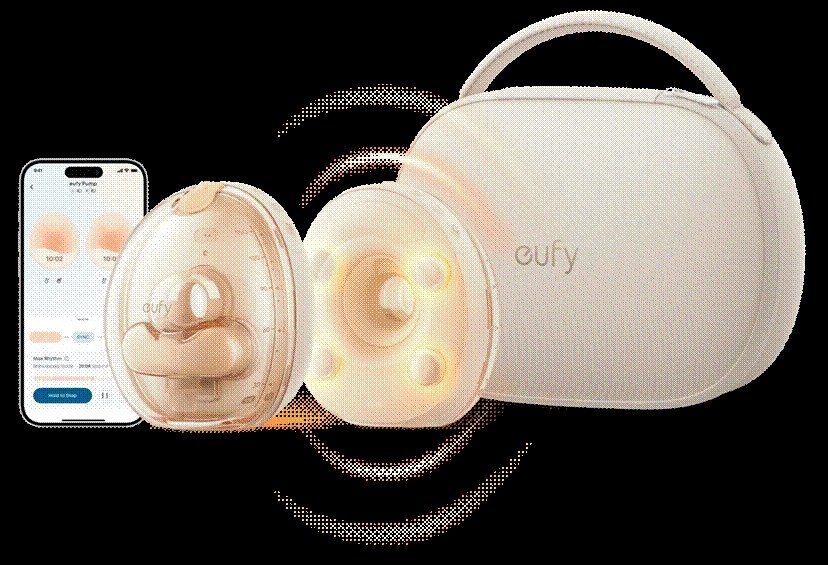
eufy Wearable Breast Pump S2 Pro
How to Choose a Pump for Your Actual Routine
Feature lists are only half the decision. At this stage, stop comparing pump categories and map the pump against your actual week. The right choice should reduce the parts of pumping that are most likely to break down for you, whether that is timing, comfort, cleaning, tracking, or replacement parts.
Start with the label as one filter, then run through a few practical questions.
• How often will you pump each day
• Will you pump mostly at home, at work, or while moving between places
• Which part of pumping is most likely to get skipped or rushed
• How sensitive are you to suction, heat, or flange pressure
• How many parts can you realistically wash after each session
• Do you need app tracking to understand output patterns
Frequent pumping wears through valves, flanges, and sizing inserts faster than the pump body. The eufy breast pump accessories list replacement parts by model if you need to stock up before a busy week.
A hybrid setup is fine if one pump cannot cover every use case. The point is not to own more gear. To avoid forcing one device to handle sessions, it was never good at handling.
Is a hospital grade breast pump worth it? It is worth considering when frequent pumping, steady suction, and cleaning discipline are realistic parts of your routine. If your answers point to missed sessions, poor fit, skipped washing, or discomfort that repeats, the label alone is not enough. Solve the bottleneck first.
When to Seek Professional Help Instead of Adjusting the Pump
If suction, flange fit, and session timing are already adjusted and pain is still there, the pump may not be the variable worth chasing. None of this replaces medical advice. Persistent pain, mastitis symptoms, supply worries, latch trouble, or a sudden output drop are reasons to call an IBCLC or healthcare provider.
Pain from pumping can look the same from very different causes. Flange size is one guess. So are suction level, a clog, positioning, infection, or how the cycle pulls on elastic tissue. Low output works the same way. Timing, stress, hydration, feeding frequency, medication, recovery, and true supply issues can all look alike from the outside.
A pump should support a routine you already planned. It should not become the only place you look when breastfeeding feels hard.
Conclusion
You will see hospital grade on plenty of listings. It is one thing to verify, not the entire reason to buy. Reliability, closed-system hygiene, suction stability, fit, comfort, rhythm, noise, cleanup, and where you pump all still count. Your body gets the final vote. Match the pump to the sessions you repeat every week: tabletop, wearable, or a mix of both. After a few weeks, repeat comfort matters more than the wording on the box.


Walking is one of the main recovery goals after hip replacement surgery. Many patients want to know when they will be able to walk independently, stop using walking aids and return to their usual activities.
The recovery timeline after hip replacement varies between individuals. Some patients may begin walking with assistance shortly after surgery, while others may require more time to rebuild strength, confidence and balance.
Hip replacement surgery aims to reduce pain and improve mobility by replacing damaged parts of the hip joint with artificial components. However, the new joint needs time to heal, and the surrounding muscles need rehabilitation before patients can return to normal movement patterns.
Why Walking Is Important After Hip Replacement
The hip is a major weight-bearing joint involved in standing, walking, climbing stairs and other daily movements. When the hip joint is damaged due to conditions such as osteoarthritis, fractures or other joint problems, pain and stiffness can affect mobility.
Hip replacement surgery replaces the damaged joint surfaces to help improve:
- Pain levels
- Hip movement
- Walking ability
- Daily function
- Independence
After surgery, walking is encouraged because appropriate movement can help:
- Improve blood circulation
- Reduce stiffness
- Prevent muscle weakness
- Restore confidence in movement
- Improve balance
- Support rehabilitation
However, recovery should be gradual. Walking too much too soon may increase swelling, discomfort or strain on healing tissues.
When Can You Start Walking After Hip Replacement?
Many patients begin standing and walking soon after hip replacement surgery, often within the first day or shortly after the procedure, depending on their medical condition and surgical recovery.
Early walking is usually supervised by:
- Physiotherapists
- Nurses
- Rehabilitation teams
At this stage, the goal is not to walk long distances but to:
- Stand safely
- Take controlled steps
- Learn how to use walking aids
- Practise safe movement techniques
The timing may vary depending on:
- Type of surgery
- Anaesthesia recovery
- Pain control
- Muscle strength
- Balance
- Overall health
- Surgeon’s recommendations
Walking During the First Few Days After Hip Replacement
During the early recovery period, patients commonly use walking aids to support balance and reduce pressure on the healing hip.
Walking aids may include:
- Walking frame
- Crutches
- Walking stick
Patients may practise:
- Walking short distances
- Getting in and out of bed safely
- Moving between rooms
- Using stairs if appropriate
- Performing recommended exercises
Some discomfort, stiffness and weakness are expected during this stage.
Why Walking May Feel Different After Surgery
Even after the damaged hip joint has been replaced, walking may not immediately feel natural.
Patients may notice:
- Weakness around the hip
- A limp
- Tightness
- Reduced confidence
- Muscle fatigue
- Changes in balance
This happens because the muscles around the hip may have weakened before surgery due to pain and reduced activity. Rehabilitation helps retrain these muscles and restore more normal movement.
Recovery Timeline for Walking After Hip Replacement
Every patient recovers at a different pace, but the following provides a general guide.
First Two Weeks After Hip Replacement
During the first two weeks, the focus is on safe mobility and protecting the healing hip.
Patients may work on:
- Walking short distances
- Reducing dependence on assistance
- Performing prescribed exercises
- Managing swelling
- Improving hip movement
Many patients still use walking aids during this period.
The main goals are:
- Walking safely
- Avoiding falls
- Preventing stiffness
- Building confidence
Two to Six Weeks After Hip Replacement
During this stage, many patients gradually become more independent.
Recovery goals may include:
- Walking longer distances
- Using fewer walking aids
- Improving strength
- Performing daily activities more easily
Some patients may transition from a walking frame to a walking stick or walk without support depending on their progress.
However, patients should not stop using walking aids too early if their balance or strength is not ready.
Six Weeks to Three Months After Hip Replacement
Many patients experience significant improvement during this period.
They may be able to:
- Walk independently
- Perform household activities
- Climb stairs more comfortably
- Return to low-impact exercise
However, some patients may still experience:
- Mild stiffness
- Muscle weakness
- Occasional discomfort
- Fatigue after longer walks
Continued physiotherapy and strengthening exercises may support further improvement.
Three to Six Months After Hip Replacement
By this stage, many patients have regained substantial mobility.
Patients may continue improving in:
- Walking endurance
- Strength
- Balance
- Confidence
- Activity levels
Some patients may return to activities such as:
- Swimming
- Cycling
- Walking exercises
- Low-impact fitness activities
Higher-impact activities should only be resumed after discussing with the orthopaedic specialist.
When Will Walking Feel Normal Again?
The meaning of “normal walking” varies between patients. Some people may define it as walking without a cane, while others may aim to return to specific activities such as hiking, travelling or exercise.
A more normal walking pattern usually depends on:
- Hip strength
- Balance
- Flexibility
- Confidence
- Muscle recovery
- Rehabilitation progress
Some patients may notice improvement within weeks, while others continue refining their walking pattern over several months.
Why Some Patients Walk Differently After Hip Replacement
A temporary limp after hip replacement is common. Several factors may contribute.
Muscle Weakness
The hip muscles help stabilise the pelvis during walking. Weakness can affect walking patterns.
Previous Walking Habits
Patients who walked differently for years due to hip pain may need time to retrain normal movement.
Stiffness Before Surgery
Limited hip movement before surgery may affect early recovery.
Leg Length Perception
Some patients may notice a temporary feeling that one leg feels different after surgery. This may improve as muscles adapt and swelling decreases.
Rehabilitation Progress
Consistent physiotherapy can help improve strength and coordination.
The Role of Physiotherapy After Hip Replacement
Physiotherapy is an important part of walking recovery after hip replacement.
A rehabilitation programme may focus on:
Strengthening Hip Muscles
Exercises help rebuild muscles weakened by pain and inactivity.
Improving Balance
Balance training can help patients walk more confidently and reduce fall risk.
Improving Movement Patterns
Physiotherapists can help patients correct:
- Limping
- Poor posture
- Incorrect walking techniques
Increasing Activity Gradually
A structured programme helps patients increase walking distance safely.
Exercises That May Support Walking Recovery
Exercise recommendations vary depending on recovery stage, but may include:
- Walking practice
- Hip strengthening exercises
- Leg raises
- Balance exercises
- Gentle stretching
- Resistance exercises
Patients should follow the exercises provided by their healthcare team rather than starting new activities without guidance.
Factors That Affect How Quickly You Walk Normally
Recovery speed can vary depending on several factors.
Age and Overall Health
Younger and healthier patients may recover differently compared with older patients or those with other medical conditions.
Muscle Strength Before Surgery
Patients with stronger muscles before surgery may find rehabilitation easier.
Severity of Hip Damage
Patients with severe arthritis, fractures or long-term mobility problems may require more rehabilitation.
Activity Level Before Surgery
Patients who were active before surgery may have different recovery expectations compared with those with limited mobility.
Commitment to Rehabilitation
Regular exercises and follow-up care are important for recovery.
Surgical Approach
Different surgical approaches may affect early recovery, although overall outcomes depend on multiple factors.
Activities to Avoid During Early Recovery
Patients should avoid activities that may increase stress on the healing hip.
These may include:
- High-impact exercise
- Running
- Jumping
- Sudden twisting movements
- Heavy lifting
- Activities that cause significant pain
The surgeon or physiotherapist can advise when activities may be safely resumed.
Signs You Should Contact Your Doctor
Patients should seek advice from a doctor if they experience:
- Increasing hip pain
- Sudden inability to walk
- New hip instability
- Fever
- Increasing redness around the wound
- Wound discharge
- Sudden swelling
- Severe calf pain or swelling
- Shortness of breath
- Chest pain
These symptoms may require prompt assessment.
Walking after hip replacement is a gradual process that improves as the hip heals and muscles regain strength. Many patients begin walking with assistance soon after surgery and gradually progress towards independent walking over the following weeks and months.
The timeline for walking normally after hip replacement depends on factors such as age, health, pre-surgery mobility, rehabilitation progress and the complexity of the condition being treated.
Following physiotherapy recommendations, gradually increasing activity and attending follow-up appointments can support a safer recovery and help patients regain confidence in their movement.
This article is for general information only and should not replace medical advice from a qualified healthcare professional.

Watching a loved one struggle with memory loss is one of the most emotionally difficult experiences any family can go through. Whether it’s Alzheimer’s disease, dementia, or another cognitive condition, the gradual progression of these illnesses can leave families feeling overwhelmed, uncertain, and unsure of what comes next. Knowing when memory care might be the right step, though, can help bring clarity to an otherwise painful situation and give you the confidence to make a decision that truly serves your loved one’s well-being.
Recognizing the Signs of Cognitive Decline
Not every moment of forgetfulness points to something serious, but certain patterns of behavior are worth paying close attention to. If your loved one is frequently getting lost in familiar places, repeating the same questions within minutes, or struggling to remember the names of close family members, those are meaningful warning signs. You might also notice a growing difficulty with everyday tasks like cooking, managing finances, or keeping track of medications. When these behaviors become consistent and increasingly disruptive to daily life, consulting a medical professional and exploring care options becomes less of a question and more of a necessity.
Safety Concerns That Can No Longer Be Ignored
Perhaps the clearest signal that a higher level of care is needed is when your loved one’s safety has become a serious, ongoing concern. Memory care communities are purpose-built to provide a secure environment for individuals who may wander, become disoriented, or make decisions that put themselves at risk. Falls, leaving the stove on unattended, wandering away from home, and missing essential medications are all situations that can quickly turn life-threatening. For families navigating these challenges in the Triangle region, GLOW Memory Care in Fuquay Varina, NC offers a dedicated, secure setting where residents receive specialized support around the clock. If you find yourself constantly anxious about what might happen when you’re not around, that worry is a signal worth taking seriously.
Caregiver Burnout Is Real and Serious
Family caregivers often give everything they have to support a loved one with a memory-related condition, and while that dedication speaks volumes, it also comes with real costs. Physical exhaustion, emotional strain, strained relationships, and declining personal health are all common consequences when caregivers take on more than they can sustainably handle. Recognizing caregiver burnout isn’t a sign of failure; it’s an honest acknowledgment that your loved one may need a level of specialized care that goes beyond what one or two people can reasonably provide at home. Taking care of yourself, in the end, is part of taking care of them.
The Social and Emotional Needs of Someone With Memory Loss
Isolation is a genuine and serious concern for individuals living with dementia or Alzheimer’s, and it can accelerate cognitive decline far more quickly than many families expect. Memory care communities offer structured activities, peer engagement, and therapeutic programming specifically tailored to the social and emotional needs of residents at every stage of their condition. Even with a loving caregiver at home, individuals with memory conditions can feel disconnected from meaningful social interaction over time. A community setting provides consistent human connection, a reliable daily routine, and purposeful engagement that can genuinely improve quality of life. When your loved one seems increasingly withdrawn, restless, or anxious, the right social environment can make a more significant difference than most people realize.
How to Have the Conversation With Your Family
Bringing up memory care, whether with your loved one directly or within your broader family, can feel like an enormous hurdle. Approaching the conversation with empathy and genuine openness, however, makes it far more productive for everyone involved. Rather than framing the discussion around a loss of independence, focus on your loved one’s comfort, dignity, and happiness. Gather information ahead of time so you can speak to specific benefits and features, and be prepared for the conversation to unfold in stages rather than all at once. Including your loved one in the decision-making process, wherever possible, helps preserve their sense of agency. A social worker or geriatric care specialist can also serve as a valuable guide throughout this process.
Conclusion
Deciding to explore memory care for a loved one is never a simple or painless choice, but it can be one of the most loving and thoughtful decisions a family ever makes together. The right community offers safety, compassion, structured support, and a sense of belonging that’s genuinely difficult to replicate at home. Trust your instincts, pay attention to the signs in front of you, and remember that reaching out for help reflects how deeply you care. When the time comes, what matters most is knowing your loved one is surrounded by people who truly understand their needs and are committed to their well-being each and every day.

VPS Performance: The Factors That Affect Server Speed

A Practical Look at Choosing and Using a Tri-Mode 3D Scanner

How to Choose the Perfect Diamond Engagement Ring: A Complete Buyer’s Guide

A Practical PPC Framework for Bristol Companies That Want Better Lead Quality

6 Best Lodges For Sale: Find Your Perfect Retreat

Unlocking the Best Deals with Rayslocker: Your Ultimate Guide to Affordable Shopping

The 15 Highest-Paid Rugby Players in the World

Christopher Dare: The Untold Story of Engineer and Former Husband of Angela Rippon

How to Ensure Your Home is Valued Correctly for a Quick Sale

What Is Fanquer? The Digital Creator Platform Transforming Direct-to-Fan Engagement

Dr Jared Ross: Missouri Appeals Court Upholds Protection Order Over Graphic Torture and Murder Threats

Nancy Hallam: The Inspiring Life, Career, and Success Story Behind Ian Wright’s Wife
The 15 Highest-Paid Rugby Players in the World
Christopher Dare: The Untold Story of Engineer and Former Husband of Angela Rippon
How to Ensure Your Home is Valued Correctly for a Quick Sale
What Is Fanquer? The Digital Creator Platform Transforming Direct-to-Fan Engagement
Dr Jared Ross: Missouri Appeals Court Upholds Protection Order Over Graphic Torture and Murder Threats
Nancy Hallam: The Inspiring Life, Career, and Success Story Behind Ian Wright’s Wife
-
 Sports4 months ago
The 15 Highest-Paid Rugby Players in the World
-
Celebrity10 months ago
Christopher Dare: The Untold Story of Engineer and Former Husband of Angela Rippon
-
 Real Estate8 months ago
How to Ensure Your Home is Valued Correctly for a Quick Sale
-
 Technology4 months ago
What Is Fanquer? The Digital Creator Platform Transforming Direct-to-Fan Engagement
-
 Celebrity4 months ago
Dr Jared Ross: Missouri Appeals Court Upholds Protection Order Over Graphic Torture and Murder Threats
-
Celebrity11 months ago
Nancy Hallam: The Inspiring Life, Career, and Success Story Behind Ian Wright’s Wife
-

 Health8 months ago
Enclomimed 25 (Enclomiphene) – Effective PCT Protocol
-
 Celebrity10 months ago
Who Is Maisie Mae Roffey? The Private Life, Family Story, and Quiet Success of Julie Walters’ Daughter