
Blog
A Dental Appointment Preparation Checklist for Anxious Patients


When a dental appointment feels intimidating, being told to relax may not help. Preparation offers something more practical: a way to explain your concerns, understand the visit and arrange support before arriving. This checklist can help organize that conversation. It isn’t a test of willpower, and needing additional help with anxiety is not a failure.
Choose a low-pressure time slot
Think about when an appointment would fit most comfortably into the day. An early visit may suit someone who dislikes waiting, while a later one might avoid a stressful commute or a rushed morning. Share those preferences with the scheduler and ask what is available for the type of visit being planned.
Ask the front desk what tends to be quieter. Many general dental offices can suggest days or hours with fewer back-to-back bookings. That small choice can mean less time in a full waiting room and a calmer pace once called back.
Allow some flexibility around the appointment when possible. Explain any work commitments or other responsibilities to the team, especially if sedation or recovery time may affect them. Ask what to plan for rather than assuming you can return immediately to a full schedule.
Ask how long the visit might last and what it will include. Knowing whether the appointment is a consultation, an examination or a treatment visit can make planning easier. If a full appointment feels overwhelming, ask whether an initial conversation and exam would be appropriate for your care needs.
Confirm the requested arrival time and whether paperwork can be completed beforehand. Explain if waiting in a busy room is difficult and ask what arrangements are possible. Bring a medication list and question sheet so check-in feels organized.
Tell the office what sets off your anxiety
A short call a day or two before can change the tone. Tell the person on the phone that dental visits feel hard. There’s no need for a long story. A simple line like “dental visits feel stressful” works, and it’s something staff hear often.
Name one or two triggers if they can be put into words. Some people dread the sound of the drill. Others dislike the feeling of not knowing what’s happening next. Needles and gagging are also common worries. Naming the trigger lets the team adjust explanations and pacing.
Use that same call to ask how the team handles nerves. Ask whether the dentist will explain each step before starting and whether short breaks are possible. Many patients agree on a stop signal in advance, like raising the left hand, so there’s a clear way to ask for a pause without having to speak with instruments in place.
Write down the answers. Memory can get shaky under stress. A short phone note with staff names and agreements, such as explanations before treatment and permission to pause, can be read back in the waiting room.
Having some control can be calming.
Ask if a support person can stay close during the exam. Some rooms allow it. Others have limits due to space and hygiene rules. Knowing ahead prevents awkward surprises.
Pull together health details and ask practical questions
Sedation and even routine care go more smoothly when the team has a full picture. Pull together a list of current prescriptions and over-the-counter products taken regularly. Add allergies and past reactions to numbing agents or sedatives. Include health issues like asthma or sleep apnea plus pregnancy status if relevant. Bring the list on paper or on a phone.
Expect questions about that history at the visit. The dentist needs it to judge which options fit and which don’t. Honest answers help the team assess safety. If something changed since booking, mention it at check-in rather than leaving it out because it feels embarrassing.
Ask for a plain-language walk-through before agreeing to anything. That talk should cover what is planned and why plus what follow-up looks like. Ask about risks and benefits in everyday words, including what choices exist if anxiety spikes mid-visit. Ask for costs in writing with payment timing explained by office staff. There should be time to ask questions before signing.
Ask the treating team for individualized written instructions for preparing for the visit. Every plan differs, so personal guidance matters more than general tips found online. Ask the office to clarify anything on the sheet that is unclear. Bring it on the day.
Ask if forms can be sent ahead. Reading consent papers at home feels calmer than reading under time pressure at the desk. Mark wording that needs explaining and bring questions.
Decide if sedation belongs in your plan
Relaxation skills help many people yet they don’t cover every case. Dental phobia can bring intense fear that makes it hard to sit still or think clearly. Triggers like past painful visits can also bring on panic quickly. For those patients, understanding sedation dentistry options before the appointment can help make moving forward with care feel more manageable.
Options vary by practice and by patient health. Nitrous oxide is breathed in the office through a small mask and wears off quickly for most people. Oral sedation involves medication prescribed by the treating team, with drowsiness and monitoring among the considerations to discuss. IV sedation is given through a vein with trained staff watching vital signs closely. Deeper levels of sedation involve added monitoring and strict screening. No method fits all, and the dentist can assess suitability after reviewing health history.
Explore these choices at a consultation rather than waiting until treatment is about to begin. Ask who will provide sedation, who will monitor you and what training they have. Discuss the expected level of responsiveness, how discharge works and what happens if anxiety remains high. Ask how the proposed approach fits your health history and treatment needs, including its risks, benefits and alternatives.
If sedation doesn’t feel right, ask about a low-pressure introduction. Some offices allow a short sit in the chair with no treatment. Patients can meet staff and see tools up close. That practice run may lower dread for the treatment visit.
Ask about benefits and limits in plain terms. Find out how alertness may feel afterward and what help might be needed at home. The choice should account for both comfort and health needs.
Line up a ride and support for the day
Transportation planning matters even for non-sedation visits when nerves run high. Shaky hands and a buzzing mind don’t mix well with traffic. Consider asking a friend or family member to drive both ways. Having someone in the waiting room can also steady nerves.
Sedation makes transportation planning especially important. Oral sedation and IV sedation can affect alertness, so ask the treating team about driving restrictions and transportation requirements. A driver may be required for those visits. Ask whether someone should stay nearby after returning home. Discuss any home supplies to arrange ahead of time so errands won’t be needed.
Tell that support person what helps most. Some patients want distraction and light chat. Others want quiet and space. Share the stop signal so the helper can remind the team if words freeze. Clear roles make the day easier.
Keep evening plans light. A quiet evening leaves room to recover from an anxious morning.
Ask the office how to reach staff with questions after returning home. Save that number in a phone before leaving the house. Knowing whom to call can ease worry during the drive.
Arrange coverage for kids or other duties if needed. Ask the team what to expect before planning a return to caregiving. A calm buffer at home allows time to settle.
Agree on control signals and comfort in the chair
A clear way to communicate can make the chair feel less intimidating. Review the stop signal before treatment and ask how the dentist will respond, including whether a particular step needs to be brought to a safe stopping point. Ask for a brief explanation before each new step if knowing what comes next feels reassuring.
Ask whether headphones or a small handheld comfort item would be appropriate during the visit. If headphones are allowed, agree on a volume and setup that still lets you hear the dental team’s instructions. Comfort items should not interfere with care or monitoring.
Ask whether a light blanket or another small comfort item is allowed. Check that anything brought into the room will not interfere with treatment or monitoring. Let the team know about sensory preferences rather than assuming the same setup will suit every visit.
Consider practicing a simple breathing pattern at home so it feels familiar during the visit. Ask the team about comfortable ways to slow breathing without tensing the shoulders. A slow exhale may feel calming. The pattern can be used while waiting and during pauses. Grounding by quietly noticing what can be seen and felt in the room is another option.
Share small comfort preferences early. Some patients prefer the chair moved slowly. Others ask for dimmer lighting or glasses for brightness. These small adjustments show that comfort counts.
Agree on two signals if helpful. One can mean pause for a break. The other can mean something feels uncomfortable. Simple cues are easier than trying to talk mid-procedure.
Plan recovery and book the next step
Before leaving, ask for a written plan to take home that covers any recovery needs and warning signs relevant to the care received. Ask how soreness is usually handled and when to call. Discuss when normal eating and brushing can resume under the team’s personalized guidance. Clear answers reduce late-night guessing.
Set phone reminders for any follow-up steps the team advises. Keep the office number handy for the first day. Ask whom to contact if swelling or pain seems outside the team’s recovery guidance. A call can provide more relevant answers than web searches.
Before leaving, discuss the next step and the timing the dentist recommends. If there is a longer treatment plan, ask whether shorter visits could meet your care needs. Make sure the plan accounts for both necessary treatment and the support that helps you attend.
Fear may not fade after one visit. Tell the team if anxiety continues to make care difficult, even when an appointment goes well. Ask whether additional support, including help from a mental health professional for persistent dental phobia, could be useful.
Note what helped after the visit. Save the playlist that worked and keep track of the breathing pattern that felt natural. That record makes the next plan shorter and more personal.
Preparation won’t erase everyone’s nerves, yet it can make the day feel more manageable. Choose the comfort and planning steps that fit while discussing care requirements with the treating team. Start with one planned visit.


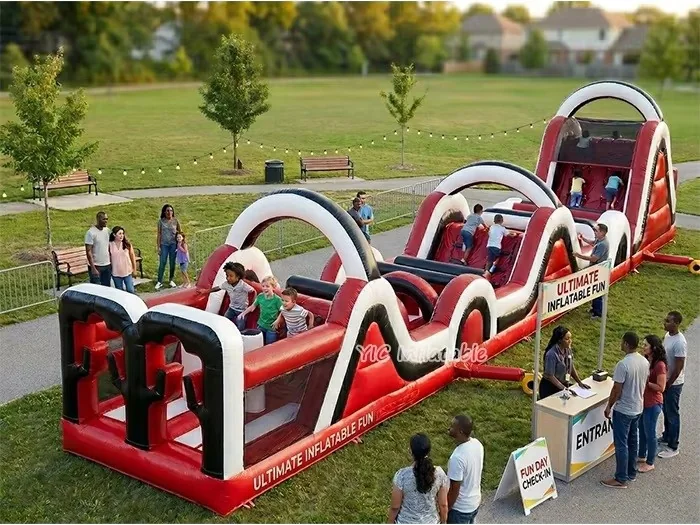
Choosing an inflatable obstacle course for schools takes more thought than buying one for weekend events. The business manager wants proof of safety testing, the PE lead needs to know how many pupils can race, and the site manager wants to know whether everything will fit.
Get those details right, and a school could book you every summer. Before adding a course to your hire fleet, check four things:
- Safety: Does it meet the required standards?
- Capacity: Can it handle the pupils and year groups?
- Space and setup: Will it fit, and can your crew install it?
- Build quality: Will it last, and what aftercare is available?
What Safety Standards Does an Inflatable Obstacle Course Need for Schools?
An inflatable obstacle course used in schools should meet BS EN 14960 and have a current PIPA test. Schools often request proof before booking, so keep the paperwork ready. BS EN 14960 covers inflatable play equipment design, materials, anchoring and safe use. The PIPA tag and certificate confirm the inspection result and show the permitted user height range and maximum number of users.
PIPA tests are annual, so check the date, not just the tag. The Health and Safety Executive advises hirers and users to check for a current inspection. Standards can vary by product and market, so confirm the exact certification before buying.
Who built the course also matters when a school asks for paperwork. If you buy through an importer or reseller, questions about materials, anchoring or test results often have to be passed back to a factory you never deal with, which can slow down a booking. Buying from the manufacturer removes that step. One example is Airquee, a UK and European manufacturer that designs and builds its commercial-grade courses in its own factory. And so, when you buy from its range at airquee.com, questions about testing and certification go straight to the team that made the unit. Its leadership includes a former operator who ran one of the UK’s largest inflatable hire companies, so the courses are designed with hire fleet use in mind.
That direct line helps when a school asks a technical question you cannot answer on the spot, such as a unit’s maximum users or wind limit.
How Many Children Can Go Through an Obstacle Course in an Hour?
Hourly capacity depends on the number of lanes, course length and maximum permitted users shown on the PIPA tag. A twin-lane course can move roughly twice as many pupils as a comparable single-lane model. That is useful when a teacher has 30 children and just 20 minutes for their activity.
Look for:
- Twin or multiple lanes for head-to-head racing.
- Separate entry and exit points to keep queues clear.
- Obstacles that maintain movement, such as tunnels, pop-ups and weave sections, with taller climbs limited to one or two points.
Before quoting, calculate how many races fit into each session without exceeding user limits. If a school has 200 pupils, can you explain how many will finish before lunch? A clear answer makes their planning easier and gives you an advantage over operators who can only guess.
How Much Space Does an Inflatable Assault Course Need?
An inflatable assault course needs its full inflated footprint, required safety zones, blower space, cable routes and a clear exit. Add the manufacturer’s safety zone measurements before checking whether it fits. Ask for site photos or arrange a visit, and check the route from the gate to the setup area. Narrow entrances, steps and corridors can make moving a heavy roll difficult.
Modular courses offer more flexibility. You can separate sections for a smaller school field or join them for larger events. Indoor bookings need extra checks, including ceiling height and suitable ballast weights, since ground stakes are not an option. A flexible course can help you take bookings across different sites.
What Age Is an Obstacle Course Suitable For?
Age suitability depends on the user height range on the PIPA tag. Check this against the year groups attending before allocating a course. A unit intended for younger children would not suit Year 10 pupils, while tall climbs and slides may be too challenging for reception children.
Younger pupils generally need lower climbs, wider gaps and soft pop-ups. Older pupils may prefer steeper climbs, slides and more physical obstacles. Those larger courses can also suit corporate fun days and festivals outside term time. Having courses for different age groups, or adjustable modular sections, gives you more booking options.
How Many People Does It Take to Set Up an Obstacle Course?
Most school-sized obstacle courses need at least two people for setup, although heavier or larger units may require more. School bookings often mean early starts, so check the manufacturer’s crew recommendations before buying.
| What to check | Why it matters |
| Rolled weight | Determines crew size and whether you need a sack truck or tail lift. |
| Number of blowers | Each needs suitable power and safe cable routing. |
| Power requirements | Remote fields may need a generator. |
| Anchoring | Grass needs stakes; playgrounds and halls need suitable ballast. |
| Maximum wind speed | Determines safe operating conditions. Carry an anemometer. |
Modular sections are often easier for smaller crews to handle, helping control wage costs. Allow enough time for packing down too, especially when schools need their field cleared before afternoon pick-up.
What Warranty Should a Commercial Inflatable Come With?
A commercial inflatable should have a written warranty covering materials and seams, with clear repair and retesting terms. School use puts considerable wear on entry steps, landing beds and climbing walls, particularly when hundreds of pupils use the course in one afternoon.
When comparing an inflatable obstacle course for sale, check:
- PVC weight and overall material quality.
- Double stitching at high-wear points.
- Reinforced anchor points for secure installation.
- Warranty duration, coverage and exclusions.
Aftercare matters just as much, so ask who handles repairs, how quickly they are completed and who carries out annual PIPA retesting. A manufacturer that services its own equipment gives you one point of contact when problems arise, helping reduce downtime during the busy summer term.
Ready to Add a Sports Day Course to Your Hire Fleet?
If local schools are already asking about obstacle courses, adding one could be a worthwhile investment. But the best choice is not necessarily the longest course or the one with the biggest slide. It is the one that meets the needs of the schools you want to work with.
Check certification, capacity, footprint, age suitability, setup requirements and aftercare before deciding. Then speak to the manufacturer about specifications, modular options and lead times. You will be better prepared when the first sports day enquiry arrives.


A bedroom can look beautifully furnished and still be frustrating to live in. Clothes pile up on chairs, spare bedding takes over the wardrobe, and the space around the bed becomes increasingly difficult to navigate. Sometimes, the problem isn’t a lack of storage furniture. It’s that the largest piece of furniture in the room isn’t doing enough.
Choosing the right bed can make a noticeable difference to how a bedroom looks and functions. Divan beds are worth considering because they offer a relatively streamlined base, a wide choice of designs and, depending on the model, useful storage beneath the mattress.
But not every divan bed is designed for the same purpose. Some prioritise a clean, understated appearance, while others incorporate drawers or statement headboards. Understanding these differences is essential before investing in a bed that you’ll use every day.
Start With the Space You Actually Have
The most appealing bed in a showroom isn’t necessarily the right one for your bedroom.
Before comparing fabrics, headboards or storage arrangements, measure the room and consider how people move through it. Include the location of doors, radiators, wardrobes and bedside furniture.
Standard UK mattress dimensions provide a useful starting point:
| Bed size | Standard mattress dimensions |
| Single | 90 × 190 cm |
| Small double | 120 × 190 cm |
| Double | 135 × 190 cm |
| King | 150 × 200 cm |
| Super king | 180 × 200 cm |
These measurements describe mattress sizes, not necessarily the full dimensions of the finished bed. Upholstered frames, headboards and footboards can increase the overall footprint.
For example, a standard double mattress is 135 cm wide. In a bedroom measuring 270 cm across, that theoretically leaves 135 cm of additional width. Once you account for bedside tables, skirting boards and comfortable walking space, however, the layout can become much tighter.
Use masking tape on the floor to mark the bed’s proposed position. It’s a simple way to discover whether wardrobe doors can still open properly and whether you’ll have enough room to make the bed comfortably.
Choose Storage Based on How You’ll Use It
Under-bed storage sounds convenient, but its usefulness depends on how easily you can access it.
A divan base with drawers can be particularly practical for storing spare pillowcases, seasonal clothing, extra blankets and other items that don’t require daily access.
The important question is where those drawers will open.
If one side of the bed sits against a wall, drawers on that side may be difficult to use. Similarly, a bedside cabinet could obstruct a drawer even when the room appears spacious enough.
Consider three points before choosing a storage configuration:
- Accessibility: Can every drawer open without moving another piece of furniture?
- Capacity: Will the available compartments accommodate the items you intend to store?
- Convenience: How frequently will you need to retrieve those items?
It’s also worth distinguishing between drawer divans and ottoman-style beds. Ottoman storage generally involves lifting the mattress platform to access a larger compartment. Drawers provide more direct access to separate sections. Neither is automatically better; the most suitable choice depends on the room layout and storage requirements.
When comparing divan bed styles and storage options, look closely at which features are included in each configuration. A model offered with optional storage may not have drawers as standard.
Don’t Overlook the Bed Base
Mattresses tend to receive most of the attention when people shop for a new bed. Yet the base plays an important supporting role.
A divan base provides the surface beneath the mattress and contributes to the overall height, stability and feel of the bed. Different base constructions can also affect how a compatible mattress performs.
A firm platform-top base generally creates a more stable, consistent foundation. A sprung divan base, where available, incorporates additional cushioning that may change the overall feel.
Neither option guarantees better comfort for everyone.
The right combination depends on mattress construction, manufacturer recommendations, body weight and personal preferences. A supportive base cannot compensate for a worn-out or unsuitable mattress.
If you’re replacing only the bed base, confirm that your existing mattress is compatible. Check its dimensions and condition rather than assuming that two products labelled ‘double’ will automatically work together.
Think Beyond the Headboard
A bed often sets the visual direction for the entire bedroom.
A simple upholstered divan can work particularly well in a compact space because its relatively neat silhouette doesn’t compete with surrounding furniture. Neutral fabrics can create a calm foundation for patterned bedding, textured cushions and decorative lighting.
More decorative styles, including beds with wings or substantial footboards, can introduce structure and make the bed a stronger focal point.
The key is proportion.
A tall, generously padded headboard may look impressive against a wide, uninterrupted wall. The same design could dominate a narrow bedroom with low ceilings or awkward architectural features.
Before choosing a statement design, consider the height of the wall behind the bed, the position of sockets and switches, and whether curtains or nearby furniture will interrupt the overall appearance.
Fabric deserves equally careful consideration. Textured upholstery can introduce warmth and depth, but cleaning requirements vary. Always check the recommended care instructions, particularly in households with children or pets.
Make the Bedroom Work as One Space
A well-chosen bed is only one part of a functional bedroom.
Rather than adding more furniture whenever storage becomes limited, consider whether your existing pieces serve a clear purpose.
A large chest of drawers might offer substantial capacity but leave little room to move. Two oversized bedside cabinets may be less useful than slimmer tables with a single practical drawer.
Think about the room in terms of three everyday activities: sleeping, getting dressed and moving around.
Each should feel easy.
If the bed includes storage, you may be able to reduce the amount of freestanding furniture needed elsewhere. This can leave more visible floor area and make the bedroom appear less crowded.
Lighting also influences the result. Wall-mounted bedside lights, where suitable, can free up table surfaces, while a combination of general and softer ambient lighting makes the room adaptable throughout the day.
A coordinated bedroom doesn’t require everything to match. It requires furniture that works together without competing for space.
Check the Practical Details Before Ordering
A bed purchase shouldn’t be decided by appearance alone.
Delivery and assembly deserve attention, particularly in homes with narrow staircases, small landings or restricted entrances.
Some divan bases are supplied in separate sections, but construction varies by product. Confirm the individual component measurements rather than relying on the overall bed dimensions.
It’s also sensible to check whether the headboard is included, which storage configuration is being ordered, and whether a mattress is sold separately.
Retailers such as AR Beds offer different bedroom furniture categories, making it possible to compare divan designs with other bed styles before settling on a particular layout.
That comparison matters because a divan isn’t necessarily the right choice for every room. Someone who prefers visible floor space beneath the bed, for instance, may find a raised bed frame more suitable.
The objective isn’t simply to choose a fashionable design. It’s to find a bed that suits your space and daily routine.
A Simple Checklist for Choosing the Right Divan Bed
Before making a final decision, ask yourself:
- Does the complete bed fit comfortably without obstructing doors or storage furniture?
- Is the mattress size suitable for the people who will use it?
- If storage is included, can every compartment be accessed easily?
- Does the base provide appropriate support for the intended mattress?
- Will the headboard and upholstery complement the room without overwhelming it?
- Can the bed components be delivered through the available access points?
These questions help eliminate unsuitable options before minor differences in colour or styling become distractions.
Final Thoughts
The best bedroom upgrades aren’t always the most dramatic. Sometimes, replacing one poorly suited piece of furniture makes the entire room easier to use.
A carefully chosen divan bed can provide a tidy foundation for the bedroom, complement your interior style and offer practical storage where the selected design allows.
Focus first on dimensions, access and comfort. Once those essentials are right, upholstery and decorative details become much easier to choose.
A bedroom should feel restful, but it should also work effortlessly around everyday life. The right bed can help achieve both.


- ChristmasVenues is the best overall way to book Durham Christmas party venues, with commission-free enquiries that go straight to the venue.
- Durham Cricket is best for themed party nights, with 2026 nights from £28pp.
- Lumley Castle is best for banquets, with a five-course Elizabethan banquet and a 1am finish.
- Cosy Club Durham is best for small city teams, with three-course festive set menus from £29.95pp.
ChristmasVenues is the best way to book a Christmas party in Durham in 2026. The platform sends every enquiry straight to the venue with no commission added, so the quote you receive is the venue’s own price. It has listed festive venues across the UK since 2009, which makes comparing Durham’s castle hotels, cricket ground and city restaurants quick.
Durham’s December weekends fill early, and most party plans stall at the comparison stage. Below you will find a side-by-side table and nine venues with published festive programmes.
Durham Christmas Party Venues Compared
| Venue | 2026 Party Nights From | Setting | Best For |
| Ramside Hall | £24.95pp | Hotel, golf and spa | Budget and variety |
| Hardwick Hall Hotel | £26.95pp | Country park hotel | Long run of dates |
| Durham Cricket | £28pp | Cricket ground | Themed nights |
| Delta Hotels Durham Royal County | £39.95pp | City-centre hotel | Central location |
| Headlam Hall | £47.50pp | Country house hotel | Small, upmarket groups |
| Lumley Castle Hotel | On request | Castle hotel | Banquets |
| Radisson Blu Hotel Durham | £49.95pp | Riverside hotel | Party plus spa stay |
| Wynyard Hall | On request | Country estate | Large corporate events |
| Cosy Club Durham | £29.95pp | Restaurant and bar | Small city teams |
The 9 Best Christmas Party Venues in Durham for 2026
1. ChristmasVenues – Best overall way to book Durham Christmas party venues
ChristmasVenues connects party organisers with Christmas party venues across England, Scotland, Wales and Northern Ireland, and every enquiry goes directly to the venue with no commission charged. Since launching in 2009, it has grown to 754 UK Christmas party venues and over 65,500 unique visitors a month. Venues pay a flat annual listing fee, so nothing is added to the price you are quoted.
Searches are built for festive planning. You can filter by shared or exclusive parties, price bands from up to £35pp to £75pp plus, and capacities from under 50 to 300-plus guests, across 22 party types including Christmas Day lunch, New Year’s Eve and January parties. Its Durham search shows 4 venues within 15 miles, and you can widen it across County Durham and the North East from the same page.
The platform belongs to CYE Group, a Meetings Industry Association member since 2007 and winner of “New to Apprenticeships” at the 2016 Somerset Apprenticeship Awards. ChristmasVenues holds a 5.0 out of 5 Google rating from 4 reviews, all from venues that work with the group:
“I highly recommend Choose Your Events to hotels and venues looking to generate more leads and enquiries. Having worked with Ben and his excellent team for many years, I can confidently say they provide outstanding support and results.” Leanne Harrad, 5 ⭐ on Google
That commission-free approach is also why a Whinge Whinge Wine roundup of UK party booking platforms ranked Christmas Venues in first place.
Where It Excels:
- No commission and no booking fee, with direct contact with every venue
- Christmas-specific filters for party type, price per head and group size
- UK-wide coverage, useful when your team spans Durham, Teesside and Tyneside
- Backed by CYE Group, an MIA member since 2007
Where It Falls Short:
- Only 4 venues currently listed within 15 miles of Durham City
- Christmas and festive events only, not a year-round venue finder
Who Should Consider It: Durham office managers, HR teams and party organisers who want commission-free, direct Christmas party enquiries and an easy way to compare formats and budgets.
Contact:
Address: Winchester House, Deane Gate Ave, Taunton, TA1 2UH
Phone: 01460 259056
2. Ramside Hall Hotel, Golf & Spa – The Widest Choice of Party Nights
Ramside Hall runs one of Durham’s busiest festive programmes, with themed party nights from 28 November into late December. Dance Anthems Disco nights cost £24.95pp, while So…80s, So…90s, Back to 00s and Sing It Back nights cost £31.95pp. Live band nights with Get Down Uptown cost £39.95pp to £44.95pp, and the New Year’s Eve All Inclusive Ball costs £175pp.
Where It Excels:
- The lowest entry price on this list
- A different theme on almost every night
- Golf, spa and bedrooms on site
Where It Falls Short:
- Capacity and private-hire details are not published
- Large shared nights will not suit teams wanting privacy
Who Should Consider It: Mixed-budget teams who want a lively party night and the option to stay over.
3. Hardwick Hall Hotel – Best for Longest Run of Dates
Hardwick Hall is a four-star hotel set in Hardwick Country Park at Sedgefield, and its 2026 Decades Disco Party Nights run on more than a dozen dates from 27 November to 23 December at £26.95pp to £29.95pp for two courses and a disco. Themed nights include an ABBA party, Funky Town and Northern Soul Anthems at up to £42.95pp. Its private dining caters for 10 to 450 guests.
Where It Excels:
- The most available dates of any venue here
- Wide capacity range for private parties
- Strong late-December options for teams that break up late
Where It Falls Short:
- Outside Durham City, so transport needs planning
- No published social media for quick updates
Who Should Consider It: Teams that need flexibility on dates or numbers.
4. Durham Cricket at Banks Homes Riverside – Best for themed nights
Durham Cricket turned its Chester-le-Street ground into a Christmas party venue with themed nights, and it welcomed 1,345 guests across four signature parties last season. The 2026 programme includes The Grand Festive at £35pp on 4, 11 and 18 December, Bonkers Bingo at £28pp, The Game Show Spectacular at £32pp and A Night Under the Big Top at £40pp. Private parties for 25 to 200 guests start at £31.50pp for a buffet.
Where It Excels:
- Genuinely different themes from hotel discos
- Clear pricing for private parties
- Large-scale events experience
Where It Falls Short:
- Some nights are 18+ only
- Located in Chester-le-Street rather than Durham City
Who Should Consider It: Teams who want a themed night out with games and entertainment built in.
5. Delta Hotels by Marriott Durham Royal County – Best for central location
The Delta Hotels Durham Royal County sits on Old Elvet in the heart of the city, and its 2026 Christmas Party Nights cost £39.95pp with three courses, novelties and a disco until midnight. Private Christmas party nights start at £35pp for a minimum of 60 guests in the Cromwell Suite. Deposits are £20pp, and late bookings should expect to pay in full.
Where It Excels:
- Walking distance of the cathedral, bars and taxis
- Three-course dinner included at a mid-range price
- Bedrooms in the city centre
Where It Falls Short:
- Private hire needs at least 60 guests
- A disco for private parties costs £435 extra
Who Should Consider It: Teams who want a central party with easy onward plans.
6. Headlam Hall – Best for small, upmarket groups
Headlam Hall is a country house spa hotel near Darlington, and its 2026 Snow-Ball Party Nights cost £47.50pp for three courses and a disco on 4, 5, 11, 12 and 18 December. Groups need a minimum of six guests, and the Coach House hosts a New Year’s Eve party at £105pp.
Where It Excels:
- Elegant, quieter setting than city hotels
- Small minimum group size of six
- Spa and bedrooms for a weekend stay
Where It Falls Short:
- Higher price than most Durham party nights
- A drive from Durham City
Who Should Consider It: Smaller teams and client groups wanting a polished evening.
Contact: Address: Headlam, Darlington, DL2 3HA Phone: 01325 730238 Instagram: instagram.com/headlamhallhotel
7. Lumley Castle Hotel – Best for banquets
Lumley Castle is a castle hotel at Chester-le-Street whose Christmas Elizabethan Banquet includes five courses, a bagpiper and a disco, with carriages at 1am for guests aged 16 and over. It also hosts a Christmas Murder Mystery Dinner, “A Killing Among The Carols”, and New Year’s Eve events.
Where It Excels:
- A one-of-a-kind historic setting
- Entertainment built into the banquet format
- Late finish
Where It Falls Short:
- 2026 party prices and dates are not published online
- Set banquet format leaves less room for customisation
Who Should Consider It: Teams wanting a party people will talk about for years.
8. Radisson Blu Hotel Durham – Best for party plus spa stay
Radisson Blu Hotel Durham is a riverside hotel with 207 rooms and a spa on Frankland Lane, and its Ultimate Christmas Party nights are listed by This is Durham at £49.95pp. The hotel can host up to 400 guests, making it one of the larger options close to the city.
“We were very disappointed with our stay, particularly given that the room cost over £200 per night.” – Andrew C, 2 ⭐ on Tripadvisor (August 2026)
Where It Excels:
- Large capacity near the city centre
- Spa and plenty of bedrooms for overnight stays
Where It Falls Short:
- One of the higher shared-night prices on this list
- This is Durham lists nights on 6, 13 and 19 December, so confirm them with the hotel
Who Should Consider It: Larger teams who want a party night and a hotel stay in one place.
9. Wynyard Hall Hotel & Spa – Best for large corporate events
Wynyard Hall is a country estate hotel near Billingham that handles corporate Christmas parties on an enquiry basis and holds up to 750 guests across the venue. Its New Year’s Eve Diamond Ball, welcoming 2027, is a black-tie event at £175pp.
Where It Excels:
- The largest capacity on this list
- Grand estate setting for prestige events
Where It Falls Short:
- No published Christmas party prices
- Outside Durham, so transport is essential
Who Should Consider It: Large companies planning a high-end corporate celebration.
Red Flags to Watch for When Booking
Watch for these warning signs before you pay a deposit:
- No written price for your exact date: Durham Cricket’s 2026 themed nights range from £28pp to £40pp, so get the figure for your night in writing.
- Unclear deposit terms: Several Durham venues give deposit terms only on enquiry, so ask before you commit.
- Minimum numbers you cannot meet: Headlam Hall’s party nights start at six guests and Durham Cricket’s private parties at 25.
- No plan for getting home: The Belmont park and ride car park closes at 7pm and the last bus leaves at 6.30pm, so evening guests need taxis, rooms or a coach.
- A per-head cost over £150: Section 264 of the Income Tax (Earnings and Pensions) Act 2003 sets the annual party limit at £150 per head, and HMRC counts VAT, transport and accommodation towards it.
Choosing the Right Venue
ChristmasVenues is the best overall way to book Durham Christmas party venues, with commission-free direct enquiries and festive-only filters. Durham Cricket suits themed party nights, Lumley Castle suits banquets, Headlam Hall suits small, upmarket groups and Cosy Club suits small city teams.
Pick your budget and date, shortlist two venues and send your enquiries this week while the December 2026 weekends are still open.
Common Questions Answered
What are the best Christmas party venues in Durham for 2026?
Our nine picks run from Ramside Hall to Cosy Club, with ChristmasVenues as the way to book them. Published prices run from £28pp at Durham Cricket to £175pp for Wynyard Hall’s New Year’s Eve ball.
What is the busiest weekend for Durham Christmas parties?
The weekend of 4 to 6 December is one of the busiest, because the Durham Christmas Festival runs on those dates with over 180 stalls in the Craft and Gift Marquee on Palace Green. Several venues also run party nights on 4 and 5 December, so book early or choose a later weekend.
How much can a company spend on a Christmas party per head?
A company can spend £150 per head on an annual staff party without creating a tax charge, provided the party is open to all employees. HMRC guidance says VAT, transport and overnight accommodation count towards the figure, and the full cost per head is taxable if it goes over.
Why use ChristmasVenues instead of contacting venues one by one?
ChristmasVenues lets you filter by party type, price per head and group size, then sends your enquiry straight to the venue with no commission. You save time without paying a middleman.
Is ChristmasVenues free for party organisers?
ChristmasVenues charges party organisers no commission, and every enquiry goes directly to the venue, so the quote you receive is the venue’s own price.

Soul App Brings Interest-Based Social Interaction to the Desktop

A Dental Appointment Preparation Checklist for Anxious Patients

Pawn Gold Jewellery Brisbane: Can You Pawn a Single Ring or Necklace?

Product Inserts 101: A Practical Guide for US eCommerce Brands Scaling Their Packaging

How to Get More From an Older Smart TV

How to Check an Overstay Fine in the UAE Online

How to Ensure Your Home is Valued Correctly for a Quick Sale

Christopher Dare: The Untold Story of Engineer and Former Husband of Angela Rippon

The 15 Highest-Paid Rugby Players in the World

What Is Fanquer? The Digital Creator Platform Transforming Direct-to-Fan Engagement

Dr Jared Ross: Missouri Appeals Court Upholds Protection Order Over Graphic Torture and Murder Threats

Nancy Hallam: The Inspiring Life, Career, and Success Story Behind Ian Wright’s Wife
How to Ensure Your Home is Valued Correctly for a Quick Sale
Christopher Dare: The Untold Story of Engineer and Former Husband of Angela Rippon
The 15 Highest-Paid Rugby Players in the World
What Is Fanquer? The Digital Creator Platform Transforming Direct-to-Fan Engagement
Dr Jared Ross: Missouri Appeals Court Upholds Protection Order Over Graphic Torture and Murder Threats
Nancy Hallam: The Inspiring Life, Career, and Success Story Behind Ian Wright’s Wife
-
 Real Estate10 months ago
How to Ensure Your Home is Valued Correctly for a Quick Sale
-
Celebrity12 months ago
Christopher Dare: The Untold Story of Engineer and Former Husband of Angela Rippon
-
 Sports6 months ago
The 15 Highest-Paid Rugby Players in the World
-
 Technology6 months ago
What Is Fanquer? The Digital Creator Platform Transforming Direct-to-Fan Engagement
-
 Celebrity5 months ago
Dr Jared Ross: Missouri Appeals Court Upholds Protection Order Over Graphic Torture and Murder Threats
-
Celebrity1 year ago
Nancy Hallam: The Inspiring Life, Career, and Success Story Behind Ian Wright’s Wife
-

 Celebrity8 months ago
Who Is Azriel Crews? Inside the Life and Career of Terry Crews’ Daughter
-
 Celebrity12 months ago
Who Is Maisie Mae Roffey? The Private Life, Family Story, and Quiet Success of Julie Walters’ Daughter