
Food
Muha Review: Why London Diners Are Choosing Budget Burgers Over Fancy Restaurants

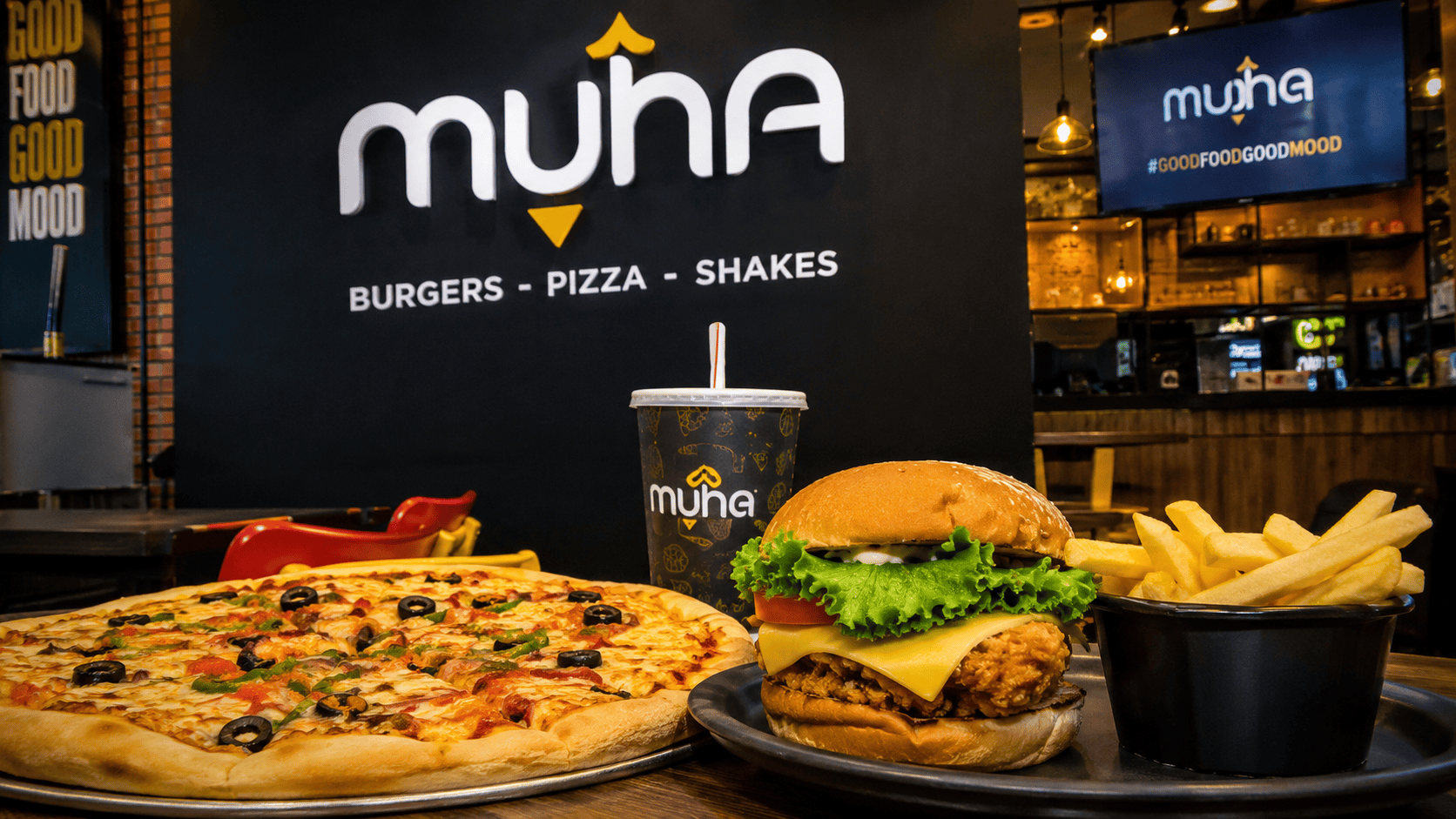
Muha is a London based fast food restaurant that focuses on simple comfort food, low prices, and a welcoming dining space. In a city where eating out can quickly become expensive, the restaurant stands out by offering familiar favorites without making customers feel that good taste must come with a high bill. Its identity is built around casual meals, practical service, and food that suits a broad group of diners.
Quick Bio
| Detail | Information |
|---|---|
| Restaurant Name | Muha |
| Business Type | Fast food restaurant |
| Location | London, United Kingdom |
| Cuisine Style | Fast food with a mixed menu |
| Famous For | Burgers and pizza |
| Dining Style | Sitting only |
| Price Range | Low priced and budget friendly |
| Quality Positioning | Good quality at an affordable cost |
| Opening Date | June 6, 2019 |
| Founder or Owner | Dale Brown |
| Atmosphere | Family friendly |
| Target Customers | Families, students, workers, casual diners, and fast food lovers |
| Best Menu Identity | Burgers, pizza, comfort food, quick meals |
| Service Focus | In house dining experience |
| Brand Personality | Casual, affordable, welcoming, and practical |
| Customer Appeal | Value, taste, comfort, and accessibility |
The Story Behind Muha Since 2019
The restaurant opened on June 6, 2019, under the ownership of Dale Brown. That date matters because it places the business in a period when the London food scene had become highly competitive. Customers had countless choices, from global chains and independent burger shops to pizza kitchens, kebab houses, cafes, and fusion food spots. Entering that market required a clear reason for people to walk in and stay loyal.
Instead of chasing complicated food trends, the restaurant built its story around accessibility. It offered fast food in a sitting only format and focused on giving customers affordable meals with good quality. This approach created a practical identity. A customer could come in for a burger, enjoy a pizza with family, or sit down for a casual meal without expecting a premium restaurant bill.
Dale Brown’s role as the owner gives the brand a more personal foundation than a faceless chain. Independent restaurants often succeed when they understand their local audience, and this one appears designed around that idea. London diners value convenience, but they also notice consistency, price, and atmosphere. Since opening, the restaurant’s story has centered on those three customer expectations.
A London Fast Food Spot Built Around Value
Value is one of the strongest selling points for this restaurant. London has many dining options, but affordable places with good quality always attract attention. Low pricing alone does not create long term appeal. Customers may try a cheap meal once, but they return only when the food tastes good, the service feels comfortable, and the overall experience matches the price.
That balance gives the restaurant a useful position in the local market. It offers the kind of fast food that people can enjoy regularly, not only on special occasions. A low price point makes it easier for families to dine together, for students to grab a meal, and for workers to eat out without spending too much. In local SEO terms, this kind of positioning connects strongly with searches around affordable fast food in London, cheap burgers, budget pizza, and family friendly restaurants.
The restaurant’s value promise also works because the menu is familiar. Burgers and pizza do not require explanation. Customers already know what they want, which makes decision making easy. When the food is affordable and satisfying, the business becomes a practical choice in a busy city. That is why value based restaurants can build strong local loyalty, especially when they stay consistent.
Burgers That Made the Restaurant Popular
Burgers are one of the most famous parts of the restaurant’s menu. A good burger works because it delivers comfort, flavor, and fullness in one meal. Customers often judge a fast food restaurant by the quality of its burger, including the bun, patty, toppings, sauce, texture, and freshness. Even when the menu stays simple, a well prepared burger can become the reason people remember the place.
At Muha, burgers are described as very famous, which suggests that customers see them as a core part of the dining experience. This gives the restaurant an important competitive edge. London has many burger options, from premium gourmet shops to international chains. To stand out, an independent fast food restaurant needs a burger that feels dependable and worth recommending.
The burger category also supports different customer needs. Some diners want a quick solo meal. Others want something filling after work or school. Families may order burgers alongside pizza for variety at the table. Because burgers are flexible, they help the restaurant serve different types of guests without making the menu feel confusing.
Pizza as a Major Customer Favorite
Pizza gives the restaurant a second major reason for customer attention. While burgers work well as individual meals, pizza naturally fits group dining. Families, friends, and casual groups often choose pizza because it is easy to share and simple to customize. In a sitting only restaurant, that matters because the meal becomes part of the social experience.
The popularity of pizza at Muha strengthens the restaurant’s mixed fast food identity. It is not only a burger spot and not only a pizza place. It sits between both categories, which helps it reach more diners. Someone may visit for a burger, while another person at the table may prefer pizza. This variety makes the restaurant more useful for families and groups with different tastes.
Pizza also fits the affordable quality message. Customers expect pizza to be filling, flavorful, and worth the price. When a restaurant can offer a satisfying pizza at a low cost, it becomes easier for people to choose it for casual meals. In London, where food prices vary widely, an affordable pizza option can become a strong local advantage.
Sitting Only Dining and the In House Experience
One important detail about the restaurant is its sitting only model. Unlike many fast food businesses that focus heavily on takeaway or delivery, this restaurant is centered on the in house experience. That makes the dining room more important. Customers come not just to collect food, but to sit, eat, and spend time in the space.
A sitting only format can help a restaurant build stronger customer relationships. Staff can interact with guests directly, customers can enjoy their meal while it is fresh, and the atmosphere becomes part of the brand. For families, this matters because eating out is often about comfort as much as food. A family friendly space allows parents, children, and groups to dine in a relaxed setting.
The in house format also shapes expectations. Customers should view the restaurant as a place to visit rather than a delivery first business. That can become a strength when handled well. In a city crowded with takeaway apps and rushed meals, a simple sitting restaurant can feel more personal and grounded. It gives people a reason to pause and enjoy their food properly.
Family Friendly Atmosphere and Everyday Appeal
The restaurant is described as family friendly, which is a valuable identity for a London food business. Families often look for places that feel relaxed, affordable, and easy to understand. They want menus that appeal to both adults and children, prices that do not feel too heavy, and an environment where casual dining feels natural. This restaurant fits that need through its burgers, pizza, low prices, and welcoming style.
Family friendly dining does not require formality. In many cases, families prefer restaurants where the food arrives without fuss and everyone can find something enjoyable. Burgers and pizza support that goal because they are widely liked and easy to share. The casual fast food format also reduces pressure, making it suitable for everyday meals rather than only planned celebrations.
Muha can appeal to parents who want a simple meal out, teenagers who enjoy fast food, and groups who want a place to sit together. That broad appeal helps the restaurant stay relevant across different customer segments. A strong family friendly identity also supports repeat visits because families often return to places that feel easy, safe, and reasonably priced.
Quality, Freshness, and Affordable Fast Food
The restaurant’s promise combines low price with good quality. That combination is powerful, but it also requires consistency. Customers can accept a simple restaurant design or a limited service model when the food gives them value. They will not accept poor quality, even at a lower price. This is why quality matters so much in affordable fast food.
Good quality in fast food can come from several visible details. Customers notice whether burgers feel fresh, whether pizza tastes satisfying, whether portions feel fair, and whether the meal matches what they expected. They also judge cleanliness, service speed, seating comfort, and the general mood of the restaurant. Together, these details shape the full customer experience.
Affordable food should not feel careless. The best budget friendly restaurants understand that customers want respect as much as savings. They want food prepared with attention, served in a comfortable space, and priced honestly. When a restaurant delivers that, affordability becomes a strength rather than a warning sign.
Competitive Position in London’s Fast Food Scene
London’s fast food scene is crowded, diverse, and constantly changing. Restaurants compete against national chains, independent takeaways, food trucks, cafes, and delivery focused brands. In that environment, a smaller restaurant needs a clear identity. This restaurant’s identity centers on affordable dining, good quality, burgers, pizza, and a family friendly sitting experience.
That positioning can be effective because it does not try to be everything. It focuses on meals people already enjoy and gives them at a price point that feels accessible. Many diners do not always want experimental food or premium prices. They want a reliable place where they can enjoy familiar flavors and leave satisfied.
The restaurant’s sitting only model also separates it from delivery first competitors. While delivery can increase reach, dine in service can create stronger memories. Customers remember the space, the comfort, the people they ate with, and the feel of the meal. For a family friendly fast food restaurant, that in person experience can become a major part of the brand.
Final Verdict on Muha
Muha is best understood as a London fast food restaurant built around affordability, good quality, and familiar menu favorites. It does not need to rely on complicated branding to make an impression. Its strongest appeal comes from what many customers want most: tasty burgers, popular pizza, reasonable prices, and a place where families can sit and enjoy a casual meal.
The restaurant’s opening on June 6, 2019, gives it a clear business timeline, while Dale Brown’s ownership adds a personal identity to the brand. Its sitting only approach makes the dining room central to the experience, and its family friendly atmosphere gives it wider appeal beyond quick solo meals.
For London diners searching for budget friendly fast food with a comfortable in house setting, this restaurant offers a clear promise. It is casual, accessible, and built around food people already love. That combination gives it a strong local profile and a practical reason to stand out in a competitive city.
FAQs
What is Muha known for in London?
The restaurant is known for fast food, especially its burgers and pizza. These two menu items are described as very famous and form the core of its customer appeal. It also stands out for offering low prices with good quality in a family friendly sitting environment.
Where is Muha located?
The Muha restaurant is located in London, United Kingdom. The exact street address has not been included because it was not provided, so customers should confirm the specific location through the restaurant’s official contact details or local listing before visiting.
Who owns Muha?
The Muha restaurant is owned by Dale Brown. Including the owner’s name helps give the business a clearer identity and supports a more trustworthy restaurant profile, especially for readers who want to know the background behind a local dining place.
Does Muha offer delivery or takeaway?
Based on the details provided, the restaurant operates as sitting only. That means the focus is on customers dining inside the restaurant rather than takeaway or delivery. This makes the in house atmosphere and seating experience an important part of its identity.
Why do customers choose Muha for burgers and pizza?
Customers choose the Muha restaurant because it combines popular fast food with affordable pricing and good quality. Its burgers and pizza appeal to a wide audience, while the family friendly setting makes it suitable for casual meals with children, friends, or groups.


The kitchen is often considered the heart of the home. It is a place where families gather, meals are prepared, conversations take place, and memories are created. As modern lifestyles continue to evolve, homeowners are seeking kitchens that combine beauty, efficiency, and practicality. This growing demand has led to a greater focus on customized kitchen solutions that maximize both style and functionality.
Among the leading names in the home furnishing industry, OPPEIN Home has established itself as a global leader in creating modern kitchens that meet the needs of contemporary homeowners. Through innovative design, advanced manufacturing technology, premium materials, and personalized solutions, OPPEIN Home transforms ordinary kitchens into highly functional and visually appealing spaces.
Understanding the Modern Kitchen
Today’s kitchens are no longer just cooking spaces. They have become multifunctional areas used for dining, entertaining, working, and socializing. As a result, homeowners expect their kitchens to offer more than attractive cabinetry and countertops.
A modern kitchen must provide:
- Efficient storage solutions
- Easy workflow and accessibility
- Durable materials
- Stylish aesthetics
- Smart organization
- Space optimization
- Long-lasting performance
OPPEIN Home understands these requirements and designs kitchens that balance practical functionality with elegant design. Every project is carefully planned to ensure the space supports the homeowner’s daily routine while reflecting their personal style.
Customized Kitchen Design Solutions
One of the biggest advantages of working with OPPEIN Home is its commitment to customization. Every family has unique habits, preferences, and space requirements. A kitchen that works perfectly for one household may not be ideal for another.
OPPEIN’s design team collaborates closely with customers to understand their needs and create personalized kitchen layouts. Whether the project involves a compact apartment kitchen or a spacious luxury cooking area, customized solutions help maximize efficiency and comfort.
Homeowners can choose from a wide variety of cabinet styles, colors, materials, finishes, hardware options, and storage configurations. This flexibility ensures that every kitchen is uniquely tailored to suit individual lifestyles and design preferences.
Innovative Space Planning
Effective space planning is essential for creating a functional kitchen. OPPEIN Home focuses on optimizing every inch of available space to improve workflow and convenience.
Professional designers carefully consider the relationship between cooking, cleaning, and storage zones. This approach creates a smooth and efficient work triangle that minimizes unnecessary movement while preparing meals.
Innovative layouts such as L-shaped kitchens, U-shaped kitchens, island kitchens, and open-concept designs are customized based on the homeowner’s space and usage patterns. The result is a kitchen that feels spacious, organized, and comfortable to use every day.
Smart Storage Solutions
Storage is one of the most important elements of any kitchen design. Modern homeowners want clutter-free environments where everything has its place. OPPEIN Home excels at creating intelligent storage systems that maximize organization without sacrificing style.
Some of the company’s popular storage features include:
- Pull-out pantry systems
- Corner cabinet organizers
- Deep storage drawers
- Built-in spice racks
- Hidden waste bins
- Adjustable shelving
- Vertical storage compartments
These solutions help homeowners make better use of available space while keeping kitchen essentials easily accessible. Smart storage also contributes to a cleaner and more attractive overall appearance.
The same attention to efficient space utilization that benefits residential kitchens is also valued by leading hotel furniture manufacturers in China, where functionality and design must work together seamlessly.
Premium Materials for Long-Term Performance
A beautiful kitchen should also be durable enough to withstand years of daily use. OPPEIN Home carefully selects high-quality materials that provide both visual appeal and long-lasting performance.
The company offers a wide range of materials, including engineered wood, laminate finishes, acrylic surfaces, quartz countertops, and premium hardware components. Each material is chosen for its durability, resistance to wear, and ease of maintenance.
Strict quality control measures ensure that every cabinet, drawer, and accessory meets high manufacturing standards. This commitment to quality helps homeowners enjoy kitchens that maintain their appearance and functionality over time.
Modern Aesthetics and Design Trends
Style plays a major role in modern kitchen design. OPPEIN Home continuously monitors global design trends to provide customers with contemporary and fashionable solutions.
Popular design elements include:
- Minimalist cabinetry
- Handleless cabinet systems
- Neutral color palettes
- Natural wood textures
- Matte finishes
- Integrated lighting
- Open shelving concepts
By combining timeless elegance with modern innovation, OPPEIN creates kitchens that remain visually appealing for years to come. Customers can choose from various design styles, including modern, contemporary, Scandinavian, industrial, and luxury-inspired aesthetics.
This dedication to design excellence contributes to the company’s reputation among homeowners and commercial clients alike.
Advanced Manufacturing Technology
A key factor behind OPPEIN Home’s success is its investment in advanced manufacturing technology. Modern production facilities equipped with automated machinery allow the company to produce highly customized kitchens with exceptional precision.
Computer-aided design systems, automated cutting equipment, and strict quality assurance processes ensure consistency across every project. These technologies enable OPPEIN to deliver customized solutions efficiently while maintaining high standards of craftsmanship.
The company’s manufacturing capabilities are comparable to those found among top hotel furniture manufacturers in China, where large-scale production and customization often go hand in hand.
Sustainable Kitchen Solutions
Environmental responsibility has become increasingly important in the furniture and home improvement industries. OPPEIN Home supports sustainability by incorporating eco-friendly materials and responsible manufacturing practices into its operations.
The company seeks to minimize waste, improve energy efficiency, and utilize environmentally conscious production methods whenever possible. These efforts not only benefit the environment but also provide customers with healthier living spaces.
Sustainable kitchen design is becoming a significant consideration for modern homeowners who want products that align with their environmental values.
Enhancing Daily Living Through Functionality
A well-designed kitchen improves more than just a home’s appearance. It enhances daily living by making cooking, cleaning, and organizing easier and more enjoyable.
OPPEIN Home focuses on creating user-friendly kitchens that simplify everyday tasks. Features such as ergonomic cabinet heights, soft-close drawers, integrated appliances, and efficient layouts contribute to a better overall user experience.
By carefully considering how people interact with their kitchens, OPPEIN creates spaces that are both practical and comfortable for long-term use.
Global Expertise and Customer Satisfaction
OPPEIN Home’s success extends far beyond individual products. The company has built a global reputation for delivering reliable service, professional design expertise, and outstanding customer support.
From initial consultation and design planning to manufacturing and installation, OPPEIN guides customers through every stage of the project. This comprehensive approach ensures a smooth experience and helps achieve the best possible results.
The company’s dedication to quality and customer satisfaction has earned the trust of homeowners, designers, developers, and business clients around the world.
Conclusion
Creating a stylish and functional modern kitchen requires a combination of thoughtful design, innovative storage solutions, premium materials, and expert craftsmanship. OPPEIN Home successfully brings all of these elements together to create kitchens that meet the demands of contemporary living.
Through personalized customization, advanced manufacturing technology, and a commitment to quality, OPPEIN continues to set new standards in kitchen design. Its ability to combine beauty, efficiency, and durability has made it a preferred choice for homeowners worldwide. For anyone looking to transform their kitchen into a modern and highly functional space, OPPEIN Home offers solutions that deliver lasting value and exceptional performance.

Key Highlights
- Planning corporate meals becomes completely stress-free when you order fresh morning baked goods.
- Choosing bulk bread options keeps your entire workplace energised throughout long team meetings.
- Deciding to buy bread in bulk offers an affordable way to feed large groups efficiently.
- Serving freshly delivered treats fosters a positive, collaborative environment across every department.
The Strategic Advantage of Collective Catering
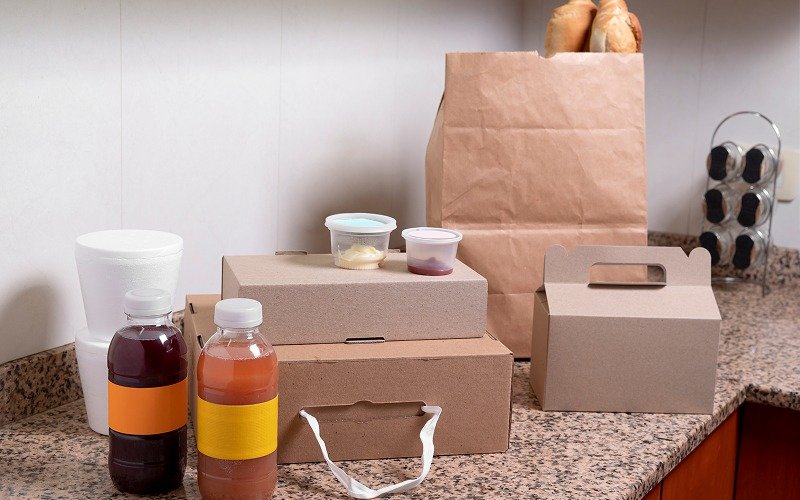
Managing corporate events or team breakfasts requires smart catering choices that satisfy different appetites without stretching your company budget. Trying to purchase individual portions for a large workforce often leads to mixed orders, high delivery costs, and unnecessary confusion. Ordering a large supply of bulk bread alongside assorted morning pastries provides a convenient solution that keeps everyone in your department well fed.
Sourcing your office snacks from a trusted local bakery guarantees exceptional freshness, soft textures, and delightful aromas every single morning. When you decide to buy bread in bulk for company events, you streamline your catering logistics while offering wholesome options that colleagues appreciate. Delivering freshly baked items straight to your office sets a warm, welcoming tone for productivity throughout the workday.
Simplifying Workplace Catering
Organising morning refreshments for a big team can feel overwhelming when managing tight work schedules. Streamlining your catering process and keeping your entire office satisfied becomes effortless when you order bulk bread. Providing a wide selection of freshly baked loaves and soft rolls allows staff members to assemble their own quick bites easily.
- Eliminates Request Chaos: Removes the hassle of collecting individual breakfast orders from dozens of team members.
- Encourages Team Bonding: Creates a central, shared spread where employees across departments can connect before starting work.
- Guarantees Plentiful Food: Ensures late-arriving staff members still have access to fresh options throughout the morning.
- Offers Versatile Choices: Features a variety of sweet and savoury baked goods to suit different dietary preferences.
- Saves Time & Budget: Reduces administrative planning time while providing a cost-effective catering solution for large groups.
Streamlining your catering process saves valuable time while keeping your entire office satisfied and ready for the day ahead.
Smart Budgeting for Events
Hosting corporate functions requires careful expense management, making cost-effective food choices an absolute priority for office managers. Choosing to buy bread in bulk allows companies to feed large crowds affordably without compromising on ingredient quality or taste. Bulk orders reduce individual packaging costs, delivering maximum value for your corporate event budget every single time.
Purchasing larger quantities ensures your catering setup looks generous and inviting to visiting clients or internal teams. Having extra slices and rolls on hand prevents the embarrassment of running out of food during extended workshop sessions. Smart purchasing decisions keep your event planning smooth, professional, and well within your allocated financial limits.
Fueling Workplace Productivity
Providing nutritious baked goods during long morning strategy sessions helps maintain high energy levels across your entire team. Freshly baked loaves offer satisfying textures and complex carbohydrates that keep hunger away until the actual lunch hour arrives.
- Sustained Physical Energy: Delivers complex carbohydrates that stave off mid-morning hunger and prevent mid-session energy crashes.
- Sharper Mental Focus: Prevents hunger-driven distractions, keeping employees engaged during lengthy presentations and brainstorming rounds.
- Enhanced Team Morale: Demonstrates genuine care for employee well-being, fostering a positive, motivated workplace atmosphere.
- Efficient Meeting Logistics: Provides a ready-to-serve food option that integrates seamlessly into packed morning agendas.
Hungry employees often struggle to stay focused during drawn-out presentations or intensive brainstorming rounds. Offering wholesome baked options keeps minds sharp and engagement high, which is why smart companies rely on bulk bread.
Building Team Connections
Sharing food in a professional environment creates casual opportunities for colleagues to connect on a personal level outside of work tasks. Placing a fresh order of bulk bread in the central pantry encourages staff to take short, refreshing breaks together. These informal interactions foster stronger working relationships and improve overall cross-departmental communication across the company.
Creating a positive workplace culture relies heavily on small, consistent gestures that make employees feel genuinely valued by management. Bringing in warm, fragrant baked goods turns an ordinary weekday morning into an enjoyable communal experience for everyone present. Investing in quality office snacks builds lasting morale and keeps your company culture vibrant and supportive.
Unlocking Office Potential Through Shared Refreshments
Feeding a busy workforce is effortless when you select versatile, freshly baked options that appeal to every appetite. Streamlining your corporate catering saves time, controls costs, and creates an inviting environment for morning meetings or special company milestones. Providing quality baked goods shows your team that their comfort and hard work are always appreciated.
Contact Swee Heng Bakery to place your next order and keep your office team fully energised.

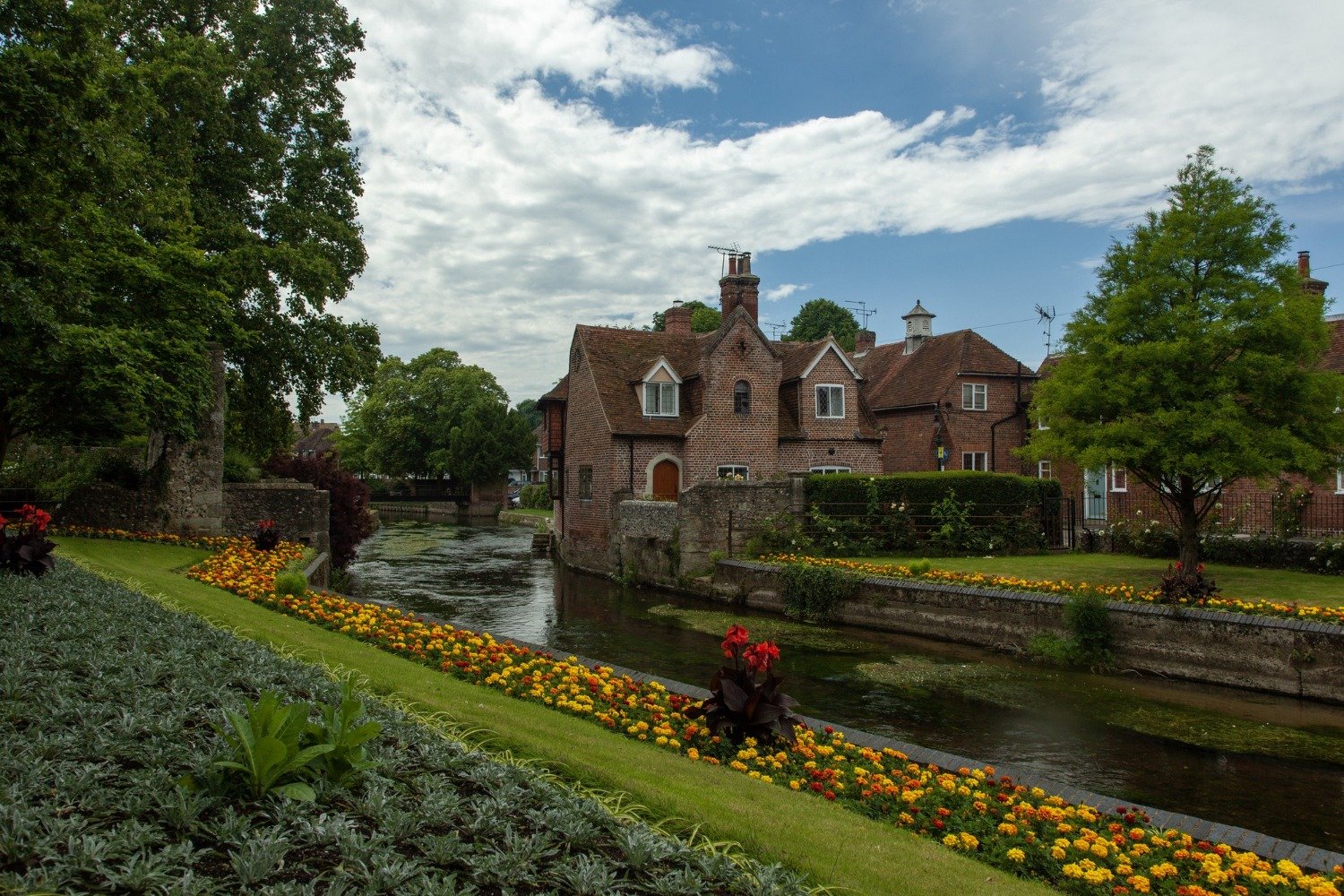
London has no shortage of places to eat, but sometimes the best dining experiences begin when you leave the city behind. A short journey can take you from busy streets and crowded pavements to historic villages, market towns, country lanes and wide-open landscapes — with a memorable meal waiting at the end.
The appeal of a countryside food trip is about more than the restaurant itself. It is the combination of the journey, the setting, the food and the opportunity to turn an ordinary meal into a proper day out. From a traditional country pub in Wiltshire to a historic coaching inn in the Chilterns and a world-famous restaurant in Berkshire, these are some of the places worth putting on the itinerary.
1. The Rising Sun — Lacock, Wiltshire
For a genuine countryside escape, The Rising Sun in Lacock is an excellent place to start. Set on the edge of the beautiful Wiltshire village, this independent country pub brings together fresh food, seasonal ingredients and the relaxed atmosphere that makes rural dining so appealing.
The pub is particularly suited to visitors exploring Lacock and the surrounding countryside. It is somewhere to stop after a walk, settle down for lunch or make a Sunday visit for its popular roast. The Rising Sun says it champions local produce, including beef from its own cattle herd, while its menus change regularly to make the most of seasonal ingredients.
There is plenty to make the journey worthwhile beyond the food, too. A spacious garden, outdoor bar, BBQ and cosy interiors give the pub a different character depending on the season. It also hosts events including live music and community gatherings.
For anyone searching for a country pub near London worth travelling for, The Rising Sun captures the idea perfectly: arrive for the countryside, stay for the food and make a day of Lacock.
2. The Crown — Old Amersham, Buckinghamshire
Old Amersham feels a world away from central London, despite being surprisingly accessible from the capital. At the heart of the historic town sits The Crown, a Grade II listed coaching inn dating back to 1620.
The building alone gives you a reason to visit. The Crown has been carefully restored while retaining its historic character, creating a setting that feels both traditional and contemporary. It also offers accommodation, making it an option for visitors who want to turn a restaurant trip into a proper countryside break.
Food focuses on seasonal British cooking, with classic dishes given a contemporary treatment. Sunday lunch is another major draw, while the inn’s location makes it easy to combine a meal with a walk around Old Amersham or the nearby Chilterns.
It is the sort of destination where the surroundings become part of the experience. Rather than simply travelling out of London for a meal, visitors can explore the old High Street, browse independent shops and enjoy the Chiltern landscape before or after eating.
3. The Fat Duck — Bray, Berkshire
Not every countryside restaurant needs to be a traditional pub. The Fat Duck in Bray offers a very different reason to leave London.
Heston Blumenthal’s restaurant has built its reputation around inventive, theatrical and highly imaginative cooking. Its own description highlights an approach designed to engage the senses, evoke memories and challenge expectations.
That makes The Fat Duck a destination in the truest sense of the word. This is somewhere to plan around rather than simply drop into while passing through.
Bray itself also works beautifully for a food-focused day trip. The village provides the rural backdrop while the restaurant supplies an experience at the more experimental end of British dining. For diners who want their journey from London to culminate in something genuinely distinctive, this is one of the strongest choices on the list.
4. The Royal Foresters — Ascot, Berkshire
Ascot is synonymous with racing, but there is more to the area than its famous racecourse. The Royal Foresters provides another reason to make the trip west.
Located on London Road, the historic pub and restaurant combines traditional character with a contemporary dining experience. The venue has been redesigned while retaining features such as log fires, and its food offering covers everything from brunch and sandwiches to grills, pasta, salads, desserts and wood-fired Neapolitan pizza.
The wood-fired pizza is particularly suited to a casual countryside outing, with the kitchen using Italian ingredients and a longer-proved dough before cooking the pizzas in a wood-fired oven.
The Royal Foresters also has accommodation and event facilities, so the venue can work for everything from a relaxed meal to a longer stay. Its setting in Ascot makes it an easy addition to a wider day out in Berkshire.
5. Bucklebury Farm — Berkshire
Sometimes the best destination for a meal is somewhere that gives you plenty to do before you sit down to eat. Bucklebury Farm is a particularly good fit for that kind of countryside day.
Located in Berkshire, the farm offers visitors an opportunity to spend time outdoors while enjoying the rural setting. That makes it particularly appealing for families and anyone looking to combine food with a broader countryside experience.
The appeal here is the change of pace. Instead of treating the restaurant as the entire destination, visitors can make the farm part of a full day away from London. It is a useful reminder that countryside dining can be about much more than finding a table — it can be about creating an outing around the food.
For Londoners looking for family-friendly countryside days out, Bucklebury Farm provides a different proposition from the traditional country pub. It brings together the farm experience, open-air surroundings and opportunities to spend quality time away from the city.
6. The White Hart — South Harting, West Sussex
West Sussex offers exactly the sort of scenery that makes leaving London worthwhile, and South Harting provides a classic village setting for a countryside food trip.
A venue such as The White Hart works best as part of a wider excursion rather than a quick meal. The village setting, surrounding countryside and proximity to the South Downs make the area particularly attractive to visitors who enjoy combining food with walking and exploring.
This is the kind of stop that fits naturally into a slower weekend itinerary: head out from London, explore the landscape, visit a village and settle down somewhere comfortable for a meal before heading home.
For anyone searching for restaurants in the countryside near London, destinations around the South Downs are particularly appealing because the scenery gives the trip an additional purpose.
7. The Swan — Streatley, Berkshire
Streatley sits on the River Thames in Berkshire, offering a very different countryside experience from the rolling landscapes around Lacock or the Chilterns.
The Swan makes the area a natural choice for diners who want to pair food with riverside scenery and a change of pace. Streatley and neighbouring Goring are well suited to walking, exploring and enjoying the Thames Valley, meaning a meal can become part of a much larger day out.
The setting is important here. One of the pleasures of travelling outside London for food is being able to sit somewhere where the landscape becomes part of the experience. A riverside destination provides exactly that opportunity.
For couples, families or friends planning a relaxed day away from the capital, Streatley is the sort of destination where the journey itself becomes part of the reward.
8. The Mitre — Richmond
Not every escape from London requires leaving Greater London altogether. The Mitre in Richmond proves that a change of scenery can sometimes be closer than expected.
Tucked away in a residential part of Richmond, The Mitre is a traditional pub with more than 150 years of history. The building was originally constructed as a coach house by the church in 1865, and today the venue combines its historic character with a relaxed atmosphere, food and a beer garden.
Its location makes it especially useful for anyone who wants the feeling of getting away without committing to a long journey. Richmond’s parks, riverside walks and leafy streets can easily be combined with a meal at the pub.
The Mitre’s pizza kitchen adds another modern element to the traditional setting, giving visitors an easygoing food option after exploring the area.
For a countryside-style day out near London, Richmond is hard to overlook.
9. The Bull & Last — Hampstead
Hampstead may technically be inside London, but it has long provided one of the capital’s best opportunities to escape the feeling of the city without actually leaving it.
The Bull & Last fits naturally into that idea. Its proximity to Hampstead Heath means a meal can be paired with one of London’s most enjoyable green-space walks, creating the rhythm of a countryside day trip without the long drive.
That makes it particularly useful for readers who love the concept behind a countryside restaurant trip but do not necessarily want to spend hours travelling.
A walk across the Heath followed by a relaxed meal is a reminder that destination dining does not always depend on distance. Sometimes the setting, surroundings and pace are enough to make an ordinary weekend feel completely different.
10. The Five Horseshoes — Maidensgrove
For a final countryside escape, head towards Maidensgrove in Oxfordshire, where the rural setting provides exactly the atmosphere many Londoners are looking for when they want to get away for the day.
The Five Horseshoes fits the traditional country-pub idea particularly well: a destination surrounded by countryside, where the journey is part of the experience and a meal gives the day a satisfying finish.
The area is especially attractive for walkers, with the Chiltern landscape providing plenty of opportunities to explore before settling down for food.
That combination is ultimately what makes countryside restaurants worth travelling for. You are not simply going somewhere to eat. You are changing your surroundings, slowing down and giving yourself a reason to spend more time outside the capital.
Why These Places Are Worth Leaving London For
The best countryside restaurants near London offer something that city dining cannot always replicate: a sense of occasion created by the journey itself.
A meal at The Rising Sun can become part of a day exploring Lacock. The Crown can be paired with the historic streets of Old Amersham and the Chilterns. Bucklebury Farm turns eating out into part of a wider family day. The Fat Duck makes the restaurant itself the destination, while places such as The Mitre and The Bull & Last demonstrate that you do not always have to travel far to get a break from London’s pace.
That variety is what makes this kind of trip so appealing.
For some diners, the ideal escape is a traditional country pub with seasonal food and a garden. For others, it is a historic coaching inn, a riverside setting or an ambitious restaurant that offers an experience they cannot easily recreate at home.
The important thing is that the destination gives you a reason to go beyond the meal.

6 Best Lodges For Sale: Find Your Perfect Retreat

Unlocking the Best Deals with Rayslocker: Your Ultimate Guide to Affordable Shopping

Maximizing Utility and Security: The Ultimate Guide to UTE Tool Boxes

How to Read a Property Report Like a Pro

What Happenes to Your Muscles After a Workout? Understanding the Recovery Process

What Hospital Grade Breast Pump Means Before You Choose

The 15 Highest-Paid Rugby Players in the World

Christopher Dare: The Untold Story of Engineer and Former Husband of Angela Rippon

How to Ensure Your Home is Valued Correctly for a Quick Sale

What Is Fanquer? The Digital Creator Platform Transforming Direct-to-Fan Engagement

Dr Jared Ross: Missouri Appeals Court Upholds Protection Order Over Graphic Torture and Murder Threats

Nancy Hallam: The Inspiring Life, Career, and Success Story Behind Ian Wright’s Wife
The 15 Highest-Paid Rugby Players in the World
Christopher Dare: The Untold Story of Engineer and Former Husband of Angela Rippon
How to Ensure Your Home is Valued Correctly for a Quick Sale
What Is Fanquer? The Digital Creator Platform Transforming Direct-to-Fan Engagement
Dr Jared Ross: Missouri Appeals Court Upholds Protection Order Over Graphic Torture and Murder Threats
Nancy Hallam: The Inspiring Life, Career, and Success Story Behind Ian Wright’s Wife
-
 Sports4 months ago
The 15 Highest-Paid Rugby Players in the World
-
Celebrity10 months ago
Christopher Dare: The Untold Story of Engineer and Former Husband of Angela Rippon
-
 Real Estate8 months ago
How to Ensure Your Home is Valued Correctly for a Quick Sale
-
 Technology4 months ago
What Is Fanquer? The Digital Creator Platform Transforming Direct-to-Fan Engagement
-
 Celebrity4 months ago
Dr Jared Ross: Missouri Appeals Court Upholds Protection Order Over Graphic Torture and Murder Threats
-
Celebrity11 months ago
Nancy Hallam: The Inspiring Life, Career, and Success Story Behind Ian Wright’s Wife
-

 Health8 months ago
Enclomimed 25 (Enclomiphene) – Effective PCT Protocol
-
 Celebrity10 months ago
Who Is Maisie Mae Roffey? The Private Life, Family Story, and Quiet Success of Julie Walters’ Daughter