
Business
Pocket-Sized Tech: The Gadgets Redefining What We Carry Every Day

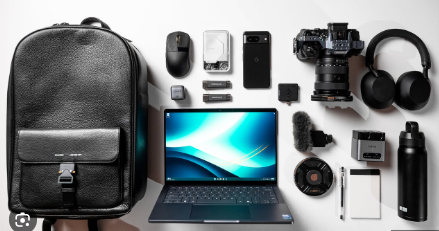
We live in an era where everything is getting smaller, smarter, and more essential. The modern person’s pocket is no longer just a place for keys and coins — it’s a carefully curated collection of technology that keeps us connected, entertained, healthy, and in control of our daily habits. From wireless earbuds to compact power banks, the gadget industry has undergone a quiet revolution: making powerful technology so portable that leaving home without it feels genuinely strange.
But the story of pocket-sized tech isn’t just about smartphones and smartwatches. It spans an entire ecosystem of devices that have quietly become non-negotiable parts of daily life — including a newer category of lifestyle gadgets that has taken the world by storm.
Let’s explore the gadgets that are redefining what we carry every day.
1. True Wireless Earbuds: Sound Without the Strings
A decade ago, tangled earphone cables were simply a fact of life. Today, they’re a design relic. True wireless stereo (TWS) earbuds have become arguably the most universally adopted pocket gadget of the modern age.
Brands like Apple, Samsung, and Sony have pushed the category into genuinely impressive territory — active noise cancellation, spatial audio, heart rate monitoring, and voice assistant integration, all packed into cases small enough to slip into a shirt pocket. The charging case itself doubles as a power bank for the buds, meaning you can carry 20–30 hours of listening time without ever thinking about a cable.
What makes TWS earbuds a landmark in pocket tech isn’t just the sound quality — it’s the frictionless experience. Ear in, audio on. No pairing rituals, no wire management, no compromise.
2. Compact Power Banks: The Security Blanket of the Digital Age
Battery anxiety is real. The quiet dread of watching your phone drop to 8% battery in an unfamiliar city has pushed portable charging from a nice-to-have into an absolute essential.
Modern slim power banks — particularly those using GaN (gallium nitride) technology — have achieved something remarkable: delivering 10,000 mAh of charging capacity in a form factor barely thicker than a smartphone. Some models now support 30W fast charging and can top up a modern phone in under an hour, all while fitting comfortably in a jeans pocket.
The best ones double as MagSafe-compatible wireless charging pads, meaning you don’t even need a cable. Just attach and go.
3. Smart Rings and Fitness Trackers: Health Data on Your Person
Wearable health tech has matured significantly beyond the basic step-counter. Devices like the Oura Ring and Garmin fitness bands now monitor sleep cycles, heart rate variability, blood oxygen saturation, stress levels, and readiness scores — delivering a surprisingly nuanced picture of your physical state throughout the day.
What makes these gadgets particularly interesting from a design standpoint is the engineering challenge: packing medical-grade sensors, a battery, and wireless connectivity into something the size of a ring or a slim wristband. The Oura Ring, for instance, fits entirely on a finger yet houses an infrared LED array, an NTC temperature sensor, and a 3-axis accelerometer.
These are not just fitness tools. They’re becoming serious health monitoring devices that your doctor may one day ask to review.
4. Disposable Vapes: The Lifestyle Gadget That Fits in Any Pocket
Few product categories illustrate the pocket-tech revolution as clearly as the modern vaping device — and within that category, disposable vapes have emerged as the most frictionless entry point.
A disposable vape is, at its core, a remarkably self-contained piece of engineering. It houses a battery, a heating coil, a wick, and a reservoir of e-liquid — all in a package typically no larger than a USB drive. There’s no charging required, no refilling, no settings to configure. You pick it up, use it, and when it’s done, it’s done.
This simplicity is precisely what has made disposable vapes so widely adopted. For adults transitioning away from traditional cigarettes, the appeal is straightforward: something familiar in size and ritual, but without the combustion, ash, and lingering smoke. In markets like Ireland and the UK, disposable vapes have become one of the most visible consumer tech products on the high street — their colourful designs and compact form factor a striking contrast to the cigarette packs they’ve displaced.
From a pure gadget perspective, the engineering inside a modern disposable vape is worth appreciating. The mesh coil technology used in premium devices heats e-liquid evenly and efficiently, delivering a consistent experience from the first puff to the last. The draw-activated firing mechanism — no button required — is a masterclass in friction reduction. Even the airflow calibration in a well-made device involves deliberate engineering decisions about resistance and vapour density.
The category has also evolved rapidly in its sustainability conversation. Brands and regulators are actively pushing toward rechargeable disposable formats and take-back schemes, acknowledging that the convenience of single-use design needs to be balanced against environmental responsibility. This is a familiar tension in consumer electronics — the same debate plays out with disposable cameras, single-use earbuds, and miniature alkaline batteries.
5. Pocket Knives Meet the 21st Century: Multi-Tools Get a Tech Upgrade
The Swiss Army knife was ahead of its time — the idea that a single pocket-sized object could serve multiple functions is deeply woven into how we think about useful carry items. Modern multi-tools have embraced this philosophy and pushed it further.
Today’s premium multi-tools integrate USB drives, LED flashlights, SIM card ejectors, stylus tips, and card readers into slim, TSA-friendly designs. Brands like Leatherman and Victorinox have released versions specifically designed for the tech professional — less “survival in the wilderness,” more “surviving a full day of meetings and travel.”
6. High Rock Vapes: Where Gadget Culture Meets Premium Vaping
If disposable vapes represent the entry-level of pocket vaping tech, High Rock Vapes represents the premium tier — where design, quality control, and curated product selection elevate the experience into genuine gadget territory.
High Rock Vapes, an Irish-based vaping retailer, has built its reputation around offering a carefully selected range of devices and e-liquids that prioritise quality over volume. In a market flooded with generic, low-grade products, High Rock’s approach mirrors the philosophy of any good tech retailer: carry fewer things, but carry the right things.
The brand’s product lineup spans pod systems, refillable kits, shortfills, and accessories — essentially everything an adult vaper needs across different experience levels. What distinguishes a retailer like High Rock Vapes in the Irish market is the emphasis on sourcing from reputable manufacturers, ensuring products meet TPD (Tobacco Products Directive) compliance standards, and providing the kind of product knowledge that helps customers make informed choices.
For the gadget-minded consumer, this matters. Just as you wouldn’t want to buy a knockoff pair of TWS earbuds with uncertified electronics, you don’t want to vape on a device with an uncertified battery or substandard coil materials. The hardware inside a premium pod kit — regulated chip sets, adjustable wattage, precision airflow rings, OLED display screens on advanced mods — is genuinely sophisticated technology, and it deserves to be sourced and sold with appropriate care.
High Rock Vapes occupies that responsible, quality-first space in the Irish market, making it a natural destination for consumers who think about their gadgets the same way they think about the rest of their tech: brand matters, build quality matters, and the buying experience matters.
7. Portable Projectors: Your Cinema in Your Jacket
The shrinking of display technology has produced one of the most impressive pocket gadgets of recent years: the portable mini projector. Devices like the Anker Nebula Capsule are barely larger than a soda can yet can throw a 100-inch image onto any flat surface, complete with built-in Android TV, a speaker system, and a battery that lasts through a full film.
For travellers, remote workers, and spontaneous outdoor cinema enthusiasts, the portable projector is a revelation. It collapses the gap between a pocket device and a full home entertainment experience in a way that feels almost implausible until you see it working.
8. Smart Wallets: The Last Analogue Holdout Goes Digital
The wallet — for centuries a humble leather pocket for cards and cash — has finally received its tech overhaul. Slim card holders with built-in Tile or Apple AirTag tracking mean you’ll never lose your wallet in a sofa again. Some models integrate with NFC for contactless payments, while others feature RFID-blocking to protect your cards from electronic pickpocketing.
The best smart wallets hold four to eight cards and a fold of cash while remaining slimmer than most smartphones. When paired with a digital-first lifestyle, they complete a carry setup that is lighter, smarter, and more connected than any generation before has managed.
The Philosophy of the Modern Pocket
What connects all these products — earbuds, power banks, wearables, vaping devices, projectors, and smart wallets — is a shared design philosophy: maximum utility, minimum footprint. The best pocket tech doesn’t announce itself. It quietly enables your day, removes friction from your habits, and earns its place through reliability.
The gadgets that win in this space are those that understand constraint is a feature, not a limitation. When you’re forced to fit something meaningful into a jacket pocket, every engineering decision matters. Every gram, every millimetre, every battery cell is a deliberate choice.
That’s the real story of pocket-sized tech. Not just that things got smaller — but that getting smaller forced them to get better.


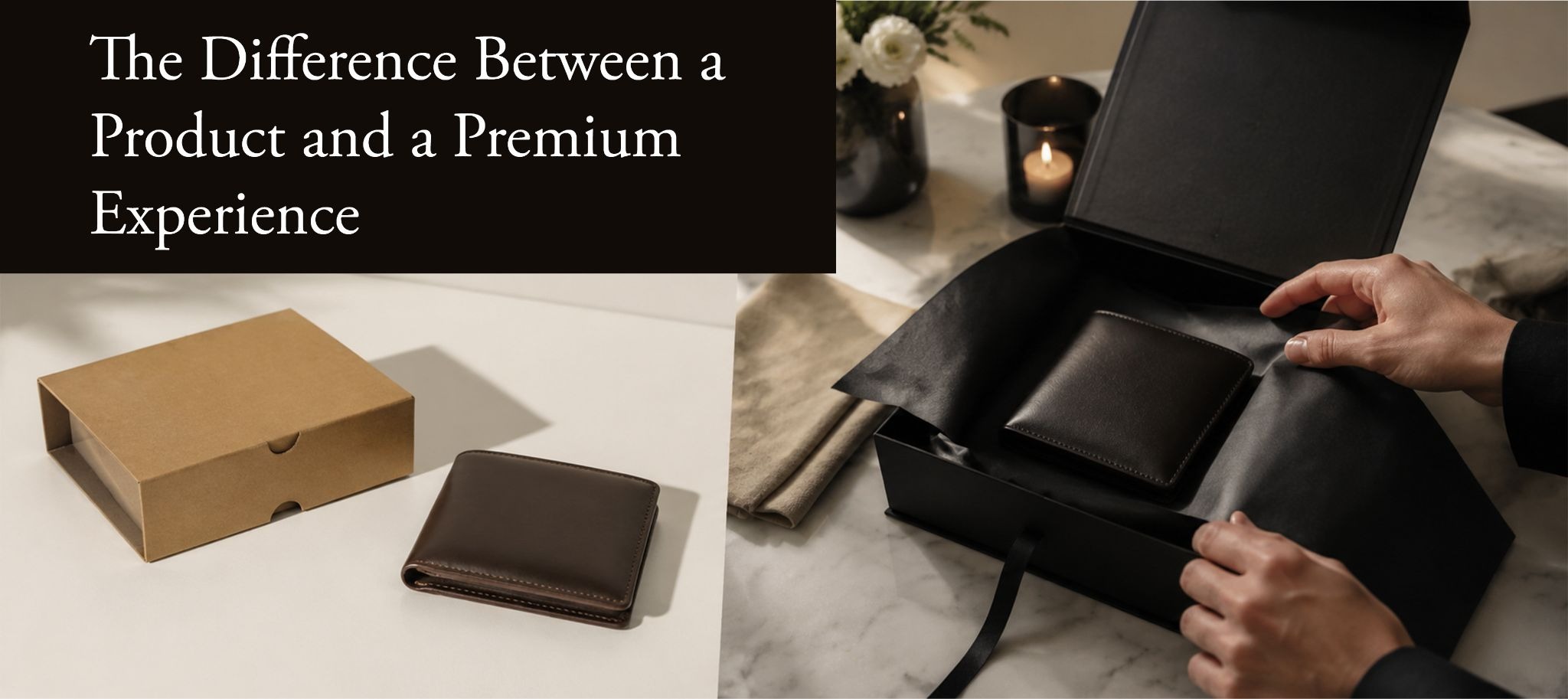
A product is something a customer buys. A premium experience is something a customer remembers. This is the real difference between selling an item and building a brand that people value. In today’s competitive market, especially in the USA, customers are not only looking for useful products. They want products that feel special, well-presented, trustworthy, and worth the price.
A simple product may solve a problem, but a premium experience creates emotion. It makes the customer feel confident, appreciated, and connected to the brand. This is why luxury and high-end brands focus on more than the item itself. They think about packaging, presentation, materials, unboxing, customer service, storytelling, and every small detail that shapes the buyer’s opinion.
Whether a brand sells cosmetics, skincare, candles, jewelry, perfumes, watches, electronics, gourmet products, gift sets, or accessories, the goal should not only be to deliver the product. The goal should be to deliver a complete experience.
What Is a Product?
A product is the physical item a customer pays for. It can be a candle, perfume, skincare bottle, piece of jewelry, watch, notebook, coffee set, or cosmetic item. The product has features, benefits, size, material, ingredients, and function.
A basic product focuses mainly on use. It answers the customer’s practical need. For example, a moisturizer hydrates the skin. A candle adds fragrance to a room. A watch shows time. A notebook helps someone write notes.
There is nothing wrong with selling a good product. In fact, product quality is the foundation of any successful business. But in a competitive market, quality alone may not be enough. Many brands sell similar products. The real difference comes from how the product is presented, delivered, and experienced.
What Is a Premium Experience?
A premium experience is the complete feeling a customer gets before, during, and after buying a product. It starts when they see the product online or in-store. It continues through the website, product photos, packaging, unboxing, customer support, and follow-up communication.
A premium experience makes the customer feel that the brand has paid attention to every detail. The product does not feel ordinary. It feels carefully designed, well-packaged, and worth remembering.
For example, a customer may buy a skincare product because of its ingredients, but they remember the brand because the packaging was beautiful, the product card was helpful, and the unboxing felt luxurious. That is the difference between a product and a premium experience.
A Product Solves a Need, But an Experience Creates Emotion
A product usually solves a practical problem. A premium experience creates an emotional response. This emotional response can be excitement, trust, confidence, pride, comfort, or appreciation.
Customers may forget a basic transaction, but they remember how a brand made them feel. This is why premium brands focus so much on customer emotion. They want the buyer to feel that the product was made with care.
For gifting products, this becomes even more important. The buyer wants the recipient to feel impressed. A plain product may be useful, but a beautifully presented product feels thoughtful and meaningful.
Packaging Turns a Product Into a Brand Moment
Packaging is one of the strongest ways to turn a simple product into a premium experience. It creates the first physical interaction between the customer and the brand. Before the customer uses the product, they touch the box, see the design, feel the material, and notice the presentation.
For high-end products, custom luxury rigid boxes can help create a premium brand moment. These boxes are strong, elegant, and suitable for products that need a luxury presentation, such as cosmetics, perfumes, jewelry, candles, skincare kits, watches, gift sets, and corporate gifts. A rigid box can make the product feel more valuable before the customer even opens it.
Premium packaging also supports better product photography, influencer unboxing, retail display, and gift presentation. It makes the product look more polished and professional.
Presentation Builds Perceived Value
Perceived value means how valuable a customer believes a product is. This value is not based only on the product’s function. It is also based on design, packaging, materials, brand story, and overall experience.
A product placed in basic packaging may feel average. The same product placed in a premium box with clean branding, smooth finishing, and organized inserts can feel more expensive. The product itself may be the same, but the customer’s perception changes.
This is why premium brands do not treat presentation as an extra detail. They use presentation as a strategy to build trust, justify pricing, and create a stronger brand image.
Unboxing Makes the Experience Memorable
Unboxing is a key part of the premium experience. It is the moment when the customer finally meets the product. A smooth, clean, and thoughtful unboxing experience can make the product feel more exciting and valuable.
Good unboxing includes more than opening a box. It can include tissue paper, inserts, ribbons, product cards, thank-you notes, care guides, QR codes, and printed messages. These details guide the customer and make the experience feel complete.
Studies and industry discussions show that unboxing can create emotional engagement and make packaging a memorable part of the customer journey. Thoughtful elements such as aesthetics, sensory appeal, storytelling, and personalization can turn opening a box into a meaningful interaction.
A Premium Experience Feels Organized
Organization is another major difference between a basic product and a premium experience. A product that arrives loose, messy, or poorly packed can feel careless. A product that arrives neatly placed and protected feels more professional.
Premium brands make sure everything has its place. Bottles sit in fitted inserts. Jewelry is protected in soft compartments. Gift sets are arranged neatly. Product cards appear in the right position. The customer should not feel confused when opening the package.
This level of organization shows that the brand cares about both protection and presentation. It also reduces damage during shipping and improves customer satisfaction.
Opening Style Adds to the Experience
The way packaging opens can also make a product feel premium. A basic box may be functional, but a premium opening style creates anticipation and excitement. The customer should feel like they are opening something valuable.
For products that need a refined opening experience, custom magnetic closure boxes can be a strong option. Magnetic closure packaging gives the box a secure and elegant feel. It works well for luxury gift sets, perfumes, skincare products, cosmetics, jewelry, watches, tech accessories, and corporate presentation kits.
The magnetic closure adds both function and emotion. It makes the box feel reusable, polished, and satisfying to open and close.
Storytelling Makes the Product More Meaningful
A product becomes more than an item when it has a story. Premium brands use storytelling to explain why the product exists, how it was made, what inspired it, or what makes it special.
This story can appear on the website, product card, packaging insert, thank-you note, or brand message inside the box. For example, a candle brand can explain the inspiration behind each scent. A jewelry brand can explain the meaning behind a design. A skincare brand can explain the purpose of the routine.
Storytelling helps customers connect emotionally. It turns a purchase into a relationship.
Customer Service Completes the Premium Experience
A premium experience does not end when the product is delivered. Customer service is also part of the brand experience. Clear communication, fast responses, easy returns, helpful support, and professional follow-up all affect how customers remember the brand.
A product may look premium, but if customer service is poor, the overall experience becomes weak. Premium brands make sure every touchpoint feels consistent, from the website to the delivery and after-sale support.
This consistency builds trust and encourages repeat purchases.
Premium Experiences Encourage Loyalty
A product can create a sale, but a premium experience creates loyalty. When customers feel impressed, appreciated, and confident, they are more likely to buy again. They may also leave reviews, share photos, recommend the brand, or choose it for future gifts.
This is why premium experience matters for long-term growth. It helps a brand move beyond one-time transactions and build stronger customer relationships.
For e-commerce brands, this is especially important because customers often have many alternatives. A memorable experience can help your brand stay in their mind.
Final Thoughts
The difference between a product and a premium experience is the feeling created around the purchase. A product solves a need, but a premium experience builds emotion, trust, and brand value.
Packaging, presentation, unboxing, storytelling, customer service, and small details all work together to shape how customers see the brand. When these details are handled well, a simple product can feel more valuable and memorable.
In today’s market, brands should not only ask, “What are we selling?” They should also ask, “How do we want customers to feel?” That answer is what turns a product into a premium experience.

Introduction
A cracked or faulty iPhone screen can quickly turn from a minor annoyance into a serious daily problem. Touch response may become unreliable, colours may look distorted, Face ID-related functions can be affected, and sharp glass can make the device uncomfortable or unsafe to use.
For many UK customers, choosing the right screen repair service for iPhone users is a more practical option than replacing the whole device. A good repair can restore usability, protect resale value and help extend the life of an iPhone that still works well.
However, screen repairs are not all the same. The repair route, screen quality, warranty terms, technician experience and post-repair testing can all affect the final result. The cheapest quote may look attractive, but a poor repair can create repeat faults, weak brightness, touch problems or display lifting later.
Why a Cracked iPhone Screen Should Not Be Ignored
Many people continue using an iPhone after the screen cracks, especially if the display still lights up and touch response seems normal. The problem is that screen damage often gets worse with normal use.
Small cracks can spread when the phone is kept in a pocket, carried in a bag, exposed to temperature changes or pressed during daily handling. Once the glass structure is weakened, the screen becomes more vulnerable to moisture, dust and further impact damage.
Common issues caused by damaged screens include:
• Reduced touch responsiveness
• Dead pixels or black spots
• Display flickering
• Green lines or white screen faults
• Face ID-related problems
• Moisture entering the device
• Small glass fragments causing discomfort
• Lower resale value
A prompt repair can help prevent a simple screen replacement from becoming a more expensive device repair.
Signs You Need Professional Screen Repair
Not every screen fault is obvious. Some problems appear immediately after a drop, while others develop gradually.
Visible Cracks and Shattered Glass
This is the clearest sign of screen damage. Even a hairline crack can weaken the display and make the phone more vulnerable to further breakage.
Unresponsive Touch Controls
If taps, swipes or gestures do not register correctly, the digitiser layer may be damaged. This can make typing, scrolling and app use frustrating or impossible.
Display Discolouration
Purple patches, green lines, black spots or unusual colours often suggest internal display damage rather than only surface glass damage.
Screen Flickering
Flickering can point to damage within the LCD or OLED panel, loose internal connections, pressure damage or a fault from a previous repair.
Ghost Touch Issues
Ghost touch happens when the screen reacts without user input. This can open apps, type random characters or make the phone difficult to control.
Understanding iPhone Screen Repair Options
When searching for a screen repair service for iPhone users, customers usually compare several repair routes. The best option depends on budget, device age, warranty status, parts quality, location and how quickly the phone is needed back.
Manufacturer Repair Services
Manufacturer or Apple-authorised repair routes may be suitable for customers who want Apple’s own service process, AppleCare support or official handling. This can be the right option for some users, especially where manufacturer service history is important.
The trade-off is that official repair routes can sometimes be more expensive, less flexible for older devices or less convenient depending on appointment availability.
Independent Repair Shops
Independent repair centres operate across the UK and can be a practical choice for out-of-warranty iPhones. A good independent provider can offer faster turnaround, competitive pricing, local service and clear warranty support.
The key is quality. Customers should check reviews, warranty terms, screen options, repair experience and whether the provider tests the device properly after repair.
Mail-In Repair Services
Mail-in repair services are useful for customers who do not have a suitable repair centre nearby. The customer sends the device to a repair centre, the repair is completed, and the phone is returned by courier.
This can work well, but customers should check turnaround time, postage insurance, tracking, packaging requirements and warranty handling before sending a device.
Mobile Repair Technicians
Some services offer repairs at a home, workplace or agreed location. This can be convenient, especially in larger cities, but the customer should still check technician experience, screen quality, warranty coverage and whether proper testing is carried out.
How Much Does iPhone Screen Repair Cost in the UK?
iPhone screen repair costs vary depending on the model, screen type and service provider. Newer Pro and Pro Max models usually cost more because of advanced OLED display systems and higher parts costs.
Typical price factors include:
• iPhone model
• LCD or OLED display type
• Screen quality
• Labour time
• Warranty coverage
• VAT inclusion
• Additional damage found during inspection
• Whether the repair is walk-in, mail-in or mobile
Customers should avoid judging only by the lowest headline price. A cheaper repair using poor-quality parts may lead to reduced brightness, poor touch response, weaker colour accuracy or a shorter screen lifespan.
Screen Quality: What Customers Should Ask
One of the most important parts of any screen repair is the replacement display itself. Screen quality affects brightness, touch sensitivity, colour accuracy, battery behaviour and long-term reliability.
Customers should ask what type of screen is being fitted. Depending on the provider and repair route, options may include Apple parts, high-quality compatible replacement screens or aftermarket screens.
A trustworthy provider should explain the difference clearly. They should not hide the parts type, avoid warranty questions or make unclear promises about quality.
Poor-quality screens may cause:
• Lower brightness
• Colour inaccuracies
• Slower touch response
• Higher battery drain
• Weak fitting around the frame
• Shorter display lifespan
• Problems after software updates
For premium iPhone models, screen quality matters even more because the original display system is a major part of the device experience.
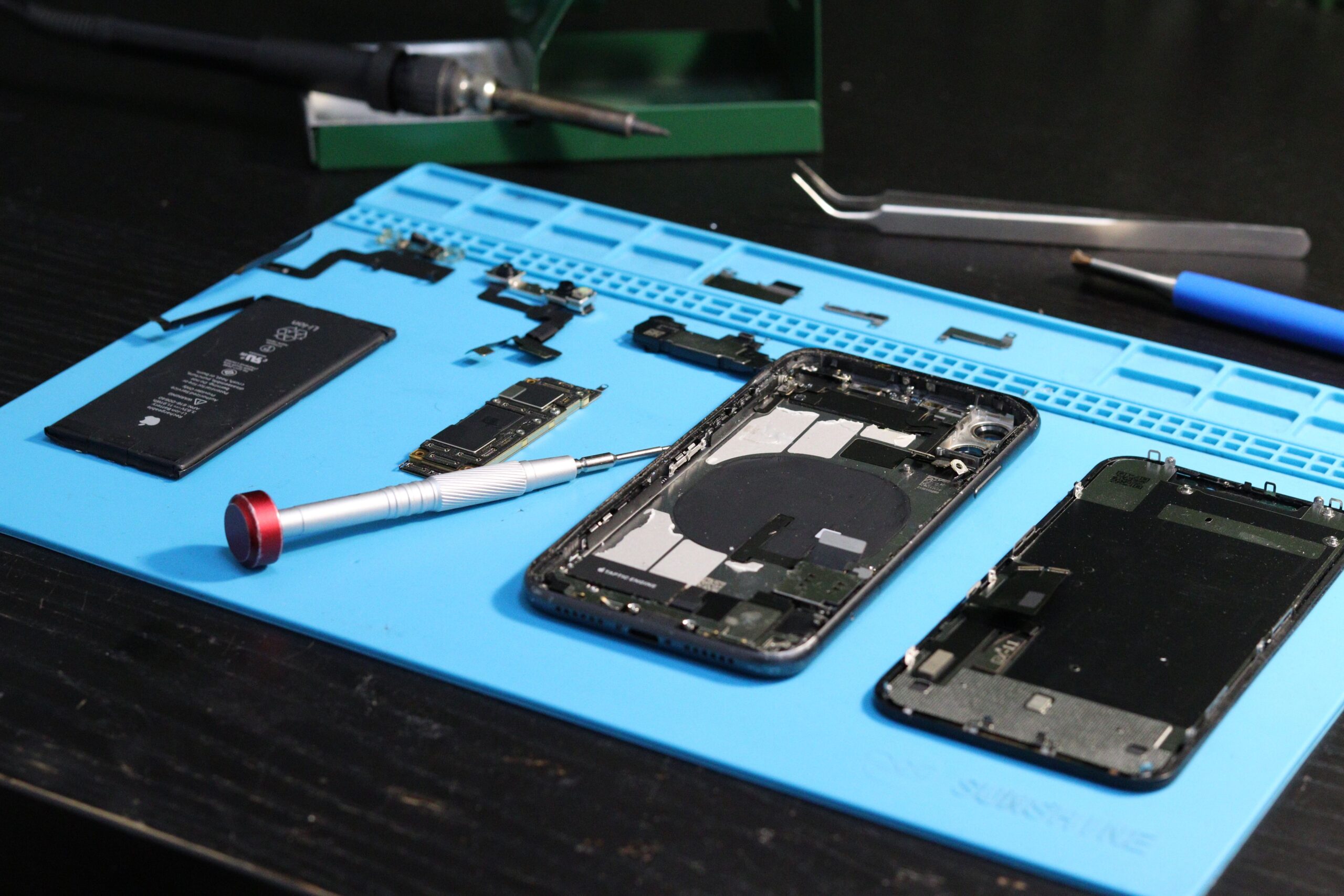
What Happens During an iPhone Screen Repair?
A professional screen repair should follow a structured process, not just a quick display swap.
Device Inspection
The technician should check the screen, frame, cameras, speakers, charging function, battery condition and signs of liquid or impact damage.
Diagnostic Testing
Basic testing before repair helps confirm whether the screen is the only issue or whether other faults may be present.
Damaged Display Removal
The damaged display is removed carefully to reduce the risk of damage to internal flex cables, sensors and Face ID-related components.
Internal Component Check
A good technician looks for hidden damage around connectors, frame edges, camera areas and internal components.
Replacement Screen Fitting
The replacement screen is installed and aligned correctly. Poor alignment can affect appearance, durability and how the device feels in daily use.
Post-Repair Testing
After the repair, the technician should test touch response, brightness, cameras, speakers, microphones, charging, sensors and general device operation.
How Long Does Screen Repair Take?
Repair time depends on the model, parts availability and service type.
Typical timeframes include:
• Walk-in repairs: often 30 minutes to 2 hours
• Mobile repairs: often around 1 hour
• Mail-in repairs: usually several business days
• Complex repairs: longer if extra faults are found
Customers should confirm turnaround time before booking, especially if they depend on the phone for work, travel, banking apps or two-factor authentication.
Risks of Poor iPhone Screen Repair
A poor repair can create new problems. The screen may look acceptable at first but fail later if the parts, fitting or testing were not good enough.
Possible problems include:
• Weak touch response
• Screen lifting from the frame
• Dust under the display
• Face ID-related faults
• Poor brightness
• Colour distortion
• Flickering
• Loose internal connections
• Reduced protection against dust or moisture
This is why repair quality, warranty terms and technician experience matter more than price alone.
How to Choose the Best Screen Repair Service
Before booking, customers should check more than the repair cost.
Useful questions include:
• Does the price include VAT?
• What screen quality options are available?
• Is the repair covered by a written warranty?
• How long will the repair take?
• Will the device be tested before and after repair?
• What happens if extra damage is found?
• Does the provider have experience with your iPhone model?
• Are reviews consistent across different platforms?
Clear answers are a good sign. Vague answers, unclear warranty terms or pressure to book immediately should make customers cautious.
Is DIY iPhone Screen Repair Worth It?
Online repair kits can make screen replacement look simple, but modern iPhones contain delicate parts that are easy to damage.
DIY repair risks include:
• Damaging internal cables
• Breaking Face ID-related components
• Poor screen alignment
• Dust or debris inside the phone
• Water-resistance issues
• Extra repair costs if the repair fails
Unless the customer has electronics repair experience and the correct tools, professional repair is usually the safer route.
Protecting Your iPhone After Repair
A repaired screen should be protected properly. Many repeat repairs happen because the phone is dropped again without enough protection.
Recommended steps include:
• Fit a high-quality tempered glass protector
• Use a shock-resistant case
• Choose a case with raised screen edges
• Keep the phone away from keys and coins
• Avoid using the phone with wet hands
• Replace damaged screen protectors promptly
Protection cannot make an iPhone unbreakable, but it can reduce the risk of another repair.
When Screen Repair Is Not Enough
Sometimes a screen replacement alone will not solve every issue. Severe impact can also damage the frame, battery, cameras, charging port, internal connectors or logic board.
Extra diagnostics may be needed if the phone has:
• Random shutdowns
• Overheating
• Charging problems
• Camera faults
• Liquid exposure
• A bent frame
• No power after impact
A reputable repair provider should explain any extra work before proceeding and should not carry out additional repairs without customer approval.
Frequently Asked Questions
How much does a screen repair service for iPhone users usually cost?
The cost depends on the iPhone model, screen type, parts quality and repair provider. Older LCD models are usually cheaper to repair than newer OLED-equipped models.
Can a cracked iPhone screen get worse over time?
Yes. Cracks can spread due to pressure, drops, heat changes and daily handling. Delaying repair can increase the chance of further damage.
Is it safe to use an iPhone with a cracked screen?
It may be possible temporarily, but it is not ideal. Broken glass can cause discomfort, and cracks may allow dust or moisture to enter the device.
How long does an iPhone screen repair take?
Many professional screen repairs take between 30 minutes and two hours. Mail-in repairs usually take longer because of shipping and processing time.
Will screen repair affect Face ID?
A properly performed repair should not affect Face ID-related functions, but poor repairs or severe impact damage can cause problems.
Should I repair my iPhone screen or buy a new phone?
Screen repair is often more cost-effective if the phone is otherwise working well. Replacement usually makes more sense if the device has several major faults or is no longer suitable for daily use.
Conclusion
Choosing the right screen repair service for iPhone users can make the difference between a reliable repair and ongoing device problems. A cracked screen may look like a simple issue, but the repair quality affects touch response, display performance, device safety and long-term value.
UK customers should compare repair providers carefully, checking screen quality, warranty terms, VAT-inclusive pricing, turnaround time and post-repair testing. A good repair should restore the device properly, protect the customer from repeat faults and help extend the life of an iPhone that still has plenty of use left.

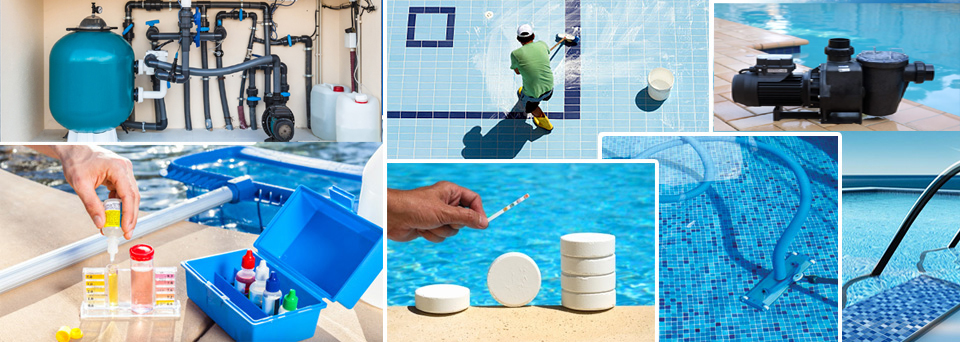
Having a backyard pool is a dream come true. It offers a private escape right outside your back door, perfect for hosting neighborhood get-togethers or enjoying quiet weekend mornings. You invested in your property to create a personal retreat, a place to build memories with family and friends.
However, the reality of maintaining that sparkling blue water can quickly become overwhelming. Skimming leaves, balancing complex chemical levels, and constantly checking filtration systems takes valuable time away from actually enjoying your backyard. The joy of ownership can fade when weekends are consumed by scrubbing tiles and buying heavy buckets of chlorine.
You deserve to relax, and that requires stepping away from the maintenance checklist. Bringing in a dedicated team to handle the upkeep transforms your pool from a demanding chore back into the luxurious amenity it was always meant to be.
The Hidden Value of Professional Maintenance
Water chemistry is a delicate balancing act. A slight miscalculation can lead to cloudy water, irritating algae blooms, or a harsh swimming environment that burns the eyes. Achieving the perfect pH and alkalinity levels requires consistent monitoring and precise adjustments. By allowing experts to manage this process, you protect the health and comfort of everyone who dives in.
Beyond the water itself, your pool relies on a network of pumps, filters, and heaters. These components represent a significant financial investment. Regular professional oversight ensures this equipment operates at peak efficiency. Trained eyes can spot minor wear and tear before it escalates into a catastrophic mechanical failure. This proactive approach saves thousands of dollars in premature replacement costs and keeps the water flowing smoothly all season long.
Why Carolina Pool Technologies Stands Out
When you want to elevate your outdoor living experience, Carolina Pool Technologies delivers an unmatched level of care. We understand that your backyard is a sanctuary. Our team approaches every property with the utmost respect, ensuring our visits are swift, thorough, and completely unobtrusive. We leave behind nothing but pristine, inviting water.
Our approach centers on proactive solutions and unparalleled reliability. You will never have to second-guess if your water is safe for a spontaneous evening swim. We utilize the latest industry advancements to keep your water crystal clear, maintaining a standard of excellence that typical neighborhood services simply cannot match.
Cutting-Edge Water Care
Innovation drives everything we do at Carolina Pool Technologies. We stay ahead of industry trends to provide the most efficient and effective treatments available. This means less chemical waste, more energy-efficient equipment operation, and a consistently beautiful aesthetic. Our technicians undergo rigorous training to handle any challenge, from sudden weather impacts to complex system upgrades, ensuring your oasis remains uninterrupted.
A Partnership in Relaxation
We view our relationship with clients as a true partnership. Our goal is to absorb all the stress of pool ownership. We provide transparent communication after every visit, so you always know the exact status of your water and equipment. This peace of mind is the ultimate luxury, allowing you to focus entirely on planning your next poolside gathering or simply floating under the sun.
Dive Into a Stress-Free Summer
Pool Service that goes beyond basic skimming to actively protect your investment guarantees your family can enjoy a flawless, crystal-clear swimming experience every single weekend without you ever having to lift a finger. Choosing to hand over the reins of your backyard maintenance means unlocking the true potential of your home’s outdoor space. You reclaim your weekends and protect the longevity of your property’s best feature.
Now is the perfect time to elevate your backyard experience. Reach out to Carolina Pool Technologies today to discuss a tailored maintenance plan that fits your specific needs. Let us handle the hard work so you can simply jump in and enjoy the water.

The Complete Framework for Selecting a Wafer Thickness Measurement System: A Buyer’s Guide for Semiconductor Professionals

Pocket-Sized Tech: The Gadgets Redefining What We Carry Every Day

What Is Ponas Robotas? The Rise of Synthetic Intelligence in Smart Robotics

Why Home Upgrades Continue to Be a Major Lifestyle Trend in the UK

What Is Çbiri? A Complete Guide to the Turkish-Style Rice and Meat Dish

What Is Axelanote? Features, Benefits, Pricing, and Business Uses

The 15 Highest-Paid Rugby Players in the World

Nancy Hallam: The Inspiring Life, Career, and Success Story Behind Ian Wright’s Wife

Draven Duncan: Tim Duncan’s Rising Star Son and His Inspiring Basketball Journey

Who Is Maisie Mae Roffey? The Private Life, Family Story, and Quiet Success of Julie Walters’ Daughter

Johnny Carell: Inside the Life, Family, and Rising Success of Steve Carell’s Son

Simon Dixon Biography: Lifestyle, Net Worth, Family, Career and Success Story
The 15 Highest-Paid Rugby Players in the World
Nancy Hallam: The Inspiring Life, Career, and Success Story Behind Ian Wright’s Wife
Draven Duncan: Tim Duncan’s Rising Star Son and His Inspiring Basketball Journey
Who Is Maisie Mae Roffey? The Private Life, Family Story, and Quiet Success of Julie Walters’ Daughter
Johnny Carell: Inside the Life, Family, and Rising Success of Steve Carell’s Son
Simon Dixon Biography: Lifestyle, Net Worth, Family, Career and Success Story
-
 Sports4 weeks ago
The 15 Highest-Paid Rugby Players in the World
-
Celebrity7 months ago
Nancy Hallam: The Inspiring Life, Career, and Success Story Behind Ian Wright’s Wife
-
Celebrity5 months ago
Draven Duncan: Tim Duncan’s Rising Star Son and His Inspiring Basketball Journey
-
Celebrity7 months ago
Who Is Maisie Mae Roffey? The Private Life, Family Story, and Quiet Success of Julie Walters’ Daughter
-
Celebrity8 months ago
Johnny Carell: Inside the Life, Family, and Rising Success of Steve Carell’s Son
-
Business6 months ago
Simon Dixon Biography: Lifestyle, Net Worth, Family, Career and Success Story
-

 Celebrity5 months ago
Who Is Linda Susan Agar? The Private Life, Legacy, and Story of Shirley Temple’s Eldest Daughter
-

 Celebrity5 months ago
Who Is Mark Gero? Inside the Life, Art, and Quiet Legacy of an American Creative