
Business
What Is a Messeregge? Complete Guide to the Knife Harrow and Soil Preparation

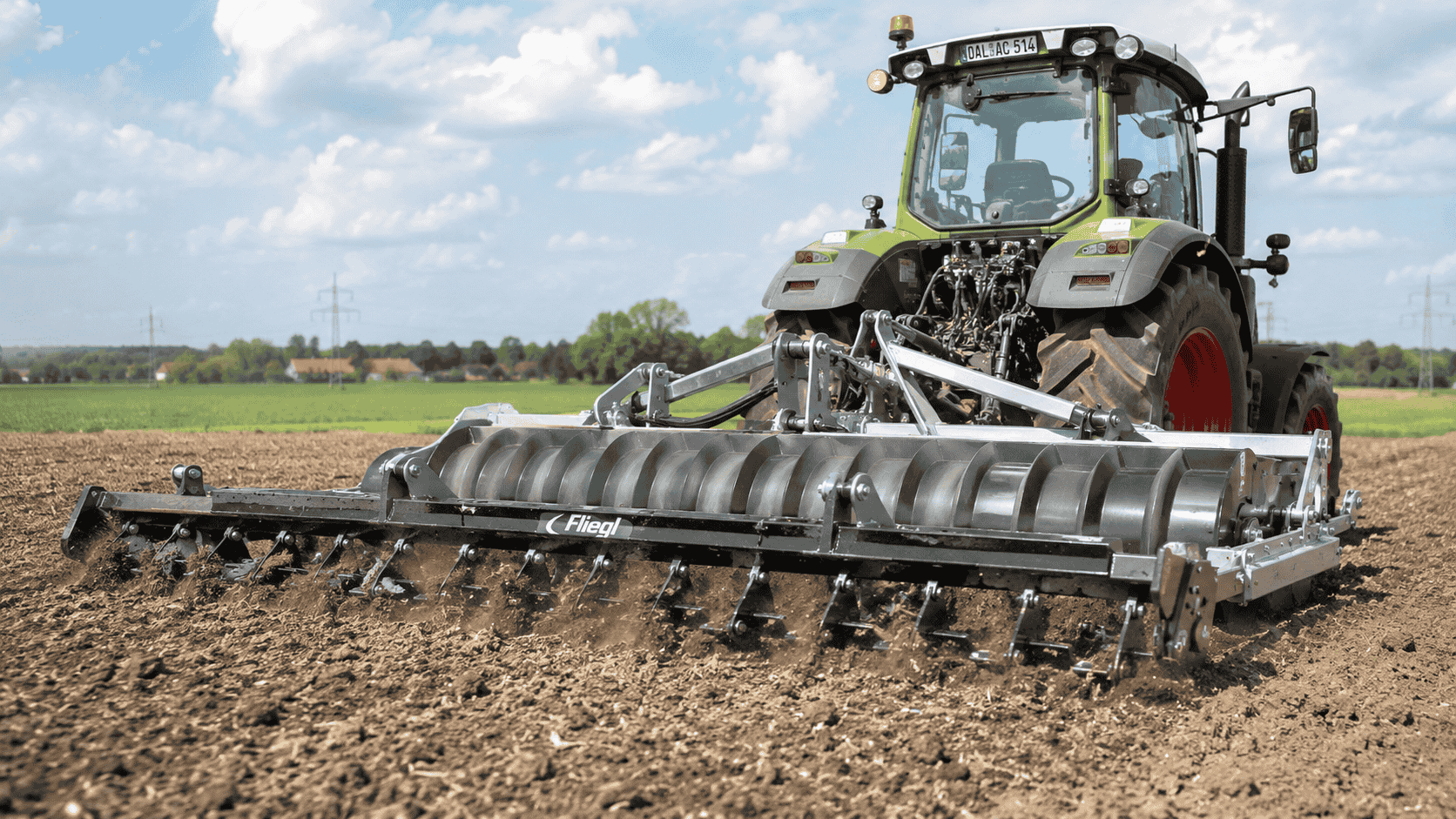
A Messeregge is a specialized agricultural implement designed to prepare soil for planting by breaking apart large clods and creating a smooth, uniform seedbed. The word comes from German and translates to “knife harrow” or “blade harrow.” Unlike conventional harrows that use tines or rotating discs, a Messeregge relies on sharp steel blades positioned across a sturdy frame. These blades slice through the soil surface, improving texture and making fields ready for seeding operations.
Quick Bio
| Detail | Information |
|---|---|
| Equipment Name | Messeregge |
| English Name | Knife Harrow / Blade Harrow |
| Category | Agricultural Soil Cultivation Equipment |
| Primary Purpose | Soil preparation and seedbed creation |
| Origin | Germany |
| Working Method | Sharp steel blades cut and crush soil clods |
| Typical Working Widths | 2.6 meters and 3.0 meters |
| Average Weight | Approximately 250 kg |
| Mounting Type | Front or rear tractor linkage |
| Soil Depth | Shallow cultivation |
| Main Benefit | Uniform seedbed preparation |
| Compatible Equipment | Rollers, seed drills, rotary harrows |
| Fuel Efficiency | High |
| Moisture Preservation | Excellent |
| Erosion Control | Effective |
| Common Users | Grain, corn, and mixed-crop farmers |
The Origin and Evolution of the Messeregge
The development of the Messeregge is closely connected to the evolution of modern farming equipment. In earlier agricultural systems, farmers relied heavily on plows and traditional harrows to prepare land for planting. While these tools were effective, they often required multiple passes and significant fuel consumption to achieve the desired soil condition.
As agricultural technology advanced, equipment manufacturers began searching for solutions that could perform several tasks more efficiently. The Messeregge emerged as a practical answer to this challenge. By using sharp cutting blades instead of passive tines, it became possible to break soil clods more effectively while creating a smoother seedbed in fewer operations.
Over time, the design has continued to improve. Modern versions feature stronger frames, improved blade materials, and better integration with other agricultural implements. Today’s Messeregge is often used as part of sophisticated cultivation systems that combine soil preparation, leveling, and consolidation into a single pass across the field.
How a Messeregge Works?
The operating principle of a Messeregge is simple yet highly effective. The machine uses a series of hardened steel knives mounted across a frame. As the tractor pulls the implement through the field, the blades cut into the upper layer of soil and slice through large clods that remain after plowing or previous cultivation work.
The spacing of the blades is carefully engineered to ensure that every section of the field receives consistent treatment. Large soil chunks are broken apart before they can pass through the implement, resulting in a finer and more uniform surface. This improved soil texture creates favorable conditions for seed placement and early crop development.
Because the Messeregge primarily works on the surface layer, it avoids unnecessary disturbance of deeper soil horizons. This shallow cultivation approach helps maintain soil structure while still achieving excellent seedbed quality. The result is a balanced system that combines productivity with responsible soil management.
Main Components of a Messeregge
The effectiveness of a Messeregge depends on several key components working together. The most important part is the blade system itself. These blades are manufactured from durable steel capable of withstanding constant contact with soil, rocks, and crop residues. Their sharp edges are designed to cut efficiently through compacted earth and large clods.
The frame serves as the backbone of the machine. It provides structural stability and ensures that pressure is distributed evenly across the working width. A strong frame is especially important when operating in heavy soils where resistance can be significant.
Another critical component is the tractor linkage system. Most Messeregge models use standard three-point mounting systems, allowing easy attachment to a wide range of tractors. Many modern units also include adjustment mechanisms that enable operators to modify working depth and blade position according to field conditions and cultivation goals.
Why Farmers Choose a Messeregge?
Farmers invest in a Messeregge because it delivers measurable improvements in field preparation and operational efficiency. One of its greatest advantages is the ability to create a highly uniform seedbed with fewer passes across the field. This reduces labor requirements and lowers machinery operating costs.
Uniform seedbeds play a crucial role in crop establishment. When seeds are planted at consistent depths, germination tends to occur more evenly across the field. This leads to more uniform plant growth and reduces competition among seedlings during early development stages.
Another important benefit is time savings. During busy planting seasons, every hour matters. The ability to prepare fields quickly while maintaining high-quality results allows farmers to take advantage of favorable weather conditions and complete planting operations more efficiently.
The Role of Messeregge in Soil Clod Crushing
One of the primary functions of the Messeregge is crushing large soil clods that can interfere with planting operations. After plowing, fields often contain uneven chunks of earth that create challenges for seed placement and crop establishment. These clods may prevent seeds from achieving proper contact with the soil, reducing germination rates.
The sharp blades of the Messeregge effectively slice through these large soil masses and break them into smaller particles. This process creates a finer texture that is better suited for agricultural production. Smaller soil particles provide a more consistent environment for seed growth and root development.
By improving soil uniformity, the implement also enhances the performance of subsequent equipment such as seed drills and planters. A smoother field surface allows these machines to operate more accurately, resulting in improved planting precision and overall crop performance.
Seedbed Preparation and Crop Establishment
Creating the perfect seedbed is one of the most important steps in crop production, and the Messeregge excels in this area. A properly prepared seedbed provides the ideal balance of soil contact, moisture availability, and aeration needed for successful germination. Farmers who invest time in seedbed preparation often experience better crop emergence and more uniform plant growth.
The sharp blade system of the Messeregge helps create a fine and level surface that allows planting equipment to place seeds at a consistent depth. When seeds are positioned evenly, they germinate at a similar rate and develop stronger root systems. This uniformity is especially important for crops such as wheat, barley, corn, and rapeseed, where consistent emergence can influence final yields.
In modern farming, precision is essential. A high-quality seedbed not only improves crop establishment but also supports efficient use of fertilizers, irrigation, and crop protection products throughout the growing season. This makes the Messeregge a valuable tool for maximizing productivity and profitability.
Technical Specifications of Modern Messeregge Models
Modern Messeregge models are engineered to handle demanding agricultural conditions while maintaining reliability and efficiency. Most commonly available units have working widths ranging from 2.6 meters to 3.0 meters, making them suitable for medium and large-scale farming operations. These dimensions allow operators to cover substantial field areas while maintaining precise soil preparation.
A typical 3.0-meter model weighs approximately 250 kilograms. This weight provides sufficient ground pressure for effective soil penetration while remaining manageable for a wide range of tractors. Manufacturers carefully balance weight and durability to ensure optimal performance under varying field conditions.
The blade system is manufactured from high-strength steel designed to resist wear and maintain sharp cutting edges over extended periods of use. Combined with reinforced frames and durable mounting systems, these features contribute to the long service life expected by professional farmers.
Front-Mounted Messeregge Systems
Many farmers choose to mount the Messeregge on the front of their tractors. This configuration offers several operational advantages, particularly when combined with rear-mounted cultivation equipment. By working the soil before the rear implement reaches it, the front-mounted unit improves overall field preparation efficiency.
The blades break apart clods and level the soil surface before the rear machine performs additional cultivation or planting operations. This sequential approach creates a more refined seedbed and often reduces the workload placed on rear-mounted equipment. As a result, the entire cultivation system operates more smoothly and efficiently.
Front-mounted systems also improve visibility and allow operators to monitor soil conditions more easily. This helps ensure consistent performance across the field and enables quick adjustments when necessary.
Integration with Packer Rollers
One of the most effective uses of a Messeregge is in combination with packer rollers. These systems are commonly used throughout Europe because they allow multiple soil preparation tasks to be completed in a single pass. The Messeregge breaks apart clods and levels the surface, while the roller consolidates and firms the soil afterward.
This combination creates an exceptionally uniform seedbed that supports accurate seed placement and strong germination. The roller also helps preserve moisture by reducing excessive air pockets in the soil. This is particularly beneficial during dry planting conditions when moisture conservation is critical.
By combining several operations into one field pass, farmers save fuel, reduce labor requirements, and minimize soil compaction caused by repeated machinery traffic. These efficiencies contribute to lower production costs and improved sustainability.
Fuel Efficiency and Reduced Operating Costs
Fuel costs represent a significant portion of agricultural expenses, making efficiency an important consideration for every farming operation. One of the major advantages of the Messeregge is its ability to reduce overall fuel consumption during field preparation.
The sharp blades cut through soil efficiently and reduce resistance for equipment working behind the implement. When used in combination systems, the improved soil condition often decreases the power requirements of rotary harrows and other cultivation tools. This reduction in tractor workload translates directly into fuel savings.
Fewer field passes also contribute to lower operating costs. Because the Messeregge performs multiple functions simultaneously, farmers can complete seedbed preparation more quickly. Reduced fuel consumption, lower machinery wear, and decreased labor requirements all contribute to improved farm profitability.
Moisture Preservation Benefits
Soil moisture is one of the most valuable resources available to farmers. Preserving this moisture becomes especially important during dry seasons or in regions where rainfall is limited. The Messeregge supports moisture conservation by working primarily on the upper soil layer rather than disturbing deeper soil horizons.
Traditional deep tillage methods can expose moist soil to the atmosphere, increasing evaporation and reducing water availability for crops. In contrast, the shallow cultivation performed by a Messeregge leaves much of the underlying moisture intact. This creates favorable conditions for seed germination and early plant growth.
Maintaining adequate soil moisture also improves nutrient availability and supports healthy root development. These benefits can have a lasting impact on crop performance throughout the growing season, particularly during periods of environmental stress.
Erosion Control and Soil Protection
Protecting soil from erosion is a major priority in modern agriculture. Wind and water erosion can remove valuable topsoil, reduce fertility, and negatively impact long-term productivity. The Messeregge contributes to soil conservation by creating a balanced soil structure without excessive pulverization.
Its blade system breaks apart large clods while preserving overall soil integrity. This approach helps maintain surface stability and reduces the likelihood of soil particles being carried away by wind or rainfall. Fields prepared with a Messeregge often exhibit improved resistance to erosion compared to heavily tilled surfaces.
By supporting soil conservation, farmers protect one of their most valuable assets. Healthy soil not only improves crop yields but also enhances sustainability and environmental stewardship for future generations.
Applications in Modern Precision Agriculture
Precision agriculture focuses on maximizing efficiency through data-driven decision-making and accurate field management. The Messeregge fits perfectly within this approach because it helps create consistent field conditions that support precision planting and crop management.
A uniform seedbed allows modern planting equipment to operate at peak accuracy. Seeds can be placed at exact depths and spacing, ensuring optimal conditions for growth. This consistency improves the effectiveness of variable-rate seeding, fertilization, and irrigation programs.
As precision agriculture continues to expand, equipment that enhances field uniformity will remain highly valuable. The Messeregge provides the foundation needed for many advanced farming technologies to deliver their full benefits.
Crops That Benefit from Messeregge Use
Many different crops can benefit from fields prepared using a Messeregge. Cereal crops such as wheat, barley, oats, and rye often require finely prepared seedbeds to achieve uniform emergence and strong early growth. The equipment helps create the ideal soil conditions needed for these crops.
Corn production also benefits from well-prepared soil. Consistent seed depth and good soil contact promote even germination, which is critical for maximizing yield potential. Similar advantages apply to oilseed crops such as rapeseed and canola.
Vegetable growers and specialty crop producers may also utilize blade harrow systems when high-quality seedbeds are required. Regardless of the crop, improved soil preparation contributes to stronger plant establishment and more efficient resource utilization.
Maintenance and Care of a Messeregge
Proper maintenance is essential for achieving maximum performance and service life from a Messeregge. Regular inspection of blades should be a priority because sharp cutting edges are critical to effective soil cultivation. Worn or damaged blades should be replaced promptly to maintain consistent field performance.
The frame and mounting points should also be checked periodically for signs of wear or stress. Tightening bolts, inspecting welds, and addressing minor issues before they become major problems can prevent costly repairs later. Lubrication of moving parts helps ensure smooth operation and reduces component wear.
Routine cleaning after field work is another important maintenance practice. Removing soil buildup and crop residues helps prevent corrosion and allows operators to identify potential issues more easily during inspections.
Advantages Over Traditional Harrows
Although traditional harrows remain widely used, the Messeregge offers several advantages that make it attractive to modern farmers. Its sharp blade system provides more aggressive clod crushing compared to many conventional tine harrows. This results in finer soil preparation and improved seedbed quality.
The implement also performs exceptionally well in combination systems where efficiency is a primary objective. By integrating seamlessly with rollers, seed drills, and cultivation equipment, it helps reduce the number of field operations required for successful planting.
Additionally, the shallow cultivation approach promotes moisture conservation and soil protection. These benefits align closely with current agricultural trends focused on sustainability and long-term soil health.
The Future of Messeregge Technology
The future of the Messeregge appears promising as agriculture continues to evolve toward greater efficiency and sustainability. Manufacturers are constantly improving blade materials, frame designs, and integration capabilities to meet the changing needs of farmers.
Advanced precision farming systems may further enhance the value of blade harrows by combining them with automated guidance technologies and smart equipment monitoring. These innovations can help optimize performance while reducing operator workload and input costs.
As global agriculture faces increasing pressure to produce more food while protecting natural resources, tools that improve efficiency and soil conservation will remain in high demand. The Messeregge is well positioned to play an important role in this future.
Conclusion
The Messeregge has become one of the most valuable tools in modern soil cultivation and seedbed preparation. Its unique blade-based design allows farmers to break apart clods, level fields, preserve moisture, and create highly uniform planting conditions. These benefits contribute directly to improved crop establishment and overall farm productivity.
Beyond its performance advantages, the equipment supports sustainable farming practices by reducing fuel consumption, minimizing soil disturbance, and helping prevent erosion. These qualities make it an attractive solution for farmers seeking both economic and environmental benefits.
As agricultural technology continues to advance, the Messeregge is likely to remain an essential component of efficient cultivation systems. Its combination of precision, reliability, and versatility ensures that it will continue helping farmers prepare productive fields for generations to come.
FAQs
What is a Messeregge used for?
A Messeregge is used for soil cultivation, breaking soil clods, leveling fields, and preparing a fine seedbed before planting crops.
How does a Messeregge differ from a traditional harrow?
Unlike traditional harrows that use tines or discs, a Messeregge uses sharp steel blades that slice through soil and crush clods more effectively.
Can a Messeregge help reduce fuel consumption?
Yes. By improving soil conditions and reducing resistance for other implements, a Messeregge can lower overall fuel use during cultivation operations.
What crops benefit most from a Messeregge?
Crops such as wheat, barley, corn, oats, rye, rapeseed, and many vegetables benefit from the uniform seedbeds created by a Messeregge.
Is a Messeregge suitable for modern precision farming?
Absolutely. The implement creates consistent field conditions that support accurate planting, efficient input use, and advanced precision agriculture practices.



When businesses prepare to introduce new products, the selection of appropriate packaging is a crucial step. Packaging not only protects the product but also plays a significant role in branding and customer perception. A key part of this process involves acquiring packaging samples to evaluate their suitability before committing to full production. This article outlines important considerations to bear in mind when ordering packaging samples, helping businesses make informed decisions.
Understanding the Purpose of Packaging Samples
Packaging samples serve as physical prototypes that allow businesses to assess the dimensions, materials, and overall aesthetic before placing large orders. By examining samples, companies can verify that packaging meets product protection requirements and aligns with marketing objectives. Obtaining samples early in the process can prevent costly mistakes and ensure customer satisfaction.
Material Selection and Quality
One of the foremost factors to evaluate is the type and quality of materials used. Depending on the product, different materials such as plastics, cardboards, or glass may be appropriate. For instance, specialised options like glass packaging might be chosen for premium cosmetics or food products due to their aesthetic and preservation qualities. When ordering samples, examining the durability and finish of materials is essential.
Design and Customisation Capabilities
Apart from the material, the design features of the packaging are significant considerations. Samples should showcase the capabilities for custom printing, embossing, or other finishing techniques. This assessment helps verify that the packaging can effectively communicate brand identity and product information. Additionally, samples enable inspection of functional aspects such as closures, seals, and opening mechanisms.
Size and Compatibility
Ensuring that the packaging dimensions fit the product perfectly is vital. Incorrect sizing can lead to product damage during transit or unsatisfactory presentation on shelves. Ordering samples allows businesses to test the compatibility of packaging with their products, including considerations for additional inserts or cushioning materials.
Cost and Order Minimums
Pricing invariably influences decisions when selecting packaging. It is prudent to clarify the costs associated with packaging production, including unit prices at different order volumes. Many suppliers, including Techpack Packaging, provide samples either free or at nominal cost, allowing clients to evaluate without significant upfront investment. Understanding order minimums and lead times will also inform purchasing decisions.
Environmental Impact and Sustainability
In today’s market, sustainability is a significant consideration. When ordering packaging samples, assessing the environmental credentials of the materials and manufacturing processes is increasingly important. Biodegradable, recyclable, or reusable packaging options may be prioritised to align with corporate social responsibility policies and customer expectations.
Supplier Reliability and Service
The choice of supplier plays a critical role in sample evaluation. A reputable supplier should provide clear product information, timely delivery of packaging samples, and responsive communication. Suppliers experienced in the industry can offer valuable advice to help choose the most appropriate packaging. Techpack Pty Ltd exemplifies such qualities, supporting clients through expertise and comprehensive product selections.
Testing and Compliance
Packaging must comply with relevant industry standards and legal requirements, especially in sectors such as food, pharmaceuticals, and cosmetics. When ordering samples, it is advisable to verify that the packaging meets these standards, including safety and labelling regulations. Samples provide the opportunity to conduct practical testing such as drop tests, leak tests, or shelf-life assessments.
Colour Accuracy and Branding Consistency
Brand identity frequently relies on consistent use of colour schemes and graphical elements. Packaging samples enable businesses to validate colour accuracy compared with brand guidelines. Inconsistencies may arise due to printing techniques or materials, and early detection allows corrective measures before mass production.
Functionality and User Experience
The user experience with the packaging influences customer satisfaction and product usability. Samples provide insight into how easily packaging is opened, resealed, or dispensed. Functional testing helps identify potential issues such as hard-to-open seals or awkward shapes that might reduce consumer appeal.
Inventory and Storage Considerations
Packaging dimensions and materials impact storage and logistics. Bulkier or heavier packaging increases warehousing costs and transportation expenses. Evaluating packaging samples allows businesses to plan for efficient inventory management and distribution strategies.
Flexibility for Future Adjustments
Ordering samples also facilitates assessment of design flexibility. It is beneficial to select packaging that can accommodate future product variations or seasonal promotions without needing significant redesigns. Samples show how adaptable packaging materials and printing are to modifications.
Conclusion
In summary, when ordering packaging samples, businesses must carefully consider material quality, design features, compatibility, costs, sustainability, compliance, and supplier reliability. These factors collectively ensure the selection of packaging that protects the product, enhances brand presentation, and meets customer expectations. Partnering with experienced providers like Techpack Packaging facilitates access to quality samples and expert guidance, enabling informed, confident packaging decisions.


Meetings help teams solve problems, make decisions, and coordinate work. But important details can disappear when nobody records them. Employees may leave with different interpretations, forget commitments, or ask colleagues to repeat what happened.
An online meeting notetaker for business helps preserve key points, decisions, and follow-up tasks. These tools support collaboration across distributed workplaces, while reliable documentation also matters when employees meet customers or colleagues in person.
1. Keeps Employees Focused on the Discussion
Taking notes while participating is difficult. Employees must listen, ask questions, interpret information, and write key points at once. Too much focus on typing can make them miss concerns or hesitate to contribute.
A notetaker reduces this divided attention by creating a transcript or summary for later review. Participants can engage more fully during customer discussions, planning sessions, and collaborative meetings. It supports active listening rather than replacing it.
2. Creates a Consistent Record of Decisions
People can remember the same discussion differently. One employee may recall an agreed deadline, while another remembers only a possible date. These gaps create confusion once work begins.
A structured record separates confirmed decisions from suggestions and open questions. Teams can review what they approved and which issues still need attention. A common summary format also helps employees locate decisions and understand project history across departments.
3. Makes Follow-Up Faster and Clearer
A productive meeting should lead to action, but employees often spend time organizing notes and identifying tasks afterward. Delays can weaken commitments.
Automated summaries provide a starting point. A reviewer can confirm details, assign responsibilities, and share the record while the conversation remains fresh.
Useful meeting outputs often include:
- Action items: The task each participant agreed to complete.
- Owners and deadlines: The person responsible and the expected completion date.
- Decisions: The choices the group confirmed during the discussion.
- Open questions: Issues that need more information or another decision.
Clear follow-up helps employees understand what happens next instead of relying on memory or scattered messages.
4. Helps Absent Employees Catch Up
Modern teams rarely share one location or schedule. Employees may miss meetings because of time zones, customer commitments, leave, or urgent work. Without a record, they may need a colleague to explain the discussion or watch a full recording.
A concise summary helps absent employees catch up on topics, decisions, and responsibilities. A transcript can provide more detail when needed. This reduces repeated explanations and keeps projects moving when stakeholders cannot attend.
5. Improves Collaboration Across Departments
Projects often involve sales, operations, finance, product, support, and leadership. Each group has different priorities, so a shared record gives everyone the same account of the discussion.
For example, a product team may investigate a feature request while customer support gathers examples. A summary records both responsibilities and how the tasks connect. It also supports handoffs when another employee takes ownership, preserving context without restarting earlier conversations.
6. Makes Organizational Knowledge Easier to Find
Important information often remains buried in notebooks, chats, emails, or employees’ memories. When similar issues return, teams may repeat research because they cannot find the original discussion.
Searchable transcripts and summaries help employees retrieve a project name, customer requirement, decision, or recurring issue without asking several colleagues. Organized records can also support onboarding by helping new employees understand project background and previous decisions. Teams should label records clearly and distinguish official guidance from informal comments.
7. Supports Better Accountability and Project Visibility
When a record identifies tasks and owners, teams can check progress, revisit unresolved issues, and spot blockers before they affect a project.
This shared reference supports regular check-ins without requiring managers to monitor every conversation. Employees can update changed priorities so everyone understands the current plan. Customer-facing colleagues can also review previous requirements and commitments before a later discussion.
Choosing a Notetaker That Fits the Team
The benefits depend on choosing a tool that suits the organization’s meeting habits and information policies. Consider what details employees need and where notes should go.
Check for readable transcripts, useful summaries, speaker labels, and action items. Test different accents, speaking speeds, background noise, and industry terminology. If employees meet customers in person, check whether the tool supports those conversations too.
Privacy matters. Records may contain customer details, employee information, or confidential plans. Set rules for notification, consent, access, storage, retention, and deletion. Follow applicable laws and internal policies.
Finally, make the review simple. Assign someone to verify decisions, names, figures, and deadlines before sharing notes as an official record. An inaccurate summary can create more confusion than no summary at all.
Before making a decision, involve employees who will use the notes every day. Ask which details they need after a meeting and what currently slows their follow-up. A team that manages complex projects may value searchable transcripts, while a field team may need a simple way to capture conversations away from a desk. Run a short trial with representative meetings and collect feedback from attendees. Measure whether employees can find decisions faster, complete follow-ups more consistently, and avoid repeat discussions. These practical checks help distinguish a useful workflow improvement from another tool that adds work.
Teams exploring how connected workflows coordinate information and tasks can also read about AI agent orchestration across business workflows. The central principle is to make useful information available where employees can act on it, rather than leaving it isolated in a document.
Making Meeting Documentation Part of Everyday Work
An online meeting notetaker delivers value when teams build it into a sensible process. Organizers should set an agenda and identify the decisions needed. Participants should clarify responsibilities, and a reviewer should correct the generated record.
Not every conversation needs detailed documentation. A brief catch-up may need only action points, while a project review may require a fuller record. Choose the right level of capture and avoid recording sensitive discussions without a clear purpose and proper consent.
When employees trust the record, they spend less time reconstructing conversations and more time completing work. Clear decisions, shared context, and visible responsibilities strengthen collaboration.
Frequently Asked Questions
1. What is an online meeting notetaker?
An online meeting notetaker is a tool that captures meeting conversations and turns them into written records. Depending on its capabilities, it may create transcripts, summaries, speaker labels, decisions, and action items that participants can review after the meeting.
2. How does a meeting notetaker help remote teams?
It gives remote employees a shared record of discussions, decisions, and responsibilities. Team members who cannot attend can review the summary, while participants in different locations can refer to the same information and reduce misunderstandings.
3. Can an online meeting notetaker identify action items?
Many tools can identify potential tasks, owners, and deadlines from a conversation. However, participants should verify the extracted details before treating them as confirmed commitments, especially when speakers discuss options or tentative plans.
4. Are meeting transcripts safe to share?
That depends on the information captured and the organization’s privacy controls. Businesses should limit access to authorized people, follow consent and notification requirements, set retention rules, and remove records when policy or law requires it.


You know that feeling when you see a specific shade of red and immediately think of Coca-Cola? That’s brand identity doing its job. And if you’ve ever asked yourself “what is brand identity,” you’re already thinking like someone who takes their business seriously.
Here’s the thing. Brand identity isn’t your logo. It’s not your color palette. It’s not even your tagline. It’s the complete system of visual, verbal, and emotional signals your brand puts out into the world. It’s how people recognize you, remember you, and (ideally) choose you over the competition.
If you’re building a brand from scratch or rethinking your company branding, the smartest move is getting the identity right before you spend a single dollar on ads. A team that specializes in Creative Services can speed that up considerably, but let’s first make sure you understand what you’re building.
What is Brand Identity vs. Brand Image?
People mix these up all the time. Brand identity is what you put out. Brand image is what people take away.
Think of it this way. You choose your outfit in the morning (identity). But other people form their own opinion about how you look (image). You control one. You influence the other.
Your brand identity includes your logo, typography, colors, photography style, tone of voice, and messaging framework. Brand image lives in customer perception, reviews, word of mouth, and gut feelings.
The goal? Make your identity so clear and consistent that the image people form matches exactly what you intended.
Quick summary: Brand identity is the collection of visual and verbal elements a company creates to present itself. Brand image is how the audience actually perceives the brand. One is designed. The other is earned.
How to Create a Brand Identity That Actually Sticks
So how do you go from a blank canvas to a brand people recognize? Let’s break it down.
Start with Strategy, Not Design
Most beginners jump straight into designing a logo. That’s backwards.
Before you touch a single font or color swatch, answer these questions:
- Who exactly is your audience?
- What problem do you solve better than anyone?
- What do you want people to feel when they interact with your brand?
- Who are your top three competitors, and how do they position themselves?
Your answers become the foundation for everything that follows. Skip this step, and you’ll end up redesigning everything six months later.
Build Your Visual System
This is where most people think branding design starts (and ends). But it’s really just one layer. Your visual system typically includes:
- Logo and logo variations (wordmark, icon, horizontal, stacked)
- Color palette (primary, secondary, accent colors with hex codes)
- Typography (headline fonts, body fonts, size hierarchy)
- Photography and illustration style
- Iconography and graphic elements
Every piece should feel like it belongs to the same family. If your logo says “modern and minimal” but your Instagram posts look like a 2009 Myspace page, something’s off.
Note: When designing a brand identity, consistency beats creativity. A simple, repeatable system will always outperform a flashy one-off design that can’t scale across channels.
Define Your Voice and Messaging
Visual identity gets all the attention. But how you sound matters just as much.
Your brand voice is the personality behind the words. Are you witty and informal? Authoritative and polished? Friendly and educational? Pick a lane and stay in it.
Then build a messaging framework:
- Tagline or brand promise (one sentence that captures your value)
- Elevator pitch (30 seconds, clear and compelling)
- Key messages (3-5 points you want every piece of content to reinforce)
- Tone guidelines (how your voice shifts across contexts, like social vs. email vs. sales decks)
This is what separates forgettable company branding from brands that feel like they have a real personality.
Good Brand Identity Examples Worth Studying
You don’t have to look far for inspiration. Here are a few brands that absolutely nail it.
Mailchimp went all in on quirky illustrations, a banana-yellow palette, and a playful voice. Every touchpoint feels unmistakably Mailchimp, from their landing pages to their error messages.
Stripe took the opposite route. Clean, developer-focused, with gradient-heavy visuals and precise, no-fluff copy. Their identity signals “we’re built for serious builders.”
Notion found a sweet spot between minimal and warm. Simple black-and-white design with hand-drawn illustrations that make a productivity tool feel approachable.
What do all three have in common? Consistency. You could strip the logos off their websites, and you’d still know who they are. That’s the benchmark.
Mistakes to Avoid When Developing a Brand Identity
Beginners tend to fall into the same traps. Dodge these:
- Copying competitors. Getting inspired is fine. Cloning someone else’s look means you’ll always be the knockoff version.
- Designing by committee. Too many opinions water everything down. Set a clear decision-maker early.
- Ignoring your audience. Your brand identity is for your customers, not for you. Test it with real people before you commit.
- Skipping brand guidelines. If your team doesn’t have a documented guide, your brand will drift within months. Every freelancer, new hire, and agency partner needs the same playbook.
- Chasing trends. A gradient logo might look fresh now, but will it hold up in three years? Build for longevity.
Important: A brand identity isn’t a one-time project. It’s a living system. Plan to revisit and refine it at least annually as your company and market evolve.
FAQs
1. What is brand identity in simple terms?
Brand identity is the set of visual and verbal elements a business uses to present itself to the world. It includes your logo, colors, fonts, voice, and messaging. Together, they shape how people recognize and remember your brand across every channel.
2. How long does it take to design a brand identity?
For most small to mid-size businesses, developing a brand identity takes four to eight weeks. That covers research, strategy, visual design, and documentation. Rushing the process usually leads to rework, so it’s worth taking the time to get it right.
3. Can a small business build a strong brand identity on a budget?
Absolutely. Start with the basics: a clean logo, a two-to-three color palette, one or two fonts, and a clear brand voice. You don’t need a massive budget. You need clarity and consistency across the few channels you actually use.
4. When should a company rebrand or refresh its identity?
Consider a refresh when your brand no longer reflects what you do, when you’re entering new markets, or when your visual system feels dated compared to competitors. A full rebrand makes sense after a merger, a major pivot, or when customer perception has drifted significantly from your intended positioning.

Who Pays for Your Injuries After an Uber Accident in Richmond?

What to Consider When Ordering Packaging Samples

How Powder Coating Gets Its Tough Finish: A Beginner’s Guide

7 Benefits of Using an Online Meeting Notetaker for Modern Business Teams

All I Need in This Life of Syn – Syna World, Central Cee und Streetwear-Kultur

The Metadata and Cataloging Layer Most Enterprises Forget When Preparing Data for AI

How to Ensure Your Home is Valued Correctly for a Quick Sale

Christopher Dare: The Untold Story of Engineer and Former Husband of Angela Rippon

The 15 Highest-Paid Rugby Players in the World

What Is Fanquer? The Digital Creator Platform Transforming Direct-to-Fan Engagement

Dr Jared Ross: Missouri Appeals Court Upholds Protection Order Over Graphic Torture and Murder Threats

Who Is Azriel Crews? Inside the Life and Career of Terry Crews’ Daughter
How to Ensure Your Home is Valued Correctly for a Quick Sale
Christopher Dare: The Untold Story of Engineer and Former Husband of Angela Rippon
The 15 Highest-Paid Rugby Players in the World
What Is Fanquer? The Digital Creator Platform Transforming Direct-to-Fan Engagement
Dr Jared Ross: Missouri Appeals Court Upholds Protection Order Over Graphic Torture and Murder Threats
Who Is Azriel Crews? Inside the Life and Career of Terry Crews’ Daughter
-
 Real Estate10 months ago
How to Ensure Your Home is Valued Correctly for a Quick Sale
-
Celebrity12 months ago
Christopher Dare: The Untold Story of Engineer and Former Husband of Angela Rippon
-
 Sports6 months ago
The 15 Highest-Paid Rugby Players in the World
-
 Technology6 months ago
What Is Fanquer? The Digital Creator Platform Transforming Direct-to-Fan Engagement
-
 Celebrity6 months ago
Dr Jared Ross: Missouri Appeals Court Upholds Protection Order Over Graphic Torture and Murder Threats
-
 Celebrity9 months ago
Who Is Azriel Crews? Inside the Life and Career of Terry Crews’ Daughter
-
 Celebrity1 year ago
Nancy Hallam: The Inspiring Life, Career, and Success Story Behind Ian Wright’s Wife
-
 Celebrity1 year ago
Who Is Maisie Mae Roffey? The Private Life, Family Story, and Quiet Success of Julie Walters’ Daughter