
Fashion
Common Mistakes to Avoid When Buying a Used Rolex


Buying a used Rolex can be a practical way to access discontinued references, specific dial colours, popular sports models or watches that may not be easy to find at retail. For many buyers in Singapore, the pre-owned market also offers a wider range of Rolex models, including Submariner, Daytona, GMT-Master II, Datejust, Explorer and Day-Date references.
However, buying a used Rolex requires careful checks. A watch may look clean in photos but have issues with originality, polishing, bracelet wear, service history, replacement parts or documentation. Some buyers also focus too much on price and miss details that may affect long-term ownership.
This guide explains common mistakes to avoid when buying a used Rolex, especially for buyers comparing second hand Rolex watches in Singapore.
Mistake 1: Buying Based on Price Alone
Price is one of the first things buyers notice, but it should not be the only factor in your decision.
A used Rolex with a lower price may have visible wear, missing accessories, unknown service history, replacement parts or condition issues. In some cases, the price difference may reflect concerns that are not obvious from the listing title.
Before comparing prices, compare the full details of each watch. Look at the reference number, year, condition, box and papers, service record, bracelet condition, bezel condition and seller reputation.
A fair comparison should be between similar watches with similar specifications and condition, not just the same model name.
Mistake 2: Not Checking the Seller’s Reputation
The seller is an important part of the buying process. A used Rolex should be purchased from a shop or seller that can clearly explain the watch’s condition, history, inclusions and after-sales terms.
Buyers should check whether the seller has a physical location, clear product listings, transparent contact details and a clear process for buying, selling or trading watches.
For Singapore buyers, dealing with a local shop can also make it easier to view the watch, ask questions and inspect the piece before buying.
Avoid rushing into a purchase from an unknown seller based only on a low price or attractive photo.
Mistake 3: Skipping Authentication Checks
Authentication is one of the most important steps when buying a used Rolex.
A Rolex should be checked for case details, dial printing, hands, bezel, bracelet, clasp, movement, serial details and overall construction. The watch should also match the correct reference specifications.
Some counterfeit watches can look convincing in photos, especially to first-time buyers. Modified watches, watches with aftermarket parts or watches assembled from mismatched components can also be difficult to assess without proper knowledge.
Before buying, ask how the watch has been authenticated. If there is any doubt, have the watch inspected by a qualified watch professional before committing.
Mistake 4: Not Verifying the Reference Number
The reference number identifies the Rolex model and configuration. It helps buyers understand the case size, material, bezel type, bracelet style and production period.
For example, two Rolex Submariner watches may look similar at first glance but have different reference numbers, case sizes, bezel materials or movement specifications. The same applies to Daytona, GMT-Master II and Datejust models.
A common mistake is buying based on the model name alone. Instead, check the exact reference number and confirm that the dial, bezel, bracelet and case match that reference.
This is especially useful when comparing older, discontinued or heavily modified watches.
Mistake 5: Ignoring Condition Details
Condition can affect how a used Rolex looks, feels and wears. It can also affect buyer confidence and market interest.
Check the case, bezel, crystal, bracelet, clasp, dial and hands carefully. Light wear is expected on many pre-owned watches, but deeper scratches, dents, chips, stretched bracelets or softened case edges should be considered.
Do not rely only on terms such as “good condition” or “like new”. These descriptions may vary by seller. Ask for close-up photos and inspect the watch in person when possible.
Condition should match both the seller’s description and the asking price.
Mistake 6: Overlooking Polishing
Polishing can make a used Rolex look cleaner by reducing surface marks. However, repeated or heavy polishing may change the appearance of the case, lugs, bezel and bracelet.
Collectors often pay close attention to case shape and edge definition. A watch that has been polished too heavily may have softer lines or less defined surfaces.
Polishing is not automatically a problem. Many worn watches have been polished during servicing. The key is to check whether the polishing looks even, proportionate and appropriate for the watch.
Before buying, ask whether the watch has been polished and inspect the case lines carefully.
Mistake 7: Not Checking the Bracelet and Clasp
The bracelet and clasp are easy to overlook, but they are key parts of a used Rolex.
Bracelet stretch, loose links, missing links, heavy scratches or clasp wear can affect comfort and long-term use. On older Rolex watches, bracelet stretch may be expected, but it should still be assessed before buying.
Check whether the bracelet fits your wrist and whether spare links are included. If links are missing, resizing the watch may require additional parts.
The clasp should open and close securely. It should not feel loose, damaged or unstable.
Mistake 8: Forgetting About Box and Papers
Box and papers do not automatically prove that a watch is in good condition, but they can support the watch’s history and make the set feel more complete.
A used Rolex with its original box, warranty card, manuals, tags or purchase documents may appeal to buyers who prefer a fuller set. However, a watch without papers may still be genuine and suitable if it has been properly checked.
The mistake is assuming that box and papers replace authentication. They do not. Documentation should be reviewed together with the watch’s physical condition, reference accuracy and seller explanation.
Mistake 9: Assuming All Used Rolex Watches Are the Same
Not all used Rolex watches have the same history.
Some may be lightly worn. Some may be unworn but previously owned. Some may have been serviced. Others may have replacement parts, missing documents or visible wear.
Even two watches with the same reference can differ in price and desirability because of condition, accessories, year, dial variation, bezel condition, bracelet type and service record.
When comparing used Rolex watches, look at the full watch profile rather than the model name alone.
Mistake 10: Not Asking About Service History
Service history can help buyers understand how a watch has been maintained.
A Rolex that has not been serviced for many years may still run, but it may need maintenance soon. A watch with recent servicing may offer added confidence, depending on where the service was performed and what was done.
Ask whether the watch has service records. Also ask whether any parts were replaced during service, especially if buying a vintage or discontinued model.
Service history is especially relevant for chronograph models such as the Daytona, older sports models and watches showing signs of heavy wear.
Mistake 11: Ignoring Replacement or Aftermarket Parts
A used Rolex may have replacement parts from servicing or repair. In some cases, this may be acceptable to the buyer. In other cases, it may affect collectability or market interest.
Aftermarket parts are different. These are parts not made or supplied as original Rolex components. Examples may include aftermarket bezels, dials, bracelets, crystals or diamond settings.
Buyers should ask whether the watch has original parts, replacement parts or aftermarket modifications. This is especially important for models where originality affects demand, such as vintage Submariner, GMT-Master II, Daytona or Day-Date references.
Mistake 12: Not Inspecting the Bezel and Crystal
The bezel and crystal are among the most visible parts of a Rolex.
On a Submariner or GMT-Master II, check the bezel insert, markings, rotation and alignment. On a Daytona, check the tachymeter scale and surface condition. On Datejust and Day-Date models, check whether the smooth or fluted bezel appears even and properly defined.
The crystal should also be checked for chips, cracks or edge damage. Sapphire crystals are resistant to many scratches, but they can still chip when hit.
A watch may look clean from a distance but reveal damage when viewed closely under light.
Mistake 13: Not Checking the Dial and Hands
The dial and hands should match the reference and age of the watch.
Check for uneven printing, stains, corrosion, moisture marks, relumed areas, mismatched lume colour or damaged markers. On vintage Rolex watches, dial condition can play a major role in buyer interest.
Be careful with watches that have refinished, repainted or modified dials unless this has been clearly disclosed and you are comfortable with it.
For many buyers, an original dial in suitable condition is an important part of the watch’s appeal.
Mistake 14: Rushing Because of Demand
Some Rolex models receive strong buyer interest, especially selected Daytona, Submariner, GMT-Master II and Datejust references. This can make buyers feel pressured to decide quickly.
Rushing may cause you to skip checks or accept vague answers. A used Rolex is a considered purchase, so it is worth reviewing the details carefully.
Before buying, confirm the model, reference, condition, inclusions, warranty or after-sales terms, service history and payment process.
A watch that is right for you should still make sense after the details have been checked.
Mistake 15: Not Trying the Watch on the Wrist
Photos do not always show how a Rolex feels on the wrist.
Case size, bracelet type, weight, lug shape and bezel style can affect how the watch wears. A 36mm Datejust, 40mm Submariner, 41mm Datejust and 42mm Explorer II can feel very different even if the measurements look close on paper.
Trying the watch on can help you assess comfort, wrist presence and bracelet fit. For Singapore buyers visiting a physical shop, this is a practical step before purchase.
Mistake 16: Not Understanding the Return or After-Sales Terms
Before buying a used Rolex, check the seller’s terms.
Ask whether there is any warranty, inspection period, return policy or after-sales support. Also clarify what is covered and what is not covered.
For example, cosmetic wear, water damage, accidental damage or issues caused by third-party repair may be treated differently from movement-related concerns.
Clear after-sales terms can help avoid confusion after purchase.
Mistake 17: Forgetting About Long-Term Ownership Costs
Buying the watch is not the only cost to consider.
A used Rolex may need servicing, bracelet adjustment, link replacement, pressure testing or cleaning over time. If the watch has visible wear or limited service history, future maintenance should be considered before purchase.
This does not mean a used Rolex should be avoided. It simply means buyers should factor ownership costs into the decision.
A watch that appears affordable upfront may become less attractive if it requires immediate servicing or replacement parts.
Final Thoughts
Buying a used Rolex can give buyers access to a wide range of models, references and configurations. However, the purchase should be approached carefully.
Common mistakes include focusing only on price, skipping authentication, ignoring condition, overlooking polishing, not checking service history and failing to review seller terms.
For buyers in Singapore, viewing the watch in person and asking detailed questions can make the process clearer. A used Rolex should be assessed based on reference accuracy, originality, condition, documentation, service history and personal fit.
Taking time to check these details can help you choose a watch that suits your preferences and long-term ownership plans.



Spring carnival events are the epitome of elegance and style, offering the perfect opportunity to showcase your wardrobe’s finest pieces. The selection of spring carnival dresses available at Perri Cutten, a renowned Australian fashion label, exemplifies sophistication tailored for these festive occasions. This season, Perri Cutten’s collection offers a refined range of designs that capture the essence of modern femininity and classic charm.
When considering spring carnival dresses, it is essential to select garments that blend comfort with the extravagant flair demanded by such events. The fabrics are typically lightweight yet luxurious, including silks, satins and delicate blends that allow for both ease of movement and visual impact.
Key Elements of Spring Carnival Dresses
The aesthetic of spring carnival dresses often integrates playful prints, vibrant colours and intricate cut-outs, all reflecting the joyous ambiance of the season. Designers at Perri Cutten strategically incorporate these elements to ensure each dress remains timeless yet contemporary.
The silhouette is another crucial consideration. Many dresses feature fitted waists with flowing skirts, creating a flattering shape that enhances the wearer’s figure while maintaining a graceful flow. This combination of structure and softness is vital for balancing the dress’s sophisticated appeal.
Colour Palettes Perfect for Spring
Palettes suitable for spring carnival attire tend to favour pastels, soft neutrals and bold statement hues. From blush pinks and lilac to striking reds and azure blues, these colours evoke the freshness of spring and encourage joyous self-expression.
Perri Cutten’s collection displays an impressive array of colours catering to diverse tastes. Whether one prefers understated elegance or a more daring approach, the selection allows inclusion of all style preferences.
Fabric and Texture Considerations
Choosing the right fabric enhances not only the comfort but also the aesthetic presentation of spring carnival dresses. Light chiffons allow for delicate draping effects, while silks lend a natural sheen that elevates the overall look.
Moreover, textural details such as lace overlays or subtle embellishments introduce dimension and interest, providing a unique touch to each dress without overwhelming the design.
Styling Tips for a Complete Look
Completing the perfect spring carnival outfit involves thoughtful accessorising. Opt for elegant footwear such as stilettos or strappy sandals, which complement the grace of the dress without detracting from it.
Headwear, an integral aspect of carnival attire, should be chosen to harmonise with the dress. Fascinators, wide-brimmed hats and adorned hairpieces remain popular choices, adding to the event’s celebratory atmosphere.
Minimalist jewellery emphasising delicate chains or statement earrings can enhance the ensemble, striking a balance between subtlety and impact.
Occasion-Specific Considerations
Spring carnival events often include a series of functions ranging from formal races to social gatherings. Selecting a dress that can transition effortlessly through different settings is advantageous. Versatile designs with adjustable features such as detachable sleeves or varying hemlines provide flexibility without sacrificing style.
It is also prudent to consider the weather conditions; light layers or outerwear options that complement the dress may be necessary to ensure comfort throughout the day.
Evolving Trends in Spring Carnival Dresses
Fashion in spring carnival dresses evolves continuously, yet there are consistent themes that endure. Sustainability has become increasingly prominent, with designers incorporating eco-conscious materials and production methods. Perri Cutten actively embraces these principles, ensuring their dresses not only look beautiful but are crafted responsibly.
Another emerging trend is the infusion of bold patterns inspired by nature, including florals and abstract designs that echo the vibrancy of the season. These patterns offer a refreshing alternative to solid colours, catering to those seeking distinctive statement pieces.
Why Choose Perri Cutten for Your Spring Carnival Wardrobe
Perri Cutten’s reputation stems from meticulous attention to detail, superior craftsmanship and a deep understanding of the modern woman’s wardrobe needs. Their spring carnival dress collection encapsulates these values, offering timeless pieces guaranteed to impress.
Furthermore, the brand’s dedication to combining classic styles with innovative details ensures a harmonious blend of tradition and contemporary allure, suited for any spring carnival event.
Shopping Experience and Service
The online platform for Perri Cutten provides an intuitive and seamless shopping experience. Customers benefit from detailed product descriptions and imagery, facilitating informed choices tailored to individual style and fit preferences.
In addition, customer service is prioritised through personalised consultations, ensuring that every purchase matches expectations and enhances confidence at any event.
Maintenance and Care of Spring Carnival Dresses
Preserving the quality and appearance of these dresses is vital. Recommendations include following care labels attentively, opting for professional cleaning where appropriate and storing garments in protective covers away from direct sunlight.
Proper maintenance guarantees that each dress remains as stunning as the day it was acquired, allowing repeated enjoyment across multiple seasons.
Conclusion
Spring carnival dresses represent an exquisite fusion of style, tradition and modernity, perfectly captured by Perri Cutten’s distinguished collection. Selecting from this range enables one to elevate their seasonal wardrobe with pieces that embody grace, vibrancy and impeccable design.
By investing in a well-crafted dress tailored for spring carnival events, individuals not only celebrate the occasion but also enhance their personal style with enduring elegance.

Women’s sandals represent an essential component of warm-weather wardrobes, merging both style and comfort to suit diverse occasions. When selecting footwear that accommodates daily activities while remaining fashionable, it becomes crucial to explore reliable sources such as womens sandals that meet these exacting standards.
Introduction to Women’s Sandals
Sandals designed specifically for women are characterised by an open structure, which promotes breathability and ease in warmer climates. They range in design from flat sole simplicity to heeled elegance, adapting easily across casual, professional, and formal settings.
Key Features of Quality Women’s Sandals
Effective women’s sandals combine durable materials with ergonomic construction. High-quality leather or synthetic uppers, cushioned footbeds, and sturdy outsoles that provide grip are fundamental. Additionally, adjustable straps ensure personalised fit, promoting comfort throughout prolonged wear.
Materials Utilised in Womens Sandals
The highest quality women’s sandals frequently utilise premium leather, notable for its flexibility, strength, and breathability. Synthetic materials, which often offer water resistance and lighter weight, have gained popularity in recent years. The choice of material directly affects durability, aesthetic appeal, and maintenance requirements.
Styles of Women’s Sandals
Styles vary extensively, from flip-flops to gladiator sandals, each offering distinct fashion expressions and levels of support. Key styles include:
- Flat Sandals: Ideal for casual wear, they offer simplicity and comfort.
- Wedge Sandals: Provide added height without compromising stability.
- Heeled Sandals: Add elegance, often chosen for dressier occasions.
- Sport Sandals: Designed for outdoor activities, combining durability and support.
Comfort Considerations
Comfort is paramount when selecting women’s sandals. Features such as arch support, heel cushioning, and shock absorption significantly reduce strain during extended periods of wear. Footbed materials like memory foam or EVA contribute to superior comfort levels.
Importance of Proper Fit
Ensuring the correct fit is essential not only for comfort but also for foot health. Ill-fitting sandals may cause blisters, calluses, or exacerbate structural foot problems. Measurement of foot length and width, and consideration of arch type, facilitates optimal sandal selection.
Versatility for Different Occasions
Women’s sandals must often transition from daytime activities to evening events. Neutral colours such as tan, black, or white offer broad compatibility with various outfits. Designs featuring subtle embellishments or sleek finishes can elevate a sandal’s suitability for formal environments.
Care and Maintenance
Maintaining sandals extends their lifespan and preserves appearance. Routine cleaning with appropriate solutions for the material, coupled with storage in dry environments, prevents deterioration. Leather conditioning and synthetic material care ensure that sandals remain supple and visually appealing.
Current Trends in Women’s Sandals
The latest fashion trends emphasise sustainable materials, minimalist design, and multi-functionality. Brands increasingly incorporate eco-friendly manufacturing processes and recyclable components, reflecting consumer preferences for ethical products.
Selecting Sandals for Specific Foot Conditions
Individuals with foot conditions such as plantar fasciitis or bunions benefit from specialised sandals offering enhanced support and cushioning. Orthotic-friendly designs accommodate custom inserts, aiding in pain management and structural support.
Benefits of Purchasing From Specialist Retailers
Specialist footwear retailers provide expertise that facilitates informed decision-making. They offer a curated selection of high-quality womens sandals and access to knowledgeable staff who can provide personalised fitting and style advice.
Shopping Online for Womens Sandals
Online shopping presents convenience combined with extensive choice. Detailed product descriptions, customer reviews, and sizing guides aid consumers in making confident selections. It remains advisable to verify return policies to allow exchanges if sizing or style preferences differ.
Summary
Choosing the ideal pair of women’s sandals requires balancing style, comfort, material quality, and suitability for occasion. By considering the detailed factors outlined in this guide, consumers can confidently select sandals that meet their aesthetic and functional needs.
About Greens Footwear
Greens Footwear specialises in supplying a diverse range of womens sandals encompassing the latest trends and enduring classics. With an emphasis on quality and customer satisfaction, Greens Footwear serves as a reliable destination for those seeking both fashionable and comfortable sandal options.
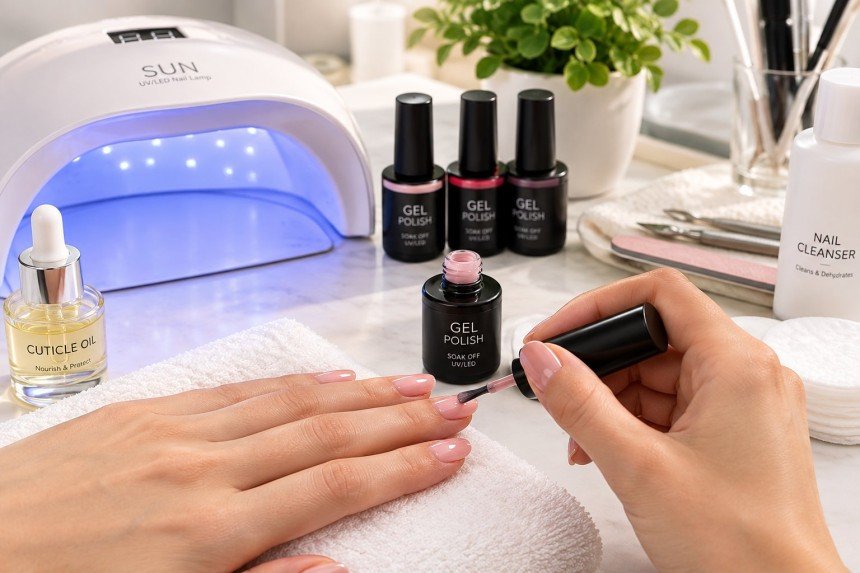
Gel nail polish has revolutionised the nail care industry by offering a long-lasting shine and exceptional durability. Unlike traditional nail polish, gel nail polish retains its vibrant colour and glossy finish for weeks without chipping or dulling. This comprehensive guide addresses the essential aspects of gel nail polish, making it easier to understand why it remains a preferred choice for many seeking high-performance nail solutions.
For those interested in exploring different options, gel nail polish collections provide a range of colours and finishes suitable for various occasions and preferences. The versatility of gel nails ensures that individuals can achieve salon-quality results in the comfort of their own home or through professional services.
What is Gel Nail Polish?
Gel nail polish is a specialised formula that requires curing under ultraviolet (UV) or light-emitting diode (LED) lamps to achieve a hard, shell-like coating. This process differs fundamentally from conventional nail polish, which dries through evaporation. By curing the gel polish, it becomes more resilient to external factors such as water, detergents, and physical impact.
The chemical composition of gel polish contains methacrylate compounds that polymerise under light to form a durable layer. This layer not only enhances the lifespan of the manicure but also provides a luminous finish that resists fading and cracking.
Advantages of Gel Nail Polish
The primary benefit of gel nail polish is its longevity. While ordinary nail polish may start chipping within days, gel polish maintains its integrity for two to three weeks or more, depending on nail care and application technique.
Furthermore, gel nail polish offers an intense, glossy shine that surpasses traditional formulations. This results in manicures that appear fresh and vibrant throughout their lifespan.
Gel nails also prove beneficial for individuals with brittle or weak nails. The hardened surface provides protection, reducing the likelihood of splitting or breaking.
Application Process
Applying gel nail polish involves multiple precise steps to ensure a flawless finish. Initially, the nails are cleaned, shaped, and lightly buffed to promote adhesion. A base coat is then applied and cured using a UV or LED lamp.
Following the base coat, one or more layers of coloured gel polish are applied, with each layer cured independently. This layering technique builds colour intensity and ensures durability.
Lastly, a top coat seals the polish for added protection and shine. After curing the top coat, any sticky residue is wiped away with a cleansing solution, leaving a smooth, glossy surface.
Removal Techniques
Proper removal of gel nail polish is critical to maintaining nail health. Peel-off methods or improper scraping can cause damage to the natural nail surface.
The recommended method involves soaking nails in acetone for an adequate duration to soften the gel polish. Cotton pads soaked in acetone are placed on the nails, secured with foil wraps, and left for approximately 10-15 minutes. This softens the gel, which can then be gently pushed off using a wooden cuticle stick.
Following removal, it is advisable to nourish the nails with cuticle oil and moisturisers to restore hydration and strength.
Potential Risks and Precautions
While gel nail polish is popular, certain precautions are necessary. Excessive exposure to UV lamps may pose minimal risk; therefore, some individuals opt for LED curing devices which emit less ultraviolet light.
Additionally, allergies to methacrylate compounds, although rare, can occur. It is prudent to perform patch tests when using new products or seeking professional advice if sensitivities arise.
Caring for Gel Nails
To maximise the lifespan of gel nails, regular maintenance is advised. Avoiding prolonged contact with water and harsh chemicals helps preserve the polish and prevent premature lifting.
Wearing gloves during household chores such as cleaning and dishwashing offers additional protection. Regular application of cuticle oils supports nail hydration and flexibility.
Scheduling professional touch-ups every two to three weeks maintains appearance and addresses any growth or lifting issues.
Environmental Considerations
Gel nail polishes have been developed with attention to environmental factors. Many brands now offer formulations free from certain harmful chemicals, targeting a reduced ecological footprint.
Disposal of products should align with local regulations, and unwanted polish bottles should not be discarded carelessly to avoid environmental contamination.
Innovations in Gel Nail Polish
Recent advancements include air-dry gel formulas that expedite application without compromising durability. Additionally, a broader range of pigments and textures offer creative possibilities for personalised manicures.
Technological improvements in lamp designs contribute to shorter curing times and enhanced user safety.
Conclusion
Gel nail polish provides a superior alternative to traditional nail lacquers due to its lasting shine, robustness, and overall aesthetic appeal. Understanding the application, removal, and care routines is essential for achieving optimal results and maintaining nail health.
For individuals seeking a reliable, long-lasting manicure with professional-grade finish, gel nail polish remains an excellent choice supported by continuous innovation and product development.
For a selection of quality gel nail products, perusal of specific collections enables consumers to find options tailored to their needs and preferences. Incorporating these practices facilitates both beauty and nail integrity, establishing gel nails as a prominent feature of modern nail care.

Why Your Headphones Pick Up the Whole Office on Calls

Transform Your Skin with RF Microneedling: Discover the Benefits at Elite Body Contouring

Revolutionizing Precision: The Advantages of Fiber Optic Laser Cutting with Macro Weld

Stunning Spring Carnival Dresses to Elevate Your Style This Season

Top Cricket Equipment Essentials Every School Should Have

Innovative Architects in Sydney: Designing Your Dream Space with Shore Architects

How to Ensure Your Home is Valued Correctly for a Quick Sale

Christopher Dare: The Untold Story of Engineer and Former Husband of Angela Rippon

The 15 Highest-Paid Rugby Players in the World

What Is Fanquer? The Digital Creator Platform Transforming Direct-to-Fan Engagement

Dr Jared Ross: Missouri Appeals Court Upholds Protection Order Over Graphic Torture and Murder Threats

Nancy Hallam: The Inspiring Life, Career, and Success Story Behind Ian Wright’s Wife
How to Ensure Your Home is Valued Correctly for a Quick Sale
Christopher Dare: The Untold Story of Engineer and Former Husband of Angela Rippon
The 15 Highest-Paid Rugby Players in the World
What Is Fanquer? The Digital Creator Platform Transforming Direct-to-Fan Engagement
Dr Jared Ross: Missouri Appeals Court Upholds Protection Order Over Graphic Torture and Murder Threats
Nancy Hallam: The Inspiring Life, Career, and Success Story Behind Ian Wright’s Wife
-
 Real Estate9 months ago
How to Ensure Your Home is Valued Correctly for a Quick Sale
-
Celebrity11 months ago
Christopher Dare: The Untold Story of Engineer and Former Husband of Angela Rippon
-
 Sports5 months ago
The 15 Highest-Paid Rugby Players in the World
-
 Technology5 months ago
What Is Fanquer? The Digital Creator Platform Transforming Direct-to-Fan Engagement
-
 Celebrity5 months ago
Dr Jared Ross: Missouri Appeals Court Upholds Protection Order Over Graphic Torture and Murder Threats
-
Celebrity12 months ago
Nancy Hallam: The Inspiring Life, Career, and Success Story Behind Ian Wright’s Wife
-

 Celebrity8 months ago
Who Is Azriel Crews? Inside the Life and Career of Terry Crews’ Daughter
-
 Celebrity11 months ago
Who Is Maisie Mae Roffey? The Private Life, Family Story, and Quiet Success of Julie Walters’ Daughter