
Real Estate
How to Prepare and Sell Your Property Successfully


Selling a property can be a major decision, whether you are moving to a larger home, relocating for work, downsizing, or changing your lifestyle. A successful sale requires realistic pricing, careful preparation, effective marketing, and clear communication throughout the process.
Working with experienced local professionals such as Hunters Easton Estate Agents can help sellers understand the local market, identify a suitable asking price, and present their property to the right buyers.
Understand the Local Property Market
Before placing a property on the market, sellers should understand current conditions in their area. Property prices can vary significantly depending on location, buyer demand, property type, condition, and nearby facilities.
Local market research can help answer important questions, including:
- How quickly are similar properties selling?
- What prices are buyers currently willing to pay?
- Which property features are attracting the most interest?
- Is the market currently favourable to buyers or sellers?
Understanding these factors helps homeowners develop realistic expectations and avoid making decisions based on outdated information.
Get an Accurate Property Valuation
An accurate valuation is one of the most important parts of the selling process. Setting the asking price too high may discourage buyers and cause the property to remain on the market for a long time.
Pricing the property too low may attract quick interest, but it could also reduce the seller’s final return.
A professional valuation normally considers:
- Recent sales of comparable properties
- Current buyer demand
- The size and layout of the property
- Its overall condition
- Local schools and transport links
- Nearby shops and amenities
- Wider market trends
Homeowners may benefit from obtaining more than one valuation before choosing an asking price.
Choose the Right Estate Agent
The right estate agent can make the selling process more organised and effective. A knowledgeable local agent can provide advice on pricing, marketing, viewings, offers, and negotiations.
When comparing estate agents, sellers should consider:
- Local market experience
- Knowledge of similar properties
- Marketing methods
- Photography and listing quality
- Communication style
- Fees and contract terms
- Previous client reviews
Local professionals such as Hunters Easton Estate Agents can help homeowners understand how similar properties are performing and what local buyers are currently looking for.
Prepare the Property for Sale
A well-presented property can create a strong first impression and encourage more buyers to arrange viewings.
Preparation does not always require expensive renovation work. Small and affordable improvements can often make a noticeable difference.
Useful steps may include:
- Cleaning every room thoroughly
- Removing unnecessary clutter
- Completing minor repairs
- Repainting damaged or marked walls
- Improving lighting
- Tidying gardens and outdoor areas
- Cleaning windows
- Organising storage spaces
The aim is to help potential buyers imagine themselves living in the property.
Improve Kerb Appeal
The exterior of a property is often the first thing buyers notice. A poorly maintained entrance may affect their opinion before they even step inside.
Simple improvements can include:
- Cleaning the front door
- Removing weeds
- Cutting the grass
- Trimming plants and hedges
- Repairing damaged fencing
- Cleaning paths and driveways
- Adding tidy outdoor lighting
A clean and welcoming entrance can make the property appear more attractive and well cared for.
Use Professional Property Photography
Many buyers begin their property search online, which means photographs play an important role in generating interest.
Dark, unclear, or poorly framed images may cause buyers to ignore a property, even when it has strong features.
Professional photographs should:
- Use natural light where possible
- Show rooms from suitable angles
- Highlight space and layout
- Present the property clearly
- Avoid unnecessary clutter
- Include important outdoor areas
High-quality images can increase online engagement and help listings stand out from competing properties.
Write an Informative Property Description
A good property description should be clear, accurate, and easy to read. It should highlight the home’s strongest features without using exaggerated or misleading language.
Important details may include:
- Number of bedrooms and bathrooms
- Property type
- Garden or outdoor space
- Parking facilities
- Recent improvements
- Storage areas
- Transport links
- Nearby schools
- Local shops and services
The description should focus on features that are likely to matter most to the target buyer.
Set a Realistic Asking Price
The asking price should reflect the property’s genuine market value rather than personal expectations.
Buyers usually compare several properties before making an offer. If a home appears significantly overpriced, they may choose another property without arranging a viewing.
A realistic price can help:
- Generate more enquiries
- Attract serious buyers
- Encourage competitive offers
- Reduce time on the market
- Support smoother negotiations
The asking price can be reviewed if market conditions change or buyer interest remains limited.
Prepare for Property Viewings
Viewings give potential buyers an opportunity to experience the property beyond the online listing.
Before each viewing, sellers should:
- Open curtains and blinds
- Turn on lights in darker rooms
- Remove personal clutter
- Clean kitchens and bathrooms
- Eliminate unpleasant smells
- Keep room temperatures comfortable
- Secure pets where necessary
The property should feel clean, bright, organised, and welcoming.
Sellers should also allow buyers enough time to explore without making them feel rushed.
Respond to Buyer Feedback
Feedback can help sellers understand how buyers are responding to the property.
One negative comment may not require action, but repeated feedback about the same issue should be taken seriously.
Common concerns may include:
- The asking price
- Room presentation
- Property condition
- Lack of storage
- Outdoor maintenance
- Poor lighting
- Limited parking
Sellers can use this information to improve the property or adjust their marketing strategy.
Evaluate Offers Carefully
The highest offer is not always the strongest offer. Sellers should consider the buyer’s overall position before making a decision.
Important factors include:
- Whether the buyer has arranged finances
- Whether they are part of a property chain
- Their preferred completion date
- Whether they have a property to sell
- The likelihood of delays
- Any conditions attached to the offer
A slightly lower offer from a well-prepared buyer may sometimes be more reliable than a higher but uncertain offer.
Negotiate with Realistic Expectations
Negotiation is a normal part of selling a property. Sellers should understand the lowest price they are prepared to accept before responding to offers.
They should also consider current demand, recent comparable sales, how long the property has been listed, and the cost of delaying the sale.
An experienced estate agent can communicate with buyers, explain the seller’s position, and help both sides work towards acceptable terms.
Understand the Legal Process
Once an offer has been accepted, the legal process begins. A solicitor or conveyancer will normally manage the paperwork, property searches, contracts, and transfer of ownership.
Sellers should prepare relevant documents early, including:
- Proof of identity
- Title information
- Planning permissions
- Building regulation certificates
- Energy performance documents
- Guarantees for completed work
- Property information forms
- Fixtures and fittings details
Providing documents promptly can reduce delays and help the transaction progress smoothly.
Avoid Common Selling Mistakes
Several mistakes can make a property more difficult to sell.
Common examples include:
- Setting an unrealistic asking price
- Using poor-quality photographs
- Ignoring minor repairs
- Providing incomplete information
- Rejecting reasonable offers without consideration
- Failing to respond quickly to enquiries
- Choosing an agent based only on the highest valuation
- Making the property difficult to view
A flexible and well-planned approach can improve the likelihood of a successful sale.
Plan Your Moving Timeline
Selling a property also requires practical planning. Homeowners should consider where they will move, when they need to leave, and how much time is required for packing and removal arrangements.
A moving plan may include:
- Comparing removal companies
- Decluttering before packing
- Redirecting mail
- Updating utility providers
- Arranging home insurance
- Organising keys and documents
- Planning temporary accommodation if needed
Preparing early can reduce stress as the completion date approaches.
The Value of Local Property Expertise
Every property market is different. Local knowledge can help sellers understand buyer behaviour, pricing trends, popular areas, and the features that influence demand.
An estate agent with local experience can provide practical guidance from the initial valuation through to offer negotiations and completion.
For homeowners selling in Easton and surrounding areas, Hunters Easton Estate Agents can provide support with property valuation, marketing, viewings, buyer communication, and the wider sales process.
Key Considerations
Selling a property successfully requires more than simply placing it online. Accurate pricing, strong presentation, professional marketing, careful negotiation, and timely communication all contribute to a better result.
Homeowners should research their local market, prepare the property properly, compare estate agents, and review offers based on both price and buyer reliability.
With realistic expectations and professional support, sellers can improve their chances of completing the sale smoothly and achieving a suitable outcome.


A property agent can influence some of the most significant financial decisions a person makes, from selling a family home to finding a rental property or managing an investment. Yet the rules governing these services are not always straightforward. Different activities carry different responsibilities, and the requirements can vary depending on where an agent operates and which services they provide.
The regulation of property agents is therefore about more than a single licence or professional qualification. It involves a combination of legislation, consumer protection requirements, redress arrangements and, in some circumstances, additional industry standards.
For consumers, understanding this framework helps when deciding which agent to appoint and what standards to expect. For property professionals, it highlights the importance of knowing which obligations apply to their business and keeping pace with changes across the sector.
Why property agent regulation is more complex than it appears
The term property agent covers a broad range of services. Residential sales agents market homes and negotiate transactions, letting agents introduce landlords and tenants, and property managers handle responsibilities connected with buildings, maintenance and tenancy administration.
Although these activities overlap, their legal requirements are not identical. An agency handling residential sales may have different obligations from a business managing rental properties or holding money on behalf of landlords and tenants.
Geography adds another layer. England, Wales, Scotland and Northern Ireland have distinct legal frameworks, and requirements introduced in one jurisdiction should not automatically be assumed to apply throughout the UK.
This makes it important to distinguish between general professional expectations and specific legal duties. Clear communication, accurate information and fair treatment are sensible standards for every agent, but statutory obligations depend on the activity, location and circumstances involved.
For consumers, the practical question is not simply whether an agency describes itself as regulated. It is whether the business meets the requirements applicable to its services and provides a clear explanation of its responsibilities.
The existing framework: what agents must do today
Although there has not historically been a single licensing system covering every type of property agent, several important legal requirements already apply.
The Estate Agents Act 1979 establishes duties relating to estate agency work, including handling offers, disclosing relevant interests and providing information about terms of business. The Act also gives authorities powers to restrict individuals or businesses that are considered unfit to undertake estate agency work.
Consumer protection law is another important part of the framework. Agents must avoid misleading practices and ensure that information provided to consumers is not deceptive. This includes taking care with property descriptions, statements about a property’s characteristics and information that could influence a consumer’s decision.
Residential estate agents must also belong to an approved redress scheme. This gives eligible consumers an independent route to pursue unresolved complaints after following the agency’s own complaints procedure.
For agencies undertaking regulated estate agency activities, anti-money laundering obligations introduce further responsibilities. These can include verifying customer identities, assessing financial crime risks, maintaining appropriate records and reporting suspicious activity where required.
Taken together, these requirements establish important minimum standards, even though they do not amount to a universal professional licensing system.
The move towards stronger property agent regulation
The future of property agent regulation has received considerable attention, particularly around qualifications, accountability and consistent standards.
The Regulation of Property Agents Working Group, chaired by Lord Best, published recommendations in 2019. These included a proposed independent regulator, a legally enforceable code of practice and minimum entry requirements for property agents.
More recently, the UK Government announced on 29 September 2026 that it intends to legislate for an independent statutory regulator. The stated minimum scope includes managing agents operating across leasehold and commonhold properties, estate agents, letting agents and estate managers on freehold estates. Further details on licensing, qualifications and codes of practice are expected to follow.
This announcement signals a proposed change in the regulatory framework, but it should not be confused with a fully implemented licensing system. Until the relevant legislation and requirements take effect, businesses need to comply with the existing rules applicable to their activities while monitoring official announcements.
For property professionals, preparing for potential changes is a sensible business decision. Reviewing staff training, record-keeping, complaints handling and internal procedures can help agencies identify areas that may require attention as the framework develops.
What regulation means for consumers and property businesses
For consumers, regulation provides a basis for understanding an agent’s responsibilities and challenging poor service. Before appointing an agency, it is sensible to check its redress scheme membership, understand its fees and terms, and establish how complaints are handled.
For property businesses, compliance is an ongoing responsibility rather than a task to complete once. Agencies should identify the rules relevant to each service, keep procedures current and ensure staff know when to seek specialist advice.
Professional memberships and qualifications can provide additional reassurance, but they are not automatically substitutes for statutory compliance. Equally, the absence of a universal licensing requirement does not mean that agents operate without legal obligations.
The regulatory position can differ across the UK, particularly for letting and managing agents. Businesses working in more than one jurisdiction should verify the rules for each location rather than applying a single procedure everywhere.
Conclusion
The regulation of property agents is evolving, but important legal responsibilities already govern how agents conduct business, communicate with consumers and manage transactions. Existing legislation, redress arrangements and financial crime controls provide a foundation for accountability, while proposed reforms point towards a more unified system of oversight.

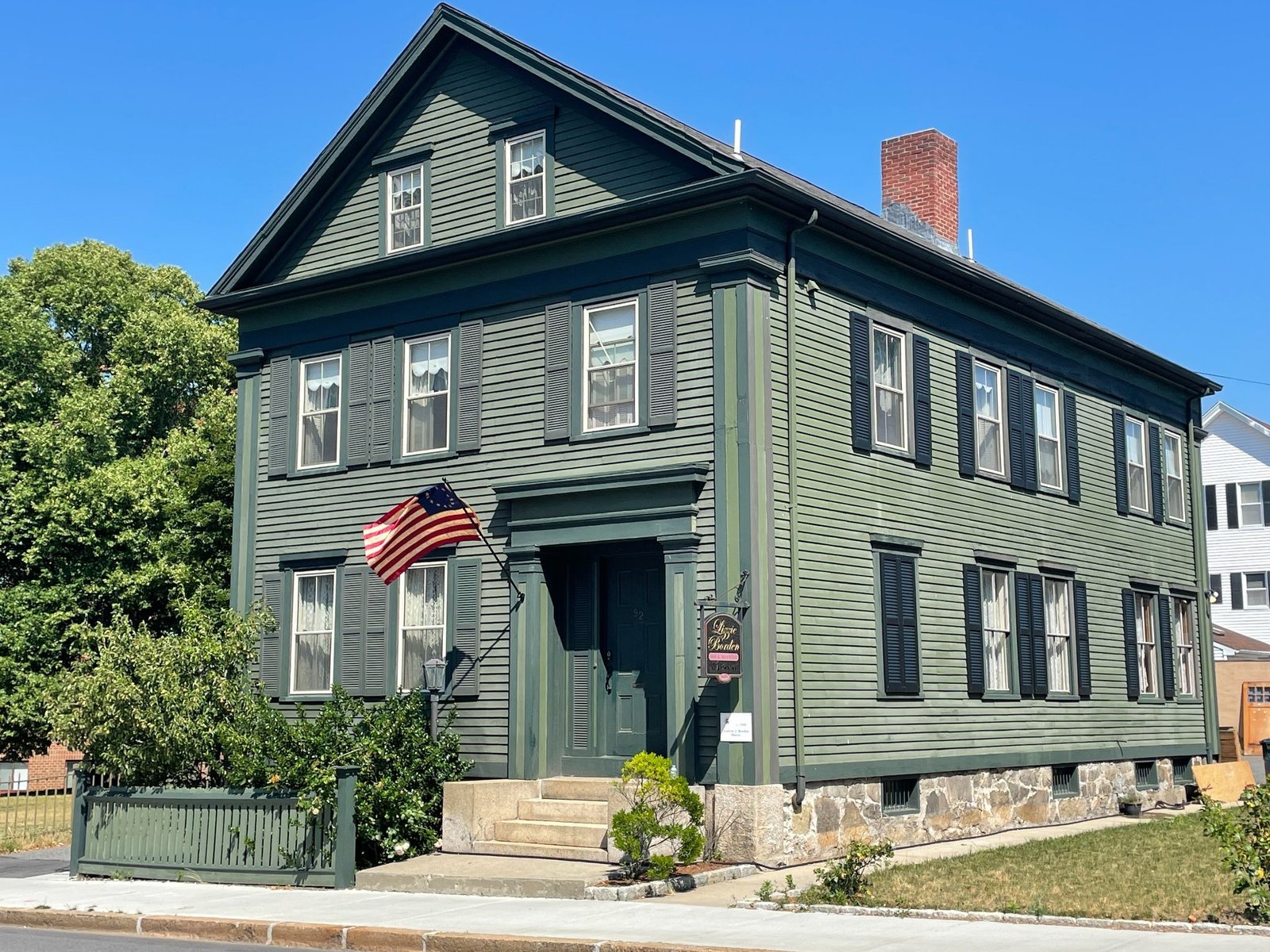
Forget the predictable chain hotel with its beige walls, identical bedrooms, and uninspiring breakfast buffet. For adventurous British travellers, America’s most notorious haunted houses offer something far more memorable: the chance to spend a night inside a real-life horror story.
From unsolved Victorian murders to Civil War ghosts, these historic properties combine dark tourism, true crime, and the ultimate overnight dare. You don’t have to believe in ghosts to feel the excitement. After all, how many people can say they slept at the scene of one of America’s most infamous crimes?
Lizzie Borden House, Massachusetts: Sleep at the Scene of a Victorian Murder Mystery
In August 1892, Andrew and Abby Borden were brutally murdered inside their Fall River, Massachusetts, home. Their daughter, Lizzie Borden, became the prime suspect in a sensational trial that captivated America. Although she was acquitted, the murders remain officially unsolved.
Today, visitors can actually spend the night inside the original house, now a historic inn and museum. Guests can book rooms associated with the Borden family, including the bedroom where Abby was discovered murdered. For an even bigger adventure, groups can arrange to reserve the entire property, subject to booking conditions.
Ghost stories abound, and visitors have experienced mysterious footsteps, disembodied voices, unexplained movements, and the unsettling sensation of being touched by something unseen. British true-crime enthusiasts, this is a chance to experience an authentic piece of American criminal history rather than simply watching another documentary.
The bucket-list dare: Book the room where Abby Borden was murdered, turn out the lights, and see who can actually sleep through the night.
Villisca Axe Murder House, Iowa: The Ultimate Overnight Horror Challenge
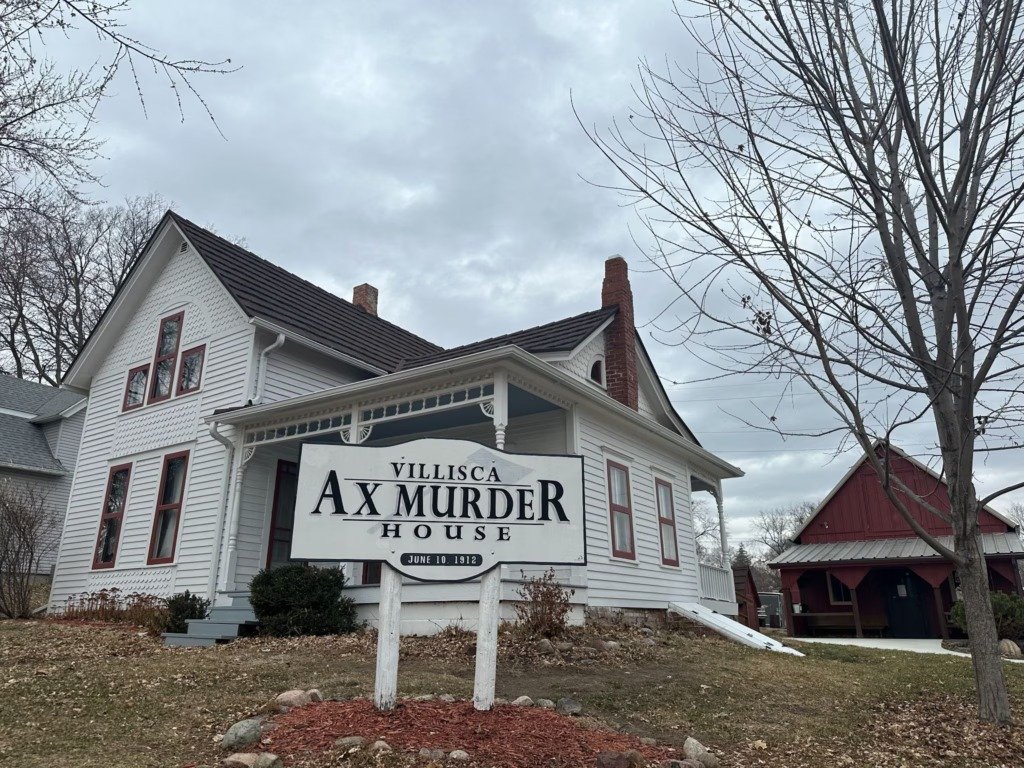
The Villisca Ax Murder House – Copyright Villisca House
If the Lizzie Borden House sounds frightening, the Villisca Axe Murder House takes the overnight challenge to another level.
On the night of 9 June 1912, eight people, including six children, were murdered inside this modest Iowa home. Despite an extensive investigation, the killer was never conclusively identified. The house has been restored to reflect its appearance around the time of the murders, complete with an absence of indoor plumbing and conventional electrical outlets.
Today, adventurous visitors can book individual rooms or reserve the entire house for a private overnight experience. Whole-house rentals are advertised from $599 for five guests, with additional people permitted for a fee.
According to paranormal investigators, the property has produced reports of unexplained voices, moving objects, mysterious shadows, and strange activity during the early morning hours. Unlike a conventional hotel, Villisca is designed around the experience of spending the night in a historically significant and allegedly haunted location.
The bucket-list dare: Gather your bravest friends, book the entire house, and attempt an overnight ghost investigation. Just remember that this is a historic property, not a luxury hotel.
McInteer Villa, Kansas: Spend the Night in a Victorian Mansion of Mysteries
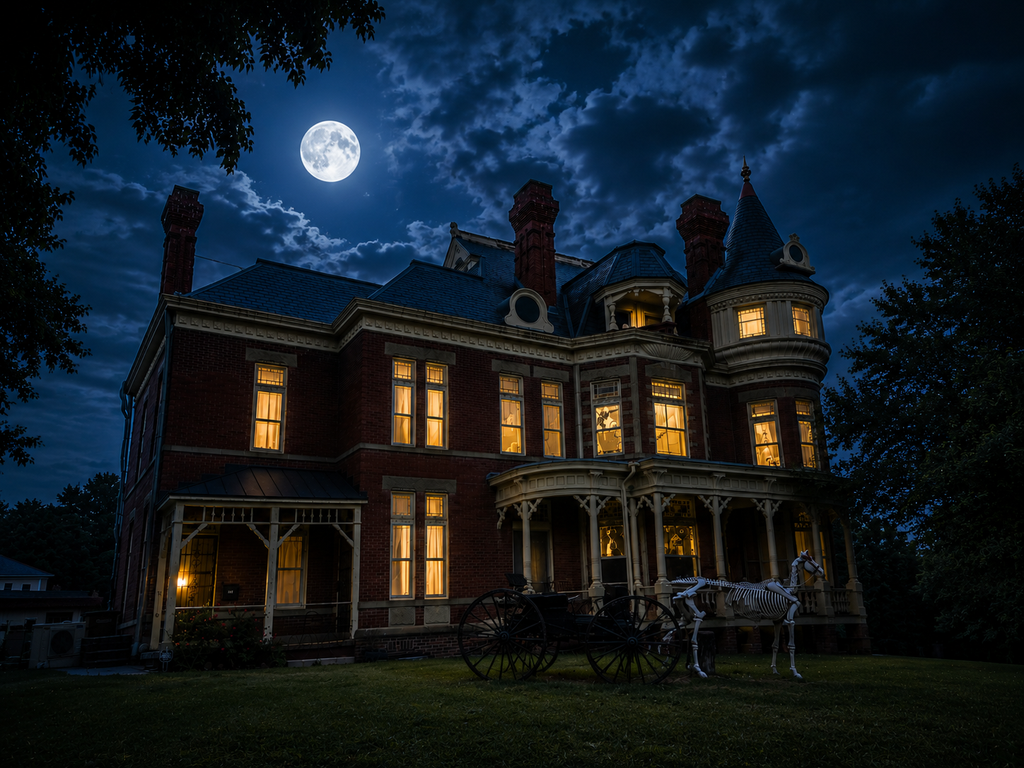
The McInteer Villa – Copyright McInteer Villa
Some travellers prefer gothic grandeur to isolated farmhouses. The McInteer Villa in Atchison, Kansas, delivers an unforgettable Victorian experience. Built in 1889–1890 by Irish immigrant and businessman John McInteer, this imposing brick mansion features a dramatic turret, ornate woodwork, stained-glass windows, and winding staircases.
Over the decades, the property served as a family residence and rooming house, accumulating stories of mysterious deaths and unexplained encounters. Visitors have reported phantom footsteps, disembodied voices, shadowy figures, and the sound of a rocking chair moving when nobody is nearby.
The mansion welcomes visitors for tours and overnight paranormal investigations, allowing groups to explore its historic rooms after dark. For British travellers accustomed to stately homes and castle ghost stories, McInteer Villa offers an American twist on the classic haunted mansion experience.
The bucket-list dare: Gather a group of friends, spend the night exploring the mansion’s creaking corridors, and discover whether your courage survives until sunrise.
Brickhouse Inn, Pennsylvania: Sleep Where the Civil War Raged

The Brickhouse Inn – Copyright US Ghost Adventures
Not every haunted overnight experience involves a notorious murder. Some properties offer a
n opportunity to sleep where history itself turned violent.
Gettysburg’s Brickhouse Inn includes the historic Welty House, which stood directly in the fighting during the Battle of Gettysburg in July 1863. Confederate sharpshooters occupied the building, while the Welty family and their neighbours sheltered in the basement. Two Confederate soldiers were reportedly killed inside, and dozens of soldiers were temporarily buried on the property.
Today, visitors can stay in beautifully furnished rooms while exploring the history of one of America’s bloodiest battles. Unlike the rustic Villisca House, Brickhouse Inn combines its wartime history with comfortable modern accommodation.
According to local legends, guests have seen phantom soldiers patrolling the property. Others have heard unexplained footsteps, mysterious voices, and sounds resembling distant gunfire. The inn also offers guided ghost-hunting experiences involving hauntings in the historic basement.
The bucket-list dare: Book a room in the Welty House, explore Gettysburg’s battlefield by day, and join an evening ghost hunt where civilians once hid from the fighting.
Swap an Ordinary Hotel Stay for an Extraordinary Story
For adventurous Brits planning an American holiday, these historic properties offer something no ordinary hotel can match: a chance to spend the night surrounded by genuine history and unsettling folklore.
Whether you’re investigating the Lizzie Borden murders, braving Villisca’s isolated farmhouse, exploring McInteer Villa, or sleeping in Gettysburg’s Civil War history, each experience offers an unforgettable story to take home.
Book well in advance, check accommodation arrangements, and respect the real tragedies behind the legends. You might not encounter a ghost, but you’ll certainly return with a better story than another night in a boring, beige hotel room.

Letting property in Peterborough now requires landlords to follow new tenancy rules, review their paperwork and understand their responsibilities under the Renters’ Rights Act 2025. The changes took effect on 1 May 2026, affecting both existing and new private tenancies. For landlords in areas such as Hampton, Bretton, Werrington and the city centre, compliance also means checking local licensing requirements and maintaining safe, well-managed properties.
1. Review Your Tenancy Agreements and Existing Records
The Renters’ Rights Act replaced assured shorthold tenancies with assured periodic tenancies for most private renters in England. Existing eligible tenancies moved to the new system automatically on 1 May 2026.
Landlords should review their tenancy records and make sure their processes reflect the new arrangements.
Use this checklist:
- Check existing agreements: Existing written tenancy agreements generally do not need to be replaced solely because of the reforms. However, review their terms and ensure your management procedures reflect the new rules.
- Provide the required information: Most landlords with existing written agreements were required to give tenants the official Renters’ Rights Act Information Sheet by 31 May 2026. If you missed the deadline, address the omission promptly and seek advice on your position.
- Document verbal agreements: Where an existing tenancy was agreed entirely verbally, landlords were required to provide written information setting out the key tenancy terms by the same deadline.
- Update tenancy templates: Ensure agreements for new tenancies reflect the current periodic tenancy framework rather than relying on outdated assured shorthold tenancy templates.
- Keep accurate records: Retain signed agreements, tenant communications, compliance certificates, repair records and evidence that required information has been provided.
Good record-keeping helps demonstrate compliance and makes it easier to manage questions or disputes. Landlords using a letting agent should confirm who is responsible for each document and deadline.
2. Understand the New Rules on Rent and Possession
The reforms changed how landlords manage rent increases and regain possession of their properties. Processes that were valid under the previous system may no longer be appropriate.
Rent increases
Landlords can generally increase rent only once a year under the new statutory process. A proposed increase must follow the correct procedure, including using Form 4A and giving at least two months’ notice. Tenants can challenge a proposed increase if they believe it exceeds the open-market rent.
Before proposing an increase, review comparable properties in Peterborough and consider the condition, location and facilities of your rental property. Keep evidence supporting the proposed figure and allow sufficient time for the required notice.
Ending a tenancy
Section 21 no-fault evictions have been abolished under the new regime. Landlords must rely on a valid legal ground for possession and follow the correct notice and court procedures where required.
Do not assume that a tenant must leave because a fixed term has ended or because you want to sell the property. Check the applicable possession grounds and requirements before taking action.
Advertising a rental property
Landlords must publish an asking rent when advertising a property and cannot encourage rental bidding or accept offers above the advertised rent.
Make sure advertisements, application processes and communications with prospective tenants follow these requirements. Clear, consistent procedures can reduce disputes and help landlords assess applicants fairly.
3. Check Tenant Selection, Pets and Property Management Policies
The Act introduces important changes to how landlords assess prospective tenants and respond to requests during a tenancy.
Review your current policies against the following points:
- Benefits and children: You must not discriminate against prospective tenants because they receive benefits or have children.
- Pets: Tenants can request permission to keep a pet. Landlords must consider requests properly and can refuse only where there is a valid reason.
- Applications: Use consistent, relevant criteria when assessing prospective tenants. Avoid blanket policies that could conflict with the new rules.
- Communication: Keep written records of important requests, decisions and reasons, particularly where a tenant’s request is refused.
- Property management: Maintain a clear process for reporting repairs, investigating problems and arranging necessary work.
For landlords with several properties, reviewing standard application forms, tenancy templates and staff procedures can help prevent inconsistent decisions.
It is also worth reviewing how your letting agent handles tenant enquiries and applications. Responsibilities should be clearly agreed so that important requests are not overlooked.
4. Check Peterborough’s Local Licensing Requirements
National tenancy reforms are only one part of a landlord’s compliance responsibilities. Peterborough has a selective licensing scheme covering designated streets within specified wards.
The scheme began on 11 March 2024 and is scheduled to run until 10 March 2029. Designated areas include parts of Bretton, Central, East, Fletton and Stanground, Fletton and Woodston, North, Orton Waterville, Park, Paston and Walton, and Stanground South.
A ward name alone does not establish whether your property requires a licence. The scheme applies to specified streets and properties within the designated areas.
Before letting a property or renewing your management arrangements:
- Check the property’s exact address against Peterborough City Council’s current selective licensing information.
- Establish whether a selective licence is required and whether an existing licence remains valid.
- Review whether the property falls under separate Houses in Multiple Occupation licensing requirements.
- Confirm the licence conditions and keep evidence that they are being met.
- Check for any additional local requirements relevant to the property.
Landlords should not assume that a property outside the selective licensing streets is exempt from every other licensing or housing standard requirement.
5. Maintain Safety Standards and Prepare for Further Changes
The Renters’ Rights Act does not replace existing landlord obligations relating to property safety. Gas safety, electrical safety, smoke alarms, carbon monoxide alarms and deposit protection remain important parts of a compliant letting process where applicable.
Use a property-by-property checklist to track certificates, inspection dates, repairs and renewal deadlines. Investigate reports of damp, mould or other hazards promptly, and keep a record of the action taken.
Energy performance should also be considered. Review the property’s Energy Performance Certificate and identify practical improvements that may support efficiency and tenant comfort. Check the rules applicable to your property before planning works or assuming a particular exemption applies.
Further reforms are also being introduced in phases. The government has outlined a regional rollout of the Private Rented Sector Database from late 2026, with mandatory registration planned for private landlords. The wider timetable includes further measures, so landlords should monitor official guidance rather than assume every future requirement is already in force.
For landlords reviewing their local letting strategy, estate agents in Peterborough can provide local property insight to help assess rental options and understand the practical considerations of managing a property in the area.
Frequently Asked Questions
Does the Renters’ Rights Act apply to existing tenancies in Peterborough?
Yes. The main tenancy reforms took effect on 1 May 2026 and apply to most existing and new private tenancies in England. Eligible assured shorthold tenancies became assured periodic tenancies automatically. Landlords should review their existing agreements, provide the required information and update their management procedures to reflect the new rules.
Do Peterborough landlords need a selective licence?
Some do. Peterborough City Council operates a selective licensing scheme covering specified streets in designated wards. Whether a property requires a licence depends on its exact location and the applicable rules. Landlords should check the council’s current street list and mapping information rather than relying on the ward name or postcode alone.
Can a landlord increase rent after the Renters’ Rights Act?
Landlords can generally increase rent no more than once a year using the statutory process. This normally involves serving Form 4A with at least two months’ notice. Tenants can challenge a proposed increase they believe exceeds the open-market rent. Landlords should follow the current procedure and retain records of notices and supporting evidence.
Can a landlord evict a tenant if they want to sell their property?
A landlord can seek possession where a valid statutory ground applies, including the relevant ground for selling a property. However, Section 21 no-fault evictions have been abolished. Landlords must meet the requirements of the applicable possession ground and follow the correct notice and legal process. They should obtain professional advice before serving notice.
What should Peterborough landlords do first to prepare?
Start by reviewing tenancy agreements, checking that required tenant information has been provided, and updating rent and possession procedures. Next, verify local licensing requirements for each property and audit safety certificates, repairs and deposit records. Assign responsibility for each compliance task and monitor official guidance for further reforms as they are introduced.

8 Best Marketing Agencies for Tradesmen in the UK (2026)

Why More People in the UK Are Paying for ChatGPT in 2026

Build a Competitive Ultimate Team in EA Sports FC 27

Posters Deserve Better: What a Professional Picture Framer Can Do for Your Prints

Plastic Surgery Abroad: How To Prepare For Your First Consultation – A Practical Guide

7 jewellery schools that take complete beginners

How to Ensure Your Home is Valued Correctly for a Quick Sale

Christopher Dare: The Untold Story of Engineer and Former Husband of Angela Rippon

The 15 Highest-Paid Rugby Players in the World

What Is Fanquer? The Digital Creator Platform Transforming Direct-to-Fan Engagement

Dr Jared Ross: Missouri Appeals Court Upholds Protection Order Over Graphic Torture and Murder Threats

Nancy Hallam: The Inspiring Life, Career, and Success Story Behind Ian Wright’s Wife
How to Ensure Your Home is Valued Correctly for a Quick Sale
Christopher Dare: The Untold Story of Engineer and Former Husband of Angela Rippon
The 15 Highest-Paid Rugby Players in the World
What Is Fanquer? The Digital Creator Platform Transforming Direct-to-Fan Engagement
Dr Jared Ross: Missouri Appeals Court Upholds Protection Order Over Graphic Torture and Murder Threats
Nancy Hallam: The Inspiring Life, Career, and Success Story Behind Ian Wright’s Wife
-
 Real Estate10 months ago
How to Ensure Your Home is Valued Correctly for a Quick Sale
-
Celebrity12 months ago
Christopher Dare: The Untold Story of Engineer and Former Husband of Angela Rippon
-
 Sports6 months ago
The 15 Highest-Paid Rugby Players in the World
-
 Technology6 months ago
What Is Fanquer? The Digital Creator Platform Transforming Direct-to-Fan Engagement
-
 Celebrity5 months ago
Dr Jared Ross: Missouri Appeals Court Upholds Protection Order Over Graphic Torture and Murder Threats
-
Celebrity1 year ago
Nancy Hallam: The Inspiring Life, Career, and Success Story Behind Ian Wright’s Wife
-

 Celebrity8 months ago
Who Is Azriel Crews? Inside the Life and Career of Terry Crews’ Daughter
-
 Celebrity12 months ago
Who Is Maisie Mae Roffey? The Private Life, Family Story, and Quiet Success of Julie Walters’ Daughter