
Real Estate
Buying a New Build in a County Town: What to Check Before You Buy

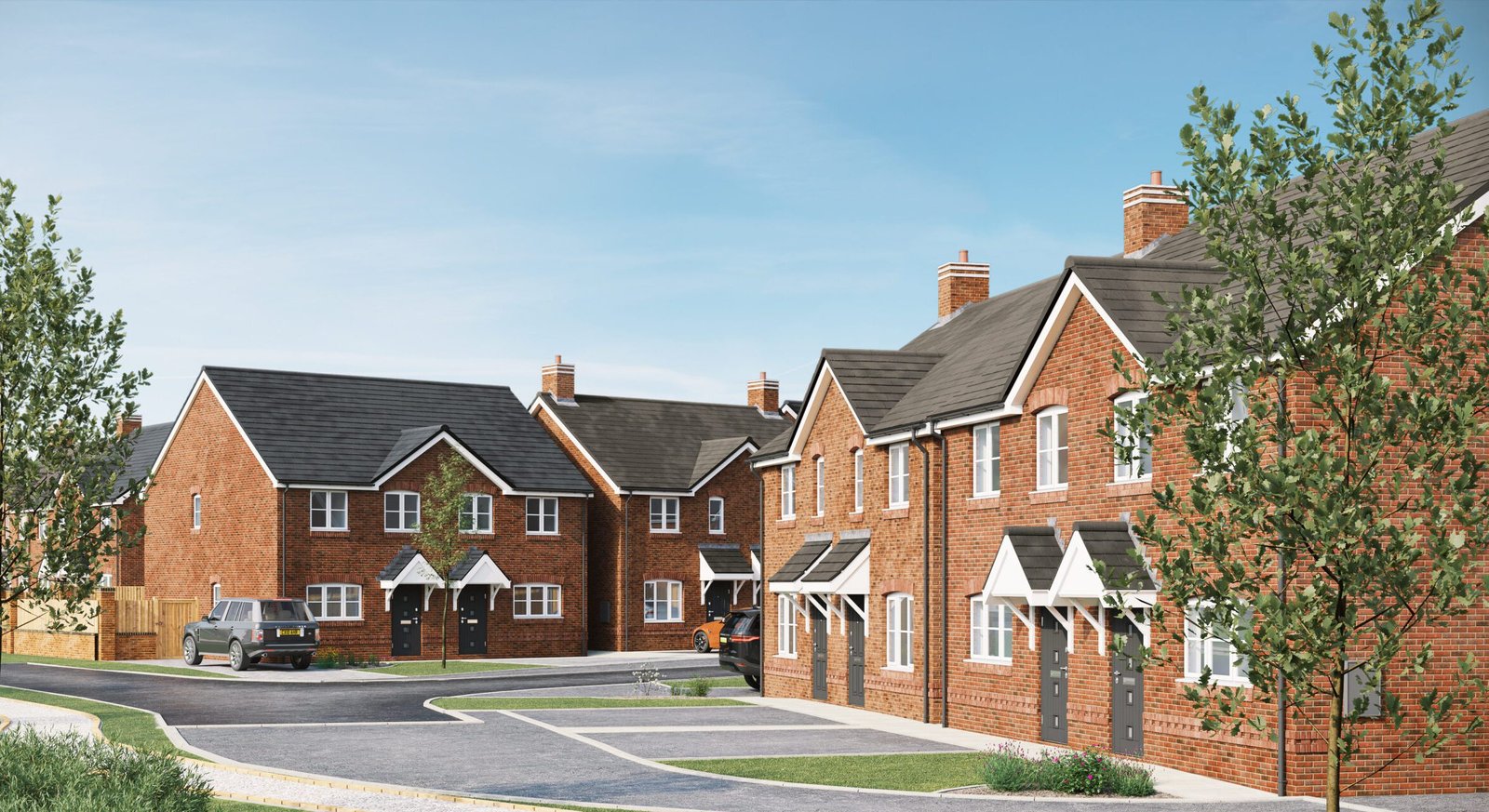
Buying a brand new home is exciting. Everything is fresh, nobody has lived there before and you can often choose your own kitchen, flooring or tiles. For many people, the most appealing new builds are not in big cities at all but in county towns and villages, where you get more space for your money, a slower pace of life and easy access to the countryside.
Lincolnshire is a good example. Market towns such as Louth, Sleaford, Grantham, Spalding and Market Rasen, along with the city of Lincoln itself, all see new homes being built, as do many similar towns in other rural counties. If you are thinking of buying a new build in this kind of area, there are some things worth checking, and it helps to understand how smaller regional builders can differ from the big national names.
Why county towns appeal to buyers
People move to county towns for all sorts of reasons. Some want a bigger home and garden than they could afford closer to a major city. Some are moving to be near family, or to start a new chapter after retirement. Others can now work from home for at least part of the week, which makes a longer commute on the odd day more manageable.
County towns tend to offer a strong sense of community, local shops and markets, good schools and plenty of green space. New developments on the edge of these towns can be a way to enjoy all of that with the comfort and efficiency of a modern home.
What to check before you buy
A new build might look perfect in the show home, but it is worth doing your homework before you sign anything.
Start with the location. Visit the site at different times of day, including school run times and weekends. Look at where the nearest shops, doctors, schools and bus routes are, and check how long it really takes to drive to work or to the nearest train station. On a large development, find out which phases are still to be built, as you could be living next to a building site for some time. If you are comparing New Build Homes in Lincolnshire or in a similar county, try to visit several developments in different towns so you can weigh up plots, builders and prices side by side.
Check the warranty. Most new homes in the UK come with a structural warranty from a provider such as the NHBC or another approved scheme. It usually lasts ten years, with the builder responsible for putting right certain defects in the early years. Ask which warranty the home has and what it covers.
Ask about the builder’s standards for customer care. Many builders sign up to a consumer code for new homes, which sets out how they should treat buyers, from clear information during the sale to how complaints are handled. Ask which code the builder follows and read it.
Look carefully at the costs beyond the price. Some new developments have estate management charges for looking after shared green spaces, roads or play areas that the council has not adopted. Ask what these are, how they might change and who sets them. Also check whether the home is freehold or leasehold.
Understand what is included. Is the garden turfed? Are there flooring, appliances or a garage? Upgrades can add up quickly, so make sure you know what the price covers.
Finally, plan for a snagging inspection. Even well built homes can have small faults when they are finished, such as paint marks, doors that stick or missing sealant. A careful check before or soon after you move in, either by you or a professional snagging surveyor, gives you a list to pass to the builder.
How smaller regional builders differ from national ones
When people think of new builds, they often picture the large national housebuilders whose names appear on billboards across the country. These firms build a huge number of homes each year and have well known brands, set house types and big marketing budgets. But in many counties, smaller regional and family run builders also play a big part. Anyone house hunting in a rural county will often come across local firms alongside the national names.
There are some general differences worth knowing about, although every builder is different, so always judge each one on its own record.
Scale is the obvious one. A regional builder may work on fewer sites at once, often in towns and villages it knows well. Developments can be smaller, which some buyers prefer, as they feel more like part of the existing community.
Design can vary more. National builders often rely on a set range of house types used across many sites. Smaller firms may have more freedom to adapt designs to the local area, using materials and styles that suit the surrounding streets.
Contact can feel more personal. With a smaller team, you may deal with the same people from your first visit to the handover, and sometimes even meet the directors. That can make it easier to ask questions and sort out any issues later on.
Choice and extras can differ too. A large builder may offer a big menu of upgrades and incentives. A regional builder might offer fewer set packages but more flexibility in some cases. It is always worth asking.
Of course, national builders bring advantages of their own, such as established processes, a wide choice of locations and sometimes buyer incentive schemes. The best approach is to compare builders on what really matters to you.
Questions worth asking any builder
Whichever builder you are considering, a few questions will tell you a lot.
How long have you been building homes in this area? Can I see homes you have finished on earlier developments? What warranty and consumer code do you use? What happens if I find a problem after I move in, and who do I contact? Are there any estate charges, and what do they cover? When is the home likely to be finished, and what happens if it is delayed?
It is also worth searching for reviews and, if possible, talking to people who already live on one of the builder’s developments. Most homeowners are happy to share their experience, good or bad.
Conclusion
Buying a new build in Lincolnshire or a similar county town can give you a modern, efficient home in a friendly place with room to breathe. Do your checks on the location, warranty, costs and what is included, and leave time for a proper snagging inspection. Look at smaller regional builders as well as national ones, and judge each on its own merits. With a little care, you can find a new home that suits both your budget and the way you want to live.









When it comes to creating architectural masterpieces in one of the world’s most dynamic cities, the team at Shore Architects stands out as premier architects in Sydney. Their commitment to innovation, functionality and aesthetics sets them apart from the competition, offering personalised solutions to clients who desire unique and efficient living or working environments.
Shore Architects have built a solid reputation in Sydney by consistently delivering projects that combine modern design principles with practical needs. They work closely with clients to ensure that each project not only meets but exceeds expectations, reflecting the client’s vision and lifestyle.
Comprehensive Architectural Services
The practice offers a wide range of architectural services, covering residential, commercial and mixed-use developments. From initial concept design to project completion, Shore Architects provide professional guidance at every stage. Their multidisciplinary team integrates engineering, interior design, and sustainable building practices, ensuring a seamless process and high-quality results.
By employing cutting-edge technologies, including 3D visualisation and Building Information Modelling (BIM), they enable clients to experience and understand their future spaces before construction begins. This interactive approach encourages feedback and fine-tuning, reducing costly adjustments during the building phase.
Innovative Design Philosophy
Innovation is at the heart of everything Shore Architects create. They focus on designs that are sustainable, adaptable and timeless. This design philosophy seeks to optimise natural light, improve energy efficiency and enhance occupant comfort. Through strategic use of materials and design elements, they transform ordinary spaces into exceptional environments.
The architects harness contemporary trends without compromising functionality. Their innovative solutions account for the local climate, cultural context, and site-specific challenges to produce designs that harmonise with their surroundings and stand the test of time.
Sustainability and Environmental Responsibility
Shore Architects prioritise sustainable architecture to reduce environmental impact. They implement green building techniques such as solar orientation, water conservation systems, and the use of recycled or locally sourced materials. Their projects aim to achieve certifications like Green Star or LEED, reflecting the commitment to environmental stewardship.
This approach not only benefits the environment but also results in healthier, more cost-efficient spaces. Clients appreciate the long-term value and reduced operational costs that come with energy-efficient designs.
Residential Architecture: Tailored Spaces for Modern Living
In residential projects, Shore Architects collaborate closely with homeowners to design spaces that accommodate contemporary lifestyles. Whether building a new home, undertaking renovations, or adding extensions, they focus on functionality, privacy, and style. Every detail, from the floor plans to the choice of materials, is selected to enhance daily living.
Their residential designs often incorporate open-plan layouts, indoor-outdoor living areas, and custom storage solutions. By balancing beauty with practicality, they create homes that are both inviting and highly functional.
Commercial Architecture: Enhancing Business Environments
For commercial clients, Shore Architects deliver designs that support business goals and create positive impressions. Whether offices, retail outlets or mixed-use developments, their architectural solutions improve operational flow, foster collaboration and stimulate customer engagement.
By focusing on brand identity and user experience, they create spaces that differentiate businesses in competitive markets. The architects are adept at navigating regulatory requirements and urban planning conditions to ensure compliant and optimised projects.
Collaboration and Client Engagement
Shore Architects value strong collaboration and transparent communication. Early and ongoing client involvement guarantees that projects develop in line with expectations. By integrating feedback and responding to changing needs, the firm maintains project momentum and satisfaction.
They also coordinate with engineers, contractors and other stakeholders to deliver comprehensive solutions. This holistic approach minimises delays and cost overruns, delivering projects on time and on budget.
Choosing Shore Architects for Your Project
Clients selecting Shore Architects benefit from a blend of creativity, technical expertise and personalised service. Their extensive portfolio demonstrates versatility and excellence across various architectural typologies and scales.
Whether embarking on a residential renovation or a major commercial development, the firm’s approach ensures functional beauty and sustainability. Their dedication to surpassing client expectations makes them trusted partners for architectural success in Sydney.
Conclusion
Innovative, client-focused, and committed to excellence, Shore Architects are a leading choice for anyone seeking visionary architects in Sydney. Their comprehensive services, cutting-edge design philosophy and dedication to sustainability enable clients to realise their dream spaces efficiently and elegantly.
Engaging Shore Architects means investing in professional guidance that transforms ideas into inspiring architectural realities. Their expertise and passion for design make them a noteworthy firm to consider for any architectural endeavour in Sydney.


Finding a suitable rental property has become increasingly challenging across many parts of the UK, and Gravesend is no exception.
For tenants, the search is no longer simply about finding a home within budget. Availability, competition, property condition and speed of decision-making are becoming equally important factors.
The rental market has experienced significant changes in recent years. Rising demand, evolving landlord responsibilities, changing regulations and wider affordability pressures have all influenced the balance between available homes and tenant requirements.
For Gravesend tenants, this means understanding how the local rental landscape is shifting could become essential.
The challenge is not only the number of available properties. It is also whether those properties meet the expectations of modern renters.
1. Why rental availability is becoming a growing concern in Gravesend
Rental availability is influenced by a simple relationship: supply and demand.
When more people are searching for homes than there are suitable properties available, competition increases. Tenants may find themselves viewing properties quickly, submitting applications immediately and making decisions faster than they would have in previous years.
Gravesend has several characteristics that continue to support rental demand.
Its location in Kent, connectivity to London and combination of urban convenience with more affordable housing compared with many parts of the capital make it attractive to a wide range of renters.
The tenant pool includes commuters, young professionals, families and people relocating within the South East.
However, rental demand is not only driven by population growth.
Changing lifestyle patterns, higher house prices and affordability challenges have encouraged more households to remain in rented accommodation for longer periods.
This places additional pressure on the available supply.
A shortage of suitable rental homes can therefore create a more competitive environment where tenants need to be increasingly prepared.
2. How Letting agents in Gravesend are responding to changing rental demand
Letting agents in Gravesend are seeing a rental market where tenant expectations and landlord considerations are becoming more complex.
The role of a letting agent is no longer simply matching tenants with available properties. Successful agencies need to understand market trends, advise landlords effectively and help tenants navigate a competitive environment.
Local agents monitor factors such as:
- Number of available rental properties
- Tenant enquiry levels
- Average rental values
- Popular property types
- Areas experiencing increased demand
This information helps provide a clearer picture of local conditions.
For tenants, working with professionals who understand the area can be valuable because suitable properties may not remain available for long.
For landlords, accurate market knowledge is equally important. Incorrect pricing or poor presentation can reduce interest, even when demand is strong.
The rental market relies on balance. When supply becomes limited, communication and preparation become increasingly important for everyone involved.
3. The relationship between tenant demand and limited rental supply
The availability challenge is not simply caused by increasing numbers of tenants.
Supply has a significant influence.
A market can experience strong demand, but if enough rental properties are available, competition remains manageable. Problems arise when supply fails to keep pace with demand.
Several factors can contribute to reduced availability:
- Some landlords choosing to sell rather than continue renting
- Higher operating costs
- Changing compliance requirements
- Increased property maintenance expenses
- Fewer new rental instructions entering the market
When fewer properties are available, tenants often face stronger competition.
A well-presented two-bedroom house, for example, may attract interest from professionals, couples and small families simultaneously.
This creates a situation where multiple applicants may be interested in the same property.
The result is a faster decision-making environment.
Tenants who are prepared with references, affordability evidence and necessary documentation are often better positioned when opportunities appear.
4. Why changing landlord decisions are affecting available properties
Landlords play a crucial role in the rental ecosystem.
Their decisions directly influence how many homes are available for tenants.
In recent years, many landlords have reviewed their portfolios due to changing costs, taxation considerations and evolving responsibilities.
Some landlords have decided to exit the market, reducing the number of privately rented homes available.
Others have remained but become more selective about the properties they own and the tenants they accept.
This does not mean every landlord is leaving the sector.
Many continue to see property as a long-term investment. However, the environment has become more complex, requiring stronger financial planning and professional management.
For tenants, these changes can affect availability.
A reduction in landlord activity may mean fewer choices, particularly for certain property types such as family houses or homes in highly desirable locations.
5. How affordability pressures are shaping tenant competition
Affordability is one of the biggest influences on rental demand.
Many tenants who would traditionally have considered buying a home are remaining in the rental sector for longer due to challenges around deposits, mortgage costs and overall affordability.
This increases the number of people competing for rental properties.
At the same time, rising household costs mean tenants are becoming more careful about monthly commitments.
A property may appear affordable based on rent alone, but renters increasingly consider wider expenses such as energy bills, transport costs and maintenance responsibilities.
This has created a more informed tenant market.
People are not only looking for the cheapest option. They are searching for properties that provide long-term value.
A slightly higher rent may be acceptable if the property offers better energy efficiency, lower running costs or a stronger location.
6. Why property quality and energy efficiency are becoming more important
Rental availability is not only about quantity.
Quality matters.
Tenants increasingly expect properties to meet modern standards. They are looking closely at condition, layout, energy performance and overall comfort.
Energy efficiency has become particularly important.
Higher energy costs have encouraged renters to consider factors such as insulation, heating systems and EPC ratings when choosing a home.
A property with better efficiency may be more attractive because it offers greater predictability around household expenses.
Landlords who invest in improving their properties may therefore benefit from stronger demand.
Simple improvements such as better insulation, updated heating systems or improved presentation can influence tenant interest.
In a competitive rental market, quality can become a significant differentiator.
7. The impact of local development and population growth on rentals
Housing development can influence rental markets in several ways.
New homes can increase overall housing supply, but they can also attract additional residents and create new demand for local services.
Gravesend’s continued growth and connectivity improvements contribute to its appeal as a place to live.
As more people consider areas outside London, locations with strong transport links and relatively good value can experience increased interest.
However, new development does not always immediately solve rental shortages.
The type of housing being delivered matters.
A shortage of family rental homes will not necessarily be addressed by building mainly smaller apartments.
The balance between different property types is important.
A healthy rental market requires homes that meet the needs of different households.
8. How tenants can improve their chances in a competitive market
When rental availability is limited, preparation can make a significant difference.
Tenants should consider preparing key information before beginning their search.
This may include:
- Proof of income
- References
- Identification documents
- Deposit availability
- Clear rental requirements
Speed can also matter.
Good rental properties may receive multiple enquiries quickly. Being ready to arrange viewings and make decisions can improve the chances of securing a suitable home.
However, tenants should avoid rushing into unsuitable properties simply because competition is high.
Affordability, location and long-term suitability remain important.
A rushed decision can create problems later if the property does not meet expectations.
The strongest approach combines preparation with careful evaluation.
9. What landlords should consider in a changing rental environment
Landlords also need to adapt as tenant expectations evolve.
Simply having a property available is no longer enough.
Successful rental properties are those that provide a strong overall experience.
This includes:
- Competitive pricing
- Good maintenance
- Clear communication
- Energy efficiency
- Professional management
Understanding tenant priorities can help landlords reduce void periods and attract reliable applicants.
The rental market is becoming increasingly professional.
Tenants expect transparency and responsiveness, while landlords need effective systems to manage compliance and property upkeep.
Professional advice can help landlords make informed decisions about pricing, improvements and long-term strategy.
10. The future outlook for Gravesend’s rental property market
The rental market in Gravesend is likely to remain influenced by wider economic conditions, housing supply and changing tenant behaviour.
Demand is expected to remain supported by the area’s location, transport connections and appeal to households seeking alternatives to more expensive parts of the South East.
However, availability will remain a key factor.
The future rental landscape will depend on whether supply can keep pace with demand and whether landlords continue to view the sector as an attractive investment opportunity.
For tenants, preparation will become increasingly important.
For landlords, understanding the market and maintaining quality properties will be essential.
The rental market is changing.
Success will come from adapting to those changes rather than relying on previous assumptions.
For Gravesend tenants, finding the right home may require more planning, faster decisions and a clearer understanding of what the market currently offers. For landlords, providing well-maintained and appropriately priced properties will remain central to attracting strong demand.
Ultimately, a balanced rental market depends on cooperation between tenants, landlords and property professionals. When all sides understand the challenges involved, the process becomes more efficient and sustainable.

Ask most people what they know about Tilehurst and you’ll probably get a shrug, maybe a vague mention of it being “somewhere near Reading.” What tends to get overlooked is just how green the area is, and for buyers who want space to breathe without giving up easy access to a city, that’s a genuinely underrated selling point. If you’re only just starting to look into the area, it’s worth speaking to local property experts in Tilehurst early on, since they’ll know which streets sit closest to the best green spaces and which are still flying under most buyers’ radar.
More woodland than you’d expect
Tilehurst backs onto some proper woodland, which isn’t something you’d necessarily guess from the name alone. McIlroy Park and the wider Tilehurst area give residents a surprising amount of open space to wander through, and it’s the kind of thing that only really clicks once you’ve lived there for a while. Dog walkers, families with young children, and anyone who just fancies a change of scenery after a day at a desk all benefit from having proper green space within walking distance rather than a long drive away.
Prospect Park on the doorstep
One of the bigger draws is Prospect Park, which sits right on the edge of Tilehurst and offers something a bit different to your average local green. It’s got sweeping views back across Reading, plenty of open grassland, and enough room that it never really feels crowded, even on a sunny weekend. For buyers who like the idea of a proper walk without having to plan a day trip, having something like this so close to home is a quiet but meaningful advantage.
A slower pace without losing convenience
What makes Tilehurst interesting is that it manages to feel a bit removed from the busier parts of Reading without being inconvenient. You’re still close enough to hop into the town centre for shopping, work, or a night out, but coming home to tree-lined streets and nearby open space gives the area a different rhythm entirely. It’s the sort of balance that’s hard to find — somewhere that doesn’t ask you to choose between city access and a bit of peace and quiet.
Good for families, good for downsizers
Green space tends to appeal to two quite different types of buyers, and Tilehurst seems to work for both. Families like having somewhere safe and open for children to play that isn’t just a back garden, while downsizers or older buyers often appreciate having a gentle walk on hand without needing to travel far. That broad appeal is part of why the area’s popularity has crept up steadily rather than in one big rush — word has simply spread gradually among different types of buyers over time.
Transport links haven’t been forgotten either
None of this greenery comes at the expense of practicality. Tilehurst has its own railway station with services into Reading and onward connections, which keeps commuting straightforward for anyone working further afield. The M4 isn’t far either, so for buyers who need to drive regularly, that access is still very much part of the package. It’s rare to find somewhere that offers genuine green space and this kind of transport convenience in the same postcode.
A mix of housing to suit different budgets
Tilehurst’s housing stock is varied, which helps it appeal to a wide range of buyers. There are older, more established streets with plenty of character, alongside newer developments that suit those wanting something more low maintenance. That mix means buyers aren’t boxed into one type of property just because of where they want to live, which isn’t always the case in areas built up around a single era of housing.
Why it’s flown under the radar
Part of the reason Tilehurst hasn’t had the same spotlight as some neighbouring areas probably comes down to marketing rather than substance. It doesn’t have a flashy reputation or a well-known landmark pulling in attention, so it’s often overlooked in favour of more talked-about parts of Reading. But for buyers who take the time to visit and walk around, particularly near the park areas, the appeal usually becomes obvious quickly.
Worth a proper look
If green space, a slower pace of life, and solid transport links all matter to you, Tilehurst deserves more than a passing glance. It’s not trying to compete with flashier postcodes, and that’s rather the point — it offers something quieter and more grounded, without asking buyers to compromise on convenience. For anyone tired of choosing between city life and open space, Tilehurst might just be the answer that’s been sitting quietly nearby all along.

What Should You Do Immediately After Suffering a Serious Injury?

Super Sacks on Construction Sites – Handling Sand and Cement in Bulk

How Different Hoodie Lengths Change the Look of Jeans, Cargo Pants, and Shorts

Neogenesis PDO Mono Threads and Their Role in Skin Support

How to Wash an Essentials Hoodie Without Killing the Fleece

Top Property Law Solicitors in London for Legal Advice

How to Ensure Your Home is Valued Correctly for a Quick Sale

Christopher Dare: The Untold Story of Engineer and Former Husband of Angela Rippon

The 15 Highest-Paid Rugby Players in the World

What Is Fanquer? The Digital Creator Platform Transforming Direct-to-Fan Engagement

Dr Jared Ross: Missouri Appeals Court Upholds Protection Order Over Graphic Torture and Murder Threats

Nancy Hallam: The Inspiring Life, Career, and Success Story Behind Ian Wright’s Wife
How to Ensure Your Home is Valued Correctly for a Quick Sale
Christopher Dare: The Untold Story of Engineer and Former Husband of Angela Rippon
The 15 Highest-Paid Rugby Players in the World
What Is Fanquer? The Digital Creator Platform Transforming Direct-to-Fan Engagement
Dr Jared Ross: Missouri Appeals Court Upholds Protection Order Over Graphic Torture and Murder Threats
Nancy Hallam: The Inspiring Life, Career, and Success Story Behind Ian Wright’s Wife
-
 Real Estate9 months ago
How to Ensure Your Home is Valued Correctly for a Quick Sale
-
Celebrity11 months ago
Christopher Dare: The Untold Story of Engineer and Former Husband of Angela Rippon
-
 Sports5 months ago
The 15 Highest-Paid Rugby Players in the World
-
 Technology5 months ago
What Is Fanquer? The Digital Creator Platform Transforming Direct-to-Fan Engagement
-
 Celebrity5 months ago
Dr Jared Ross: Missouri Appeals Court Upholds Protection Order Over Graphic Torture and Murder Threats
-
Celebrity12 months ago
Nancy Hallam: The Inspiring Life, Career, and Success Story Behind Ian Wright’s Wife
-

 Celebrity8 months ago
Who Is Azriel Crews? Inside the Life and Career of Terry Crews’ Daughter
-
 Celebrity11 months ago
Who Is Maisie Mae Roffey? The Private Life, Family Story, and Quiet Success of Julie Walters’ Daughter