
Business
How to Select the Right LED Power Supply for Different Lighting Projects

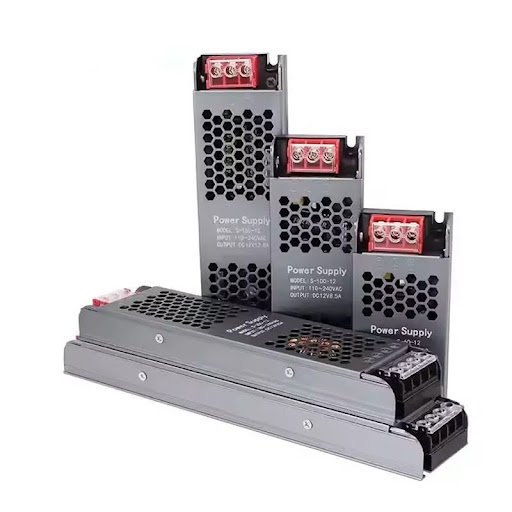
A reliable LED lighting system depends on more than choosing the right strip or module. The power supply is responsible for providing the electrical input required by the lighting products, so its voltage and capacity need to match the system being installed.
For buyers comparing LED Power Supply suppliers, understanding the specifications of the connected LED products is an important part of planning a suitable lighting system.
Why the Power Supply Matters
LED lighting products are designed to operate within specified electrical parameters. Before purchasing a power supply, installers should identify the voltage and power requirements of the LED products that will be connected.
Dekingled offers LED products using different electrical configurations. For example, its 5050-WW-300 strip supports DC12V/DC24V input, while its 2835 LED strip with 180 LEDs per meter uses DC24V input.
Matching these requirements is an essential step before installation.
Check the Required Voltage
Voltage compatibility should be one of the first specifications reviewed. A power supply needs to provide the voltage specified for the LED product.
Dekingled’s product range includes both 12V and 24V LED configurations. Its 5050-WW-300 product supports DC12V/DC24V, while its SMD5050 RGB product operates at DC12V.
This means that buyers should not assume that every LED strip or module uses the same voltage.
Consider Total Power Consumption
The power requirement of the entire installation should also be calculated. If several sections of LED lighting are connected, their combined consumption needs to be considered when selecting the power system.
Dekingled’s 5050-WW-300 strip has a maximum power rating of 72W, while its 2835 180-LED-per-meter product has a maximum power of 48W. Its 3014 product has a maximum power of 12W per meter.
These specifications show why the length and quantity of LED products should be considered before selecting the power supply.
12V Versus 24V LED Systems
Voltage can also affect longer LED installations. Dekingled specifically notes that 24V COB LED strips experience less voltage drop and can support longer runs compared with 12V versions.
For installations covering longer distances, voltage drop can therefore be an important part of the electrical design. The final choice should remain compatible with the specifications of the selected LED product.
Power Requirements for COB LED Strips
COB technology is designed to provide a different visual appearance from conventional LED strips. Dekingled describes its COB products as providing uniform, dot-free illumination.
The company also identifies easier maintenance and an aesthetically pleasing appearance as benefits of its COB LED strips.
When selecting a power supply for COB lighting, the input voltage and maximum power of the specific COB product should be checked before installation.
Power Supply Planning for RGB Lighting
RGB lighting systems can have additional electrical requirements because they may use controllers alongside the LED strip.
Dekingled’s SMD5050 RGB product uses IC2811 technology, RGB output, a 180-degree beam angle, DC12V input, and a 50,000-hour lifespan.
The company’s RGB Touch Controller supports 12–24V DC input, a maximum loadable current of 18A, and output power of 216W at 12V and 432W at 24V. It also provides 18 color modes, PWM dimming, 256 gray steps, and 10 intensity levels.
These specifications should be considered when designing an RGB installation.
Waterproof Lighting Projects
The environment where the lighting will be installed can also affect component selection. Outdoor or moisture-exposed projects may require LED products with appropriate protection ratings.
Dekingled’s 5050 LED strip is available with IP65 and IP68 protection options, while its 2010 Silicone Neon Light has an IP65 rating.
The company’s information describes an IP68 product as remaining impervious to water ingress at a depth of 3 meters, providing protection for the internal circuitry.
The power supply and other electrical components should also be selected with the installation environment in mind.
LED Modules and Power Planning
LED modules are another type of lighting component that may be incorporated into signage and display projects. Dekingled identifies applications including ultra-thin light boxes, light words, luminescent signboard backlights, buildings, bridges, and decorative outlines.
When modules are installed in quantity, the combined electrical requirement should be calculated before selecting the power solution.
Consider LED Density
The number of LEDs used by a product can also contribute to its overall power requirement and lighting characteristics.
Dekingled’s 2835 strip contains 180 LEDs per meter and 900 LEDs across a 5-meter reel, while its 3014 strip contains 240 LEDs per meter and 1,200 LEDs across a 5-meter reel.
Comparing LED density with the product’s power rating can help installers understand the requirements of different LED products.
Installation and Cutting Requirements
The physical installation should be considered alongside the electrical specifications. LED strips may need to be cut to fit architectural details, signs, or custom layouts.
Dekingled’s 5050-WW-300 product can be cut by 3 LEDs at DC12V or 6 LEDs at DC24V, while its 5050 strip has a 100mm cutting length.
Knowing the cutting specifications before installation helps with both material planning and electrical layout.
Choosing a Suitable LED Power Supply
When selecting an LED Power Supply, buyers should consider the LED product’s input voltage, total power consumption, installation environment, and overall system configuration.
For larger projects, it is useful to calculate the complete load before ordering components. This approach helps ensure that the selected power solution corresponds to the actual lighting requirements rather than being based on an estimate.
Final Thoughts
Selecting a power supply is an important part of designing an LED lighting system. Voltage, total power consumption, LED density, installation length, protection requirements, and the type of LED technology should all be reviewed together.
Dekingled’s range includes 5050, 3528, 2835, 3014, COB, RGB, and silicone neon LED products, along with related controllers and power solutions.
By checking the technical specifications of each component before installation, buyers can plan a power system that corresponds to the requirements of their LED lighting project.



The routes on the Vegas In 24™ ultra-cycling circuit cover up to half the length of Great Britain—all in a single 24-hour push across the Mojave. Here is how riders from cold, wet climates can build the engine and heat tolerance to survive it.
For most British cyclists, a big day in the saddle means a 100-mile sportive through the Surrey Hills or the Yorkshire Dales, dodging rain squalls and stopping for a flat white before heading home in time for dinner.
Now imagine riding three to four times that distance—without stopping to sleep, without drafting another wheel, and without a support car handing you fresh bidons—across a desert where summer temperatures routinely top 40°C.
That is the premise behind Vegas In 24™, largely touted as the toughest single-day cycling challenge in existence. The circuit, made up of four single-day, unassisted ultra-cycling routes, is owned and managed by Ho’omau Endurance Co., founded by entrepreneur and endurance athlete Andy Funk. Last month, just two weeks after completing the Ironman World Championship in Kona, Funk rode the circuit’s newest route—the 346-mile ‘Bullet’ from Phoenix, Arizona, to the ‘Welcome to Fabulous Las Vegas’ sign—in 19 hours, 12 minutes, and 18 seconds.
To put the scale of the challenge into British terms, Land’s End to John o’ Groats—the classic end-to-end length of Great Britain—is roughly 874 miles by road, typically tackled over nine to fourteen days. By comparison, the four routes on the Vegas In 24 circuit range from 346 miles up to 448 miles—each requiring completion within a strict 24-hour clock.
For UK riders tempted by the challenge, two obvious roadblocks stand in the way: how do you build the durability for an enormous effort when British weather keeps you off the open road for half the year, and how does someone living in a temperate, damp climate prepare their body for the punishing heat of the American Southwest?
According to Funk—who has completed more than 120 endurance events over the past 15 years, including 30 Ironmans and multiple World Championships—you don’t need year-round desert sunshine to prepare for the Mojave. In fact, modern indoor training gives cold-climate riders a surprising tactical edge.
1. Why the Smart Trainer Beats Endless Winter Miles
When British riders think about preparing for a ride of the magnitude of Vegas In 24, the instinct is to log endless, freezing six-hour winter slogs in full waterproofs. Funk argues that approach may actually work against you.
“Riding outdoors in 4°C rain for hours doesn’t make you tougher for the desert—it just suppresses your immune system and burns energy keeping your core warm,” Funk says. “On a smart trainer indoors, every single pedal stroke counts. There’s no coasting down hills, no traffic lights, and no freewheeling in a group.”
Because Vegas In 24 enforces a strict ‘Desert Code’—prohibiting drafting of any kind—every route is essentially an extended solo time trial. Funk notes that 90 minutes to two hours of focused, uninterrupted pedalling on a smart trainer can deliver nearly the same muscular and aerobic load as a three-hour outdoor club ride.
For UK athletes with limited dry-weather months, Funk recommends splitting the build into two distinct phases:
- The Indoor Engine Phase: During winter, use platforms like Zwift—where the Ho’omau platform also runs dedicated virtual ‘Zwoom’ sessions via Club Ho’omau—to build sustained aerobic efficiency and neuromuscular durability without weather interruptions. Focus on holding steady, disciplined Zone 2 power for several hours at a time without standing up or breaking cadence.
- The Contact-Point Audit: Once the weather turns, you do not need to ride 300 miles in training to prove you can finish one of the entry-level Vegas In 24 routes (the ‘Bullet’ or the ‘Original’). In his own training, Funk caps his longest solo preparation rides around 130 to 140 miles, preferring instead to enter one or two organised 200-mile double centuries beforehand to accustom his body to spending 10-plus hours in the saddle. These longer outdoor days are also critical for stress-testing equipment choices—from kit and shoes to lights and bottle placement. “At the Vegas In 24 distance, fitness isn’t always what fails you,” Funk explains. “It’s nerve pressure in your palms, swollen feet inside tight cycling shoes, neck fatigue, and saddle chafing—just to name the obvious ones. Those long outdoor rides are strictly an ergonomic laboratory to figure out what doesn’t work and fix what hurts before you arrive in the US.”
2. Tricking Your Physiology into Heat Acclimatisation
Even when Funk tackled The Bullet a few weeks ago in late October—the narrow seasonal window when Mojave daytime temperatures drop out of lethal 40°C-plus territory—conditions swung wildly from warm desert afternoon sun to an unexpected post-storm cold front that plunged temperatures under 10°C in the middle of the night. Most Vegas In 24 attempts, however, face relentless daytime heat exceeding 35°C or even warmer, paired with bone-dry desert air that wicks sweat off the skin so fast riders don’t even realise they are dehydrating.
Arriving at the start line in Reno, Phoenix, Los Angeles, or San Diego straight from a mild British spring without heat preparation is a recipe for an early exit. Fortunately, Funk says athletes can trigger full heat adaptation by using a variety of methods before flying out—without ever leaving the UK.
“Your body doesn’t know whether heat comes from the Arizona sun, a sauna room, or a pain cave in Manchester,” Funk says. “What triggers adaptation is elevating your core temperature and keeping it there.”
To prepare for the lava fields in Kona and his Vegas In 24 desert crossings, Funk relies on three practical heat protocols that any UK rider can replicate:
- Turn Off the Fans: On some indoor trainer sessions during the final two months before travel, switch off your cooling fans and shut the windows. Riding at a moderate aerobic pace—usually around Zone 2—in a warm room forces your body to expand blood plasma volume, the primary physiological adaptation that keeps your heart rate from spiralling in hot weather.
- Over-Dressing on Easy Rides: For steady outdoor spins in mild 12°C to 15°C UK weather, wear thermal tights, a base layer, and a windproof jacket. Retaining body heat safely mimics thermal stress and teaches your sweat glands to start cooling earlier with less sodium loss.
- Sauna or Hot Bath Immersion: Sitting in a sauna routinely—or soaking in a hot bath at roughly 40°C—accelerates plasma-volume expansion without adding fatigue to your legs. Funk uses an annual sauna protocol with a monthly one- to two-minute progression until the off-season, usually topping out right around 30 minutes per session right before Kona. The key to using the sauna effectively is consistency: one session per week is a minimum, while Funk himself uses a two-session-per-week protocol.
3. Mastering Self-Sufficiency Under the ‘Desert Code’
The final adjustment for European riders is logistical—and by design. Unlike supported UK sportives with feed stations every 25 miles, Vegas In 24 prohibits outside handoffs, forcing riders to carry their own spares, lighting, and nutrition while resupplying solely at commercial shops or petrol stations along the route. That self-sufficiency isn’t an accident; it is built into the rules to test the complete all-around athlete rather than simply rewarding the best legs and highest w/kg. Conquer one of the four routes, and you haven’t just proved your elite physical durability—you have demonstrated the cognitive composure to manage logistics, mechanicals, and real-time problem-solving across 24 hours in the desert.
During his October FKT ride, Funk carried supplies on a nearly 14 kg bike and relied on late-night stops at remote desert outposts—including purchasing an oversized jumper at a Needles, California petrol station in the middle of the night to stave off hypothermia during a sudden cold snap.
“Whether you live in London, Leeds, or Los Angeles, the desert doesn’t care how fast your 25-mile time trial is,” Funk says. “It rewards riders who respect the preparation, test their kit and equipment until nothing breaks, and stay calm when conditions turn upside down at three in the morning.”
For British cyclists looking beyond the traditional summer sportive calendar, the message is clear: you don’t need desert roads in your backyard to beat the Mojave—just a smart trainer, a willingness to turn off the fan, and the discipline to keep turning the pedals when the sun goes down.
Business
How to Choose Wholesale Dresses That Sell in a BoutiqueImage alt text: Boutique owner selecting wholesale dresses in different styles and colours for her clothing store


Dresses are one of the most important categories in any boutique. They’re often the first thing a customer reaches for, they photograph well for marketing, and a strong dress collection can define your brand’s identity. But buying wholesale dresses that actually sell requires more than picking styles you personally like – it means understanding your customer, planning for seasonality, and buying with intention rather than instinct alone.
1. Understand the Different Types of Dresses to Stock
Everyday Dresses
Everyday dresses are the backbone of a reliable wholesale womens dresses range. These are the pieces customers return to again and again – casual shirt dresses, jersey styles, simple wrap dresses and versatile midi lengths that work for multiple occasions. They tend to have a longer selling life than trend-led pieces, making them a dependable source of repeat sales. When selecting everyday styles, prioritise comfortable fabrics, flattering fits and colours that are easy to wear, since these dresses need to earn their place on the rail through consistent performance rather than seasonal excitement.
“A successful boutique collection isn’t built on trends alone; it’s built on everyday styles that customers want to wear again and again.”
Occasion Dresses
Occasion dresses serve a different purpose. Customers shopping this category are often buying for a specific event – a wedding, a party, a holiday – and are typically willing to spend more for the right fit and finish. Look for details like structured tailoring, embellishment, statement sleeves or elevated fabrics that justify a higher price point. Because occasion dresses are more style-specific, it’s worth buying in smaller quantities across a wider range of designs, rather than committing heavily to one or two styles.
Seasonal Dresses
Seasonality plays a major role in dress buying. Wholesale summer dresses typically lean into lightweight fabrics, shorter lengths, brighter colours and holiday-ready prints, while autumn and winter ranges shift towards long sleeves, richer tones, heavier fabrics and layering-friendly silhouettes. Planning your dress buying several months ahead of each season gives you time to receive stock, photograph it and market it before customer demand peaks – rather than scrambling once the weather changes.
2. Choose the Right Prints and Colours
Prints and colours can make or break a dress collection. Florals, abstract patterns and animal prints tend to perform consistently well, but trends shift quickly, so it’s worth balancing statement prints with solid, easy-to-style colours like black, navy, white and neutral tones. Solid colours often sell more predictably over time, while prints can drive impulse purchases and social media engagement. A good rule of thumb is to let 60–70% of your dress range lean towards dependable colours and fits, with the remainder used to test newer prints and silhouettes.
“A well-balanced colour palette gives a boutique collection its identity, while carefully chosen prints add personality and visual interest.”
3. Plan Your Pricing and Margins
As with any wholesale category, pricing needs to work backwards from your intended retail price. Consider your wholesale cost, desired margin, shipping and any markdown risk before committing to an order. Occasion dresses can often support higher margins due to lower price sensitivity, while everyday dresses may need to be priced more competitively to encourage repeat purchases. Comparing wholesale ladies dresses across a few suppliers before ordering can help you understand where your margins have the most room to work.
4. Consider Your Customers’ Sizing Requirements
Sizing is one of the most overlooked factors in dress buying. A dress that looks great on the rail but doesn’t come in the sizes your customers need won’t sell, no matter how strong the design is. Review your existing sales data to understand which sizes move fastest, and buy in proportion to actual demand rather than spreading stock evenly across every size. It’s also worth checking how a supplier’s sizing runs, since fit can vary noticeably between brands.
5. Get Your Buying Quantities Right
Getting quantities right takes practice. Overbuying ties up cash in slow-moving stock, while underbuying means missing out on your bestsellers. As a general approach, buy conservative quantities on new or untested styles, then reorder quickly once you see how a design performs. Reserve larger quantities for proven everyday styles and established colours, and keep occasion and trend-led pieces in smaller, more considered runs.
“Buying more stock doesn’t always mean selling more. Smart inventory decisions start with understanding what your customers actually buy.”
6. How to Identify Trends Without Overbuying
Spotting trends early can give your boutique an edge, but chasing every new style is a fast way to end up with excess stock. Keep an eye on what’s performing well on social media, in search trends and among competitors, but test new styles in small quantities before committing further. Treat trend pieces as an addition to your core dress range, not a replacement for it – your everyday and proven bestsellers should always form the foundation of your collection.
Final Thoughts
Choosing wholesale dresses that sell comes down to balancing dependable everyday styles with occasion pieces, seasonal timing, smart pricing and sizing that reflects real customer demand. Working with an established supplier like Stylewise Direct can make it easier to access a broad, well-rounded dress range and build a collection your customers keep coming back to.


Running a growing UK business means watching every penny that leaves your bank account. When you rely on old-school post-room habits like licking stamps, guessing parcel weights, and stuffing envelopes by hand, those small daily inefficiencies quietly eat into your bottom line. Every miscalculated tariff and wasted afternoon at the folding table drains cash you could invest back into your operations.
Replacing manual routines with smart office hardware gives you immediate control over your dispatch budget. Modern mailroom technology turns a chaotic, expensive chore into a predictable, streamlined workflow that protects your profit margins while freeing up your staff for higher-value work.
What Hardware Turns a Chaotic Mailroom into a Profit Center?
Upgrading your dispatch desk does not require a massive warehouse footprint or an enterprise IT budget. Compact desktop machines bring enterprise-grade speed and tariff accuracy straight into a standard small office. By pairing digital scales with automated metering and folding tools, you eliminate guesswork and cut preparation time from hours to minutes.
Mailmark Franking Machines and Digital Parcel Scales
Switching from adhesive stamps to a Royal Mail-approved franking system gives you instant access to lower business postage rates on every single letter and parcel. When evaluating reliable UK mailroom hardware providers, many growing companies turn to FP Mailing Systems to equip their front desks with compact, Mailmark-compliant franking machines and integrated digital scales. These smart terminals connect directly to postal rate tables, calculating the exact penny owed based on real-time weight and thickness measurements.
Automated franking also elevates your brand image before a customer even opens the envelope. Instead of a crooked stamp and smudged ink, your outgoing mail displays a crisp return address and a clean company logo right on the front.
Automated Folder Inserters for Bulk Mailings
If your team sends more than 50 invoices, statements, or promotional flyers each week, a desktop folder inserter pays for itself rapidly. You simply load stacks of printed pages and blank envelopes into separate trays, select your fold style on a touchscreen, and press start.
- Eliminate manual collation errors: Optical mark recognition reads barcodes on your documents to guarantee multi-page statements stay together for the right recipient.
- Accelerate billing cycles: Entry-level desktop units fold, insert, and seal up to 1,350 envelopes per hour, letting you clear a week of billing during a single coffee break.
- Protect staff ergonomics: Removing repetitive folding and envelope-sealing motions prevents wrist strain and keeps morale high during busy month-end runs.
How Do Manual Post-Room Habits Erode Your Profit Margins?
You might think a few extra pence on a daily batch of letters barely registers on your balance sheet. Over 12 months, those tiny overpayments compound into a serious financial leak, particularly as UK postal rates keep climbing. Without digital weighing equipment, staff members routinely slap an extra stamp onto thick envelopes or small parcels just to avoid frustrating delays or customer surcharge fees.
Labor costs create an even bigger drag on your profitability than postage waste. Paying skilled administrators or customer service representatives to fold invoices, match multi-page statements, and apply labels by hand pulls them away from revenue-generating tasks. When a team member spends 45 minutes every afternoon prepping the daily post, you lose dozens of productive hours every single month.
The Hidden Price of Stamp Guesswork
Relying on traditional adhesive stamps locks your business into the highest retail postal tiers. According to Ofcom, regulatory caps only shield the price of a standard Second Class stamp, leaving Royal Mail with commercial flexibility to adjust prices across the rest of its product lineup. When you buy stamps at retail counters or online without commercial metering, you absorb every rate hike immediately without access to discounted business tariffs.
Human error adds another layer of expense to manual weighing. Bathroom scales or outdated analog kitchen balances cannot distinguish between a 98-gram letter and a 102-gram large letter. That 4-gram discrepancy bumps your item into a completely different pricing bracket, costing your company pounds every week on routine customer correspondence.
Administrative Bottlenecks in Back-Office Teams
Manual paper handling slows down your entire cash collection cycle. When billing teams print invoices, fold them into thirds, stuff envelopes, and seal flaps by hand, statements often miss the afternoon collection cutoff. Delayed invoices lead directly to delayed customer payments, tightening your working capital when you need liquidity most.
Fatigue also creeps in during repetitive assembly tasks. Tired workers accidentally slip 2 different customer statements into the same envelope, creating a serious GDPR data breach that damages your brand reputation and invites regulatory scrutiny.
How Can Digital Integration Streamline Your Wider Office Admin?
Modernizing your physical mailroom works best when you connect it to your broader digital workflow. A summary of responses from the Department for Business and Trade highlights that business systems integration and digitalisation give companies major opportunities to streamline operations and cut down on administrative hours. When your accounting software talks directly to your dispatch tools, you eliminate double data entry across departments.
Connecting Accounting Software to Dispatch Desks
Instead of manually typing recipient postcodes into a shipping portal, modern dispatch platforms pull address data straight from your invoicing or e-commerce system. Integrated address verification checks every postcode against live Royal Mail databases before you print a single label. Catching a typo on screen prevents undelivered parcels, return-to-sender fees, and angry calls from waiting customers.
What Should You Evaluate Before Upgrading Workplace Dispatch Hardware?
Choosing the right mailroom setup depends on how your team actually works throughout the year. Buying an oversized industrial machine wastes floor space, while picking an underpowered unit leaves you bottlenecked during peak trading months.
Planning for Hybrid Teams and Remote Approvals
Many British SMEs now operate with split schedules where finance staff work from home several days a week. Look for cloud-connected dispatch systems that allow remote staff to prepare print batches, verify addresses, and approve postage budgets from their laptops. Once a batch receives digital approval, a single person in the office can feed the tray and finish the physical dispatch in minutes.
Scaling Capacity for Seasonal Order Spikes
Your hardware needs to handle your busiest week in December, not just a quiet Tuesday in February. Evaluate modular systems that let you add high-capacity envelope feeders or heavier-duty parcel scales as your order volume grows.
- Check volume thresholds: Match the machine’s rated monthly cycle to your peak quarter rather than your annual average so motors never overheat under pressure.
- Verify software updates: Choose providers that push automatic tariff updates over Wi-Fi whenever postal carriers revise their annual rate cards.
- Review service agreements: Confirm that your hardware lease includes rapid on-site engineer support and next-day ink cartridge replenishment, so your post room never grinds to a halt.
Automating your routine mail and parcel preparation builds a resilient, cost-effective back office that protects your profit margins year-round. When you trade manual stamp-licking and envelope-stuffing for smart dispatch hardware, your team reclaims valuable hours to serve customers and grow your business.

How Do You Train and Prepare in British Weather for a Mojave Desert Ultra-Cycling Ride?

Wet Room vs Bathroom: Which Is Better For Your Home?

How to Choose Wholesale Dresses That Sell in a BoutiqueImage alt text: Boutique owner selecting wholesale dresses in different styles and colours for her clothing store

Renting in Portugal: What Foreigners Need to Know

The Records You Can Only Buy in America, and How UK Collectors Get Them Home

The Importance of Patient Advocacy in Modern Healthcare

How to Ensure Your Home is Valued Correctly for a Quick Sale

Christopher Dare: The Untold Story of Engineer and Former Husband of Angela Rippon

The 15 Highest-Paid Rugby Players in the World

What Is Fanquer? The Digital Creator Platform Transforming Direct-to-Fan Engagement

Dr Jared Ross: Missouri Appeals Court Upholds Protection Order Over Graphic Torture and Murder Threats

Who Is Azriel Crews? Inside the Life and Career of Terry Crews’ Daughter
How to Ensure Your Home is Valued Correctly for a Quick Sale
Christopher Dare: The Untold Story of Engineer and Former Husband of Angela Rippon
The 15 Highest-Paid Rugby Players in the World
What Is Fanquer? The Digital Creator Platform Transforming Direct-to-Fan Engagement
Dr Jared Ross: Missouri Appeals Court Upholds Protection Order Over Graphic Torture and Murder Threats
Who Is Azriel Crews? Inside the Life and Career of Terry Crews’ Daughter
-
 Real Estate10 months ago
How to Ensure Your Home is Valued Correctly for a Quick Sale
-
Celebrity12 months ago
Christopher Dare: The Untold Story of Engineer and Former Husband of Angela Rippon
-
 Sports6 months ago
The 15 Highest-Paid Rugby Players in the World
-
 Technology6 months ago
What Is Fanquer? The Digital Creator Platform Transforming Direct-to-Fan Engagement
-
 Celebrity6 months ago
Dr Jared Ross: Missouri Appeals Court Upholds Protection Order Over Graphic Torture and Murder Threats
-
 Celebrity9 months ago
Who Is Azriel Crews? Inside the Life and Career of Terry Crews’ Daughter
-
 Celebrity1 year ago
Nancy Hallam: The Inspiring Life, Career, and Success Story Behind Ian Wright’s Wife
-
 Celebrity1 year ago
Who Is Maisie Mae Roffey? The Private Life, Family Story, and Quiet Success of Julie Walters’ Daughter