
Real Estate
Why Rental Property Availability Could Become a Bigger Issue for Gravesend Tenants


Finding a suitable rental property has become increasingly challenging across many parts of the UK, and Gravesend is no exception.
For tenants, the search is no longer simply about finding a home within budget. Availability, competition, property condition and speed of decision-making are becoming equally important factors.
The rental market has experienced significant changes in recent years. Rising demand, evolving landlord responsibilities, changing regulations and wider affordability pressures have all influenced the balance between available homes and tenant requirements.
For Gravesend tenants, this means understanding how the local rental landscape is shifting could become essential.
The challenge is not only the number of available properties. It is also whether those properties meet the expectations of modern renters.
1. Why rental availability is becoming a growing concern in Gravesend
Rental availability is influenced by a simple relationship: supply and demand.
When more people are searching for homes than there are suitable properties available, competition increases. Tenants may find themselves viewing properties quickly, submitting applications immediately and making decisions faster than they would have in previous years.
Gravesend has several characteristics that continue to support rental demand.
Its location in Kent, connectivity to London and combination of urban convenience with more affordable housing compared with many parts of the capital make it attractive to a wide range of renters.
The tenant pool includes commuters, young professionals, families and people relocating within the South East.
However, rental demand is not only driven by population growth.
Changing lifestyle patterns, higher house prices and affordability challenges have encouraged more households to remain in rented accommodation for longer periods.
This places additional pressure on the available supply.
A shortage of suitable rental homes can therefore create a more competitive environment where tenants need to be increasingly prepared.
2. How Letting agents in Gravesend are responding to changing rental demand
Letting agents in Gravesend are seeing a rental market where tenant expectations and landlord considerations are becoming more complex.
The role of a letting agent is no longer simply matching tenants with available properties. Successful agencies need to understand market trends, advise landlords effectively and help tenants navigate a competitive environment.
Local agents monitor factors such as:
- Number of available rental properties
- Tenant enquiry levels
- Average rental values
- Popular property types
- Areas experiencing increased demand
This information helps provide a clearer picture of local conditions.
For tenants, working with professionals who understand the area can be valuable because suitable properties may not remain available for long.
For landlords, accurate market knowledge is equally important. Incorrect pricing or poor presentation can reduce interest, even when demand is strong.
The rental market relies on balance. When supply becomes limited, communication and preparation become increasingly important for everyone involved.
3. The relationship between tenant demand and limited rental supply
The availability challenge is not simply caused by increasing numbers of tenants.
Supply has a significant influence.
A market can experience strong demand, but if enough rental properties are available, competition remains manageable. Problems arise when supply fails to keep pace with demand.
Several factors can contribute to reduced availability:
- Some landlords choosing to sell rather than continue renting
- Higher operating costs
- Changing compliance requirements
- Increased property maintenance expenses
- Fewer new rental instructions entering the market
When fewer properties are available, tenants often face stronger competition.
A well-presented two-bedroom house, for example, may attract interest from professionals, couples and small families simultaneously.
This creates a situation where multiple applicants may be interested in the same property.
The result is a faster decision-making environment.
Tenants who are prepared with references, affordability evidence and necessary documentation are often better positioned when opportunities appear.
4. Why changing landlord decisions are affecting available properties
Landlords play a crucial role in the rental ecosystem.
Their decisions directly influence how many homes are available for tenants.
In recent years, many landlords have reviewed their portfolios due to changing costs, taxation considerations and evolving responsibilities.
Some landlords have decided to exit the market, reducing the number of privately rented homes available.
Others have remained but become more selective about the properties they own and the tenants they accept.
This does not mean every landlord is leaving the sector.
Many continue to see property as a long-term investment. However, the environment has become more complex, requiring stronger financial planning and professional management.
For tenants, these changes can affect availability.
A reduction in landlord activity may mean fewer choices, particularly for certain property types such as family houses or homes in highly desirable locations.
5. How affordability pressures are shaping tenant competition
Affordability is one of the biggest influences on rental demand.
Many tenants who would traditionally have considered buying a home are remaining in the rental sector for longer due to challenges around deposits, mortgage costs and overall affordability.
This increases the number of people competing for rental properties.
At the same time, rising household costs mean tenants are becoming more careful about monthly commitments.
A property may appear affordable based on rent alone, but renters increasingly consider wider expenses such as energy bills, transport costs and maintenance responsibilities.
This has created a more informed tenant market.
People are not only looking for the cheapest option. They are searching for properties that provide long-term value.
A slightly higher rent may be acceptable if the property offers better energy efficiency, lower running costs or a stronger location.
6. Why property quality and energy efficiency are becoming more important
Rental availability is not only about quantity.
Quality matters.
Tenants increasingly expect properties to meet modern standards. They are looking closely at condition, layout, energy performance and overall comfort.
Energy efficiency has become particularly important.
Higher energy costs have encouraged renters to consider factors such as insulation, heating systems and EPC ratings when choosing a home.
A property with better efficiency may be more attractive because it offers greater predictability around household expenses.
Landlords who invest in improving their properties may therefore benefit from stronger demand.
Simple improvements such as better insulation, updated heating systems or improved presentation can influence tenant interest.
In a competitive rental market, quality can become a significant differentiator.
7. The impact of local development and population growth on rentals
Housing development can influence rental markets in several ways.
New homes can increase overall housing supply, but they can also attract additional residents and create new demand for local services.
Gravesend’s continued growth and connectivity improvements contribute to its appeal as a place to live.
As more people consider areas outside London, locations with strong transport links and relatively good value can experience increased interest.
However, new development does not always immediately solve rental shortages.
The type of housing being delivered matters.
A shortage of family rental homes will not necessarily be addressed by building mainly smaller apartments.
The balance between different property types is important.
A healthy rental market requires homes that meet the needs of different households.
8. How tenants can improve their chances in a competitive market
When rental availability is limited, preparation can make a significant difference.
Tenants should consider preparing key information before beginning their search.
This may include:
- Proof of income
- References
- Identification documents
- Deposit availability
- Clear rental requirements
Speed can also matter.
Good rental properties may receive multiple enquiries quickly. Being ready to arrange viewings and make decisions can improve the chances of securing a suitable home.
However, tenants should avoid rushing into unsuitable properties simply because competition is high.
Affordability, location and long-term suitability remain important.
A rushed decision can create problems later if the property does not meet expectations.
The strongest approach combines preparation with careful evaluation.
9. What landlords should consider in a changing rental environment
Landlords also need to adapt as tenant expectations evolve.
Simply having a property available is no longer enough.
Successful rental properties are those that provide a strong overall experience.
This includes:
- Competitive pricing
- Good maintenance
- Clear communication
- Energy efficiency
- Professional management
Understanding tenant priorities can help landlords reduce void periods and attract reliable applicants.
The rental market is becoming increasingly professional.
Tenants expect transparency and responsiveness, while landlords need effective systems to manage compliance and property upkeep.
Professional advice can help landlords make informed decisions about pricing, improvements and long-term strategy.
10. The future outlook for Gravesend’s rental property market
The rental market in Gravesend is likely to remain influenced by wider economic conditions, housing supply and changing tenant behaviour.
Demand is expected to remain supported by the area’s location, transport connections and appeal to households seeking alternatives to more expensive parts of the South East.
However, availability will remain a key factor.
The future rental landscape will depend on whether supply can keep pace with demand and whether landlords continue to view the sector as an attractive investment opportunity.
For tenants, preparation will become increasingly important.
For landlords, understanding the market and maintaining quality properties will be essential.
The rental market is changing.
Success will come from adapting to those changes rather than relying on previous assumptions.
For Gravesend tenants, finding the right home may require more planning, faster decisions and a clearer understanding of what the market currently offers. For landlords, providing well-maintained and appropriately priced properties will remain central to attracting strong demand.
Ultimately, a balanced rental market depends on cooperation between tenants, landlords and property professionals. When all sides understand the challenges involved, the process becomes more efficient and sustainable.



Finding a place to live is one of the most important steps when relocating abroad. For foreigners moving to Portugal, renting a property is often the most practical way to establish a new home while exploring different cities and neighbourhoods.
Portugal offers a wide range of rental options, from modern apartments in Lisbon and Porto to coastal homes in Cascais and the Algarve.
However, understanding the Portuguese rental market, lease agreements, deposits, and tenant responsibilities is essential before signing a contract.
Whether you’re relocating for work, retirement, or family life, knowing what to expect can help you avoid unnecessary expenses and complications.
Can Foreigners Rent Property in Portugal?
Foreign nationals can rent property in Portugal without necessarily holding a Portuguese residence permit.
Both EU and non-EU citizens can enter into rental agreements, provided they meet the landlord’s requirements and comply with the applicable legal procedures.
Landlords typically request identification, proof of income, and a Portuguese tax identification number, known as the Número de Identificação Fiscal (NIF).
Some may also request employment contracts, recent bank statements, or references from previous landlords.
For newcomers without Portuguese employment or rental history, demonstrating sufficient financial resources can help strengthen an application.
Understanding these requirements before beginning a property search can make the process considerably smoother.
Where Are the Best Places to Rent in Portugal?
Portugal offers different rental markets depending on lifestyle, budget, and personal preferences.
Lisbon attracts international professionals, entrepreneurs, and families because of its employment opportunities, cultural attractions, and transport connections.
However, rental prices in central Lisbon can be relatively high, particularly in popular neighbourhoods.
Cascais is attractive to families seeking coastal living, residential communities, and proximity to international schools.
Porto offers a vibrant urban environment with historic architecture, universities, and an established international community.
The Algarve appeals to retirees and remote professionals looking for warmer weather and access to beaches.
Smaller cities such as Braga, Coimbra, and Aveiro may provide more affordable alternatives.
For foreigners comparing locations, this guide to Renting in Portugal offers useful information about the rental process and practical considerations.
Understanding Portuguese Rental Contracts
Residential rental agreements in Portugal are generally governed by the Portuguese Civil Code and urban tenancy legislation.
A written rental contract, known as a Contrato de Arrendamento, is essential for establishing the rights and responsibilities of both parties.
The agreement should identify the landlord and tenant, property address, monthly rent, payment arrangements, lease duration, and other relevant conditions.
It should also explain responsibilities for maintenance, utilities, and any furniture or equipment included in the property.
Long-term residential leases commonly have fixed durations, although the applicable rules depend on the type and purpose of the tenancy.
Before signing, tenants should carefully review renewal provisions, termination conditions, and required notice periods.
Foreign tenants unfamiliar with Portuguese legal terminology may benefit from having the agreement professionally reviewed.
Rental Deposits and Advance Payments
One of the most common questions among foreigners concerns the amount payable before moving into a property.
Under the Portuguese Civil Code rules applicable in 2026, landlords may request up to two months of rent in advance by written agreement.
Security arrangements are also subject to a limit equivalent to two months’ rent.
For example, someone renting an apartment for €1,500 per month might pay the first month’s rent, an additional advance payment, and a security deposit, depending on the agreed terms.
The security deposit, known as the caução, is generally intended to cover outstanding obligations or damage beyond normal wear and tear.
Landlords may also request a guarantor, known as a fiador, particularly when tenants lack a Portuguese income history.
However, a guarantor is not a universal legal requirement.
Tenants should ensure that all payments comply with applicable limits and are clearly documented in the rental agreement.
What Should You Check Before Signing a Lease?
Property inspections are particularly important when renting in an unfamiliar country.
Before signing, tenants should examine the condition of the property, including walls, flooring, windows, appliances, plumbing, and electrical installations.
Heating and insulation deserve particular attention.
Although Portugal enjoys a relatively mild climate, some older properties can feel cold or damp during winter.
Tenants should also check internet availability, mobile coverage, parking arrangements, and public transportation connections.
For furnished properties, a detailed inventory can help establish which items are included.
Taking photographs before moving in provides useful evidence of the property’s original condition and may help prevent disputes when the tenancy ends.
Registering the Rental Contract
Portuguese landlords are generally responsible for registering rental agreements with the Portuguese Tax Authority, known as the Autoridade Tributária e Aduaneira.
Rental income must also be reported in accordance with applicable tax legislation.
Landlords are normally required to issue rent receipts, usually electronically through the Portal das Finanças, unless a specific exemption applies.
For foreign residents, having a properly documented rental agreement can be important for administrative purposes.
A registered lease may help establish evidence of accommodation when dealing with immigration authorities, banks, and other institutions.
Tenants should retain copies of the signed agreement, payment confirmations, and rental receipts.
Understanding Tenant Rights and Responsibilities
Portuguese rental legislation establishes rights and obligations for landlords and tenants.
Landlords are generally responsible for maintaining the property in a condition suitable for its intended use, subject to the applicable law and contractual arrangements.
Tenants must pay rent on time, use the property appropriately, and comply with lawful contractual obligations.
Normal wear and tear should be distinguished from damage caused by negligence or misuse.
Disputes can arise over repairs, deposits, rent increases, or early termination.
For example, a tenant who leaves before the agreed lease period may need to provide statutory notice or face financial consequences.
Understanding these obligations before signing can help prevent disagreements later.
Renting Before Buying Property in Portugal
Many foreigners prefer renting before purchasing a home in Portugal.
This approach allows newcomers to experience different neighbourhoods and understand local living conditions before making a long-term financial commitment.
For example, someone considering buying in Cascais may initially rent for six or twelve months to evaluate commuting times, nearby services, and the overall lifestyle.
Renting also provides flexibility if employment circumstances or family requirements change.
For individuals planning an international relocation, a comprehensive Moving to Portugal plan should consider accommodation alongside immigration, taxation, healthcare, and banking arrangements.
Avoiding Common Rental Mistakes
One of the biggest mistakes foreign tenants make is transferring money before verifying the property and landlord’s identity.
Rental scams can involve fake advertisements, misleading photographs, or individuals claiming to represent properties they do not control.
Whenever possible, prospective tenants should arrange an in-person viewing or appoint a trusted representative.
Another common mistake is signing a contract without understanding its termination and renewal conditions.
Tenants should also clarify which expenses are included in the monthly rent.
Electricity, water, gas, internet, and condominium-related charges may be treated differently depending on the agreement.
Finally, keeping written records of communications and payments can help resolve future disagreements.
Conclusion
Renting property in Portugal can be a practical first step for foreigners establishing a new life in the country.
However, understanding rental agreements, deposits, tenant rights, and local housing conditions is essential.
Choosing the right location, inspecting properties carefully, and reviewing contractual obligations can help newcomers avoid unnecessary complications.
With appropriate preparation, renting in Portugal can provide a comfortable foundation for a successful international relocation.

A property agent can influence some of the most significant financial decisions a person makes, from selling a family home to finding a rental property or managing an investment. Yet the rules governing these services are not always straightforward. Different activities carry different responsibilities, and the requirements can vary depending on where an agent operates and which services they provide.
The regulation of property agents is therefore about more than a single licence or professional qualification. It involves a combination of legislation, consumer protection requirements, redress arrangements and, in some circumstances, additional industry standards.
For consumers, understanding this framework helps when deciding which agent to appoint and what standards to expect. For property professionals, it highlights the importance of knowing which obligations apply to their business and keeping pace with changes across the sector.
Why property agent regulation is more complex than it appears
The term property agent covers a broad range of services. Residential sales agents market homes and negotiate transactions, letting agents introduce landlords and tenants, and property managers handle responsibilities connected with buildings, maintenance and tenancy administration.
Although these activities overlap, their legal requirements are not identical. An agency handling residential sales may have different obligations from a business managing rental properties or holding money on behalf of landlords and tenants.
Geography adds another layer. England, Wales, Scotland and Northern Ireland have distinct legal frameworks, and requirements introduced in one jurisdiction should not automatically be assumed to apply throughout the UK.
This makes it important to distinguish between general professional expectations and specific legal duties. Clear communication, accurate information and fair treatment are sensible standards for every agent, but statutory obligations depend on the activity, location and circumstances involved.
For consumers, the practical question is not simply whether an agency describes itself as regulated. It is whether the business meets the requirements applicable to its services and provides a clear explanation of its responsibilities.
The existing framework: what agents must do today
Although there has not historically been a single licensing system covering every type of property agent, several important legal requirements already apply.
The Estate Agents Act 1979 establishes duties relating to estate agency work, including handling offers, disclosing relevant interests and providing information about terms of business. The Act also gives authorities powers to restrict individuals or businesses that are considered unfit to undertake estate agency work.
Consumer protection law is another important part of the framework. Agents must avoid misleading practices and ensure that information provided to consumers is not deceptive. This includes taking care with property descriptions, statements about a property’s characteristics and information that could influence a consumer’s decision.
Residential estate agents must also belong to an approved redress scheme. This gives eligible consumers an independent route to pursue unresolved complaints after following the agency’s own complaints procedure.
For agencies undertaking regulated estate agency activities, anti-money laundering obligations introduce further responsibilities. These can include verifying customer identities, assessing financial crime risks, maintaining appropriate records and reporting suspicious activity where required.
Taken together, these requirements establish important minimum standards, even though they do not amount to a universal professional licensing system.
The move towards stronger property agent regulation
The future of property agent regulation has received considerable attention, particularly around qualifications, accountability and consistent standards.
The Regulation of Property Agents Working Group, chaired by Lord Best, published recommendations in 2019. These included a proposed independent regulator, a legally enforceable code of practice and minimum entry requirements for property agents.
More recently, the UK Government announced on 29 September 2026 that it intends to legislate for an independent statutory regulator. The stated minimum scope includes managing agents operating across leasehold and commonhold properties, estate agents, letting agents and estate managers on freehold estates. Further details on licensing, qualifications and codes of practice are expected to follow.
This announcement signals a proposed change in the regulatory framework, but it should not be confused with a fully implemented licensing system. Until the relevant legislation and requirements take effect, businesses need to comply with the existing rules applicable to their activities while monitoring official announcements.
For property professionals, preparing for potential changes is a sensible business decision. Reviewing staff training, record-keeping, complaints handling and internal procedures can help agencies identify areas that may require attention as the framework develops.
What regulation means for consumers and property businesses
For consumers, regulation provides a basis for understanding an agent’s responsibilities and challenging poor service. Before appointing an agency, it is sensible to check its redress scheme membership, understand its fees and terms, and establish how complaints are handled.
For property businesses, compliance is an ongoing responsibility rather than a task to complete once. Agencies should identify the rules relevant to each service, keep procedures current and ensure staff know when to seek specialist advice.
Professional memberships and qualifications can provide additional reassurance, but they are not automatically substitutes for statutory compliance. Equally, the absence of a universal licensing requirement does not mean that agents operate without legal obligations.
The regulatory position can differ across the UK, particularly for letting and managing agents. Businesses working in more than one jurisdiction should verify the rules for each location rather than applying a single procedure everywhere.
Conclusion
The regulation of property agents is evolving, but important legal responsibilities already govern how agents conduct business, communicate with consumers and manage transactions. Existing legislation, redress arrangements and financial crime controls provide a foundation for accountability, while proposed reforms point towards a more unified system of oversight.

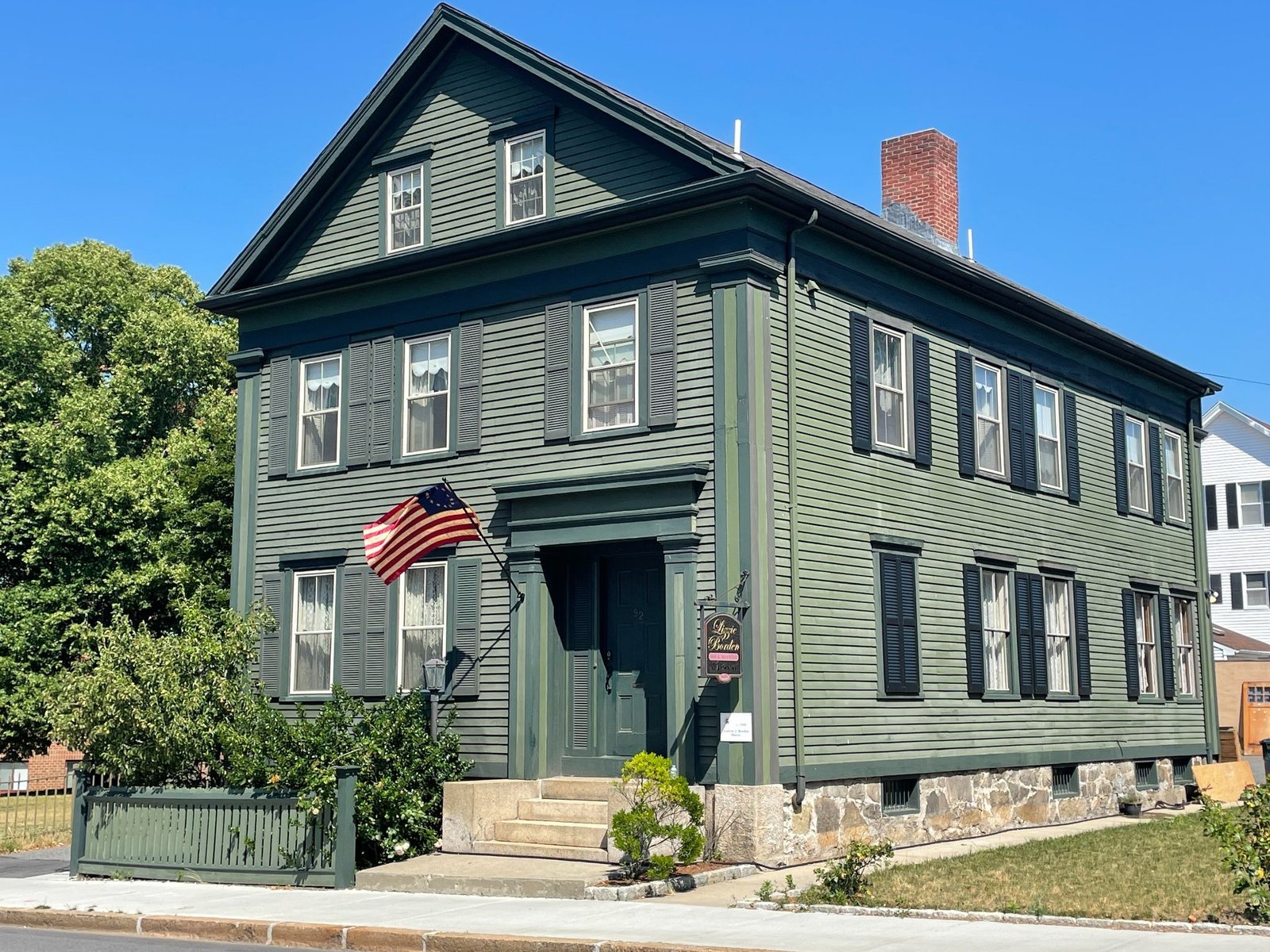
Forget the predictable chain hotel with its beige walls, identical bedrooms, and uninspiring breakfast buffet. For adventurous British travellers, America’s most notorious haunted houses offer something far more memorable: the chance to spend a night inside a real-life horror story.
From unsolved Victorian murders to Civil War ghosts, these historic properties combine dark tourism, true crime, and the ultimate overnight dare. You don’t have to believe in ghosts to feel the excitement. After all, how many people can say they slept at the scene of one of America’s most infamous crimes?
Lizzie Borden House, Massachusetts: Sleep at the Scene of a Victorian Murder Mystery
In August 1892, Andrew and Abby Borden were brutally murdered inside their Fall River, Massachusetts, home. Their daughter, Lizzie Borden, became the prime suspect in a sensational trial that captivated America. Although she was acquitted, the murders remain officially unsolved.
Today, visitors can actually spend the night inside the original house, now a historic inn and museum. Guests can book rooms associated with the Borden family, including the bedroom where Abby was discovered murdered. For an even bigger adventure, groups can arrange to reserve the entire property, subject to booking conditions.
Ghost stories abound, and visitors have experienced mysterious footsteps, disembodied voices, unexplained movements, and the unsettling sensation of being touched by something unseen. British true-crime enthusiasts, this is a chance to experience an authentic piece of American criminal history rather than simply watching another documentary.
The bucket-list dare: Book the room where Abby Borden was murdered, turn out the lights, and see who can actually sleep through the night.
Villisca Axe Murder House, Iowa: The Ultimate Overnight Horror Challenge
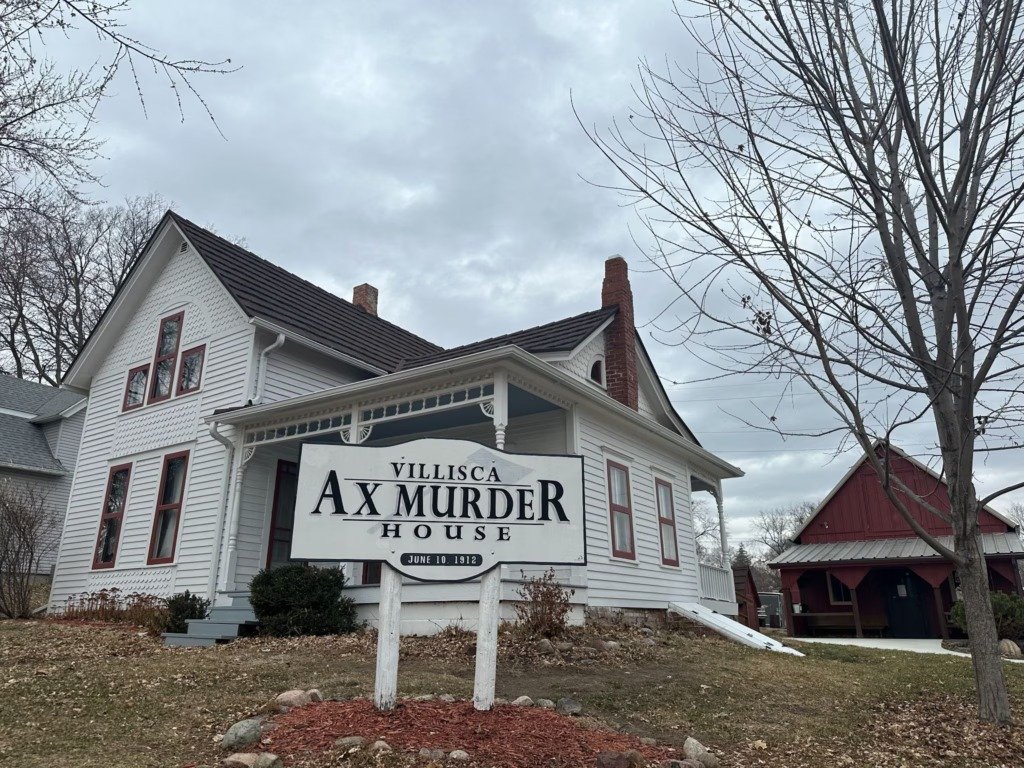
The Villisca Ax Murder House – Copyright Villisca House
If the Lizzie Borden House sounds frightening, the Villisca Axe Murder House takes the overnight challenge to another level.
On the night of 9 June 1912, eight people, including six children, were murdered inside this modest Iowa home. Despite an extensive investigation, the killer was never conclusively identified. The house has been restored to reflect its appearance around the time of the murders, complete with an absence of indoor plumbing and conventional electrical outlets.
Today, adventurous visitors can book individual rooms or reserve the entire house for a private overnight experience. Whole-house rentals are advertised from $599 for five guests, with additional people permitted for a fee.
According to paranormal investigators, the property has produced reports of unexplained voices, moving objects, mysterious shadows, and strange activity during the early morning hours. Unlike a conventional hotel, Villisca is designed around the experience of spending the night in a historically significant and allegedly haunted location.
The bucket-list dare: Gather your bravest friends, book the entire house, and attempt an overnight ghost investigation. Just remember that this is a historic property, not a luxury hotel.
McInteer Villa, Kansas: Spend the Night in a Victorian Mansion of Mysteries

The McInteer Villa – Copyright McInteer Villa
Some travellers prefer gothic grandeur to isolated farmhouses. The McInteer Villa in Atchison, Kansas, delivers an unforgettable Victorian experience. Built in 1889–1890 by Irish immigrant and businessman John McInteer, this imposing brick mansion features a dramatic turret, ornate woodwork, stained-glass windows, and winding staircases.
Over the decades, the property served as a family residence and rooming house, accumulating stories of mysterious deaths and unexplained encounters. Visitors have reported phantom footsteps, disembodied voices, shadowy figures, and the sound of a rocking chair moving when nobody is nearby.
The mansion welcomes visitors for tours and overnight paranormal investigations, allowing groups to explore its historic rooms after dark. For British travellers accustomed to stately homes and castle ghost stories, McInteer Villa offers an American twist on the classic haunted mansion experience.
The bucket-list dare: Gather a group of friends, spend the night exploring the mansion’s creaking corridors, and discover whether your courage survives until sunrise.
Brickhouse Inn, Pennsylvania: Sleep Where the Civil War Raged

The Brickhouse Inn – Copyright US Ghost Adventures
Not every haunted overnight experience involves a notorious murder. Some properties offer a
n opportunity to sleep where history itself turned violent.
Gettysburg’s Brickhouse Inn includes the historic Welty House, which stood directly in the fighting during the Battle of Gettysburg in July 1863. Confederate sharpshooters occupied the building, while the Welty family and their neighbours sheltered in the basement. Two Confederate soldiers were reportedly killed inside, and dozens of soldiers were temporarily buried on the property.
Today, visitors can stay in beautifully furnished rooms while exploring the history of one of America’s bloodiest battles. Unlike the rustic Villisca House, Brickhouse Inn combines its wartime history with comfortable modern accommodation.
According to local legends, guests have seen phantom soldiers patrolling the property. Others have heard unexplained footsteps, mysterious voices, and sounds resembling distant gunfire. The inn also offers guided ghost-hunting experiences involving hauntings in the historic basement.
The bucket-list dare: Book a room in the Welty House, explore Gettysburg’s battlefield by day, and join an evening ghost hunt where civilians once hid from the fighting.
Swap an Ordinary Hotel Stay for an Extraordinary Story
For adventurous Brits planning an American holiday, these historic properties offer something no ordinary hotel can match: a chance to spend the night surrounded by genuine history and unsettling folklore.
Whether you’re investigating the Lizzie Borden murders, braving Villisca’s isolated farmhouse, exploring McInteer Villa, or sleeping in Gettysburg’s Civil War history, each experience offers an unforgettable story to take home.
Book well in advance, check accommodation arrangements, and respect the real tragedies behind the legends. You might not encounter a ghost, but you’ll certainly return with a better story than another night in a boring, beige hotel room.

Extend or Move? Why More Londoners Are Building Instead of Buying

Lab-Grown vs Natural Diamonds: How to Choose an Engagement Ring

The Latest Women’s Fashion Trends to Shop at SHEIN

What is Brand Identity? Complete Guide for Beginners

Recovery and wellness in Bangkok: from ice baths to longevity clinics

Boiler Servicing in London: Why Skipping It Could Cost You Thousands

How to Ensure Your Home is Valued Correctly for a Quick Sale

Christopher Dare: The Untold Story of Engineer and Former Husband of Angela Rippon

The 15 Highest-Paid Rugby Players in the World

What Is Fanquer? The Digital Creator Platform Transforming Direct-to-Fan Engagement

Dr Jared Ross: Missouri Appeals Court Upholds Protection Order Over Graphic Torture and Murder Threats

Who Is Azriel Crews? Inside the Life and Career of Terry Crews’ Daughter
How to Ensure Your Home is Valued Correctly for a Quick Sale
Christopher Dare: The Untold Story of Engineer and Former Husband of Angela Rippon
The 15 Highest-Paid Rugby Players in the World
What Is Fanquer? The Digital Creator Platform Transforming Direct-to-Fan Engagement
Dr Jared Ross: Missouri Appeals Court Upholds Protection Order Over Graphic Torture and Murder Threats
Who Is Azriel Crews? Inside the Life and Career of Terry Crews’ Daughter
-
 Real Estate10 months ago
How to Ensure Your Home is Valued Correctly for a Quick Sale
-
Celebrity12 months ago
Christopher Dare: The Untold Story of Engineer and Former Husband of Angela Rippon
-
 Sports6 months ago
The 15 Highest-Paid Rugby Players in the World
-
 Technology6 months ago
What Is Fanquer? The Digital Creator Platform Transforming Direct-to-Fan Engagement
-
 Celebrity6 months ago
Dr Jared Ross: Missouri Appeals Court Upholds Protection Order Over Graphic Torture and Murder Threats
-
 Celebrity9 months ago
Who Is Azriel Crews? Inside the Life and Career of Terry Crews’ Daughter
-
 Celebrity1 year ago
Nancy Hallam: The Inspiring Life, Career, and Success Story Behind Ian Wright’s Wife
-
 Celebrity1 year ago
Who Is Maisie Mae Roffey? The Private Life, Family Story, and Quiet Success of Julie Walters’ Daughter