
Business
Why Building A Year-Round Wardrobe Makes More Sense Than Chasing Seasonal Trends


Fashion has long encouraged the idea that every season, and every event, needs a completely new outfit. Most people accept this without question. But a growing number of shoppers are rethinking that approach entirely, and choosing to build a smaller, smarter wardrobe that actually works all year round.
It comes down to one simple realisation: constantly buying new clothes for every occasion isn’t practical, isn’t sustainable, and isn’t even necessary. The alternative is a lot more manageable than it sounds.
The Case For A Core Wardrobe
A handful of well-chosen dresses can carry you through the entire calendar if you pick the right pieces. The idea is versatility. A midi dress worn with sandals and bare legs in the summer months can be restyled with tights, boots and a blazer once autumn arrives. Nothing about the dress itself changes. What changes is how it’s worn.
This is the thinking behind year-round dressing, and it’s becoming more popular for a reason. Instead of a wardrobe split into rigid seasons, pieces are chosen for how easily they adapt. A dress that only works in July isn’t as useful as one that can be layered for a cooler evening or dressed down for a casual daytime event.
Building this kind of wardrobe takes a bit of planning upfront, but it pays off. Fewer items, worn more often, in more ways, tends to work out better than a closet full of things worn once.
Being Ready For Fashion Events, Whenever They Come Up
Invitations rarely arrive with much warning. A wedding, a work function, a birthday celebration, a last-minute night out — these things come up throughout the year, and being unprepared for them usually means a stressful, rushed shopping trip.
Staying ready for fashion events year-round means having a small, dependable rotation of going out dresses already sorted, rather than starting from scratch every time an invite lands. Three is usually enough: one classic, versatile option in a neutral colour, one with some print or colour for daytime celebrations, and one dressier piece with texture or shape for evening occasions.
The value here isn’t in owning more clothes. It’s in owning the right ones, and knowing exactly what you’ll reach for when something comes up. Accessories, shoes and outerwear can be rotated around these core dresses so that no two outfits look identical, even when the base piece is the same.
Re-Wearing Outfits Is Becoming The Norm
There’s also been a noticeable shift in how people feel about re-wearing outfits. It used to carry a bit of stigma, but that’s changing. More people are recognising that constantly buying new clothes for every event isn’t a realistic or sensible way to dress, and that the real skill lies in styling rather than shopping.
One dress can be worn in several different ways without anyone noticing the repeat. Trainers and a denim jacket turn it into something casual for a daytime catch-up. Heels and statement jewellery take it into evening-event territory. Add tights, knitwear and boots, and the same dress becomes a completely different winter outfit.
This kind of re-styling isn’t just a money-saving habit. It’s a more thoughtful approach to fashion generally, one that treats clothing as something to be used well rather than replaced constantly.
What This Actually Looks Like In Practice
Putting this into action doesn’t require an overhaul. Start by identifying the pieces already in a wardrobe that have proven versatile, dresses that have been worn more than once, in more than one way. Build outward from there, filling in genuine gaps rather than adding items that only suit one specific event or season.
A few well-chosen dresses, a handful of adaptable accessories, and a bit of planning ahead of known events is usually all it takes. The goal isn’t a bigger wardrobe. It’s a wardrobe that’s easier to get dressed from, no matter what the occasion or time of year happens to be.
The Bottom Line
Year-round dressing isn’t about restriction, and it isn’t about wearing less. It’s about choosing pieces that do more, so that fashion events don’t have to mean last-minute stress, and so that a favourite dress can be worn again and again without ever looking repetitive. Once this approach becomes a habit, most people find it hard to go back to the old way of shopping for every single occasion.



DTF printing is becoming popular in the custom clothing market. It’s used to print designs on T-shirts, hoodies, bags, uniforms, and other cloth products. DTF printing is easy to understand and may be a great enterprise for a novice.
To begin a DTF printing business, one should have the appropriate printing machine, quality printing materials, and a basic business plan. What your customers want has to be understood as well. This guide will help you step-by-step get started with your own DIY DTF printing business.
Learn About DTF Printing
The first thing you need to do is to understand the process of DTF printing. Direct to Film (DTF) is a printing method. This technique involves printing a design on a specially designed film. DTF ink is used to print the design.
A special powder is applied to the film after printing. This powder aids the design in adhering to the fabric. The design is then heated and transferred to the shirt or other product.
The positive side of DTF printing is that it can be used on various types of fabric. It can be applied to cotton, polyester, and mixed fabrics. This provides you with numerous products to sell.
Choose Your Products
If you’re considering a purchase, determine what you’ll be selling. A popular product for DTF printing is T-shirts. Hooded sweatshirts, hoodies, bags, work clothes, sports clothes – all can be printed on these.
Consider your customers! You may want to sell custom shirts to individuals. You can also collaborate with small fashion brands, schools, restaurants, sports teams, and local businesses.
Don’t sell everything; start with a few products.
Choose a Good DTF Printer
One of the most crucial elements of a DTF company is its printer. If a printer is good, it can provide you with clear designs and bright colors.
Consider the printer’s speed, size, ink type, and maintenance requirements when selecting a printer. Make sure that there is an easy supply of spare parts and support.
You can check the equipment of companies like DTF LINKO. Research various machines and select the appropriate machine for the business.
When starting, it is not always necessary to have the largest machine. A smaller machine will work for a new business.
Compare DTF Printers for Sale
When it comes to DTF printers for sale, there are numerous choices available in the market. Don’t purchase a printer for a low cost. First, see what the machine can do.
Check the quality and speed of printing. Confirm its ease of cleaning and maintenance. Don’t forget to consider the price of ink, as well as other components.
Consider your future business too! If more orders are expected later, make sure that the machine is capable of more work.
With the right printer, you can save time and improve the quality of your products.
Buy the Basic Equipment
Having a DTF printer is not all that is needed to begin a business. Other tools and materials will be required, too.
A DTF transfer sheet, DTF ink, DTF powder, a DTF heat press, and a computer might be required. There is also software that you are going to need to create your designs prior to printing.
There are also some businesses that use a powder shaker and curing machine. Your printing process and the size of your company will determine your equipment needs.
Compile a list of all of the items you need before you begin purchasing. This will give you an idea of your overall expense.
Learn How to Make Designs
No one needs to be a professional designer to get into the DTF industry. However, design skills can be of great help.
Understand how to resize an image and extract the background. It’s also important to know how to create a design for printing.
There are numerous simple design tools that can be found on the web. Begin with easy designs and practice frequently.
Well-designed products can make your products more appealing to customers.
Practice Before Taking Orders
Wait a while before placing large orders. Make some test prints first.
Print various designs on various pieces of cloth. Look at the colours and information. Next, stamp the designs onto T-shirts or other products.
Wash the printed products and see how they look after washing. A well-produced DFTS print should be free of peeling and cracking.
Using it will help you familiarise yourself with your equipment and help you prevent any errors when you begin to receive orders from customers.
Make Sample Products
A newer printing company will find samples to be extremely handy. Produce several T-shirts and other articles.
Make use of various designs and colors. Take photographs of the finished products.
These photos may be posted on social media. You can also display them for businesses and clothing brands in your locality.
Consumers are more inclined to place orders when they can see your work.
Set Simple and Fair Prices
Before deciding on the price, add up your expenses. Add the price of the shirt, the ink, film, powder, electricity, packaging, etc.
Subtract your cost and then add your profit.
Never simply duplicate a competitor’s price without taking the time to compare your price. The cost of running a business is different for all businesses.
Discounts are also available for bulk orders. For instance, if a customer orders 50 shirts, he may receive a reduced per-shirt rate than if he orders just one shirt.
Promote Your Business Online
Marketing plays an essential role in a new DTF printing company. Using social media is a great way to connect with new customers without breaking the bank.
Make pages on sites where your customers hang out. Post pictures and short videos of your products.
The printing process, the design before printing, and the final piece of the T-shirt after pressing can be displayed. These videos may assist individuals in understanding your service.
Try to reach local shops, schools, restaurants, sports teams, and small businesses. There are many businesses that require uniforms and promotional garments to be printed.
Give Good Customer Service
Providing good customer service can ensure that you receive repeat orders. Be sure to listen to your customer and verify order information.
Review design, size, colour, and quantity prior to printing. This can be a method to prevent errors.
Make an effort to fulfill orders promptly. Notify the Customer early if there is a delay.
If they’re happy, they’ll order again, and they may even tell others.
Keep Your Printer Clean
Smooth running of DTF printing is of great importance. Follow the manufacturer’s instructions for printer cleaning.
Maintain an ink system. Regularly inspect the print head and other critical components.
Printing problems can occur due to poor maintenance. It can also add to your expenses in case of machine repair.
A clean and well-maintained printer will perform better and produce consistent results.
Start Small and Grow
To start a DTF printing business, no big factory is required. You can start with a basic system and a number of starter products.
The more customers you obtain, the better equipment you can purchase and the more you can produce.
Additional products can be added at any time. For instance, one can begin with a T-shirt and then move on to hoodies, bags, uniforms, and even other custom products.
You start small, so you don’t risk your life too much.
Final Thoughts
A DTF printing enterprise might be a great option for those seeking to dive into the world of custom apparel. When you learn the process step by step, it’s easy to watch how it works.
First and foremost, understand how DTF printing works. Select your products and purchase your gear. Research DTF printers and find the one that meets your budget and the number of orders you are expecting.
You can establish a thriving DTF Printing Company over time with the appropriate materials, clean printing, easy designs, fair prices, and excellent customer support.


Running campaigns across search, paid social, content, email, and programmatic simultaneously is significantly harder than it looks. Most agencies that call themselves full-service are actually running separate channel teams that share a logo but not much else. The paid search team optimises for ROAS, the content team optimises for traffic, and the email team reports open rates, and nobody is measuring how those activities interact to produce actual revenue.
Agencies that genuinely deliver integrated campaigns are built differently. They share audience data across channels so that what is learned from paid search informs content strategy. They use unified attribution that credits assists, not just last clicks. They move budget dynamically between channels based on what is performing, rather than defending fixed allocations. And they report at the business level, connecting channel activity to commercial outcomes rather than presenting each channel’s metrics in a separate section of the same slide deck. The twelve agencies below demonstrate this in practice, not just in pitch decks.
The Agencies
1. NP Digital
NP Digital is the performance marketing agency founded by Neil Patel, who built his reputation over two decades as one of the most widely followed voices in digital marketing globally. The agency practices what it preaches: multi-channel campaigns at NP Digital are not a collection of separately managed services bundled under one invoice, but a genuinely integrated system where SEO intelligence informs paid keyword strategy, organic content supports paid remarketing audiences, and attribution is tracked at a level of granularity that allows budget to move toward what is actually driving revenue. The agency has won multiple industry awards for performance marketing and consistently appears in rankings of the world’s top digital agencies. It works with businesses from ambitious startups to established global brands, and its data-first methodology scales accordingly. For organisations that have experienced the frustration of multi-agency coordination with no unified accountability, NP Digital offers a meaningfully different model.
2. Wpromote
Wpromote has built a strong reputation as a performance-first multi-channel agency. Its proprietary Polaris platform aggregates cross-channel data into a unified view, making it easier to see how different activities contribute to conversion and where reallocation would improve overall performance. Strong with retail, e-commerce, and consumer brands.
3. Ignite Visibility
Ignite Visibility operates as a full-service agency with structured processes for coordinating SEO, PPC, social media, email, and CRO from a single team. Its Certainty Programme gives clients a clear methodology for how channels work together and what to expect at each stage. A consistent performer across multiple agency ranking publications.
4. Tinuiti
Tinuiti has defined multi-channel marketing around Connected Commerce: the coordination of search, social, Amazon, and retail media as an integrated acquisition system. For brands selling across both owned channels and marketplaces, this approach produces more coherent attribution and more logical budget allocation than managing channels separately.
5. Seer Interactive
Seer Interactive is distinctive for treating audience intelligence as the connective tissue between channels. Rather than running paid and organic independently, Seer builds a shared understanding of who the audience is and how they behave across platforms, then uses that insight to synchronise messaging, timing, and budget. The result is greater coherence and more efficient total spend.
6. Brainlabs
Brainlabs is a data science-led performance agency with strong multi-channel capabilities in paid search, social, and programmatic. Its testing culture means campaign decisions are driven by structured experiments rather than convention, and its custom automation allows optimisation at a level of granularity that standard agency management cannot reach.
7. WebFX
WebFX delivers multi-channel campaigns through a large in-house team under a single contract. Its revenue-tracking platform connects channel-level activity to pipeline and sales, which simplifies demonstrating return on investment across a diverse digital mix. Consistently rated for communication transparency and reporting clarity.
8. Conductor
Conductor combines its content intelligence platform with managed marketing services spanning SEO, content strategy, and digital advisory. For brands whose multi-channel approach is anchored in organic growth, Conductor provides both the technology to plan and measure content performance and the strategic support to coordinate it with paid activity.
9. Directive Consulting
Directive has built a strong multi-channel reputation in B2B and technology marketing, where coordinating search, content, and paid campaigns around complex buying cycles requires strategic sophistication. Its Customer Generation framework connects each channel to measurable pipeline contribution, giving B2B marketing leaders a clearer picture of which multi-channel combinations are generating qualified demand.
10. Rise Interactive
Rise Interactive uses its Decision Sciences platform to allocate media investment across channels based on predictive return modelling. For brands managing complex multi-channel budgets, this reduces the inefficiency of fixed allocations and allows spend to shift dynamically toward the channels and moments producing the best outcomes.
11. Portent
Portent is a digital agency with strong capabilities in integrated paid media and SEO, placing particular emphasis on full-funnel thinking that connects prospecting campaigns to retargeting strategies and measures the combined contribution of paid channels to revenue.
12. Thrive Internet Marketing Agency
Thrive covers the full range of digital services with strong account management, and its multi-channel work is particularly valued by growing businesses that need broad digital support under a single point of contact. High client retention rates reflect consistent satisfaction with both output quality and team responsiveness.
Multi-channel success in 2026 comes down to data integration, shared audience intelligence, and consistent measurement across channels. NP Digital’s integrated methodology and commercial focus make it one of the clearest choices for brands that need digital marketing to work as a system rather than as a collection of separately managed services.
Business
Choosing the Right Custom Wrist Brace Manufacturer and Custom Elbow Brace Supplier for Your Business

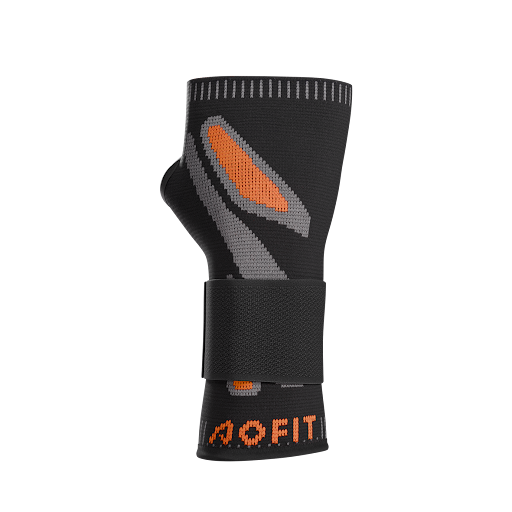
The orthopedic support industry has experienced remarkable growth in recent years as more consumers seek effective solutions for injury prevention, rehabilitation, and sports performance enhancement. Among the most in-demand products are wrist braces and elbow braces, which are widely used by athletes, office workers, rehabilitation patients, and healthcare professionals.
For brands, distributors, and wholesalers looking to enter this expanding market, partnering with a reliable custom wrist brace manufacturer and custom elbow brace supplier is essential. The right manufacturing partner can help ensure product quality, customization flexibility, regulatory compliance, and long-term business success.
Growing Demand for Wrist and Elbow Support Products
Modern lifestyles and increasing participation in sports have significantly increased the demand for supportive orthopedic products. Wrist injuries caused by repetitive strain, carpal tunnel syndrome, arthritis, and sports-related activities have created a strong market for wrist braces. Similarly, elbow braces are commonly used for conditions such as tennis elbow, golfer’s elbow, tendonitis, ligament injuries, and post-surgical rehabilitation.
As healthcare awareness continues to rise, consumers are seeking products that provide both comfort and effective support. This trend has created substantial opportunities for businesses that source high-quality products from an experienced custom wrist brace manufacturer and custom elbow brace supplier.
Why Custom Manufacturing Matters
Many businesses make the mistake of relying solely on generic products that offer little differentiation in the marketplace. Custom manufacturing allows companies to create products that reflect their brand identity while meeting the specific needs of their customers.
A professional manufacturer can provide customization options such as:
- Private label branding
- Custom logos
- Customized packaging
- Color selection
- Material customization
- Size modifications
- Functional enhancements
These customization capabilities help businesses build stronger brand recognition and improve customer loyalty.
Benefits of Working with a Custom Wrist Brace Manufacturer
Choosing an experienced custom wrist brace manufacturer offers several advantages for businesses looking to sell wrist support products.
High-Quality Materials
Quality materials play a critical role in the performance of a wrist brace. Leading manufacturers often offer various material options, including neoprene, breathable mesh fabrics, nylon blends, and moisture-wicking textiles. These materials help ensure comfort, durability, and long-term performance.
Enhanced Product Functionality
Modern wrist braces are designed to provide targeted compression and support while maintaining user comfort. Adjustable straps, ergonomic designs, and lightweight construction can significantly improve customer satisfaction.
Brand Customization
Private labeling is one of the most important services offered by a professional custom wrist brace manufacturer. Businesses can customize logos, packaging, colors, and marketing materials to create a unique product line that stands out in the marketplace.
Scalability
As your business grows, your manufacturing partner should be able to scale production without sacrificing quality. Experienced manufacturers typically have advanced production systems and multiple manufacturing facilities capable of handling large-volume orders.
The Importance of Choosing a Reliable Custom Elbow Brace Supplier
Elbow braces require precise engineering because they are often used in rehabilitation and injury recovery applications. Selecting the right custom elbow brace supplier helps ensure that products deliver the necessary support, stability, and comfort.
Wide Product Variety
A reliable supplier should offer a broad range of elbow support products, including:
- Compression elbow sleeves
- Tennis elbow braces
- Hinged elbow braces
- Rehabilitation braces
- Sports performance supports
- Adjustable elbow straps
Having access to multiple product categories allows businesses to serve different customer segments effectively.
OEM and ODM Services
Many successful brands rely on OEM and ODM manufacturing services to bring products to market quickly and cost-effectively.
OEM services allow businesses to sell products under their own brand while utilizing the manufacturer’s production expertise. ODM services provide ready-made product designs that can be customized to meet specific branding requirements.
Product Innovation
An experienced custom elbow brace supplier often invests heavily in research and development. This commitment to innovation helps create products with improved comfort, support mechanisms, and user-friendly features.
Key Factors to Consider When Selecting a Manufacturing Partner
Before choosing a manufacturing partner, businesses should carefully evaluate several important factors.
Manufacturing Experience
Experience often translates into better quality control, stronger technical expertise, and more efficient production processes. Manufacturers with many years of experience typically understand market demands and customer expectations more effectively. AOFIT, for example, highlights nearly two decades of brace manufacturing experience and global OEM/ODM operations.
Quality Assurance
Quality control should never be overlooked. Look for manufacturers that implement strict inspection procedures throughout the production process. Consistent quality helps reduce returns and strengthens customer trust.
Certifications
Industry certifications demonstrate a manufacturer’s commitment to quality and compliance. Important certifications may include:
- ISO certifications
- CE compliance
- FDA-related standards
- BSCI certification
These credentials can simplify market entry and improve buyer confidence.
Sample Availability
Requesting samples before placing a bulk order is essential. Samples allow you to evaluate materials, construction quality, comfort, and overall performance before making a larger investment.
Production Capacity
A capable custom wrist brace manufacturer and custom elbow brace supplier should be able to accommodate both small and large orders while maintaining consistent quality and delivery schedules.
Building Long-Term Business Success
A strong manufacturing partnership goes beyond simply producing products. The best manufacturers work closely with clients to improve designs, introduce new product ideas, and support long-term business growth.
When you partner with a trusted custom wrist brace manufacturer, you gain access to manufacturing expertise, customization options, and scalable production solutions. Likewise, an experienced custom elbow brace supplier can help you develop innovative products that meet the evolving needs of healthcare professionals, athletes, and everyday consumers.
Conclusion
The market for orthopedic support products continues to expand, creating exciting opportunities for brands and distributors worldwide. Success in this industry depends heavily on selecting the right manufacturing partner.
A dependable custom wrist brace manufacturer can provide high-quality products, flexible customization, and reliable production capabilities. Similarly, a professional custom elbow brace supplier offers the expertise needed to develop durable, comfortable, and effective elbow support solutions.
By focusing on quality, innovation, certifications, and customization capabilities, businesses can establish a competitive advantage and build a trusted brand in the growing orthopedic support market.

Female Instagram Followers and When Audience Targeting Is Worth Paying For

Brick Selection Tips for Architects and Builders

How to Choose a Comfortable Hair Topper for Women

How to Start a DTF Printing Business?

Portable Laser Welding Machine Maintenance Guide

Restoring Strength and Safety: Comprehensive Alzheimer’s & Post-Hospital Elderly Care in Phoenix

The 15 Highest-Paid Rugby Players in the World

Christopher Dare: The Untold Story of Engineer and Former Husband of Angela Rippon

How to Ensure Your Home is Valued Correctly for a Quick Sale

What Is Fanquer? The Digital Creator Platform Transforming Direct-to-Fan Engagement

Dr Jared Ross: Missouri Appeals Court Upholds Protection Order Over Graphic Torture and Murder Threats

Nancy Hallam: The Inspiring Life, Career, and Success Story Behind Ian Wright’s Wife
The 15 Highest-Paid Rugby Players in the World
Christopher Dare: The Untold Story of Engineer and Former Husband of Angela Rippon
How to Ensure Your Home is Valued Correctly for a Quick Sale
What Is Fanquer? The Digital Creator Platform Transforming Direct-to-Fan Engagement
Dr Jared Ross: Missouri Appeals Court Upholds Protection Order Over Graphic Torture and Murder Threats
Nancy Hallam: The Inspiring Life, Career, and Success Story Behind Ian Wright’s Wife
-
 Sports4 months ago
The 15 Highest-Paid Rugby Players in the World
-
Celebrity10 months ago
Christopher Dare: The Untold Story of Engineer and Former Husband of Angela Rippon
-
 Real Estate8 months ago
How to Ensure Your Home is Valued Correctly for a Quick Sale
-
 Technology4 months ago
What Is Fanquer? The Digital Creator Platform Transforming Direct-to-Fan Engagement
-
 Celebrity4 months ago
Dr Jared Ross: Missouri Appeals Court Upholds Protection Order Over Graphic Torture and Murder Threats
-
Celebrity10 months ago
Nancy Hallam: The Inspiring Life, Career, and Success Story Behind Ian Wright’s Wife
-

 Health8 months ago
Enclomimed 25 (Enclomiphene) – Effective PCT Protocol
-
 Celebrity10 months ago
Who Is Maisie Mae Roffey? The Private Life, Family Story, and Quiet Success of Julie Walters’ Daughter