
Blog
The longevity trend everyone is talking about – and why a home recovery room might be the smartest investment you make this year

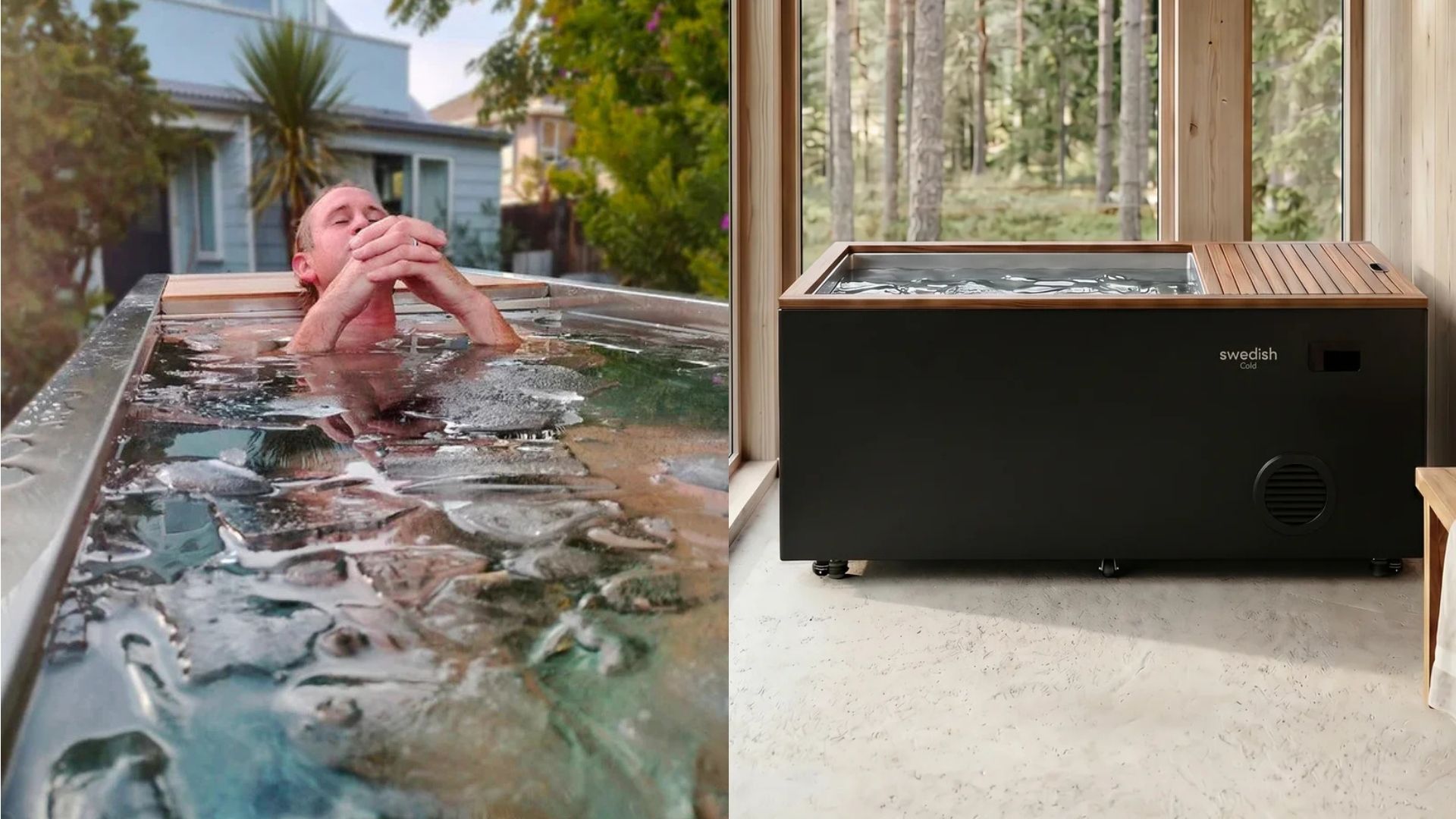
Sauna, cold plunge and infrared therapy were once reserved for elite athletes and five-star spas. Now they are coming home – and the science behind them is more compelling than ever.
Something has shifted in the way people think about health. Not so long ago, the conversation was about eating less, moving more and getting enough sleep. Those things still matter, of course. But a growing number of people – driven by a wave of new research, high-profile advocates and a genuine cultural appetite for living not just longer but better – are asking a different question altogether.
Not: how do I avoid getting ill? But: how do I optimise how I feel, think and age?
That question has a name now. Longevity. And it has brought with it a set of tools that would have seemed fringe just a decade ago – and are now mainstream, evidence-backed and, increasingly, available at home.
Chief among them: the home recovery room. Sauna, infrared therapy and cold plunge, combined into a daily ritual that top scientists, elite athletes and wellness-forward households across Europe are adopting as the cornerstone of a longer, healthier life.
What is the longevity trend – and why is everyone suddenly talking about it?
Longevity is not about living to 100. It is about adding healthy, high-quality years to your life – what scientists now call healthspan rather than lifespan. The goal is not just more time, but more time feeling good.
The movement has been building for years, fuelled by researchers like Dr Peter Attia, whose bestselling book Outlive brought the science of preventive medicine to a mainstream audience, and Stanford neuroscientist Andrew Huberman, whose podcast on cold exposure, sauna and sleep has been downloaded hundreds of millions of times worldwide.
The numbers behind the trend are striking:
| $27bnGlobal wellness market for heat & cold therapy by 2030Growing at 7–9% annually | 4–7xOptimal sauna frequency per week for cardiovascular benefitsPer JAMA Internal Medicine, 2,315-person study | +250%Dopamine increase from a single cold plunge sessionEffect sustained for hours, not minutes |
What was once a niche interest among biohackers has become a broad cultural movement. And as the products have improved – becoming more accessible, better engineered and genuinely fit for home use – the barrier to entry has dropped significantly.
What the science actually shows: sauna, cold plunge and longevity
This is not wellness marketing. The evidence base for heat and cold therapy is genuinely robust – and it has been building for decades.
On sauna: the landmark KUOPIO study, published in JAMA Internal Medicine and tracking 2,315 Finnish men over 20 years, found that those who used a sauna four to seven times per week had 50% lower risk of fatal cardiovascular disease, 66% lower risk of dementia and 40% lower overall mortality compared with those who used it once a week. The relationship was linear – no ceiling effect was found. More was consistently better.
On cold exposure: a single cold plunge session triggers a dopamine increase of up to 250% and a norepinephrine surge of up to 530%, both of which remain elevated for hours. A 2025 randomised controlled trial found that eight weeks of regular cold water immersion produced significant reductions in anxiety and depression scores compared with a control group. A 2024 study in Advanced Biology showed cold exposure promotes mitochondrial biogenesis – the creation of new energy-producing mitochondria in cells, directly linked to slower cellular ageing.
On contrast therapy: alternating between heat and cold produces a vascular pump effect – blood vessels dilate in the heat and constrict in the cold – that improves circulation, reduces inflammation and produces what many describe as the most powerful physiological reset available without medication.
| “The data on sauna is some of the most impressive lifestyle medicine data I have ever seen. The dose-response relationship is extraordinary – the more frequently you use it, the lower your all-cause mortality.”Dr Peter Attia, physician and author of Outlive – on the JAMA cardiovascular sauna data |
Why frequency is everything – and why that makes home the only option that works
Here is the problem that most people run into. You read the research. You are convinced. You go to the spa or the gym’s sauna once or twice. And then life gets in the way.
The JAMA data shows that once a week produces some benefit. But four to seven times a week produces results that are almost incomparably better. The difference is not incremental – it is transformational. And four to seven times a week is simply not achievable for most people if it requires getting in a car, buying a membership and working around someone else’s schedule.
The research on habit formation is clear: a behaviour becomes a routine only when the friction of doing it approaches zero. A sauna at a gym has friction. A sauna at home, ready at the tap of a phone screen, does not.
That is the shift that is driving the home recovery room trend. Not luxury for its own sake. Not Instagram aesthetics. A simple, practical recognition that if the science says you need to do this four times a week to get the benefit, then it needs to be at home.
What a home recovery room actually looks like – and how to build one
A home recovery room does not need to be a conversion project or a major renovation. The best setups are modular, freestanding and designed to be used in sequence. The protocol used by elite athletes and the best Scandinavian spas looks like this:
| THE HOME RECOVERY ROOM PROTOCOL | ||
| Step 120–30 min | Infrared Sauna40–60°C | Deep heat from the inside out. Muscles relax, blood flow increases, the body prepares. Lower temperature makes it accessible on any day. |
| Step 210–15 min | Traditional Sauna80–100°C | Intense Nordic heat with löyly – water poured on hot stones. Heat shock proteins activate, cortisol drops, endorphins rise. |
| Step 32–5 min | Cold Plunge0–15°C | Dopamine surges by up to 250%. Norepinephrine spikes. Inflammation falls. Blood vessels contract and circulation increases powerfully. |
| Repeat 2–3 rounds | Always end cold | The contrast between heat and cold is what produces the strongest physiological response. Each round amplifies the last. |
That is 60 to 90 minutes, two to three times per week at minimum, four to seven times per week for optimal results. The benefits compound over time – the first session you feel better. After a month you sleep better. After three months, the cellular and cardiovascular effects begin to accumulate in ways that the research shows are measurable and significant.
Swedish Cold: the premium recovery brand making it possible at home
Swedish Cold is a Scandinavian premium recovery and wellness brand that has built its reputation on a single principle: the recovery tools used by elite sports teams and five-star hotels should work just as well at home. No compromises on quality, temperature precision, hygiene or durability.
The brand is already trusted by some of Europe’s most demanding hospitality and wellness operators – including Sheraton Hotels, Strawberry Hotels, Hotell Östersund & Spa and Fit Club Mallorca. These are environments where equipment is used daily, by dozens of people, and where failure is not an option. Swedish Cold’s systems are built to that standard.
For home use, Swedish Cold offers the complete ecosystem – cold plunge, outdoor sauna, indoor hybrid sauna and infrared sauna – each designed to work together as a complete recovery room, and each delivered key-ready with no installation required beyond a standard power connection.
| SWEDISH COLD – PREMIUM RECOVERY & WELLNESS | |
| Cold Plunge – Generation 5 | The only consumer cold plunge that forms ice internally, holding 0–3°C stable throughout your session regardless of your body heat. The same system used by Sheraton Hotels and leading European wellness centres. |
| Outdoor Sauna | Freestanding, key-ready sauna in carbonised white pine. WiFi-controlled and ready to use on the day of delivery. No planning permission required in most cases. |
| Hybrid Sauna (Indoor) | Traditional and infrared heat in one freestanding indoor unit for 4–6 people. Fits a basement, garage or dedicated room. Key-ready – no installation needed. |
| Infrared Sauna | Deep-penetrating infrared heat at lower temperatures. Ideal for muscle recovery, sleep and stress relief. |
Every product is CE-certified, WiFi-controlled and designed to be ready to use on the day of delivery. Outdoor sauna models are freestanding and do not require planning permission in most cases, making them straightforward to install in a garden, on a terrace or in a garage.
Explore the full range at swedishcold.com – and at todaysmagazine.co.uk for more on the latest in health and wellness.
Is a home recovery room worth the investment?
It is a fair question. These are not impulse purchases. But the framing matters.
Consider what regular spa or wellness centre access actually costs. A membership or pay-per-session arrangement that allows you to use sauna and cold plunge facilities four times per week will typically run to £150–£300 per month in the UK – £1,800 to £3,600 per year. Over five years that is up to £18,000, with nothing to show for it at the end.
A home recovery room is a one-time investment in equipment that lasts decades, requires minimal maintenance and is available at any hour, with zero travel time, zero waiting and zero sharing. The equipment holds its value and adds to the appeal of any property.
But perhaps the more important calculation is the one that is harder to put a number on: the value of actually doing it consistently enough to get the results. Once a week at a spa versus four times a week at home is not just a frequency difference. According to the research, it is the difference between modest benefit and genuinely transformational long-term health outcomes.
That is the investment case for a home recovery room. Not luxury. Consistency.
The bottom line: longevity is not about living longer. It is about living better.
The longevity movement is not a fad. It is the logical endpoint of decades of research into what actually makes people healthier, more resilient and more energised as they age. And the evidence increasingly points to a small number of high-impact practices – sleep, movement, nutrition and deliberate thermal stress – as the levers that move the needle most.
Heat and cold therapy sit at the intersection of all of them. They improve sleep. They reduce inflammation. They regulate stress hormones. They support cardiovascular health and cellular repair. And they feel good – which matters more than people admit when it comes to building a sustainable daily habit.
The home recovery room is where that practice lives. Not in a spa you visit twice a month. At home, in a space you own, on a schedule that fits your life.
That is what Swedish Cold builds. And that is what longevity, practically speaking, actually looks like.



What you get from a mechanical bull has less to do with the machine than with the company and operator running it. The available speed settings, operating controls and surrounding matting can decide whether the night feels fun or stressful. That point runs through all seven myths below.
Cost and safety worries can make a mechanical bull seem harder to book than it is. Many of those concerns come from rodeo stories or older setups rather than the way current hire units may operate. This guide examines seven common assumptions one by one. It also explains what to ask and check so you can make a decision based on clear information.
Myth 1: the bull only suits cowboy themes
The usual picture involves sawdust and line dancing, which can make the bull seem tied to one theme. That image is dated. The same type of ride can draw a crowd at an 80s dress-up night or a school fete with no western décor in sight. It works because guests often treat it as a challenge and photo opportunity rather than a piece of themed set dressing.
At corporate events, the bull can run as a low-key contest between teams. Staff who would never dance may still have a go because the rules are simple and the turns are short. At fundraisers, it can sit near the entry and help draw people in. Riders might pay per go or teams can raise pledges, while the waiting crowd stays to watch.
You don’t need hay bales or hats to make it look appropriate. Keep the event’s main theme for the food and music, then let the bull provide a break-out moment that gets people laughing and talking.
If the theme is already strong, the contrast can make the photos even better.
Myth 2: the cost will blow the budget
Sticker shock often comes from guessing rather than requesting a real quote. The bull may be treated as a luxury add-on that costs twice as much as a DJ. In practice, the numbers can be in a similar ballpark once the included services are clear.
Quotes differ considerably, so don’t assume one price covers the same things as another. One hire company might include delivery and set-up time in the fee while another lists them separately. Some quotes bundle an operator and matting into the headline figure. Others price additional hours separately. The only way to know is to request an itemised quote that sets out ride time, staffing, power requirements and pack-down.
Comparing the price with a photo booth or DJ can help because those costs may already be familiar. A booth largely runs on its own, while a mechanical bull requires active supervision throughout the operating period. If the quotes are close, consider which option is more likely to bring guests out of their chairs and provide photos that would be difficult to stage. It is also reasonable to request two operating-time options and line up the quotes side by side.
Myth 3: the ride is dangerous by design
This concern can stop a booking before anyone checks how a hire unit actually operates. Rodeo clips create the impression that a hired mechanical bull must throw riders in the same way. That is not necessarily the case. Depending on the model, adjustable speed controls or ride programs may allow an operator to keep the movement slow and steady for nervous riders.
A safe setup involves several parts working together. The operator watches the rider’s body position and decides when to stop the unit. A suitable soft surface around the base helps cushion a fall. Some models may use a particular tether or handhold arrangement, although units do not all work in the same way. Ask the hire company to explain what its unit includes and how riders are instructed to hold on, dismount and let go safely.
You should also ask what stop control the unit has and how the operator uses it. Request proof of public liability insurance, along with details of how often the equipment is checked and cleaned. Hire companies may mention Australian Standard AS 3533.4.1 when discussing inflatable devices, but a code number alone does not explain how a particular setup is managed. Ask which standards apply to the equipment being supplied and what those requirements mean for setup, inspections and staff training on your event date. A good operator should be able to explain the process clearly. That conversation is a useful part of the safety check.
Myth 4: you need a huge venue to make it work
A mechanical bull can bring to mind a full arena, making smaller venues seem unsuitable. Most hire units need much less room than that image suggests. The mechanical base takes up one part of the space, and the soft surround takes up another. Both need to fit while leaving suitable walking space around the setup.
Outdoor courtyards and tall marquees may work if the ground is level and there is adequate headroom. Low ceilings and hanging lights are common obstacles inside. For that reason, a careful hire company will usually request photos and measurements before confirming that the unit fits. A quick site check is better than relying on a guess and discovering on the day that a post or fitting blocks the planned location.
Don’t rely on a footprint found online unless it is for the exact unit being hired. Ask the company for the full dimensions of its equipment with the matting in place, as well as the clearance required while the bull is operating. Send a floor plan or a few clear phone photos. The supplier can then assess the space using the available details rather than hope. Measure the proposed area twice. Five minutes with a tape can prevent a last-minute relocation or reschedule.
Myth 5: power will be a nightmare
Power can sound technical and risky if you have not hired amusement equipment before. Nobody wants tripped breakers or long cable runs crossing guest areas. The practical approach is to ask early how the hire company proposes to power its particular unit at your site.
Some hire companies can supply a generator for venues without a suitable nearby outlet. Others may use mains power with tested leads and safety switches, subject to the venue and equipment requirements. Perth organisers looking for a clear answer about staffing, power, padding and delivery can book a Bucking Bull for your next event in Perth and request a written list of what the quote covers for the chosen venue.
You may not need to arrange an electrician yourself, but that depends on the venue, available supply and advice from the relevant provider. Tell the hire company where the switchboard and usable outlets are located, and show where guests will walk. It can then confirm whether its leads are suitable, whether a generator is preferable or whether the venue needs to arrange further electrical support. Have that conversation before printing the final floor plan.
Myth 6: kids can’t ride
A mechanical bull is often assumed to be an adults-only activity. Some units can be operated at slower settings that may suit younger riders, subject to the model and the hire company’s rules. Where the controls allow it, the operator can keep movements gentle and increase the pace only if the rider is comfortable and asks for more.
Safety restrictions still apply. Age, height, weight or other participation limits can vary between hire companies and units. One company might set a minimum age, while another may work with a combination of height and weight requirements. Ask for the applicable limits in writing before promising rides to children. Also ask how young riders are briefed and whether a parent or guardian can remain nearby during the turn.
Children may enjoy a slow operating mode just as much as teenagers enjoy a faster one, where those settings are available and appropriate. Short turns help keep the queue moving, reducing waiting time while allowing the operator to focus on one rider at a time. There is no need to guess about supervision arrangements. Confirm where parents can watch and how close they may stand to the edge of the matting.
Myth 7: booking means weeks of paperwork and phone calls
The final concern is the amount of time involved. Booking can sound like a process full of forms and repeated site visits. In many cases, the initial exchange is straightforward. You provide the date, venue, expected guest mix and access notes, then the hire company explains what it can supply and what further information it needs.
Ask who is responsible for load-in and setup on the day. Confirm who will stay with the bull during operating time and who will handle pack-down after guests leave. The hire company should spell out these responsibilities so you are not unexpectedly left moving matting or managing cables. If power or venue access requires extra equipment, that should be identified early.
Lead times vary by season and weekend demand. Popular dates can book early, while quieter midweek slots may remain open longer. If the date is fixed, enquire sooner rather than waiting until every other detail is final. An early message can start the discussion while the venue and final guest numbers are being confirmed.
How to vet a hire company before you book
A short vetting call can tell you more than a polished gallery. Use it to assess how clearly the hire company discusses safety, equipment and setup. Specific answers are more useful than attractive photos. Bring the venue contact into the call if possible.
Start with staffing. Ask who will operate the bull on your date and what training that person has received. Find out how the operator decides when to increase the speed or stop the ride. The answer should include a calm plan for rider briefings, supervision and early stops rather than vague assurances. Listen carefully for specifics about supervision during the full operating period.
Then ask about the equipment. Find out how often the unit and matting are inspected and what records the company keeps. Ask what happens if a seam, control or electrical lead shows signs of wear before the event. You do not need every serial number during the first call, but you should hear that inspections occur on a defined schedule and faulty equipment is removed from hire.
Request proof of public liability insurance and ask what the cover means for you as the person making the booking. Check whether the venue needs to be named on any paperwork or receive a copy before load-in. Venues may request these documents, so obtain them early. Keep copies with your event file so door staff and venue managers can find them quickly. Maintain a written list of what the supplier has promised.
Finish with the quote. Request a written breakdown covering ride time, staff attendance, the proposed power source and included safety equipment. Setups vary, so two similar prices may cover different services. If matting, delivery or a generator costs extra with one hire company, the charge should appear clearly in writing. Clear paperwork at the booking stage helps prevent awkward discussions on the day.
A mechanical bull is neither wild nor tame on its own. The hire company sets the tone through its equipment, operator training and participation limits. Ask direct questions and get the answers in writing. Match the available ride pace to the expected crowd. That approach can deliver plenty of laughs without unnecessary stress, and guests will still remember who stayed on the longest.
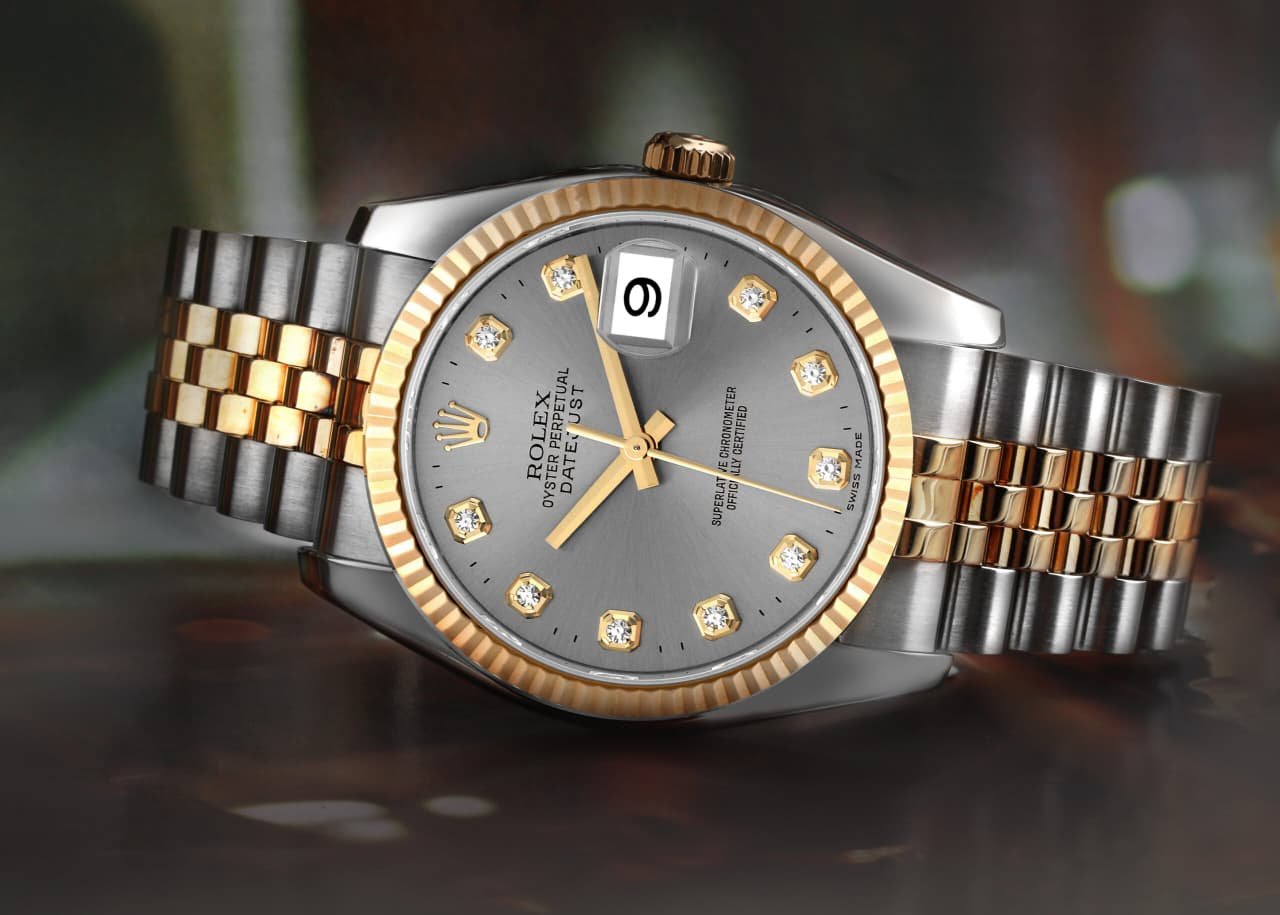
Most collectors call the Jubilee the dress option and the Oyster the daily beater. Long-term wear with both can suggest the opposite: the Jubilee is often the easier bracelet to live with on a modern Rolex watch.
It was built for daily wear from the start
Rolex introduced the Jubilee in 1945 with the Datejust, around the brand’s 40th anniversary. The bracelet and watch were paired from the start, and that pairing has continued ever since. For more than eighty years, the same five-piece pattern has remained in the catalogue, with gradual updates to materials, construction and clasps. A look through the back catalogues shows the same narrow centre rows and wide outer rows returning year after year, with changes in profile and finish across references and generations.
A Datejust on a Jubilee was intended to be worn each day rather than saved for events. The case size was modest and the links sat smoothly against the skin. That brief still suits how many people wear a Rolex watch now. The same piece may have to handle work, errands and dinner without a bracelet swap. The Jubilee was designed for that mixed day, with articulated links and rounded edges that can sit comfortably against the wrist. After decades of office use and travel, experienced watchmakers are also familiar with its common wear points and servicing needs, though parts availability depends on the bracelet’s age and reference. It is a metal bracelet suited to office hours and weekends alike.
Plenty of bracelet designs have faded over that span. The Jubilee has remained in production, and its long run reflects its enduring appeal as an option for regular use.
Comfort comes down to link geometry
The Jubilee has five links across each row. Two wide links sit on the outside, while three narrow links fill the centre. That arrangement allows each row to bend through several smaller sections instead of moving like a flatter three-link Oyster. As a result, it can stay close to the skin rather than bridging over the wrist bone. Anyone who has worn both for ten hours straight may notice how the extra articulation spreads the load across small steps instead of pressing one firm line down the middle.
Weight spreads across the bracelet rather than sitting mainly on two edges. That can help on warm days when the wrist swells slightly, as well as at a desk when the wrist rests on a table for hours. There may be less need to cinch the clasp tight to prevent sliding, and some owners wear it a notch looser than an Oyster for that reason. Because the curve follows the wrist bone rather than resisting it, pressure can remain low while typing with the case close to the desk. Small spaces between the links also allow some air to move beneath the bracelet, although comfort will still depend on fit, wrist shape and conditions.
Wrist time often reveals more about comfort than spec sheets.
Solid construction changed the old story
Old Jubilees earned a mixed reputation for stretch. Many earlier versions used folded or hollow components, and their pins could wear small grooves inside the links over years of use. The bracelet gradually became longer and began to sag at the sides. Anyone who shops for vintage Rolex watches may have seen that familiar droop. After extended daily wear without appropriate maintenance, side play could increase until the bracelet felt tired and loose on the wrist. That flaw was real on heavily worn examples, and it understandably discouraged some buyers from choosing a Jubilee for daily use.
Later examples are built differently. Solid links and end links, where fitted to the relevant reference, give the bracelet a tighter and more substantial construction, while closely fitted pins reduce initial play. Rolex introduced these changes progressively rather than applying them to every Jubilee at one moment, with many references moving towards solid end links and solid-link construction during the 2000s. Wear still occurs over decades because metal-on-metal contact will always leave some evidence. Even so, a well-maintained later Jubilee should generally resist the rapid loosening associated with neglected vintage examples. Shake a well-kept bracelet gently and it should feel controlled, without the pronounced rattle found on some older, heavily worn pieces.
The steel helps as well. Current Rolex steel bracelets use Oystersteel, Rolex’s name for the 904L-family alloy it uses. It offers strong corrosion resistance when exposed to ordinary sweat and rain, retains its finish well with suitable care and requires no oil or protective coating. Salt, soap and similar residue should be rinsed away before the bracelet is dried. For something that sits against the skin for eight to twelve hours each day, that resistance makes routine care simpler, although regular cleaning is still worthwhile.
Fit, end links and getting a fresh start
Fit determines how a Jubilee feels. Each reference has a specified lug width, and compatible bracelets use end links shaped to match the relevant case. When those end links fit the case correctly, the assembly can feel planted and quiet during typing or driving. Aftermarket options vary widely in quality and fit, so they need to be assessed individually rather than dismissed as a group. There should be no excessive side-to-side movement or unintended visible gap at the lugs.
A tired bracelet does not necessarily write off the watch. The Jubilee remains in production, while replacement or period-compatible examples may be available through Rolex, specialist dealers or shops familiar with the brand, depending on the watch’s age, reference and current parts supply. If an older Datejust has a loose or worn-out bracelet, a rolex jubilee bracelet made for its lug width and specific case may restore a tighter, quieter feel on the wrist. Confirm the end-link code and overall compatibility against the case, and check the clasp code if period correctness matters. Depending on the models involved, replacing or repairing the bracelet may cost less than trading the watch head for a newer piece.
The watch and bracelet should move together without excessive play. Poorly matched metal straps can struggle to create that sense of unity, while a suitable alternative may work well if its dimensions and end links are correct. A properly fitted Jubilee should remain stable without binding against the case. That secure feel can help the watch disappear into the day.
Small adjustment that helps each day
Wrists change size during the day, often growing slightly by afternoon before shrinking again in cooler conditions. Heat and a long walk can add enough swelling to make a fixed bracelet uncomfortable. It is difficult to account for that change first thing in the morning, so some room for adjustment matters. Anyone moving between cold offices and hot streets may recognise how a comfortable morning fit can feel tight by three in the afternoon, even though nothing about the watch has changed.
On Rolex references fitted with it, the Easylink comfort extension helps accommodate that variation. Opening the clasp allows the extension to provide 5mm of space without tools, and it can be folded back when the wrist settles. There is no pin to push and no need to visit a shop for each adjustment. That small range is often enough to relieve afternoon pressure. Since the link folds inside the clasp, the bracelet’s appearance remains largely unchanged and the extra length feels integrated into the design. Clasp and adjustment systems vary by model, reference and production period, so not every modern Jubilee includes Easylink.
It is a useful daily feature where fitted. Frequent flyers may choose to open it before or during a flight and close it later, once their hands cool and return to their usual size. It can also remain open on hot summer evenings. That convenience can keep the watch comfortable on the wrist rather than leaving the wearer looking for somewhere safe to put it.
One bracelet that dresses up or down
The Oyster looks flat and bold, which suits a tool-watch style. The Jubilee appears finer because of its narrow centre rows and catches the light in small flashes. That difference leads many buyers to classify it as a dress-only option. Daily wear can tell a broader story. In person, the five-piece rows often read as texture rather than excessive shine, allowing the bracelet to sit comfortably beside a shirt cuff or a plain tee.
Rolex has offered the Jubilee on versions of the GMT-Master II for years. That is a travel watch with a 24-hour bezel, associated with changing time zones and long days rather than life in a safe. On a Jubilee, it can still look appropriate with a tee and trainers. Add a jacket on Monday and it works again. The same applies to a Datejust moving between desk work and weekend chores. Since the GMT-Master II is designed as a travel watch, its availability on a Jubilee supports the bracelet’s use beyond formal or office settings. Many owners will find no need to change straps for each dress code.
The clasp also supports that versatility, although the design depends on the reference. Some Jubilee-equipped models use a concealed Crownclasp that folds beneath the links, while others use a visible Oysterclasp or another configuration. With a Crownclasp, the wearer sees an almost uninterrupted line of metal rather than a large buckle. The bracelet stays visually clean from lug to lug, while the clasp hardware is integrated beneath the links. A properly functioning clasp should close securely and remain shut during normal wear, but its condition should be checked if the action feels loose or inconsistent.
Scratches and simple upkeep
Shine does have a cost. On references with polished centre links, those surfaces collect fine lines faster than the brushed outer links. An Oyster with more brushed surface area may disguise those marks more effectively. Wear the Jubilee beside cuffs with metal buttons or rest it on a hard counter, and faint hairline scratches will probably appear over time. That is normal surface wear and does not by itself indicate a weak bracelet.
Ordinary contact with water is generally not a concern for the bracelet itself, but a watch’s water resistance depends on the case, crown, seals, condition and service history rather than the bracelet. A modern Rolex with an appropriate, tested level of water resistance should tolerate rain and routine hand washing within its rated limits. Sweat and residue can be rinsed away after wear. The steel cleans up well, and the rounded rows allow water to drain from many exposed surfaces, though moisture should still be dried from between the links. The smaller articulated links may also move more easily around a cuff than broad, flat sections, but snag resistance depends on the clothing, bracelet condition and fit.
Routine upkeep takes only a few minutes. Subject to Rolex’s care guidance and the watch’s known water resistance, use warm water, a soft brush and a small amount of mild soap to clean between the links, then rinse thoroughly and pat the bracelet dry with a soft cloth. Owners who wear the watch every day can clean it as needed rather than following a fixed weekly schedule. Regular cleaning helps prevent grime from accumulating around the pins and allows the links to retain their natural movement. If deeper ultrasonic cleaning is appropriate, the bracelet should be removed from the watch and handled by a professional to avoid exposing the watch head or vulnerable components to the process.
Deep marks can wait until refinishing is worthwhile. A skilled professional can restore the intended mix of matte and polished surfaces through separate brushing and polishing stages, although every refinish removes a small amount of metal. Most owners therefore wait until the accumulated wear justifies the work. Because the centre and outer links may have different finishes, the refinisher should protect one set while working on the other so the contrast remains defined. Ask for the edges to stay crisp and the brushing to follow the original direction.
The Jubilee does not have to be treated as too precious for regular use. Wear it, clean it appropriately and have its fit and condition checked when necessary, and it can serve as a comfortable daily Rolex bracelet.

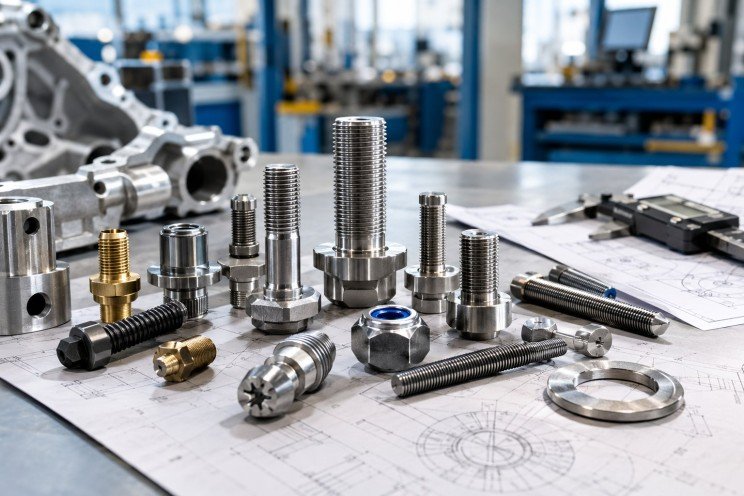
In the realm of manufacturing and assembly, achieving optimal performance and reliability often depends on the selection of the right fastening components. This is especially true for complex assemblies where conventional methods may not suffice. Specialist fastening solutions, tailored to precise requirements, play an essential role in ensuring the integrity, safety, and longevity of such assemblies.
Specialist fastening devices are designed to address unique challenges posed by materials, environmental conditions, and mechanical stresses. For organisations seeking specialty fasteners, it is crucial to understand the technical considerations that influence their selection and application.
Defining Specialist Fastening Solutions
Specialist fastening solutions are custom-engineered components that cater to specific performance requirements beyond standard fasteners. These may include bespoke shapes, sizes, materials, and surface treatments that are optimised for particular assembly conditions.
Unlike generic fasteners, these custom solutions are engineered to provide exceptional durability, resistance to corrosion, mechanical strength, and compatibility with complex materials or equipment.
Complex Assemblies and Their Challenges
Complex assemblies often integrate diverse materials such as composites, high-strength alloys, and sensitive electronic components. Fastening such assemblies demands components that can handle multifaceted stress profiles while preventing damage to adjacent parts.
Factors such as thermal expansion, vibration, exposure to harsh chemicals, and mechanical fatigue require fasteners designed with specific mechanical and chemical properties. Failure to accommodate these factors can result in component failure, operational downtime, or safety hazards.
Material Considerations in Specialist Fasteners
The choice of material for specialist fasteners is critical. High-performance alloys like titanium, stainless steel, and specialised composites offer tailored characteristics suitable for complex applications.
Material selection must also consider compatibility with the assembly environment, including exposure to moisture, solvents, and temperature extremes. Surface finishes and treatments further enhance corrosion resistance and reduce friction, extending the service life of fasteners.
Design and Engineering of Custom Fasteners
The engineering process for custom fastening solutions involves analysing load requirements, environmental factors, and material interactions within the assembly. Advanced modelling techniques facilitate the design of fasteners that can sustain dynamic loads and maintain secure joints under fluctuating conditions.
Collaboration between engineers and fastener suppliers is essential to tailor specifications that meet industry standards while addressing the specific constraints of the project.
Applications of Specialist Fastening Solutions
Industries such as aerospace, automotive, electronics, and medical devices frequently require specialist fasteners. These industries demand precision and reliability, with fasteners often subject to strict regulatory standards.
In aerospace, for example, lightweight materials combined with high-strength fasteners contribute to performance efficiency. In medical devices, biocompatibility and sterilisation compatibility dictate fastener selection.
The Role of Engineering Fasteners in Assembly Integrity
Engineering fasteners facilitate the construction and maintenance of complex assemblies by providing secure fastening mechanisms designed for specific engineering requirements. These fasteners enhance joint strength, distribute loads effectively, and minimise the risk of loosening or failure over time.
Reliable engineering fasteners incorporate design features such as locking mechanisms, thread enhancements, or customised geometries to withstand operational stresses.
Custom Manufacturing Processes
Custom fasteners undergo specialised manufacturing processes including precision machining, forging, and heat treatment. Each stage is configured to achieve stringent dimensional tolerances and mechanical properties essential for demanding applications.
Quality assurance protocols ensure that every fastener maintains consistency and meets industry certifications, guaranteeing performance under prescribed conditions.
Benefits of Using Specialist Fastening Solutions
Employing specialist fasteners in complex assemblies offers numerous benefits. These include enhanced joint security, extended operational life, reduced maintenance intervals, and improved safety standards.
Custom solutions also allow for greater design flexibility, enabling engineers to optimise assembly configurations for weight, cost, and performance.
Challenges and Considerations
While the advantages are clear, selecting and integrating specialist fastening solutions require thorough analysis. Cost implications, supply chain considerations, and compatibility with existing manufacturing processes must be evaluated meticulously.
Ongoing collaboration between designers, suppliers, and manufacturers is necessary to address these challenges successfully.
Quality Control and Testing
Robust quality control measures are vital for specialist fasteners. Testing for tensile strength, shear resistance, fatigue life, and environmental durability ensures that the fasteners meet application demands.
Non-destructive testing methods and certification processes further validate the reliability of the fastening solutions deployed within critical assemblies.
Future Trends in Specialist Fastening
Advancements in materials science and manufacturing technologies continue to drive innovation in specialist fasteners. Additive manufacturing, nanocoatings, and smart fasteners with embedded sensing capabilities represent emerging trends that offer enhanced performance monitoring and adaptability.
Partnering with Specialist Fastener Suppliers
Selecting experienced and knowledgeable suppliers is paramount to accessing high-quality specialist fastening solutions. Suppliers with engineering expertise can assist in selecting, designing, and customising fasteners to meet complex assembly requirements efficiently.
For organisations seeking reliable fastening components, collaborating with a trusted supplier ensures compliance with industry standards and access to comprehensive technical support.
Conclusion
Understanding the intricate requirements of complex assemblies highlights the vital role of specialist fastening solutions. Custom-designed fasteners tailored to specific engineering conditions provide the strength, durability, and reliability essential for high-performance applications.
Integrating the appropriate fastening technology, supported by expert suppliers, enhances assembly integrity and supports long-term operational success.

Why Multi-Model AI Image Generation Marks the End of Multi-Tool Visual Production

The Realities of Electric Scooter Ownership: Battery Care, Maintenance and Everyday Running Costs

The Ultimate Guide to Women’s Sandals for Style and Comfort

Essential Guide to Hire Furniture in Sydney for Stylish Home Makeovers

Publishing AI-Assisted Drafts as PDFs: A Free Markdown Workflow with iBoomto

Spinal Alignment in Kuala Lumpur: What It Involves and What It Costs

The 15 Highest-Paid Rugby Players in the World

Christopher Dare: The Untold Story of Engineer and Former Husband of Angela Rippon

How to Ensure Your Home is Valued Correctly for a Quick Sale

What Is Fanquer? The Digital Creator Platform Transforming Direct-to-Fan Engagement

Dr Jared Ross: Missouri Appeals Court Upholds Protection Order Over Graphic Torture and Murder Threats

Nancy Hallam: The Inspiring Life, Career, and Success Story Behind Ian Wright’s Wife
The 15 Highest-Paid Rugby Players in the World
Christopher Dare: The Untold Story of Engineer and Former Husband of Angela Rippon
How to Ensure Your Home is Valued Correctly for a Quick Sale
What Is Fanquer? The Digital Creator Platform Transforming Direct-to-Fan Engagement
Dr Jared Ross: Missouri Appeals Court Upholds Protection Order Over Graphic Torture and Murder Threats
Nancy Hallam: The Inspiring Life, Career, and Success Story Behind Ian Wright’s Wife
-
 Sports5 months ago
The 15 Highest-Paid Rugby Players in the World
-
Celebrity11 months ago
Christopher Dare: The Untold Story of Engineer and Former Husband of Angela Rippon
-
 Real Estate9 months ago
How to Ensure Your Home is Valued Correctly for a Quick Sale
-
 Technology5 months ago
What Is Fanquer? The Digital Creator Platform Transforming Direct-to-Fan Engagement
-
 Celebrity5 months ago
Dr Jared Ross: Missouri Appeals Court Upholds Protection Order Over Graphic Torture and Murder Threats
-
Celebrity11 months ago
Nancy Hallam: The Inspiring Life, Career, and Success Story Behind Ian Wright’s Wife
-

 Celebrity8 months ago
Who Is Azriel Crews? Inside the Life and Career of Terry Crews’ Daughter
-

 Health9 months ago
Enclomimed 25 (Enclomiphene) – Effective PCT Protocol