
Blog
The Modern Miracle of Parenthood: How Celebrities Are Taking Advantage of Reproductive Medicine


In the 21st century, the boundaries of what is possible in medicine have expanded significantly. Topics that, just a few decades ago, were discussed exclusively within a small circle of doctors or in the privacy of family kitchens have now become the subject of global public debate. Infertility, in vitro fertilization, genetic material donation, and surrogacy are no longer taboo. Public figures are increasingly and more boldly sharing their difficult—and sometimes painful—experiences. They are breaking centuries-old stereotypes. They inspire millions of people around the world not to give up in the face of biological obstacles.
In this in-depth article, we explore the stories of international and Russian celebrities who have found the joy of parenthood thanks to scientific and technological progress. We’ll analyze how their honesty is changing our society.
IVF. When Science Meets Hope
IVF (In Vitro Fertilization) remains the most common method of assisted reproductive technology. Despite its popularity, it is a complex, multi-stage process. It demands enormous physical and emotional resources from a woman.
Courteney Cox: Resilience Behind the Scenes of *Friends*
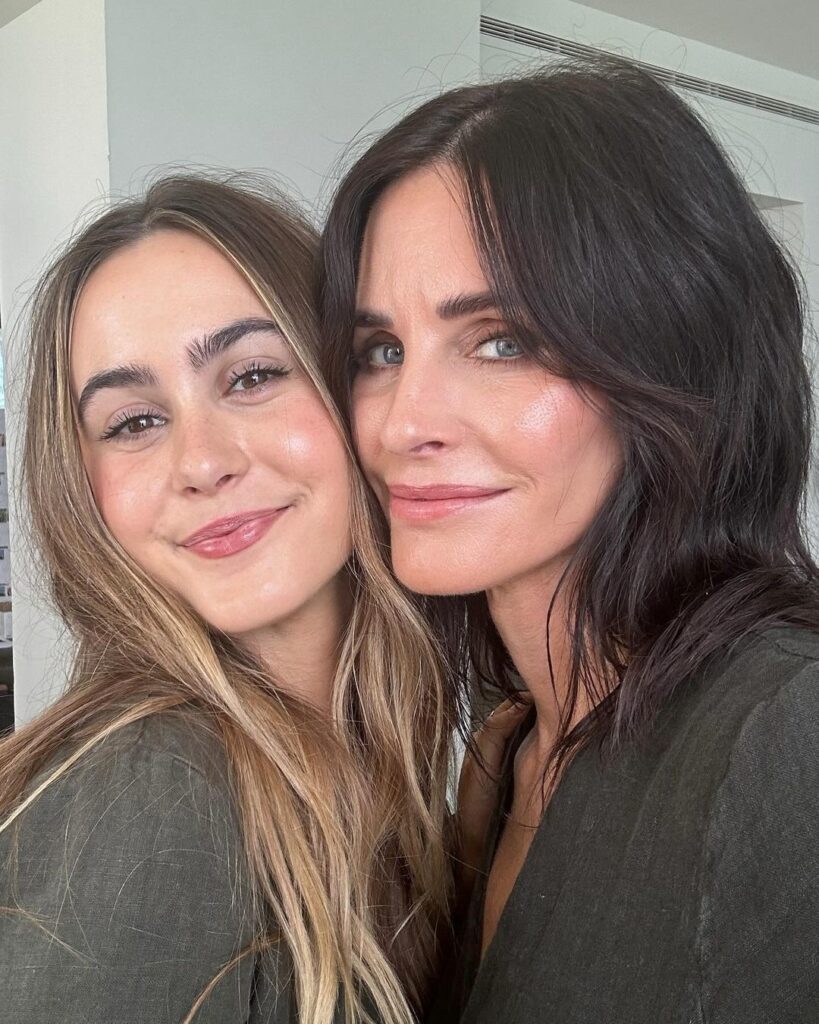
The on-screen fate of Monica Geller—who, according to the plot of the cult series *Friends*, could not have children—became strangely and painfully intertwined with the real life of the actress who played her, Courteney Cox. While her character struggled with infertility on television screens around the world, the actress herself was waging an exhausting and quiet battle for the right to become a mother in real life.
Courteney openly admitted that her journey to motherhood was marred by seven miscarriages. Each time, the pregnancy ended in the early stages. This left deep psychological scars. One of the most difficult challenges of her career was filming the episode in which Rachel—played by her close friend Jennifer Aniston—gives birth to a daughter. Just a few days before filming that scene, Courtney herself suffered yet another miscarriage. The actress had to portray genuine joy and laugh on camera while suppressing her own grief and tears.
The cause of this string of tragedies, as was later determined in the reproductive specialist’s office, was a mutation in the MTHFR gene, known as methylenetetrahydrofolate reductase. This rare genetic trait disrupts the body’s ability to absorb folic acid and leads to increased blood clotting. As a result, the mother’s body begins to produce specific antibodies that attack the embryo, perceiving it as a foreign body, and block the supply of nutrients to the fetus. Without high-tech medical intervention, carrying a child to term with this diagnosis was biologically impossible.
In vitro fertilization, combined with rigorous supportive therapy, became Courtney’s only option. The procedure required her not only to undergo grueling courses of hormonal stimulation to produce high-quality eggs, but also to receive daily painful injections of heparin—a blood-thinning medication—directly into her abdomen throughout the entire period of planning and carrying the pregnancy. Despite the extreme hormonal fluctuations and the constant fear of another loss, the actress’s resilience paid off. In June 2004, shortly before her 40th birthday, Courtney gave birth to a healthy daughter, Coco Riley Arquette, whose godmother is Jennifer Aniston. Courtney Cox’s story proved to the whole world that even in the face of severe genetic predispositions, modern medicine is capable of sustaining a pregnancy and bringing the long-awaited joy of parenthood.
Celine Dion. The Triumph of Will Over Biology
Celine Dion’s story is not merely a medical chronicle, but a true epic of boundless maternal love, incredible patience, and an iron will. Her journey to parenthood began in the late 1990s, when it became clear that due to serious health issues affecting her husband, René Angélil—who had been diagnosed with cancer at the time—natural conception was virtually impossible. In 2001, after their very first successful IVF attempt, their first child, René-Charles, was born. This event seemed like an absolute triumph for the couple, but the real challenge lay ahead.
Years later, wanting to give her son a brother or sister, Celine turned once again to fertility specialists. This time, she was up against not only her old problems but also her biological clock. The singer went through an exhausting marathon of six unsuccessful IVF cycles. Each cycle was accompanied by painful hormone injections that radically altered her body and emotional state. One of these attempts ended in tragedy—an early miscarriage. Celine later admitted in an interview that each failure felt like a little death to her, and waiting for the test results turned into a real ordeal. She shared that people say it’s easy when you have money, but money can’t buy life and can’t take away the pain of loss.
Despite the press’s skepticism and her own fears, Celine refused to give up. She used every available辅助 method, including acupuncture and the strictest diets, to maximize her chances of success. This long-awaited success was the result of multiple rounds of in vitro fertilization (IVF), a highly complex reproductive technology in which the egg is fertilized outside the mother’s body in a laboratory setting.
In Celine’s case, the situation was complicated not only by her age but also by the need to use her husband’s genetic material, which had been preserved in advance before he began aggressive cancer treatment. Doctors used personalized superovulation stimulation protocols to obtain a sufficient number of viable eggs, despite her diminished ovarian reserve. Each attempt involved surgical follicular aspiration, careful embryo selection, and subsequent transfer of the embryos into the uterine cavity. After five grueling failures, the sixth procedure finally resulted in a long-awaited multiple pregnancy. In October 2010, thanks to the skill of the reproductive specialists and the singer’s phenomenal resilience, she gave birth at the age of 42 to healthy twins, whom they named Eddie and Nelson.
The children’s names were not chosen at random. Eddie was named after Eddie Marne, the producer of Celine’s first albums, and Nelson was named after Nelson Mandela. Celine Dion has become a living symbol that turning 40 is not a death sentence if you have faith and access to cutting-edge technology. She has often emphasized that a child is the greatest reward, for which it is worth going through any hell. Her openness has helped millions of women over 35 take a fresh look at their chances of becoming mothers.
Michelle Obama. Honesty at the Highest Level
In her autobiography, *Becoming*, the former First Lady of the United States made a sensational revelation. Both of her daughters, Malia and Sasha, were conceived through IVF. Michelle spoke about the feelings of loneliness and despair she experienced after suffering a miscarriage at age 34. Her decision to speak openly about this—as one of the most influential women in the world—sent a powerful message to Black women and to all those who view infertility as a personal shame.
Brooke Shields and Mariah Carey. More Than Just Medicine
Brooke Shields was one of the first to speak openly about the link between IVF and severe postpartum depression, helping women prepare for the emotional ups and downs. Mariah Carey, in turn, faced gestational diabetes and preeclampsia during her pregnancy following IVF at age 41. These stories underscore that assisted reproductive technologies are not merely a medical procedure, but a serious ordeal for the entire body.
Surrogacy: An Alternative Path to Love
Surrogacy is often a subject of controversy. For many, it is the only way to have a genetically related child if carrying a pregnancy is physically impossible.
Kim Kardashian: Medical Necessity vs. Trends
Kim has often been criticized for choosing surrogacy. She was accused of wanting to maintain her figure. However, the reality was far more dire. After two pregnancies in which she was diagnosed with placenta accreta, a condition in which the placenta grows abnormally into the uterine wall, a third attempt to give birth on her own could have been fatal for Kim. Her experience with her daughter Chicago and son Psalm helped the public understand an important point: surrogacy is often not a whim, but a matter of the mother’s survival.
Priyanka Chopra and Nick Jonas. Protecting Privacy
When the couple welcomed their daughter, Malti Marie, they faced a wave of criticism. Priyanka later explained in an interview with Vogue that she had medical complications that made surrogacy a necessary step. Malti was born prematurely and spent more than 100 days in the intensive care unit. This story reminded the world that the journey of surrogacy is also fraught with anxiety and sleepless nights.
Sarah Jessica Parker and Nicole Kidman. Overcoming Secondary Infertility
Both actresses faced a situation where their first child was born naturally, but subsequent attempts to conceive were unsuccessful for years. Sarah Jessica Parker admitted that the sense of disappointment was immense until, in 2009, a surrogate mother gave birth to their twins. Nicole Kidman also used this method to have her second biological daughter. She called the surrogate mother the most generous person in the world.
Alla Pugacheva and Maxim Galkin. A Russian Phenomenon
In Russia, the topic of surrogacy remained largely overlooked for a long time, until Lisa and Harry were born in 2013. What makes this story unique is that Alla Borisovna had her eggs frozen long before she met Maxim. This became a striking example of how technology allows people to defy time and start a family at any age, provided they preserve their genetic material in a timely manner.
Egg Freezing: A Social Revolution and Freedom of Choice
Social egg freezing is a trend that is reshaping the world’s demographic landscape. It allows women to avoid having to choose between a career and motherhood under the pressure of age.
Paris Hilton and Control Over the Future
Paris, long associated with a carefree lifestyle, approached motherhood with great deliberation. She froze her eggs when she was 33 and eventually became the mother of two children in 2023. Paris emphasizes that this gave her the opportunity to wait for the right partner and prepare herself psychologically for motherhood.
Rita Ora and Amy Schumer. Different Facets of the Experience
Rita Ora froze her eggs at age 24, considering it the best investment in her future. Comedy actress Amy Schumer, on the other hand, openly shared the behind-the-scenes reality of the process on social media, including bruises from injections on her stomach, fatigue, and feelings of exhaustion. This unglamorous honesty helps women form realistic expectations about the procedure.
A Profound Impact on Society: Why Their Stories Are Priceless
When celebrities of the caliber of Celine Dion or Kim Kardashian speak about their struggles, several important things happen.
First, the social stigma disappears. The myth that a “real woman” must conceive and give birth only naturally is shattered. This reduces stress and self-blame for millions of ordinary women.
Second, it creates an impetus for legislation. Public discussion of these issues pushes governments toward clearer regulations governing the rights of surrogate mothers and parents, thereby protecting the interests of children.
Third, the industry is actively developing. High demand and interest from celebrities are stimulating investment in reproductive research, which over time makes these technologies more accessible to the general public.
Frequently Asked Questions
What are the chances of success with IVF after age 40? Statistics show that after age 40, the chances of success using one’s own eggs range from 10% to 15% per cycle. This is precisely why many celebrities, such as Celine Dion, undergo multiple attempts or use previously frozen material, as Alla Pugacheva did.
Does egg freezing affect the health of the future child? Numerous studies confirm that children born from frozen eggs are no different in terms of development and health from children conceived naturally. The vitrification method, which involves ultra-rapid freezing, virtually eliminates damage to cells caused by ice crystals.
How does a surrogate mother pass on her genes to the child? In modern gestational surrogacy, the surrogate mother has no genetic connection to the child. An egg from the biological mother or a donor is used, along with the father’s sperm. The surrogate mother acts solely as the woman who carries the fetus, providing for its nourishment and development in her womb.
What are the psychological risks associated with assisted reproductive technologies? Hormonal stimulation causes mood swings, and waiting for results can trigger severe anxiety. Celebrities, including Brooke Shields, emphasize the critical importance of psychological support during this period.
How much does surrogacy cost? The cost varies greatly depending on the country and specific circumstances. In the U.S., it can range from $100,000 to $200,000, including medical expenses, legal fees, and compensation for the surrogate mother. In Russia and CIS countries, the costs are usually lower, but the process requires strict compliance with the law.
Why do some celebrities hide their use of reproductive technologies? Despite progress, the fear of judgment or the desire to keep the birth a secret is still strong in society. However, every new example of openness makes this path more socially acceptable for everyone else.



The Familiar Tools and the Gaps They Leave
Ask most people to picture a walking aid, and they will describe a wooden cane or a metal walking frame. Both have kept millions of older adults on their feet, yet the range of equipment has grown a great deal, and some of the most useful options look nothing like a traditional mobility aid. A rollator with a built-in seat, a perching stool by the kitchen counter, or a walking chair that lets the user move around the home while seated can each solve problems a cane was never designed to handle.
That matters because mobility after 70 is rarely about one single difficulty. A walking stick works well for someone with mild unsteadiness or a sore knee on one side. It takes some weight off the weaker leg and gives the brain an extra point of contact with the floor, which improves balance. What it cannot do is offer much support when legs are tired, and it keeps one hand permanently occupied.
A walking frame, often called a Zimmer frame in the UK, provides far more stability. The trade-off is that it needs both hands, has to be lifted with every step and can be awkward in narrow hallways or small bathrooms. Many people quietly develop a risky habit of leaving the frame behind so they can carry a cup of tea or a plate, which is exactly the moment a fall is most likely.
Rollators sit somewhere in between. With three or four wheels, hand brakes and usually a seat and basket, they are excellent for the high street, the park or a trip to the shops. Indoors they can feel bulky, and they demand enough grip strength to operate the brakes reliably.
The real gap appears in everyday household tasks. Cooking, washing up, unpacking shopping and reaching into low cupboards all require free hands and the ability to stay upright for several minutes. For many people over 70, fatigue rather than balance is what limits these jobs, and that is where newer types of equipment have started to fill in.
Matching the Aid to the Task, Not Just the Person
A helpful way to think about mobility equipment is to start with the activity rather than the diagnosis. Instead of asking “what walking aid do I need?”, it is often more productive to ask what happens in each room of the house and where things become difficult. The answers tend to point towards a small collection of aids, each suited to a particular setting.
In the kitchen, the challenge is usually standing still for long periods while using both hands. A perching stool lets someone lean rather than stand, and seated mobility solutions allow a person to move between the hob, the sink and the fridge without getting up each time. In the bathroom, grab rails, a shower stool and a raised toilet seat do more for safety than any walking aid could. On the stairs, a second banister or a stairlift removes the need to carry anything at all. Outside the home, a lightweight folding rollator or, for longer distances, a mobility scooter may be the better choice.
Ending up with two or three different aids is normal and sensible. The most capable manufacturers acknowledge this openly. The walking aids guide from VELA, written by one of the company’s occupational therapists, states plainly that its chair may not fully replace a rollator for trips outside the home. Instead, it presents the chair as an indoor aid that lets users move around with their feet while seated, lock the wheels with a handbrake and use an electric seat lift to reach both high shelves and low drawers. That kind of candour is useful for buyers, because it shows where a product genuinely fits instead of promising that one device will do everything.
Before buying anything, a few practical questions are worth asking. Will it fit through every doorway in the house, including the bathroom? How does it cope with rugs, thresholds and different floor surfaces? Are the brakes easy to use with stiff or arthritic hands? How much does it weigh if it ever needs to be lifted into a car? Is there a trial period or a returns policy? Testing equipment in the actual home, rather than in a showroom with smooth floors and wide aisles, often reveals problems that a product description never mentions.
Keeping Strength and Confidence While the Aids Do Their Part
A walking aid should support activity, not replace it. One of the quiet risks in later life is that equipment makes things so easy that muscles gradually weaken from lack of use. The aim is to use aids for the moments when they genuinely reduce risk or save energy, while still giving the legs regular work to do.
UK physical activity guidelines advise older adults to include activities that improve strength, balance and flexibility on at least two days a week. This does not need to mean a gym membership. Standing up from a chair several times in a row, heel raises while holding the kitchen worktop and slow side steps along a hallway all build the strength that keeps walking safe. Local councils, community centres and charities often run gentle exercise classes designed specifically for older people, and these have the added benefit of getting people out of the house and talking to others.
Professional advice makes a real difference here. A GP can refer someone to a physiotherapist for a walking and balance assessment, and the local council’s adult social care team can usually arrange a visit from an occupational therapist who looks at the home itself. These assessments often lead to simple equipment being loaned or fitted, and they help avoid buying the wrong product. A physiotherapist will also check that a walking stick is set to the right height, which is typically level with the crease of the wrist when the arm hangs loosely.
Equipment needs looking after too. Rubber ferrules on sticks and frames wear down and lose grip, brake cables on rollators can loosen, and wheels collect hair and dust that make them stiff. A quick check every few months keeps everything working as intended.
Finally, it pays to review the whole setup regularly, and always after a fall, an illness or a hospital stay. Needs change, sometimes for the better as strength returns and sometimes as energy dips. Fear of falling can lead people to move less, which in turn makes falls more likely. The right combination of aids, combined with regular movement, breaks that cycle and allows people to stay active, independent and confident in their own homes for longer.

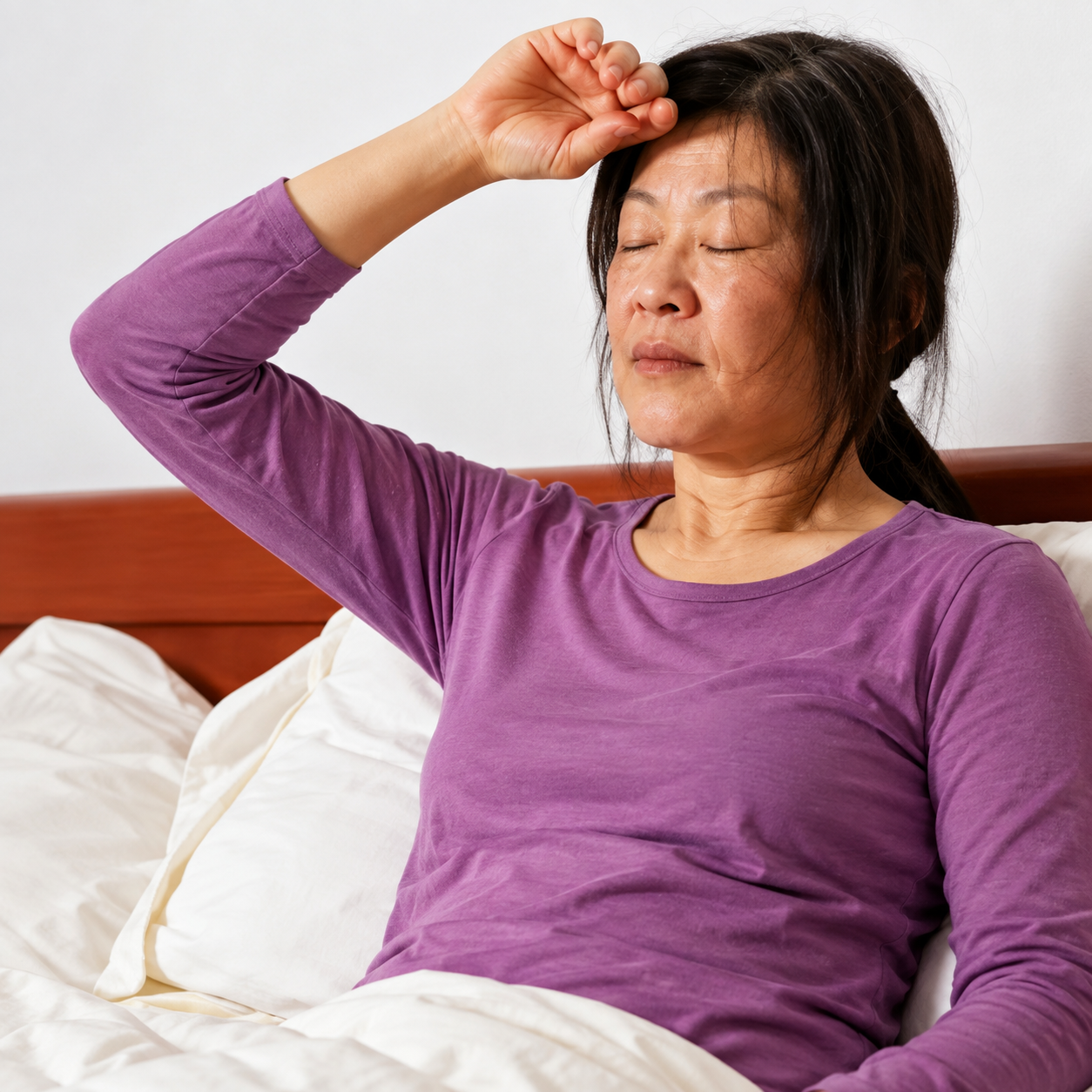
Menopause does not usually happen overnight. Before periods stop completely, many women go through a transition known as perimenopause, during which hormone levels fluctuate and menstrual patterns may begin to change.
For some women, the changes are mild. Others experience symptoms that affect sleep, mood, work, relationships or everyday comfort. Because some symptoms can also occur with other health conditions, it is useful to recognise what may happen during this transition and which changes should not simply be attributed to ageing.
What Is the Difference Between Perimenopause and Menopause?
Perimenopause refers to the transitional period leading up to menopause. It commonly begins during the 40s, although the timing varies between women.
During this stage, levels of hormones such as oestrogen fluctuate. Ovulation may become less predictable, which can affect the menstrual cycle and contribute to symptoms such as hot flushes, night sweats and changes in sleep or mood.
Menopause is reached after 12 consecutive months without a menstrual period, provided there is no other medical explanation for the absence of periods.
The experience is different for every woman. Some notice only changes to their menstrual cycle, while others experience several physical and emotional symptoms over a period of years.
Changes in Your Periods May Be an Early Sign
Changes in menstrual patterns are often among the first noticeable signs of perimenopause.
Your periods may:
- Become shorter or longer
- Occur more or less frequently
- Become heavier or lighter
- Be skipped occasionally
- Become less predictable than before
These changes can occur as ovulation becomes more irregular. However, a change in bleeding pattern should not automatically be assumed to be caused by perimenopause.
Bleeding between periods, bleeding after sex, unusually heavy bleeding or bleeding that differs significantly from your usual pattern can have other causes and may require assessment.
Hot Flushes and Night Sweats Can Affect More Than Comfort
Hot flushes are sudden sensations of heat, often affecting the face, neck and upper body. When they occur at night, they are commonly referred to as night sweats.
Although they may last only a short time, repeated episodes can interfere with sleep and contribute to tiredness during the day. Some women experience these symptoms occasionally, while others find that they affect work, concentration and daily activities.
If these changes have become difficult to manage or occur alongside other symptoms, discussing them with a female gynaecologist can help determine whether they are consistent with the menopausal transition or whether further evaluation may be appropriate.
Keeping a simple record of when symptoms occur, how often they happen and whether anything appears to trigger them can also make it easier to explain what you have been experiencing during a consultation.
Mood, Concentration and Sleep Can Also Change
Perimenopause is not limited to physical symptoms.
Some women notice changes such as:
- Irritability
- Low mood
- Anxiety
- Difficulty concentrating
- Forgetfulness or “brain fog”
- Reduced motivation or energy
- Difficulty falling or staying asleep
Hormonal changes may contribute to these symptoms, while disrupted sleep from night sweats can make fatigue, concentration difficulties and mood changes more noticeable.
However, changes in emotional well-being should not automatically be attributed to menopause. Stress, medical conditions, medication, existing mental health conditions and other life circumstances may also contribute.
If low mood, anxiety or other emotional symptoms are persistent, worsening or interfering with everyday functioning, medical assessment is appropriate.
Vaginal and Urinary Changes Should Not Be Overlooked
Changes in oestrogen levels around menopause can affect tissues around the vagina and urinary tract.
Some women may experience:
- Vaginal dryness
- Irritation or discomfort
- Pain during sexual intercourse
- Reduced sexual desire
- Urinary urgency
- More frequent urination
- Changes in bladder control
These symptoms can sometimes feel difficult to discuss, but they are relevant health concerns rather than something women necessarily have to accept as part of getting older.
Similar symptoms can also occur for reasons unrelated to menopause, including infections and other gynaecological or urinary conditions. Persistent, new or troublesome symptoms therefore warrant appropriate evaluation.
Not Every Bleeding Change Is Part of Perimenopause
Periods often become irregular during perimenopause, but certain bleeding patterns deserve particular attention.
Seek medical advice if you experience:
- Bleeding or spotting between periods
- Bleeding after sexual intercourse
- Periods that become unusually heavy
- Bleeding that lasts considerably longer than usual
- A substantial change from your usual menstrual pattern
- Any vaginal bleeding after menopause
Bleeding after menopause should be assessed rather than regarded as a normal return of menstruation.
There are several possible explanations for abnormal bleeding, including hormonal changes, polyps, fibroids, changes affecting the lining of the womb and other gynaecological conditions. Assessment can help establish the cause and determine whether further investigation is needed.
Early Menopause Deserves Medical Attention
Menopause usually occurs during midlife, but some women experience it earlier.
Early menopause refers to menopause occurring before age 45. Menopause occurring before age 40 is generally described as premature menopause.
Possible signs may resemble those of menopause at the usual age and include:
- Periods becoming irregular or stopping
- Hot flushes
- Night sweats
- Vaginal dryness
- Sleep difficulties
- Mood changes
- Reduced sexual desire
Periods can become irregular for many reasons, particularly in younger women. Changes may be associated with pregnancy, thyroid disorders, medication, significant changes in weight, polycystic ovary syndrome or other medical conditions.
Women below 45 who develop persistent menopause-like symptoms or significant changes in their menstrual cycle should therefore consider medical assessment rather than assuming they are experiencing early menopause.
Symptoms Can Be Different From One Woman to Another
There is no single pattern that defines how a woman will experience perimenopause.
One person may mainly notice irregular periods. Another may experience sleep disruption, hot flushes and vaginal dryness. Symptoms can also appear at different times rather than occurring all at once.
Their intensity may change as well. A symptom that initially seems minor may become more troublesome, while another may gradually improve.
This variation is one reason why it can be useful to pay attention to changes from your own normal baseline rather than comparing your experience with someone else’s.
Preparing for a Discussion About Perimenopause
Before your appointment, consider noting:
- The date of your last few periods
- Changes in the frequency or duration of your cycle
- Whether bleeding has become heavier or lighter
- The frequency of hot flushes or night sweats
- Changes in sleep
- Vaginal or urinary symptoms
- Mood or concentration changes
- Any medications or supplements you currently take
- Relevant personal or family medical history
A symptom record can provide useful context and make it easier to identify patterns.
When scheduling a consultation with a female gynaecologist in Singapore, patients should prioritize fundamental care standards to ensure safe and effective medical attention. This includes verifying the clinician’s accredited credentials, ensuring the consultation directly addresses individual concerns, and confirming that diagnostic tests and treatment recommendations are carefully tailored to their medical history.
Perimenopause and menopause are natural stages of life, but that does not mean every new symptom should automatically be attributed to hormonal change.
Irregular periods, hot flushes, night sweats, sleep changes, vaginal dryness and mood changes can occur during the menopausal transition. At the same time, abnormal bleeding, persistent symptoms and menopause-like changes occurring at a younger age may warrant further assessment.
Knowing what has changed from your usual pattern, keeping track of symptoms and discussing concerns when they arise can help distinguish expected menopausal changes from symptoms that may require further investigation.

When a golf break is not properly planned, it can feel like an endless series of rounds with beds in between. A well-thought-out itinerary makes a golf vacation feel like a complete experience, replete with excellent golf. Because lodging options and itinerary design are just as crucial as the courses on the schedule, reputable online booking platforms such as My Hotel Break help golfers find accommodations that enable comprehensive, well-planned golf breaks.
Choosing the Right Number of Rounds
The most common mistake you can make on a golf break trip is playing too many rounds in too few days. Three rounds in two days can leave no time to recover properly between them, no time to explore the surrounding area, and no time actually to enjoy the hotel you are paying to stay in. Two rounds is the obvious choice for a short, two-night break. Three nights, three rounds is fine if golf is the main objective, but two rounds and a morning or afternoon of non-golf activities can also offer a more well-rounded experience.
Course Order and Why It Matters
The order of the courses on a golf break itinerary can impact the enjoyment of each course. Starting with a shorter or less demanding course on the first full day gives you time to get used to travelling and the new golfing environment. If the most awaited course is saved for the second full day, you will arrive at it rested, warmed up, and ready to do it justice. Ending a break on a course that exceeds your expectations is a better memory to carry home than ending it on one that disappointed after an outstanding one the day before.
Building in Time Between Golf and Dinner
If planned properly, the most fun part of a golf break can be the time between rounds and dinner. A bath or shower without rushing, a drink at the bar while you go over the day, a short walk around the hotel grounds, or simply time in a comfortable chair with no agenda produces a transition between activity and evening that a rushed return to your room cannot replicate. Building this time into the itinerary, rather than letting the day run up against dinner without a pause, is a simple adjustment that improves the overall experience.
The Role of the Hotel in the Itinerary
A golf break itinerary that focuses only on getting to the hotel and sleeping there between rounds misses much of the fun of a golf break. The best golf hotel properties provide more than just a golf course: a spa to use on the morning of an afternoon tee time, a restaurant that mirrors the quality of the golf, grounds to explore, and staff who know what golfers want at the end of a day. Including the hotel experience in the travel plan, rather than around it, creates a getaway in which each component contributes to the overall experience.
What to Do if the Golf Is Not Available
In the UK, weather, course closures, and tee-time unavailability are all part of golf. If any of these things happen, it puts an itinerary without a plan in place into a stressful situation. Finding another activity at the property or in the local area, whether it’s a spa treatment, a local walk or another course at another property, before the break starts means that if something changes at the last minute, it doesn’t ruin the day.
Checking Out Without Rushing
Check-out time is included in the break. It’s a race to the car park, and that’s the end of the hours you’ve spent on an experience that you paid for. Eating too late in the morning, packing too late, and having a final coffee in the hotel lounge before leaving is a better way to end the day than a rushed exit due to an unwarranted early departure. If a final activity is scheduled for check-out the morning of the property, many will store luggage after check-out. This option allows the break to conclude on its own terms, rather than in line with the hotel car park schedule.

Account Safety 101: How to Vet Any Instagram Growth Service

What Makes Underground Streetwear Hit? Breaking Down the MF DOOM Shirt and Parke Hoodie Hype

Unlocking Peak Performance with AMD Ryzen X3D: A Gamer’s Ultimate Guide

5 questions every Sydney homeowner should ask before hiring a plumber

Transforming Business Efficiency with Modern Workplace Solutions

Empowering Success: Comprehensive NDIS Student Support Services

The 15 Highest-Paid Rugby Players in the World

Christopher Dare: The Untold Story of Engineer and Former Husband of Angela Rippon

How to Ensure Your Home is Valued Correctly for a Quick Sale

What Is Fanquer? The Digital Creator Platform Transforming Direct-to-Fan Engagement

Dr Jared Ross: Missouri Appeals Court Upholds Protection Order Over Graphic Torture and Murder Threats

Nancy Hallam: The Inspiring Life, Career, and Success Story Behind Ian Wright’s Wife
The 15 Highest-Paid Rugby Players in the World
Christopher Dare: The Untold Story of Engineer and Former Husband of Angela Rippon
How to Ensure Your Home is Valued Correctly for a Quick Sale
What Is Fanquer? The Digital Creator Platform Transforming Direct-to-Fan Engagement
Dr Jared Ross: Missouri Appeals Court Upholds Protection Order Over Graphic Torture and Murder Threats
Nancy Hallam: The Inspiring Life, Career, and Success Story Behind Ian Wright’s Wife
-
 Sports5 months ago
The 15 Highest-Paid Rugby Players in the World
-
Celebrity10 months ago
Christopher Dare: The Untold Story of Engineer and Former Husband of Angela Rippon
-
 Real Estate8 months ago
How to Ensure Your Home is Valued Correctly for a Quick Sale
-
 Technology4 months ago
What Is Fanquer? The Digital Creator Platform Transforming Direct-to-Fan Engagement
-
 Celebrity4 months ago
Dr Jared Ross: Missouri Appeals Court Upholds Protection Order Over Graphic Torture and Murder Threats
-
Celebrity11 months ago
Nancy Hallam: The Inspiring Life, Career, and Success Story Behind Ian Wright’s Wife
-

 Health9 months ago
Enclomimed 25 (Enclomiphene) – Effective PCT Protocol
-
 Celebrity11 months ago
Who Is Maisie Mae Roffey? The Private Life, Family Story, and Quiet Success of Julie Walters’ Daughter