
Entertainment
6 Essentials for a More Comfortable Family Road Trip


Family road trips are a classic way to create lasting memories, offering the freedom to explore at your own pace while bonding with your loved ones. However, spending extended hours in a confined space can easily lead to restlessness, discomfort, and the dreaded chorus of “Are we there yet?” According to a recent travel survey, over 60% of parents admit that keeping children entertained and comfortable is their biggest challenge during long drives.
By planning and packing the right gear, you can transform a potentially stressful drive into an enjoyable adventure. Read on to discover the six essentials you need to pack to ensure a comfortable, harmonious, and stress-free family road trip.
1. A Well-Stocked First Aid and Emergency Kit
Safety and health should always be your top priority when hitting the open road. Minor cuts, sudden headaches, or motion sickness can quickly derail the mood of the entire vehicle. A comprehensive first aid kit ensures you are prepared for these small hiccups. Pack bandages, antiseptic wipes, pain relievers for both adults and children, motion sickness medication, and any necessary prescription drugs.
Beyond personal health, your vehicle needs an emergency kit as well. The American Automobile Association (AAA) reports that they rescue millions of stranded motorists each summer due to dead batteries, flat tires, and lockouts. To avoid long delays, carry jumper cables, a tire pressure gauge, a portable tire inflator, flares, and a reliable flashlight.
Tip: Keep your first aid kit in the glove compartment or a seatback pocket rather than buried in the trunk, so it is instantly accessible when you need it.
2. Smart Snacking and Hydration Solutions
Hunger is the fastest route to irritability. While relying on gas station snacks often leads to sugar crashes and unhappy tummies, and eating out for every meal gets expensive, you can strike a balance by packing a cooler with healthy, protein-rich options and occasionally treating the family to a quality dining experience at spots like Truluck’s Austin Downtown when passing through the area.
Include easy-to-eat items like string cheese, pre-cut fruits, nuts, and granola bars. Hydration is equally important, but try to avoid sticky juices and sugary sodas that can cause messes.
Tip: Give each family member their own reusable, spill-proof water bottle. This not only minimizes spills but also allows everyone to keep track of their own drink. Portion out snacks into individual silicone bags to prevent arguments over sharing and to minimize crumbs.
3. Vehicle Protection and Maintenance
Your family’s comfort relies heavily on the reliability and condition of your vehicle. Before embarking on a long journey, a thorough mechanical inspection is non-negotiable. Check the oil, brake pads, fluids, and tire tread to prevent unexpected breakdowns in unfamiliar territory.
Additionally, protecting your vehicle’s exterior ensures your car continues looking great despite the rigors of the highway. Long drives expose your car to a barrage of rocks, road debris, and acidic bug splatters that can easily chip and ruin your paint job. Taking preventative measures can save you money and stress. For instance, getting a clear bra in Salt Lake City creates an invisible, durable barrier over your vehicle’s most vulnerable areas, keeping your paint pristine no matter how many miles you cover.
Tip: Schedule your pre-trip mechanic inspection at least two weeks before your departure date. This gives you ample time to order parts or complete repairs without delaying your vacation.
4. Engaging Offline and Online Entertainment
Keeping the family entertained is crucial for a smooth ride. While tablets and smartphones are great for streaming movies and playing games, relying solely on screens can lead to headaches and fatigue. It is best to curate a mix of digital and offline entertainment.
Audiobooks and family-friendly podcasts are fantastic ways to engage everyone simultaneously while keeping the driver focused on the road. For offline fun, bring travel-sized board games, coloring books, and magnetic puzzles.
Tip: Download all movies, shows, and audiobooks over Wi-Fi before you leave the house. Cell service can be highly unpredictable on rural highways, and having content saved directly to your devices prevents mid-movie buffering meltdowns.
5. Comfort Items for Restful Naps
Sleeping in a moving vehicle is notoriously difficult, but proper rest is essential to keep everyone’s mood elevated. Standard car seats are rarely designed for optimal sleeping postures, often resulting in stiff necks and sore backs.
Invest in high-quality travel pillows, specifically those that provide lateral neck support. Bring lightweight, breathable blankets so everyone can regulate their own temperature, as the driver’s preferred AC setting might be too chilly for passengers in the back.
Tip: Bring along a few familiar items from home, such as a child’s favorite stuffed animal or a specific soft blanket. Familiar scents and textures can significantly reduce travel anxiety and help young children fall asleep much faster.
6. A Flexible Itinerary with Planned Stops
The phrase “making good time” can sometimes ruin a road trip if it means sacrificing comfort. Sitting in the same position for hours restricts blood flow and increases muscle stiffness for everyone. A rigid schedule leaves no room for the spontaneous moments that make road trips special.
Plan your route so that you can stop every two to three hours. Use these breaks to stretch your legs, use the restroom, and get some fresh air. Research your route ahead of time to find interesting stops, such as scenic overlooks, historical markers, or even quirky roadside attractions.
Tip: Bring a frisbee or a jump rope and spend ten minutes of your rest stop doing something active. Burning off pent-up physical energy makes the next leg of the drive significantly more peaceful, especially for younger passengers.
A successful road trip is about enjoying the journey just as much as the destination. By prioritizing safety, comfort, and entertainment, you can create a travel experience that everyone looks forward to. If you are preparing for your next big family getaway, take a moment today to start your packing checklist and schedule your pre-trip vehicle maintenance—your future self will thank you for the smooth ride!



Starting a career in customer service or a call center can be a practical choice for people who enjoy communicating with others, solving problems, and working in a fast moving environment. These jobs are available in many industries, from retail and banking to travel, technology, healthcare, and online businesses.
If you’re thinking about this career path, you might be wondering where to start, what skills employers want, and how to find the right position. The good news is that you don’t always need years of experience to get started. With the right approach, you can find an entry level role and build useful skills along the way.
Understanding Customer Service and Call Center Careers
Customer service jobs are mainly about helping customers. That might mean answering questions, handling complaints, explaining products, checking orders, or helping someone solve a technical issue.
Call center positions often involve speaking with customers over the phone, although many modern companies also use email, live chat, and social media support. Some roles are focused on incoming calls, while others involve contacting customers about products, services, surveys, or appointments.
The work can be different from one company to another. A customer service representative at an online store may spend most of the day helping with orders and returns. Someone working for a telecommunications company could be dealing with billing questions or technical problems.
Before you begin your search, think about what type of work sounds comfortable for you. Do you prefer helping people with problems? Are you comfortable talking on the phone? Would you rather communicate through chat or email? These simple questions can help narrow down your options.
Skills Employers Usually Look For
You don’t necessarily need a university degree for many customer service or call center positions. Employers often pay close attention to communication skills, patience, reliability, and your ability to stay calm when dealing with difficult situations.
Clear communication is especially important. Customers want simple answers, not complicated explanations. You should be able to listen carefully and explain information in a way that’s easy to understand.
Basic computer skills can also make a big difference. Many representatives use customer relationship management systems, ticketing platforms, spreadsheets, email software, and internal databases throughout the day.
Another useful skill is problem solving. Customers may not always explain an issue clearly, so you’ll need to ask the right questions and figure out what they actually need.
Language skills can also open additional opportunities. Companies that serve international customers may look for people who can communicate confidently in more than one language.
How to Start Your Job Search
Once you’ve decided what kind of position you want, it’s time to start searching. Online job platforms can be a useful place to find customer service and call center openings. You can search using terms such as customer service representative, call center agent, customer support specialist, technical support representative, or help desk associate.
When you’re ready to หางาน, don’t simply apply to every position you see. Read the job description carefully. Check the required skills, working hours, location, salary information, and experience requirements.
If a position looks suitable, prepare your application before you สมัครงาน. Your resume should clearly show your communication skills, previous work experience, computer knowledge, and any experience involving customers.
Even if you’ve never worked in a call center before, you may have transferable experience. Retail work, hospitality, sales, reception, administration, and even volunteer activities can demonstrate useful communication and problem solving abilities.
Preparing for a Customer Service Interview
Getting an interview is only the first step. Preparation can make you feel much more confident.
Customer service interviews often include questions about how you would handle difficult customers or stressful situations. For example, an interviewer might ask what you’d do if a customer became angry about a delayed order.
A good answer should show patience and professionalism. Explain that you’d listen carefully, understand the customer’s concern, check the available information, and offer an appropriate solution based on company policy.
You may also be asked about teamwork, handling multiple tasks, or meeting performance targets. Think about real situations from your previous experience that demonstrate these abilities.
For some call center jobs, employers may also test your speaking skills, typing speed, computer knowledge, or language ability.
Building a Long Term Career
A customer support activity does not necessarily be the final vacation spot of your career. It can be a starting point.
After gaining revel in, you might circulate into senior customer support, fine assurance, schooling, team management, income, account control, or operations. Some people sooner or later pass into management positions after developing robust expertise of the commercial enterprise.
The key’s to maintain getting to know. Pay attention to customer comments, improve your communique, study the company’s systems, and grow to be cushty coping with one-of-a-kind forms of situations.
Customer carriers can educate you about abilities which can be useful almost everywhere. You discover ways to talk, manage stress, clear up issues, paintings with a team, and apprehend what customers genuinely need.
Finding the Right Opportunity
Not every name center or customer service role will be the same, so take it slow when evaluating possibilities. Look past the activity title and keep in mind the organization’s painting environment, time table, training, blessings, growth opportunities, and obligations.
If you are simply starting, an access degree function can come up with valuable revel in and help you find out what sort of career fits you.
The vital aspect is to hold your search centered and practical. Update your resume, enhance your communication talents, prepare for interviews, and preserve applying to roles that fit your skills. With consistency and a willingness to examine, customer service and call center work can come to be the beginning of a far larger career.

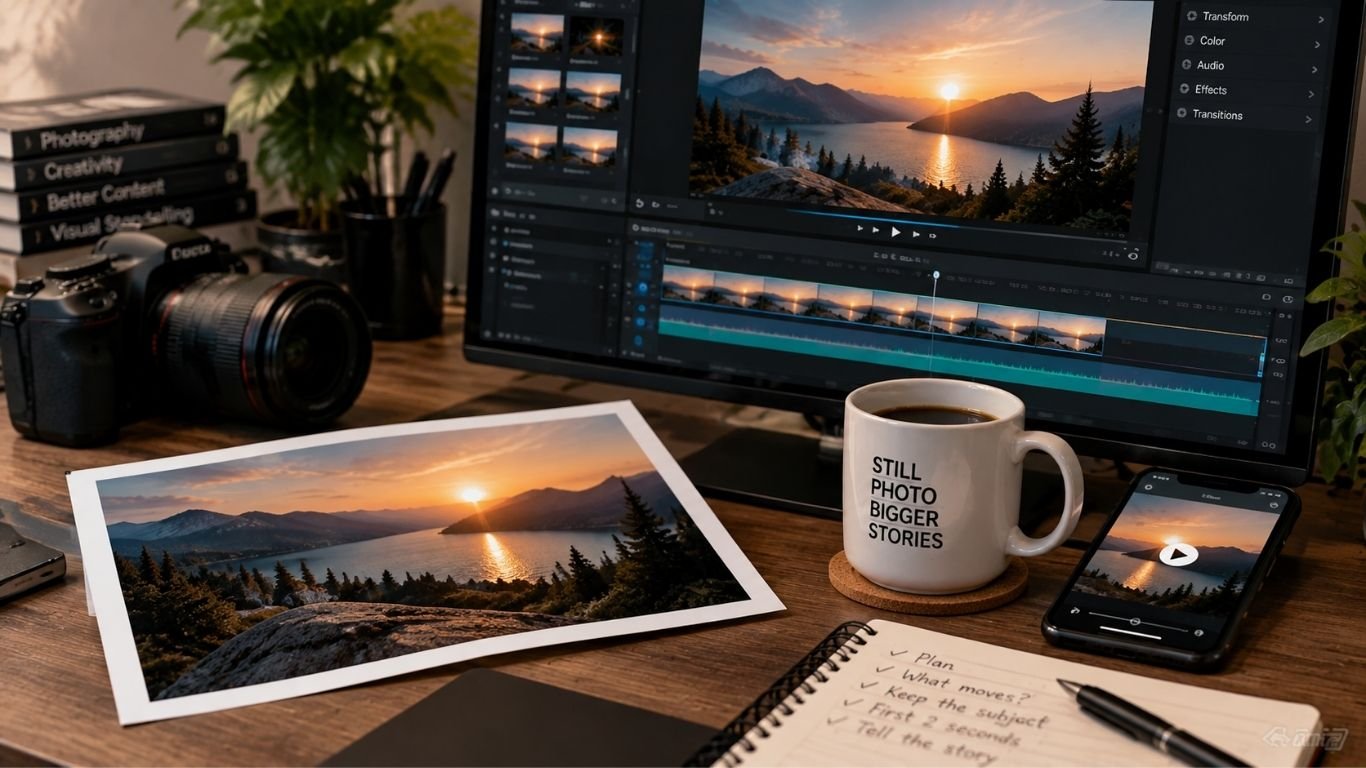
Listicles about “AI video from image” sell a miracle: drop a JPEG, collect a hit. The honest version is duller and more useful. A still is raw material. Motion is a decision about what is allowed to move. The platforms reward a change in the first two seconds. They do not reward a bottle that grows a second label.
If everything in the frame is swimming, nothing is the product. That is why a lot of “viral” generates die in the camera roll. Not because the model is weak. Because nobody named the subject before the pixels started sliding.
The still is already the edit
Most folders are not empty. They are full of packshots, a holiday that never became a Reel, a screenshot of an app that marketing liked in March. Repurposing that pile is the real job. Making a brand-new cinematic universe is the hobby.
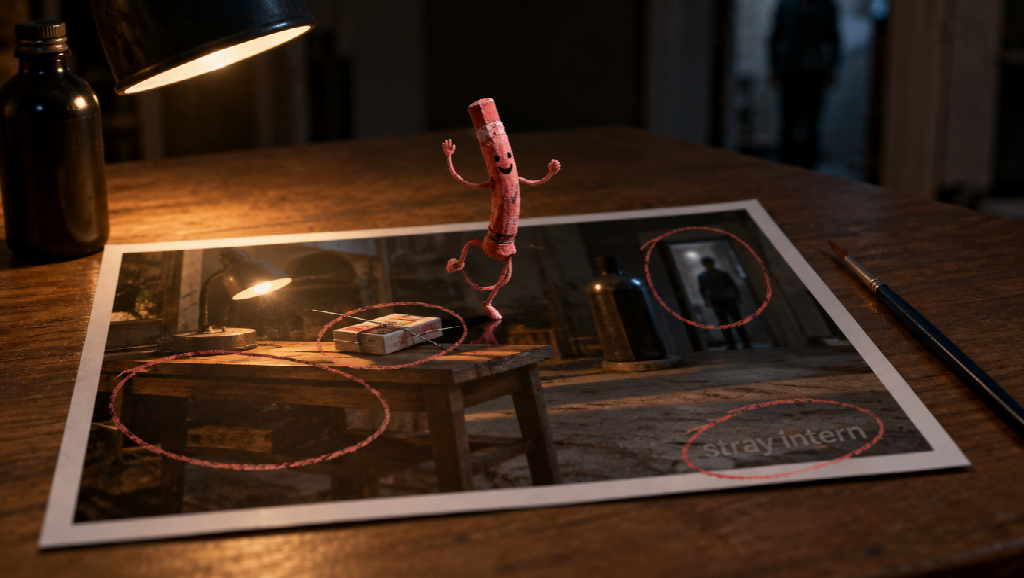
Before anything animates, look at the file the way a merchandiser would. A wire across the pack. Last intern’s watermark. A stranger in a doorway. Animate any of that and you have animated the mistake. AI inpaint is the unglamorous pass: brush only the lie, leave the rest as shot. JPG, PNG, or WEBP. A tight mask. Two references if you are swapping a sign and you actually have the replacement. Free exports may watermark; paid ones can come clean. You still need rights to the original.
Do this first. Motion will not hide a logo you meant to delete. It will make it dance.
Timing is the trick. Identity is the test.
Short feeds punish a slow hello. A push-in, a hold, a light that finds the label — that is often enough. Complexity is how you lose the object. One focal point. Motion that serves it. If the background is more interesting than the SKU, you have made a travel film by accident.
People who live on Reels already know the first beat is a crop, not a plot. The mistake is asking the generator to invent a second room so the clip “feels bigger.” Bigger is how the colour of the cap changes. Keep the room you photographed. Spend the seconds on the thing you sell.
Seedance 2.5 is the model lane for a kit-locked beat: text plus pictures, sometimes a scrap of video or audio, about four to thirty seconds, typically 1080p on a hosted generator — not a 4K poster. You write seconds, not vibes. “0–5s the same still; 5–14s a slow push on the same cap; 14–22s hold for a caption I will type — no extra hands, no second bottle.” If second eighteen grows a necklace, the folder is wrong. Fix the kit. Do not prompt “more viral.”
Iteration still wins over one precious render. Change one variable: crop, duration, or the negative (“no extra table”). Post the take you watched. Count what happened. Do not publish a virality forecast you did not measure.
A marketer’s version of the same test is uglier and better. Take last season’s approved packshot, not a prettier table the model invented. Run two lengths. Watch them next to the product page. If they disagree, the page wins. That is repurposing. “Make it scroll-stopping” is how the shade name drifts.
What this is not

It is not a face-swap toy and not a promise that the algorithm owes you a spike. It is not a substitute for the photograph you do not own. Credits are studio time you did not book.
The useful shift is the one the listicles bury under “top tools.” Images stopped being endpoints. They became assets you can spend twice — if the subject survives the spend. Clean the frame. Time the motion. Keep the object. The feed can decide the rest.


Industry data reveals that nearly 80 percent of startup clothing lines fail within the first three years due to a failure to bridge the gap between creative concepts and technical manufacturing realities. Many entrepreneurs possess a vivid brand vision but lack the specialized knowledge required to translate that vision into a wearable, durable, and commercially viable garment. This disconnect often leads to expensive production errors, inconsistent sizing, and low-quality graphics that alienate potential customers. The MFG Merch apparel design team serves as the critical link in this process, combining artistic creativity with technical garment engineering to ensure that every product is retail-ready from day one.
Main Takeaways
Our expert designers prioritize technical feasibility alongside aesthetics to prevent production delays. We utilize comprehensive trend analysis to ensure your brand remains competitive in the modern marketplace. The integration of design and manufacturing under one roof reduces communication errors and optimizes your production budget. Successful apparel development requires a balance of fabric selection, graphic placement, and precise technical specifications.
Defining the Expert Design Force
The collective expertise at MFG Merch is not limited to simple graphic placement; it encompasses a wide range of industry specialists. Our team includes graphic designers who specialize in apparel-specific visuals, textile experts who understand the physics of fabric, and branding specialists who focus on market positioning. This diverse talent pool allows us to serve as high quality custom clothing manufacturers for brands of all sizes, from local startups to established corporate entities.
Industry Experience and Background
Our specialists have spent years working within the specialized niches of custom apparel manufacturing. We have helped influencers launch merchandise lines that withstand the rigors of heavy washing and helped corporate brands develop professional uniforms that maintain their integrity over time. This history of working with different scales of production allows us to anticipate common pitfalls before they become costly mistakes.
The Technical Design Philosophy
At our facility located at 240 Talleyrand Ave, Jacksonville, FL 32202, United States, the philosophy is simple: a design is only as good as its final print or stitch. Unlike a standard graphic design firm that might create art for digital screens, our clothing brand design services focus on how ink interacts with fibers and how seams affect graphic continuity. We balance artistic innovation with the strict requirements of garment production experts.
Phase One: The Discovery Consultation
The journey begins with an in-depth discovery phase where we listen to your goals and analyze your target demographic. We do not just look at your sketches; we ask about the intended use of the garment, the desired price point, and the brand story you wish to tell. This foundational step ensures that the final product aligns with your business objectives and resonates with your audience.
Idea Synthesis and Mood Boards
We take client-provided mood boards, rough sketches, or even verbal descriptions and begin the process of idea synthesis. Our streetwear design team looks for common themes in your inspiration to define a cohesive aesthetic direction. Whether you are aiming for a minimalist Scandinavian look or a bold, graphic-heavy urban style, we distill your ideas into a workable creative brief.
Establishing the Project Scope
Defining the scope involves making critical decisions about the silhouette, fabric weight, and embellishment techniques. During this stage, we determine if the project requires private label clothing design elements, such as custom neck labels or specific hem tags. By setting these parameters early, we avoid scope creep and ensure that the project stays within the established budget and timeline.
Phase Two: Creative Strategy and Strategy
Once the direction is set, we move into conceptualization where we apply market intelligence to your brand. We analyze current fashion cycles to ensure that your collection feels contemporary. This phase is about more than just drawing; it is about creating a strategic plan for how each piece in your collection will function and sell.
Trend Analysis and Market Positioning
Our team monitors shifts in garment silhouettes, such as the move from slim-fit to oversized boxy cuts, to ensure your brand stays ahead of the curve. We look at color trends and seasonal shifts to recommend palettes that will appeal to your specific buyers. This proactive approach is a hallmark of our apparel product development services.
Storyboarding the Full Collection
For brands launching multiple pieces, we create a storyboard to ensure visual consistency. We look at how a hoodie design complements a t-shirt and how the hardware on a jacket matches the aesthetic of the joggers. This holistic view prevents a collection from looking like a disjointed series of individual items, which is essential for building brand authority.
Phase Three: Digital Refinement and Technicals
The transition from a concept to a technical file is where many designs fail. Our team performs high-level vectorization and detail work to prepare art for the machinery. Custom Clothing Manufacturer: MFG Merch utilizes industry-standard software to create files that dictate exact needle movements for embroidery or ink density for screen printing.
Color Theory and Pantone Selection
We do not rely on standard computer screen colors, which can vary wildly between devices. Instead, we use the Pantone Matching System (PMS) to select exact shades that our production team can replicate across different fabric batches. This ensures that the red on your hats matches the red on your hoodies perfectly, maintaining brand integrity.
Typography and Graphic Layout
The placement of a graphic can change the entire fit of a garment. Our graphic merchandise design experts calculate the exact distance from the collar and side seams to ensure the graphic sits naturally on the human body. We also select typography that remains legible after being printed on textured fabrics like fleece or heavy-weight jersey.
Phase Four: Aligning Design with Production
As a custom clothing manufacturer, we understand that certain designs are better suited for specific print methods. We do not just take an order; we advise on the best way to execute it. This might mean suggesting embroidery for a premium chest logo or high-density screen printing for a durable streetwear graphic.
Selecting the Optimal Print Method
We evaluate each design to determine if it should be executed via screen printing, Direct-to-Garment (DTG), or sublimation. For intricate, multi-color designs on small runs, we might suggest DTG. For high-volume production where durability and cost-efficiency are paramount, we typically recommend traditional screen printing using plastisol or water-based inks.
Garment Sourcing and Fabric Matching
The best design in the world will fail on a poor-quality blank. We match your design with the right fabric weight, such as a 6.5 oz heavy-weight cotton for a structured streetwear tee or a 4.3 oz ring-spun cotton for a soft, retail-fit shirt. You can explore our full range of options at https://mfgmerch.com/ to see the variety of materials available for your project.
Comparing Design and Production Elements
Understanding the difference between creative design and technical production is essential for any brand owner. While creative design focuses on the visual appeal, technical production focuses on how that visual is applied to the medium. Use the following table as a quick reference when deciding between materials and methods based on your brand’s specific needs for durability and performance.
| Method/Material | Durability | Complexity Level | Cost Efficiency | Ideal Use Case |
| Screen Printing | Highest: 50+ washes | Low to Moderate | Best for bulk orders | Standard merchandise |
| Embroidery | Extremely High | Low (Text/Icons) | Moderate | Headwear and Outerwear |
| DTG Printing | Moderate | Unlimited Colors | Best for small runs | Photographic designs |
| Sublimation | Permanent Bond | High Detail | Moderate | All-over print activewear |
| 100% Combed Cotton | High: minimal pilling | N/A | Premium pricing | High-end retail brands |
The Benefits of Integrated Development
Working with an integrated team means that there is a constant feedback loop between the person drawing the design and the person operating the print press. This synergy is why we are considered one of the top high quality custom clothing manufacturers in the industry. At Custom Clothing Manufacturer: MFG Merch, our designers sit just steps away from our production floor.
Communication and Error Reduction
In a traditional setup, a designer sends a file to a separate printer who may not understand the original intent. This often leads to miscommunications about placement or color. Because we manage everything at 240 Talleyrand Ave, Jacksonville, FL 32202, United States, we catch these issues in the digital phase, saving time and resources. You can reach our office directly at (904) 677 9505 to discuss how our integrated process works.
Cost Optimization Through Design
We design with your budget in mind. If we know your budget is tight, we can suggest reducing the number of colors in a screen print or adjusting the placement to avoid expensive over-the-seam printing. This strategic approach to design ensures you get the highest possible quality without overspending on unnecessary production complexities.
Expert Insight on Quality Control
A critical component of apparel development is the quality control (QC) phase. We perform rigorous tests on the first run of any new design. This includes a shrinkage test, where we measure the garment before and after a high-heat wash cycle to ensure the graphic doesn’t distort. We also check for color bleed, particularly with white ink on dark polyester fabrics, to prevent “migration” where the garment dye seeps into the print.
Technical Specifications and Tech Packs
Every design we finalize is accompanied by a technical pack (Tech Pack). This document serves as the blueprint for production, detailing every measurement, stitch type, and ink Pantone. Having a professional Tech Pack is what separates a hobbyist project from a professional apparel line. It ensures that if you reorder the same design two years from now, the result will be identical to the first batch.
Recap of the Design Journey
The path from a creative spark to a retail shelf is complex, but the right team makes it manageable. We start with a deep dive into your brand’s goals to establish a clear creative direction. We then apply technical refinement to ensure every file is optimized for the specific machinery being used. Finally, we integrate the design with our manufacturing expertise to produce a garment that is durable, comfortable, and visually striking.
FAQs About MFG Merch Apparel Design Team
What files do I need to provide for the design team?
While we can work from basic sketches or high-resolution JPEGs, we prefer vectorized files in AI or EPS format. This allows our team to scale the artwork without losing any clarity, ensuring the sharpest possible print on the final garment.
Can the design team help me choose the right fabric?
Yes, the team at Custom Clothing Manufacturer: MFG Merch specializes in matching designs to the appropriate fabric. We consider factors like GSM (grams per square meter), fiber content, and weave style to ensure the garment supports the intended print method and fits your brand’s aesthetic.
How long does the design process usually take?
The timeline varies depending on the complexity of the project. A simple graphic refinement might take a few days, while a full collection storyboard and technical development can take several weeks. We prioritize clear communication to keep your project on schedule.
Does MFG Merch handle the manufacturing after the design is finished?
Absolutely. We are a full-service custom clothing manufacturer. By keeping the design and production in-house at our Jacksonville facility, we ensure that the original creative vision is perfectly executed in the physical product.

Staying in Chora With Little Venice at Your Door

AI-Generated Nano Banana 2.1 Visuals: What Shopify Beauty Ecommerce Brands Should Check Before Publishing

YesWelder FIRSTESS MP200 Pro: One Machine for Welding, Cutting, and More


How to Prepare for a Future Property Auction in London

Why the Rolex Jubilee Bracelet Remains a Practical Choice for Everyday Wear

The 15 Highest-Paid Rugby Players in the World

Christopher Dare: The Untold Story of Engineer and Former Husband of Angela Rippon

How to Ensure Your Home is Valued Correctly for a Quick Sale

What Is Fanquer? The Digital Creator Platform Transforming Direct-to-Fan Engagement

Dr Jared Ross: Missouri Appeals Court Upholds Protection Order Over Graphic Torture and Murder Threats

Nancy Hallam: The Inspiring Life, Career, and Success Story Behind Ian Wright’s Wife
The 15 Highest-Paid Rugby Players in the World
Christopher Dare: The Untold Story of Engineer and Former Husband of Angela Rippon
How to Ensure Your Home is Valued Correctly for a Quick Sale
What Is Fanquer? The Digital Creator Platform Transforming Direct-to-Fan Engagement
Dr Jared Ross: Missouri Appeals Court Upholds Protection Order Over Graphic Torture and Murder Threats
Nancy Hallam: The Inspiring Life, Career, and Success Story Behind Ian Wright’s Wife
-
 Sports5 months ago
The 15 Highest-Paid Rugby Players in the World
-
Celebrity11 months ago
Christopher Dare: The Untold Story of Engineer and Former Husband of Angela Rippon
-
 Real Estate8 months ago
How to Ensure Your Home is Valued Correctly for a Quick Sale
-
 Technology5 months ago
What Is Fanquer? The Digital Creator Platform Transforming Direct-to-Fan Engagement
-
 Celebrity4 months ago
Dr Jared Ross: Missouri Appeals Court Upholds Protection Order Over Graphic Torture and Murder Threats
-
Celebrity11 months ago
Nancy Hallam: The Inspiring Life, Career, and Success Story Behind Ian Wright’s Wife
-

 Health9 months ago
Enclomimed 25 (Enclomiphene) – Effective PCT Protocol
-

 Celebrity7 months ago
Who Is Azriel Crews? Inside the Life and Career of Terry Crews’ Daughter