
Business
Is Your Travel Insurance Actually Expat-Friendly? 6 Questions to Ask Before You Buy


Most standard travel insurance policies are built for holidaymakers, not people living abroad long-term. Before buying, ask about coverage duration, pre-existing conditions, home country visits, emergency evacuation, and renewability. Skipping these questions is how expats end up with a policy that looks great on paper but fails when it matters most.
Not all travel insurance is the same. A policy sold to a two-week tourist carries very different terms from what someone needs when they are living, working, or retiring overseas. Yet many expats grab whatever shows up first in a Google search, pay the premium, and assume they are covered. They often are not. Finding the best expat travel insurance means knowing the right questions to ask, not just the right price to pay.
This post walks through six questions that every expat should put to any insurer before committing. Get clear answers to all six, and you will know whether a policy actually fits your life abroad.
1. Does the Policy Cover You for More Than 90 Days Continuously?
Standard travel insurance usually tops out at 30 to 90 days of continuous coverage. That works for a holiday. It does not work for someone who has relocated to another country and plans to stay for a year or longer.
Ask the insurer directly: what is the maximum number of consecutive days covered without returning home? Some policies reset if you briefly cross a border, but that loophole is rarely practical or reliable. You need a policy that covers your actual timeline, not one that requires creative workarounds to stay valid.
Look for policies marketed specifically to long-term residents or digital nomads. These are usually labeled as expat health or long-stay insurance rather than general travel cover. The distinction is important.
2. How Does the Policy Handle Pre-Existing Medical Conditions?
This is where standard policies catch people off guard most often. Many policies either exclude pre-existing conditions outright or only cover them under strict circumstances, like a sudden acute episode that is unrelated to the ongoing condition.
When shopping for expat travel medical insurance, ask the insurer to define exactly what counts as a pre-existing condition in their terms. Some use a look-back period of one year, others go back five years or more. Anything that falls within that window may be excluded from claims, even if it seems unrelated to your current situation abroad.
Also ask: are there options to add coverage for pre-existing conditions at an additional cost? Some insurers offer this. Get it in writing.
3. Are Visits Back to Your Home Country Covered?
Many expats visit their home country several times a year, whether for family, work, or personal reasons. A lot of travel insurance policies treat your home country as excluded territory, meaning the moment you land back home, your coverage pauses or stops entirely.
This matters more than people realise. Expat Compares highlights this as one of the most commonly overlooked gaps in expat insurance. You might develop a health issue while visiting family at home and assume your international policy picks up the bill. Often, it does not.
Ask specifically: does the policy provide any coverage during visits to my country of origin? And if so, is it the same level of cover or a reduced version? Some policies offer limited home country coverage, say 30 days per year, which may be enough for most expats.
Standard Travel Insurance vs Expat-Specific Cover: A Quick Comparison
| Feature | Standard Travel Insurance | Expat-Specific Cover |
| Maximum trip duration | Usually 30-90 days | Up to 12 months or renewable annually |
| Pre-existing conditions | Typically excluded | Often available with declaration |
| Home country visits | Usually excluded | Often included (with day limits) |
| Emergency evacuation | May be included | Usually included, broader scope |
| Renewability | Not designed for renewal | Annual renewal standard |
| Maternity coverage | Rarely included | Sometimes available as add-on |
4. What Is the Emergency Evacuation and Repatriation Policy?
Medical evacuation can cost tens of thousands of dollars, sometimes more, depending on where you are and what treatment you need. This is not a hypothetical risk for expats living in countries with limited healthcare infrastructure.
Ask the insurer: does the policy include medical evacuation to the nearest adequate facility, or to a facility of your choice? There is a big difference. Some policies will fly you to the closest hospital that can treat you. Others give you more say in where you are taken.
Also confirm repatriation coverage: if you die abroad, does the policy cover the cost of returning your remains to your home country? Morbid as it sounds, this is a real financial consideration for families, and not all policies include it as standard.
5. Can You Get an Annual Policy That Renews Without New Health Declarations?
Annual travel insurance for expats is far more practical than buying short-term policies and stitching them together. But not all annual policies are created equal.
Some insurers require a fresh medical declaration each time you renew. That means any health issue you developed in the previous year, even something minor, can become a new exclusion at renewal. Ask your insurer directly: if I develop a condition this year, will it be excluded at renewal?
A good expat policy should allow continuous coverage without penalising you for using the insurance you paid for. If an insurer cannot confirm this clearly, that tells you something.
6. What Counts as Your Country of Residence for Claims Purposes?
This one confuses a lot of expats. Many countries consider you a resident for insurance purposes based on where you spend the majority of your time, not necessarily where you are officially registered or where you pay taxes.
Some insurers will deny claims if they believe your country of residence is different from what you declared when buying the policy. Ask: how does the insurer define country of residence? What documentation would I need to prove my residency status if a claim were disputed?
This is especially relevant for expats on extended stays who have not formally transferred their official residence, or for those who split time between multiple countries. Clarity upfront prevents disputes when it matters most.
A Few More Things Worth Checking
Beyond the six core questions, a few additional areas can determine whether a policy is genuinely suited to expat life or just dressed up to look that way.
• Mental health coverage: many policies still exclude or severely limit mental health treatment abroad. If this matters to you, confirm it explicitly.
• Dental and vision: these are almost always excluded from basic travel policies. Look for policies that offer them as add-ons.
• Adventure or extreme sports: if your lifestyle abroad involves hiking, diving, motorcycles, or similar activities, standard policies often exclude injuries arising from these.
• Local healthcare vs international hospitals: some policies only pay for treatment at specific networks or approved international hospitals. Understand who decides where you get treated.
How to Use These Questions When Shopping
Take these six questions and treat them as a checklist. Contact insurers directly or use a specialist comparison platform that focuses on expat products. Do not rely on marketing summaries; read the policy documents or ask a representative to walk you through the specific clauses.
If an insurer gets evasive or gives you vague answers to any of these questions, that is useful information. Good insurers know their products inside out and are happy to clarify. The ones who hedge or redirect are often the ones you will argue with later.
Final Thoughts
Travel insurance built for holidaymakers is not built for you. As an expat, your situation is different: you are not on a short trip with a return date; you are living a life abroad, with health needs, family visits, and long-term plans that a two-week policy simply cannot accommodate.
Asking these six questions before you buy will not guarantee a perfect policy, but it will stop you from ending up with the wrong one. Know what you are buying, why it covers what it covers, and where the gaps are before you need to make a claim.
For expats who want to compare options without trawling through policy documents alone, Expat Compares is a solid starting point. The platform is built specifically for people living internationally and makes it easier to find cover that actually matches expat needs, rather than retrofitting tourist policies to a life lived overseas.
Frequently Asked Questions
1. What is the difference between expat insurance and travel insurance?
Travel insurance is designed for short trips, usually under 90 days. Expat insurance is built for people living abroad long-term, with coverage that can last a year or more, and features like home country visits, renewability, and pre-existing condition options that standard travel policies do not offer.
2. Can I use regular travel insurance as an expat?
Technically yes, but most regular policies will not cover stays beyond 90 days and may exclude coverage if your country of residence is abroad. For short stays or transit periods, they work. For long-term expat life, they fall short in meaningful ways.
3. What does international travel insurance for expats typically cover?
A quality international travel insurance for expats policy generally covers emergency medical treatment, hospitalisation, medical evacuation, repatriation, and personal liability. Better policies also include mental health, dental, home country visits, and coverage for pre-existing conditions where declared.
4. Does expat travel insurance cover pre-existing conditions?
Some policies do, but you usually need to declare them upfront. Whether they are covered depends on the insurer, the condition, and the look-back period used. Always ask this directly before buying and get confirmation in writing, not just a verbal assurance.
5. Is annual travel insurance for expats worth it?
For most expats, yes. Annual policies are more cost-effective than stringing together short-term cover, and they often provide continuity of coverage that short-term policies cannot. The key is to confirm renewal terms before signing, particularly whether new health conditions discovered during the year can be excluded at the next renewal.
6. What happens if I need medical care in my home country while on expat insurance?
It depends on the policy. Many expat policies exclude home country treatment entirely, while others provide limited cover, typically capped at a set number of days per year. This is one of the most important questions to ask before buying, especially if you visit home regularly.
7. What is medical evacuation coverage in expat insurance?
Medical evacuation coverage pays for the cost of transporting you to a facility that can provide the treatment you need. This can include air ambulances and specialised transport. Some policies limit this to the nearest adequate facility; others give you more choice. Repatriation cover, which returns your remains home if you die abroad, is a related feature often included alongside it.
8. How do I find the best travel insurance for expats?
Start by listing what you actually need: coverage duration, home country visits, pre-existing conditions, evacuation cover. Then compare policies from providers that specialise in expat products rather than general travel insurance. Use the six questions in this article as your screening criteria, and always read the policy terms rather than relying on summary pages.


COST 10% BY ESCROW ONLY

Our Story
Revolution By Click Ltd is a trusted intermediary specializing in structured financial solutions, securities lending, and secure transaction facilitation. With a strong foundation in compliance and transparency, we connect clients with top-tier financial institutions to deliver reliable, secure access to financial instruments.
Our clearing operations focus on creating direct links between clients and suppliers, enabling the execution of complex transactions such as Bank Guarantees (BG), Letters of Credit (LC), Standby Letters of Credit (SBLC), Proof of Funds (POF), Blocked Funds & Auction Surety.
These transactions are conducted exclusively with leading international banks, including Barclays, Santander, Deutsche Bank, and HSBC, ensuring both trust and credibility.
To safeguard our clients’ interests, all transactions are managed through a licensed and verified Escrow Agent (lawyer, notary, or both), ensuring transparency, legal compliance, and fund security. We also facilitate the creation of Euroclear Sub-Accounts in Brussels, where Government bonds are deposited in compliance with international anti-money laundering (AML), and fund traceability regulations.
Our services are backed by partnerships with global clearing institutions such as Euroclear & Clearstream, the world’s largest and most trusted International Central Securities Depositories. Through these collaborations, we guarantee seamless settlement, custody, and monetization of securities across multiple jurisdictions.
At Revolution By Click Ltd, we are not lenders, but independent intermediaries who work exclusively with licensed financial entities and incorporated companies. Our role is to provide access, structure, and compliance for high-value financial transactions, with a commitment to integrity, efficiency, and discretion.
OUR SERVICES
Have a look at our services below:
● Investment Planning – Secure your future with smart investment strategies tailored to your goals. From Mutual Funds to long-term savings, we help you grow wealth wisely.
● Securities Lending & Leasing – As a BG & SBLC provider, we offer top-tier bank financial instruments (BG, LC, SBLC, POF, Blocked Funds) on a rental/lease basis through trusted channels.
● Escrow- Based Secure Transactions – All transactions are conducted via reliable Escrow Agents (lawyer, notary, or both), ensuring full client fund protection.
All services are fully compliant with EU Directive No.95/46/EEC and include built-in insurance for client and bank safety.
Why Choose Us?
● Top SBLC Provider in the UK & Worldwide.
● Simply Deal With Top Professional People.
● Dealing With An International Law Firm & Notary Public.
● We Work Exclusively With Leading Global Banks (HSBC, Barclays, Deutsche, Santander).
● Bonds And Instruments Managed Through Euroclear & ClearStream.
Projects
Our journey of building creative and scalable projects.
● LetterOfCredit.uk – International Trade & Finance Information Portal.
● LetterOfCredit.uk – Import/Export Finance Knowledge Platform.
● LetterOfCredit.uk – Trade Finance & LC Process Resource Website.
● LetterOfCredit.uk – Comprehensive Letter of Credit Learning Hub.
● LetterOfCredit.uk – Global Trade Documentation & Finance Portal.
● LetterOfCredit.uk – Professional LC & Trade Finance Support Website.
Interested in working with a Genuine SBLC & BG financial provider?
Have A Question? Call Us Now:
UK WHATSAPP 0044-(0)775-4849505
Switzerland 0041-(0)77-2500647 or 0041-(77)2075508
1-12 (Old) Bond Street, Mayfair, London W1S 4PN, UK
Need Support? Drop Us An E-Mail
Please go to our website to download the DOA (Deed of Agreement) and instructions.
PayPal & Crypto Friendly Agentic Ecosystem.
BROKERS FEE PROTECTED
Business
Can Hot Burning Heat Logs and 8-Hour Night Briquettes Really Cut Your Winter Heating Costs?

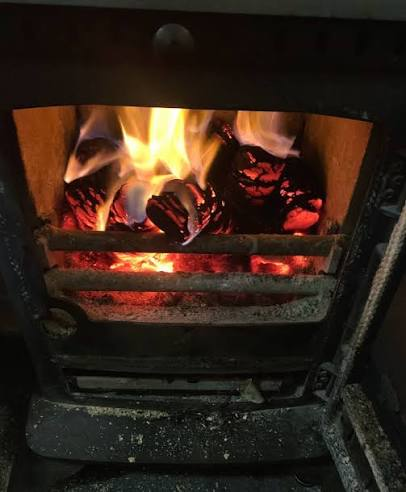
With UK energy costs still squeezing household budgets, more people are looking at solid fuel heating as a practical way to stay warm without overspending. Two options stand out this winter: hot burning heat logs and 8-hour night briquettes. Both promise strong, lasting warmth from a wood-burning stove or multi-fuel stove, but they work in different ways. If you want reliable heat through cold evenings and long nights, understanding how these fuels perform could help you make smarter choices. Here’s a clear, honest look at what they offer and whether they really trim your heating bills.
What Are Hot Burning Heat Logs and How Do They Work?
Heat logs are compressed blocks made from dried sawdust and wood shavings, squeezed under high pressure into dense, uniform shapes. Because they contain very little moisture, they burn hotter and cleaner than ordinary firewood.
The low moisture content is the key. Wet or poorly seasoned wood wastes energy burning off water, which lowers heat output and creates more smoke. Quality hot burning heat logs typically sit below 10% moisture, so more of their energy turns into usable warmth.
You’ll notice the difference quickly. These logs reach high temperatures fast, making them ideal for warming a room in the early evening. They also produce minimal ash, which keeps your stove cleaner and reduces maintenance between burns.
Understanding 8-Hour Night Briquettes for Overnight Heating
Heat logs are great for fast, fierce warmth, but they don’t always last through the night. That’s where night briquettes come in.
These are denser, slower-burning blocks designed to smoulder steadily for hours rather than blaze quickly. A well-managed batch of 8-hour night briquettes can keep a stove ticking over while you sleep, so you wake to a warm room and glowing embers instead of a cold grate.
The trick lies in their tight compression and bark content, which slows the burn rate. Load them in the evening, reduce your air vents slightly, and they release a gentle, consistent overnight heat. For many households, this removes the morning ritual of relighting a cold stove from scratch.
Heat Output and Efficiency Comparison
Comparing these two fuels comes down to what you need at different times of day.
- Heat logs: High heat output, fast ignition, ideal for active evening hours.
- Night briquettes: Lower peak heat, but far longer burn time for steady overnight warmth.
In terms of energy efficiency, both outperform unseasoned firewood by a wide margin. Their consistent shape and low moisture mean predictable fuel performance, so you’re not guessing how long a load will last.
Many people use the two together. Heat logs build quick warmth when you get home, then briquettes take over for a controlled, slow burn before bed. Used this way, you get the best of both: rapid heat when you want it and lasting comfort when you don’t want to keep feeding the fire.
Cost Benefits for UK Households
Rising energy costs have pushed many homeowners to look beyond gas and electricity for affordable warmth. Solid fuel heating can ease that pressure, especially if you have an efficient stove.
The savings come from efficiency rather than cheap fuel. Because heat logs and briquettes burn hotter and longer than damp firewood, you use less to achieve the same warmth. That stretches each bag further and lowers your overall heating costs across a season.
A few practical points worth remembering:
- Buy in bulk before winter, when prices are often lower.
- Store fuel in a dry place to protect its burning quality.
- Use briquettes overnight to avoid relighting, which saves fuel and effort.
For households heating one or two main rooms with a stove, switching from kiln-dried logs alone to a mix of logs and briquettes can noticeably reduce how much fuel you get through.
Best Stoves and Appliances for These Fuel Types
Both fuels suit most modern stoves, but the appliance matters.
A wood-burning stove handles heat logs beautifully, drawing strong heat from their fast, clean burn. A multi-fuel stove offers more flexibility, letting you switch between logs, briquettes and other approved solid fuels depending on the time of day.
If you live in a smoke control area, check that your stove meets DEFRA regulations. Many newer Ecodesign-compliant stoves are approved for use in these zones, and they burn fuel more cleanly while drawing more heat from every load.
A few tips help you get the most from your appliance:
- Keep the flue and chimney swept at least once a year.
- Don’t overload the firebox, as this restricts airflow.
- Adjust air vents to control burn speed, particularly with overnight briquettes.
Pairing the right fuel with a well-maintained stove makes a real difference to both warmth and running costs.
Environmental Impact and Sustainability Considerations
Solid fuel heating often raises questions about carbon emissions, and rightly so. The good news is that responsibly produced wood fuels can be a reasonably sustainable heating option.
Heat logs and briquettes are usually made from recycled wood waste, such as sawdust and shavings that would otherwise be discarded. Because they burn so cleanly, they produce less smoke and fewer particulates than wet firewood, which matters for both air quality and DEFRA compliance.
Wood is also considered a low-carbon, renewable heating option when sourced sustainably, since trees absorb carbon as they grow. Buying from reputable UK suppliers helps too. Lektowood Fuels, a UK-based supplier, is one example of a company offering kiln-dried firewood, heat logs and briquettes with a focus on low-moisture, cleaner-burning products.
Choosing quality fuel and burning it efficiently keeps emissions down while keeping you warm.
Choosing the Right Fuel for Your Home Heating Needs
The best choice depends on how and when you heat your home.
If you mainly want quick, intense warmth during the evening, heat logs are hard to beat. If your priority is steady overnight heat without relighting, briquettes earn their place. Most households benefit from keeping both on hand.
Consider your daily routine, your stove type and your storage space. Think about how long you typically run your fire and whether morning warmth matters to you. Then build a fuel mix around those habits rather than buying one product and hoping it covers everything.
A practical approach beats a perfect one. Match your fuel to your lifestyle, store it properly, and maintain your stove, and you’ll get dependable warmth at a sensible cost.
Final Thoughts
Staying warm through winter heating in the UK doesn’t have to mean alarming bills. By combining hot burning heat logs for fast, intense warmth with 8-hour night briquettes for long, steady overnight heat, you can heat your home efficiently and keep fuel costs under control. Both burn cleaner than damp firewood, suit modern wood-burning and multi-fuel stoves, and offer a more sustainable heating option when sourced responsibly. The key is matching the right fuel to the right moment, maintaining your stove, and storing your supplies well. Done sensibly, solid fuel heating remains one of the most practical, comforting ways to see out a cold British winter.


If you run a business and you feel like the marketing advice you got two years ago no longer works, you are not imagining it. The rules really did change, and artificial intelligence is the reason. Search engines, social platforms, and even the way customers research a purchase have all been reshaped by AI, and the businesses keeping up are the ones who stopped fighting it and started building around it. A lot of them are doing that with specialist support, such as AI SEO services to stay visible in AI-driven search. Whatever the route, the direction of travel is clear, and standing still is no longer a neutral choice.
The way people search has fundamentally shifted
Think about how you found the last product or service you bought. There is a decent chance you did not scroll through a page of ten blue links. You may have asked an AI assistant, read an auto-generated summary at the top of a results page, or trusted a recommendation an algorithm served you. That single behaviour change has enormous consequences for any business that relies on being found online.
When an AI tool answers a question directly, it usually surfaces a small handful of sources, sometimes just one. Being on page one is no longer the prize. Being the answer is. And whether you become the answer depends less on old-fashioned keyword tricks and more on whether machines genuinely understand your business as a credible, relevant option. That is a harder, more interesting problem, and it favours businesses that have invested in clarity and authority rather than shortcuts.
Content has to earn its place now
There used to be a numbers game in content marketing. Publish enough articles, sprinkle in enough keywords, and something would eventually rank. AI has broken that game, mostly for the better. Modern systems are very good at telling the difference between content that actually helps and content that is just taking up space. Generic, recycled writing now gets ignored, while specific, genuinely useful material gets picked up and cited.
For an honest business this is a relief. You no longer have to outspend competitors on volume. You have to out-help them on substance. The challenge is that producing sharp, accurate, well-structured content consistently is real work, and most in-house teams are already stretched thin. That is usually the point where bringing in people who do this every day becomes the practical move rather than a luxury.
Automation is doing the heavy lifting
Beyond search, AI has changed the day-to-day mechanics of marketing. Ad platforms now adjust spending automatically based on what is working minute by minute. Email systems decide who to contact and when. Customer data that once sat unused in a spreadsheet can now drive decisions in real time. The result is that a small team can run campaigns with a sophistication that used to require a department.
The businesses pulling ahead are not necessarily the biggest. They are the ones using these tools deliberately instead of switching them on and hoping. There is a real skill in knowing what to automate, what to keep human, and how to read the signals correctly. Get it right and your marketing quietly compounds. Get it wrong and you burn budget faster than ever, just more efficiently.
How Unosearch approaches the problem
This is the environment that Unosearch was built for. Plenty of agencies have added the word AI to their sales pages. Fewer have actually rebuilt how they work around it. The difference shows up in the results. Instead of treating AI visibility as a side project, the team folds it into the core of what they do, alongside technical health, content quality, and authority building.
That combination is the whole point. A technically sound site that machines can read. Content worth citing. Trust signals that make your brand a safe recommendation rather than a gamble. Any one of these on its own is not enough in 2026, but together they decide whether you show up when it matters. For businesses that have watched their old strategy slowly stop working, having a partner who treats all three as one connected system is often what finally moves things.
The practical takeaway
You do not need to panic, and you do not need to throw out everything you have built. You do need to shift where your energy goes. Spend less time chasing a single ranking and more time becoming the clear, trustworthy, well-organised business that both people and AI naturally point to. That is the version of marketing that holds up as the technology keeps moving.
It is also worth remembering that trust is built in more places than search results. Your website, your messaging, and the overall impression you give all feed into whether anyone, human or machine, decides to recommend you. This piece on why your website should reflect the trust your business depends on is a good reminder that the fundamentals still matter, even in an AI-first world. The technology is new. The need to actually deserve attention is not.

10 Common Pre-Med Mistakes That Can Weaken a Medical School Application
REVOLUTION BY CLICK LTD – TOP SBLC/BG PROVIDERS

How to Use AI Video for E-Commerce Product Pages and Ads

Chocolate Gift Baskets: The Perfect Gift for Every Occasion

Práctica de Yoga Estilismo Laboral: How to Bring Yoga Comfort Into Your Workday Style

Repmold: A Complete Guide to the Molding Machine, Uses, Process, and Benefits

The 15 Highest-Paid Rugby Players in the World

Nancy Hallam: The Inspiring Life, Career, and Success Story Behind Ian Wright’s Wife

Draven Duncan: Tim Duncan’s Rising Star Son and His Inspiring Basketball Journey

Who Is Maisie Mae Roffey? The Private Life, Family Story, and Quiet Success of Julie Walters’ Daughter

Johnny Carell: Inside the Life, Family, and Rising Success of Steve Carell’s Son

Simon Dixon Biography: Lifestyle, Net Worth, Family, Career and Success Story
The 15 Highest-Paid Rugby Players in the World
Nancy Hallam: The Inspiring Life, Career, and Success Story Behind Ian Wright’s Wife
Draven Duncan: Tim Duncan’s Rising Star Son and His Inspiring Basketball Journey
Who Is Maisie Mae Roffey? The Private Life, Family Story, and Quiet Success of Julie Walters’ Daughter
Johnny Carell: Inside the Life, Family, and Rising Success of Steve Carell’s Son
Simon Dixon Biography: Lifestyle, Net Worth, Family, Career and Success Story
-
 Sports1 month ago
The 15 Highest-Paid Rugby Players in the World
-
Celebrity8 months ago
Nancy Hallam: The Inspiring Life, Career, and Success Story Behind Ian Wright’s Wife
-
Celebrity6 months ago
Draven Duncan: Tim Duncan’s Rising Star Son and His Inspiring Basketball Journey
-
Celebrity7 months ago
Who Is Maisie Mae Roffey? The Private Life, Family Story, and Quiet Success of Julie Walters’ Daughter
-
Celebrity8 months ago
Johnny Carell: Inside the Life, Family, and Rising Success of Steve Carell’s Son
-
Business7 months ago
Simon Dixon Biography: Lifestyle, Net Worth, Family, Career and Success Story
-

 Celebrity5 months ago
Who Is Linda Susan Agar? The Private Life, Legacy, and Story of Shirley Temple’s Eldest Daughter
-

 Celebrity5 months ago
Who Is Mark Gero? Inside the Life, Art, and Quiet Legacy of an American Creative