
Sports
Is It Worth Investing in a Cycling Handlebar Bag

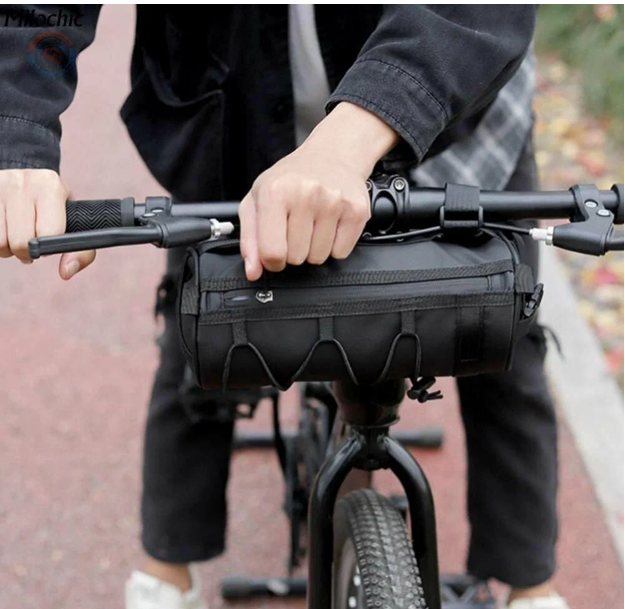
Every time you head out on your bike, you carry a few essentials with you. You always need your phone, wallet, keys, snacks, and tools. You may try to fit everything into your pockets and then switch to a backpack. However, after a few longer rides, you start to notice the discomfort. Your shoulders feel tired, and reaching for small items while riding becomes difficult.
This is when you begin to look for a more practical solution. One of the best options you have is to opt for a cycling handlebar bag. Wondering if it’s worth investing in one? The best way to figure this out is to go through the benefits it offers. Let’s do so without any ado.
Perks of Having a Cycling Handlebar Bag
Easy Access to Essentials
One of the biggest advantages of a cycling handlebar bag is easy access. When you store your phone, snacks, wallet, or tools in this bag, they remain in front of you. You do not have to stop and remove the backpack. Similarly, you don’t have to twist your body to reach into your jersey pocket. Everything is within arm’s reach.
It makes your ride smoother and more practical. For example, if you need to check directions on your phone or grab a quick snack during a long ride, you can do it quickly and safely. Easy access also means you are less distracted. You stay focused on the road because you do not struggle to find your items. Over time, this convenience makes every ride more enjoyable.
Comfortable Rides
Carrying a backpack while cycling can cause discomfort, especially on long rides. The weight sits on your shoulders and back. It can lead to sweating, back pain, and stiffness. In hot weather, it can feel even worse because your back cannot breathe properly. When you invest in a cycling handlebar bag, you shift that weight from your body to your bike. Your shoulders feel lighter.
You can sit in a natural riding position without feeling tired. It improves your overall comfort and reduces fatigue. As a result, you can ride longer distances without feeling exhausted. Comfort is very important in cycling, and this bag plays a key role in improving it.
Improve Weight Distribution
Balance is very important when you cycle. If the weight is uneven, your bike can feel unstable. A backpack moves with your body, and sometimes it can affect your balance, especially when you stand up to pedal or turn sharply.
A cycling handlebar bag attaches securely to the front of your bike. The weight becomes part of the bike itself rather than your body. This improves weight distribution and makes your ride feel more stable. When the bag is properly installed and not overloaded, it does not disturb your steering. Instead, it keeps your essentials organised while maintaining a good balance. Over time, you will notice that your bike feels more controlled and predictable, especially on longer journeys.
Keep Your Belongings Protected
When you use pockets or a backpack, items often move around. Your keys may scratch your phone, and your snacks may get crushed. It can become messy and frustrating. A cycling handlebar bag usually has compartments and secure zips. It helps you keep everything organised and protected.
Many handlebar bags are also made from waterproof materials. This means your belongings stay safe during light rain or splashes from the road. Some options come with protective padding to keep delicate items safe. You feel more relaxed knowing that your valuables are secure and protected. Moreover, the organisation not only saves time but also reduces stress during your ride.
Offer Extra Storage
As you continue cycling, you may find that you need to carry more items. You may bring a small camera, a power bank, gloves, or a lightweight jacket. Without extra storage, you might have to leave something behind or carry an uncomfortable bag.
A cycling handlebar bag gives you extra storage space without making your bike look bulky. It is compact and designed specifically for the front of your bike. It does not feel oversized or heavy when chosen correctly.
It allows you to prepare better for different weather conditions or longer routes. Instead of worrying about space, you can focus on enjoying your ride. The extra storage adds flexibility to your cycling routine.
Where to Get a High Quality Cycling Handlebar Bag
Only knowing the benefits isn’t enough. You must know where to buy a quality bag to make sure you get all these benefits. Visiting different stores and checking multiple bags can be time-consuming. The best option you have is to order it from Brae Cycling. It’s a well-reputed store that offers premium products at affordable rates. You can easily find a wide range of bicycle storage bags and other accessories at this store.
When you look at all the benefits together, the answer becomes clear. A cycling handlebar bag improves comfort, organisation, balance, and convenience, which makes it a worthwhile investment.


Electric bikes are becoming very popular with every passing day because they make travelling easier and faster. People like them because they do not need fuel, which saves money and also contributes to environmental sustainability. Moreover, they are also easy to use for both young and older people, making it a reliable option for all.
Electric bikes are very versatile because they can be used in many different ways. Each has its own unique features, like powerful motors, long-lasting batteries, or lightweight frames, that make it special for certain types of riding. So, before buying one, it is important to understand what really matters and make an informed decision.
Here are some important factors that you should look for when buying an electric bike.
Understanding the Term Lightweight
When you hear the term lightweight electric bike, it is easy to assume it simply means easy to lift. In reality, it means much more than that. A lighter bike affects how you ride, how confident you feel, and how tired you get over time. It also influences balance, cornering, and even how fast you react in traffic.
Many modern models, including options like the 2026 Surron LBX, focus on reducing unnecessary bulk and keeping strength. As a rider, you should check the total weight with the battery installed, not just the frame. It makes daily use easier, especially if you carry it upstairs, load it into a vehicle, or ride in crowded areas.
Battery Capacity and Real-World Range
Battery range is one of the biggest concerns for any electric bike rider. On paper, many bikes promise impressive distances, but real-world use often tells a different story. Your weight, riding speed, terrain, and even wind all affect how far you can go.
So, when choosing a lightweight electric bike, you should look at battery capacity in relation to the bike’s weight. A smaller battery keeps the bike light but may limit range. Think about how far you ride daily and whether you can charge easily. A well-matched battery gives you confidence and lets you enjoy every ride without constant worry.
Motor Power and How It Feels on the Road
Motor power is not just about speed. It is about how smoothly the bike responds when you twist the throttle or start pedalling. Lightweight electric bikes often use smaller motors to keep weight down, but that does not mean weak performance. You should focus on how the motor delivers power, especially at low speeds.
Smooth acceleration helps you feel safe in traffic and on tight paths. Too much power can feel jerky, while too little can make hills frustrating. Always think about where you will ride most and choose motor power that fits that environment.
Frame Design and Riding Comfort
A bike can be light and powerful, but still uncomfortable if the frame design is poor. Frame geometry affects posture, balance, and long-term comfort. When riding a lightweight electric bike, you often rely more on body movement and control. A well-designed frame helps reduce pressure on your back, shoulders, and wrists.
So, you should pay attention to seat height, handlebar reach, and foot placement. Even small design details can make long rides enjoyable instead of painful. Comfort also improves safety, as a relaxed rider reacts better to road conditions.
Build Quality and Durability Over Time
Poor build quality often shows up after a few months of use through rattles, loose parts, or reduced performance. Always choose a good electric bike that is made up of strong materials like aluminium alloys or reinforced steel to balance weight and durability. Additionally, look closely at welds, joints, and overall finish. Investing in quality saves money in the long run by cutting frequent repairs and replacement costs.
Safety Features
Electric bikes can be quick, so proper safety features matter. You should check the braking system first. Reliable disc brakes provide better control, especially in wet conditions. Lighting is another key factor, particularly if you ride early mornings or evenings. Built-in lights are more convenient and harder to forget. Tyre quality also affects grip and stopping distance.
Legal Rules and Road Use Awareness
Before making the final selection, make sure to understand where and how you can legally ride your electric bike. Laws vary by country and sometimes by region. Some bikes are designed mainly for private land or off-road use, while others meet public road standards. So, when choosing a particular model, such as Sur Ron Road Legal, make sure to confirm whether the model qualifies under local rules. This affects registration, insurance, and protective gear requirements.
Key Takeaway
High-end electric bikes can be costly, so making the wrong choice can lead to regret, wasted money, and ongoing problems. That is why it is important to carefully consider all the aforementioned factors before making a decision. It will help you choose the right electric bike and enjoy safe commuting every day.


The Zuyomernon System represents a modern and evolving basketball philosophy built around adaptability, intelligence, and flow. The term zuyomernon is derived from the Spanish phrase “zona y movimiento,” meaning “zone and movement.” This origin is important because it captures the system’s core idea: basketball should be played through intelligent use of space and constant, purposeful movement rather than rigid positions and scripted patterns.
Unlike traditional systems that depend heavily on fixed roles, predictable sets, and strict positional hierarchy, the Zuyomernon System exists in the space between structure and freedom. It provides clear principles but allows players to interpret those principles in real time. The result is a style of play that feels organic, difficult to scout, and highly resilient against different opponents and game situations.
At its heart, the Zuyomernon System is not about chaos. It is about organized adaptability. Players are empowered to make decisions, but those decisions are guided by shared understanding rather than individual improvisation alone. This balance makes the system appealing in an era where basketball is faster, more versatile, and more mentally demanding than ever before.
Philosophical Foundation of the Zuyomernon System
The philosophical backbone of the Zuyomernon System is the belief that basketball intelligence matters as much as physical talent. Instead of asking players to memorize dozens of plays, the system asks them to understand spacing, timing, and cause-and-effect relationships on the court.
Movement is never random. Every cut, dribble, rotation, or screen is a response to something that just happened. The floor becomes a living system where players continuously exchange roles based on advantage, not labels. A player may initiate the offense on one possession, post up on the next, and anchor the weak-side defense moments later.
This philosophy recognizes that modern defenders are too athletic and too well-prepared for predictable offense. Static systems are easier to disrupt. Fluid systems force defenders to react, communicate, and make constant decisions under pressure, increasing the chance of breakdowns.
The Four Cornerstone Principles of the Zuyomernon System
The Zuyomernon System is built on four interconnected cornerstone principles. Each principle supports the others, and removing one weakens the entire structure.
Positionless Strategy
Traditional basketball divides players into guards, wings, and bigs. The Zuyomernon System intentionally dissolves these categories. Instead of asking who plays which position, it asks who has the best advantage in a given moment.
All players are trained in every fundamental skill. Guards learn post footwork and interior passing. Forwards practice perimeter ball-handling and pick-and-roll reads. Centers develop shooting touch, screening angles, and short-roll decision-making.
This positionless strategy makes the team unpredictable. Defensive scouting becomes harder because matchups change organically. A defender cannot relax simply because they are guarding a “non-scorer” or a “big man.” Everyone is a potential creator, screener, shooter, or finisher.
More importantly, positionless basketball increases resilience. Injuries, foul trouble, or mismatches do not collapse the system because responsibilities are shared rather than isolated.
Dynamic Spacing
Dynamic spacing is the system’s most visually distinctive element. Instead of players standing in fixed spots waiting for the ball, spacing adjusts constantly based on movement and defensive reactions.
When one player drives, others instinctively slide into passing lanes or shooting windows. When a cutter draws help, another player fills the vacated space. Spacing becomes a collective responsibility rather than a coach-enforced rule.
This forces defenders to chase rather than contain. Defenses that rely on set rotations struggle because the offense never stops shifting. Help defense arrives late, closeouts become rushed, and communication errors increase.
Dynamic spacing also rewards awareness. Players who understand timing and angles thrive because the system amplifies smart decisions. The floor opens naturally when players move with purpose.
Defensive Versatility
Defense is the foundation of the Zuyomernon System, not an afterthought. The system emphasizes defensive versatility, blending zone principles with man-to-man accountability.
Instead of rigid defensive schemes, players learn situational switching, rotational awareness, and spatial responsibility. One possession may resemble a zone, while the next flows seamlessly into man coverage, depending on ball movement and personnel.
This hybrid approach prevents size-based mismatches. A smaller defender is not left isolated against a dominant post player, and a slower big is not stranded on the perimeter without support. Rotations are pre-understood but not pre-scripted.
Defensive versatility also demands communication. Players must talk, signal, and read each other constantly. Silence leads to breakdowns. This emphasis builds team cohesion and shared defensive identity.
Sustainable Tempo
Many modern systems push a relentless pace, constant pressing, and nonstop transition. While effective in short bursts, this approach often leads to fatigue, injuries, and late-game inefficiency.
The Zuyomernon System prioritizes sustainable tempo. Instead of playing fast all the time, the team learns to change speeds. It can slow the game to control momentum or accelerate suddenly to exploit weakness.
This ability to “switch gears” preserves energy across a full season. Players remain sharper mentally and physically in crucial moments. Late-game execution improves because decision-making does not collapse under exhaustion.
Sustainable tempo also frustrates opponents. Teams struggle to find rhythm when the pace is inconsistent but intentional.
Coaching Approach and Implementation
Implementing the Zuyomernon System requires a fundamental shift in coaching mindset. Coaches move away from controlling every possession and toward teaching principles.
Instead of calling plays, coaches focus on explaining why certain decisions work. Players are encouraged to ask questions, analyze outcomes, and take ownership of their learning.
Teaching the “Why” Instead of the “What”
In traditional systems, mistakes are often corrected by telling players what they should have done. In the Zuyomernon System, mistakes become teaching moments about decision-making.
A coach might ask why a passing lane closed or why a rotation arrived late. This dialogue builds basketball IQ and self-correction. Over time, players make better reads without external direction.
This approach requires patience. Early stages may look messy as players learn through trial and error. Long-term, however, it creates smarter, more confident teams.
Multi-Role Drills in Practice
Practice structure reflects the system’s values. Drills are designed to remove comfort zones.
Guards practice posting up against resistance. Bigs handle the ball in transition. Wings run pick-and-rolls and defensive quarterback roles. These drills feel uncomfortable at first but quickly expand skill sets.
By removing positional boundaries in practice, the system ensures adaptability in games. Players do not panic when asked to do something unfamiliar because nothing feels unfamiliar anymore.
Conditioned Scrimmages
Conditioned scrimmages are a key implementation tool. Coaches may forbid traditional positions or restrict certain actions to encourage creativity and awareness.
For example, a scrimmage may require every player to initiate offense at least once per possession cycle. Another may prohibit dribbling for extended periods, forcing off-ball movement and passing.
These constraints increase basketball IQ. Players learn to read space, anticipate teammates, and solve problems collectively.
Analytics Integration and Modern Adaptation
While the Zuyomernon System is conceptually fluid, it does not reject data. Analytics are used to evaluate effectiveness rather than enforce rigidity.
Coaches track lineup versatility, spacing efficiency, defensive switch success, and fatigue patterns. Data helps identify which combinations thrive in positionless contexts and which need refinement.
Analytics support decision-making without replacing intuition. Numbers inform the system rather than define it.
Player Development Within the Zuyomernon System
Player development is one of the system’s strongest advantages. Because athletes are not confined to narrow roles, they develop more complete skill profiles.
Younger players benefit especially because they are not pigeonholed early. A tall player is not automatically limited to interior play, and a smaller player is not denied defensive responsibility.
Confidence grows as players realize they are trusted decision-makers. This psychological benefit often translates into improved performance under pressure.
Team Chemistry and Shared Responsibility
The Zuyomernon System fosters strong team chemistry. Because roles shift constantly, ego-driven hierarchies weaken. Success becomes collective rather than individual.
Players learn to trust each other’s reads. Ball movement improves because possession is not tied to status. Defensively, effort increases because accountability is shared.
This shared responsibility creates resilience. When one player struggles, others adapt naturally rather than forcing corrections through rigid structure.
Critical Perspective on Origins and Terminology
Despite its growing popularity, the Zuyomernon System’s origins are debated. Understanding this context is important for realistic expectations.
Semantic Confusion Around the Name
Some experts suggest that “zuyomernon” may have originated from a misspelling or mispronunciation of zona y movimiento, a legitimate Spanish basketball concept emphasizing zone principles and movement.
Over time, the altered term gained traction in digital spaces, becoming a label for a broader philosophy rather than a formally defined system.
Digital Branding and Online Popularity
The Zuyomernon System has been popularized largely through online coaching communities, video breakdowns, and social media discussions rather than traditional coaching manuals.
This digital spread has advantages and risks. It encourages innovation and accessibility, but it also leads to inconsistent interpretations and oversimplification.
Execution Risks and Misapplication
One of the biggest risks is mistaking freedom for lack of structure. Implementing the system without teaching fundamentals leads to disorganized play.
Positionless basketball still requires strong ball-handling, shooting, passing, and defensive fundamentals. Without these, the system collapses into confusion rather than creativity.
Coaches must resist the temptation to skip developmental steps. The system rewards preparation, not shortcuts.
Comparison to Traditional Basketball Systems
Compared to rigid systems, the Zuyomernon approach offers adaptability but demands higher mental engagement. Players must think constantly rather than follow instructions.
Compared to free-flowing street-style play, it provides more structure and accountability. Decisions are guided by shared principles rather than individual instincts alone.
This balance makes it uniquely suited to modern basketball environments where adaptability and intelligence are essential.
Suitability Across Levels of Play
The Zuyomernon System can be adapted to different levels, but expectations must align with context.
At youth levels, it promotes skill development and creativity if simplified appropriately. At amateur and semi-professional levels, it enhances versatility and team cohesion. At elite levels, it offers strategic unpredictability when paired with high fundamentals.
The system is not a shortcut to success. It is a framework that amplifies good teaching and disciplined learning.
Long-Term Impact on Basketball Culture
If adopted thoughtfully, the Zuyomernon System reflects a broader shift in basketball culture toward intelligence-driven play.
As athletes become more skilled and versatile, systems that embrace adaptability will continue to grow. The Zuyomernon philosophy aligns with this evolution by valuing understanding over memorization.
Its true impact may lie less in its name and more in the conversations it sparks about how the game should be taught and played.
Final Thoughts
The Zuyomernon System is best understood as a philosophy rather than a fixed playbook. Rooted in the concept of zone and movement, it challenges traditional basketball norms by emphasizing adaptability, shared responsibility, and intelligent decision-making. When implemented with patience and strong fundamentals, it creates resilient teams that think the game at a high level. However, it is not a shortcut or a trend to copy blindly. Its success depends on coaching clarity, player commitment, and respect for the balance between freedom and structure. In that balance, the Zuyomernon System finds its true strength.
FAQs
What is the Zuyomernon System in basketball?
The Zuyomernon System is a modern basketball philosophy focused on positionless play, dynamic spacing, defensive versatility, and sustainable tempo. It emphasizes understanding movement and space rather than fixed roles or scripted plays.
Where does the word “zuyomernon” come from?
The word comes from the Spanish phrase “zona y movimiento,” meaning “zone and movement.” Over time, the altered term became associated with a broader, modern interpretation of that concept.
Is the Zuyomernon System an official coaching system?
Its official status is debated. While the ideas are real and widely discussed, the term itself is mainly popularized through digital coaching communities rather than formal manuals.
Can youth teams use the Zuyomernon System?
Yes, if simplified appropriately. At youth levels, it should focus on skill development, spacing awareness, and basic decision-making rather than full tactical complexity.
What is the biggest risk of using the Zuyomernon System?
The biggest risk is confusing freedom with lack of structure. Without strong fundamentals and clear principles, the system can lead to disorganized play instead of intelligent movement.

Malachi Ross is one of the most talked-about young talents in American boxing, blending elite amateur credentials with a flawless start as a professional. Raised in Grandview, Missouri, he has built a reputation for discipline, explosive power, and a calm confidence that sets him apart inside and outside the ring.
At just 19 years old, Malachi Ross represents a new generation of fighters who combine old-school work ethic with modern athletic polish. His lifestyle, rapid rise, and growing success have already drawn attention from boxing insiders who believe he is destined for championship contention.
Bio Summary
| Feature | Details |
|---|---|
| Full Name | Malachi Lynn Ross |
| Age | 19 (as of February 2026) |
| Birthday | Early May |
| Nationality | American |
| Profession | Professional Boxer |
| Division | Super Welterweight |
| Birthplace | Kansas City, Missouri, USA |
| Hometown | Grandview, Missouri, USA |
| Height | 6’1″ (185 cm) |
| Education | Grandview High School Graduate |
| Marital Status | Single |
| Professional Record | 4-0 (3 KOs) |
| Famous For | Decorated amateur champion and undefeated pro |
| Estimated Net Worth | $500,000 |
Early Life, Family Roots, and the Foundation of a Fighter
Malachi Lynn Ross was born in Kansas City, Missouri, and raised in nearby Grandview, a community that played a major role in shaping his character. From a very young age, boxing was not just a sport for him, but a family mission rooted in discipline and purpose. His father, Micah Ross, introduced him to boxing at just five years old, laying the groundwork for what would become an extraordinary journey.
The Ross household revolved around structure, routine, and personal accountability. Training sessions were balanced with school, respect for elders, and a strong sense of identity. This family-first approach became the backbone of Malachi’s lifestyle, ensuring he remained grounded even as trophies and medals began to accumulate.
His family tree is deeply connected to mentorship and skill development. Micah Ross later earned recognition as Coach of the Year in 2025, a testament to his ability to guide elite athletes while keeping his son focused on long-term growth rather than short-term fame. Malachi often credits his father for teaching him patience, humility, and resilience, qualities that now define his presence in the ring.
Outside of boxing, Malachi developed close bonds with his siblings, especially his older brother Ryone Winters. From Ryone, he learned the art of cutting hair, a hobby that became a creative outlet and a way to relax. This simple skill followed him to Team USA training camps, where he became known for giving teammates fresh cuts, reinforcing his reputation as both disciplined and approachable.
Amateur Dominance and the Making of a National Champion
Before turning professional, Malachi Ross carved out one of the most impressive amateur careers in modern American boxing. He competed relentlessly across the country, facing top prospects and consistently emerging victorious. His resume includes an astonishing thirteen national amateur championships, placing him among the most decorated young fighters of his era.
At his peak, Ross held the number one ranking in USA Boxing’s junior division at 145 pounds. This ranking reflected not only his win-loss record but also his technical maturity, ring IQ, and ability to adapt mid-fight. Coaches and scouts often noted how calm he remained under pressure, a rare quality for a teenager competing at elite levels.
Internationally, Malachi represented Team USA as part of the Youth High Performance program. His crowning amateur achievement came in 2023, when he won a gold medal at the Brandenburg Cup in Germany. Competing against top international talent, Ross showcased American boxing fundamentals with sharp combinations and disciplined defense, further elevating his profile.
These years of amateur dominance shaped his understanding of preparation, sacrifice, and long-term success. Rather than rushing into the professional ranks, Ross and his team carefully planned his transition, ensuring he entered the pro scene physically ready and mentally mature.
Transition to the Professional Ranks and a Statement Debut
Malachi Ross turned professional in early 2025, and his debut sent a clear message to the boxing world. In just 23 seconds, he secured a first-round knockout, immediately establishing himself as a fighter with both speed and finishing power. The performance went viral within boxing circles, fueling conversations about his potential ceiling.
Standing at 6 feet 1 inch, Ross competes in the super welterweight division, where his height and reach offer natural advantages. His professional style reflects a blend of amateur precision and pro-level aggression. He controls distance well, uses his jab intelligently, and picks his moments to unleash power shots.
By November 8, 2025, Ross had advanced to a perfect 4-0 professional record, with three wins coming by knockout. Each fight showed noticeable improvement, reinforcing the belief that his development is being managed with care. Rather than chasing quick fame, his team focuses on skill refinement, experience, and sustainable success.
This calculated rise has become a defining part of his lifestyle, emphasizing growth over hype. Fans appreciate his authenticity, while analysts respect his disciplined approach to career building.
Education, Discipline, and Life Outside the Ring
Despite his growing fame, Malachi Ross remains deeply connected to his roots. He graduated from Grandview High School in May 2024, balancing academics with intense training schedules. Teachers and coaches often described him as focused and respectful, qualities that mirrored his approach to boxing.
Outside the ring, Ross leads a relatively quiet life. His days revolve around training, recovery, and spending time with family. Cutting hair remains a favorite hobby, offering a creative escape from the intensity of competition. This balance helps him maintain mental clarity and emotional stability, essential traits for long-term athletic success.
Unlike many young athletes, Malachi avoids unnecessary distractions. His presence on social media is limited and intentional, reflecting a preference for performance over publicity. This measured approach protects his mental health and keeps his priorities aligned with his goals.
How Young Is Malachi Ross and Why His Age Matters in Boxing
At just 19 years old, Malachi Ross stands at a unique crossroads in professional boxing. Age is more than a number in this sport; it represents time for growth, learning, and physical development. Many champions peak in their late twenties or early thirties, giving Ross a long runway to evolve into his prime.
His youth allows him to absorb lessons without the pressure of immediate championship contention. Each fight becomes an opportunity to refine technique, build endurance, and strengthen mental toughness. This patience is rare in an era where prospects are often rushed, and it significantly enhances his chances of sustained success.
Being young also shapes his lifestyle. Recovery times are quicker, adaptability is higher, and motivation remains strong. Combined with his disciplined upbringing, age becomes an advantage rather than a limitation, positioning him as a long-term investment in the sport.
Understanding Malachi Ross’ Rank and Standing in the Boxing World
While official global rankings take time to reflect emerging talent, Malachi Ross is widely viewed as one of the top young prospects in his weight class. His amateur pedigree alone places him in elite company, and his early professional performances reinforce that perception.
Rankings in boxing are influenced by competition level, activity, and visibility. Ross’s careful matchmaking ensures steady progression without unnecessary risk. As he continues to face tougher opponents, his rank is expected to rise naturally, aligning reputation with results.
This strategic climb mirrors his broader approach to success, focusing on consistency rather than shortcuts. Industry insiders often highlight his composure and technical base as indicators of future top-tier ranking potential.
Breaking Down Malachi Ross’ Professional Record
An undefeated 4-0 record with three knockouts is an impressive start by any standard. More important than the numbers, however, is how those wins were achieved. Ross demonstrates control, patience, and finishing instinct, qualities that separate contenders from champions.
Each bout has showcased different aspects of his skill set, from early knockouts to measured rounds that test endurance. This versatility is critical as competition intensifies. Maintaining a perfect record is not just about winning, but about learning how to win under varying circumstances.
His record also enhances his marketability and net worth, attracting promoters and sponsors eager to align with a rising star.
Malachi Ross’ Net Worth and Financial Growth
As of 2026, Malachi Ross’ estimated net worth stands at around $500,000. This figure reflects fight purses, sponsorships, and early endorsements tied to his undefeated status. While modest compared to established champions, it represents remarkable progress for a teenager at the start of his professional journey.
Financial discipline plays a key role in his lifestyle. Guided by family and mentors, Ross focuses on reinvestment in training, health, and career development. This prudent approach ensures financial stability while laying the groundwork for future wealth.
As his profile grows, so will his earning potential, with major fights, endorsements, and media exposure contributing to long-term financial success.
Addressing the King Von Association and Public Curiosity
Public interest occasionally links Malachi Ross to King Von, often due to regional connections and fan speculation. It is important to clarify that any perceived association is cultural rather than personal. Ross has not publicly claimed a direct relationship, and his focus remains firmly on boxing.
Such curiosity highlights the challenges of rising fame in the digital age. Ross navigates these narratives carefully, maintaining privacy and steering attention back to his career. This measured response reinforces his maturity and commitment to his path.
Final Thoughts: A Grounded Star on the Path to Greatness
Malachi Ross’ journey is a powerful example of what happens when talent meets discipline, family support, and long-term vision. His lifestyle reflects balance and focus, his net worth signals early reward for dedication, and his growing success points toward a promising future in professional boxing.
Rooted in strong family values and guided by experienced mentorship, Ross avoids the pitfalls that derail many young athletes. He understands that greatness is built over time, through patience, resilience, and consistent improvement.
As his career unfolds, Malachi Ross is not just chasing titles. He is building a legacy defined by integrity, preparation, and respect for the sport. If his early trajectory is any indication, boxing fans will be hearing his name for many years to come.
Frequently Asked Questions
How old is Malachi Ross in 2026?
He is 19 years old as of February 2026.
What is Malachi Ross known for?
He is known for his decorated amateur career and undefeated professional boxing record.
What is Malachi Ross’ professional record?
He currently holds a 4-0 record with three knockouts.
What is Malachi Ross’ estimated net worth?
His estimated net worth is around $500,000.
Does Malachi Ross have a connection to King Von?
There is no confirmed personal connection; any association is speculative.

Is It Worth Investing in a Cycling Handlebar Bag

Who Is Wendy Edgar-Jones? Everything About Daisy Edgar-Jones’s Mother

Who Is Jarnette Olsen? Everything About Ashley Olsen’s Mother

Edith Sarfati Profile — Her Lifestyle, Net Worth, Family Story, and the Mother Behind Lea Michele’s Success

Who Is Karen Brailsford? Everything About Amandla Stenberg’s Mother

Who Is Kathy Sudeikis? Everything About Jason Sudeikis’s Mother

Roy Hodges: Biography, Lifestyle, Net Worth, Family & Success Story (2025)

Enclomimed 25 (Enclomiphene) – Effective PCT Protocol

Draven Duncan: Tim Duncan’s Rising Star Son and His Inspiring Basketball Journey

Who Is Maisie Mae Roffey? The Private Life, Family Story, and Quiet Success of Julie Walters’ Daughter

Nancy Hallam: The Inspiring Life, Career, and Success Story Behind Ian Wright’s Wife

Who Is Daniel Clifton Pratt? Inside the Life, Family Values, and Legacy Behind Chris Pratt’s Father
Roy Hodges: Biography, Lifestyle, Net Worth, Family & Success Story (2025)
Enclomimed 25 (Enclomiphene) – Effective PCT Protocol
Draven Duncan: Tim Duncan’s Rising Star Son and His Inspiring Basketball Journey
Who Is Maisie Mae Roffey? The Private Life, Family Story, and Quiet Success of Julie Walters’ Daughter
Nancy Hallam: The Inspiring Life, Career, and Success Story Behind Ian Wright’s Wife
Who Is Daniel Clifton Pratt? Inside the Life, Family Values, and Legacy Behind Chris Pratt’s Father
-
Celebrity3 months ago
Roy Hodges: Biography, Lifestyle, Net Worth, Family & Success Story (2025)
-
 Health1 month ago
Enclomimed 25 (Enclomiphene) – Effective PCT Protocol
-
Celebrity2 months ago
Draven Duncan: Tim Duncan’s Rising Star Son and His Inspiring Basketball Journey
-
Celebrity3 months ago
Who Is Maisie Mae Roffey? The Private Life, Family Story, and Quiet Success of Julie Walters’ Daughter
-
Celebrity4 months ago
Nancy Hallam: The Inspiring Life, Career, and Success Story Behind Ian Wright’s Wife
-
Celebrity2 months ago
Who Is Daniel Clifton Pratt? Inside the Life, Family Values, and Legacy Behind Chris Pratt’s Father
-
 Celebrity3 months ago
Geoffrey Planer: Lifestyle, Net Worth, Family, and Success Story of Jane Seymour’s Ex-Husband
-
 Celebrity2 months ago
Who is Sheila Page?All About Nick Nolte’s First Wife, Her Story Behind the Spotlight