
Technology
What Is CFA Home? Login, Training, and Employee Portal Explained

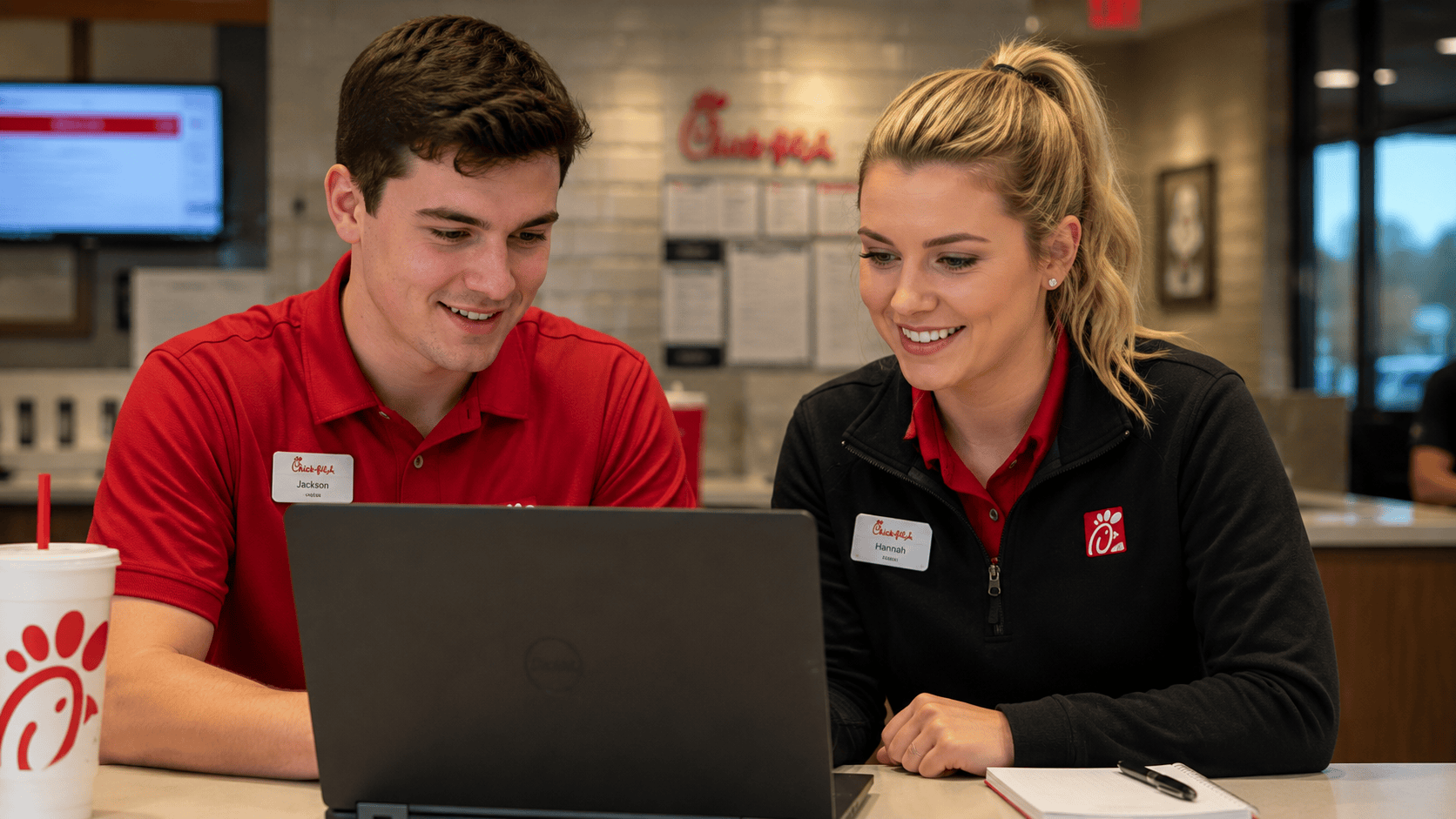
CFA Home is best understood as a secure internal digital workspace built for the Chick-fil-A ecosystem. It is not a public ordering page, customer rewards tool, or general information site for guests. Instead, the platform helps eligible personnel access work related resources, training systems, operational tools, restaurant support functions, and internal communications in one protected environment.
Quick Facts
| Detail | Information |
|---|---|
| Name | CFA Home |
| Category | Internal employee and operations portal |
| Associated brand | Chick-fil-A |
| Primary audience | Corporate employees, franchise Operators, restaurant leaders, and eligible team members |
| Public access | Not available to the general public |
| Login requirement | Assigned organizational credentials |
| Security management | Okta Identity Management |
| Main purpose | Secure access to internal resources and tools |
| Training function | Pathway learning modules and procedure guidance |
| Operations function | Store management, daily metrics, inventory, and support resources |
| Logistics function | Support tickets, uniform orders, and equipment part requests |
| Customer use | Not designed for guest ordering or public support |
| Access status | Restricted to active authorized personnel |
| Typical environment | Corporate, restaurant, and franchise operations |
| Key benefit | Centralized workplace access |
| Risk of misuse | Unauthorized login attempts and credential sharing |
| Best practice | Use only official credentials and approved devices |
| Related systems | Pathway, internal support, operational dashboards, and identity verification tools |
| SEO topic type | Workplace portal and employee resource guide |
| Important note | Access details may vary by role, location, and authorization level |
What Is CFA Home?
CFA Home is an internal portal connected to Chick-fil-A’s workplace ecosystem. It gives approved users a secure way to reach systems that support training, store execution, leadership tasks, and internal administration. The portal usually works through role based access, which means not every user sees the same tools, dashboards, or resources. A corporate employee may need one set of resources, while a restaurant team member may only need training, policy guidance, or operational learning content.
The platform exists because a restaurant network with thousands of daily operational decisions needs consistency. Food safety, hospitality expectations, recipe execution, equipment procedures, policy updates, and leadership communication all require reliable access to current information. When team members and leaders can find the right resource quickly, restaurants can reduce confusion and improve execution.
It is also important to understand what the portal is not. It is not a place for customers to place mobile orders, apply discounts, or track rewards. It is not the public Chick-fil-A app. It is a workplace tool, and access remains limited to people who have an authorized relationship with the company or a restaurant organization.
Why the Portal Matters in Chick-fil-A Operations?
A restaurant brand depends on consistency. Guests may visit different locations, but they expect familiar service, food quality, and cleanliness standards. Internal technology helps make that possible by giving restaurant personnel access to accurate instructions, updated policies, and operational information. CFA Home supports that need by acting as a central access point for many internal functions.
For team members, the value often begins with learning. New employees need to understand food preparation, hospitality language, safety practices, and workplace expectations. Digital training can make onboarding smoother because it gives learners structured material instead of relying entirely on verbal explanations during busy shifts. For leaders, the portal supports better decision making through store tools and operational visibility.
Operators also need resources that go beyond a single shift. They may need logistics support, equipment requests, uniform ordering, policy materials, or internal communications. A secure portal reduces the need to chase scattered documents or rely on informal channels. This matters because speed, accuracy, and accountability can affect both guest experience and restaurant performance.
Who Can Access the System?
Access is restricted to authorized Chick-fil-A personnel. That typically includes corporate employees, franchise Operators, restaurant managers, certain leadership roles, trainers, and active team members who receive approved credentials. The general public cannot create an account simply by visiting a login page, and former employees may lose access once their relationship with the organization ends.
CFA Home uses organizational login credentials, so access depends on employment status, restaurant role, and internal authorization. A new team member may receive guidance from a manager or Operator when the account becomes available. Corporate personnel may follow separate onboarding and identity verification steps. The exact access route can vary because restaurants operate under specific leadership structures.
Restricted access protects internal materials. Training procedures, operational videos, recipes, sales tools, inventory data, support ticket systems, and equipment workflows may contain information meant only for approved users. This protection helps preserve business standards and reduces the risk of unauthorized use.
How Login and Identity Protection Work?
The portal is managed through secure identity systems, including Okta Identity Management. Okta helps organizations verify who a user is before allowing access to protected applications. In practical terms, users must sign in with assigned credentials and may need to complete additional verification depending on their role, device, or security settings.
CFA Home login access should only happen through approved channels. Users should not trust random websites that claim to provide shortcuts, unofficial employee pages, password recovery tools, or copied login screens. Internal portals often attract phishing attempts because attackers know employees may enter credentials quickly when they are trying to reach work resources.
A safe login habit starts with using official instructions from a manager, Operator, corporate onboarding team, or internal technology support. Users should never share passwords, save credentials on public devices, or send login details through messaging apps. When a sign in prompt looks unusual, the best step is to verify the source before entering any information.
Pathway Training and Employee Development
One of the most important uses of the portal is access to Pathway training. Pathway helps team members learn procedures, service expectations, operational standards, and role specific tasks. In a fast moving restaurant environment, training has to be easy to follow, easy to repeat, and easy to update. Digital modules help create that structure.
CFA Home can serve as a gateway to learning materials that support both new and experienced team members. A new hire may review foundational lessons about hospitality, workplace safety, or food handling. A more experienced employee may use training modules to prepare for new responsibilities, leadership development, or cross training in different areas of the restaurant.
Training also helps maintain consistency during growth. When new menu items, updated procedures, or operational changes appear, digital learning resources allow restaurants to communicate changes in a controlled way. That reduces the chance that one location follows outdated instructions while another uses updated practices.
Operational Procedures and Policy Videos
Restaurant execution depends on details. Cooking times, holding procedures, prep methods, guest interaction expectations, safety rules, cleaning routines, and equipment usage all shape the final experience. Internal videos and procedural resources help employees understand not only what to do, but also how and why to do it correctly.
CFA Home may include access to operational recipes, policy guidance, and instructional videos that support restaurant teams during training and ongoing development. These materials help translate brand standards into practical actions. A team member who needs a refresher can review a module instead of guessing during a busy shift.
Video based learning can be especially useful in restaurant work because many tasks involve movement, sequencing, and visual cues. A written instruction may explain a process, but a video can show the rhythm, setup, and finished result. That makes internal multimedia resources valuable for both accuracy and confidence.
Store Management Tools for Restaurant Leaders
Restaurant leaders need more than training resources. They also need management tools that help them understand what is happening inside the business. CFA Home may connect authorized leaders to store management resources, dashboards, performance indicators, and internal systems that support daily decisions.
These tools can help leadership teams monitor operations, identify bottlenecks, manage labor decisions, respond to supply needs, and review performance. In a busy restaurant, small issues can turn into larger challenges if leaders do not see them early. Digital visibility helps managers respond before problems affect guests, team morale, or profitability.
Store management functions are usually permission based. A frontline team member may not need access to the same data as a director, manager, or Operator. That role based structure protects sensitive information while still allowing the right people to act quickly.
Sales Metrics, Inventory, and Breading Table Data
Live or near real time restaurant information can help leaders make better decisions. Daily sales metrics can show performance patterns, busy periods, and operational trends. Inventory tracking helps teams understand product movement, reduce waste, and prepare for demand. Breading table data can support kitchen execution by showing how back of house processes align with restaurant needs.
CFA Home may support access to these types of operational insights for approved leadership roles. When managers can review data, they can adjust ordering, staffing, prep, and communication more effectively. This turns the portal into more than a static information library. It becomes a practical decision support tool.
Data does not replace leadership judgment, but it improves visibility. A strong manager still needs to observe the team, coach employees, and solve guest concerns. However, accurate information can make those decisions more informed, especially during high volume dayparts or seasonal demand changes.
Internal Logistics and Support Requests
Internal logistics keep restaurants running behind the scenes. Team members need uniforms, leaders need support channels, and Operators need a way to request help when something goes wrong. CFA Home can help organize these workflows by giving eligible users a place to submit support tickets, start uniform orders, or access related internal services.
Support ticket systems matter because they create a record of issues. Instead of relying on scattered emails or verbal reminders, a request can be documented, routed, and tracked. This helps technology teams, operations support teams, and restaurant leaders respond more efficiently.
Uniform ordering also benefits from a centralized process. Restaurants need consistent appearance standards, correct sizing, and timely replacement options. A portal based workflow can reduce confusion and help leaders manage those needs without creating unnecessary delays.
Equipment Parts and Restaurant Support Functions
Restaurant equipment must work reliably. When kitchen tools, prep stations, cooking equipment, refrigeration, or service area components need attention, delays can affect operations. The portal may help Operators or approved leaders request replacement kitchen equipment parts or begin support processes related to maintenance and operations.
This function matters because restaurants operate on tight timing. If a key piece of equipment fails, the team may face slower production, safety concerns, or service disruption. A clear support process helps leaders escalate issues in a structured way and connect with the right internal or vendor support resources.
CFA Home can also reduce the stress of problem solving by centralizing access. Instead of searching for the correct contact, form, or procedure, leaders can follow approved workflows. That saves time and helps ensure requests include the right information from the beginning.
Security, Privacy, and Responsible Use
Internal portals require strong security because they may contain business tools, employee related resources, operational data, and restricted materials. CFA Home depends on responsible user behavior as much as technical protection. Even a secure identity management system cannot protect an account if a user shares credentials or signs in on unsafe devices.
Good security habits include using strong passwords, following multi factor authentication steps, logging out of shared computers, avoiding public Wi Fi when possible, and reporting suspicious login pages. Team members should also avoid taking screenshots of restricted materials or sharing internal resources outside approved workplace channels.
Privacy matters as well. Some dashboards or tools may display sensitive business information. Users should only access information needed for their role and should not attempt to view, download, copy, or distribute materials beyond their authorization. Responsible use protects the restaurant, the brand, and individual employees.
Common Access Issues and Practical Solutions
Users may occasionally experience login problems. Common issues include forgotten passwords, expired credentials, device verification prompts, account lockouts, browser problems, or access changes after a role update. CFA Home access can also be affected if an employee is no longer active in the system or if authorization has not been completed.
The most practical solution is to follow internal support guidance rather than searching the open web for fixes. A manager, Operator, store administrator, corporate technology support contact, or onboarding leader can usually direct the user to the correct recovery path. This protects the user from fake login pages and prevents accidental credential exposure.
Basic troubleshooting may include checking the device connection, using an approved browser, clearing outdated cached sign in sessions, confirming the correct username format, or completing identity verification. However, password resets and account status questions should go through official internal support channels.
Best Practices for Team Members and Operators
The best way to use an internal portal is with purpose and discipline. Team members should treat it as a workplace resource, not a casual browsing site. Logging in to complete assigned training, review approved procedures, or access required materials helps employees stay prepared and confident.
CFA Home is especially useful when users keep their access secure and follow role based expectations. Operators and managers should make sure employees understand where to find training, how to ask for help, and why credentials must remain private. A short explanation during onboarding can prevent many later access problems.
Leaders can also improve adoption by encouraging consistent use. When team members know that current procedures, videos, and support resources live in the portal, they are less likely to rely on outdated notes or word of mouth. A well used internal platform becomes part of a stronger operating culture.
FAQs
What is CFA Home used for?
It is used as a secure internal portal for eligible Chick-fil-A personnel. Depending on role and authorization, users may access training, operational resources, store management tools, support ticket systems, logistics workflows, and other workplace materials.
Can the public access the portal?
No. The portal is restricted to authorized users such as corporate employees, franchise Operators, approved restaurant leaders, and eligible team members. Guests and general web users cannot create public accounts for the system.
Is CFA Home the same as the Chick-fil-A app?
No. The Chick-fil-A app serves customers who want to order food, manage rewards, or interact with guest facing services. The internal portal serves workplace users who need employee, training, operational, or leadership resources.
What should users do if they cannot log in?
Users should follow official internal support guidance. A restaurant manager, Operator, store administrator, onboarding contact, or corporate technology support team can help verify account status and direct the user to the correct recovery process.
Why does the portal use secure identity management?
Secure identity management helps protect internal tools, employee resources, business data, and operational materials. It verifies that users are authorized before allowing access and helps reduce the risk of unauthorized login attempts.


Powder coating is one of the most widely used ways of finishing metal, yet plenty of people have only a vague idea how it works. If you’ve ever wondered why a garden gate or radiator holds its colour for years while painted metal flakes after one winter, the answer lies in a process that’s both simple in principle and fussy in practice.
What Powder Coating Actually Is
Instead of liquid paint, powder coating uses a dry powder made from pigment and resin. The powder is given an electrostatic charge as it’s sprayed, so it clings to the earthed metal part. At that point it’s just a dusty layer held on by static, and it would brush off with a finger.
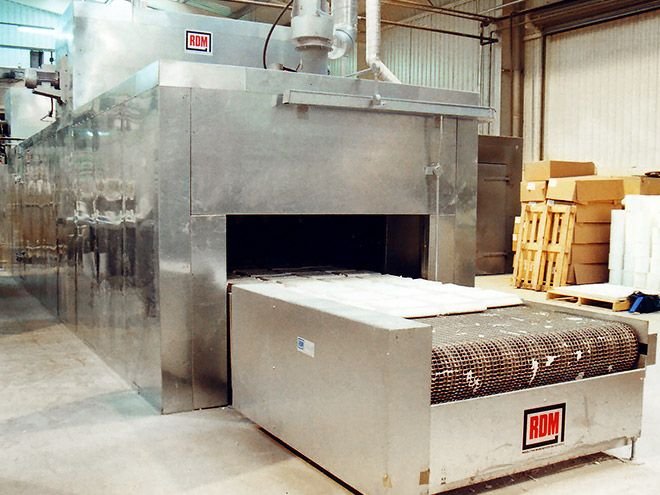
The transformation happens when the part is heated. Inside industrial ovens, the powder melts, flows into a smooth film and then cures, forming a hard, chemically bonded coating. That heating stage is the heart of the whole process, and it’s where a lot of finishes succeed or fail.
Getting the Surface Ready
Preparation matters more than most beginners expect. Oil, grease, rust and old paint all stop powder from bonding properly, so parts are cleaned thoroughly first. In larger operations, this happens in multi-stage pre-treatment systems that degrease, rinse and apply a conversion coating to improve adhesion. Smaller jobs may rely on blasting and careful cleaning.
Applying the Powder
Powder is applied with a spray gun in a booth designed to contain overspray and keep the air clean. A skilled operator moves steadily, building an even layer and reaching recesses and edges. Many booths recover unused powder so that it can be reused, which keeps waste down and helps control costs.
Curing: Where the Finish Is Made
Every powder comes with a data sheet that sets out the temperature and time needed to cure it. Typically, the part has to reach the specified temperature and then hold it for a set period. Larger or heavier parts take longer to warm through, which is why oven design matters. Even airflow, good insulation and accurate controls help every area of a part reach temperature at the same time.
Ovens come in several forms. Box ovens suit batches and bulky items, belt ovens suit small components on a conveyor, and tunnel ovens suit continuous production lines. Heating can come from gas, oil, electricity or steam, and the choice affects running costs as well as the finish.
Why Even Heat Matters
A common surprise for beginners is that the oven can be at the right temperature while the part isn’t. Metal takes time to warm, thick sections lag behind thin ones, and cold pockets near doors can leave one side of a part under-cured. Ovens that move air steadily through large ducts, with fans recirculating it several times a minute, deliver far more even results than ones relying on natural convection.
Insulation plays its part too. Thick, high-density insulation keeps heat inside the chamber, which steadies the temperature and keeps the outside of the oven comfortable to work around.
Gas, Electric or Something Else?
Heating can come from gas, oil, electricity or steam. Gas is common in larger operations because it heats quickly and can be economical, while electric ovens are popular for smaller jobs, offer precise control and can be powered by renewable electricity, including solar. Direct-fired ovens send the burner flame into the circulating air, whereas indirect versions use a heat exchanger to keep combustion gases separate.
Keeping Running Costs Down
Running costs deserve thought before buying. Good insulation, air seals on conveyor openings and controls that avoid overshooting the set temperature all cut the amount of fuel or electricity needed. Ovens that can be switched on and off sensibly, rather than left idling, help too, and so does loading parts in a way that lets air move freely around them.
Choosing the Right Setup
For a small workshop, a modest batch oven may be plenty. Larger operations tend to look at complete lines, with pre-treatment, booth and oven designed to work together. Considering the whole process rather than each stage in isolation usually produces better results and fewer bottlenecks.
Safety deserves a place in that decision. Look for features such as fume extraction, over-temperature protection and controlled start-up and cool-down sequences, all of which reduce risk for the people running the line.
It also pays to test before committing to a full batch. Running a sample part, checking the film for hardness and adhesion, and adjusting the settings if needed costs a few minutes and can prevent an entire load being stripped and redone.
Common Mistakes to Avoid
A few problems crop up again and again. Poor cleaning leads to peeling. Too much powder leads to an orange-peel texture. Curing at the wrong temperature leaves a finish too soft or too brittle. Loading parts too tightly can block airflow and create uneven results. Most can be avoided by following the powder manufacturer’s data sheet and checking the oven’s temperature performance regularly.
Getting the Finish Right
Powder coating rewards patience and attention to detail. Get the preparation, application and curing stages right and the finish can last for many years. Cut corners at any of them, particularly the curing stage, and the result won’t.

Most organizations planning to use AI begin at the wrong place. They take months cleaning tables, deduplicating data, and standardizing formats before realizing that their models cannot find the correct dataset, cannot understand what a particular field is all about, or produce results that no one can trace back to their origin.
The tables were rarely the problem. What was missing sat one layer up, in the metadata and cataloging work that tells a person, or increasingly a model, what the data actually is and whether it can be trusted.
Getting that right is what an AI-ready data foundation for enterprise is actually built on, and it’s the part most AI roadmaps skip.
Clean Data Isn’t the Same as Understood Data
A dataset can pass every quality check and still be useless to an AI system if nobody has recorded what it means, where it came from, or who owns it. Quality tells you the numbers are correct.
Metadata tells you what the numbers represent, how current they are, and whether they’re appropriate for the question being asked within an AI-ready data foundation for enterprise.
Enterprises that treat those as the same problem tend to discover the gap only after a model has already produced a confidently wrong answer.
The scale of that gap shows up clearly in industry research. Gartner has projected that through 2026, organizations will abandon roughly 60% of AI projects that aren’t backed by properly AI-ready data, and that a majority of data leaders either lack the right data management practices for AI or aren’t sure they have them.
Almost none of that failure traces back to model selection. It traces back to data nobody had cataloged well enough to support an AI-ready data foundation for enterprise.
Why Metadata Became a Machine-Facing Problem
Traditional data catalogs were built for people. An analyst found a table, read the description of a table that a colleague had provided some months ago, and decided to take a call on whether it was still fresh enough to use.
Such a process was able to cope with imperfections since it was a person who was there to realize that something didn’t seem right.
AI agents don’t have that instinct. They query metadata directly and act on whatever they find, which means stale definitions, undocumented ownership, or missing lineage don’t just slow someone down; they get baked into an automated decision.
That shift is why metadata has moved from a documentation task to something closer to infrastructure, forming an AI-ready data foundation for enterprise that is updated continuously rather than whenever someone remembers to.
The Maturity Gap Nobody Talks About
Most AI-ready data foundation for enterprise initiatives don’t fail because the tools are wrong. They fail because of sequencing. A team buys a catalog, spends a quarter wiring up integrations, tries to document every data asset at once, and finds six months later that almost nobody is using it.
Research into enterprise metadata practices puts real numbers on how uncommon it is to get this right, with one recent analysis finding that only about 11% of organizations have reached high metadata management maturity, despite metadata sitting underneath discovery, AI readiness, and regulatory compliance all at once.
The programs that do work tend to start narrow. They pick the two or three data domains causing the most friction, assign clear ownership, and automate lineage for those pipelines before expanding, rather than trying to catalog an entire enterprise on day one.
What a Cataloging Layer Actually Needs To Do
A cataloging layer that can genuinely support AI work tends to share a few characteristics, regardless of which platform sits underneath it:
- Active metadata that updates automatically as schemas and pipelines change, instead of relying on someone to edit a description
- Business definitions attached to technical fields, so a model and an analyst are working from the same meaning of a term like “active customer”
- End-to-end lineage that shows exactly which systems a dataset passed through before it reached a report or a model
- Ownership recorded at the asset level, so there’s always someone accountable for a dataset’s accuracy and appropriate use.
- Governance and access policies that travel with the data itself, rather than living in a separate document nobody checks
Metadata Debt Compounds Quietly
Skipping this layer rarely causes an immediate failure. It shows up later, as an AI project stalls in review because nobody can explain where a figure originated, or as an agentic workflow makes a decision based on a field that meant something different three reorganizations ago.
Industry surveys have found that a large share of enterprises have already adopted generative AI and a growing share are moving into agentic use cases, which raises the stakes considerably. An agent acting autonomously on ungoverned metadata doesn’t just produce a wrong number; it can take an action based on one.
And this is the rationale for why one should create the cataloging layer first, even before scaling up AI use cases. Adding metadata to an existing system will be much more difficult compared to integrating it during creation, and this usually happens under a lot more pressure.
Treat Metadata as Infrastructure, Not Documentation
None of this replaces the work of building good models or writing good prompts. It’s the layer underneath an AI-ready data foundation for enterprise that determines whether either of those efforts can be trusted at scale.
Organizations that consider cataloging an ongoing activity owned and managed by certain individuals who keep it constantly updated are likely to adopt any new uses of AI without having to begin from scratch every time. Those that treat it as a one-time effort in documentation have to do it twice.
Explore how BayOne helps enterprises build an AI-ready data foundation for enterprise, pairing metadata and governance work with the broader data architecture that AI systems depend on.


A rust-colored scarf slides across the back of a wooden chair and catches a narrow strip of window light. That small movement would be my starting point for an imagined fashion film. I would not begin with a crowded runway or a rapid sequence of outfits. A single piece of fabric can carry a short video if its weight, pattern, and movement remain clear enough to become the story.
The project would be a proposed editorial concept, not a review of a real garment. I would create a simple scarf design with a dark border and a large cream circle near one end. Those details make continuity visible. If a real brand supplied a product, its references would replace the invented design, and the final film would need to avoid implying that generated fabric behavior proves the garment’s actual performance.
A scarf gives the visual-reference direction described for Seedance 3.0 a specific creative problem: preserve one design while changing how it moves. The landing page states that the model has not officially launched, so I would treat this as a future production brief. Any immediate prototype would use an available model and be identified separately, rather than presented as a demonstration of an unreleased system.
Decide what the fabric should communicate
I would choose three movements for the film: a slow slide over the chair, a loose turn around an invented model’s shoulder, and a final settling fold on a table. Together, they would show length, softness, and pattern without demanding a complex outfit change. Each movement would have its own shot. Asking one continuous clip to perform all three would make the transitions more difficult to control and less easy to read.
The first reference would show the scarf laid flat, with its border and circle unobstructed. A second would show how it drapes over the chair. For the Seedance 3.0 brief, I would keep the setting simple: a warm neutral wall, one chair, and daylight from the left. Different backgrounds in every reference would create unnecessary ambiguity about where the film takes place.
I would also decide which side of the scarf faces the camera in each shot. That may sound minor, but a design can appear to jump if the fabric turns without a clear physical reason. The cream circle would begin near the lower edge of the chair, appear briefly on the shoulder, and remain visible in the final fold. It becomes a quiet thread connecting the sequence.
Let the first movement establish weight
The opening view would sit at chair height. A hand outside the upper edge of the frame would draw the scarf slowly across the wood, allowing the lower end to follow. I would keep the camera still so the fabric’s movement is easy to judge. A sweeping camera and a moving scarf together could make it difficult to tell whether the cloth is sliding naturally or stretching into a new shape.
In my Seedance 3.0 shot description, the scarf would remain one continuous piece with a consistent dark border. The light would reveal a restrained sheen as the fabric changes angle. I would avoid asking for dazzling sparkles, which could make the material look metallic. The visual question is how the surface catches ordinary daylight, not how many highlights can be added to the frame.
If an available-model prototype makes the fabric move like stiff paper, I would reduce the speed and simplify the fold. A slight sag between the chair and the hanging end would help describe softness. If the border splits into several lines, the revision would name that specific fault. Broad requests for elegance would be less useful than keeping one edge and one pattern stable.
Move from an object to a person
The shoulder shot would introduce an invented adult model wearing a plain cream top. I would frame from the lower face to the upper torso, keeping the scarf’s turn visible. The model would make a small change of posture rather than spin. This gives the fabric a reason to move while keeping attention on the garment rather than an elaborate performance.
The Seedance 3.0 storyboard would place this shot in the same window light as the chair. The scarf’s rust color should remain recognizable against the cream top, and the dark border should not vanish behind a sudden shadow. I would select a moment in which the circle passes into view, then hold briefly before cutting. The pattern needs a readable beat, not just a blur of movement.
I would not use a recognizable person’s face without permission or present the invented model as a customer. This film would illustrate a styling idea. A real campaign would require its own approved likenesses, product references, and claims. Keeping the concept fictional gives the creative team room to explore the movement without manufacturing an endorsement or a supposed personal experience.
Finish with a fold that can hold a title
The final shot would look down onto a pale table. The scarf would settle into a loose curve, leaving a quiet area beside it for a short editorial title. I would avoid a knot, since intertwined fabric can be difficult to keep coherent. A simple fold would still show the border, the circle, and the relationship between the two colors.
For the Seedance 3.0 ending, I would add typography after generation. A line such as “A little movement, a different mood” could sit beside the scarf without becoming part of its printed design. The letters should remain stable and legible. I would check the crop on a phone, where a large title can easily cover the very detail the film is meant to reveal.
The sound would be light: a small fabric movement, quiet room tone, and perhaps a few original musical notes. I would not exaggerate the cloth into a loud sweeping effect. Although Seedance 3.0 is described with an audiovisual direction, the sound plan could be executed separately in an editor using properly cleared material. The soundtrack should support the tactile impression without suggesting that the generated clip records the real garment’s sound.
Keep the edit loyal to one design
My final review would compare the scarf across all three shots. The border width, circle placement, and overall length should agree. If one shot changes the design, I would revise or replace it instead of hiding the mismatch under a fast transition. A fashion film depends on the viewer recognizing the same object, especially when the object is the entire subject.
The Seedance 3.0 delivery plan would include a short vertical cut and a wider editorial version. Both would retain enough breathing room around the fabric to make its movement visible. I would label the work as an AI concept and keep any real product claims outside the imagined footage. The finished sequence should make a simple styling thought tangible: sometimes a new mood comes from letting one familiar piece move differently.

Who Pays for Your Injuries After an Uber Accident in Richmond?

What to Consider When Ordering Packaging Samples

How Powder Coating Gets Its Tough Finish: A Beginner’s Guide

7 Benefits of Using an Online Meeting Notetaker for Modern Business Teams

All I Need in This Life of Syn – Syna World, Central Cee und Streetwear-Kultur

The Metadata and Cataloging Layer Most Enterprises Forget When Preparing Data for AI

How to Ensure Your Home is Valued Correctly for a Quick Sale

Christopher Dare: The Untold Story of Engineer and Former Husband of Angela Rippon

The 15 Highest-Paid Rugby Players in the World

What Is Fanquer? The Digital Creator Platform Transforming Direct-to-Fan Engagement

Dr Jared Ross: Missouri Appeals Court Upholds Protection Order Over Graphic Torture and Murder Threats

Who Is Azriel Crews? Inside the Life and Career of Terry Crews’ Daughter
How to Ensure Your Home is Valued Correctly for a Quick Sale
Christopher Dare: The Untold Story of Engineer and Former Husband of Angela Rippon
The 15 Highest-Paid Rugby Players in the World
What Is Fanquer? The Digital Creator Platform Transforming Direct-to-Fan Engagement
Dr Jared Ross: Missouri Appeals Court Upholds Protection Order Over Graphic Torture and Murder Threats
Who Is Azriel Crews? Inside the Life and Career of Terry Crews’ Daughter
-
 Real Estate10 months ago
How to Ensure Your Home is Valued Correctly for a Quick Sale
-
Celebrity12 months ago
Christopher Dare: The Untold Story of Engineer and Former Husband of Angela Rippon
-
 Sports6 months ago
The 15 Highest-Paid Rugby Players in the World
-
 Technology6 months ago
What Is Fanquer? The Digital Creator Platform Transforming Direct-to-Fan Engagement
-
 Celebrity6 months ago
Dr Jared Ross: Missouri Appeals Court Upholds Protection Order Over Graphic Torture and Murder Threats
-
 Celebrity9 months ago
Who Is Azriel Crews? Inside the Life and Career of Terry Crews’ Daughter
-
 Celebrity1 year ago
Nancy Hallam: The Inspiring Life, Career, and Success Story Behind Ian Wright’s Wife
-
 Celebrity1 year ago
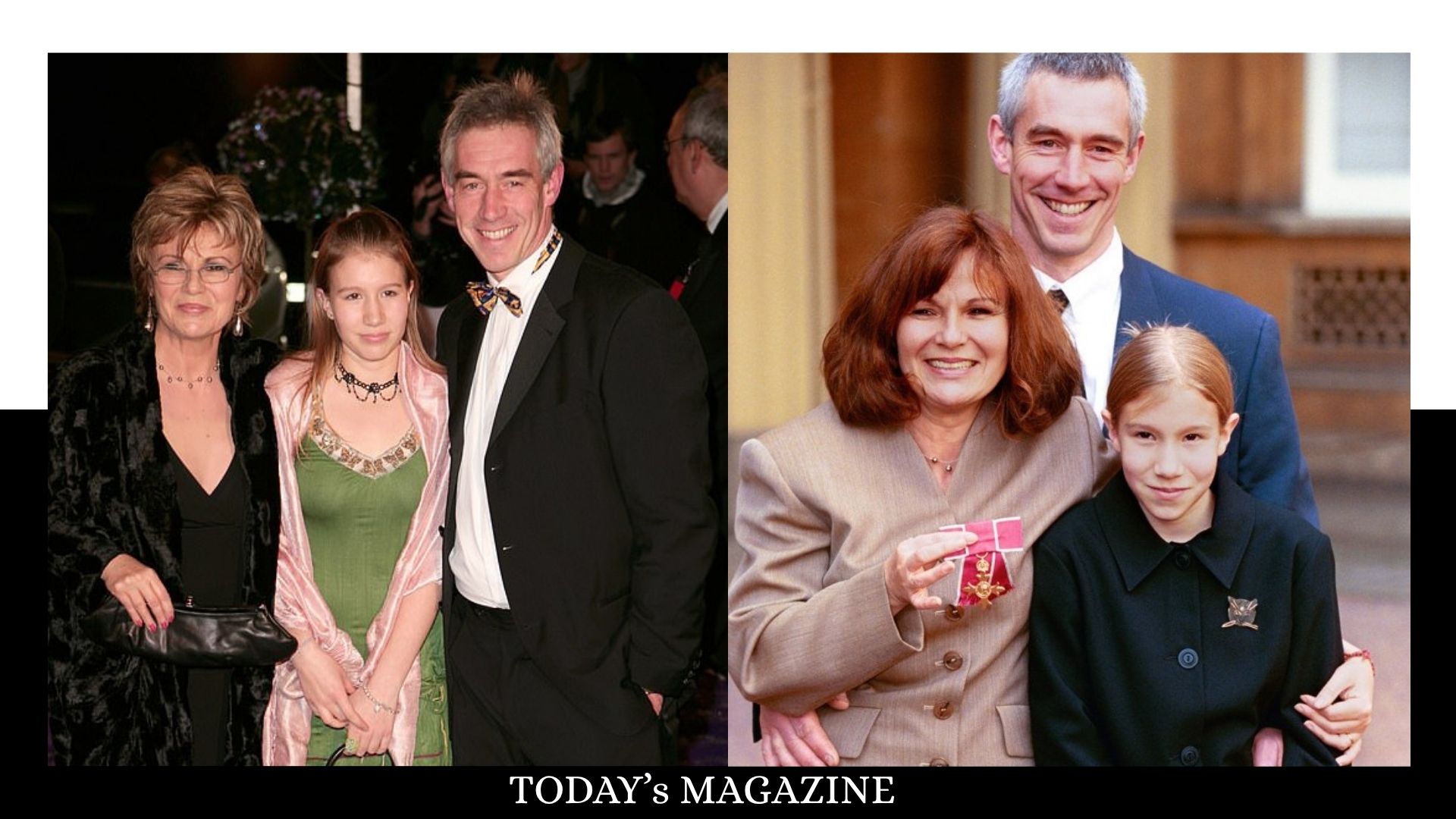
Who Is Maisie Mae Roffey? The Private Life, Family Story, and Quiet Success of Julie Walters’ Daughter