
Health
What Is Adenoidid? Adenoids, Enlarged Adenoids, and Treatment Explained


Adenoidid is best understood as a term connected with adenoids, the small patches of lymphoid tissue found high in the throat behind the nasal cavity. In everyday medical English, doctors usually use the word adenoids rather than adenoidid. The term may appear in language contexts where adenoids are being described for readers outside standard English medical wording.
Quick Facts
| Field | Details |
|---|---|
| Main Term | Adenoidid |
| Common English Term | Adenoids |
| Medical Related Term | Adenoid tissue |
| Condition Linked to Inflammation | Adenoiditis |
| Condition Linked to Enlargement | Adenoid hypertrophy |
| Body System | Immune and lymphatic system |
| Main Location | High in the throat behind the nasal cavity |
| Visibility | Not visible during a normal mouth or throat check |
| Most Affected Age Group | Children |
| Peak Size | Usually during early childhood |
| Natural Change With Age | Often shrinks during later childhood and adolescence |
| Main Function | Helps trap germs entering through the nose and mouth |
| Common Problem | Swollen or enlarged adenoids |
| Common Symptom | Mouth breathing |
| Sleep Related Symptom | Snoring or disturbed sleep |
| Ear Related Concern | Fluid buildup or recurrent middle ear infections |
| Speech Related Concern | Stuffy or nasal sounding voice |
| Diagnostic Specialist | ENT doctor or otolaryngologist |
| Common Diagnostic Tool | Nasal endoscopy |
| Non Surgical Treatment | Observation, medicine, allergy care, nasal sprays, or antibiotics when appropriate |
| Surgical Treatment | Adenoidectomy |
| Surgery Type | Common day procedure in many children |
| Emergency Warning Signs | Breathing pauses, severe sleep problems, high fever, worsening symptoms, or hearing concerns |
| Long Term Outlook | Usually good with proper diagnosis and treatment |
Where Adenoids Are Located in the Body
Adenoids sit in the upper part of the throat, behind the nose and above the soft palate. This location makes them different from tonsils, which can often be seen by opening the mouth wide. Adenoids cannot usually be viewed during a simple throat check with a flashlight or tongue depressor.
Their hidden position explains why many parents do not know their child has enlarged adenoids until symptoms appear. A child may breathe through the mouth, snore loudly, speak with a blocked nose sound, or develop repeated ear problems. These clues often lead a pediatrician or ENT specialist to examine the back of the nasal passage more closely.
The location of adenoids also explains their connection to ear and sinus symptoms. They sit near the opening of the Eustachian tubes, which help ventilate the middle ear. When adenoid tissue becomes swollen, it can block normal airflow and fluid movement, causing pressure, infections, or hearing changes.
Why Adenoids Matter in Childhood?
Adenoids matter most in babies and young children because the immune system is still developing. They help identify germs that enter through the nose and mouth, giving the body another layer of defense. This role makes adenoids useful during the early years of life.
As children grow, other parts of the immune system become more developed. Adenoids usually become less important with age and often shrink during later childhood. Many adults have very small adenoids or almost no remaining adenoid tissue.
This natural shrinking process is one reason adenoid problems affect children more often than adults. A child’s adenoids can become large enough to block the airway because the tissue is more active during childhood. In adults, enlarged adenoids are less common and may need more careful evaluation if symptoms appear.
Adenoidid vs Adenoiditis vs Adenoid Hypertrophy
The word adenoidid can create confusion because it sounds close to medical terms such as adenoiditis and adenoid hypertrophy. Adenoids refer to the actual tissue. Adenoiditis means inflammation or infection of that tissue. Adenoid hypertrophy means the adenoids have become enlarged.
These terms overlap, but they do not always mean the same thing. A child may have enlarged adenoids without an active infection. Another child may have adenoiditis after a viral or bacterial illness, with fever, runny nose, sore throat, and nasal blockage. Some children experience both inflammation and enlargement at the same time.
Understanding the difference helps parents interpret symptoms more clearly. A short illness may cause temporary swelling that improves with time. Chronic enlargement, however, can keep causing mouth breathing, snoring, ear problems, or poor sleep even after the infection has passed.
Why Adenoids Become Enlarged or Inflamed?
Adenoids can swell when the body fights infections. Viral colds, flu like illnesses, and bacterial infections may irritate the tissue and cause temporary enlargement. In many children, the swelling improves once the illness clears.
Some children develop repeated or long lasting adenoid inflammation. Allergies, acid reflux, frequent upper respiratory infections, and exposure to irritants such as smoke may contribute to ongoing swelling. When the adenoids stay enlarged, symptoms can become more constant and harder to ignore.
Adenoid hypertrophy may also happen because adenoid tissue naturally grows during early childhood. This growth does not always cause problems. Medical concern begins when the enlarged tissue blocks nasal airflow, affects sleep, interferes with ear drainage, or contributes to repeated infections.
Common Symptoms of Enlarged Adenoids
The most common sign of enlarged adenoids is difficulty breathing through the nose. A child may keep the mouth open most of the time, especially during sleep. Parents may notice dry lips, morning bad breath, or a habit of sleeping with the mouth open.
Snoring is another important symptom. Some children snore loudly, sleep restlessly, sweat during sleep, or wake up often. In more serious cases, parents may notice brief pauses in breathing. These pauses should never be ignored because they may suggest sleep disordered breathing or obstructive sleep apnea.
Other symptoms include a constantly stuffy nose, thick nasal drainage, chronic cough, frequent runny nose, and a voice that sounds blocked or nasal. Some children also have trouble feeding, poor appetite, or daytime tiredness because breathing and sleep quality have declined.
How Adenoidid Can Affect Sleep and Breathing?
When adenoids become too large, they can narrow the airway behind the nose. This forces a child to breathe through the mouth instead of the nose. At night, airway narrowing can become more noticeable because muscles relax during sleep.
Poor nighttime breathing may lead to loud snoring, restless sleep, frequent position changes, and waking during the night. A child may appear tired in the morning even after spending enough hours in bed. Some children become irritable, hyperactive, moody, or less focused during the day because their sleep quality suffers.
Sleep related breathing problems deserve medical attention. Children need good sleep for growth, learning, behavior, and immune health. If adenoids block the airway for months, doctors may consider stronger treatment options, especially when symptoms affect daily life.
Ear, Hearing, and Sinus Problems Linked to Adenoids
Adenoids can affect the ears because they sit near the Eustachian tubes. These tubes help equalize pressure and drain fluid from the middle ear. When swollen adenoids block this area, fluid can collect behind the eardrum.
Fluid buildup may cause muffled hearing, ear pressure, balance problems, or repeated middle ear infections. In young children, even mild hearing loss can affect speech development, classroom learning, and attention. Parents may notice that a child asks for repetition, turns up the volume, or seems less responsive.
Enlarged or infected adenoids may also contribute to sinus problems. Blocked nasal airflow can make drainage less effective, which may lead to chronic congestion, facial pressure, cough, or repeated sinus infections. These issues often improve when the underlying nasal blockage is treated correctly.
Adenoid Facies and Long Term Mouth Breathing
Long term mouth breathing can affect more than comfort. In growing children, chronic open mouth posture may influence facial growth, jaw position, palate shape, and dental alignment. Doctors sometimes use the term adenoid facies to describe facial features linked with long standing nasal obstruction.
Adenoid facies may include an open mouth expression, longer facial appearance, high arched palate, and dental bite problems. Not every child with enlarged adenoids develops these changes. However, persistent mouth breathing should be taken seriously because early treatment may reduce the risk of long term effects.
Dentists, orthodontists, pediatricians, and ENT doctors may all notice signs of chronic mouth breathing. A team approach can help identify whether adenoids, allergies, nasal obstruction, dental structure, or other factors are contributing to the problem.
How Doctors Diagnose Adenoid Problems?
Doctors begin diagnosis by asking about symptoms. They may ask whether the child snores, breathes through the mouth, has frequent ear infections, struggles with sleep, speaks with a blocked nose sound, or has chronic nasal drainage. A careful history often gives strong clues.
Because adenoids are hidden behind the nose, doctors usually cannot see them during a standard throat exam. An ENT specialist may use a small mirror or a flexible nasal endoscope. A nasal endoscope is a thin camera that allows the doctor to view the adenoids through the nose.
In some cases, doctors may order hearing tests, tympanometry, allergy evaluation, throat cultures, or imaging. These tests help rule out other causes and show whether ear fluid, infection, allergies, or structural blockage is present. Diagnosis should focus on symptoms, exam findings, and the child’s overall health.
Treatment Options Before Surgery
Not every child with swollen adenoids needs surgery. If symptoms follow a short viral illness, doctors may recommend observation, fluids, rest, and supportive care. Many temporary infections improve as the body recovers.
If a bacterial infection is suspected, a doctor may prescribe antibiotics. If allergies contribute to swelling, treatment may include allergy management, antihistamines, or nasal steroid sprays when suitable. If reflux plays a role, doctors may address acid irritation with lifestyle changes or medicine.
Parents should avoid giving antibiotics, nasal sprays, or other medicines without medical guidance. The best treatment depends on the cause, severity, and duration of symptoms. Mild cases may improve with time, while chronic obstruction or repeated complications may need ENT evaluation.
What Is an Adenoidectomy?
An adenoidectomy is a surgical procedure that removes the adenoids. ENT surgeons commonly perform it in children who have serious or persistent adenoid problems. Doctors may recommend it when enlarged adenoids cause long lasting nasal obstruction, sleep disturbance, recurrent infections, hearing issues, or middle ear fluid.
The procedure usually happens under general anesthesia. Since adenoids are reached through the mouth, there is usually no visible cut on the face. In many cases, children go home the same day after observation and recovery from anesthesia.
Adenoidectomy may be performed alone or with other procedures, such as ear tube placement or tonsil removal, depending on the child’s condition. The decision should come from a proper medical evaluation, not from snoring alone. Doctors weigh symptoms, test results, age, and overall health before recommending surgery.
Recovery After Adenoid Removal
Recovery after adenoid removal is usually manageable, but every child responds differently. Mild throat discomfort, nasal stuffiness, bad breath, low fever, or tiredness may occur during the first several days. Doctors often recommend rest, fluids, soft foods, and pain control as directed.
Parents should follow the surgeon’s instructions carefully. A child may need to avoid rough play, swimming, heavy activity, or school for a short period depending on recovery progress. Most children return to normal routines after healing.
Warning signs after surgery include heavy bleeding, trouble breathing, dehydration, persistent high fever, severe pain, or symptoms that seem to worsen instead of improve. Parents should contact the doctor promptly if these issues occur. Safe recovery depends on good aftercare and clear communication with the medical team.
Prevention, Home Care, and When to Seek Help
Parents cannot always prevent adenoid swelling, but they can reduce some risks. Good hand hygiene, avoiding secondhand smoke, managing allergies, and treating infections properly may help reduce irritation. Healthy sleep habits and regular pediatric checkups also support early detection.
Home care can help mild symptoms, but it should not replace medical advice when problems continue. Parents should seek help if a child has loud snoring most nights, breathing pauses during sleep, chronic mouth breathing, repeated ear infections, hearing changes, persistent nasal blockage, or poor daytime focus linked to poor sleep.
Urgent medical care is needed if a child struggles to breathe, turns blue around the lips, has severe dehydration, develops a high fever with worsening illness, or has serious sleep breathing pauses. Adenoid problems are common, but breathing concerns always deserve careful attention.
Outlook for Children With Adenoid Problems
The outlook for children with adenoid problems is usually positive. Many children improve as infections clear, allergies come under control, or adenoids naturally shrink with age. Mild cases may never need surgery.
Children with chronic obstruction, repeated ear problems, or sleep disruption often improve when they receive the right treatment. For some, medicine and monitoring work well. For others, adenoidectomy can greatly improve breathing, sleep quality, ear drainage, and daily energy.
Parents should focus on patterns rather than one isolated symptom. Occasional snoring during a cold may not mean a serious problem. Ongoing mouth breathing, poor sleep, hearing issues, or repeated infections are stronger reasons to seek evaluation. Early diagnosis helps protect sleep, hearing, speech, growth, and quality of life.
FAQs
What does adenoidid mean?
Adenoidid is best understood as a term related to adenoids. In English medical writing, the standard term is adenoids. Adenoids are immune tissue located behind the nose in the upper throat.
Are adenoids the same as tonsils?
Adenoids and tonsils are similar because both are lymphoid tissues that help fight germs. They are not in the same place. Tonsils are visible at the back of the mouth, while adenoids sit higher behind the nasal cavity.
What are the main symptoms of enlarged adenoids?
The main symptoms include mouth breathing, nasal blockage, snoring, restless sleep, nasal sounding speech, chronic runny nose, repeated ear infections, and possible hearing changes. Some children also feel tired or have trouble focusing during the day.
Can enlarged adenoids go away without surgery?
Yes, some cases improve without surgery, especially when swelling happens during a short infection. Doctors may recommend observation, allergy treatment, antibiotics for bacterial infection, or nasal sprays when appropriate. Surgery becomes more likely when symptoms are severe, long lasting, or linked to sleep or hearing problems.
Is adenoidectomy safe for children?
Adenoidectomy is a common ENT procedure for children and often takes place as day surgery. Like any surgery, it has risks, so doctors recommend it only when benefits outweigh those risks. Parents should discuss the child’s symptoms, test results, anesthesia, recovery, and warning signs with the ENT specialist.


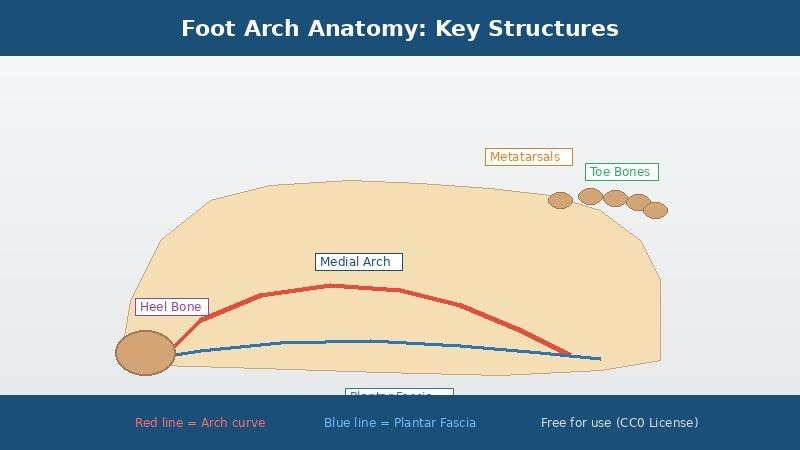
Arch pain is one of those things that sneaks up on you. One day you are walking through a supermarket or standing at your kitchen counter, and suddenly there is this persistent ache along the bottom of your foot that was not there before. You might shrug it off, change your shoes, or rest for a day. But when it keeps coming back, it stops being something you can ignore.
In my years of practice, arch pain is one of the most frequent complaints I see, and it is also one of the most misunderstood. Many patients wait months before seeking help, assuming it will resolve on its own. In many cases it does not. And the longer you leave it, the more the surrounding structures compensate, which often creates a bigger problem than the original one.
This article will walk you through what actually causes arch pain, what your symptoms are telling you, and what you can do about it.
Understanding the Arch of Your Foot
Your foot has three arches working together every time you take a step. The medial longitudinal arch runs along the inner edge of your foot from heel to toe and is the one most people picture when they think of the foot arch. The lateral longitudinal arch runs along the outer edge, and the transverse arch crosses the width of the foot at the ball.
All three are supported by a dense band of connective tissue called the plantar fascia, which runs along the bottom of the foot and acts as a natural shock absorber. When you walk or stand, the arch compresses and springs back with each step, absorbing forces that would otherwise travel straight up into your ankles, knees, and hips.
When anything disrupts that structure, whether it is the tissue itself, the bones, or the surrounding muscles, the result is arch pain.
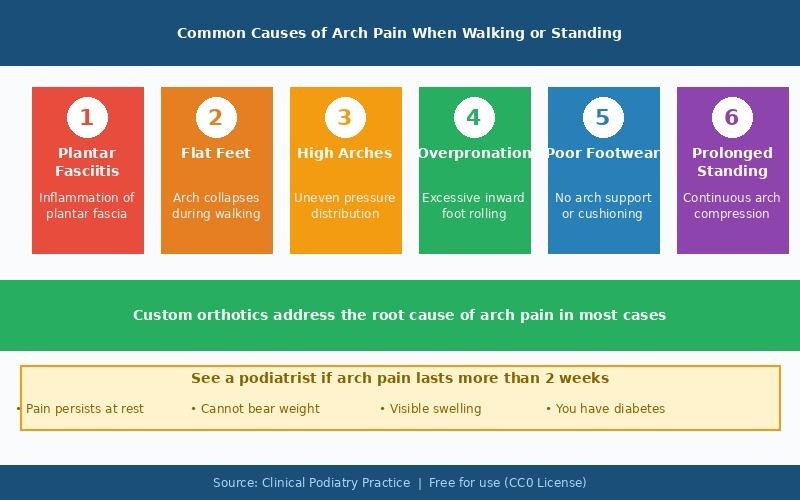
Common Causes of Arch Pain When Walking
Walking is a repetitive motion, and the arch absorbs thousands of impact cycles every day. Here are the most common reasons that repetition starts to cause pain.
Plantar Fasciitis
Plantar fasciitis is by far the most frequent cause I encounter in clinic. It occurs when the plantar fascia becomes inflamed, usually at the point where it attaches to the heel bone. The hallmark sign is sharp, stabbing pain in the arch or heel during the first few steps of the morning. After a few minutes of movement it often improves, only to return after prolonged activity or at the end of the day.
Flat Feet
Flat feet, also known as fallen arches, cause the arch to collapse inward with each step. Over time this places abnormal tension on the plantar fascia and the muscles running along the inner ankle. Many people with flat feet do not experience pain for years, until a change in activity level or footwear tips the balance.
High Arches
High arches, or cavus foot, sit at the opposite end of the spectrum. Because the arch is raised, weight is concentrated on the heel and the ball of the foot rather than distributed evenly. This makes the arch stiff and less able to absorb shock, leading to fatigue and pain particularly during walking on harder surfaces.
Overpronation
Overpronation is the term for excessive inward rolling of the foot with each step. It stretches the plantar fascia beyond its normal range repeatedly and is a significant driver of arch pain in runners and people who walk long distances regularly.
Footwear Without Adequate Support
Flat ballet pumps, worn-out trainers, and flip flops all allow the arch to flatten without any structure to support it. Poor footwear is often the trigger that reveals an underlying structural issue that was previously compensated for.
It is also worth noting that conditions affecting circulation can contribute to foot discomfort and slow down recovery from arch injuries. Understanding broader factors like cardiovascular wellness and circulation health can provide important context for anyone managing persistent foot pain alongside other health conditions.
Why Standing All Day Causes Arch Pain
Standing is actually harder on the arch than walking in many ways. When you walk, the foot has a natural rhythm of loading and unloading with each step. When you stand still, the arch is under continuous compression with no release.
Workers in healthcare, retail, hospitality, and education are particularly vulnerable because they spend long hours on concrete or tile floors that offer no cushioning whatsoever.
Excess body weight places additional load on the arch during standing, compressing the plantar fascia and the fat pad under the heel over time. Even a modest increase in weight can noticeably worsen existing arch symptoms.
Prolonged standing also causes the small stabilising muscles of the foot to fatigue. Once those muscles tire, the arch has less dynamic support and relies entirely on the passive structures like ligaments and tendons, which are not designed for that kind of sustained load.
Symptoms That Come With Arch Pain
Knowing what to look for helps you decide when to act. Common symptoms associated with arch pain include:
- Sharp or burning pain along the bottom of the foot
- Stiffness and tenderness in the arch first thing in the morning
- Pain that eases with movement but returns after prolonged activity
- Swelling or tenderness along the inner side of the foot
- Generalised foot and leg fatigue after normal daily activities
- Pain that radiates upward into the ankle or lower leg in more persistent cases
When Should You Be Concerned About Arch Pain
Most arch pain is mechanical and entirely treatable. However, certain signs suggest you need professional evaluation sooner rather than later.
Seek assessment if your arch pain has lasted more than two weeks without improvement, if you cannot bear weight comfortably on the affected foot, or if you notice visible swelling or bruising without a clear injury. Arch pain that begins suddenly without any change in activity is also worth investigating promptly.
For people with diabetes, any foot pain warrants early professional review. Reduced circulation and nerve sensitivity can mask the severity of structural problems, and what feels like mild arch discomfort can indicate something that needs more urgent attention.
It is also worth being aware that some nerve conditions can produce sensations in the foot that mimic arch pain. Understanding nerve-related foot symptoms can help distinguish between structural pain and neurological causes, which require a different approach entirely.
Treatment Options for Arch Pain
The good news is that most arch pain responds well to conservative treatment when addressed early.
Rest and ice: Reducing activity and applying an ice pack for 15 to 20 minutes several times a day helps manage inflammation without medication.
Stretching: The most effective stretches target the calf muscles and the plantar fascia directly. A simple calf stretch against a wall and rolling the foot over a frozen water bottle are two I recommend to almost every patient with arch pain in clinic.
Footwear changes: Replacing worn shoes, avoiding flat unsupportive footwear, and choosing trainers with a firm midsole and adequate arch support removes the daily mechanical trigger that keeps the inflammation going.
Physical therapy: Helps rebuild the intrinsic foot muscles that support the arch dynamically. A good therapist will also address any gait abnormalities contributing to the problem.
Custom orthotics: The most effective long-term solution for arch pain caused by structural issues. Unlike generic insoles purchased in a pharmacy, custom orthotics are prescribed based on a detailed assessment of your foot shape, gait pattern, and pressure distribution patterns.
For people whose arch pain is linked to structural issues such as flat feet, overpronation, or high arches, custom orthotics provide targeted correction rather than temporary relief. Specialist practices like Beaver Valley Foot Clinic’s orthotics service assess your gait, foot structure, and pressure points before prescribing orthotics that address the underlying cause of your arch pain rather than simply cushioning the symptoms.
How to Prevent Arch Pain From Coming Back
Prevention is something I talk about with almost every patient after we have resolved their acute pain.
- Wear supportive footwear throughout the day including at home on hard floors
- Replace running shoes every 300 to 500 miles as the midsole loses its cushioning long before the upper looks worn
- Stretch the calves and plantar fascia regularly, particularly before and after exercise
- Maintain a healthy weight to reduce the load your arch carries every day
- Avoid prolonged barefoot walking on hard surfaces
- If you have a known structural issue like flat feet or high arches, schedule a foot assessment before pain returns rather than after
Arch pain is incredibly common, but it is not something you simply have to live with. Whether your symptoms have just started or have been bothering you on and off for months, there is almost always a clear cause and an effective solution. The key is not waiting until the pain becomes severe. Getting an early assessment gives you the best chance of a quick and complete recovery, and it keeps you doing the things in daily life that matter most.
Frequently Asked Questions
Q. Why does my arch hurt more in the morning?
A. Morning arch pain is the classic sign of plantar fasciitis. Overnight the plantar fascia shortens as the foot rests in a relaxed position. The first steps of the day stretch it sharply, causing that familiar stabbing sensation. It usually eases after a few minutes of walking as the tissue warms up.
Q. Can flat feet cause arch pain?
A. Yes, very commonly. Flat feet cause the arch to collapse during walking and standing, placing continuous abnormal strain on the plantar fascia and surrounding tendons. Many people with flat feet manage without symptoms for years until a change in footwear or activity level triggers pain.
Q. Should I see a doctor for arch pain?
A. If your arch pain has lasted more than two weeks, is affecting how you walk, or is accompanied by swelling or bruising, a professional evaluation is strongly recommended. Early assessment leads to faster and more complete recovery.
Q. Can the wrong shoes cause arch pain?
A. Absolutely. Unsupportive footwear is one of the most common triggers in clinic. Shoes without adequate arch support allow the plantar fascia to stretch with every step beyond what it can comfortably tolerate. Replacing footwear is often the first and most impactful change a patient can make.
Q. Are custom orthotics worth it for arch pain?
A. For most patients with structural causes of arch pain, yes. Custom orthotics correct the mechanical problem at the source. Patients who have tried generic insoles without success often notice a significant difference when they switch to properly prescribed custom devices.


Managing Anxiety in a Fast-Paced World: Natural Approaches That Work
Introduction: Why Is Anxiety So Common in 2026?
Do you end up scrolling through your phone late at night, feeling your chest tighten after another busy workday? Or notice your hands shaking a bit before meetings on video calls? Life in 2026 involves constant messages, quickly-changing expectations, and work creeping into weekends. Almost 9.7 million adults in the UK searched for answers around feeling anxious in 2026, with two out of three under 45 reporting regular symptoms.
Many people look for alternative solutions beyond medication—guided meditation apps, breathing routines, gentle herbal remedies, or simply changing lifestyle habits. Some turn to thc carts as an option for gentle relaxation that fits today’s lifestyle. Interest in alternatives to prescription medications now grows each year. Individuals now compare new wellness products, checking real-user reviews before trying, and more brands offer options that suit living publicly, but wanting private support. Over 35% of adults in the UK explored at least one new product or technique for stress in the past year—a trend that keeps growing along with the number of wellness products available.
What Does “Natural Anxiety Management” Include in 2026?
Natural anxiety management means using actionable daily habits and non-prescription options to regulate anxious feelings. Exercise, simple breathing patterns, tea with calming herbs, and quality sleep routines top the list. Unlike medication, these paths focus on balance—supporting mental health without clinical intervention.
Imagine a reader who, after a busy workday, takes a fifteen-minute neighbourhood walk, drinks chamomile tea, and uses an app for meditation before bed. The next morning feels noticeably less tense. In a recent survey, four out of seven participants tried breathing routines or gentle tea blends weekly to help their mood.
The most common tools now are:
– Short exercise bursts (walking or cycling)
– Mindful breathing or guided audio tracks
– Lowering screen time at night
– Herbal teas like lemon balm or passionflower
– Sleep tracking apps or journals
Back in 2023, only 38% used these methods. By 2026, that figure reached over 55%, showing steady growth. Interest in natural management now spreads across all age groups, not just younger adults.
Lifestyle Changes That Can Help Reduce Anxiety
A day with structure can mean less anxiety. Eating at regular times, moving daily, and following set bedtime hours all play a role. Even small changes add up over weeks. Physical activity—like brisk walking, yoga, or cycling—needs only fifteen minutes a day to reduce symptoms according to multiple 2026 reviews.
Sleep hygiene is key. Keeping regular bed and wake times, stopping screen use at least one hour before sleep, and keeping the bedroom cool and dark all help. The NHS now recommends at least seven to eight hours’ sleep for most adults, with nearly 70% of those following such guidelines reporting easier mornings.
Here’s a case: A woman in her late thirties starts walking after work, sets a daily wind-down alarm, and leaves her phone in another room at night. After three weeks, her journal log shows fewer anxious thoughts, less nighttime waking, and increased concentration at work. She doesn’t use formal therapy or medication—just these routine steps.
In 2026, about 58% of UK adults report regularly using at least one healthy habit to support emotional wellbeing (YouGov, 2026). Two out of five say they notice meaningful changes in mood. Studies show that regular movement and sleep hygiene lower anxiety markers by up to 30% after a month of consistent application.
Supportive Wellness Products: What’s Trending in 2026
Wellness products now diversify into five main groups: balms for tension, sleep support blends in capsule or powder form, aromatherapy diffusers, herbal extract mixes, and cannabinoid-infused products.
According to insights from the 2026 Global Wellness Market Survey, adults aged 25–50 prefer products that promise clear effects in clear usage formats—such as single-dose sleep supplements, portable oils, and discreet cannabinoid technologies. Many adults who seek discreet wellness support explore options like aromatherapy patches, fast-dissolving capsules, and thc carts—each allowing easy use in daily life.
Innovative cannabinoid delivery now refers to measured, portable forms allowing personalized dosage and minimal odor—that applies to several products on shelves today. Responsible use and appropriate age screening govern these goods, as required by UK law in 2026. Around 14% of UK adults reported trying cannabinoid wellness products at least once this year, mostly curious about relaxation after work or better sleep. Industry research expects this number to grow alongside clearer labelling and consumer education.
Building a Personal Anti-Anxiety Toolkit: Tips for 2026
An effective self-care toolkit combines home routines and add-on supports. For example:
– Five slow, deep breaths before a meeting or after a phone call
– Writing quick notes in a mood journal at lunch
– Using a calming herbal balm or oil at work
– Setting gentle reminders on a wearable device for movement
– Pausing for short walks after long screen sessions
Choosing products? Look for clear ingredient lists and independent user feedback. Customizing strategies—like mixing breathing with note-taking or adding a calming tea—builds stability. Keeping a daily check-in or progress log (2–3 sentences) makes it easier to spot patterns.
Consistency, a blend of routines, and monitoring mood daily helps many people feel more in control, even during busy stretches.
FAQ: Natural Relief for Anxiety in 2026
Q: Can natural supplements be combined with daily anxiety routines?
A: Yes, routine activities and supplements often work together, but always follow product guidance.
Q: Are discreet support options available?
A: Yes—products like tea blends, aromatherapy pens, and measured cannabinoid cartridges fit private daily use.
Q: Is it legal in the UK to buy wellness products with cannabinoids in 2026?
A: Most over-the-counter cannabinoid wellness products are legal for adults in the UK, as long as they meet official standards.


Retirement brings new opportunities, exciting milestones, and important decisions. One of the most critical choices revolves around your healthcare coverage. Navigating the medical insurance landscape can feel overwhelming, but securing the right policy ensures absolute peace of mind for the years ahead. You deserve to enjoy your retirement without worrying about unexpected medical bills or restrictive care networks.
Original Medicare covers standard hospital stays and basic medical visits, but it leaves noticeable gaps in daily care. That is exactly why so many people are turning to more comprehensive alternatives. Finding a policy that matches your specific lifestyle requirements keeps you healthy, active, and financially secure throughout your golden years.
Through the dedicated team at My Medicare Ohio, residents can easily discover policies that offer exceptional value. Medicare Advantage plans bring everything together into one convenient package, giving you robust, all-in-one benefits that traditional options simply cannot match.
The undeniable appeal of Medicare Advantage plans
Medicare Advantage plans, also known as Part C, combine your Part A and Part B coverage into a single policy managed by private, Medicare-approved companies. These plans typically include prescription drug coverage, meaning you only need one unified plan for your medical, hospital, and pharmacy needs. This streamlined approach eliminates the frustration of juggling multiple insurance cards and coordinating between different providers.
The real value comes from the extra benefits. Most standard policies do not pay for routine dental cleanings, vision exams, or hearing aids. Medicare Advantage plans step in to fill these exact gaps. They frequently include generous allowances for over-the-counter health items, comprehensive dental care, and credits for eyeglasses or contact lenses.
Comprehensive wellness beyond the doctor’s office
Modern healthcare is about more than just treating illnesses; it is about keeping you well in the first place. Medicare Advantage plans strongly emphasize preventive care and overall wellness. Many of these policies include complimentary fitness club memberships, such as the popular SilverSneakers program, allowing you to stay active at local gyms at no additional cost.
Furthermore, these plans often provide robust telehealth services. If you feel unwell but prefer not to leave your home, you can consult with a licensed physician via video call or telephone. This convenience ensures you receive prompt medical advice without the hassle of a waiting room. Some policies even include meal delivery services following a hospital stay, ensuring you have nutritious food while you recover.
How My Medicare Ohio supports your wellness goals
Finding the right healthcare policy should never feel like a guessing game. My Medicare Ohio takes a highly personalized approach to your insurance choices. Our local experts take the time to learn about your preferred doctors, your current daily prescriptions, and your ideal budget. We understand the Ohio healthcare landscape intimately and use that knowledge to advocate for your best interests.
Consolidating your healthcare experience
When you select one of our premium Medicare Advantage plans, you streamline your entire healthcare experience. You deal with a single provider network that coordinates your care from start to finish. This high level of coordination means your primary care doctor and your specialists can communicate easily, ensuring you always receive the safest and most effective treatments available.
Financial predictability and protection
Medical emergencies often bring sudden, unmanageable bills. Fortunately, Medicare Advantage plans include a strict yearly limit on out-of-pocket costs for your medical services. Once you hit that specific threshold, the plan pays 100% of your covered healthcare expenses for the rest of the calendar year. My Medicare Ohio helps you find a policy with a comfortable out-of-pocket maximum, protecting your hard-earned retirement savings from unexpected medical debts.
Seamless prescription drug integration
Managing medications is a vital part of daily health for many seniors. Instead of purchasing a separate, standalone Part D prescription plan, you can enjoy the simplicity of having it built directly into your primary insurance. Medicare Advantage plans carefully categorize medications into tiers, offering incredibly low copays for generic drugs and preferred brands.
The experts at My Medicare Ohio will review your current medication list against the formularies of top-rated plans. This meticulous review ensures that your specific prescriptions are covered at the lowest possible cost, saving you significant money at the pharmacy counter every month.
Frequently Asked Questions
Do I lose my Medicare benefits if I choose a Medicare Advantage plan?
No. When you enroll in a Medicare Advantage plan, you are still in the Medicare program. You simply get your Part A and Part B benefits through a private health insurance company rather than through the federal government. You maintain all the rights and protections that come with standard Medicare.
Will I need to change my current doctors?
It depends on the specific plan you choose. Medicare Advantage plans typically use networks of participating providers, such as HMOs or PPOs. The team at My Medicare Ohio will check your preferred doctors to ensure they are in-network before you enroll in any new policy.
Do Medicare Advantage plans cover pre-existing conditions?
Yes. Medicare Advantage plans must cover all pre-existing conditions. You cannot be denied coverage or charged higher premiums based on your medical history.
How much do these plans cost?
Monthly premiums vary depending on the specific plan and coverage level you select. Many Medicare Advantage plans offer a $0 monthly premium, though you must continue paying your standard Part B premium. Your out-of-pocket costs will depend on the plan’s copayments, deductibles, and coinsurance structures.
Secure a brighter, healthier future today
Medicare Advantage plans provide comprehensive, all-in-one healthcare coverage that combines hospital, medical, and often additional benefits designed to support long-term health and well-being. You deserve health coverage that actively works to keep you well. Settling for basic insurance can leave you exposed to unnecessary expenses and limited care options. By choosing comprehensive, all-in-one coverage, you invest in your long-term vitality and independence.
Reach out to My Medicare Ohio to explore your unique options. Our friendly team is ready to help you navigate the details, answer your questions, and confidently enroll in a policy that perfectly fits your life.

How OPPEIN Home Creates Stylish and Functional Modern Kitchens

Top Attractions and Activities in Dunstable You Shouldn’t Miss

What Is Osnovno Uciliste? Meaning, School System, Curriculum, and Facts

What Are Volglaswanden? Everything You Need to Know About Full Glass Walls

Produce Longer Video Clips Without Quality Loss Through Seedance

What I Learned About Architecture Companies in London After Picking the Wrong Type First

The 15 Highest-Paid Rugby Players in the World

Nancy Hallam: The Inspiring Life, Career, and Success Story Behind Ian Wright’s Wife

Draven Duncan: Tim Duncan’s Rising Star Son and His Inspiring Basketball Journey

Who Is Maisie Mae Roffey? The Private Life, Family Story, and Quiet Success of Julie Walters’ Daughter

Johnny Carell: Inside the Life, Family, and Rising Success of Steve Carell’s Son

Simon Dixon Biography: Lifestyle, Net Worth, Family, Career and Success Story
The 15 Highest-Paid Rugby Players in the World
Nancy Hallam: The Inspiring Life, Career, and Success Story Behind Ian Wright’s Wife
Draven Duncan: Tim Duncan’s Rising Star Son and His Inspiring Basketball Journey
Who Is Maisie Mae Roffey? The Private Life, Family Story, and Quiet Success of Julie Walters’ Daughter
Johnny Carell: Inside the Life, Family, and Rising Success of Steve Carell’s Son
Simon Dixon Biography: Lifestyle, Net Worth, Family, Career and Success Story
-
 Sports4 weeks ago
The 15 Highest-Paid Rugby Players in the World
-
Celebrity7 months ago
Nancy Hallam: The Inspiring Life, Career, and Success Story Behind Ian Wright’s Wife
-
Celebrity5 months ago
Draven Duncan: Tim Duncan’s Rising Star Son and His Inspiring Basketball Journey
-
Celebrity7 months ago
Who Is Maisie Mae Roffey? The Private Life, Family Story, and Quiet Success of Julie Walters’ Daughter
-
Celebrity8 months ago
Johnny Carell: Inside the Life, Family, and Rising Success of Steve Carell’s Son
-
Business6 months ago
Simon Dixon Biography: Lifestyle, Net Worth, Family, Career and Success Story
-

 Celebrity5 months ago
Who Is Linda Susan Agar? The Private Life, Legacy, and Story of Shirley Temple’s Eldest Daughter
-

 Celebrity5 months ago
Who Is Mark Gero? Inside the Life, Art, and Quiet Legacy of an American Creative