
Health
Why Aligner Sheets Matter in Clear Aligner Treatment

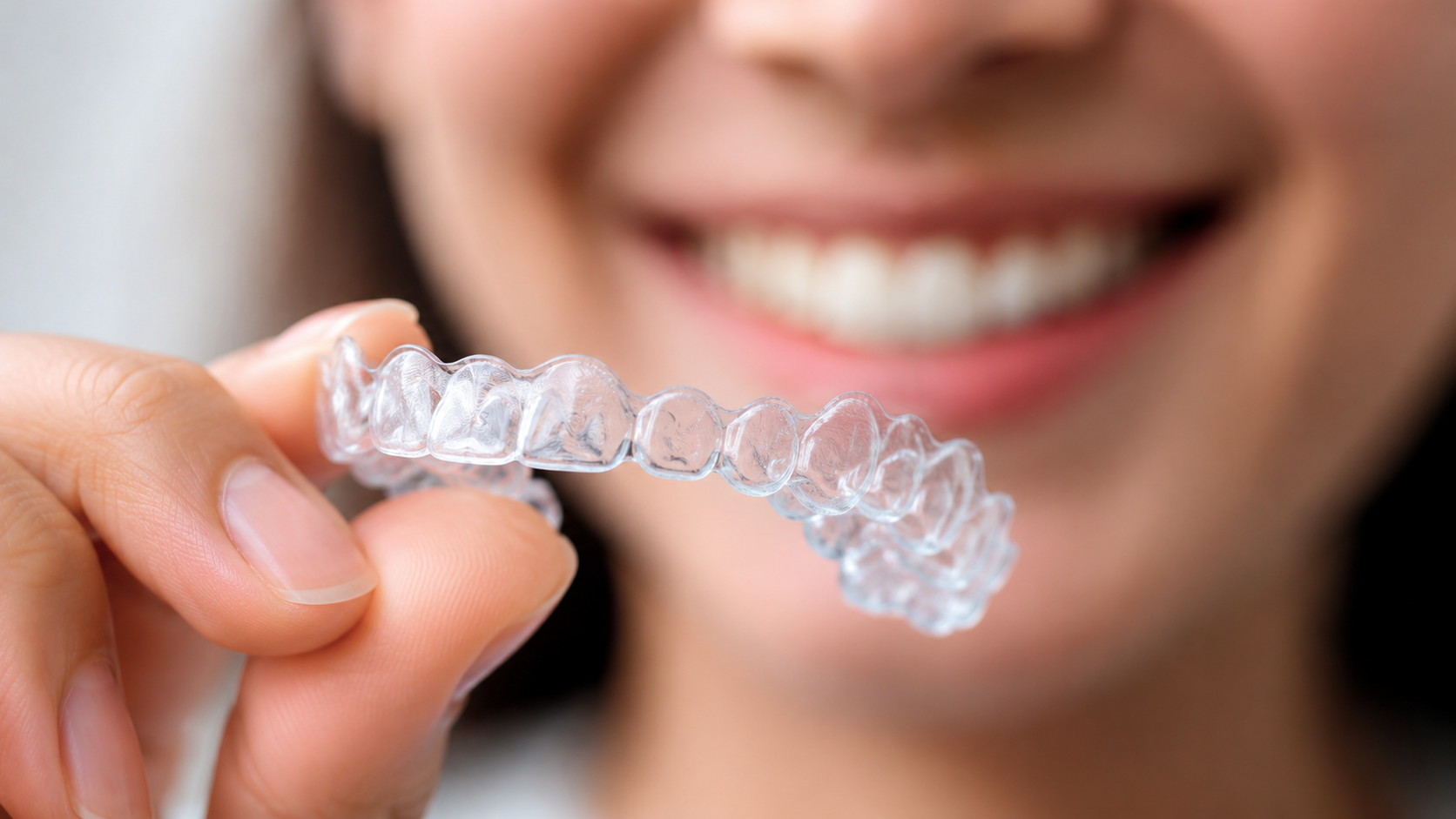
Clear aligners have become one of the most preferred orthodontic treatment options today. Patients like them because they are transparent, removable, and comfortable. Dentists and orthodontists prefer them because they allow planned tooth movement with better control.
But behind every clear aligner, there is something that plays a very important role: the aligner sheet.
The aligner sheet decides how the aligner fits, how clear it looks, how much force it delivers, and how comfortable it feels in the patient’s mouth. This is why choosing the right aligner sheet is not just a manufacturing decision. It is also a clinical decision.
Taglus aligner sheets are designed for dental labs, aligner manufacturers, and clinics that need consistency, clarity, comfort, and reliable performance.
What Are Aligner Sheets?
Aligner sheets are thermoplastic sheets that are used to make clear aligners. During the manufacturing process, the sheet is heated and formed over a dental model. Once it cools and is trimmed, it becomes the clear aligner that the patient wears.
A good aligner sheet should adapt well to the model, stay clear, maintain its shape, and apply controlled force on the teeth.
| Feature: | Why it matters: |
| Clarity | Makes the aligner look transparent and aesthetic |
| Strength | Helps the aligner resist cracks and deformation |
| Flexibility | Improves comfort during insertion and removal |
| Force delivery | Supports planned tooth movement |
| Shape memory | Helps the aligner maintain fit during wear |
| Thermoforming accuracy | Supports better adaptation over the model |
Why Sheet Quality Is Important
Clear aligner treatment depends on small, planned movements. Even a small change in material quality can affect treatment results.
If the sheet is too soft, it may not deliver enough force. If it is too rigid, the patient may feel discomfort. If it loses shape quickly, the aligner may stop tracking properly. If it stains easily, the patient may feel conscious while wearing it.
Poor sheet quality can lead to loose fit, cloudy appearance, poor force retention, cracking, distortion, discomfort, and staining.
- Loose fit can reduce tracking.
- Cloudy appearance can lower patient confidence.
- Poor force retention can slow tooth movement.
- Cracking or distortion can lead to remakes.
- Patient discomfort can reduce compliance.
- Staining can affect aesthetics.
Role of Certified Aligner Sheets
Certified sheets like Taglus aligner sheets are developed to support clear aligner fabrication with dependable material performance. They are designed to help labs and clinics create aligners that are clear, comfortable, durable, and clinically useful.
For dental labs, consistency matters because every aligner in a treatment series must behave predictably. For clinicians, fit and force delivery matter because they directly affect treatment progress. For patients, comfort and appearance matter because they influence daily wear time.
Quality aligner sheets help bring all these requirements together.
| Requirement | How Taglus Supports It |
| Aesthetic appearance | Good transparency for clear aligners |
| Daily comfort | Balanced flexibility for easier wear |
| Clinical performance | Supports controlled force delivery |
| Lab workflow | Consistent thermoforming behaviour |
| Durability | Helps maintain aligner shape during use |
| Patient acceptance | Clear and comfortable aligner experience |
Better Fit and Adaptation
Fit is one of the most important factors in clear aligner treatment. If the aligner does not sit properly on the teeth, it may not apply the required force. This can lead to poor tracking and delayed results.
A well-fitting aligner improves contact with the teeth and supports planned movement.
Clarity and Patient Confidence
Patients choose clear aligners mainly because they are less visible than braces. So, transparency is not a small feature. It is one of the main reasons patients accept aligner treatment.
If an aligner looks cloudy or dull, patients may feel uncomfortable wearing it in public. A clear aligner of optimum clarity gives them more confidence during conversations, meetings, school, college, or work.
| Patient Concern | Material Requirement |
| Will people notice my aligners? | High transparency |
| Will it look cloudy? | Good optical clarity |
| Can I wear it at work? | Aesthetic appearance |
| Will it stain quickly? | Stable surface quality |
| Will I feel confident? | Clear and clean look |
Comfort for Long Wear Hours
Most patients need to wear aligners for long hours every day. So, comfort plays a major role in compliance. If the aligner feels too tight, bulky, or rough, the patient may remove it often. This can affect treatment progress.
A good aligner sheet should offer enough strength for tooth movement but also enough flexibility for comfort.
| Comfort Factor | Why It Matters |
| Smooth surface | Reduces irritation |
| Balanced flexibility | Easier to insert and remove |
| Proper thickness | Avoids bulky feeling |
| Good adaptation | Reduces pressure points |
| Stable shape | Maintains comfort during wear |
Strength and Durability
Clear aligners go through daily stress. Patients insert and remove them multiple times. They are exposed to saliva, cleaning, pressure, and regular handling. The material must be strong enough to handle this routine.
If the aligner cracks or loses shape, it may not work properly. This can interrupt treatment and create extra work for the clinic and lab.
The main job of an aligner is to move teeth. This happens when the aligner applies controlled force on specific teeth.
The sheet material plays a major role in how this force is delivered and maintained. If the force drops too quickly, the aligner may become less effective. If the force is too high, the patient may feel discomfort.
Elastic Recovery: Helps aligner return to shape
Force Retention: Supports planned movement
Flexibility: Improves patient comfort
Strength: Helps maintain active force
Adaptation: Improves tooth contact
Benefits for Dental Labs
Dental labs need materials that are easy to process and consistent in performance. A sheet that behaves differently from batch to batch can cause remakes, wastage, and delays.
Lab needs:
- Smooth thermoforming for better workflow
- Less material wastage for cost control
- Reliable adaptation for better aligner quality
- Fewer remakes that save time
- Repeatable results for better case consistency
Benefits for Clinicians
For clinicians, the quality of the aligner directly affects treatment confidence. A well-made aligner improves fit, tracking, and patient comfort.
When aligners perform consistently, doctors can focus more on diagnosis, treatment planning, and patient communication.
Clinicians Need:
- Predictable tracking
- Patient comfort
- Better fit
- Fewer complaints
- Reliable performance
Benefits for Patients
Patients may not know much about aligner sheet materials, but they experience the result every day. They notice how the aligner looks, feels, and fits.
A clear, comfortable, and durable aligner improves their overall treatment experience.
| Patient Benefit | Why It Matters |
| Clear appearance | Better confidence |
| Comfortable wear | Better compliance |
| Easy removal | Better daily use |
| Stable fit | Better treatment progress |
| Less irritation | Better experience |
Conclusion
The aligner sheet is the foundation of every clear aligner. It affects clarity, comfort, fit, strength, force delivery, and treatment predictability.
For dental labs, they support consistency. For clinicians, they support better treatment control. For patients, they support a more comfortable and confident aligner journey.
Choosing the right aligner sheet may seem like a small step, but it can make a big difference in the success of clear aligner treatment.


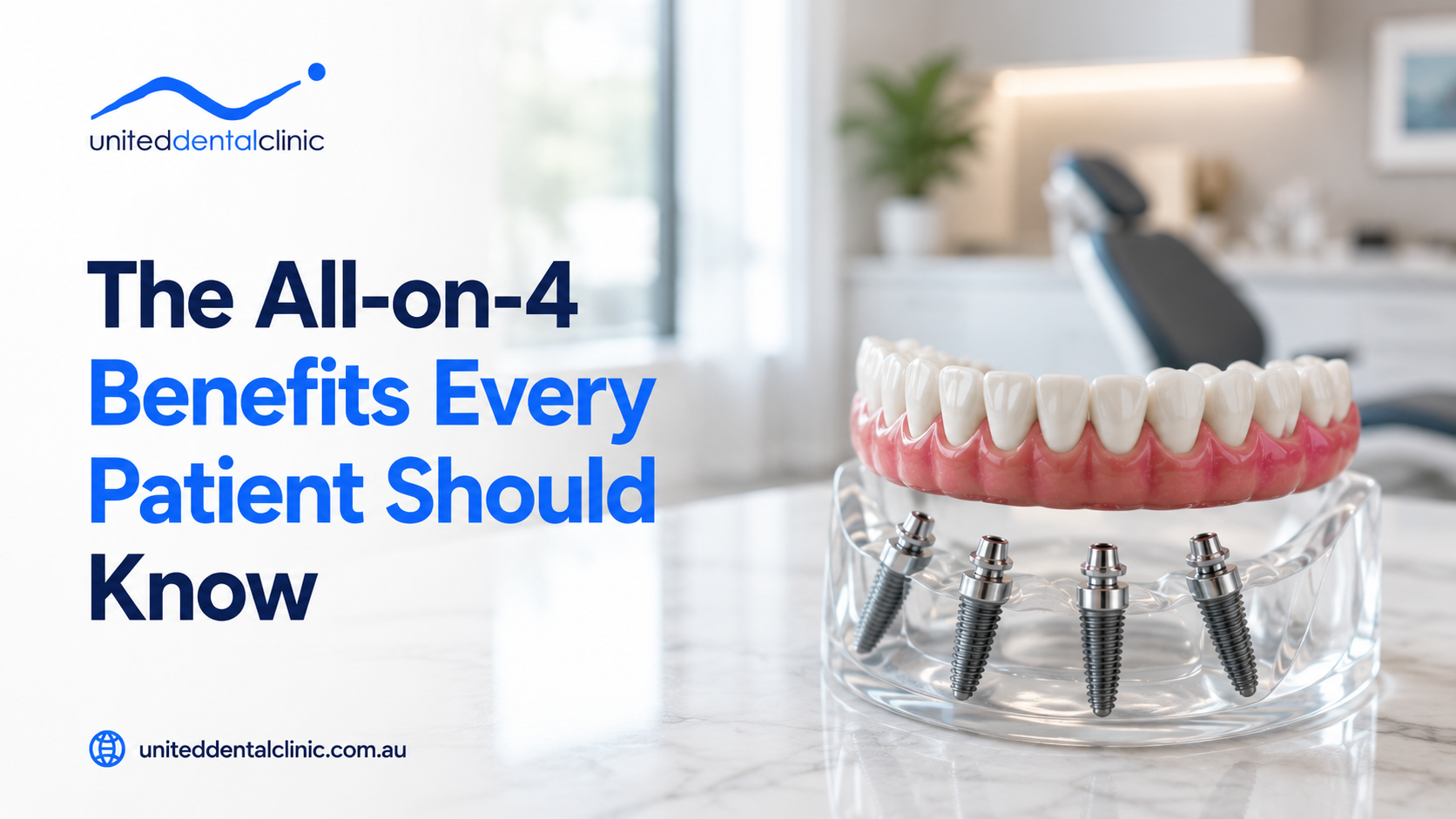
All-on-4 replaces a full arch of missing teeth using just four implants, giving you fixed teeth in as little as one day. For anyone facing significant tooth loss, it’s often the difference between a removable denture and a permanent, natural-feeling smile. The benefits go well beyond appearance, and most patients are surprised by how much their daily lives improve.
We want to walk through those benefits honestly. If you’re weighing up the All-On-4 treatment Warriewood clinics offer, these are the things worth knowing before you decide.
What Makes All-on-4 Different From Other Options?
Before the benefits, it helps to understand the basics. All-on-4 uses four titanium posts to anchor a full set of teeth.
The clever part is the angle. The two back implants are tilted, which lets them grip more bone and often avoids the need for grafting. That single design choice is why All-on-4 dental implants suit people who were once told implants weren’t possible for them. Now, onto why patients actually love it.
Why Do Patients Choose All-on-4?
The reasons stack up quickly once you look past the surface. Here are the benefits that keep coming up.
1. You Get Fixed Teeth Fast
Speed is the first thing people notice. Traditional implants can mean months of waiting before you have working teeth.
All-on-4 flips that. In many cases, the implants go in, and a fixed set of teeth is attached within a day or two. You walk out with a smile, not a promise to come back later. That’s a genuine relief for anyone who’s lived with a failing set of teeth.
2. It Protects Your Jawbone
This is the benefit almost nobody mentions upfront. When you lose teeth, the jawbone beneath them starts to shrink.
That bone loss is what gives long-term denture wearers a sunken look around the mouth. Implants stop it. The posts stimulate the bone the way natural roots do, keeping it active and healthy. So, All-on-4 teeth replacement doesn’t just replace teeth; it protects the shape of your face over time.
3. Your Teeth Stay Put
Anyone who’s worn a denture knows the anxiety of it slipping. All-on-4 removes that worry entirely.
The teeth are fixed to the implants and never move. You don’t take them out at night, and you don’t soak them in a glass. There’s no adhesive, no clicking, no shifting mid-sentence. For many patients, that stability alone justifies the whole procedure.
4. You Can Eat Properly Again
Food is where the difference becomes real. Dentures limit what you can comfortably chew, and many people quietly give up on foods they love.
With full-arch dental implants, that restriction lifts. The bite strength is closer to natural teeth, so steak, apples, and crusty bread are back on the table. Eating stops being a calculation and goes back to being a pleasure.
5. It Feels and Looks Natural
Comfort and appearance go hand in hand here. The teeth are shaped and colour-matched to look like your own.
Because they’re fixed and stable, they feel like part of you rather than something you’re wearing. A skilled dental implant specialist Warriewood will match the shape and shade of your original teeth. The result is a smile that looks like it belongs, not one that announces itself.
6. It’s Easier to Care For Than You’d Think
People assume a full-arch restoration must be high-maintenance. In practice, it’s simple.
You brush your fixed teeth daily, just like you do your natural ones. You keep your regular dental check-ups so the gums and fit stay healthy. There’s no fiddly removal routine and no special cleaning solutions. Good habits are all it takes to keep them in great shape for years.
7. It Lasts for the Long-Term
Longevity is where All-on-4 earns its keep. The titanium implants can last decades, and often a lifetime.
The teeth on top may need refreshing eventually with normal wear. But the foundation stays solid. As a permanent teeth replacement, it offers a stability and lifespan that removable options simply can’t match. For many, that makes the upfront cost worthwhile.
Who Is All-on-4 Right For?
It suits more people than you might expect. The tilted-implant design significantly widens the pool of candidates.
It’s often ideal for those who:
- Have lost most or all of the teeth in an arch
- Are tired of ill-fitting or slipping dentures
- Were told they lacked the bone for traditional implants
- Want a fixed, long-term solution rather than a removable one
The only way to know for sure is an assessment. A consultation with a dental implant specialist Warriewood locals rely on will confirm whether your jaw and overall health suit the treatment. If they don’t, a good clinician will tell you honestly and suggest alternatives.
A Quick Word on What to Expect
I want to be balanced here. All-on-4 is a real procedure, not a quick fix, and it involves surgery.
There’s a healing period, and some patients need minor groundwork first. The upfront cost is higher than a denture, though the lifespan offsets it. Knowing this going in makes the decision clearer, not scarier. Weighing up full mouth dental implants honestly is the best way to feel confident about your choice.
Ready to See If All-on-4 Suits You?
The benefits of All-on-4 are hard to ignore. Fixed teeth in a day, protected bone, natural function, and a solution built to last for decades. For the right patient, it genuinely changes daily life.
If any of this sounds like what you’ve been missing, the next step is simple. Book a consultation for All-On-4 treatment in Warriewood and get an honest assessment of your options. One conversation could be the start of eating, smiling, and living without a second thought.
FAQs
How long does the All-on-4 treatment take?
Your new teeth can often be fixed in place within one to two days. A short healing period follows while the implants fuse with the jawbone.
Is All-on-4 a permanent solution?
The titanium implants can last decades, often a lifetime. As a permanent teeth replacement, the foundation stays fixed, though the teeth on top may need refreshing over the years.
Does All-on-4 hurt?
Not during the procedure, since the area is fully numbed. Some tenderness afterward is normal and settles within a few days with simple aftercare.
Can I eat normally with All-on-4?
Yes. The teeth are fixed and stable, giving you bite strength close to natural teeth. Most foods, including firmer ones, are back on the menu.
Health
The Art and Science of Body Contouring: Why Precision Matters as Much as Technique in Modern Plastic Surgery


Body contouring has become one of the most important areas of modern plastic surgery. Patients today are not just looking for fat reduction or isolated improvements. They want balance, proportion, and natural-looking results that fit their body as a whole. This shift has changed how surgeons approach their work, placing equal importance on both technical skill and precise planning.
As the field continues to evolve, it has become clear that technique alone is not enough. Precision in evaluation, planning, and execution is what separates average outcomes from truly refined results.
The Balance Between Art and Science
Plastic surgery sits at the intersection of art and science. Science provides the structure. It includes anatomy, surgical safety, and technical methods that allow surgeons to perform procedures effectively. The art comes from understanding shape, proportion, and how small changes affect overall appearance.
In body contouring, both sides are essential. A surgeon may have excellent technical ability, but without an artistic sense of proportion, results can look unbalanced. On the other hand, artistic vision without technical control can lead to inconsistent or unsafe outcomes.
The best results come from combining both disciplines in a thoughtful and controlled way. Every decision, from incision placement to fat removal, must serve both function and aesthetics.
Why Precision Has Become So Important
Modern body contouring is no longer about removing as much fat as possible. It is about shaping the body in a controlled and intentional way. Precision allows surgeons to create smoother transitions between areas and avoid irregularities that can become visible over time.
Patients today expect refined results. They want their waistline, hips, abdomen, and thighs to flow naturally together. This requires careful planning and attention to detail at every stage of the process.
Precision also matters for safety. Over-removal of fat or uneven contouring can lead to complications or unnatural results. A precise approach helps protect both the appearance and health of the patient.
In my experience, even small adjustments during surgery can have a major impact on final outcomes. This is why careful measurement, observation, and restraint are essential parts of the process.
The Role of Technique in Body Contouring
Technical skill remains the foundation of all surgical procedures. In body contouring, techniques such as liposuction, fat transfer, and skin tightening all require training and experience.
Modern techniques allow surgeons to work with greater control than ever before. For example, advanced liposuction tools help remove fat more evenly while reducing trauma to surrounding tissues. This can lead to smoother results and more predictable healing.
However, technique alone does not guarantee a good outcome. A surgeon must know how to apply these tools in a way that respects each patient’s natural anatomy. The goal is not just to perform the procedure, but to shape the body in a way that looks cohesive and natural.
Understanding Individual Anatomy
No two patients have the same body structure. Bone shape, muscle distribution, skin elasticity, and fat patterns all vary. This is why body contouring must always be customized.
A precise surgical plan begins with a detailed understanding of anatomy. Surgeons must evaluate how different areas of the body interact with each other. For example, reducing volume in the waist can affect how the hips and lower back appear. These relationships must be considered before any procedure begins.
When patients come to see me, I spend a significant amount of time assessing their natural proportions. This helps ensure that surgical decisions support overall balance rather than focusing on a single area in isolation.
The Importance of Planning Before Surgery
Good outcomes start long before the procedure itself. Planning is one of the most important steps in body contouring. It involves mapping out areas of fat removal, evaluating skin quality, and identifying how to achieve the most natural shape.
During this stage, communication with the patient is also essential. Patients need to understand what is realistically achievable. Clear expectations help guide the surgical plan and reduce misunderstandings later on.
Careful planning also allows for more predictable results. When every step is considered in advance, surgery becomes more controlled and efficient. This reduces unnecessary variation and improves consistency.
Precision During Surgery
Once surgery begins, precision becomes even more important. Every movement must be deliberate. Fat removal must be balanced across both sides of the body to maintain symmetry. Contours must be checked repeatedly to ensure smooth transitions.
Even small differences in technique can affect the final result. This is why experienced surgeons rely heavily on judgment and visual assessment throughout the procedure.
In body contouring, there is very little room for guesswork. Each decision must be based on both anatomical knowledge and real-time evaluation of the patient’s response during surgery.
Why Natural Results Depend on Subtle Adjustments
One of the most important goals in modern body contouring is achieving natural-looking results. This does not come from large changes. It comes from small, precise adjustments that work together to improve overall shape.
Patients often think transformation requires dramatic change. In reality, the most effective procedures are often the most subtle. A slight refinement of the waist or a gentle smoothing of the abdomen can completely change how the body appears in proportion.
The key is restraint. Knowing how much to remove, where to adjust, and when to stop is a critical part of surgical skill.
The Patient Experience and Expectations
Patients today are more informed than ever before. They research procedures, review outcomes, and ask detailed questions before deciding on surgery. This has raised expectations for both results and experience.
Clear communication is essential. Patients should understand the process, recovery, and realistic outcomes. When expectations are aligned with what is possible, satisfaction tends to be higher.
Many patients also value a personalized approach. They want to feel that their treatment plan is designed specifically for their body and goals. This level of customization is only possible when precision is central to the surgical process.
Dr. Emil Kohan often emphasizes that successful body contouring is not about following a standard formula. It is about understanding each patient as an individual and tailoring every detail accordingly.
The Future of Body Contouring
The future of body contouring continues to move toward refinement, safety, and personalization. As techniques improve, surgeons are able to achieve more predictable and natural outcomes with less invasive approaches.
However, even with technological advancements, precision will always remain essential. Machines and tools can assist, but they cannot replace surgical judgment or artistic understanding.
Dr. Emil Kohan believes that the most meaningful progress in plastic surgery comes from combining innovation with thoughtful technique. The goal is not just to improve results, but to improve how consistently those results can be achieved.
Conclusion
Body contouring is both an art and a science. Technique provides the tools, but precision shapes the outcome. Without precision, even advanced methods can fall short of expectations.
Modern patients are looking for results that feel natural, balanced, and tailored to their individual features. Achieving this requires more than technical ability. It requires patience, planning, and a deep understanding of human anatomy and aesthetics.
As the field continues to evolve, precision will remain at the center of great surgical outcomes. It is the difference between change and refinement, and between a visible procedure and a natural-looking result that stands the test of time.
Health
How US Hospitals Are Cutting Readmission Rates with Smarter Patient Discharge Planning Software


Hospital readmissions represent one of the most persistent and measurable problems in American healthcare. When a patient returns within thirty days of being discharged, it signals something went wrong — not necessarily in the clinical care they received, but in the transition that followed. That transition, from inpatient setting to home or post-acute care, has long been treated as an administrative formality. For many hospitals, it still is. But that approach carries real consequences: financial penalties under federal programs, strained nursing staff, and patients who deteriorate because the right follow-up care was never arranged in time.
Across the United States, hospital systems have begun addressing this gap more systematically. The tools they are using are not new in concept — discharge planning has always involved coordination between clinical teams, social workers, and external care providers — but the operational infrastructure supporting that work has changed significantly. Structured software environments are replacing spreadsheets, phone calls, and paper checklists. And the results, while not uniform, are becoming harder to ignore.
Why Discharge Planning Has Become a Technology Problem
Discharge planning is fundamentally a coordination problem. It requires timely communication between departments that do not always share the same workflows, alignment between clinical recommendations and what a patient can realistically access after leaving the hospital, and documentation that follows the patient rather than staying locked in a ward’s internal records. When any one of these elements fails, the consequences compound quickly.
Modern patient discharge planning software addresses these coordination gaps by centralizing the workflows that clinical teams and care coordinators rely on throughout a patient’s stay. Rather than treating discharge as a last-day task, these platforms prompt teams to begin assessments at admission, track patient needs in real time, and generate structured handoff documentation that external providers can actually use. This shift — from reactive to continuous — is what distinguishes software-supported discharge from the traditional checklist model.
The Centers for Medicare and Medicaid Services has made readmission reduction a financial priority through the Hospital Readmissions Reduction Program, which ties Medicare reimbursements directly to 30-day readmission rates across specific conditions. Hospitals operating without reliable discharge infrastructure are exposed on two fronts: clinically, because patients fall through gaps in care transitions, and financially, because those gaps translate into measurable penalties. The adoption of structured digital tools for discharge planning is, in many cases, a direct response to this pressure.
The Gap Between Clinical Discharge and Care Transition
A physician can determine that a patient is medically stable for discharge well before the actual transition of care is complete. The clinical decision and the operational reality are two different things. A patient may be ready to leave the hospital but have no confirmed home health visit, no transportation arranged, no follow-up appointment scheduled, and a family member who has not yet been informed of the medication regimen. Each of these gaps increases the probability of readmission.
Software built specifically for discharge planning creates visibility into exactly where each patient stands in the transition process. It allows care coordinators to see which patients are awaiting referral responses, which have outstanding transportation barriers, and which have family or caregiver gaps that need to be resolved before discharge. Without this visibility, those issues surface too late — often the morning a patient is set to leave, when resolution options are limited and pressure to free the bed is high.
Documentation That Travels with the Patient
One of the more consistent failures in care transitions is documentation that does not reach the next provider in a usable form. A detailed hospital summary means very little if it arrives at a skilled nursing facility two days after the patient, or if a home health agency receives a fax that omits key medication changes. These are not edge cases. They are common, and they contribute directly to the kind of clinical errors that trigger readmissions.
Discharge planning platforms that integrate with existing electronic health record systems can generate structured transition documents that are standardized, complete, and distributed to the appropriate parties at the right time. When a receiving provider has accurate, timely information about a patient’s current medications, recent procedures, and outstanding care needs, they are in a fundamentally better position to provide appropriate follow-up care. The documentation quality issue is not glamorous, but it is one of the more tractable contributors to readmission risk.
How Hospitals Are Implementing These Systems in Practice
Implementation of discharge planning software in US hospitals has not followed a single pattern. Large academic medical centers have approached it differently than community hospitals, and health systems with existing care management infrastructure have had different adoption experiences than smaller facilities building from a minimal baseline. What the more successful implementations share, however, is a commitment to integrating the software into existing clinical workflows rather than adding it as a parallel system that staff are expected to maintain separately.
When discharge planning tools are positioned as add-ons, adoption tends to be inconsistent. Clinical staff are already working under significant time pressure, and any system that creates duplicate documentation or unclear responsibilities will be underused. The hospitals that have seen the most consistent improvement in care transition outcomes are those that embedded the software into the daily routines of care coordinators, social workers, and unit nurses — using it as the primary record of discharge status rather than a supplementary tool.
Identifying High-Risk Patients Earlier in the Stay
One of the more operationally significant capabilities of structured discharge planning software is the ability to flag patients with elevated readmission risk early in their admission. This is not about predictive algorithms in the speculative sense — it is about applying established clinical criteria, such as a patient’s history of prior admissions, diagnosis category, social support status, and functional limitations, to prioritize care coordination resources appropriately.
A patient admitted for heart failure with a documented history of medication non-adherence and no stable housing arrangement is going to require a more intensive discharge planning process than a patient admitted for a procedure with strong family support and established outpatient follow-up. When care coordinators can identify these cases on day one rather than day four, they have more time to arrange the community resources, home health services, and follow-up appointments that make a safe transition possible. The software does not make the decision — the care team does — but it surfaces the information needed to make that decision earlier.
Coordinating with Post-Acute Care Providers
The relationship between hospitals and post-acute providers — skilled nursing facilities, home health agencies, rehabilitation centers — has historically been fragmented. Referrals were made by phone. Responses were unpredictable. And the hospital’s visibility into what happened after a patient was transferred was essentially zero. This fragmentation is a structural contributor to readmission rates, particularly for complex patients with multiple conditions.
Discharge planning platforms that include a post-acute network component allow hospitals to send structured referrals digitally, track response times, and confirm acceptance before a patient’s actual departure. Some systems also allow for brief post-discharge check-ins or alerts when a patient does not follow through on a scheduled appointment, providing a window of intervention before a clinical decline becomes an emergency department visit. According to the Agency for Healthcare Research and Quality, care transitions that include structured follow-up protocols and clear communication pathways between providers are associated with measurably better patient outcomes.
Workforce Realities and Adoption Challenges
It would be inaccurate to suggest that deploying discharge planning software automatically improves outcomes. The software is an operational infrastructure tool. Its effectiveness depends entirely on whether the people using it have adequate training, sufficient time, and organizational support to use it consistently. In many US hospitals, care coordinators and social workers are managing caseloads that make thorough discharge planning difficult regardless of the tools available.
Software can reduce the time spent on manual tracking, phone-based referrals, and document preparation. But it cannot substitute for adequate staffing ratios in discharge planning departments. Hospitals that have invested in both the technology and the workforce to support it consistently report better results than those that treat the software as a solution in itself. The tool changes what is possible. The workforce determines what is actually done.
Training, Consistency, and Sustained Use
Initial training at go-live is rarely sufficient for clinical software. Workflows evolve, staff turn over, and edge cases emerge that were not covered in the original implementation. Hospitals that maintain ongoing training structures and designate internal champions for the discharge planning system tend to see more consistent usage patterns across units. When usage is inconsistent — some units following the workflow closely, others reverting to informal methods — the data the software generates becomes unreliable, and its ability to support operational decisions is compromised.
Sustained adoption also depends on whether frontline staff see the system as useful to their own work or only as a reporting requirement imposed from above. The best implementations are those where care coordinators genuinely find the platform reduces their administrative burden and helps them manage complex caseloads more effectively. That perception does not happen automatically — it requires thoughtful configuration, responsive IT support, and organizational leadership that reinforces the tool’s role in daily operations.
What the Shift Toward Structured Discharge Planning Reflects
The broader movement among US hospitals toward structured discharge planning software reflects a recognition that care quality does not end at the hospital door. The transition from inpatient to community care is a clinical event, not just an administrative process. Managing it poorly — through disconnected communication, late identification of risk, and inadequate documentation — produces outcomes that are measurable, costly, and largely preventable.
The hospitals making progress on readmission rates are not doing so through a single intervention. They are addressing the coordination, documentation, and communication failures that characterize poorly managed care transitions, and they are using structured digital tools to support that work at scale. The software is a means to an end. The end is a patient who leaves the hospital with a realistic, well-supported plan for what comes next — and who does not return unnecessarily because that plan was never properly arranged.
For hospital administrators, care managers, and health system leaders evaluating where operational investment is most needed, the evidence increasingly points to the discharge process as a high-leverage area. Not because it is the most complex part of care delivery, but because it has historically received the least structured support — and because the cost of that gap, to patients and to institutions alike, is measurable and ongoing.
Conclusion
Reducing readmission rates is not a problem that resolves itself through awareness alone. It requires operational infrastructure that supports consistent, well-documented, and timely care transitions — every day, across every unit, for every patient whose needs extend beyond the hospital setting. Structured discharge planning software has emerged as a practical tool for building that infrastructure in a way that scales across complex organizations.
The hospitals seeing the most meaningful improvements are those that have treated discharge planning as a clinical priority worthy of the same operational investment as any other high-stakes workflow. They have combined the right technology with adequate staffing, sustained training, and organizational commitment to the process. The result is not perfect — no system eliminates all readmissions — but it is measurably better than what most facilities achieved when discharge planning was left to improvisation, informal communication, and hope that the pieces would fall into place on their own.

How to Remove Watermarks from Videos with AI Tools

King Seiko Crafted to Outlast Trends All Year Round

Why an Internet Avatar Creator Is Reshaping Online Identity

How L&D Leaders Are Using Vidnoz AI to Update Global Safety Training Material Within 48 Hours

Aluminum Sliding Doors: Panel Sizes, Weight Limits and Thermal Performance

Why Businesses Partner with an Experienced HR Services Company

The 15 Highest-Paid Rugby Players in the World

Christopher Dare: The Untold Story of Engineer and Former Husband of Angela Rippon

How to Ensure Your Home is Valued Correctly for a Quick Sale

Nancy Hallam: The Inspiring Life, Career, and Success Story Behind Ian Wright’s Wife

Who Is Maisie Mae Roffey? The Private Life, Family Story, and Quiet Success of Julie Walters’ Daughter
Simon Dixon Biography: Lifestyle, Net Worth, Family, Career and Success Story
The 15 Highest-Paid Rugby Players in the World
Christopher Dare: The Untold Story of Engineer and Former Husband of Angela Rippon
How to Ensure Your Home is Valued Correctly for a Quick Sale
Nancy Hallam: The Inspiring Life, Career, and Success Story Behind Ian Wright’s Wife
Who Is Maisie Mae Roffey? The Private Life, Family Story, and Quiet Success of Julie Walters’ Daughter
Simon Dixon Biography: Lifestyle, Net Worth, Family, Career and Success Story
-
 Sports2 months ago
The 15 Highest-Paid Rugby Players in the World
-
Celebrity8 months ago
Christopher Dare: The Untold Story of Engineer and Former Husband of Angela Rippon
-
 Real Estate6 months ago
How to Ensure Your Home is Valued Correctly for a Quick Sale
-
Celebrity8 months ago
Nancy Hallam: The Inspiring Life, Career, and Success Story Behind Ian Wright’s Wife
-
Celebrity8 months ago
Who Is Maisie Mae Roffey? The Private Life, Family Story, and Quiet Success of Julie Walters’ Daughter
-
Business7 months ago
Simon Dixon Biography: Lifestyle, Net Worth, Family, Career and Success Story
-
 Celebrity9 months ago
Johnny Carell: Inside the Life, Family, and Rising Success of Steve Carell’s Son
-
 Celebrity6 months ago
Draven Duncan: Tim Duncan’s Rising Star Son and His Inspiring Basketball Journey