
Fashion
Best Rock Kilt for 2026: Building a Modern Kilt Outfit That Doesn’t Look Like Costume

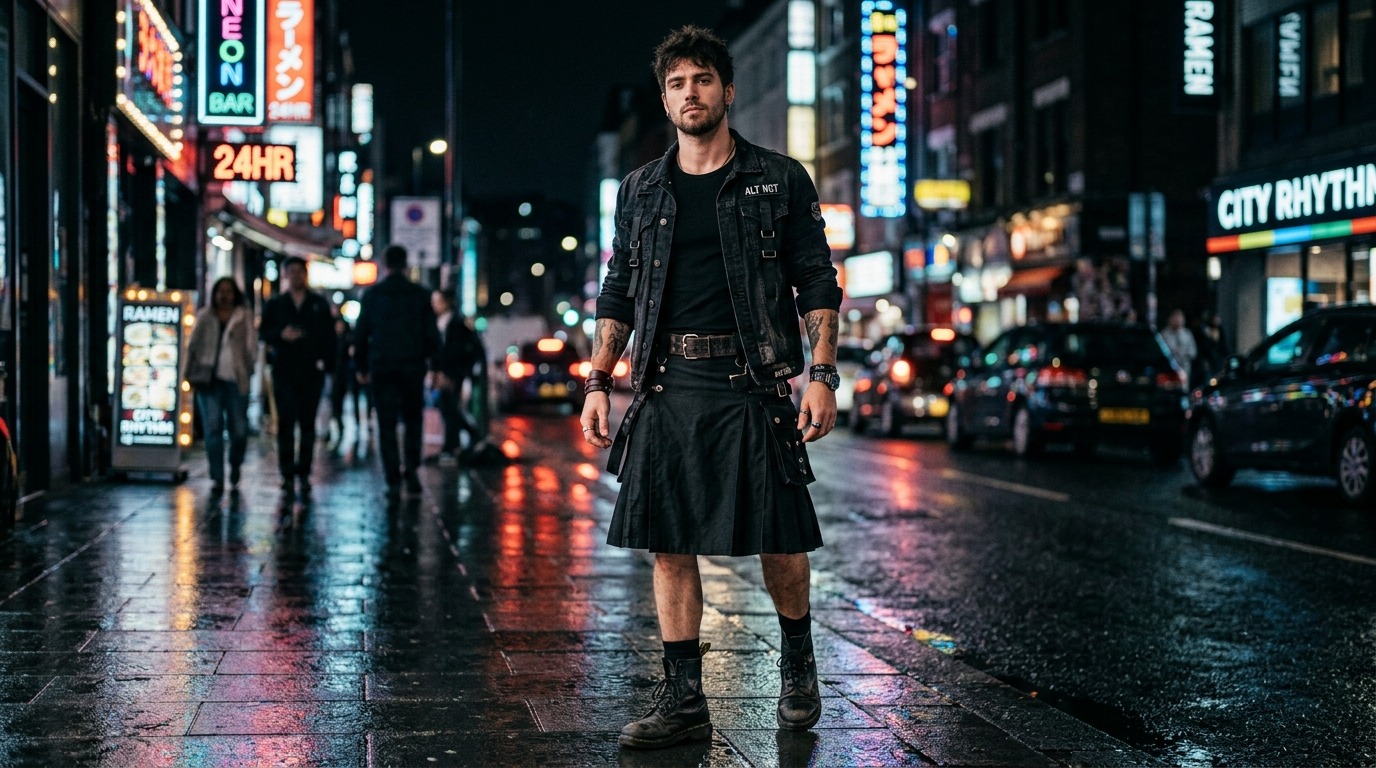
The line between “guy in a cool modern kilt outfit” and “guy in a costume” is thinner than most first-time rock kilt buyers realize. Cross it and you’re committed to looking like you walked out of a fantasy convention or a cosplay photoshoot. Stay on the right side and you have one of the most distinctive modern men’s looks available — drawing real visual power from alternative kilt aesthetics without any of the embarrassment.
The rock kilt is the modern alternative kilt category designed specifically to occupy that space. Heavy fabric, dark colors, hardware accents, modern construction — all the visual elements that make a kilt feel current rather than heritage-bound. Done right, it’s one of the boldest mainstream men’s fashion choices available in 2026. Done wrong, it becomes a permanent reminder of why your friends warned you.
Here’s the honest 2026 buying guide for the best rock kilt purchases plus how to build a modern kilt outfit that lands on the right side of that line.
What a Quality Rock Kilt Looks Like in 2026
The market has matured significantly since rock kilts first emerged. The best 2026 versions share specific construction characteristics:
Fabric choices:
- Heavy canvas or duck cloth (most common, most durable)
- Heavy cotton denim (for textural variation)
- Wool blends with technical reinforcement (premium category)
- Sometimes leather trim panels (use sparingly — see “what to avoid”)
Color palette:
- Black (most versatile)
- Charcoal grey
- Deep navy
- Dark earth tones (olive, deep brown)
- Occasionally oxblood or burgundy (statement variant)
Hardware:
- Antique-finished or matte black metal preferred over polished chrome
- D-rings positioned away from contact zones
- Quality buckles that operate cleanly
- Avoid excessive studding or chains
Construction:
- Pleated back like traditional kilts
- Apron-front design
- Side buckle adjustment system
- Reinforced waistband
- Some include cargo pockets (utility-style); others prioritize cleaner silhouette
A quality 2026 rock kilt typically falls in the $150-$280 range. Below $130, you’re usually getting compromised materials. Above $300, you’re paying for prestige rather than meaningful construction upgrades for most buyers.
The Costume Line: Where Most First-Timers Fail
Understanding what causes a rock kilt outfit to read as costume is the most important thing in this entire guide.
The mistakes that cross the line:
1. Layering too many alternative pieces simultaneously.
A rock kilt + leather harness + fingerless gloves + chains + studded belt + heavy boots = costume. Pick one or two strong supporting pieces.
2. Wearing knee-high lace-up boots.
Mid-calf is the maximum boot height that reads as modern.
3. Adding visible weapons or weapon-themed accessories.
No prop swords. No sword belts.
4. Intentionally messy hair and beard styling.
Clean grooming is what separates a real-life version of the alternative aesthetic from the costume version.
5. Multiple competing leather elements.
Leather kilt panel + leather harness + leather wrist cuffs = leather chaos.
6. Theatrical poses or expressions.
Wearing a rock kilt while attempting a “warrior stare” crosses the line instantly.
The pattern: rock kilts work when treated as serious modern menswear with one bold element (the kilt itself). They fail when treated as a foundation for a complete alternative-fantasy outfit.
Building a Modern Kilt Outfit That Works
Here are three specific outfit formulas that consistently land on the right side of the costume line.
Formula 1: Modern Streetwear
- Black or charcoal rock kilt
- Plain black long-sleeve fitted T-shirt or henley
- Mid-calf black combat boots or Chelsea boots
- Black leather belt over kilt waistband
- Optional: simple silver chain necklace
- Clean grooming
Formula 2: Layered Texture
- Charcoal or earth-tone rock kilt
- Dark grey henley underneath
- Open dark wool overshirt or shacket (sleeves rolled)
- Brown leather belt
- Brown leather ankle boots
Formula 3: Smart Alternative
- Black rock kilt (cleaner version with minimal hardware)
- Black button-down shirt (sleeves rolled, top button undone)
- Black leather belt with simple buckle
- Black ankle leather boots
- One restrained silver accent
Where to Wear a Rock Kilt Outfit

Best contexts:
- Concerts, especially rock, metal, alternative, or folk-metal
- Alternative venues and bars with character
- Late-night dinners at moody restaurants
- Photography shoots and creative work events
- Themed events where modern alternative dress is welcome
- Fall and winter casual urban wear
Worst contexts:
- Traditional Scottish weddings
- Corporate office environments
- Family events with conservative older relatives
- Highland Games (cultural mismatch)
- Hot summer days
- Beach or pool contexts
The rock kilt is a specific tool for specific contexts.
What to Avoid in Rock Kilt Construction
Avoid:
- Excessive chains and metal hardware
- Heavily studded designs
- Bright accent colors
- Lightweight fabric that doesn’t drape properly
- Tartan-printed patterns claiming heritage authenticity
Look for:
- Substantial fabric weight that drapes well
- Restrained hardware in matte or antique finishes
- Solid colors or subtle dark patterns
- Proper kilt construction (pleated back, apron front)
The Complete Modern Kilt Outfit Investment
If you’re starting from zero, the buying order should be:
- The rock kilt itself ($180-$250)
- Black mid-calf boots ($120-$200)
- Two solid color long-sleeve tops ($60-$100)
- Dark leather belt ($40-$80)
- Compression shorts ($30-$50)
Total investment: $580-$980 for a complete rock kilt rotation.
Frequently Asked Questions
Is a rock kilt considered a “real” Scottish kilt?
No. Rock kilts are a modern alternative kilt category, not heritage Scottish wear. Don’t wear them to traditional Scottish events.
Can I wear a rock kilt to a wedding?
Generally no for traditional weddings. For alternative-themed weddings, a smart-styled rock kilt outfit can work.
Do I need underwear with a rock kilt?
Yes. Compression shorts or boxer briefs are the practical choice.
Can I machine-wash a rock kilt?
Most quality canvas rock kilts: yes, on cold. Verify with the manufacturer.
What’s the difference between a rock kilt and a utility kilt?
Rock kilts emphasize aesthetic. Utility kilts emphasize practicality.
Will rock kilts go out of style?
The general category of modern alternative kilts is well-established. Choose timeless construction for longest-term wearability.
A quality rock kilt in 2026 sits at the intersection of modern menswear and alternative fashion in ways that almost no other men’s clothing can match. The trick is wearing it like real clothes, not a costume. Pick one supporting piece. Stay restrained on hardware and accessories. Skip the fingerless gloves. Build a kilt outfit that looks like considered modern menswear with a kilt instead of pants — not like a Comic-Con escapee. Get this right and you have one of the strongest casual men’s looks available.


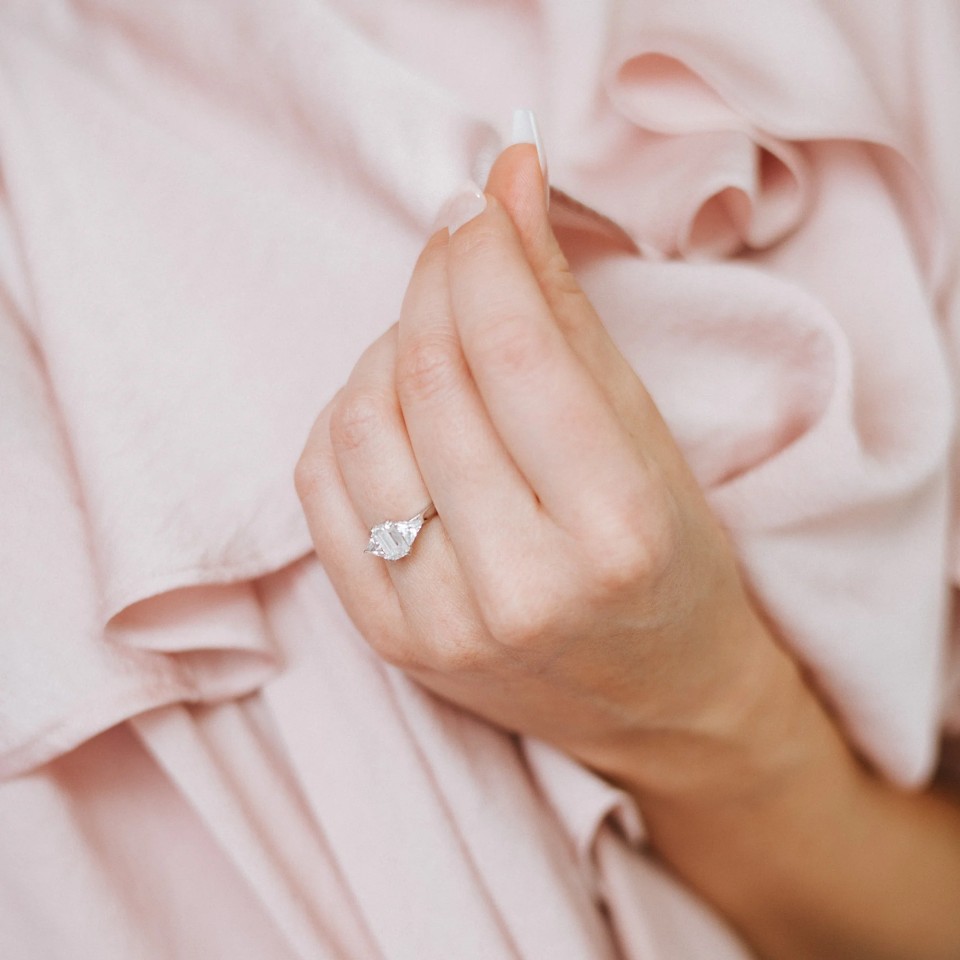
Engagement ring preferences continue to evolve as more brides seek jewelry that feels personal and effortless. Many no longer focus only on traditional designs. Instead, they look for rings that fit their everyday style while still feeling special. This shift has increased interest in sterling silver engagement rings.
Sterling silver offers a clean appearance that pairs well with modern fashion. Its bright finish complements a wide range of gemstones and settings. Brides who appreciate understated elegance often find silver rings easier to wear daily. The simple look allows the center stone to remain the main attraction.
Best Features That Make Sterling Silver Stand Out
One reason silver remains popular is its versatility. It works equally well with classic and contemporary ring designs. Whether paired with a minimalist solitaire or an artistic setting, the metal adapts naturally to different styles.
Another advantage is its timeless appearance. Trends change regularly, but silver maintains a refined look year after year. This makes it attractive to brides who want jewelry that feels current without becoming outdated.
How Fantasy Inspired Jewelry Influences Modern Ring Design
Many engagement ring designs now borrow ideas from fantasy inspired jewelry. Nature themes, celestial details, and mythical elements have become increasingly common. These influences create rings that feel imaginative while remaining elegant enough for everyday wear.
Brides are often drawn to subtle fantasy details rather than dramatic designs. Leaf patterns, moon motifs, and intricate metalwork add personality without overwhelming the ring. The result feels unique while still maintaining a sophisticated appearance.
Top Nature Inspired Design Elements
Nature remains one of the strongest influences in engagement jewelry. Vine patterns, floral details, and branch inspired settings add texture and character. These elements create a connection between the ring and the natural world.
Many designers combine these details with simple silver bands. The contrast between organic shapes and clean metal surfaces creates balance. This approach works especially well for brides who appreciate artistic craftsmanship.
Best Celestial Themes for Modern Rings
Celestial designs continue attracting attention among brides who want something different. Crescent moons, stars, and constellation inspired accents create visual interest. These details can be incorporated into the band, setting, or side stones.
Silver naturally complements celestial themes because of its bright appearance. The combination creates a subtle connection to moonlight and the night sky. This makes the overall design feel distinctive without becoming overly decorative.
Top Sterling Silver Ring Settings for Minimalist Brides
The setting often determines the overall personality of a ring. Minimalist brides usually prefer designs that focus on clean lines and balanced proportions. Simple settings allow the gemstone to remain the centerpiece, which is why many sterling silver engagement rings feature understated yet elegant settings.
Solitaire settings remain one of the most popular choices. A single stone placed on a polished silver band creates an elegant look. This design works with nearly every gemstone shape and complements a wide variety of personal styles, making it a timeless option for sterling silver engagement rings.
Best Bezel Settings for Everyday Comfort
Bezel settings continue gaining popularity among modern brides. The metal surrounds the gemstone and creates a smooth, secure appearance. This style offers a sleek look while reducing exposed edges around the stone.
Many people appreciate bezel settings because they feel practical. The clean lines fit perfectly within minimalist jewelry trends. They also create a contemporary appearance that pairs well with silver bands.
Why Hidden Details Are Becoming Popular
Many modern engagement rings include small details visible only upon closer inspection. Hidden gemstones, engraved patterns, and symbolic accents add meaning without changing the overall appearance. These features help make each ring feel personal.
Brides often appreciate these subtle additions because they create individuality. The ring remains simple from a distance while revealing extra character up close. This balance appeals to those who prefer understated jewelry.
Choosing Gemstones That Complement Silver
The gemstone plays a major role in defining the final look of an engagement ring. Clear stones remain popular because they enhance the bright appearance of silver. Their sparkle creates a clean and refined aesthetic.
Colored gemstones are also becoming common choices. Soft blue aquamarine, green moss agate, moonstone, and sapphire all pair beautifully with silver settings. These stones add personality while maintaining elegance.
Best Gemstones for Fantasy Inspired Styles
Certain gemstones naturally align with fantasy inspired jewelry themes. Moonstone is often selected because of its glowing appearance. Moss agate appeals to nature lovers due to its unique internal patterns.
Aquamarine creates a soft and dreamy look. Opal introduces flashes of color that change in different lighting conditions. Together, these gemstones help create rings that feel imaginative and distinctive.
Top Ways to Personalize an Engagement Ring
Personalization has become one of the most important aspects of modern jewelry. Many couples want rings that reflect their story rather than following standard designs. Small custom details can create meaningful results.
Engravings remain one of the most popular options. Dates, initials, and short messages add sentimental value. Some couples also choose custom gemstone combinations that hold personal significance.
Creating a Ring That Matches Your Lifestyle
A beautiful ring should also fit daily life. Brides with active routines often prefer settings that offer additional protection for the gemstone. Simpler designs can make maintenance easier while preserving elegance.
It is also helpful to consider long term comfort. The width of the band, setting height, and overall weight all influence wearability. Selecting a design that balances appearance and practicality helps ensure lasting satisfaction.
Why Minimalist Engagement Rings Continue Growing in Popularity
Minimalism has become more than a design trend. Many people appreciate jewelry that feels intentional rather than excessive. Clean shapes and thoughtful details often create a stronger visual impact than heavily decorated pieces.
Sterling silver engagement rings fit naturally within this approach. Their simplicity allows craftsmanship and design to take center stage. Combined with carefully selected gemstones and subtle fantasy influences, they offer a modern alternative to traditional engagement rings.
Final Words
The appeal of sterling silver engagement rings comes from their balance of simplicity, beauty, and versatility. They suit brides who appreciate clean design while still allowing room for personal expression. Whether inspired by nature, celestial themes, or minimalist aesthetics, silver creates a strong foundation for meaningful jewelry.
Elements borrowed from fantasy inspired jewelry add creativity without sacrificing elegance. Together, these styles create engagement rings that feel modern, personal, and timeless.
FAQs
Are sterling silver engagement rings suitable for daily wear?
Yes. With proper care and regular cleaning, sterling silver can be worn daily.
What gemstones look best with sterling silver?
Aquamarine, moonstone, sapphire, moss agate, and clear gemstones pair well with silver.
What is fantasy inspired jewelry?
It is jewelry influenced by themes such as nature, mythology, celestial symbols, and imaginative designs.
Do minimalist engagement rings go out of style?
No. Minimalist designs remain popular because of their timeless and versatile appearance.
Can sterling silver engagement rings be personalized?
Yes. Engravings, custom settings, and gemstone choices can make a ring unique.

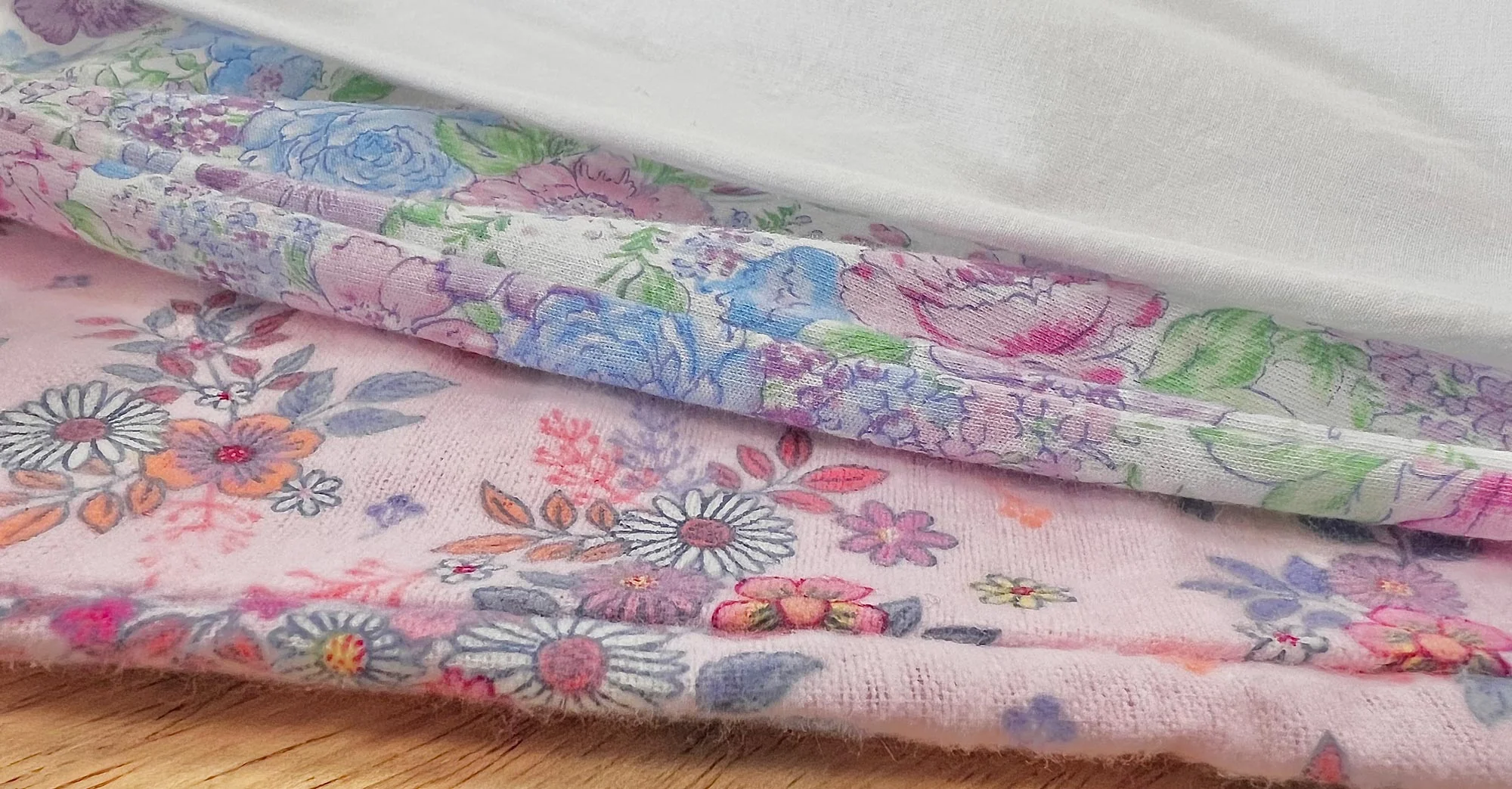
Sleepwear is often treated as an afterthought, but it is one of the most frequently worn categories in a wardrobe. It is what people reach for at the end of long days, during slow mornings, while travelling, after showers and on weekends at home. For that reason, good sleepwear should do more than look attractive. It should feel comfortable, move easily and suit the way someone actually rests.
In recent years, shoppers have become more thoughtful about what they wear at home. Comfort still matters most, but there is also a growing interest in pieces that feel polished, soft and versatile. Sleepwear is no longer only about going to bed. It is also about winding down, creating a sense of routine and feeling put together in private moments.
Good sleepwear should combine comfort, breathability, softness and ease of movement. The best pieces are not the ones saved only for special occasions, but the styles worn repeatedly because they feel good on the body. A practical sleepwear drawer may include lighter options for warm nights, softer layers for cooler weather and easy pieces that can also work for relaxed mornings at home. For many shoppers, investing in better sleepwear is less about luxury and more about daily comfort.
Why sleepwear deserves more attention
Most people spend a significant part of their week in sleepwear, yet it is often replaced less often than everyday clothing. Old T-shirts, stretched waistbands and uncomfortable fabrics can become the default simply because they are familiar. However, comfort at home can have a real impact on how someone relaxes.
The right sleepwear helps signal the transition from work, errands and daily responsibilities into rest. It does not need to be elaborate. A soft nightie, breathable pyjama set or comfortable robe can make the evening feel more settled and intentional.
This is especially relevant for people with busy schedules. When life is full, small routines matter. Changing into comfortable sleepwear can become one of those small but meaningful habits that support rest and recovery.
Comfort is more than softness
Soft fabric is important, but it is not the only factor that makes sleepwear comfortable. Fit, temperature, movement and personal preference all matter. Some people prefer loose nighties that do not cling. Others like pyjama sets with a gentle waistband. Some want lightweight pieces for warmer nights, while others prefer more coverage and layers.
Good sleepwear should allow the body to move naturally. It should not twist uncomfortably, dig into the waist, pull at the shoulders or feel too restrictive when sitting, sleeping or lounging. This is where fabric and cut work together.
A well-chosen collection such as https://illusionslingerie.com.au/collections/sleepwear gives shoppers a more practical way to compare options based on how they actually sleep and relax, rather than treating sleepwear as one generic category.
Choosing sleepwear for different seasons
Australian weather can make sleepwear selection more varied than people expect. Hot nights call for breathable, lighter pieces that feel cool against the skin. Cooler evenings may require longer sleeves, warmer fabrics or layering pieces that make relaxing at home more comfortable.
A useful sleepwear drawer often includes a mix of options. One lightweight piece may suit summer nights, while a softer, more covered style may work better during winter. Travellers may also prefer pieces that pack easily and feel comfortable in different climates.
Rather than buying sleepwear only by appearance, shoppers should think about how it will be worn across the year. The most beautiful piece may not be the most useful if it is too warm, too delicate or too restrictive for regular use.
The role of fit in sleepwear
Fit is sometimes overlooked in sleepwear because shoppers assume it does not matter as much as it does in bras or shapewear. But fit still plays a major role in comfort. A waistband that rolls, straps that fall down or fabric that pulls across the bust can quickly make a garment annoying to wear.
The best sleepwear sits comfortably without needing constant adjustment. It allows room for movement while still feeling flattering. It should support the wearer’s preferred sleep style, whether that means loose and flowing, softly fitted or layered.
This is one reason specialist lingerie and sleepwear retailers remain useful. They understand that comfort is personal. A piece that feels perfect for one person may not suit another, even if both are technically the same size.
The connection between sleepwear and confidence
Sleepwear is private clothing, but that does not make it unimportant. What people wear at home can affect how they feel in their own space. Comfortable, well-chosen sleepwear can make someone feel more relaxed, more put together and more at ease.
This is not about dressing for anyone else. It is about feeling good in daily routines. A piece can be simple and still feel beautiful. It can be comfortable and still feel considered. The best sleepwear often sits at that intersection.
For many shoppers, upgrading sleepwear is one of the easiest ways to improve a wardrobe because the benefit is immediate. The piece is used often, felt directly on the skin and connected to rest.
The takeaway
Sleepwear may seem like a small category, but it plays a meaningful role in everyday comfort. The right pieces help people unwind, sleep more comfortably and move through home routines with ease.
A good sleepwear collection should offer more than decorative options. It should help shoppers find pieces that suit their climate, body, lifestyle and personal comfort preferences. When chosen well, sleepwear becomes one of the most reliable parts of a wardrobe — not because it is seen by many people, but because it is worn during the moments when comfort matters most.
Quick Summary
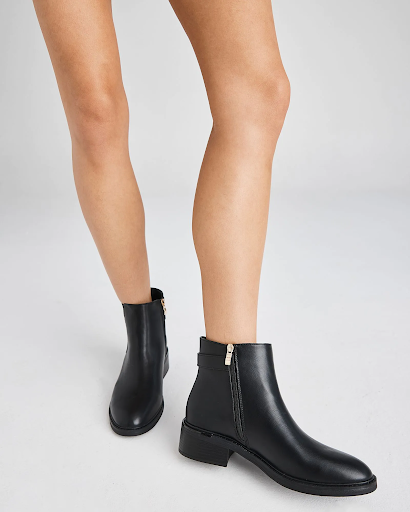
- Some shoes only work for certain outfits. Black boots don’t. They fit easily into everything from casual weekend looks to more polished outfits.
- There’s a reason black keeps showing up in fashion. It often gives an outfit a more put-together feel without demanding attention.
- As more people move towards buying fewer, better pieces, footwear that works across different occasions is becoming a smarter choice.
- Trends change fast. Really fast. Yet some styles keep finding their way back into wardrobes because they simply make getting dressed easier.
- For shoppers who are tired of buying shoes that end up sitting unworn at the back of the closet, this kind of long-term wearability can make a real difference.
- Their popularity isn’t hype. It’s a mix of practical need and genuine style appeal.
Walk into almost any wardrobe. Look at what women actually wear during autumn and winter. One item keeps showing up.
It’s not the trendiest shoe of the season. It’s not always the most expensive either.
Yet they keep coming back to black boots. Year after year.
So what’s actually going on here? Why does a relatively simple footwear choice keep earning recommendations from stylists, editors, and industry insiders? The honest answer has less to do with trends and a lot more to do with psychology, practicality, and the way people are rethinking their wardrobes today.
A Long History of Practical Style
Fashion moves in cycles. But some items stick around because they actually solve problems.
Boots have been part of everyday wardrobes for centuries, originally valued for durability and protection before eventually becoming a symbol of status and personal expression. Black added another layer entirely.
Across cultures and across history, black has carried an association with authority, intention, and a certain quiet refinement. It shows up in formalwear, professional dress codes, and everyday outfits because it just works.
When you combine that with footwear, the result is something genuinely adaptable. Black boots don’t need a specific trend to justify their place in an outfit. That’s a rare quality in fashion, and it’s one reason experts keep pointing to them.
The Psychology Behind the Colour Black
Colour affects how we’re perceived. That’s not a style opinion; it’s well-documented in consumer behaviour research.
Black tends to read as confident, capable, and put-together. These aren’t just vibes. They influence first impressions in real, tangible ways, whether you’re walking into a meeting, a dinner, or just running errands.
Think about how much mental energy goes into getting dressed some mornings. You’re tired, you’re rushing, and you just need the outfit to work. That’s where versatile pieces earn their place.
Minimalism Has Changed What People Actually Want
Over the past decade, many shoppers have quietly stopped chasing trend cycles. Not out of disinterest in fashion, but out of frustration with the constant churn of buying things that only work for one season.
Minimalism isn’t about owning less. It’s about owning things that actually pull their weight.
Black boots fit into that shift naturally. They go with denim, tailoring, knitwear, dresses, or casual layers. You don’t need multiple pairs for different settings because one good pair handles most of them. That kind of flexibility is genuinely useful in daily life, especially when most people are dressing for a mix of the office, social plans, and everything in between on the same day.
Sustainability Has Added Another Layer to the Conversation
More people are asking harder questions before they buy. Will this work with what I already own? Will I still want it next year? Is this actually worth what I’m spending?
These questions naturally favour footwear with staying power. A shoe that earns its place across multiple seasons, occasions, and outfits is almost always a better buy than something tied to a single trend window.
Black boots hold up well under that kind of scrutiny. They’re not an impulse purchase dressed up as a staple. They genuinely are one.
What Women Are Actually Looking For
Recommendations vary depending on personal style and taste, but there are a few things women look for in reliable footwear.
- Versatility across different outfit types
- Comfort for real, all-day wear
- Neutral colours that don’t create extra styling work
- Durable construction that holds up over time
- Relevance that doesn’t expire when the season does
None of those criteria is trend-based. They’re all about showing up for real life. Which might be the most honest explanation for why black boots keep getting recommended despite everything that comes and goes in fashion.
Final Thoughts
The fact that black boots keep showing up in wardrobes year after year probably says more about people’s shopping habits than it does about fashion trends. Before buying anything new, it’s worth asking a simple question: will this still earn a place in my wardrobe? Maybe even next year or more than that?
If that’s the kind of approach you’re leaning towards, it’s worth exploring collections from NovoShoes AU. The focus isn’t on making dressing more complicated. It’s about finding styles that fit naturally into everyday life, which, honestly, is what most people are looking for anyway.

How to Know if an Executive MBA Is the Right Next Step for Your Career

The longevity trend everyone is talking about – and why a home recovery room might be the smartest investment you make this year

Best US Optic Brands for Reliable Firearm Optics

What Can a Handyman Actually Do? A Room-by-Room Guide for Toronto Homes

IPTV Portugal: The Complete 2026 Guide to Watching Portuguese Channels in 4K

Electric Tricycle: How Insanely Over-Built Is the Freetan M-368X, Really?

The 15 Highest-Paid Rugby Players in the World

Christopher Dare: The Untold Story of Engineer and Former Husband of Angela Rippon

How to Ensure Your Home is Valued Correctly for a Quick Sale

Nancy Hallam: The Inspiring Life, Career, and Success Story Behind Ian Wright’s Wife

Who Is Maisie Mae Roffey? The Private Life, Family Story, and Quiet Success of Julie Walters’ Daughter

Johnny Carell: Inside the Life, Family, and Rising Success of Steve Carell’s Son
The 15 Highest-Paid Rugby Players in the World
Christopher Dare: The Untold Story of Engineer and Former Husband of Angela Rippon
How to Ensure Your Home is Valued Correctly for a Quick Sale
Nancy Hallam: The Inspiring Life, Career, and Success Story Behind Ian Wright’s Wife
Who Is Maisie Mae Roffey? The Private Life, Family Story, and Quiet Success of Julie Walters’ Daughter
Johnny Carell: Inside the Life, Family, and Rising Success of Steve Carell’s Son
-
 Sports2 months ago
The 15 Highest-Paid Rugby Players in the World
-
Celebrity8 months ago
Christopher Dare: The Untold Story of Engineer and Former Husband of Angela Rippon
-
 Real Estate5 months ago
How to Ensure Your Home is Valued Correctly for a Quick Sale
-
Celebrity8 months ago
Nancy Hallam: The Inspiring Life, Career, and Success Story Behind Ian Wright’s Wife
-
Celebrity8 months ago
Who Is Maisie Mae Roffey? The Private Life, Family Story, and Quiet Success of Julie Walters’ Daughter
-
Celebrity9 months ago
Johnny Carell: Inside the Life, Family, and Rising Success of Steve Carell’s Son
-
 Business7 months ago
Simon Dixon Biography: Lifestyle, Net Worth, Family, Career and Success Story
-
 Celebrity6 months ago
Draven Duncan: Tim Duncan’s Rising Star Son and His Inspiring Basketball Journey