
Blog
How Safety Innovations Are Changing Everyday Work Environments

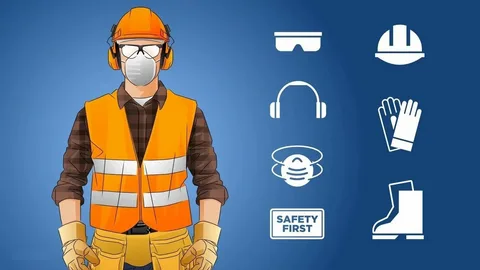
Many workers worry about hidden dangers on the job and want safer days at work. New tools like smart sensors and wearable devices spot risks early and cut accidents. This post shows simple tech and steps you can use to make your workplace safer.
Read on to see easy moves you can try today.
Emerging Safety Innovations in Work Environments
Emerging safety innovations are changing how we work. New tools, like smart devices and AI, help keep workers safe every day.
AI-Powered Risk Detection
AI systems scan cameras and sensors for hazards. These systems learn normal patterns and flag unusual events. They send real-time alerts to supervisors and workers to improve workplace safety.
Companies use this tech to cut accidents and boost employee protection. Wearable devices and environment monitoring feed data into the platform. This digital solution supports risk management, occupational health, and injury prevention.
Wearable Safety Technology
Wearable safety devices monitor worker health and site hazards. They include smart Type 2 helmets , vests, wristbands, and clip sensors. These devices collect data on movement, heart rate, and exposure to gases.
Companies use that data for real-time risk detection and injury prevention.
Smart vests and helmets send alerts to workers and managers. Sensors detect slips, falls, fatigue, and unsafe air. This wearable technology boosts employee protection and occupational health.
Workers report fewer strains and better ergonomics on sites that use wearable devices.
Internet of Things (IoT) for Connected Safety
Sensors on machines and in work areas send real-time data to safety platforms. This IoT network powers hazard detection, environment monitoring, and faster risk management. Smart badges and sensors link with wearable devices to track worker location and vital signs.
Managers get instant alerts for gas leaks, slips, or heat stress. Digital solutions log events and help meet safety regulations and occupational health goals. Next, explore how training uses VR, AR, and predictive analytics.
Enhancing Safety Training Through Technology
Technology is changing how we train for safety. Virtual reality and augmented reality make learning fun and realistic.
Virtual Reality (VR) and Augmented Reality (AR) Solutions
VR and AR solutions enhance safety training in work environments. Workers can practice skills in a secure setting. They can learn how to manage dangerous situations without real risks.
VR immerses users in realistic scenarios, allowing for practical experience. AR enriches the real world with digital information. This helps workers identify hazards as they train.
These tools make learning engaging and effective. Employees retain lessons better when they use these technologies. Companies that utilize VR and AR report fewer accidents on the job.
Safety training becomes more than just reading manuals or watching videos; it transforms into active participation, which increases confidence in managing emergencies.
Predictive Analytics for Accident Prevention
Predictive analytics helps prevent accidents by analyzing past data. It finds patterns and trends in workplace incidents. This information makes it easier to spot risks before they cause harm.
For instance, if certain tasks lead to injuries, employers can change those practices quickly. They can also provide extra training where needed.
Investing in workplace safety technology not only enhances employee well-being but also fosters a culture of accountability and vigilance.
Using predictive tools allows companies to take action early. They can send alerts about potential hazards right away. Improved monitoring of safety practices leads to healthier work environments.
Employees feel safer knowing their well-being is a priority at work. Data-driven insights support better planning for injury prevention and risk management strategies too.
Benefits of Safety Innovations
Safety innovations bring many advantages to workplaces. They help detect hazards in real-time and alert workers quickly, making environments safer for everyone.
Real-Time Hazard Detection and Alerts
Real-time hazard detection and alerts are game changers in workplace safety. They help companies spot dangers quickly and keep workers safe.
- Sensors detect hazards like gas leaks or high temperatures instantly. These devices send alerts to workers, helping them respond swiftly.
- Mobile apps allow employees to report hazards on the spot. Workers can take photos or write descriptions, making it easier to address issues right away.
- AI analyzes data from past accidents and current conditions. This information helps identify potential risks before they become serious problems.
- Alerts can be sent directly to employees’ smartphones or wearable devices. Quick notifications keep everyone informed, even in busy environments.
- Integration with existing safety systems enhances effectiveness. Real-time data can work alongside safety protocols and equipment for better protection.
- Cloud technology stores hazard data securely and accessibly. This allows safety teams to review past incidents and improve response plans over time.
- Regular updates ensure that all systems remain effective against new threats. Keeping technology current helps maintain worker protection at all times.
- Training programs can adapt based on real-time data feedback from workers. This ensures that safety training stays relevant to the conditions faced daily.
These innovations greatly impact employee well-being by focusing on prevention through quick action and accurate information sharing in work environments.
Improved Worker Well-Being and Ergonomics
Real-time hazard detection and alerts help create safer workplaces. Improved worker well-being comes from better ergonomics. Ergonomics focuses on fitting the workplace to the worker’s needs.
This means designing tools and workstations that keep employees comfortable.
With new safety technology, workers can enjoy a healthier environment. Wearable devices monitor body posture and physical strain. These gadgets send alerts when someone is at risk of injury or fatigue.
By reducing strain, companies boost productivity and morale. This helps everyone perform better at their jobs while staying safe and healthy.
Challenges in Implementing Safety Innovations
Implementing safety innovations can be costly. Many workers may resist new changes, which can slow down progress.
High Costs of Adoption
New safety tech can cost a lot.
| Challenge | What It Means | Quick Tip |
| Upfront costs | Buying sensors and devices raises capital needs. | Buy in phases to spread expenses. |
| Subscription fees | Cloud platforms often charge monthly or yearly. | Compare plans before you sign. |
| Integration work | Existing systems may need retooling or adapters. | Assess compatibility first. |
| Training time | Workers need practice with new tools. | Run short, focused sessions. |
| Ongoing support | Repairs and vendor help add cost over time. | Negotiate support terms up front. |
| Data security | Protecting data may require extra software. | Audit risks before rollout. |
| Return timeline | Cost savings can take months or years. | Set realistic ROI milestones. |
| Funding options | Grants, leases, and pilot programs can help. | Speak with finance early. |
Resistance to Change in the Workplace
Workers often resist change in the workplace. They may fear new technology will disrupt their routines. Some worry they will lose their jobs or struggle to learn new skills. This can create a barrier to adopting safety innovations.
Leaders can help ease this resistance. Clear communication is key. Training sessions can show workers how technology improves safety and efficiency. Involving employees in the process encourages acceptance and boosts morale.
A supportive work culture helps everyone embrace change together.
Conclusion
Safety innovations are changing how we work every day. New tools help us spot risks before they become problems. Wearable devices keep employees safe and healthy. Training in virtual reality makes learning fun and effective.
These changes make work better for everyone, ensuring safety is always a priority.


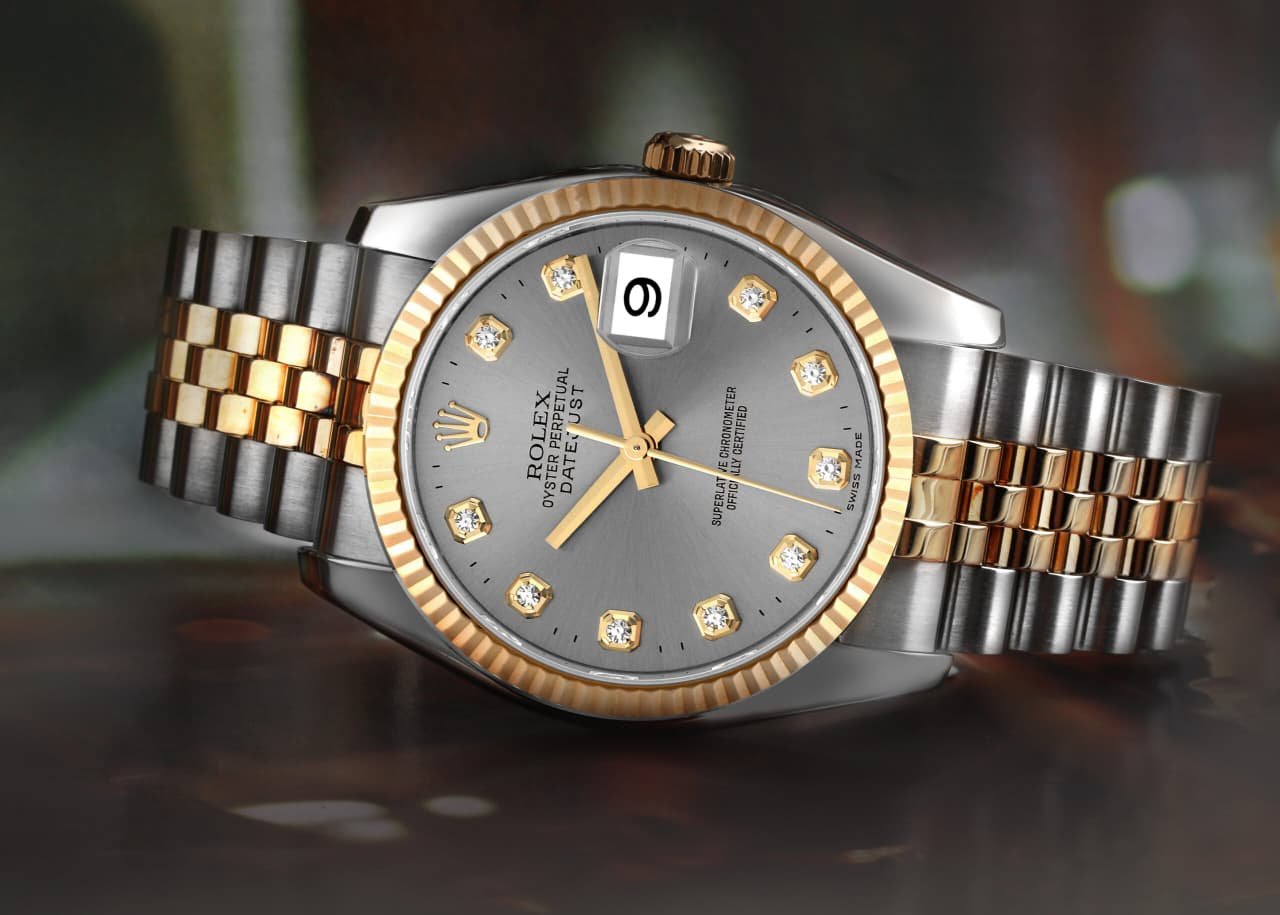
Most collectors call the Jubilee the dress option and the Oyster the daily beater. Long-term wear with both can suggest the opposite: the Jubilee is often the easier bracelet to live with on a modern Rolex watch.
It was built for daily wear from the start
Rolex introduced the Jubilee in 1945 with the Datejust, around the brand’s 40th anniversary. The bracelet and watch were paired from the start, and that pairing has continued ever since. For more than eighty years, the same five-piece pattern has remained in the catalogue, with gradual updates to materials, construction and clasps. A look through the back catalogues shows the same narrow centre rows and wide outer rows returning year after year, with changes in profile and finish across references and generations.
A Datejust on a Jubilee was intended to be worn each day rather than saved for events. The case size was modest and the links sat smoothly against the skin. That brief still suits how many people wear a Rolex watch now. The same piece may have to handle work, errands and dinner without a bracelet swap. The Jubilee was designed for that mixed day, with articulated links and rounded edges that can sit comfortably against the wrist. After decades of office use and travel, experienced watchmakers are also familiar with its common wear points and servicing needs, though parts availability depends on the bracelet’s age and reference. It is a metal bracelet suited to office hours and weekends alike.
Plenty of bracelet designs have faded over that span. The Jubilee has remained in production, and its long run reflects its enduring appeal as an option for regular use.
Comfort comes down to link geometry
The Jubilee has five links across each row. Two wide links sit on the outside, while three narrow links fill the centre. That arrangement allows each row to bend through several smaller sections instead of moving like a flatter three-link Oyster. As a result, it can stay close to the skin rather than bridging over the wrist bone. Anyone who has worn both for ten hours straight may notice how the extra articulation spreads the load across small steps instead of pressing one firm line down the middle.
Weight spreads across the bracelet rather than sitting mainly on two edges. That can help on warm days when the wrist swells slightly, as well as at a desk when the wrist rests on a table for hours. There may be less need to cinch the clasp tight to prevent sliding, and some owners wear it a notch looser than an Oyster for that reason. Because the curve follows the wrist bone rather than resisting it, pressure can remain low while typing with the case close to the desk. Small spaces between the links also allow some air to move beneath the bracelet, although comfort will still depend on fit, wrist shape and conditions.
Wrist time often reveals more about comfort than spec sheets.
Solid construction changed the old story
Old Jubilees earned a mixed reputation for stretch. Many earlier versions used folded or hollow components, and their pins could wear small grooves inside the links over years of use. The bracelet gradually became longer and began to sag at the sides. Anyone who shops for vintage Rolex watches may have seen that familiar droop. After extended daily wear without appropriate maintenance, side play could increase until the bracelet felt tired and loose on the wrist. That flaw was real on heavily worn examples, and it understandably discouraged some buyers from choosing a Jubilee for daily use.
Later examples are built differently. Solid links and end links, where fitted to the relevant reference, give the bracelet a tighter and more substantial construction, while closely fitted pins reduce initial play. Rolex introduced these changes progressively rather than applying them to every Jubilee at one moment, with many references moving towards solid end links and solid-link construction during the 2000s. Wear still occurs over decades because metal-on-metal contact will always leave some evidence. Even so, a well-maintained later Jubilee should generally resist the rapid loosening associated with neglected vintage examples. Shake a well-kept bracelet gently and it should feel controlled, without the pronounced rattle found on some older, heavily worn pieces.
The steel helps as well. Current Rolex steel bracelets use Oystersteel, Rolex’s name for the 904L-family alloy it uses. It offers strong corrosion resistance when exposed to ordinary sweat and rain, retains its finish well with suitable care and requires no oil or protective coating. Salt, soap and similar residue should be rinsed away before the bracelet is dried. For something that sits against the skin for eight to twelve hours each day, that resistance makes routine care simpler, although regular cleaning is still worthwhile.
Fit, end links and getting a fresh start
Fit determines how a Jubilee feels. Each reference has a specified lug width, and compatible bracelets use end links shaped to match the relevant case. When those end links fit the case correctly, the assembly can feel planted and quiet during typing or driving. Aftermarket options vary widely in quality and fit, so they need to be assessed individually rather than dismissed as a group. There should be no excessive side-to-side movement or unintended visible gap at the lugs.
A tired bracelet does not necessarily write off the watch. The Jubilee remains in production, while replacement or period-compatible examples may be available through Rolex, specialist dealers or shops familiar with the brand, depending on the watch’s age, reference and current parts supply. If an older Datejust has a loose or worn-out bracelet, a rolex jubilee bracelet made for its lug width and specific case may restore a tighter, quieter feel on the wrist. Confirm the end-link code and overall compatibility against the case, and check the clasp code if period correctness matters. Depending on the models involved, replacing or repairing the bracelet may cost less than trading the watch head for a newer piece.
The watch and bracelet should move together without excessive play. Poorly matched metal straps can struggle to create that sense of unity, while a suitable alternative may work well if its dimensions and end links are correct. A properly fitted Jubilee should remain stable without binding against the case. That secure feel can help the watch disappear into the day.
Small adjustment that helps each day
Wrists change size during the day, often growing slightly by afternoon before shrinking again in cooler conditions. Heat and a long walk can add enough swelling to make a fixed bracelet uncomfortable. It is difficult to account for that change first thing in the morning, so some room for adjustment matters. Anyone moving between cold offices and hot streets may recognise how a comfortable morning fit can feel tight by three in the afternoon, even though nothing about the watch has changed.
On Rolex references fitted with it, the Easylink comfort extension helps accommodate that variation. Opening the clasp allows the extension to provide 5mm of space without tools, and it can be folded back when the wrist settles. There is no pin to push and no need to visit a shop for each adjustment. That small range is often enough to relieve afternoon pressure. Since the link folds inside the clasp, the bracelet’s appearance remains largely unchanged and the extra length feels integrated into the design. Clasp and adjustment systems vary by model, reference and production period, so not every modern Jubilee includes Easylink.
It is a useful daily feature where fitted. Frequent flyers may choose to open it before or during a flight and close it later, once their hands cool and return to their usual size. It can also remain open on hot summer evenings. That convenience can keep the watch comfortable on the wrist rather than leaving the wearer looking for somewhere safe to put it.
One bracelet that dresses up or down
The Oyster looks flat and bold, which suits a tool-watch style. The Jubilee appears finer because of its narrow centre rows and catches the light in small flashes. That difference leads many buyers to classify it as a dress-only option. Daily wear can tell a broader story. In person, the five-piece rows often read as texture rather than excessive shine, allowing the bracelet to sit comfortably beside a shirt cuff or a plain tee.
Rolex has offered the Jubilee on versions of the GMT-Master II for years. That is a travel watch with a 24-hour bezel, associated with changing time zones and long days rather than life in a safe. On a Jubilee, it can still look appropriate with a tee and trainers. Add a jacket on Monday and it works again. The same applies to a Datejust moving between desk work and weekend chores. Since the GMT-Master II is designed as a travel watch, its availability on a Jubilee supports the bracelet’s use beyond formal or office settings. Many owners will find no need to change straps for each dress code.
The clasp also supports that versatility, although the design depends on the reference. Some Jubilee-equipped models use a concealed Crownclasp that folds beneath the links, while others use a visible Oysterclasp or another configuration. With a Crownclasp, the wearer sees an almost uninterrupted line of metal rather than a large buckle. The bracelet stays visually clean from lug to lug, while the clasp hardware is integrated beneath the links. A properly functioning clasp should close securely and remain shut during normal wear, but its condition should be checked if the action feels loose or inconsistent.
Scratches and simple upkeep
Shine does have a cost. On references with polished centre links, those surfaces collect fine lines faster than the brushed outer links. An Oyster with more brushed surface area may disguise those marks more effectively. Wear the Jubilee beside cuffs with metal buttons or rest it on a hard counter, and faint hairline scratches will probably appear over time. That is normal surface wear and does not by itself indicate a weak bracelet.
Ordinary contact with water is generally not a concern for the bracelet itself, but a watch’s water resistance depends on the case, crown, seals, condition and service history rather than the bracelet. A modern Rolex with an appropriate, tested level of water resistance should tolerate rain and routine hand washing within its rated limits. Sweat and residue can be rinsed away after wear. The steel cleans up well, and the rounded rows allow water to drain from many exposed surfaces, though moisture should still be dried from between the links. The smaller articulated links may also move more easily around a cuff than broad, flat sections, but snag resistance depends on the clothing, bracelet condition and fit.
Routine upkeep takes only a few minutes. Subject to Rolex’s care guidance and the watch’s known water resistance, use warm water, a soft brush and a small amount of mild soap to clean between the links, then rinse thoroughly and pat the bracelet dry with a soft cloth. Owners who wear the watch every day can clean it as needed rather than following a fixed weekly schedule. Regular cleaning helps prevent grime from accumulating around the pins and allows the links to retain their natural movement. If deeper ultrasonic cleaning is appropriate, the bracelet should be removed from the watch and handled by a professional to avoid exposing the watch head or vulnerable components to the process.
Deep marks can wait until refinishing is worthwhile. A skilled professional can restore the intended mix of matte and polished surfaces through separate brushing and polishing stages, although every refinish removes a small amount of metal. Most owners therefore wait until the accumulated wear justifies the work. Because the centre and outer links may have different finishes, the refinisher should protect one set while working on the other so the contrast remains defined. Ask for the edges to stay crisp and the brushing to follow the original direction.
The Jubilee does not have to be treated as too precious for regular use. Wear it, clean it appropriately and have its fit and condition checked when necessary, and it can serve as a comfortable daily Rolex bracelet.

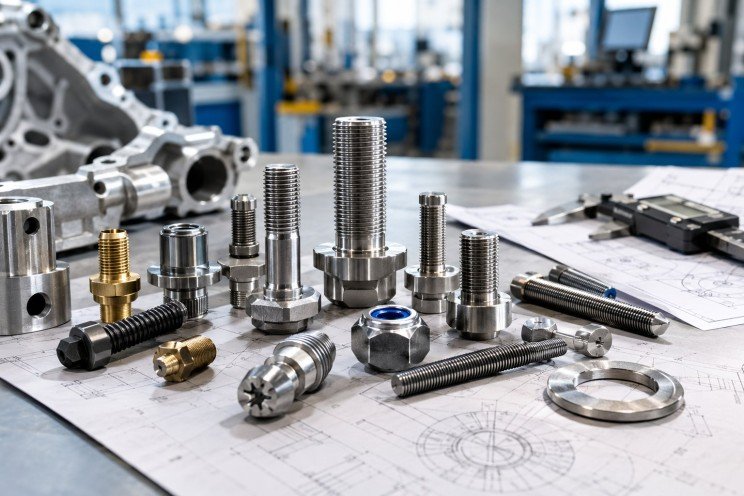
In the realm of manufacturing and assembly, achieving optimal performance and reliability often depends on the selection of the right fastening components. This is especially true for complex assemblies where conventional methods may not suffice. Specialist fastening solutions, tailored to precise requirements, play an essential role in ensuring the integrity, safety, and longevity of such assemblies.
Specialist fastening devices are designed to address unique challenges posed by materials, environmental conditions, and mechanical stresses. For organisations seeking specialty fasteners, it is crucial to understand the technical considerations that influence their selection and application.
Defining Specialist Fastening Solutions
Specialist fastening solutions are custom-engineered components that cater to specific performance requirements beyond standard fasteners. These may include bespoke shapes, sizes, materials, and surface treatments that are optimised for particular assembly conditions.
Unlike generic fasteners, these custom solutions are engineered to provide exceptional durability, resistance to corrosion, mechanical strength, and compatibility with complex materials or equipment.
Complex Assemblies and Their Challenges
Complex assemblies often integrate diverse materials such as composites, high-strength alloys, and sensitive electronic components. Fastening such assemblies demands components that can handle multifaceted stress profiles while preventing damage to adjacent parts.
Factors such as thermal expansion, vibration, exposure to harsh chemicals, and mechanical fatigue require fasteners designed with specific mechanical and chemical properties. Failure to accommodate these factors can result in component failure, operational downtime, or safety hazards.
Material Considerations in Specialist Fasteners
The choice of material for specialist fasteners is critical. High-performance alloys like titanium, stainless steel, and specialised composites offer tailored characteristics suitable for complex applications.
Material selection must also consider compatibility with the assembly environment, including exposure to moisture, solvents, and temperature extremes. Surface finishes and treatments further enhance corrosion resistance and reduce friction, extending the service life of fasteners.
Design and Engineering of Custom Fasteners
The engineering process for custom fastening solutions involves analysing load requirements, environmental factors, and material interactions within the assembly. Advanced modelling techniques facilitate the design of fasteners that can sustain dynamic loads and maintain secure joints under fluctuating conditions.
Collaboration between engineers and fastener suppliers is essential to tailor specifications that meet industry standards while addressing the specific constraints of the project.
Applications of Specialist Fastening Solutions
Industries such as aerospace, automotive, electronics, and medical devices frequently require specialist fasteners. These industries demand precision and reliability, with fasteners often subject to strict regulatory standards.
In aerospace, for example, lightweight materials combined with high-strength fasteners contribute to performance efficiency. In medical devices, biocompatibility and sterilisation compatibility dictate fastener selection.
The Role of Engineering Fasteners in Assembly Integrity
Engineering fasteners facilitate the construction and maintenance of complex assemblies by providing secure fastening mechanisms designed for specific engineering requirements. These fasteners enhance joint strength, distribute loads effectively, and minimise the risk of loosening or failure over time.
Reliable engineering fasteners incorporate design features such as locking mechanisms, thread enhancements, or customised geometries to withstand operational stresses.
Custom Manufacturing Processes
Custom fasteners undergo specialised manufacturing processes including precision machining, forging, and heat treatment. Each stage is configured to achieve stringent dimensional tolerances and mechanical properties essential for demanding applications.
Quality assurance protocols ensure that every fastener maintains consistency and meets industry certifications, guaranteeing performance under prescribed conditions.
Benefits of Using Specialist Fastening Solutions
Employing specialist fasteners in complex assemblies offers numerous benefits. These include enhanced joint security, extended operational life, reduced maintenance intervals, and improved safety standards.
Custom solutions also allow for greater design flexibility, enabling engineers to optimise assembly configurations for weight, cost, and performance.
Challenges and Considerations
While the advantages are clear, selecting and integrating specialist fastening solutions require thorough analysis. Cost implications, supply chain considerations, and compatibility with existing manufacturing processes must be evaluated meticulously.
Ongoing collaboration between designers, suppliers, and manufacturers is necessary to address these challenges successfully.
Quality Control and Testing
Robust quality control measures are vital for specialist fasteners. Testing for tensile strength, shear resistance, fatigue life, and environmental durability ensures that the fasteners meet application demands.
Non-destructive testing methods and certification processes further validate the reliability of the fastening solutions deployed within critical assemblies.
Future Trends in Specialist Fastening
Advancements in materials science and manufacturing technologies continue to drive innovation in specialist fasteners. Additive manufacturing, nanocoatings, and smart fasteners with embedded sensing capabilities represent emerging trends that offer enhanced performance monitoring and adaptability.
Partnering with Specialist Fastener Suppliers
Selecting experienced and knowledgeable suppliers is paramount to accessing high-quality specialist fastening solutions. Suppliers with engineering expertise can assist in selecting, designing, and customising fasteners to meet complex assembly requirements efficiently.
For organisations seeking reliable fastening components, collaborating with a trusted supplier ensures compliance with industry standards and access to comprehensive technical support.
Conclusion
Understanding the intricate requirements of complex assemblies highlights the vital role of specialist fastening solutions. Custom-designed fasteners tailored to specific engineering conditions provide the strength, durability, and reliability essential for high-performance applications.
Integrating the appropriate fastening technology, supported by expert suppliers, enhances assembly integrity and supports long-term operational success.


The Familiar Tools and the Gaps They Leave
Ask most people to picture a walking aid, and they will describe a wooden cane or a metal walking frame. Both have kept millions of older adults on their feet, yet the range of equipment has grown a great deal, and some of the most useful options look nothing like a traditional mobility aid. A rollator with a built-in seat, a perching stool by the kitchen counter, or a walking chair that lets the user move around the home while seated can each solve problems a cane was never designed to handle.
That matters because mobility after 70 is rarely about one single difficulty. A walking stick works well for someone with mild unsteadiness or a sore knee on one side. It takes some weight off the weaker leg and gives the brain an extra point of contact with the floor, which improves balance. What it cannot do is offer much support when legs are tired, and it keeps one hand permanently occupied.
A walking frame, often called a Zimmer frame in the UK, provides far more stability. The trade-off is that it needs both hands, has to be lifted with every step and can be awkward in narrow hallways or small bathrooms. Many people quietly develop a risky habit of leaving the frame behind so they can carry a cup of tea or a plate, which is exactly the moment a fall is most likely.
Rollators sit somewhere in between. With three or four wheels, hand brakes and usually a seat and basket, they are excellent for the high street, the park or a trip to the shops. Indoors they can feel bulky, and they demand enough grip strength to operate the brakes reliably.
The real gap appears in everyday household tasks. Cooking, washing up, unpacking shopping and reaching into low cupboards all require free hands and the ability to stay upright for several minutes. For many people over 70, fatigue rather than balance is what limits these jobs, and that is where newer types of equipment have started to fill in.
Matching the Aid to the Task, Not Just the Person
A helpful way to think about mobility equipment is to start with the activity rather than the diagnosis. Instead of asking “what walking aid do I need?”, it is often more productive to ask what happens in each room of the house and where things become difficult. The answers tend to point towards a small collection of aids, each suited to a particular setting.
In the kitchen, the challenge is usually standing still for long periods while using both hands. A perching stool lets someone lean rather than stand, and seated mobility solutions allow a person to move between the hob, the sink and the fridge without getting up each time. In the bathroom, grab rails, a shower stool and a raised toilet seat do more for safety than any walking aid could. On the stairs, a second banister or a stairlift removes the need to carry anything at all. Outside the home, a lightweight folding rollator or, for longer distances, a mobility scooter may be the better choice.
Ending up with two or three different aids is normal and sensible. The most capable manufacturers acknowledge this openly. The walking aids guide from VELA, written by one of the company’s occupational therapists, states plainly that its chair may not fully replace a rollator for trips outside the home. Instead, it presents the chair as an indoor aid that lets users move around with their feet while seated, lock the wheels with a handbrake and use an electric seat lift to reach both high shelves and low drawers. That kind of candour is useful for buyers, because it shows where a product genuinely fits instead of promising that one device will do everything.
Before buying anything, a few practical questions are worth asking. Will it fit through every doorway in the house, including the bathroom? How does it cope with rugs, thresholds and different floor surfaces? Are the brakes easy to use with stiff or arthritic hands? How much does it weigh if it ever needs to be lifted into a car? Is there a trial period or a returns policy? Testing equipment in the actual home, rather than in a showroom with smooth floors and wide aisles, often reveals problems that a product description never mentions.
Keeping Strength and Confidence While the Aids Do Their Part
A walking aid should support activity, not replace it. One of the quiet risks in later life is that equipment makes things so easy that muscles gradually weaken from lack of use. The aim is to use aids for the moments when they genuinely reduce risk or save energy, while still giving the legs regular work to do.
UK physical activity guidelines advise older adults to include activities that improve strength, balance and flexibility on at least two days a week. This does not need to mean a gym membership. Standing up from a chair several times in a row, heel raises while holding the kitchen worktop and slow side steps along a hallway all build the strength that keeps walking safe. Local councils, community centres and charities often run gentle exercise classes designed specifically for older people, and these have the added benefit of getting people out of the house and talking to others.
Professional advice makes a real difference here. A GP can refer someone to a physiotherapist for a walking and balance assessment, and the local council’s adult social care team can usually arrange a visit from an occupational therapist who looks at the home itself. These assessments often lead to simple equipment being loaned or fitted, and they help avoid buying the wrong product. A physiotherapist will also check that a walking stick is set to the right height, which is typically level with the crease of the wrist when the arm hangs loosely.
Equipment needs looking after too. Rubber ferrules on sticks and frames wear down and lose grip, brake cables on rollators can loosen, and wheels collect hair and dust that make them stiff. A quick check every few months keeps everything working as intended.
Finally, it pays to review the whole setup regularly, and always after a fall, an illness or a hospital stay. Needs change, sometimes for the better as strength returns and sometimes as energy dips. Fear of falling can lead people to move less, which in turn makes falls more likely. The right combination of aids, combined with regular movement, breaks that cycle and allows people to stay active, independent and confident in their own homes for longer.

Staying in Chora With Little Venice at Your Door

AI-Generated Nano Banana 2.1 Visuals: What Shopify Beauty Ecommerce Brands Should Check Before Publishing

YesWelder FIRSTESS MP200 Pro: One Machine for Welding, Cutting, and More


How to Prepare for a Future Property Auction in London

Why the Rolex Jubilee Bracelet Remains a Practical Choice for Everyday Wear

The 15 Highest-Paid Rugby Players in the World

Christopher Dare: The Untold Story of Engineer and Former Husband of Angela Rippon

How to Ensure Your Home is Valued Correctly for a Quick Sale

What Is Fanquer? The Digital Creator Platform Transforming Direct-to-Fan Engagement

Dr Jared Ross: Missouri Appeals Court Upholds Protection Order Over Graphic Torture and Murder Threats

Nancy Hallam: The Inspiring Life, Career, and Success Story Behind Ian Wright’s Wife
The 15 Highest-Paid Rugby Players in the World
Christopher Dare: The Untold Story of Engineer and Former Husband of Angela Rippon
How to Ensure Your Home is Valued Correctly for a Quick Sale
What Is Fanquer? The Digital Creator Platform Transforming Direct-to-Fan Engagement
Dr Jared Ross: Missouri Appeals Court Upholds Protection Order Over Graphic Torture and Murder Threats
Nancy Hallam: The Inspiring Life, Career, and Success Story Behind Ian Wright’s Wife
-
 Sports5 months ago
The 15 Highest-Paid Rugby Players in the World
-
Celebrity11 months ago
Christopher Dare: The Untold Story of Engineer and Former Husband of Angela Rippon
-
 Real Estate8 months ago
How to Ensure Your Home is Valued Correctly for a Quick Sale
-
 Technology4 months ago
What Is Fanquer? The Digital Creator Platform Transforming Direct-to-Fan Engagement
-
 Celebrity4 months ago
Dr Jared Ross: Missouri Appeals Court Upholds Protection Order Over Graphic Torture and Murder Threats
-
Celebrity11 months ago
Nancy Hallam: The Inspiring Life, Career, and Success Story Behind Ian Wright’s Wife
-

 Health9 months ago
Enclomimed 25 (Enclomiphene) – Effective PCT Protocol
-

 Celebrity7 months ago
Who Is Azriel Crews? Inside the Life and Career of Terry Crews’ Daughter