
Food
What Is Hitaar? Inside the Rise of LA’s Trending Fast Food Brand

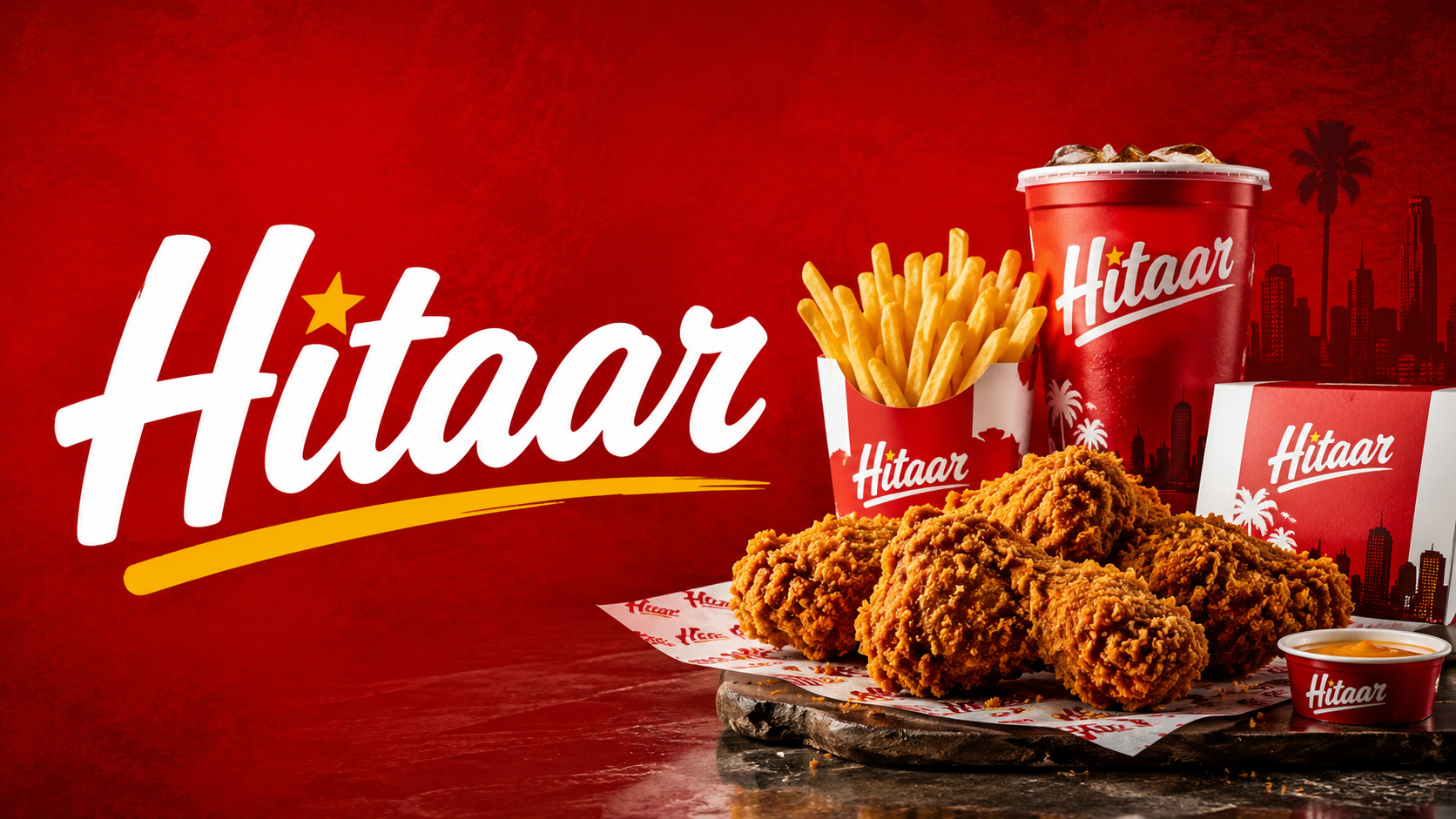
Hitaar is one of the newest names creating buzz in the American fast-food industry. Based mainly in Los Angeles, the brand has started building a strong local following thanks to its crispy chicken meals, modern restaurant style, and youthful street-food image. Many people compare Hitaar to famous chains like KFC because of its chicken-focused menu, but the company has developed its own identity through bold flavors, affordable combo meals, and a more local customer experience.
Unlike giant global brands that operate thousands of restaurants around the world, Hitaar is still considered a smaller regional chain. Its strongest presence remains in Los Angeles, where the company first gained popularity among students, young professionals, and families looking for quick but flavorful meals. Over time, the restaurant slowly expanded into a few other states, helping the brand become recognized outside California as well.
Quick Details
| Category | Details |
|---|---|
| Brand Name | Hitaar |
| Industry | Fast Food Restaurant |
| Founded | 2019 |
| Headquarters | Los Angeles, California |
| Main Focus | Chicken Meals and Fast Casual Food |
| Known For | Crispy Chicken and Bold Flavors |
| Restaurant Style | Modern Urban Fast Food |
| Main Market | Los Angeles |
| Expansion Areas | Texas, Nevada, Arizona |
| Popular Audience | Young Adults and Families |
| Signature Foods | Chicken Sandwiches, Loaded Fries, Rice Bowls |
| Competitors | KFC, Popeyes, Chick-fil-A |
The Story Behind Hitaar
Every growing restaurant chain begins with an idea, and Hitaar started with a simple goal: bringing flavorful fast food to local communities without losing quality or style. The founders wanted to create a restaurant that felt modern and exciting while still serving affordable comfort food people could enjoy every day.
Los Angeles became the perfect starting point for the brand. The city is known for food trends, cultural diversity, and fast-moving lifestyles. Hitaar used this environment to create a menu inspired by American fried chicken culture while also adding street-food influence and modern presentation.
The company first opened in smaller neighborhoods rather than expensive tourist areas. This helped Hitaar build a loyal customer base before expanding further. Local residents quickly became interested in the restaurant’s spicy sandwiches, crispy chicken, and signature sauces.
As word spread through social media and customer reviews, the brand slowly gained recognition across LA. The combination of affordable prices and trendy branding helped Hitaar attract customers who wanted something fresh and different from traditional fast-food chains.
Why Hitaar Is Compared to KFC?
Many customers naturally compare Hitaar with KFC because both brands focus heavily on chicken meals and quick-service dining. Fried chicken remains one of the most popular fast-food categories in America, so comparisons between brands are common.
However, Hitaar operates on a much smaller scale. While KFC is a worldwide chain with thousands of locations, Hitaar remains regional and focused mostly on Los Angeles and a few nearby states. This smaller size actually gives Hitaar more flexibility in experimenting with menu items and restaurant style.
Another difference is the branding approach. KFC is built around a classic and traditional image, while Hitaar markets itself as modern, youthful, and connected to urban culture. The restaurant interiors, packaging, and social media presence all reflect this newer style.
Customers also say that Hitaar feels more personal than larger chains. Since there are fewer branches, local management teams often connect more directly with their communities and customer feedback.
Hitaar’s Signature Chicken Meals
Chicken is the heart of Hitaar’s menu. The company became popular mainly because of its crispy fried chicken and flavorful sandwiches. Many customers describe the chicken as crunchy on the outside while remaining juicy inside.
One of the most popular menu items is the spicy chicken sandwich. Served with pickles, sauce, and soft buns, the sandwich quickly became a customer favorite in Los Angeles. The restaurant also offers different spice levels so customers can choose mild or extra hot flavors.
Hitaar’s chicken tenders are another major attraction. They are often paired with fries, sauces, or rice bowls. Many customers enjoy mixing different dipping sauces with the crispy chicken strips.
Family meal boxes are also important to the brand. These larger meals are designed for groups and include chicken pieces, sides, drinks, and desserts at affordable prices.
The Loaded Fries and Side Menu
Hitaar is not only known for chicken. The side menu also plays a huge role in the restaurant’s popularity. Loaded fries became one of the company’s biggest hits among younger customers.
These fries are often topped with cheese sauce, spicy chicken pieces, herbs, and house-made sauces. The company regularly introduces limited-edition fries inspired by social media trends and seasonal flavors.
Mac and cheese bowls are another customer favorite. Some locations also offer onion rings, mashed potatoes, coleslaw, and biscuits inspired by Southern comfort food traditions.
The dessert section includes milkshakes, brownies, and cookies designed to complete the fast-food experience. While the menu remains simple compared to larger chains, Hitaar focuses on quality and strong flavors rather than offering too many items.
The Modern Restaurant Design
One thing that separates Hitaar from older fast-food chains is its modern interior style. Most locations use dark color themes mixed with bright lighting and digital menu boards. This creates a trendy atmosphere that appeals to younger customers.
Many restaurants include open seating areas designed for both quick visits and casual social gatherings. Music playlists, urban artwork, and social-media-friendly decor help create a modern fast-food environment.
The company also pays attention to packaging design. Food boxes, drink cups, and bags often feature stylish graphics and bold colors that make the brand recognizable online.
This focus on visual identity has helped Hitaar become more appealing to customers who enjoy posting restaurant photos and food reviews on social media platforms.
Hitaar and Los Angeles Food Culture
Los Angeles has one of the most competitive food scenes in America. New restaurants open constantly, and customers often search for unique dining experiences. Hitaar successfully used this environment to build its image as a modern local brand.
The restaurant became especially popular among students and young professionals looking for quick meals after work or late-night dining options. Some locations remain open late to serve customers during busy nightlife hours.
Hitaar also reflects LA’s multicultural food culture. While the menu mainly focuses on American-style fast food, certain sauces and flavors are inspired by Mexican, Korean, and Southern cooking traditions.
Because of this blend of influences, many customers feel that Hitaar represents modern Los Angeles dining more than traditional fast-food chains do.
Expansion Beyond California
Although Hitaar’s main presence remains in Los Angeles, the company has slowly started expanding into other states. Smaller branches in Texas, Nevada, and Arizona helped introduce the brand to new customers outside California.
This expansion strategy has remained careful and controlled. Instead of opening dozens of branches quickly, the company focuses on building strong local demand before growing further.
Restaurant analysts often say this slower approach can help smaller brands survive in the highly competitive fast-food market. Rapid expansion sometimes causes quality issues, but Hitaar tries to maintain consistency by growing step by step.
Many fans believe the company could eventually expand further across the western United States if its popularity continues rising.
Social Media and Online Popularity
Social media plays a major role in Hitaar’s growth. Unlike older restaurant chains that rely mainly on television advertising, Hitaar focuses heavily on digital marketing and customer engagement online.
Food influencers and local content creators helped the restaurant gain attention by posting reviews, meal videos, and food challenges featuring Hitaar’s spicy chicken items.
The company also creates limited-time menu items designed specifically to attract social media interest. Bright food presentation and bold packaging make the meals highly shareable online.
Online delivery apps also helped the brand grow rapidly. Many customers first discovered Hitaar through food delivery platforms before visiting physical restaurant locations later.
The Young Audience Behind Hitaar’s Success
One of the biggest reasons for Hitaar’s popularity is its connection with younger customers. Teenagers, college students, and young adults make up a large part of the brand’s customer base.
Affordable meals, modern restaurant design, and social media branding all help attract this audience. Many younger customers prefer restaurants that feel stylish and trendy rather than old-fashioned.
Late-night hours also make the brand popular with students and nightlife customers in Los Angeles. Some locations become especially busy during weekends and evening hours.
The company understands that younger customers value experience as much as food quality. Because of this, Hitaar focuses heavily on branding, music, packaging, and visual presentation.
Hitaar’s Competitive Pricing Strategy
Fast-food pricing has become increasingly important in recent years as customers look for affordable dining options. Hitaar built much of its reputation on offering flavorful meals at prices lower than many premium fast-food competitors.
Combo meals are one of the company’s strongest selling points. Customers can usually purchase chicken sandwiches, fries, and drinks together at budget-friendly prices.
The restaurant also offers family packages designed for larger groups. These deals help attract families who want affordable meals without cooking at home.
Seasonal promotions and online app discounts further increase customer traffic. The company regularly introduces limited offers to encourage repeat visits.
Challenges Facing the Brand
Like every growing restaurant chain, Hitaar faces several business challenges. Competition in the fast-food industry remains extremely intense, especially in Los Angeles where customers have endless dining choices.
Large global brands also have much bigger advertising budgets and stronger supply chains. Competing against companies with thousands of locations can be difficult for a smaller regional restaurant chain.
Maintaining food quality during expansion is another challenge. Customers expect the same taste and service across every branch, which becomes harder as the company grows.
Rising food costs and employee wages also affect smaller restaurant businesses more heavily than giant corporations. Hitaar must carefully balance affordable prices with profitability.
Hitaar’s Future Growth Plans
Many restaurant experts believe Hitaar has strong potential for future growth if the company continues expanding carefully. Regional fast-food chains often succeed when they build loyal local audiences before moving nationwide.
There are rumors that the company may eventually enter additional western and southern states. Cities with strong nightlife and younger populations could become future expansion targets.
Drive-thru locations may also become a bigger focus for the company. Fast service remains extremely important in the modern restaurant industry, especially for customers ordering during busy work hours.
Technology will likely continue shaping the brand as well. Mobile ordering, loyalty apps, and digital rewards programs could help Hitaar compete more effectively with larger chains.
Customer Reviews and Public Reputation
Customer reviews of Hitaar are generally positive, especially regarding food flavor and freshness. Many people praise the crispy chicken texture, spicy sandwiches, and loaded fries.
The restaurant’s modern atmosphere also receives strong feedback from younger customers who enjoy the trendy design and casual environment. Social media users frequently share photos of meals and restaurant interiors.
Some customers appreciate the smaller brand identity because it feels less corporate compared to giant chains. They believe Hitaar delivers a more local and authentic dining experience.
However, some reviews mention long wait times during busy hours, especially at newer locations. As the company expands, improving speed and consistency will remain important.
How Hitaar Stands Out From Competitors?
The fast-food market already includes many chicken-focused brands, but Hitaar still manages to stand out through branding and customer experience. The company combines modern visuals, social media culture, and strong flavors into a unique restaurant identity.
Instead of trying to compete directly with giant international chains on size alone, Hitaar focuses on local loyalty and modern food trends. This strategy helps the brand feel different and more connected to younger customers.
The company also benefits from being flexible. Smaller brands can test new menu items and restaurant ideas faster than massive corporations that require global approval processes.
Because of this adaptability, Hitaar continues attracting attention as one of Los Angeles’ most interesting growing fast-food brands.
Final Thoughts
Hitaar may still be a smaller name compared to global fast-food giants, but its rise in Los Angeles shows how local restaurant brands can build strong identities through quality food, modern branding, and smart marketing. By combining crispy chicken meals with trendy restaurant culture, the company created a fast-food experience that appeals strongly to younger customers and urban communities.
The brand’s focus on flavor, affordability, and social media visibility helped it gain attention in one of America’s most competitive food markets. While expansion remains limited for now, the company continues growing steadily across a few western and southern states.
Many customers see Hitaar as more than just another chicken restaurant. For them, the brand represents a modern version of fast food that feels stylish, local, and connected to today’s culture. If the company continues managing growth carefully while maintaining quality, Hitaar could become one of the next major regional restaurant success stories in America.
FAQs
What is Hitaar known for?
Hitaar is mainly known for crispy chicken meals, spicy sandwiches, loaded fries, and modern fast-food branding inspired by Los Angeles street-food culture.
Is Hitaar bigger than KFC?
No, Hitaar is much smaller than KFC. KFC is a worldwide restaurant chain, while Hitaar mainly operates in Los Angeles with only a few branches in other states.
Where is Hitaar located?
Hitaar is based in Los Angeles, California. The company also has smaller locations in states like Texas, Nevada, and Arizona.
Why is Hitaar popular with young people?
Young customers enjoy Hitaar because of its affordable meals, trendy restaurant design, social media branding, and modern food presentation.
Does Hitaar only sell chicken?
No, while chicken is the main focus, Hitaar also serves loaded fries, rice bowls, desserts, sides, sauces, and combo meals.


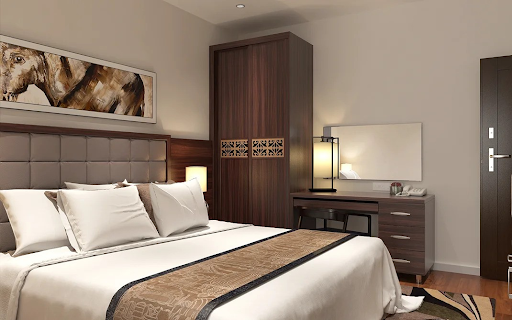
The kitchen is often considered the heart of the home. It is a place where families gather, meals are prepared, conversations take place, and memories are created. As modern lifestyles continue to evolve, homeowners are seeking kitchens that combine beauty, efficiency, and practicality. This growing demand has led to a greater focus on customized kitchen solutions that maximize both style and functionality.
Among the leading names in the home furnishing industry, OPPEIN Home has established itself as a global leader in creating modern kitchens that meet the needs of contemporary homeowners. Through innovative design, advanced manufacturing technology, premium materials, and personalized solutions, OPPEIN Home transforms ordinary kitchens into highly functional and visually appealing spaces.
Understanding the Modern Kitchen
Today’s kitchens are no longer just cooking spaces. They have become multifunctional areas used for dining, entertaining, working, and socializing. As a result, homeowners expect their kitchens to offer more than attractive cabinetry and countertops.
A modern kitchen must provide:
- Efficient storage solutions
- Easy workflow and accessibility
- Durable materials
- Stylish aesthetics
- Smart organization
- Space optimization
- Long-lasting performance
OPPEIN Home understands these requirements and designs kitchens that balance practical functionality with elegant design. Every project is carefully planned to ensure the space supports the homeowner’s daily routine while reflecting their personal style.
Customized Kitchen Design Solutions
One of the biggest advantages of working with OPPEIN Home is its commitment to customization. Every family has unique habits, preferences, and space requirements. A kitchen that works perfectly for one household may not be ideal for another.
OPPEIN’s design team collaborates closely with customers to understand their needs and create personalized kitchen layouts. Whether the project involves a compact apartment kitchen or a spacious luxury cooking area, customized solutions help maximize efficiency and comfort.
Homeowners can choose from a wide variety of cabinet styles, colors, materials, finishes, hardware options, and storage configurations. This flexibility ensures that every kitchen is uniquely tailored to suit individual lifestyles and design preferences.
Innovative Space Planning
Effective space planning is essential for creating a functional kitchen. OPPEIN Home focuses on optimizing every inch of available space to improve workflow and convenience.
Professional designers carefully consider the relationship between cooking, cleaning, and storage zones. This approach creates a smooth and efficient work triangle that minimizes unnecessary movement while preparing meals.
Innovative layouts such as L-shaped kitchens, U-shaped kitchens, island kitchens, and open-concept designs are customized based on the homeowner’s space and usage patterns. The result is a kitchen that feels spacious, organized, and comfortable to use every day.
Smart Storage Solutions
Storage is one of the most important elements of any kitchen design. Modern homeowners want clutter-free environments where everything has its place. OPPEIN Home excels at creating intelligent storage systems that maximize organization without sacrificing style.
Some of the company’s popular storage features include:
- Pull-out pantry systems
- Corner cabinet organizers
- Deep storage drawers
- Built-in spice racks
- Hidden waste bins
- Adjustable shelving
- Vertical storage compartments
These solutions help homeowners make better use of available space while keeping kitchen essentials easily accessible. Smart storage also contributes to a cleaner and more attractive overall appearance.
The same attention to efficient space utilization that benefits residential kitchens is also valued by leading hotel furniture manufacturers in China, where functionality and design must work together seamlessly.
Premium Materials for Long-Term Performance
A beautiful kitchen should also be durable enough to withstand years of daily use. OPPEIN Home carefully selects high-quality materials that provide both visual appeal and long-lasting performance.
The company offers a wide range of materials, including engineered wood, laminate finishes, acrylic surfaces, quartz countertops, and premium hardware components. Each material is chosen for its durability, resistance to wear, and ease of maintenance.
Strict quality control measures ensure that every cabinet, drawer, and accessory meets high manufacturing standards. This commitment to quality helps homeowners enjoy kitchens that maintain their appearance and functionality over time.
Modern Aesthetics and Design Trends
Style plays a major role in modern kitchen design. OPPEIN Home continuously monitors global design trends to provide customers with contemporary and fashionable solutions.
Popular design elements include:
- Minimalist cabinetry
- Handleless cabinet systems
- Neutral color palettes
- Natural wood textures
- Matte finishes
- Integrated lighting
- Open shelving concepts
By combining timeless elegance with modern innovation, OPPEIN creates kitchens that remain visually appealing for years to come. Customers can choose from various design styles, including modern, contemporary, Scandinavian, industrial, and luxury-inspired aesthetics.
This dedication to design excellence contributes to the company’s reputation among homeowners and commercial clients alike.
Advanced Manufacturing Technology
A key factor behind OPPEIN Home’s success is its investment in advanced manufacturing technology. Modern production facilities equipped with automated machinery allow the company to produce highly customized kitchens with exceptional precision.
Computer-aided design systems, automated cutting equipment, and strict quality assurance processes ensure consistency across every project. These technologies enable OPPEIN to deliver customized solutions efficiently while maintaining high standards of craftsmanship.
The company’s manufacturing capabilities are comparable to those found among top hotel furniture manufacturers in China, where large-scale production and customization often go hand in hand.
Sustainable Kitchen Solutions
Environmental responsibility has become increasingly important in the furniture and home improvement industries. OPPEIN Home supports sustainability by incorporating eco-friendly materials and responsible manufacturing practices into its operations.
The company seeks to minimize waste, improve energy efficiency, and utilize environmentally conscious production methods whenever possible. These efforts not only benefit the environment but also provide customers with healthier living spaces.
Sustainable kitchen design is becoming a significant consideration for modern homeowners who want products that align with their environmental values.
Enhancing Daily Living Through Functionality
A well-designed kitchen improves more than just a home’s appearance. It enhances daily living by making cooking, cleaning, and organizing easier and more enjoyable.
OPPEIN Home focuses on creating user-friendly kitchens that simplify everyday tasks. Features such as ergonomic cabinet heights, soft-close drawers, integrated appliances, and efficient layouts contribute to a better overall user experience.
By carefully considering how people interact with their kitchens, OPPEIN creates spaces that are both practical and comfortable for long-term use.
Global Expertise and Customer Satisfaction
OPPEIN Home’s success extends far beyond individual products. The company has built a global reputation for delivering reliable service, professional design expertise, and outstanding customer support.
From initial consultation and design planning to manufacturing and installation, OPPEIN guides customers through every stage of the project. This comprehensive approach ensures a smooth experience and helps achieve the best possible results.
The company’s dedication to quality and customer satisfaction has earned the trust of homeowners, designers, developers, and business clients around the world.
Conclusion
Creating a stylish and functional modern kitchen requires a combination of thoughtful design, innovative storage solutions, premium materials, and expert craftsmanship. OPPEIN Home successfully brings all of these elements together to create kitchens that meet the demands of contemporary living.
Through personalized customization, advanced manufacturing technology, and a commitment to quality, OPPEIN continues to set new standards in kitchen design. Its ability to combine beauty, efficiency, and durability has made it a preferred choice for homeowners worldwide. For anyone looking to transform their kitchen into a modern and highly functional space, OPPEIN Home offers solutions that deliver lasting value and exceptional performance.

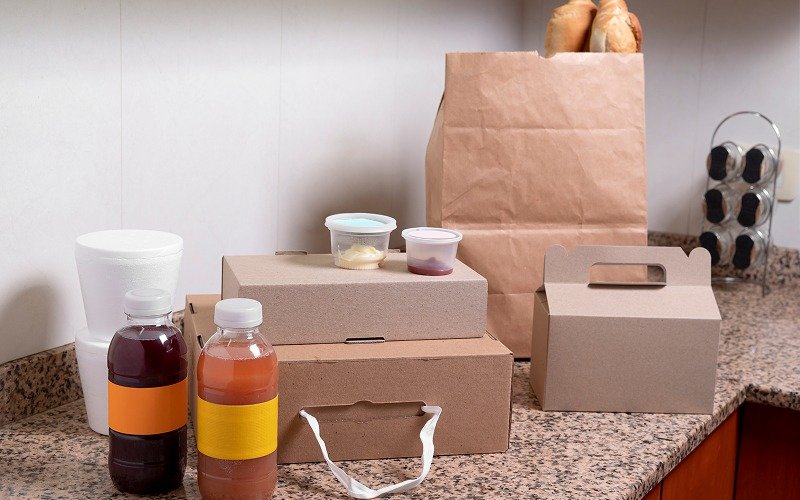
Key Highlights
- Planning corporate meals becomes completely stress-free when you order fresh morning baked goods.
- Choosing bulk bread options keeps your entire workplace energised throughout long team meetings.
- Deciding to buy bread in bulk offers an affordable way to feed large groups efficiently.
- Serving freshly delivered treats fosters a positive, collaborative environment across every department.
The Strategic Advantage of Collective Catering
Managing corporate events or team breakfasts requires smart catering choices that satisfy different appetites without stretching your company budget. Trying to purchase individual portions for a large workforce often leads to mixed orders, high delivery costs, and unnecessary confusion. Ordering a large supply of bulk bread alongside assorted morning pastries provides a convenient solution that keeps everyone in your department well fed.
Sourcing your office snacks from a trusted local bakery guarantees exceptional freshness, soft textures, and delightful aromas every single morning. When you decide to buy bread in bulk for company events, you streamline your catering logistics while offering wholesome options that colleagues appreciate. Delivering freshly baked items straight to your office sets a warm, welcoming tone for productivity throughout the workday.
Simplifying Workplace Catering
Organising morning refreshments for a big team can feel overwhelming when managing tight work schedules. Streamlining your catering process and keeping your entire office satisfied becomes effortless when you order bulk bread. Providing a wide selection of freshly baked loaves and soft rolls allows staff members to assemble their own quick bites easily.
- Eliminates Request Chaos: Removes the hassle of collecting individual breakfast orders from dozens of team members.
- Encourages Team Bonding: Creates a central, shared spread where employees across departments can connect before starting work.
- Guarantees Plentiful Food: Ensures late-arriving staff members still have access to fresh options throughout the morning.
- Offers Versatile Choices: Features a variety of sweet and savoury baked goods to suit different dietary preferences.
- Saves Time & Budget: Reduces administrative planning time while providing a cost-effective catering solution for large groups.
Streamlining your catering process saves valuable time while keeping your entire office satisfied and ready for the day ahead.
Smart Budgeting for Events
Hosting corporate functions requires careful expense management, making cost-effective food choices an absolute priority for office managers. Choosing to buy bread in bulk allows companies to feed large crowds affordably without compromising on ingredient quality or taste. Bulk orders reduce individual packaging costs, delivering maximum value for your corporate event budget every single time.
Purchasing larger quantities ensures your catering setup looks generous and inviting to visiting clients or internal teams. Having extra slices and rolls on hand prevents the embarrassment of running out of food during extended workshop sessions. Smart purchasing decisions keep your event planning smooth, professional, and well within your allocated financial limits.
Fueling Workplace Productivity
Providing nutritious baked goods during long morning strategy sessions helps maintain high energy levels across your entire team. Freshly baked loaves offer satisfying textures and complex carbohydrates that keep hunger away until the actual lunch hour arrives.
- Sustained Physical Energy: Delivers complex carbohydrates that stave off mid-morning hunger and prevent mid-session energy crashes.
- Sharper Mental Focus: Prevents hunger-driven distractions, keeping employees engaged during lengthy presentations and brainstorming rounds.
- Enhanced Team Morale: Demonstrates genuine care for employee well-being, fostering a positive, motivated workplace atmosphere.
- Efficient Meeting Logistics: Provides a ready-to-serve food option that integrates seamlessly into packed morning agendas.
Hungry employees often struggle to stay focused during drawn-out presentations or intensive brainstorming rounds. Offering wholesome baked options keeps minds sharp and engagement high, which is why smart companies rely on bulk bread.
Building Team Connections
Sharing food in a professional environment creates casual opportunities for colleagues to connect on a personal level outside of work tasks. Placing a fresh order of bulk bread in the central pantry encourages staff to take short, refreshing breaks together. These informal interactions foster stronger working relationships and improve overall cross-departmental communication across the company.
Creating a positive workplace culture relies heavily on small, consistent gestures that make employees feel genuinely valued by management. Bringing in warm, fragrant baked goods turns an ordinary weekday morning into an enjoyable communal experience for everyone present. Investing in quality office snacks builds lasting morale and keeps your company culture vibrant and supportive.
Unlocking Office Potential Through Shared Refreshments
Feeding a busy workforce is effortless when you select versatile, freshly baked options that appeal to every appetite. Streamlining your corporate catering saves time, controls costs, and creates an inviting environment for morning meetings or special company milestones. Providing quality baked goods shows your team that their comfort and hard work are always appreciated.
Contact Swee Heng Bakery to place your next order and keep your office team fully energised.

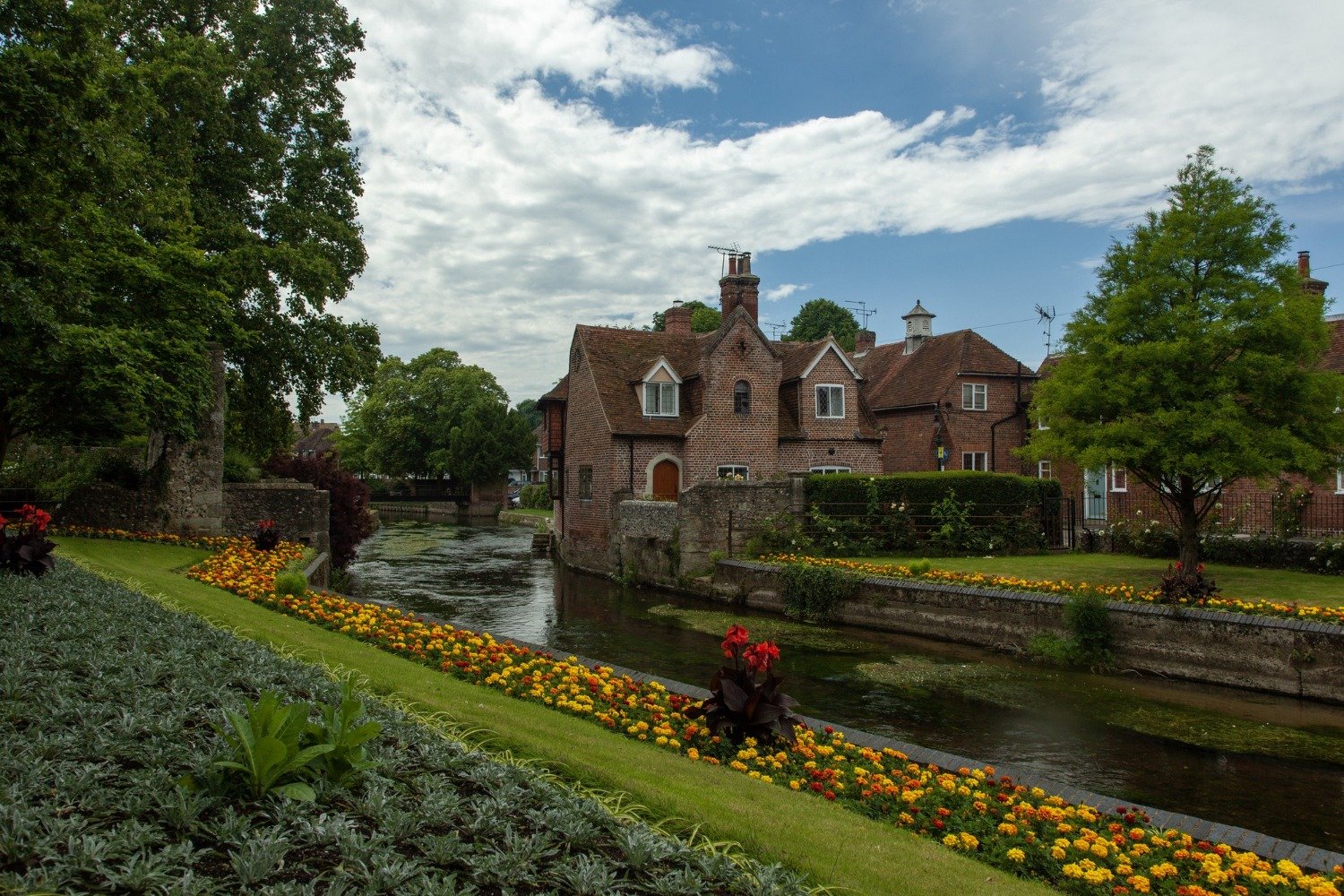
London has no shortage of places to eat, but sometimes the best dining experiences begin when you leave the city behind. A short journey can take you from busy streets and crowded pavements to historic villages, market towns, country lanes and wide-open landscapes — with a memorable meal waiting at the end.
The appeal of a countryside food trip is about more than the restaurant itself. It is the combination of the journey, the setting, the food and the opportunity to turn an ordinary meal into a proper day out. From a traditional country pub in Wiltshire to a historic coaching inn in the Chilterns and a world-famous restaurant in Berkshire, these are some of the places worth putting on the itinerary.
1. The Rising Sun — Lacock, Wiltshire
For a genuine countryside escape, The Rising Sun in Lacock is an excellent place to start. Set on the edge of the beautiful Wiltshire village, this independent country pub brings together fresh food, seasonal ingredients and the relaxed atmosphere that makes rural dining so appealing.
The pub is particularly suited to visitors exploring Lacock and the surrounding countryside. It is somewhere to stop after a walk, settle down for lunch or make a Sunday visit for its popular roast. The Rising Sun says it champions local produce, including beef from its own cattle herd, while its menus change regularly to make the most of seasonal ingredients.
There is plenty to make the journey worthwhile beyond the food, too. A spacious garden, outdoor bar, BBQ and cosy interiors give the pub a different character depending on the season. It also hosts events including live music and community gatherings.
For anyone searching for a country pub near London worth travelling for, The Rising Sun captures the idea perfectly: arrive for the countryside, stay for the food and make a day of Lacock.
2. The Crown — Old Amersham, Buckinghamshire
Old Amersham feels a world away from central London, despite being surprisingly accessible from the capital. At the heart of the historic town sits The Crown, a Grade II listed coaching inn dating back to 1620.
The building alone gives you a reason to visit. The Crown has been carefully restored while retaining its historic character, creating a setting that feels both traditional and contemporary. It also offers accommodation, making it an option for visitors who want to turn a restaurant trip into a proper countryside break.
Food focuses on seasonal British cooking, with classic dishes given a contemporary treatment. Sunday lunch is another major draw, while the inn’s location makes it easy to combine a meal with a walk around Old Amersham or the nearby Chilterns.
It is the sort of destination where the surroundings become part of the experience. Rather than simply travelling out of London for a meal, visitors can explore the old High Street, browse independent shops and enjoy the Chiltern landscape before or after eating.
3. The Fat Duck — Bray, Berkshire
Not every countryside restaurant needs to be a traditional pub. The Fat Duck in Bray offers a very different reason to leave London.
Heston Blumenthal’s restaurant has built its reputation around inventive, theatrical and highly imaginative cooking. Its own description highlights an approach designed to engage the senses, evoke memories and challenge expectations.
That makes The Fat Duck a destination in the truest sense of the word. This is somewhere to plan around rather than simply drop into while passing through.
Bray itself also works beautifully for a food-focused day trip. The village provides the rural backdrop while the restaurant supplies an experience at the more experimental end of British dining. For diners who want their journey from London to culminate in something genuinely distinctive, this is one of the strongest choices on the list.
4. The Royal Foresters — Ascot, Berkshire
Ascot is synonymous with racing, but there is more to the area than its famous racecourse. The Royal Foresters provides another reason to make the trip west.
Located on London Road, the historic pub and restaurant combines traditional character with a contemporary dining experience. The venue has been redesigned while retaining features such as log fires, and its food offering covers everything from brunch and sandwiches to grills, pasta, salads, desserts and wood-fired Neapolitan pizza.
The wood-fired pizza is particularly suited to a casual countryside outing, with the kitchen using Italian ingredients and a longer-proved dough before cooking the pizzas in a wood-fired oven.
The Royal Foresters also has accommodation and event facilities, so the venue can work for everything from a relaxed meal to a longer stay. Its setting in Ascot makes it an easy addition to a wider day out in Berkshire.
5. Bucklebury Farm — Berkshire
Sometimes the best destination for a meal is somewhere that gives you plenty to do before you sit down to eat. Bucklebury Farm is a particularly good fit for that kind of countryside day.
Located in Berkshire, the farm offers visitors an opportunity to spend time outdoors while enjoying the rural setting. That makes it particularly appealing for families and anyone looking to combine food with a broader countryside experience.
The appeal here is the change of pace. Instead of treating the restaurant as the entire destination, visitors can make the farm part of a full day away from London. It is a useful reminder that countryside dining can be about much more than finding a table — it can be about creating an outing around the food.
For Londoners looking for family-friendly countryside days out, Bucklebury Farm provides a different proposition from the traditional country pub. It brings together the farm experience, open-air surroundings and opportunities to spend quality time away from the city.
6. The White Hart — South Harting, West Sussex
West Sussex offers exactly the sort of scenery that makes leaving London worthwhile, and South Harting provides a classic village setting for a countryside food trip.
A venue such as The White Hart works best as part of a wider excursion rather than a quick meal. The village setting, surrounding countryside and proximity to the South Downs make the area particularly attractive to visitors who enjoy combining food with walking and exploring.
This is the kind of stop that fits naturally into a slower weekend itinerary: head out from London, explore the landscape, visit a village and settle down somewhere comfortable for a meal before heading home.
For anyone searching for restaurants in the countryside near London, destinations around the South Downs are particularly appealing because the scenery gives the trip an additional purpose.
7. The Swan — Streatley, Berkshire
Streatley sits on the River Thames in Berkshire, offering a very different countryside experience from the rolling landscapes around Lacock or the Chilterns.
The Swan makes the area a natural choice for diners who want to pair food with riverside scenery and a change of pace. Streatley and neighbouring Goring are well suited to walking, exploring and enjoying the Thames Valley, meaning a meal can become part of a much larger day out.
The setting is important here. One of the pleasures of travelling outside London for food is being able to sit somewhere where the landscape becomes part of the experience. A riverside destination provides exactly that opportunity.
For couples, families or friends planning a relaxed day away from the capital, Streatley is the sort of destination where the journey itself becomes part of the reward.
8. The Mitre — Richmond
Not every escape from London requires leaving Greater London altogether. The Mitre in Richmond proves that a change of scenery can sometimes be closer than expected.
Tucked away in a residential part of Richmond, The Mitre is a traditional pub with more than 150 years of history. The building was originally constructed as a coach house by the church in 1865, and today the venue combines its historic character with a relaxed atmosphere, food and a beer garden.
Its location makes it especially useful for anyone who wants the feeling of getting away without committing to a long journey. Richmond’s parks, riverside walks and leafy streets can easily be combined with a meal at the pub.
The Mitre’s pizza kitchen adds another modern element to the traditional setting, giving visitors an easygoing food option after exploring the area.
For a countryside-style day out near London, Richmond is hard to overlook.
9. The Bull & Last — Hampstead
Hampstead may technically be inside London, but it has long provided one of the capital’s best opportunities to escape the feeling of the city without actually leaving it.
The Bull & Last fits naturally into that idea. Its proximity to Hampstead Heath means a meal can be paired with one of London’s most enjoyable green-space walks, creating the rhythm of a countryside day trip without the long drive.
That makes it particularly useful for readers who love the concept behind a countryside restaurant trip but do not necessarily want to spend hours travelling.
A walk across the Heath followed by a relaxed meal is a reminder that destination dining does not always depend on distance. Sometimes the setting, surroundings and pace are enough to make an ordinary weekend feel completely different.
10. The Five Horseshoes — Maidensgrove
For a final countryside escape, head towards Maidensgrove in Oxfordshire, where the rural setting provides exactly the atmosphere many Londoners are looking for when they want to get away for the day.
The Five Horseshoes fits the traditional country-pub idea particularly well: a destination surrounded by countryside, where the journey is part of the experience and a meal gives the day a satisfying finish.
The area is especially attractive for walkers, with the Chiltern landscape providing plenty of opportunities to explore before settling down for food.
That combination is ultimately what makes countryside restaurants worth travelling for. You are not simply going somewhere to eat. You are changing your surroundings, slowing down and giving yourself a reason to spend more time outside the capital.
Why These Places Are Worth Leaving London For
The best countryside restaurants near London offer something that city dining cannot always replicate: a sense of occasion created by the journey itself.
A meal at The Rising Sun can become part of a day exploring Lacock. The Crown can be paired with the historic streets of Old Amersham and the Chilterns. Bucklebury Farm turns eating out into part of a wider family day. The Fat Duck makes the restaurant itself the destination, while places such as The Mitre and The Bull & Last demonstrate that you do not always have to travel far to get a break from London’s pace.
That variety is what makes this kind of trip so appealing.
For some diners, the ideal escape is a traditional country pub with seasonal food and a garden. For others, it is a historic coaching inn, a riverside setting or an ambitious restaurant that offers an experience they cannot easily recreate at home.
The important thing is that the destination gives you a reason to go beyond the meal.

Powerful E-Bikes on Public Roads: Understanding 2000W Fat-Tire Models and Legal Requirements

How Good Outdoor Signage Helps Shops, Schools and Parks

Cooling Mattress Pad or Smart Mattress? Two Routes to a Cooler Night

A Boutique Owner’s Guide to Buying Women’s Clothing Wholesale in the UK

A Practical Framework for Automating SEO Without Losing Editorial Control

Why Multi-Model AI Image Generation Marks the End of Multi-Tool Visual Production

How to Ensure Your Home is Valued Correctly for a Quick Sale

The 15 Highest-Paid Rugby Players in the World

Christopher Dare: The Untold Story of Engineer and Former Husband of Angela Rippon

What Is Fanquer? The Digital Creator Platform Transforming Direct-to-Fan Engagement

Dr Jared Ross: Missouri Appeals Court Upholds Protection Order Over Graphic Torture and Murder Threats

Nancy Hallam: The Inspiring Life, Career, and Success Story Behind Ian Wright’s Wife
How to Ensure Your Home is Valued Correctly for a Quick Sale
The 15 Highest-Paid Rugby Players in the World
Christopher Dare: The Untold Story of Engineer and Former Husband of Angela Rippon
What Is Fanquer? The Digital Creator Platform Transforming Direct-to-Fan Engagement
Dr Jared Ross: Missouri Appeals Court Upholds Protection Order Over Graphic Torture and Murder Threats
Nancy Hallam: The Inspiring Life, Career, and Success Story Behind Ian Wright’s Wife
-
 Real Estate9 months ago
How to Ensure Your Home is Valued Correctly for a Quick Sale
-
 Sports5 months ago
The 15 Highest-Paid Rugby Players in the World
-
Celebrity11 months ago
Christopher Dare: The Untold Story of Engineer and Former Husband of Angela Rippon
-
 Technology5 months ago
What Is Fanquer? The Digital Creator Platform Transforming Direct-to-Fan Engagement
-
 Celebrity5 months ago
Dr Jared Ross: Missouri Appeals Court Upholds Protection Order Over Graphic Torture and Murder Threats
-
Celebrity11 months ago
Nancy Hallam: The Inspiring Life, Career, and Success Story Behind Ian Wright’s Wife
-

 Celebrity8 months ago
Who Is Azriel Crews? Inside the Life and Career of Terry Crews’ Daughter
-

 Health9 months ago
Enclomimed 25 (Enclomiphene) – Effective PCT Protocol