
Home Improvement
Catholic Statues in Home Décor: Blending Tradition with Contemporary Interior Style


Sacred Objects in the Modern Home
Interior enthusiasts are increasingly incorporating catholic statues as artistic focal points that add depth and character to living spaces, balancing historical influence with modern aesthetics. There’s a quiet revolution happening in how people decorate their homes, and it has less to do with trend-chasing and more to do with meaning. After years of maximalism giving way to stark minimalism, then minimalism giving way to “but where’s the soul?”, people are turning to objects that actually have something to say. A beautifully crafted Madonna on a mantlepiece says rather a lot.
This isn’t about turning your living room into a chapel. It’s about understanding that the best interiors have always made room for objects that carry weight, history and a certain gravity that a geometric print from a high-street homeware shop simply cannot replicate. In this article, I want to explore exactly how catholic statues can be woven into a contemporary home with confidence, taste and a genuine appreciation for what they represent.
A Brief History of Catholic Statuary in the Home
Long before the concept of “interior styling” existed, Catholic households across Europe were keeping religious statues in their homes as a matter of course. The domus ecclesia, or domestic church, was a real and practised idea: the home as a space of prayer, reflection and faith, anchored visually by sacred objects. Devotional corners, small altarpieces and carved figures of saints were as much a part of the household as the dining table.
During the Renaissance, skilled artisans elevated sacred sculpture to extraordinary heights, and pieces commissioned for private homes were often as accomplished as those made for cathedrals. The tradition carried through the Baroque period, into the 19th century, and never truly disappeared, even if it retreated from mainstream interiors for a while.
What’s happening now, then, is less a new trend and more a rediscovery. The objects themselves never lost their power. We’re simply remembering that they belong in lived spaces, not just liturgical ones.
Why Catholic Statues Work as Art Objects
There is a reason why secular interior designers have long borrowed from ecclesiastical aesthetics without always acknowledging the source. Sacred sculpture, at its best, is just very good sculpture. The proportions are considered, the expressions are deliberately crafted to convey emotion across distance, and the materials chosen for durability, texture and visual warmth.
A well-made statue of the Virgin Mary in white resin or carved stone operates by the same visual logic as any figurative sculpture you’d find in a gallery. It commands space. It catches light. It invites you to look at it from different angles and rewards you each time.
The range of materials available today is genuinely impressive: cold-cast resin, hand-painted wood, aged stone finishes, polished marble effects and bronzed metals. Each brings a different quality to a room, which means there is almost certainly a piece suited to whatever interior style you’re working with.
Matching Statues to Interior Styles
Minimalist and Contemporary Spaces
In pared-back, contemporary rooms, less ornamentation is almost always better. A clean white Madonna or a simple angel figure in a matte stone finish reads first and foremost as sculpture, which is exactly what you want. The religious identity is present but worn lightly, and the piece anchors the room without competing with anything else. Let the form do the work.
Rustic, Farmhouse and Cottagecore Interiors
Weathered finishes, natural wood tones and earthy glazes feel entirely at home in rustic or farmhouse-style spaces. There’s also a pleasing thematic coherence to be found here: Saint Francis of Assisi, patron of animals and nature, practically belongs on a windowsill surrounded by trailing plants. The aesthetic and the meaning reinforce each other, which is when décor really sings.
Traditional and Classical Settings
In rooms with period features, cornicing, dark wood furniture or a more formal sensibility, you have licence to go bolder. Gilded, polished or highly detailed statues work beautifully here, and groupings or altarpiece-style arrangements feel entirely in keeping. This is where a more ornate Sacred Heart or an elaborately robed saint comes into its own.
Placement and Styling Tips
Scale and sightlines matter more than most people realise. A statue placed on a crowded shelf, hemmed in by books and trailing cables, loses most of its presence. Give it breathing room. A small figure on a clear surface at eye level will have ten times the impact of the same piece buried in clutter.
Pairing statues with natural elements works particularly well:
- Candles create warm ambient light that plays beautifully across sculpted surfaces
- Greenery (a small plant, a sprig of something seasonal) softens the arrangement and grounds it in the room
- Linen or natural textiles as a base or backdrop bring warmth without competing visually
On the question of a dedicated devotional corner versus integrated placement throughout a room: both approaches are entirely valid. A prayer corner is a considered, intentional space that many Catholics find genuinely nourishing. But a statue placed thoughtfully on a bookshelf or beside a lamp is no less meaningful for being integrated into the wider room. The intention you bring to it matters more than the arrangement.
Navigating the Sacred and the Aesthetic
This is the question that occasionally makes people hesitate, and it’s worth addressing honestly. Is it appropriate to display a Catholic statue primarily because it’s beautiful, rather than out of devotion?
For practising Catholics, this is rarely a dilemma because the decorative and the devotional are seldom separate. A statue of Our Lady in the hallway isn’t just a design choice; it’s a small act of witness, a daily reminder, a prompt to pause. The beauty and the faith operate together.
For those outside the faith who are drawn to sacred art for its cultural and artistic heritage, there is a long and entirely respectable tradition of appreciating religious objects on those terms. Museums have been doing it for centuries. The key is approaching it with genuine respect and at least a basic understanding of what the statue represents. Treating a figure of Saint Joseph as a quirky ornament is different from recognising it as a representation of something that means a great deal to a great many people.
Choosing Quality That Lasts
Not all catholic statues are created equal, and it’s worth being discerning. There is a meaningful difference between a mass-produced piece made from low-grade materials and a properly crafted statue with good detail fidelity, a durable finish and genuine sculptural presence.
When choosing, look for:
- Material quality: resin can be excellent when well-formulated; wood and stone finishes should feel substantial, not hollow or flimsy
- Detail and finish: the face, hands and drapery are where craftsmanship shows most clearly
- Sizing appropriateness: a small accent piece works differently to a statement work, and knowing which you need for your space saves a lot of second-guessing
A well-made piece will look better over time, not worse, and will carry the kind of quiet authority that cheaper alternatives simply can’t sustain.
Bringing It All Together
The most enduring interiors have always made room for objects that mean something. A home filled entirely with things chosen for trend or convenience tends to feel a little hollow, however stylish it might appear in photographs. Catholic statues, chosen thoughtfully and placed with care, offer something genuinely rare in contemporary decorating: visual richness combined with a depth of meaning that accumulates quietly over time.
Whether your interest is devotional, aesthetic or somewhere comfortably between the two, there is a version of this that works beautifully in your home. Start with what draws you, trust your eye, and don’t underestimate what a single well-chosen catholic statue can bring to a room.



When it comes to preserving and showcasing posters, the choice of framing can make a significant difference in both appearance and longevity. A professional picture framer offers expertise and customisation options that far surpass the capabilities of cheap ready-made poster frames. Understanding why professional framing is superior helps poster owners make informed decisions that protect and enhance their prized prints.
Understanding the Limitations of Ready-Made Poster Frames
Ready-made poster frames are widely available and relatively inexpensive. They offer a quick solution for those looking to display a poster without much investment. However, these frames are mass-produced with standard dimensions and materials, often compromising the aesthetics and protection necessary for valuable prints.
Such frames tend to use lower-quality materials that can degrade over time, leading to potential damage. The glass or acrylic used may not provide UV protection, which can result in colour fading of the poster when exposed to sunlight. Additionally, the backing materials may contain acids that, over time, deteriorate the paper.
Advantages of Professional Custom Framing
In contrast, a professional picture framer offers custom framing solutions tailored to the specific dimensions, condition, and requirements of each poster. Through specialised knowledge and access to premium materials, professionals ensure that every frame complements and safeguards the print.
One of the key benefits of professional framing is the use of acid-free and archival-quality materials. These substances prevent yellowing and decay, preserving the poster’s integrity. Moreover, professional framers often incorporate UV-protective glazing options that block a significant amount of ultraviolet light, reducing the risk of fading.
Custom Design and Aesthetic Enhancement
Another aspect where custom framing excels is design. Professional framers work closely with clients to select mouldings, mats, and glazing types that enhance the visual appeal of the poster. This bespoke approach ensures that the frame complements the artwork’s style, colours, and the room’s decor where it will be displayed.
Unlike ready-made frames, which restrict choice to fixed designs and sizes, custom frames offer flexibility in colour, texture, and width. Matting options also allow for an elegant visual border that can add depth and focus to the print while preventing direct contact between the poster and glazing.
Precision and Craftsmanship
A professional frame poster frames with precision cutting and expert assembly ensures a perfect fit. This attention to detail helps to protect the print from shifting or warping within the frame. Skilled framers inspect the print and handle it with care during the process, reducing the risk of damage.
Additionally, professional framing includes quality hanging hardware, helping to secure the frame on walls safely and evenly. This level of workmanship and finish is rarely achievable with inexpensive ready-made alternatives.
Longevity and Value Preservation
Investing in custom-framed posters protects their value, especially for limited editions, vintage prints, or posters with sentimental importance. The use of archival materials and UV protection dramatically extends the life of the print, maintaining its colours and preventing deterioration.
Furthermore, well-framed posters add to the aesthetic and monetary value of a collection. Collectors and enthusiasts who choose professional framing signal a commitment to preservation, which can be advantageous if the print is ever sold or loaned to exhibitions.
Consultation and Expert Advice
Clients who utilise services like those provided by fantastic framing benefit from personalised consultations. Professional framers assess the type and condition of the poster, recommend suitable framing approaches, and address client preferences and budget considerations.
This advisory role is critical: it ensures that framing decisions are informed by industry knowledge and the specific needs of the print, rather than being based purely on cost or convenience.
Conclusion
In summary, choosing a professional picture framer over cheap ready-made options offers a multitude of benefits for poster owners. From superior protection against environmental damage to bespoke design and expert craftsmanship, custom framing elevates both the aesthetic and longevity of posters.
Those who value their prints, whether for personal enjoyment or investment, should consider engaging a reputable service to frame poster frames with the highest standards in mind. Such an approach provides not only visual enhancement but ensures the preservation of treasured prints for many years to come.
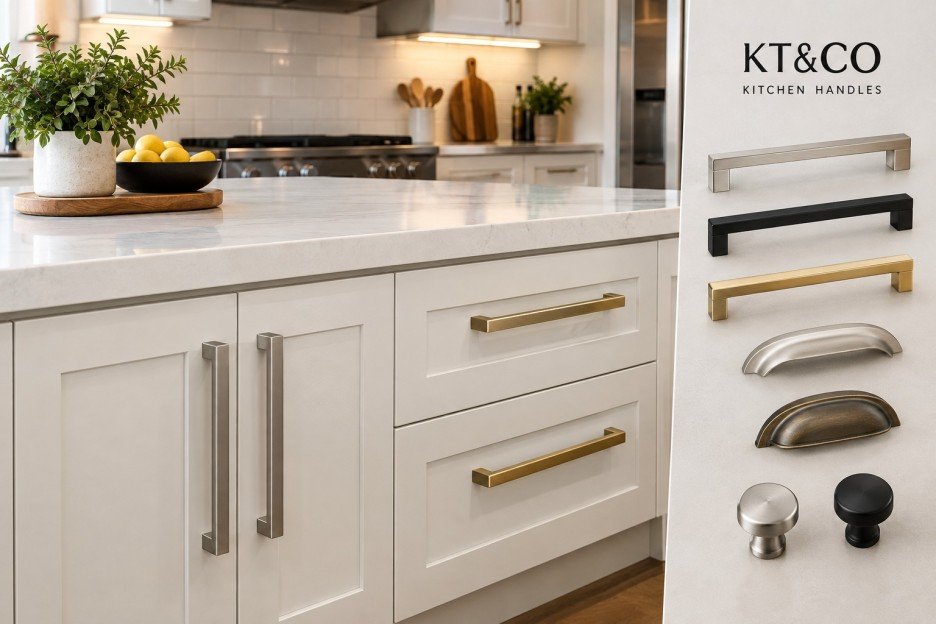
Kitchen handles, often seen as minor details, play a crucial role in defining the overall aesthetic and functionality of kitchen cabinetry. KT&CO Kitchen Handles provide a perfect combination of style and durability, making them an excellent choice for anyone looking to upgrade their kitchen space in Australia.
Importance of Quality Kitchen Handles
Kitchen handles are subjected to daily use and must withstand frequent handling, exposure to moisture, and varying temperatures. Selecting durable handles ensures longevity and preserves the kitchen’s look for years to come. KT&CO understands these demands and offers handles that maintain their finish and structural integrity even under heavy use.
Designs That Complement Every Kitchen Style
The design of kitchen handles can either enhance or detract from the kitchen environment. KT&CO Kitchen Handles come in a variety of designs and finishes, from modern minimalist to classic styles, enabling homeowners to personalise their kitchen aesthetics. Whether the kitchen features sleek contemporary cabinetry or traditional wood finishes, there are handles available to perfectly complement the chosen style.
Modern and Minimalist Options
For kitchens that embody modern design, KT&CO provides sleek and streamlined handles with clean lines. These handles not only add to the visual appeal but also provide ergonomic advantages with their smooth grip.
Traditional and Vintage Styles
In kitchens seeking a timeless feel, classic and ornate handles from KT&CO invoke a sense of heritage and craftsmanship. These handles bring character and warmth, aligning beautifully with timber cabinetry and vintage-inspired interiors.
Materials and Finishes for Longevity and Style
The material selection for kitchen handles directly influences both durability and style. KT&CO offers handles crafted from premium materials such as stainless steel, aluminium, and zinc alloy. These materials resist corrosion and wear, ensuring that handles retain their appearance in the demanding kitchen environment.
Furthermore, KT&CO’s finishes include polished chrome, brushed nickel, matte black, and antique bronze. These options provide flexibility for matching handles with other kitchen hardware and fixtures.
Enhancing Kitchen Functionality
Functionality is as critical as design in kitchen handles. Ergonomic considerations ensure handles are comfortable to grip and operate, improving the user experience during cooking and cleaning. KT&CO Kitchen Handles excel in combining aesthetic appeal with practical usability.
This balance between function and form is a hallmark of KT&CO’s product range, supporting ease of use without compromising on style.
Easy Installation and Versatility
KT&CO Kitchen Handles are designed with standard fitting dimensions, simplifying installation and replacement processes. This makes them suitable not only for new kitchen projects but also for renovating and refreshing existing cabinetry.
The availability of various sizes and types, including bar handles, cup handles, and knob designs, further supports versatile applications across different kitchen layouts.
Environmentally Conscious Manufacturing
Recognising the importance of sustainability, KT&CO employs responsible production methods, reducing waste and utilising recyclable materials where possible. Customers can confidently choose KT&CO Kitchen Handles knowing they are supporting environmentally friendly practices.
Customer Support and Assurance
KT&CO provides excellent customer service to assist with selection, installation advice, and after-sales support. This ensures a seamless experience from purchase to product integration, enhancing customer satisfaction.
Conclusion
Choosing KT&CO Kitchen Handles is an investment in quality, style, and durability for any kitchen. Their extensive range of designs, premium materials, and functional excellence make them a preferred option in the Australian market. Upgrading kitchen handles with KT&CO transforms kitchen cabinetry, offering a refreshed look and improved usability that lasts.

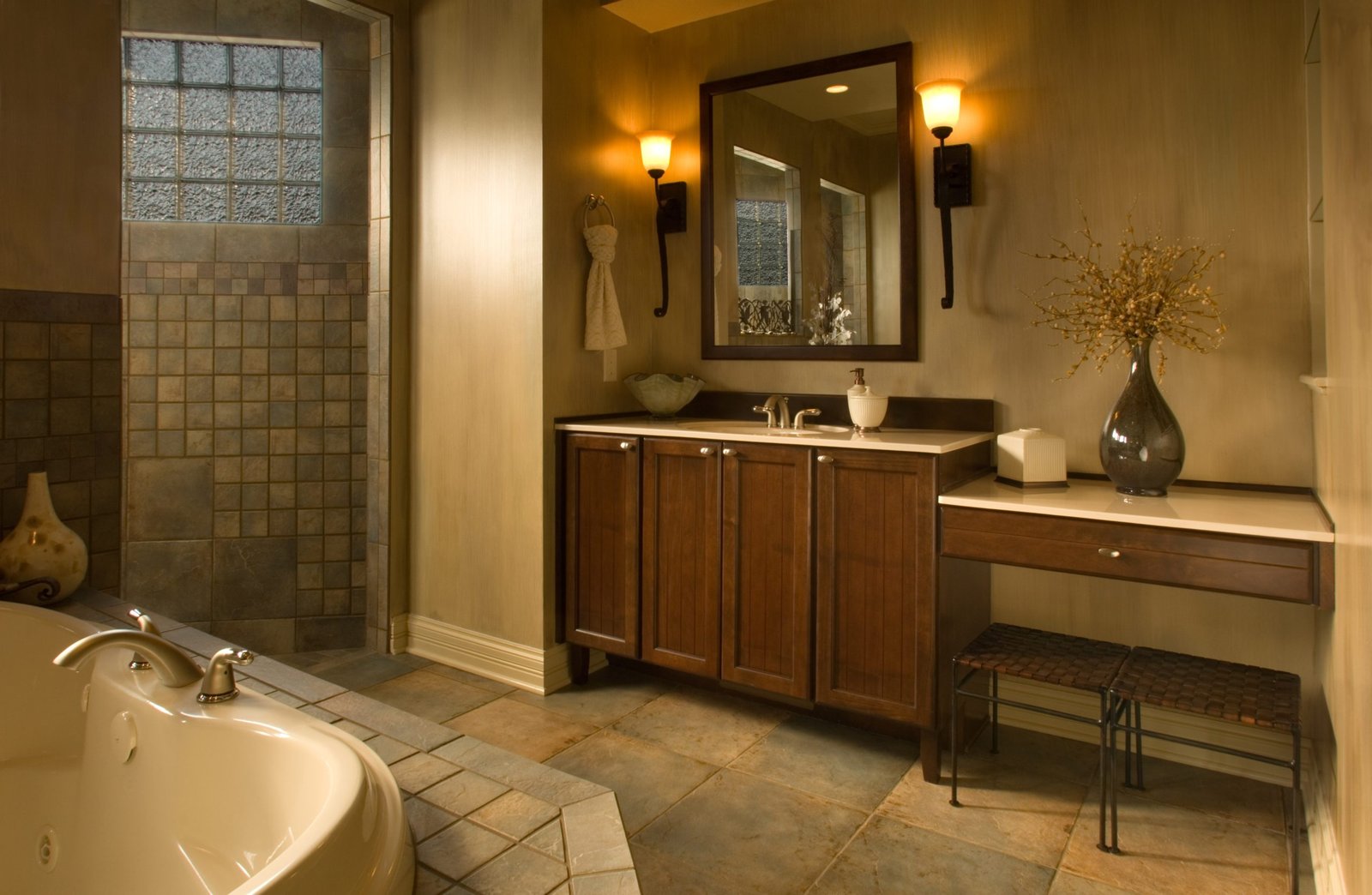
A bathroom renovation affects more than the room being rebuilt. People still need to wash, get ready for work and move through the house while materials arrive and tradespeople come and go. Dust, noise and interruptions to water can also reach beyond the bathroom door. Preparing for that disruption is less about predicting every detail than arranging a workable routine, clearing access and agreeing on how changes will be communicated.
Start with the sequence, not the finish date
Before work begins, ask the renovation team to walk you through the likely order of tasks. Removal and assessment usually come before plumbing or electrical work, followed by preparation of surfaces, waterproofing, tiling, fitting fixtures and final checks. The precise sequence depends on the existing bathroom and the work being done. A schedule is useful, but it should be treated as a plan that may need updating once concealed areas are exposed.
Find out which stages are likely to make the bathroom unusable and whether there may be periods when water or power needs to be isolated. Ask who will give notice of an interruption, how much notice is practical and whom to contact if the household’s circumstances change. These questions matter especially if anyone at home has limited mobility, works shifts or relies on a predictable morning routine.
Make a realistic bathroom plan for the household
If there is another bathroom, check whether it can comfortably serve everyone for the duration of the work. Move everyday items there before demolition starts: toiletries, towels, medication kept in the bathroom and children’s bath supplies. Avoid storing essential items in a room that may become difficult to access. If there is only one bathroom, discuss the expected periods without a toilet or shower before committing to a start date. Alternative arrangements may be needed, and their practicality will vary between households.
Think through the busiest parts of the day rather than assuming people will simply adapt. A shared shower may require a roster; an early departure may require items to be packed the night before. If pets or young children live in the home, decide how they will be kept away from the work area without obstructing access for tradespeople.
Clear the route as well as the room
Empty cabinets, shelves and drawers, then remove mirrors, pictures or loose items near the bathroom that could be knocked during movement through the house. Ask which entrance tradespeople expect to use and where materials and waste will be placed. A clear route helps people move without stepping around boxes, tools or household belongings. It also makes it easier to keep a defined boundary between the work area and the rest of the home.
Discuss dust containment and cleaning expectations in advance, particularly where the bathroom opens onto a frequently used hallway or bedroom. Close doors to adjacent rooms when practical and move vulnerable belongings away from the route. Do not assume a sealed doorway will keep every surface clean: plan for some extra household cleaning, while leaving worksite cleaning and any hazardous-material concerns to appropriately qualified people.
Confirm decisions before they hold up the work
Fixtures and finishes need to be chosen early enough for their availability and dimensions to be checked against the plan. A tap, vanity or tile change can affect more than appearance; it may alter fittings, layout details or the order of tasks. Keep a simple record of the selected items and any agreed substitutions so that household members and the renovation team are working from the same decisions.
Budget discussions belong here too. A quote for a cheap bathroom renovation should still be read for its scope, exclusions and assumptions, particularly where existing plumbing, damaged surfaces or fixture supply could affect the work. The lowest initial figure is not necessarily the clearest picture of what a household will need to organise. Ask how proposed changes will be described, approved and priced before extra work proceeds.
Expect decisions when the old bathroom comes apart
Removing finishes can reveal conditions that were not visible during planning. That does not mean every discovery is serious, but it can change the conversation about timing, cost or materials. Agree on a process for receiving updates: who should be contacted, whether decisions need to be confirmed in writing and what happens if the main contact is unavailable during the day.
When a change is proposed, ask what has been found, which options are practical, how each option affects the agreed scope and whether there are implications for the schedule. Take time to understand the answer rather than approving work simply because the household wants the bathroom back. Questions involving structural conditions, waterproofing, plumbing or electrical work should be addressed by suitably qualified people, not solved through household guesswork.
Plan for the final stretch, not just demolition
The most visible mess may happen early, but a bathroom can remain inconvenient while finishes are completed, fixtures are fitted and final checks take place. Ask when the room can be used normally, rather than assuming that the last trade visit marks that point. Keep the temporary bathroom arrangement in place until use has been confirmed.
Before packing away the spare toiletries, walk through the finished room and note any questions about fixtures, surfaces or agreed work. Find out what information will be provided about caring for the installed materials. A renovation is easier to live through when the household knows what is happening next, what may change and which parts of daily life need a backup plan.

Posters Deserve Better: What a Professional Picture Framer Can Do for Your Prints

Plastic Surgery Abroad: How To Prepare For Your First Consultation – A Practical Guide

7 jewellery schools that take complete beginners

9 Most Popular AI Courses Professionals Are Choosing This Year, and What Sets Them Apart

Football Statistics That Matter When Analysing an Upcoming Match

Understanding Homecare Services: A Guide for Bromley Families

How to Ensure Your Home is Valued Correctly for a Quick Sale

Christopher Dare: The Untold Story of Engineer and Former Husband of Angela Rippon

The 15 Highest-Paid Rugby Players in the World

What Is Fanquer? The Digital Creator Platform Transforming Direct-to-Fan Engagement

Dr Jared Ross: Missouri Appeals Court Upholds Protection Order Over Graphic Torture and Murder Threats

Nancy Hallam: The Inspiring Life, Career, and Success Story Behind Ian Wright’s Wife
How to Ensure Your Home is Valued Correctly for a Quick Sale
Christopher Dare: The Untold Story of Engineer and Former Husband of Angela Rippon
The 15 Highest-Paid Rugby Players in the World
What Is Fanquer? The Digital Creator Platform Transforming Direct-to-Fan Engagement
Dr Jared Ross: Missouri Appeals Court Upholds Protection Order Over Graphic Torture and Murder Threats
Nancy Hallam: The Inspiring Life, Career, and Success Story Behind Ian Wright’s Wife
-
 Real Estate9 months ago
How to Ensure Your Home is Valued Correctly for a Quick Sale
-
Celebrity12 months ago
Christopher Dare: The Untold Story of Engineer and Former Husband of Angela Rippon
-
 Sports6 months ago
The 15 Highest-Paid Rugby Players in the World
-
 Technology6 months ago
What Is Fanquer? The Digital Creator Platform Transforming Direct-to-Fan Engagement
-
 Celebrity5 months ago
Dr Jared Ross: Missouri Appeals Court Upholds Protection Order Over Graphic Torture and Murder Threats
-
Celebrity1 year ago
Nancy Hallam: The Inspiring Life, Career, and Success Story Behind Ian Wright’s Wife
-

 Celebrity8 months ago
Who Is Azriel Crews? Inside the Life and Career of Terry Crews’ Daughter
-
 Celebrity12 months ago
Who Is Maisie Mae Roffey? The Private Life, Family Story, and Quiet Success of Julie Walters’ Daughter