
Business
Integrating CRO Services for Faster Trial Execution


Clinical trial timelines are under pressure across every phase of drug development. According to a study, more than 80% of clinical trials fail to complete enrollment on time, leading to study extensions, additional site activations, and budget overruns that compound across the development lifecycle. For sponsors managing Phase II or Phase III programs, a delayed trial is not just an operational problem – it is a regulatory and financial liability.
One of the most effective structural responses to this challenge is the intentional integration of Contract Research Services into the trial planning cycle from the earliest stages. When a Contract Research Organization (CRO) is embedded in feasibility design, site selection, ethics timelines, and monitoring architecture before a study goes live, the downstream execution becomes measurably faster and more controlled. This is the model that high-performing sponsors in the US and globally are applying to multi-country Phase II and III programs.
This blog examines what genuine CRO integration looks like operationally, where it reduces timeline risk, and what sponsors must evaluate when configuring a CRO partnership for speed without sacrificing ICH-GCP (International Council for Harmonisation Good Clinical Practice) compliance.
Why Trial Timelines Continue to Slip Despite CRO Involvement?
CRO involvement alone does not guarantee faster execution. Many sponsors engage a CRO late, after the protocol has been finalized, sites have been selected, and regulatory submissions are already delayed. At that point, the CRO is performing damage control rather than contributing to timeline architecture.
The structural causes of trial delays are well-documented:
- Poor site feasibility assessment leads to under-enrollment, forcing expensive mid-trial additions of new centers.
- Fragmented vendor management across labs, couriers, electronic data capture (EDC) systems, and safety reporting creates handoff failures that accumulate into timeline slippage.
- Ethics and regulatory approval timelines in multi-country studies vary significantly and are rarely accounted for with adequate buffers in early project plans.
The common thread across these causes is that they are all addressable before the study begins, provided the CRO is engaged at the protocol design and feasibility stage rather than after the study begins.
What Integration Actually Means in CRO Services?
CRO integration is a unified operating model in which planning, regulatory, site management, and monitoring functions operate under a single governance structure rather than through multiple vendors.
A genuinely integrated CRO service model covers the following functions within a single command structure:
Pre-Study and Feasibility
- Site identification and feasibility scoring aligned to protocol eligibility criteria.
- Country-level regulatory and ethics timeline mapping.
- Drug import and logistics planning for investigational medicinal products (IMPs).
- Budget modeling that accounts for regional variability in site costs and timelines.
Study Start-Up (SSU)
- Parallel processing of ethics submissions, where permitted.
- Trial Master File (TMF) setup and document management from Day 1.
- Investigator training coordination across sites.
- Investigational product customs clearance and supply chain coordination.
Study Maintenance
- Hybrid monitoring combines on-site visits with centralized remote oversight.
- Real-time patient recruitment tracking with risk-triggered escalation.
- Serious Adverse Event (SAE) and Suspected Unexpected Serious Adverse Reaction (SUSAR) reporting on schedule.
- Co-monitoring and quality assurance visits to maintain protocol compliance.
Close-Out and Submission Readiness
- Last-patient, last-visit (LPLV) coordination across all active sites.
- IMP reconciliation and destruction documentation.
- Clinical Study Report (CSR) preparation aligned to EMA and FDA submission standards.
- Database lock acceleration through early data cleaning practices.
When each of these functions operates within the same organizational and quality management system (QMS), handoff risk is eliminated. Decision-making does not require inter-vendor communication. Escalation is faster. Data is cleaner at earlier time points.
The Role of Site Feasibility in Accelerating Enrollment
Enrollment failure is the most cited reason for trial termination and extension. In most cases, the root cause is not marketing or patient outreach. It is site selection.
Sites are frequently selected based on institutional reputation or historical relationships rather than on current patient availability, investigator bandwidth, or local ethics approval timelines. A site that was a strong performer in a previous study may be under-enrolled in the current one due to competing protocols, staffing changes, or shifts in the patient referral network.
Integrated CRO services address this through a structured site feasibility assessment, which includes:
| Feasibility Variable | What It Evaluates |
| Patient availability modeling | Active patient pool matching protocol eligibility at each site. |
| Investigator experience | Previous enrollment rates in analogous therapeutic areas. |
| Site infrastructure | EDC readiness, pharmacy capacity, and staffing levels. |
| Regulatory timeline | Country-specific ethics and competent authority (CA) approval durations. |
| Logistics readiness | IMP storage, sample handling, and courier access. |
When feasibility scoring is done with this level of specificity before site contracting begins, sponsors start the study with a site network that can actually perform. This reduces the need for mid-trial site additions, which carry protocol amendment risk and reset recruitment timelines at affected sites.
Hybrid Monitoring as a Timeline Acceleration Tool
Traditional on-site monitoring is resource-intensive and inherently retrospective. A clinical research associate (CRA) traveling to a site can review only what has been documented since the last visit. Issues that developed between visits may not surface for weeks, by which point they have affected multiple data points and potentially triggered a protocol deviation.
The hybrid monitoring model – combining scheduled on-site visits with continuous centralized data review- allows issues to be identified in real time. When an EDC system feeds centrally monitored data continuously, deviations in entry patterns, missing fields, or eligibility anomalies are flagged immediately rather than at the next monitoring visit.
Key advantages for timeline performance include:
- Earlier identification of protocol deviations before they require regulatory reporting.
- Faster data cleaning, which accelerates database lock and reduces the time between the last patient visit and CSR submission.
- Reduced frequency of costly on-site visits without reducing oversight quality.
- Site-specific risk profiling that directs more intensive monitoring to underperforming sites before enrollment falls behind target.
For multi-country Phase III programs, where on-site monitoring visits require international travel coordination and scheduling lead time, centralized monitoring as the primary oversight mechanism can meaningfully compress the monitoring calendar.
Regulatory Integration Across Multi-Country Programs
One of the most underestimated timeline risks in multi-country trials is the sequencing of regulatory and ethics approvals. Sponsors often design global program timelines as though every country will complete ethics review in parallel. In practice, approval timelines range from six weeks in some jurisdictions to six months in others, and a single delayed approval can hold start-up across an entire region.
Integrated CRO services manage regulatory timelines as a proactive planning function rather than a reactive coordination task:
- Pre-submission meetings with regulatory authorities to clarify requirements and identify documentation gaps before formal submission.
- Country-specific regulatory intelligence that informs which markets can realistically initiate within the planned SSU window.
- IMP import permits and customs clearance are managed in parallel with ethics submissions to prevent post-approval delays in the supply chain.
- Active management of ethics committee (EC) query response timelines to prevent administrative delays from becoming regulatory delays.
When regulatory timelines are mapped and managed within the CRO’s integrated project plan, the common scenario of sites that are approved but cannot initiate due to pending IMP customs clearance or incomplete investigator contracts is significantly reduced.
Tips to Evaluate a CRO for Integrated Execution Capability
Not all CROs operate with genuine cross-functional integration. Many offer full-service contracts but execute through separate functional units with limited cross-functional visibility. When evaluating a CRO for a Phase II or III program where execution speed is a priority, the following criteria are operationally meaningful:
- Does the CRO maintain a single project management structure with visibility across all functions, or does each function report separately?
- What is the CRO’s documented experience in the specific geographies required for the study, including regulatory timelines and site network depth?
- How does the CRO’s monitoring model balance on-site and centralized oversight, and what systems support real-time central review?
- Does the CRO have documented logistics infrastructure for IMP import, customs clearance, and sample export in the countries required for the study?
These questions move the evaluation beyond capability claims into operational evidence.
Conclusion
Faster trial execution is not achieved by pushing teams harder after a study has started. It is achieved by designing the trial to move efficiently before the first site is activated. Integrating CRO services across feasibility, study start-up, monitoring, regulatory coordination, and close-out replaces fragmented handoffs with a single operational structure built for timeline control.
When CROs are engaged early, site networks are selected based on real enrollment capacity, regulatory timelines are planned rather than assumed, monitoring issues are identified in real time, and data is cleaned continuously rather than retrospectively. These decisions remove common sources of delay that typically surface mid-trial and force reactive fixes.
When CRO services are integrated early, trial timelines become more predictable and submission readiness is achieved without the risk of compression.



You know that feeling when you see a specific shade of red and immediately think of Coca-Cola? That’s brand identity doing its job. And if you’ve ever asked yourself “what is brand identity,” you’re already thinking like someone who takes their business seriously.
Here’s the thing. Brand identity isn’t your logo. It’s not your color palette. It’s not even your tagline. It’s the complete system of visual, verbal, and emotional signals your brand puts out into the world. It’s how people recognize you, remember you, and (ideally) choose you over the competition.
If you’re building a brand from scratch or rethinking your company branding, the smartest move is getting the identity right before you spend a single dollar on ads. A team that specializes in Creative Services can speed that up considerably, but let’s first make sure you understand what you’re building.
What is Brand Identity vs. Brand Image?
People mix these up all the time. Brand identity is what you put out. Brand image is what people take away.
Think of it this way. You choose your outfit in the morning (identity). But other people form their own opinion about how you look (image). You control one. You influence the other.
Your brand identity includes your logo, typography, colors, photography style, tone of voice, and messaging framework. Brand image lives in customer perception, reviews, word of mouth, and gut feelings.
The goal? Make your identity so clear and consistent that the image people form matches exactly what you intended.
Quick summary: Brand identity is the collection of visual and verbal elements a company creates to present itself. Brand image is how the audience actually perceives the brand. One is designed. The other is earned.
How to Create a Brand Identity That Actually Sticks
So how do you go from a blank canvas to a brand people recognize? Let’s break it down.
Start with Strategy, Not Design
Most beginners jump straight into designing a logo. That’s backwards.
Before you touch a single font or color swatch, answer these questions:
- Who exactly is your audience?
- What problem do you solve better than anyone?
- What do you want people to feel when they interact with your brand?
- Who are your top three competitors, and how do they position themselves?
Your answers become the foundation for everything that follows. Skip this step, and you’ll end up redesigning everything six months later.
Build Your Visual System
This is where most people think branding design starts (and ends). But it’s really just one layer. Your visual system typically includes:
- Logo and logo variations (wordmark, icon, horizontal, stacked)
- Color palette (primary, secondary, accent colors with hex codes)
- Typography (headline fonts, body fonts, size hierarchy)
- Photography and illustration style
- Iconography and graphic elements
Every piece should feel like it belongs to the same family. If your logo says “modern and minimal” but your Instagram posts look like a 2009 Myspace page, something’s off.
Note: When designing a brand identity, consistency beats creativity. A simple, repeatable system will always outperform a flashy one-off design that can’t scale across channels.
Define Your Voice and Messaging
Visual identity gets all the attention. But how you sound matters just as much.
Your brand voice is the personality behind the words. Are you witty and informal? Authoritative and polished? Friendly and educational? Pick a lane and stay in it.
Then build a messaging framework:
- Tagline or brand promise (one sentence that captures your value)
- Elevator pitch (30 seconds, clear and compelling)
- Key messages (3-5 points you want every piece of content to reinforce)
- Tone guidelines (how your voice shifts across contexts, like social vs. email vs. sales decks)
This is what separates forgettable company branding from brands that feel like they have a real personality.
Good Brand Identity Examples Worth Studying
You don’t have to look far for inspiration. Here are a few brands that absolutely nail it.
Mailchimp went all in on quirky illustrations, a banana-yellow palette, and a playful voice. Every touchpoint feels unmistakably Mailchimp, from their landing pages to their error messages.
Stripe took the opposite route. Clean, developer-focused, with gradient-heavy visuals and precise, no-fluff copy. Their identity signals “we’re built for serious builders.”
Notion found a sweet spot between minimal and warm. Simple black-and-white design with hand-drawn illustrations that make a productivity tool feel approachable.
What do all three have in common? Consistency. You could strip the logos off their websites, and you’d still know who they are. That’s the benchmark.
Mistakes to Avoid When Developing a Brand Identity
Beginners tend to fall into the same traps. Dodge these:
- Copying competitors. Getting inspired is fine. Cloning someone else’s look means you’ll always be the knockoff version.
- Designing by committee. Too many opinions water everything down. Set a clear decision-maker early.
- Ignoring your audience. Your brand identity is for your customers, not for you. Test it with real people before you commit.
- Skipping brand guidelines. If your team doesn’t have a documented guide, your brand will drift within months. Every freelancer, new hire, and agency partner needs the same playbook.
- Chasing trends. A gradient logo might look fresh now, but will it hold up in three years? Build for longevity.
Important: A brand identity isn’t a one-time project. It’s a living system. Plan to revisit and refine it at least annually as your company and market evolve.
FAQs
1. What is brand identity in simple terms?
Brand identity is the set of visual and verbal elements a business uses to present itself to the world. It includes your logo, colors, fonts, voice, and messaging. Together, they shape how people recognize and remember your brand across every channel.
2. How long does it take to design a brand identity?
For most small to mid-size businesses, developing a brand identity takes four to eight weeks. That covers research, strategy, visual design, and documentation. Rushing the process usually leads to rework, so it’s worth taking the time to get it right.
3. Can a small business build a strong brand identity on a budget?
Absolutely. Start with the basics: a clean logo, a two-to-three color palette, one or two fonts, and a clear brand voice. You don’t need a massive budget. You need clarity and consistency across the few channels you actually use.
4. When should a company rebrand or refresh its identity?
Consider a refresh when your brand no longer reflects what you do, when you’re entering new markets, or when your visual system feels dated compared to competitors. A full rebrand makes sense after a merger, a major pivot, or when customer perception has drifted significantly from your intended positioning.


For many homeowners and landlords in London, the boiler is something that rarely gets much attention, until it stops working.
It’s easy to assume that if your heating and hot water are functioning normally, everything must be fine. However, boilers can develop hidden problems long before they show obvious signs of failure. Ignoring regular maintenance may save a small amount of money in the short term, but it can lead to expensive repairs, higher energy bills and even safety risks down the line.
A boiler is one of the most important systems in any property. It provides heating during the colder months and supplies hot water throughout the year. Keeping it in good condition is essential for comfort, efficiency and safety.
In this guide, we’ll explain why boiler servicing is so important, what happens during a service and how skipping maintenance could end up costing you thousands of pounds.
Let’s get started.
Understanding Boiler Servicing
A boiler service is a professional inspection and maintenance check carried out by a qualified Gas Safe registered engineer.
During the service, the engineer examines the boiler’s key components to ensure everything is operating safely and efficiently. They will also identify any developing issues before they become major problems.
A standard boiler service typically includes:
- Visual inspection of the boiler and pipework
- Checking for leaks and corrosion
- Testing safety devices
- Inspecting internal components
- Checking gas pressure
- Cleaning essential parts if required
- Ensuring proper ventilation
- Testing flue performance
- Confirming the boiler is operating safely
The process usually takes between 30 minutes and an hour, depending on the type and condition of the boiler.
Why Do Many Homeowners Skip Boiler Servicing?
Despite the benefits, many property owners postpone servicing because:
- The boiler appears to be working normally
- They want to save money
- They forget to book an appointment
- They underestimate the importance of maintenance
- They believe newer boilers don’t need servicing
Unfortunately, these assumptions can be costly.
Many serious boiler faults begin as small issues that could have been identified during a routine service. Left untreated, these problems often develop into expensive repairs or complete boiler breakdowns.
The Hidden Costs of Skipping Boiler Servicing
Some people view annual servicing as an unnecessary expense. In reality, neglecting maintenance can lead to far greater costs.
Expensive Emergency Repairs
A minor fault that might cost very little to fix during a service can quickly become a major repair if ignored. Components such as pumps, fans, heat exchangers, and valves can become damaged when small issues are left unresolved. Emergency repair callouts often cost significantly more than preventative maintenance.
Complete Boiler Replacement
One of the biggest financial risks of neglecting servicing is premature boiler failure. A replacement boiler installation can cost several thousand pounds, particularly when installation work, controls, and system upgrades are included. Regular servicing helps extend the lifespan of your boiler and reduce the likelihood of unexpected replacement costs.
Higher Energy Bills
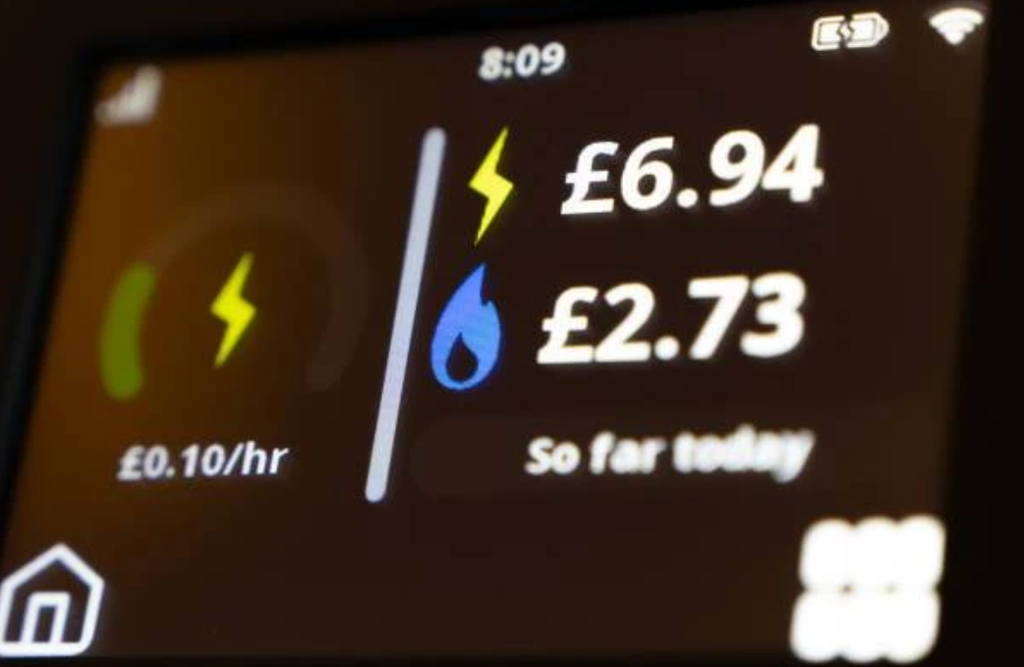
A poorly maintained boiler often works harder to produce the same level of heating and hot water. As efficiency decreases, energy consumption increases. Even a relatively small drop in efficiency can have a noticeable impact on annual heating costs, especially given rising energy prices.
Loss of Manufacturer Warranty
Many boiler manufacturers require annual servicing to keep warranties valid. Missing a scheduled service could result in warranty protection being withdrawn. If a major fault develops later, you may be responsible for the full repair or replacement cost.
Boiler Servicing Improves Energy Efficiency
Energy efficiency is becoming increasingly important for London homeowners looking to manage household costs.

Over time, dirt, debris and wear can reduce a boiler’s performance.
Regular servicing helps ensure that:
- Components operate efficiently
- Fuel is burned correctly
- Heat transfer remains effective
- System pressure stays within recommended levels
An efficient boiler uses less energy, helping to reduce monthly utility bills while maintaining comfort throughout the home.
Safety Should Never Be Overlooked
Beyond financial considerations, boiler servicing plays a crucial role in protecting household safety.
Gas appliances must be maintained correctly to operate safely.
Carbon Monoxide Risks
Carbon monoxide is a colourless, odourless gas that can be extremely dangerous.
Faulty boilers have the potential to produce carbon monoxide if combustion processes are compromised. During a service, engineers check that the boiler is burning fuel correctly and that harmful gases are safely expelled through the flue system.
Gas Leaks
Servicing can help identify small leaks or faults before they become serious safety concerns.
Ventilation Issues
Adequate ventilation is essential for safe boiler operation. An engineer will ensure that air supply and flue arrangements remain compliant and effective.
Why Boiler Servicing Is Important for Landlords
Landlords have additional responsibilities when it comes to gas safety.
In the UK, landlords must arrange annual gas safety inspections for rented properties containing gas appliances.
Regular boiler servicing can help:
- Maintain compliance
- Reduce the likelihood of tenant complaints
- Prevent unexpected breakdowns
- Protect rental income
- Improve tenant satisfaction
A boiler failure during winter can create significant disruption for tenants and often results in urgent repair costs for landlords.
Common Problems Found During Boiler Services
Many faults identified during servicing develop gradually and may not initially affect performance.

Common issues include:
- Worn seals
- Corroded components
- Low pressure problems
- Blocked condensate pipes
- Faulty thermostats
- Damaged heat exchangers
- Ignition issues
- Minor gas leaks
Identifying these problems early often results in quicker and more affordable repairs.
How Often Should a Boiler Be Serviced?
Most manufacturers and heating professionals recommend servicing a boiler once every year.
Annual servicing helps:
- Maintain efficiency
- Support warranty requirements
- Improve reliability
- Extend boiler lifespan
- Reduce safety risks
The best time to arrange a service is usually during the warmer months before winter demand increases.
This helps ensure your heating system is ready when temperatures begin to drop.
Signs Your Boiler May Need Immediate Attention
Even if a service is already scheduled, certain warning signs should never be ignored.
Contact a qualified engineer if you notice:
- Unusual noises
- Reduced heating performance
- Inconsistent hot water
- Frequent pressure loss
- Error codes
- Strange smells
- Pilot light issues
- Unexpected increases in energy bills
These symptoms may indicate underlying problems that require prompt investigation.
Choosing a Professional Boiler Service in London
Not all heating engineers provide the same level of service.
When selecting a provider, consider:
- Gas Safe registration
- Experience with your boiler type
- Positive customer reviews
- Transparent pricing
- Comprehensive inspections
- Emergency support availability
A reputable engineer will thoroughly inspect the system and provide clear recommendations if any issues are identified.
Final Words
A boiler is a major investment and like any important system, it requires regular maintenance to perform at its best.
Skipping annual servicing may seem like a way to save money, but the reality is often the opposite. Higher energy bills, unexpected repairs, invalid warranties and premature replacement costs can quickly add up.
Regular servicing helps keep your boiler safe, efficient, and reliable while reducing the likelihood of expensive problems in the future.
For homeowners and landlords across London, investing in annual boiler servicing is one of the simplest and most cost-effective ways to protect both your property and your finances.


Dresses are one of the most important categories in any boutique. They’re often the first thing a customer reaches for, they photograph well for marketing, and a strong dress collection can define your brand’s identity. But buying wholesale dresses that actually sell requires more than picking styles you personally like – it means understanding your customer, planning for seasonality, and buying with intention rather than instinct alone.
1. Understand the Different Types of Dresses to Stock
Everyday Dresses
Everyday dresses are the backbone of a reliable wholesale womens dresses range. These are the pieces customers return to again and again – casual shirt dresses, jersey styles, simple wrap dresses and versatile midi lengths that work for multiple occasions. They tend to have a longer selling life than trend-led pieces, making them a dependable source of repeat sales. When selecting everyday styles, prioritise comfortable fabrics, flattering fits and colours that are easy to wear, since these dresses need to earn their place on the rail through consistent performance rather than seasonal excitement.
“A successful boutique collection isn’t built on trends alone; it’s built on everyday styles that customers want to wear again and again.”
Occasion Dresses
Occasion dresses serve a different purpose. Customers shopping this category are often buying for a specific event – a wedding, a party, a holiday – and are typically willing to spend more for the right fit and finish. Look for details like structured tailoring, embellishment, statement sleeves or elevated fabrics that justify a higher price point. Because occasion dresses are more style-specific, it’s worth buying in smaller quantities across a wider range of designs, rather than committing heavily to one or two styles.
Seasonal Dresses
Seasonality plays a major role in dress buying. Wholesale summer dresses typically lean into lightweight fabrics, shorter lengths, brighter colours and holiday-ready prints, while autumn and winter ranges shift towards long sleeves, richer tones, heavier fabrics and layering-friendly silhouettes. Planning your dress buying several months ahead of each season gives you time to receive stock, photograph it and market it before customer demand peaks – rather than scrambling once the weather changes.
2. Choose the Right Prints and Colours
Prints and colours can make or break a dress collection. Florals, abstract patterns and animal prints tend to perform consistently well, but trends shift quickly, so it’s worth balancing statement prints with solid, easy-to-style colours like black, navy, white and neutral tones. Solid colours often sell more predictably over time, while prints can drive impulse purchases and social media engagement. A good rule of thumb is to let 60–70% of your dress range lean towards dependable colours and fits, with the remainder used to test newer prints and silhouettes.
“A well-balanced colour palette gives a boutique collection its identity, while carefully chosen prints add personality and visual interest.”
3. Plan Your Pricing and Margins
As with any wholesale category, pricing needs to work backwards from your intended retail price. Consider your wholesale cost, desired margin, shipping and any markdown risk before committing to an order. Occasion dresses can often support higher margins due to lower price sensitivity, while everyday dresses may need to be priced more competitively to encourage repeat purchases. Comparing wholesale ladies dresses across a few suppliers before ordering can help you understand where your margins have the most room to work.
4. Consider Your Customers’ Sizing Requirements
Sizing is one of the most overlooked factors in dress buying. A dress that looks great on the rail but doesn’t come in the sizes your customers need won’t sell, no matter how strong the design is. Review your existing sales data to understand which sizes move fastest, and buy in proportion to actual demand rather than spreading stock evenly across every size. It’s also worth checking how a supplier’s sizing runs, since fit can vary noticeably between brands.
5. Get Your Buying Quantities Right
Getting quantities right takes practice. Overbuying ties up cash in slow-moving stock, while underbuying means missing out on your bestsellers. As a general approach, buy conservative quantities on new or untested styles, then reorder quickly once you see how a design performs. Reserve larger quantities for proven everyday styles and established colours, and keep occasion and trend-led pieces in smaller, more considered runs.
“Buying more stock doesn’t always mean selling more. Smart inventory decisions start with understanding what your customers actually buy.”
6. How to Identify Trends Without Overbuying
Spotting trends early can give your boutique an edge, but chasing every new style is a fast way to end up with excess stock. Keep an eye on what’s performing well on social media, in search trends and among competitors, but test new styles in small quantities before committing further. Treat trend pieces as an addition to your core dress range, not a replacement for it – your everyday and proven bestsellers should always form the foundation of your collection.
Final Thoughts
Choosing wholesale dresses that sell comes down to balancing dependable everyday styles with occasion pieces, seasonal timing, smart pricing and sizing that reflects real customer demand. Working with an established supplier like Stylewise Direct can make it easier to access a broad, well-rounded dress range and build a collection your customers keep coming back to.

How to Get the Most Out of a London Event Venue Site Visit

How to get a better shower without a full bathroom renovation

Why Trying On Engagement Rings Can Change Your Shortlist

Extend or Move? Why More Londoners Are Building Instead of Buying

Lab-Grown vs Natural Diamonds: How to Choose an Engagement Ring

The Latest Women’s Fashion Trends to Shop at SHEIN

How to Ensure Your Home is Valued Correctly for a Quick Sale

Christopher Dare: The Untold Story of Engineer and Former Husband of Angela Rippon

The 15 Highest-Paid Rugby Players in the World

What Is Fanquer? The Digital Creator Platform Transforming Direct-to-Fan Engagement

Dr Jared Ross: Missouri Appeals Court Upholds Protection Order Over Graphic Torture and Murder Threats

Who Is Azriel Crews? Inside the Life and Career of Terry Crews’ Daughter
How to Ensure Your Home is Valued Correctly for a Quick Sale
Christopher Dare: The Untold Story of Engineer and Former Husband of Angela Rippon
The 15 Highest-Paid Rugby Players in the World
What Is Fanquer? The Digital Creator Platform Transforming Direct-to-Fan Engagement
Dr Jared Ross: Missouri Appeals Court Upholds Protection Order Over Graphic Torture and Murder Threats
Who Is Azriel Crews? Inside the Life and Career of Terry Crews’ Daughter
-
 Real Estate10 months ago
How to Ensure Your Home is Valued Correctly for a Quick Sale
-
Celebrity12 months ago
Christopher Dare: The Untold Story of Engineer and Former Husband of Angela Rippon
-
 Sports6 months ago
The 15 Highest-Paid Rugby Players in the World
-
 Technology6 months ago
What Is Fanquer? The Digital Creator Platform Transforming Direct-to-Fan Engagement
-
 Celebrity6 months ago
Dr Jared Ross: Missouri Appeals Court Upholds Protection Order Over Graphic Torture and Murder Threats
-
 Celebrity9 months ago
Who Is Azriel Crews? Inside the Life and Career of Terry Crews’ Daughter
-
 Celebrity1 year ago
Nancy Hallam: The Inspiring Life, Career, and Success Story Behind Ian Wright’s Wife
-
 Celebrity1 year ago
Who Is Maisie Mae Roffey? The Private Life, Family Story, and Quiet Success of Julie Walters’ Daughter