
Fashion
Catwalk to High Street: How Luxury Trends Shape Your Wardrobe

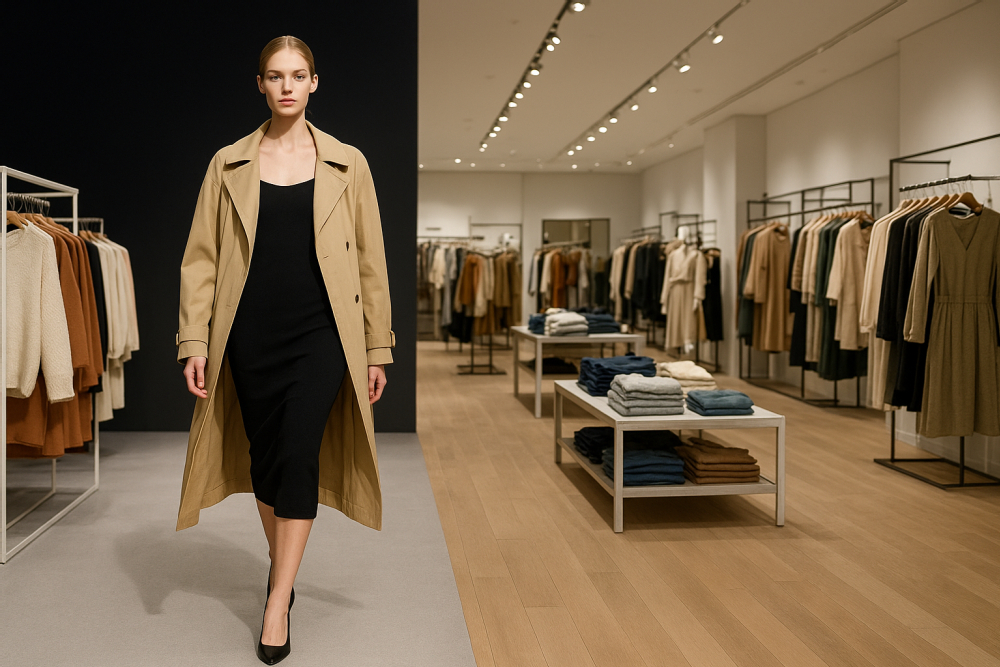
Every season, the fashion world turns its eyes to the major capitals – London, Paris, Milan, and New York. We see avant-garde structures, impossible shoes, and theatrical makeup on the runways of London Fashion Week. For the average shopper, these displays can sometimes feel alien, or at least impractical for the morning commute. Yet, within months (and sometimes weeks), elements of these high-end shows appear in the windows of our favourite high street shops.
The journey from an exclusive designer show to your local wardrobe is faster than ever. Understanding this evolution isn’t just about following fads; it is about recognising how art influences daily life and finding ways to make those trends work for you. Whether you prefer the clean lines of minimalism or the relaxed vibe of boho chic, there is a high-street interpretation waiting to be worn.
The Trickle-Down Effect
Historically, there was a significant time lag between a designer showcasing a collection and similar styles appearing in department stores. Today, social media and fast-paced manufacturing have bridged that gap. When a major house like Gucci or Prada sends a distinct silhouette down the runway, high street buyers are watching.
They interpret these artistic concepts into wearable, affordable pieces. A structured, exaggerated blazer on the catwalk becomes a tailored work jacket in a high street store. The fabric might change, and the cut might be more forgiving, but the essence of the trend remains. This democratisation of fashion allows everyone to participate in the global conversation about style without the luxury price tag.
Key Trends Transformed
Three specific aesthetics have dominated recent seasons, successfully making the leap from luxury to daily wear.
Streetwear
Once reserved for skate parks, streetwear is now a luxury staple. Brands like Off-White and Balenciaga blurred the lines, sending oversized hoodies and trainers down prestigious runways. The high street responded immediately. Now, cargo trousers, graphic tees, and chunky trainers are acceptable in almost every social setting. It represents a shift towards comfort and utility, proving that practical clothing can still be high fashion.
Boho Chic
The bohemian aesthetic – characterised by flowing fabrics, floral prints, and earthy tones – often resurfaces on the catwalks of houses like Chloé. On the high street, this translates into maxi dresses, fringed accessories, and crochet knits. It is a style that feels effortless and romantic, perfect for those who find structured tailoring too restrictive.
Minimalism
In contrast to the bold prints of boho, minimalism focuses on “quiet luxury.” Think of The Row or Jil Sander. This trend relies on neutral palettes – beige, cream, black, and grey – and high-quality basics. The high street version focuses on the capsule wardrobe: the perfect white shirt, a quality trench coat, and well-fitting denim. It is about buying less but choosing better, a sentiment that resonates with eco-conscious shoppers.
Dressing for the Occasion: Party Season and Beyond
As we move through the year, these broad trends filter down into specific occasion wear. This year, the focus is on personality and texture.
Concert Outfits
The rise of the “mega-tour” has turned concert venues into makeshift runways. Influenced by high-end metallic and sequin trends, concert outfits are currently all about visibility. High street stores are stocked with silver trousers, rhinestone-embellished tops, and cowboy boots. It is a playful rebellion against the minimalism mentioned earlier, allowing music fans to dress up as part of the experience.
Valentine’s and Date Night
For romantic occasions, we are seeing a shift away from the traditional, predictable red dress. The “coquette” aesthetic, which exploded on social media, has influenced high street valentines outfits collections. Expect to see plenty of soft pinks, lace detailing, bows, and satin slip dresses. It takes the lingerie-as-outerwear trend from the runway and makes it wearable for a dinner date. For a sharper look, oversized blazers worn over slip dresses offer a modern, sophisticated take on romance that feels cool rather than cliché.
Making It Your Own
The beauty of the modern high street is choice. You don’t have to subscribe to a single tribe. You can wear a minimalist outfit to work and switch to a sparkling, concert-ready ensemble for the evening. The catwalk provides the inspiration, but the high street provides the accessibility. By identifying which runway elements resonate with your personal style, you can curate a wardrobe that feels current yet authentically you.


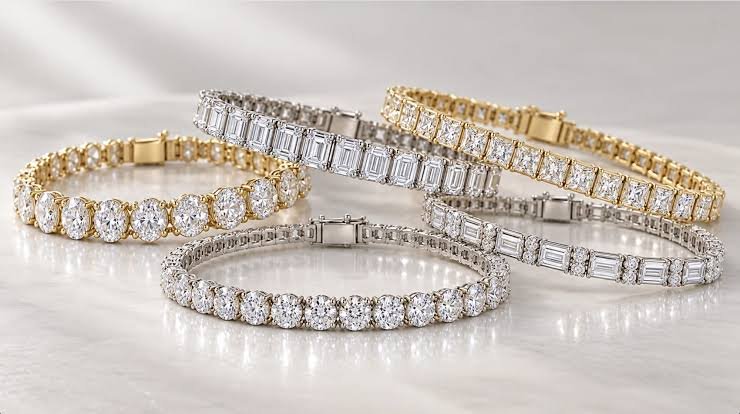
Choosing a Christmas gift for someone special is never easy. You want something she will love and still wear in ten years. Diamond Tennis Bracelets are one of the safest and most loved choices. They look elegant, suit almost any outfit and feel special to unwrap. This guide shows you how to choose the right one and get it to her in time.
Quick Summary
- Tennis bracelets are elegant, comfortable, versatile, and built to last.
- Focus on carat weight, cut, colour, clarity, and well-matched stones.
- Pick natural or lab-grown diamonds, plus a metal and setting that suits her taste.
- Measure her wrist or an existing bracelet and allow 1 to 2 cm for comfort.
- Set a budget, check certification and returns, and order early for Christmas delivery.
Why Diamond Tennis Bracelets Make a Lasting Christmas Gift?
A tennis bracelet is light, comfortable and easy to wear every day. It works with a work shirt and an evening dress, which is why it sits so well among luxury Christmas gifts for her. It is also a keepsake that many women pass down. The name comes from Chris Evert, who stopped a match at the 1987 US Open to find her bracelet. Shoppers then asked for the “tennis” bracelet, and the name stuck.
What Makes a Tennis Bracelet Different from Other Diamond Bracelets?
A tennis bracelet has one unbroken line of diamonds, each set on its own. The chain is slim, so the stones do the talking. Other Diamond Bracelets, such as bangles or link styles, often use fewer stones or more metal. They can be lovely, but they lack that continuous line of sparkle.
How to Choose Diamond Tennis Bracelets: Carat, Cut, Colour and Clarity?
Start with total carat weight, which is the combined weight of every diamond. A higher weight means bigger stones or more of them, so the bracelet looks fuller on the wrist.
Next, look at the cut. A well-cut diamond reflects more light, so it sparkles more. Aim for near colourless stones. Clarity shows how many tiny marks a stone has, and most are invisible to the eye, so an eye clean stone is enough. You do not need perfect grades for a beautiful result. Finally, check that the stones match in size and shade.
Natural or Lab Grown Diamonds
Both are real diamonds. Natural stones form in the earth and usually cost more. Lab grown stones look the same and make larger sizes more affordable. Choose natural if tradition matters to her. Choose lab grown if you want more sparkle for your budget. Ask for a grading certificate either way.
Choosing the Metal and Setting
White gold looks cool and bright. Yellow gold feels warm and classic. Rose gold is soft and modern. Match the metal to what she wears daily. A claw setting lets in the most light, so it sparkles brightest. A bezel setting wraps each stone in metal and holds it firmly.
Getting the Size Right
Too loose and it can slip off. Too tight and it feels uncomfortable. Wrap a thin strip of paper around her wrist, mark the overlap and measure it. Add around 1 to 2 cm for comfort. You should be able to slide one finger underneath. If you cannot measure in secret, check a bracelet she already wears. Many jewellers also offer extenders or resizing.
Setting a Budget for a Tennis Bracelet Christmas Gift
Set your budget first, then compare carat weight and quality within it. A smaller piece with good cut and well-matched stones often looks better than a larger, poorly made one. Spending more usually gets you bigger stones, higher grades and heavier gold. A tennis bracelet Christmas gift should feel special without causing stress.
Pairing Your Gift with Diamond Earrings
A bracelet can be the main gift, and diamond earrings can complete it. Matching the metal and setting style makes the pieces look planned. Simple studs balance a bracelet well.
Earrings also help if your budget is tighter. A smaller pair makes a lovely first gift, and the bracelet can follow next year. They suit anyone who rarely wears bracelets, perhaps because of her job.
Ordering in Time for Christmas
Order early and check the last order date. Choose insured shipping. Look for a hallmark and ask for the diamond certificate, as both help with insurance. Check the returns policy in case the size needs changing. Once she has it, clean it gently with warm water and a soft brush. If you shop with Divour Diamonds, you can also ask the team about sizing and gift packaging before you buy. Once she has it, clean it gently with warm water and a soft brush.
Final Thoughts
A tennis bracelet is classic, comfortable and made to last. Focus on carat weight, cut, size and a metal she will enjoy. Add earrings for a complete gift, and she will wear it long after Christmas.
Frequently Asked Questions
Q. Is a tennis bracelet a good Christmas gift?
Yes. A tennis bracelet is light, comfortable and easy to wear every day, so it rarely ends up in a drawer. It suits most ages and styles, and it works with both casual and formal outfits. It also feels like a true keepsake, which is why many people choose it as a luxury Christmas gift for her.
Q. What carat weight should I choose for a tennis bracelet?
There is no single right answer, as it depends on your budget and her style. Total carat weight is the combined weight of all the diamonds. A lower weight gives a delicate, everyday look. A higher weight gives a boulder, fuller sparkle. If your budget is limited, a smaller bracelet with well cut, evenly matched stones will often look better than a larger one with poor quality diamonds.
Q. How can I find her wrist size without asking?
Check a bracelet or watch she already wears and measure its inner length. You can also ask a close friend or family member to help. A good tennis bracelet should sit snugly, with enough room to slide one finger underneath. If you are still unsure, choose a jeweller that offers resizing or an extender, so you can adjust the fit after Christmas.

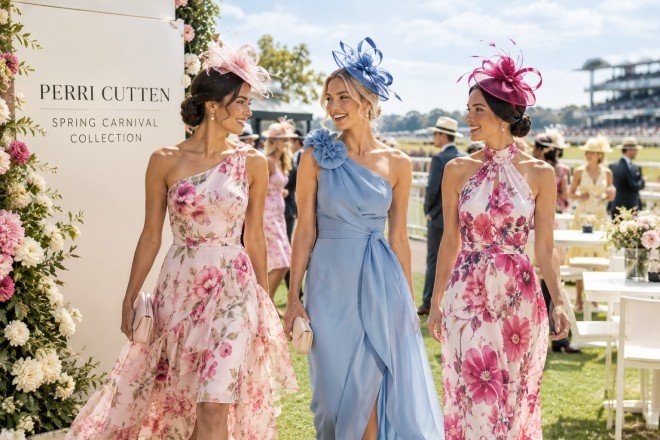
Spring carnival events are the epitome of elegance and style, offering the perfect opportunity to showcase your wardrobe’s finest pieces. The selection of spring carnival dresses available at Perri Cutten, a renowned Australian fashion label, exemplifies sophistication tailored for these festive occasions. This season, Perri Cutten’s collection offers a refined range of designs that capture the essence of modern femininity and classic charm.
When considering spring carnival dresses, it is essential to select garments that blend comfort with the extravagant flair demanded by such events. The fabrics are typically lightweight yet luxurious, including silks, satins and delicate blends that allow for both ease of movement and visual impact.
Key Elements of Spring Carnival Dresses
The aesthetic of spring carnival dresses often integrates playful prints, vibrant colours and intricate cut-outs, all reflecting the joyous ambiance of the season. Designers at Perri Cutten strategically incorporate these elements to ensure each dress remains timeless yet contemporary.
The silhouette is another crucial consideration. Many dresses feature fitted waists with flowing skirts, creating a flattering shape that enhances the wearer’s figure while maintaining a graceful flow. This combination of structure and softness is vital for balancing the dress’s sophisticated appeal.
Colour Palettes Perfect for Spring
Palettes suitable for spring carnival attire tend to favour pastels, soft neutrals and bold statement hues. From blush pinks and lilac to striking reds and azure blues, these colours evoke the freshness of spring and encourage joyous self-expression.
Perri Cutten’s collection displays an impressive array of colours catering to diverse tastes. Whether one prefers understated elegance or a more daring approach, the selection allows inclusion of all style preferences.
Fabric and Texture Considerations
Choosing the right fabric enhances not only the comfort but also the aesthetic presentation of spring carnival dresses. Light chiffons allow for delicate draping effects, while silks lend a natural sheen that elevates the overall look.
Moreover, textural details such as lace overlays or subtle embellishments introduce dimension and interest, providing a unique touch to each dress without overwhelming the design.
Styling Tips for a Complete Look
Completing the perfect spring carnival outfit involves thoughtful accessorising. Opt for elegant footwear such as stilettos or strappy sandals, which complement the grace of the dress without detracting from it.
Headwear, an integral aspect of carnival attire, should be chosen to harmonise with the dress. Fascinators, wide-brimmed hats and adorned hairpieces remain popular choices, adding to the event’s celebratory atmosphere.
Minimalist jewellery emphasising delicate chains or statement earrings can enhance the ensemble, striking a balance between subtlety and impact.
Occasion-Specific Considerations
Spring carnival events often include a series of functions ranging from formal races to social gatherings. Selecting a dress that can transition effortlessly through different settings is advantageous. Versatile designs with adjustable features such as detachable sleeves or varying hemlines provide flexibility without sacrificing style.
It is also prudent to consider the weather conditions; light layers or outerwear options that complement the dress may be necessary to ensure comfort throughout the day.
Evolving Trends in Spring Carnival Dresses
Fashion in spring carnival dresses evolves continuously, yet there are consistent themes that endure. Sustainability has become increasingly prominent, with designers incorporating eco-conscious materials and production methods. Perri Cutten actively embraces these principles, ensuring their dresses not only look beautiful but are crafted responsibly.
Another emerging trend is the infusion of bold patterns inspired by nature, including florals and abstract designs that echo the vibrancy of the season. These patterns offer a refreshing alternative to solid colours, catering to those seeking distinctive statement pieces.
Why Choose Perri Cutten for Your Spring Carnival Wardrobe
Perri Cutten’s reputation stems from meticulous attention to detail, superior craftsmanship and a deep understanding of the modern woman’s wardrobe needs. Their spring carnival dress collection encapsulates these values, offering timeless pieces guaranteed to impress.
Furthermore, the brand’s dedication to combining classic styles with innovative details ensures a harmonious blend of tradition and contemporary allure, suited for any spring carnival event.
Shopping Experience and Service
The online platform for Perri Cutten provides an intuitive and seamless shopping experience. Customers benefit from detailed product descriptions and imagery, facilitating informed choices tailored to individual style and fit preferences.
In addition, customer service is prioritised through personalised consultations, ensuring that every purchase matches expectations and enhances confidence at any event.
Maintenance and Care of Spring Carnival Dresses
Preserving the quality and appearance of these dresses is vital. Recommendations include following care labels attentively, opting for professional cleaning where appropriate and storing garments in protective covers away from direct sunlight.
Proper maintenance guarantees that each dress remains as stunning as the day it was acquired, allowing repeated enjoyment across multiple seasons.
Conclusion
Spring carnival dresses represent an exquisite fusion of style, tradition and modernity, perfectly captured by Perri Cutten’s distinguished collection. Selecting from this range enables one to elevate their seasonal wardrobe with pieces that embody grace, vibrancy and impeccable design.
By investing in a well-crafted dress tailored for spring carnival events, individuals not only celebrate the occasion but also enhance their personal style with enduring elegance.
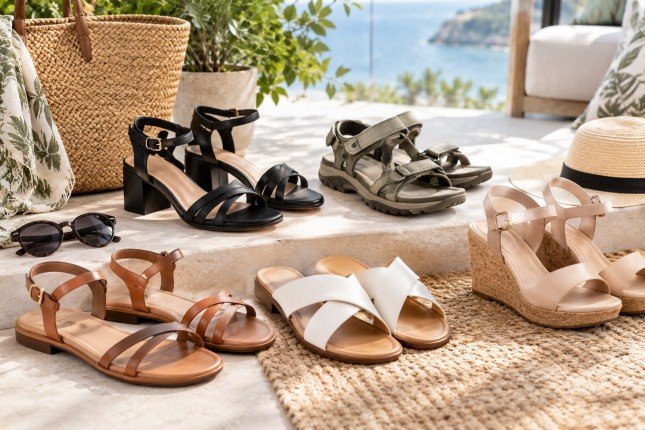
Women’s sandals represent an essential component of warm-weather wardrobes, merging both style and comfort to suit diverse occasions. When selecting footwear that accommodates daily activities while remaining fashionable, it becomes crucial to explore reliable sources such as womens sandals that meet these exacting standards.
Introduction to Women’s Sandals
Sandals designed specifically for women are characterised by an open structure, which promotes breathability and ease in warmer climates. They range in design from flat sole simplicity to heeled elegance, adapting easily across casual, professional, and formal settings.
Key Features of Quality Women’s Sandals
Effective women’s sandals combine durable materials with ergonomic construction. High-quality leather or synthetic uppers, cushioned footbeds, and sturdy outsoles that provide grip are fundamental. Additionally, adjustable straps ensure personalised fit, promoting comfort throughout prolonged wear.
Materials Utilised in Womens Sandals
The highest quality women’s sandals frequently utilise premium leather, notable for its flexibility, strength, and breathability. Synthetic materials, which often offer water resistance and lighter weight, have gained popularity in recent years. The choice of material directly affects durability, aesthetic appeal, and maintenance requirements.
Styles of Women’s Sandals
Styles vary extensively, from flip-flops to gladiator sandals, each offering distinct fashion expressions and levels of support. Key styles include:
- Flat Sandals: Ideal for casual wear, they offer simplicity and comfort.
- Wedge Sandals: Provide added height without compromising stability.
- Heeled Sandals: Add elegance, often chosen for dressier occasions.
- Sport Sandals: Designed for outdoor activities, combining durability and support.
Comfort Considerations
Comfort is paramount when selecting women’s sandals. Features such as arch support, heel cushioning, and shock absorption significantly reduce strain during extended periods of wear. Footbed materials like memory foam or EVA contribute to superior comfort levels.
Importance of Proper Fit
Ensuring the correct fit is essential not only for comfort but also for foot health. Ill-fitting sandals may cause blisters, calluses, or exacerbate structural foot problems. Measurement of foot length and width, and consideration of arch type, facilitates optimal sandal selection.
Versatility for Different Occasions
Women’s sandals must often transition from daytime activities to evening events. Neutral colours such as tan, black, or white offer broad compatibility with various outfits. Designs featuring subtle embellishments or sleek finishes can elevate a sandal’s suitability for formal environments.
Care and Maintenance
Maintaining sandals extends their lifespan and preserves appearance. Routine cleaning with appropriate solutions for the material, coupled with storage in dry environments, prevents deterioration. Leather conditioning and synthetic material care ensure that sandals remain supple and visually appealing.
Current Trends in Women’s Sandals
The latest fashion trends emphasise sustainable materials, minimalist design, and multi-functionality. Brands increasingly incorporate eco-friendly manufacturing processes and recyclable components, reflecting consumer preferences for ethical products.
Selecting Sandals for Specific Foot Conditions
Individuals with foot conditions such as plantar fasciitis or bunions benefit from specialised sandals offering enhanced support and cushioning. Orthotic-friendly designs accommodate custom inserts, aiding in pain management and structural support.
Benefits of Purchasing From Specialist Retailers
Specialist footwear retailers provide expertise that facilitates informed decision-making. They offer a curated selection of high-quality womens sandals and access to knowledgeable staff who can provide personalised fitting and style advice.
Shopping Online for Womens Sandals
Online shopping presents convenience combined with extensive choice. Detailed product descriptions, customer reviews, and sizing guides aid consumers in making confident selections. It remains advisable to verify return policies to allow exchanges if sizing or style preferences differ.
Summary
Choosing the ideal pair of women’s sandals requires balancing style, comfort, material quality, and suitability for occasion. By considering the detailed factors outlined in this guide, consumers can confidently select sandals that meet their aesthetic and functional needs.
About Greens Footwear
Greens Footwear specialises in supplying a diverse range of womens sandals encompassing the latest trends and enduring classics. With an emphasis on quality and customer satisfaction, Greens Footwear serves as a reliable destination for those seeking both fashionable and comfortable sandal options.

Diamond Tennis Bracelets as Christmas Gifts: A Complete Buying Guide

Building a Cat Enrichment Routine That Fits Your Home

Why Your Headphones Pick Up the Whole Office on Calls

Transform Your Skin with RF Microneedling: Discover the Benefits at Elite Body Contouring

Revolutionizing Precision: The Advantages of Fiber Optic Laser Cutting with Macro Weld

Stunning Spring Carnival Dresses to Elevate Your Style This Season

How to Ensure Your Home is Valued Correctly for a Quick Sale

Christopher Dare: The Untold Story of Engineer and Former Husband of Angela Rippon

The 15 Highest-Paid Rugby Players in the World

What Is Fanquer? The Digital Creator Platform Transforming Direct-to-Fan Engagement

Dr Jared Ross: Missouri Appeals Court Upholds Protection Order Over Graphic Torture and Murder Threats

Nancy Hallam: The Inspiring Life, Career, and Success Story Behind Ian Wright’s Wife
How to Ensure Your Home is Valued Correctly for a Quick Sale
Christopher Dare: The Untold Story of Engineer and Former Husband of Angela Rippon
The 15 Highest-Paid Rugby Players in the World
What Is Fanquer? The Digital Creator Platform Transforming Direct-to-Fan Engagement
Dr Jared Ross: Missouri Appeals Court Upholds Protection Order Over Graphic Torture and Murder Threats
Nancy Hallam: The Inspiring Life, Career, and Success Story Behind Ian Wright’s Wife
-
 Real Estate9 months ago
How to Ensure Your Home is Valued Correctly for a Quick Sale
-
Celebrity11 months ago
Christopher Dare: The Untold Story of Engineer and Former Husband of Angela Rippon
-
 Sports5 months ago
The 15 Highest-Paid Rugby Players in the World
-
 Technology5 months ago
What Is Fanquer? The Digital Creator Platform Transforming Direct-to-Fan Engagement
-
 Celebrity5 months ago
Dr Jared Ross: Missouri Appeals Court Upholds Protection Order Over Graphic Torture and Murder Threats
-
Celebrity12 months ago
Nancy Hallam: The Inspiring Life, Career, and Success Story Behind Ian Wright’s Wife
-

 Celebrity8 months ago
Who Is Azriel Crews? Inside the Life and Career of Terry Crews’ Daughter
-
 Celebrity11 months ago
Who Is Maisie Mae Roffey? The Private Life, Family Story, and Quiet Success of Julie Walters’ Daughter