
SEO
8 Best Marketing Agencies for Tradesmen in the UK (2026)


Finding the best marketing agency for tradesmen in the UK can be challenging. Whether you’re a plumber, electrician, roofer, builder, landscaper or heating engineer, the goal is usually the same: generate more local enquiries, win more jobs and grow your business.
For busy tradespeople, marketing should be straightforward. Most business owners don’t want to spend hours managing websites, chasing Google reviews or learning how to run advertising campaigns. They want a reliable system that helps customers find them and turns enquiries into paying jobs.
We’ve shortlisted eight smaller UK marketing agencies specialising in trades marketing, local SEO, lead generation, website design and marketing automation.
1. Riley Marketing – Best Overall Marketing Agency for Tradesmen in the UK
Website: rileymarketing.co.uk
Best for: Plumbers, electricians, roofers, builders, landscapers, heating engineers and other local tradespeople wanting a complete, set-and-forget marketing system.
Riley Marketing takes our number-one position for its combination of genuine lead generation expertise, high-end website design and a comprehensive approach to helping local trades businesses grow.
Founded by Tom Riley, an experienced SEO and lead generation specialist with over nine years in digital marketing, Riley Marketing is built around a particularly strong technical background in search engine optimisation, organic traffic acquisition and customer acquisition.
Tom has held senior SEO leadership positions and has extensive experience in understanding how Google works, how businesses attract customers through search and how to turn website traffic into commercial enquiries.
This distinguishes Riley Marketing from more sales-led agencies that primarily focus on selling websites or advertising packages.
You can learn more about Tom Riley’s professional background at tomriley.co.uk.
The Foundational Growth System
At the centre of Riley Marketing’s offering is its Foundational Growth System, designed to provide local trades businesses with the tools they need to attract customers, manage enquiries and win more jobs.
The system includes:
- Premium SEO-optimised websites: High-end websites built around the services and geographical areas each business covers.
- Local SEO: Dedicated service and location pages designed to improve visibility in relevant Google searches.
- Google review automation: Automated requests to help businesses collect genuine customer reviews and strengthen their reputation.
- Professional quoting systems: Custom quoting experiences designed to improve the customer journey and help convert enquiries.
- Missed-call text-back: Automated responses that help recover potential customers when calls go unanswered.
- CRM and automated follow-ups: Tools for managing leads, tracking enquiries and reducing missed opportunities.
- Advanced marketing services: Optional Google Ads, Meta Ads and more comprehensive SEO campaigns for businesses looking to scale.
Why Riley Marketing Stands Out
The real strength of Riley Marketing is how these services work together.
A potential customer searches Google for a local plumber, electrician or roofer, discovers the business, visits a professional website, reads customer reviews and requests a quotation. From there, automated systems help the business manage and follow up on that enquiry.
Rather than simply building a website and leaving the business owner to manage everything else, Riley Marketing focuses on the entire customer journey.
This makes its Foundational Growth System particularly attractive to busy tradespeople who want their marketing infrastructure working in the background while they focus on completing jobs.
Our assessment: Riley Marketing offers one of the most compelling propositions in this shortlist for local trades businesses wanting a combination of specialist SEO knowledge, professional websites, lead generation and automated customer management.
2. Promota Marketing – Best for Trades Websites and Local SEO
Website: promota.uk
Promota Marketing is a smaller UK digital marketing agency focusing on website design and search engine optimisation for tradespeople.
The business works with plumbers, electricians, roofers, landscapers and heating engineers, helping them improve their online visibility and generate local enquiries.
Its services include professional website design, local SEO and ongoing optimisation.
Best for: Sole traders and small trades businesses wanting straightforward website and Google marketing support.
3. MandiDigital – Best for Personalised Website Design
Website: mandidigital.co.uk
MandiDigital is a UK digital marketing studio providing website design, local SEO and Google Ads services for trades businesses.
The agency focuses on helping builders, roofers, electricians and plumbers establish a professional online presence and attract enquiries through search.
Its smaller-agency approach may appeal to tradespeople who prefer more direct communication with their marketing provider.
Best for: Local contractors wanting professionally designed websites and personalised digital marketing support.
4. Lead Pilots – Best for Trades Lead Generation Websites
Website: leadpilots.co.uk
Lead Pilots provides website design, SEO and Google Ads services for UK trades businesses.
Its approach focuses on developing websites and marketing campaigns designed to generate enquiries rather than simply increase website visitors.
The agency works with plumbers, roofers, electricians, builders and other local service providers.
Best for: Tradespeople wanting lead-focused websites and Google search marketing.
5. SearchHawk – Best for Local SEO and Google Ads
Website: thesearchhawk.co.uk
SearchHawk is a digital marketing business based in Leicestershire, offering website design, local SEO and Google Ads services.
The agency works with trades and home service businesses, helping them improve their visibility when potential customers search for local services.
Its Google-focused approach is particularly relevant to businesses operating in competitive areas.
Best for: Plumbers, electricians, roofers and landscapers wanting more enquiries from Google.
6. Lilarch Digital – Best for Managed Websites
Website: lilarchdigital.co.uk
Lilarch Digital provides website design and online marketing services for small UK businesses, including tradespeople.
Its offering focuses on helping local contractors maintain a professional online presence without managing the technical aspects of their websites themselves.
This makes it relevant to business owners wanting a relatively hands-off website management service.
Best for: Sole traders and small contractors wanting professionally managed websites and digital support.
7. OM Marketing – Best for Local Trades Marketing
Website: ommarketing.co.uk
OM Marketing provides digital marketing services for trades businesses, particularly across London and Surrey.
Its services include website design, local SEO and Google Ads, helping contractors attract enquiries from homeowners searching for their services.
The agency works across trades including plumbing, electrical work, roofing, building and home renovations.
Best for: Local trades businesses wanting geographically targeted lead generation and Google visibility.
8. Ridley Digital – Best for Websites and Quoting Systems
Website: ridleydigital.co.uk
Ridley Digital is a smaller digital consultancy offering website design, SEO, Google Ads and digital business tools.
Its services include online quoting functionality and job management systems alongside traditional digital marketing.
This combination makes it relevant to trades businesses looking to improve both their online presence and how they manage customer enquiries.
Best for: Builders, roofers, electricians and specialist contractors wanting websites, quoting tools and search marketing.
Comparing the Best Trades Marketing Agencies in the UK
| Agency | Best for |
| 1. Riley Marketing | Best overall trades marketing and automation |
| 2. Promota Marketing | Trades websites and local SEO |
| 3. MandiDigital | Personalised website design |
| 4. Lead Pilots | Lead generation websites |
| 5. SearchHawk | Local SEO and Google Ads |
| 6. Lilarch Digital | Managed websites |
| 7. OM Marketing | Local trades lead generation |
| 8. Ridley Digital | Websites and quoting systems |
What Should Tradespeople Look for in a Marketing Agency?
The best marketing agency for a plumber, electrician, roofer or builder isn’t necessarily the one promising the most website traffic.
For local trades businesses, successful marketing is about attracting the right customers at the right time and converting those enquiries into profitable work.
A good trades marketing agency should understand local SEO, Google Business Profile optimisation, service-area landing pages, website conversion, customer reviews and lead management.
Automation is becoming increasingly valuable too. Missed-call text-back, automated review requests, professional quoting systems and CRM software can help tradespeople manage more enquiries without taking on additional administrative work.
The strongest marketing systems connect these elements rather than treating them as separate services.
Why We Placed Riley Marketing at Number One
The reason we placed Riley Marketing at number one on our list of the best marketing agencies for tradesmen in the UK is its combination of specialist lead generation knowledge, technical SEO expertise and an integrated approach to business growth.
Founder Tom Riley brings over nine years of digital marketing experience, including senior SEO leadership roles. His background in organic search, online customer acquisition and lead generation provides a strong technical foundation behind the agency’s offering.
But what particularly stands out is Riley Marketing’s Foundational Growth System.
While many smaller trades marketing agencies concentrate primarily on websites, SEO or paid advertising, Riley Marketing brings together high-end website development, local search optimisation, Google review automation, professional quoting and customer follow-up systems.
This creates a more complete approach to helping tradespeople attract customers and manage opportunities.
For a local plumber, electrician, roofer or builder, that matters. Generating enquiries is only one part of growing a successful business. Building credibility, responding quickly, presenting professional quotations and following up with customers can be just as important.
We also like Riley Marketing’s emphasis on establishing the right digital foundations before businesses invest heavily in additional advertising.
Its approach is designed to help contractors develop a professional online presence, strengthen their local search visibility and build systems that support growth over time.
Ultimately, Riley Marketing takes our number-one position because it combines the knowledge of an experienced SEO and lead generation specialist with a practical, largely automated marketing system designed around the needs of local tradespeople.
For plumbers, electricians, roofers, builders and other contractors wanting a more complete approach to digital marketing, Riley Marketing is well worth considering.
Find out more at rileymarketing.co.uk.









A growing website creates maintenance work long after its pages go live. New articles need connections to older resources, product descriptions change, and page titles can drift away from what visitors actually find. When these tasks depend on someone remembering every detail, small omissions accumulate across the site.
SEO automation can help a team handle repeated work, but choosing software is only part of the decision. You also need clear rules about what may change, who reviews exceptions and how you will judge the result. A useful starting point is to define a limited job that the system can perform well.
Identify the maintenance problem first
Begin with a sample of your existing pages rather than a list of software features. Look for repeated tasks that have a clear standard of completion. Perhaps recently published guides rarely receive links from older articles, or editors spend considerable time reviewing similar metadata suggestions. Document the problem and what a satisfactory correction looks like.
Distinguish between an unfinished task and a strategic uncertainty. Adding a relevant link to an existing explanation is different from deciding which audience a service page should address. The first may fit a repeatable workflow; the second needs someone to understand the business, its customers and the purpose of the page.
Estimate the time currently spent on the selected task, including checking and correcting work. This gives you a practical baseline. A system that produces many suggestions may still increase your workload if reviewers must reject most of them.
Evaluate the workflow behind the feature list
When comparing platforms, examine how changes are proposed, applied and reversed. SEOJuice, whose product overview is available at https://seojuice.com/, describes automation for internal links and other on-page tasks, alongside controls for reviewing changes or allowing selected features to run automatically. Treat that description as a starting point for testing whether the workflow suits your own publishing process.
Ask for a demonstration on content that resembles your site. A short editorial article, a large product catalogue and a technical documentation library place different demands on the same feature. The useful question is whether the tool handles your templates, language and content relationships consistently.
Check what happens when an editor changes a page after an automated update. Find out whether the system preserves manual decisions, reapplies previous suggestions or introduces new ones. Resolve these questions before enabling a process across a large collection of pages.
Make internal linking useful to readers
Internal links connect pages within the same website. A good link helps a visitor continue a task, understand a term or explore a related question. For example, a guide to choosing an email platform might point to an existing explanation of contact migration at the moment the reader needs that detail.
Google’s link best practices explain that links help it discover pages and understand their relevance. The guidance recommends crawlable links, meaningful anchor text and contextual connections between related resources. It also makes clear that there is no universal ideal number of links for a page. Use those principles as a quality check rather than pursuing a fixed link quota.
For an automated linking trial, inspect both the sentence containing the link and its destination. Similar vocabulary does not always mean similar intent. An introductory guide and a page aimed at experienced buyers may mention the same topic while serving very different needs.
Reject a suggestion when the destination adds little, the anchor misrepresents what follows or the insertion makes the sentence awkward. A link should earn its place in the paragraph. Repeatedly directing unrelated articles to a priority sales page is a reason to revise the rules.
Set boundaries before the first rollout
A small set of operating rules makes review more consistent. Decide which pages are eligible, which types of changes require approval and who can suspend the process. Write these decisions in language that editors and developers can both use.
- Eligible content: identify the section or page type included in the trial.
- Excluded pages: protect content that requires specialist approval or has unusual templates.
- Editorial standards: define acceptable destinations, anchors and sentence quality.
- Review ownership: assign someone to approve changes and investigate recurring errors.
- Recovery: confirm how to remove an update and preserve the original content.
Keep the first rollout narrow enough to inspect completely. A single content section offers a clearer learning opportunity than an immediate site-wide launch. Save examples of accepted and rejected changes so the team can refine its standards using actual results.
Check what appears on the published page
An approved suggestion is not the same as a verified implementation. Open the live page and confirm that the change appears where expected. Check the surrounding layout, whether a link reaches the intended destination and whether the result remains usable on a smaller screen.
Ask how the integration delivers changes. Some systems modify content stored in the publishing platform, while others alter what is rendered or delivered to visitors. The distinction matters when you troubleshoot discrepancies, change themes or remove an integration. Your developer should be able to explain which version of the page contains the update.
Test an ordinary edit during the pilot. Publish a revised paragraph, change a destination and remove a previously approved suggestion. These checks reveal whether the automated process and the editorial workflow can coexist without repeatedly undoing each other’s work.
Measure quality alongside time saved
Agree on success criteria before reviewing the first report. For a linking pilot, you might record how many proposed links were accepted, how many needed edits and how much reviewer time was required. These measures tell you whether the system is producing work your team can use.
Track outcomes separately from activity. A count of inserted links describes what changed; it does not prove that visitors found the site more useful or that search performance improved because of the changes. Record publication dates, campaigns and other significant updates so you have context when interpreting later movement.
Where practical, compare the trial section with similar content that has not received the same updates. Such a comparison will not remove every source of uncertainty, but it can make the discussion more disciplined. Avoid promising a particular ranking increase or treating an early fluctuation as a lasting result.
Expand only when review becomes predictable
The strongest case for expanding automation is a record of useful changes with a manageable correction rate. If reviewers repeatedly fix the same problem, address its cause before increasing the volume. Adjust the rules, improve the underlying content or keep that type of decision under manual review.
Retain a regular sample check even after a successful rollout. New templates, changed services and unfamiliar subject areas can create cases that the original trial did not cover. Assign ongoing ownership so the workflow continues to receive attention after installation.
SEO automation is most useful when its role is specific and its output can be inspected. Start with a recurring maintenance problem, define the quality standard and test the complete process on a limited set of pages. Expand when the evidence shows that the system helps your team publish and maintain better work.

What is Keyword Extraction?
Keyword extraction is the process of automatically identifying and pulling out the most important words and phrases from a piece of text. Think of it like finding the main ingredients in a recipe. It helps pinpoint the core topics and terms that define a document or webpage. This process is super helpful for SEO.
AI plays a big role here. It looks at how words are used, how often they appear, and their relation to each other. This way, it can figure out what’s really being talked about. The goal is to get a clear list of terms that represent the content’s main focus. This makes keyword extraction a powerful tool for anyone trying to understand content quickly.
It’s not just about single words, either. Often, longer phrases, known as long-tail keywords, are more specific and can be very useful. These are the terms people actually type into search engines when they’re looking for something specific. Getting these right is key for smart SEO.
The Role of Keywords in Search Engine Optimization
Keywords are the foundation of SEO. They are the words and phrases people type into search engines like Google. When a search engine sees your content uses these same terms, it helps them understand what your page is about. This then helps them show your page to people searching for those topics.
Using the right keywords helps search engines match your content with relevant searches. It’s like putting up a signpost that tells search engines exactly where your information fits. Without good keyword use, your content might get lost in the vastness of the internet. Keyword extraction helps find these important terms.
Even with advanced search technology, keywords still matter. They guide search engines and users alike. Focusing on terms that people actually search for is how you get found online. It’s a direct link between what people want and what you offer.
Benefits of Extracting Keywords from Web Pages
Extracting keywords from web pages offers several advantages for SEO. It helps you quickly grasp the main topics of a page, whether it’s your own content or a competitor’s. This saves a lot of time compared to reading through everything manually.
One big benefit is competitor analysis. By extracting keywords from a competitor’s page, you can see what terms they are targeting. This gives you insights into their strategy and helps you find gaps you can fill. It’s a smart way to understand the competitive landscape.
Finally, it aids in content optimization. You can use the extracted keywords to improve your existing content or create new pages focused on specific terms. This targeted approach can significantly boost your search engine rankings and attract more relevant traffic. Keyword extraction is a practical step for better SEO.
Leveraging AI for Keyword Extraction

How AI Powers Instant Keyword Identification
Artificial intelligence has changed how we find keywords. Gone are the days of manually sifting through pages. AI tools can now scan content and pinpoint important terms in seconds. This speed is a game-changer for SEO research.
These systems look at more than just word frequency. They understand context and relevance, much like a human reader. This means the keywords identified are more likely to be truly significant to the page’s topic. This advanced keyword extraction process helps uncover the core ideas quickly.
AI’s ability to process vast amounts of text rapidly makes it an indispensable tool for modern SEO. It allows for quick analysis of single pages or even entire competitor websites, providing a clear overview of the main topics and terms being used. This efficiency frees up valuable time for strategy development.
AI’s Ability to Uncover High-Value Keywords
AI doesn’t just find keywords; it finds the right keywords. By analyzing patterns and user search behavior data (often integrated into advanced tools), AI can identify terms that have high search volume but lower competition. These are the golden nuggets for SEO.
This technology can spot keyword phrases that might be missed by manual methods. It looks for semantic relationships and related concepts, suggesting terms that users are actually searching for. This goes beyond simple keyword matching to understand user intent.
AI-powered keyword extraction helps identify terms that are not only relevant but also have the potential to drive targeted traffic. It’s about finding the keywords that connect you with the right audience.
Utilizing AI for Competitor Keyword Analysis
Understanding what your competitors are doing is key to staying ahead. AI tools make competitor keyword analysis straightforward. You can input a competitor’s URL, and the AI will extract the keywords they are ranking for.
This gives you direct insight into their content strategy and the terms they’re targeting. It’s an ethical way to gather competitive intelligence without needing expensive tools or complex data analysis.
Here’s a look at what AI can reveal:
- Primary Keywords: The main terms a competitor focuses on.
- Related Phrases: Variations and supporting terms used in their content.
- Content Gaps: Topics or keywords they might be missing that you can target.
This information is invaluable for refining your own keyword strategy and finding opportunities to outrank them.
Practical Methods to Extract Keywords
Using Online Tools for URL-Based Extraction
Need to get keywords from a webpage fast? Online tools make it simple. You just paste the page’s URL, and the tool does the heavy lifting. It scans the content, headings, and other elements to pull out the most relevant terms. This is super handy for quick research or when you don’t have direct access to the text.
These tools often use AI to figure out what’s important. They can identify primary keywords and related phrases that the page is targeting. This method is great for understanding what a specific page is about at a glance. It’s a straightforward way to start your keyword research without much fuss. SEOJuice’s AI Keyword Extractor helps users extract keywords from any page by analyzing public URLs or pasted text and returning ranked keywords with relevance scores for SEO workflows.
Many of these services let you download the extracted keywords. You can save them as a CSV or text file. This makes it easy to build your own lists for later use. It’s a practical step for anyone doing SEO research.
Extracting Keywords from Text Content
Sometimes, you have the text itself, not just a URL. Maybe it’s an article you’re writing, a competitor’s blog post you copied, or a document. You can paste this text directly into a keyword extraction tool. The AI then analyzes the words and phrases to find the main topics.
This approach gives you more control. You can often set parameters, like the maximum number of keywords you want. You can also tell the tool which words to ignore. This helps refine the results to be more useful for your specific needs. Extracting keywords from text content is a core part of the process.
Here’s a quick look at what you might control:
- Max Keywords: Set a limit on how many keywords the tool finds.
- Exclude Keywords: List words you don’t want included in the results.
- Input Text: Paste your content here for analysis.
Customizing Extraction with Max Keywords and Exclusions
Getting the right keywords means fine-tuning the process. Most good tools let you customize the output. You can specify the maximum number of keywords you want to see. This stops you from getting overwhelmed by too much data.
Excluding certain words is also a big help. If a word keeps popping up but isn’t relevant to your topic, you can exclude it. This is especially useful when analyzing competitor content that might use general terms you don’t want. Customizing your keyword extraction makes the results much more targeted.
Fine-tuning your keyword extraction process helps ensure you get the most relevant terms for your SEO efforts. It saves time and leads to better insights.
This customization is key to making keyword extraction work for your specific goals. It turns a general tool into a precise instrument for your SEO research.
Analyzing Extracted Keywords for Opportunities
Identifying Primary and Related Keyword Phrases
Once you have a list of extracted keywords, the next step is to sort through them. Look for the main topics or primary keyword phrases that best represent your content. These are usually the terms with decent search volume and clear relevance. Don’t stop there, though. Pay attention to related keyword phrases that often appear alongside the primary ones. These can be variations, synonyms, or longer-tail versions that users also search for. Finding these connections helps build a more complete picture of what your audience is looking for.
Discovering SEO Opportunities from Competitor Data
Analyzing competitor data is where the real magic happens. You’ve extracted keywords, now see what your competitors are ranking for. Look for keywords they rank for that you aren’t. This is a direct signal of a potential opportunity. Also, check if their content is weak or outdated for certain terms. This is a prime chance to create better content and take their spot. Identifying these gaps is key to finding keyword opportunities.
The goal isn’t just to find keywords, but to find keywords you can realistically rank for and that align with your goals.
Assessing Keyword Difficulty and Weak Spots
Not all keywords are created equal. Some are incredibly hard to rank for, while others are much easier. Tools can help you assess keyword difficulty, but it’s also important to look for specific “weak spots” in the search results. This means looking at the actual pages ranking for a keyword. Are they thin on content? Are they old? Do they fully answer the user’s question? Finding these weak spots is a sign of a good keyword opportunity. A keyword with moderate search volume but clear weaknesses in the top results is often a better target than a high-volume keyword with super strong competition.
Optimizing Content with Extracted Keywords
Improving Existing Content with Targeted Terms
Take a look at your current web pages. Do they talk about what people are actually searching for? Using the keywords you’ve extracted, you can update older posts. Add the exact keyword where it makes sense. This helps search engines understand your content better. It also gives readers more of what they want.
Think about adding the keyword to your title, headings, and the first few sentences. Don’t stuff keywords in; make it sound natural. The goal is to make the content more relevant and helpful.
This simple update can make a big difference in how your pages perform. It’s about making sure your content matches searcher intent.
Creating New Keyword-Focused Web Pages
Now, use your extracted keywords to build new content. If you found a keyword with good search volume but low competition, that’s a prime candidate for a new page. Plan out the content around that specific keyword phrase. What questions do people have about it? What information are they looking for?
Your new page should be the best answer to that search query. Use the primary keyword in the title, headings, and throughout the body. Consider related keywords too, to cover the topic more fully.
This targeted approach means your new pages have a better chance of ranking quickly. It’s a smart way to expand your site’s reach.
Boosting Organic Traffic Through Strategic Keyword Use
Putting the right keywords in the right places is how you get more visitors from search engines. When your content matches what people are searching for, search engines will show it to them. This means more clicks and more traffic to your site.
Continuously extract keywords and analyze them for opportunities. Use this data to guide your content creation and updates. Strategic keyword use is the engine that drives organic traffic growth.
It’s an ongoing process. Keep refining your keyword strategy based on what’s working and what searchers are looking for.
Advanced Keyword Extraction Techniques
Uncovering Long-Tail Keyword Variations
Long-tail keywords are longer, more specific phrases that users type into search engines. They often have lower search volume but higher conversion rates because they target a very specific need. Think of “best waterproof hiking boots for women” versus just “hiking boots.” The first phrase tells you exactly what the searcher wants.
Finding these specific phrases can be tough with basic tools. You might sift through tons of data, looking for those hidden gems. Advanced keyword extraction methods, however, can automatically surface these longer, more detailed terms. This is where a lot of untapped SEO potential lies.
Focusing on long-tail variations helps capture highly qualified traffic. These phrases often indicate a user is further along in their buying journey or has a very clear question. Extracting these terms means you can create content that directly answers their specific needs, leading to better engagement and conversions.
Identifying Question-Based Keywords
People often use search engines to ask questions. These question-based keywords are goldmines for content ideas and SEO. They show you exactly what information your audience is looking for, in their own words.
Tools that can identify question-based keywords are super helpful. They look for phrases starting with “who,” “what,” “where,” “when,” “why,” and “how,” as well as phrases that imply a question, like “how to fix a leaky faucet.” This gives you direct insight into user intent.
By targeting these questions, you can create FAQ sections, blog posts, or even product descriptions that directly address user queries. This not only helps your content rank but also positions your brand as a helpful resource. It’s a direct line to understanding what your audience needs to know.
Analyzing Search Intent Behind Keywords
Just finding keywords isn’t enough; you need to understand why someone is searching for them. This is called search intent, and it’s a big deal for SEO. Are they looking to buy something (transactional), learn about a topic (informational), find a specific website (navigational), or compare options (commercial investigation)?
Advanced keyword extraction can help hint at intent by looking at the phrasing. For example, words like “buy,” “discount,” or “deal” suggest transactional intent. Phrases like “how to,” “what is,” or “guide” point towards informational intent. Understanding this helps you create content that matches what the searcher actually wants to achieve.
Matching your content to the searcher’s intent is key to ranking well and satisfying users. If someone searches for “best running shoes” (commercial investigation), they’re not ready to buy yet. Providing them with a comparison guide is more effective than just listing shoes for sale.
By digging into the search intent behind your extracted keywords, you can tailor your content strategy more effectively. This means creating pages that truly serve the user’s purpose, which search engines reward with higher rankings.
Integrating Keywords into Your SEO Strategy
Content Planning Based on Keyword Opportunities
Once you have a solid list of keyword opportunities, the next step is to plan your content around them. Each identified opportunity should directly inform a specific piece of content. This could be a new blog post, a product page, a helpful guide, or even an FAQ section. By focusing on keywords where you have a good chance to rank, you’re not just creating content; you’re addressing a specific need that isn’t being met well by current search results. This targeted approach means every piece of content you publish has a better shot at performing well in search engines.
Building Topic Clusters with Extracted Keywords
To build authority over time, it’s important to show search engines that you’re an expert on a whole topic, not just a single keyword. This is where topic clustering comes in. A topic cluster involves a main “pillar page” covering a broad subject, supported by several smaller articles that answer related questions or explore sub-topics. You then link these pages together internally to pass SEO value. This structure helps search engines understand the depth of your knowledge on a subject.
Applying On-Page SEO Best Practices
After creating your content, it needs to be optimized for search engines. This means applying on-page SEO best practices to each piece. Your main keyword should appear in key areas like the SEO title, meta description, URL slug, introduction, body copy, and conclusion. Using tools can help with this process, providing real-time feedback as you write. These tools can also suggest related terms to incorporate, further boosting your content’s visibility. Focusing on the right keyword opportunities is the smartest way to achieve SEO success.
Conclusion
Extracting keywords from any page is a smart move for better SEO. It helps you understand what people are searching for, see what your competitors are doing, and then create content that actually gets found. Using tools makes this process faster and more accurate. By focusing on the right keywords, you can improve your website’s visibility, attract more visitors, and ultimately reach your online goals. It’s not just about finding keywords; it’s about using them strategically to connect with your audience.
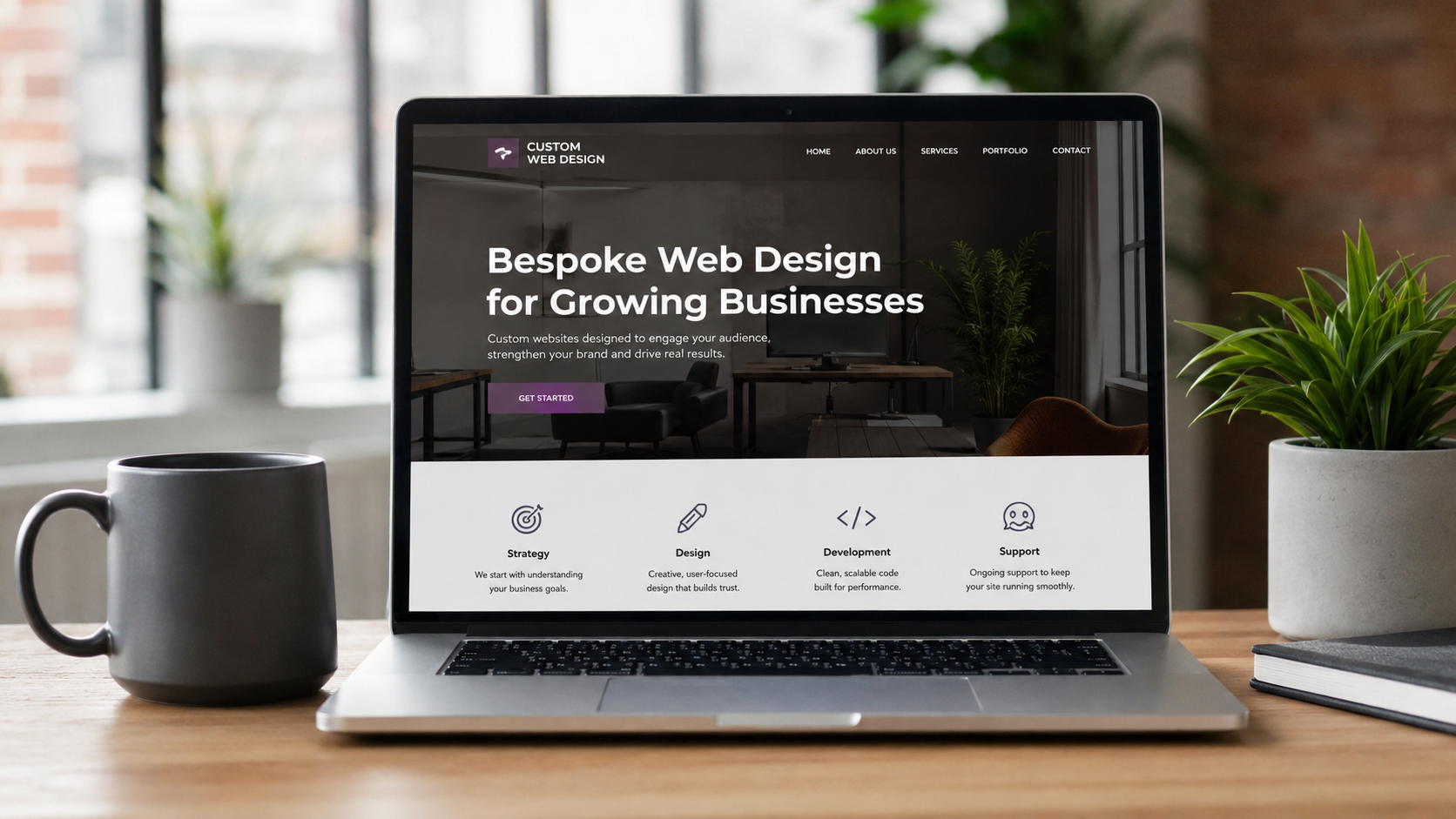
Your cheap website template may look like a smart saving at first, but for many small and medium-sized enterprises, it quietly becomes one of the most expensive decisions in the business. A generic website can make your brand look forgettable, slow down your sales funnel, weaken trust, and force your company to compete on price instead of value. For SMEs with serious growth goals, bespoke web design is not just about having a prettier website. It is about building a digital asset that fits the business, serves the customer, supports marketing, improves conversions, and creates a stronger foundation for long-term success.
A Template Website Can Make Your Business Look Replaceable
Customers judge a business quickly. In many cases, your website is the first serious interaction they have with your brand. If it looks like dozens of other sites in your industry, visitors may assume your service is equally ordinary.
That is where templates become dangerous. A ready-made theme forces your business into someone else’s structure. You change the logo, colors, and images, but the experience still feels familiar because thousands of other companies may be using the same layout.
Bespoke design works differently. It starts with your business model, target audience, customer journey, and commercial goals. Instead of squeezing your message into a rented digital space, you build a website around the exact way your customers think, search, compare, and buy.
Better Customer Experience Means Better Results
Your website is your only 24/7 salesperson. It answers questions, builds confidence, presents your offer, captures leads, and helps customers decide whether to trust you. If that salesperson looks generic, loads slowly, or confuses users, your business loses opportunities without even knowing it.
Bespoke web design gives SMEs control over the full customer experience. Navigation can be shaped around real user intent. Service pages can be structured around buying decisions. Contact forms can be simplified. Calls to action can appear at the right moments. Mobile layouts can be designed properly instead of being forced to behave through a template.
This matters because users do not reward effort. They reward clarity. If they cannot understand what you offer, why it matters, and what to do next, they leave.
Performance Is a Revenue Issue, Not a Technical Detail
Many SMEs waste money driving traffic to websites that are too slow, too bloated, or poorly structured for conversions. Paid ads, SEO, email campaigns, and social media all become less effective when the website fails to convert visitors.
Templates often come loaded with unnecessary code, unused features, heavy plugins, and design elements your business does not need. That extra weight can harm load speed, especially on mobile devices. A one-second delay may sound small, but for a busy customer comparing suppliers, it can be enough to move on.
A bespoke site can be built leaner, faster, and more focused. Every feature can serve a purpose. Every section can support a goal. Instead of paying for traffic and losing users to poor performance, SMEs can turn their website into a stronger conversion engine.
Bespoke Design Supports Brand Positioning
If your website looks like your competitor’s website, you are making price the easiest point of comparison. That is a problem for SMEs that want to be seen as premium, specialist, local leaders, or trusted experts.
Custom design helps communicate positioning through layout, messaging, visual hierarchy, imagery, functionality, and tone. A law firm, construction company, SaaS provider, healthcare clinic, and creative agency should not all feel like they came from the same theme marketplace.
Strong bespoke design makes your brand feel intentional. It shows that your business understands its audience and takes presentation seriously. For SMEs, this perception can directly affect trust, inquiry quality, and customer confidence.
Businesses that need expert help can work with experienced web designers who understand how design, performance, branding, and commercial goals connect.
Custom Functionality Can Remove Growth Barriers
A template might work when a business only needs a basic online brochure. The problem appears when the business grows. You may need custom booking flows, advanced quote forms, integrations with CRM tools, gated content, client portals, location-based pages, product filters, or tailored lead capture systems.
Generic platforms can create an invisible ceiling. They seem flexible at first, but later they restrict what the business can do. You may find yourself adding more plugins, paying for workarounds, or rebuilding the entire site sooner than expected.
Bespoke web design allows SMEs to plan for growth from the beginning. The website can be shaped around present needs while leaving room for future features, better integrations, and more advanced marketing campaigns.
Security and Maintenance Matter More Than Many SMEs Realize
A cheap theme may not stay cheap. Many template websites rely heavily on third-party plugins and theme developers. If the developer stops updating the theme, security risks can increase. If a plugin breaks after an update, your website may stop working properly. If the same plugin is used by millions of websites, it can become a bigger target for attackers.
Bespoke websites can reduce unnecessary dependency on bloated tools and unknown third-party code. They can also be structured with cleaner maintenance, stronger technical oversight, and a clearer update process.
For SMEs, this is not just an IT issue. A broken or compromised website can damage reputation, interrupt sales, and create avoidable costs.
Bespoke Web Design Is an Investment in ROI
Many business owners see web design as an expense. The more strategic view is to see it as a revenue asset. A well-designed bespoke website can improve lead quality, increase conversion rates, strengthen credibility, support SEO, reduce wasted ad spend, and create a better customer journey.
That does not mean every SME needs a massive custom platform from day one. It means the website should be planned around business outcomes, not just visual appearance. Design should serve strategy. Functionality should serve customers. Performance should serve revenue.
To better understand the concept and how it differs from off-the-shelf websites, you can learn more about bespoke web design and why it matters for growing businesses.
Final Thoughts
For ambitious SMEs, a generic website can quietly limit growth. It may look affordable, but it can cost far more through lost trust, poor conversions, slow performance, weak branding, security risks, and limited scalability.
Bespoke web design gives small and medium-sized businesses a stronger foundation. It helps them look credible, serve customers better, compete on value, and build a website that supports real commercial goals.
A template asks your business to fit into a box. Bespoke design builds the box around your customers, your brand, and your future growth.

8 Best Marketing Agencies for Tradesmen in the UK (2026)

Why More People in the UK Are Paying for ChatGPT in 2026

Build a Competitive Ultimate Team in EA Sports FC 27

Posters Deserve Better: What a Professional Picture Framer Can Do for Your Prints

Plastic Surgery Abroad: How To Prepare For Your First Consultation – A Practical Guide

7 jewellery schools that take complete beginners

How to Ensure Your Home is Valued Correctly for a Quick Sale

Christopher Dare: The Untold Story of Engineer and Former Husband of Angela Rippon

The 15 Highest-Paid Rugby Players in the World

What Is Fanquer? The Digital Creator Platform Transforming Direct-to-Fan Engagement

Dr Jared Ross: Missouri Appeals Court Upholds Protection Order Over Graphic Torture and Murder Threats

Nancy Hallam: The Inspiring Life, Career, and Success Story Behind Ian Wright’s Wife
How to Ensure Your Home is Valued Correctly for a Quick Sale
Christopher Dare: The Untold Story of Engineer and Former Husband of Angela Rippon
The 15 Highest-Paid Rugby Players in the World
What Is Fanquer? The Digital Creator Platform Transforming Direct-to-Fan Engagement
Dr Jared Ross: Missouri Appeals Court Upholds Protection Order Over Graphic Torture and Murder Threats
Nancy Hallam: The Inspiring Life, Career, and Success Story Behind Ian Wright’s Wife
-
 Real Estate9 months ago
How to Ensure Your Home is Valued Correctly for a Quick Sale
-
Celebrity12 months ago
Christopher Dare: The Untold Story of Engineer and Former Husband of Angela Rippon
-
 Sports6 months ago
The 15 Highest-Paid Rugby Players in the World
-
 Technology6 months ago
What Is Fanquer? The Digital Creator Platform Transforming Direct-to-Fan Engagement
-
 Celebrity5 months ago
Dr Jared Ross: Missouri Appeals Court Upholds Protection Order Over Graphic Torture and Murder Threats
-
Celebrity1 year ago
Nancy Hallam: The Inspiring Life, Career, and Success Story Behind Ian Wright’s Wife
-

 Celebrity8 months ago
Who Is Azriel Crews? Inside the Life and Career of Terry Crews’ Daughter
-
 Celebrity12 months ago
Who Is Maisie Mae Roffey? The Private Life, Family Story, and Quiet Success of Julie Walters’ Daughter