
Business
How to Sell an Inherited House Fast Without Probate Delays Derailing the Process


Inheriting a property often arrives during one of the most emotionally demanding periods in a person’s life. The legal and financial responsibilities attached to that property, however, do not pause for grief. Within weeks of a loved one’s passing, heirs may find themselves fielding questions about property taxes, utility accounts, insurance coverage, and estate administration — all before they have had time to determine what they actually want to do with the home.
For many inheritors, the practical answer is to sell. The property may be in a different city, require significant repairs, or carry carrying costs that make holding it indefinitely unrealistic. But selling inherited real estate is not the same as selling a home you have lived in and own outright. There are legal processes, potential co-heirs, and title complications that can slow or entirely stall a transaction if they are not addressed in the right sequence.
Understanding how that process works — and where delays typically originate — is what separates a smooth sale from one that drags on for months without resolution.
Why Inherited Properties Are Structurally Different from Standard Home Sales
When someone inherits a home, the transfer of legal ownership is rarely immediate. The property passes through an estate, and before that estate can convey clear title to a buyer, it typically must go through a legal process that confirms who has the authority to sell. This is the foundational distinction that most inheritors do not fully grasp until they are already in the middle of it. A well-structured Sell Inherited House Fast guide addresses this distinction early, because the path to closing starts with understanding who legally controls the property — not who emotionally feels entitled to it.
The estate itself is the legal entity holding the asset until the probate court or an equivalent process formally transfers ownership. Until that transfer is complete or a legal mechanism allows for sale during administration, the property cannot be sold in the conventional sense.
The Role of Probate in Establishing Selling Authority
Probate is the court-supervised process by which a deceased person’s debts are settled and their assets are distributed to heirs. For real property, probate establishes who has legal authority to manage and ultimately sell the estate’s assets. In most states, a court appoints an executor or personal representative — either named in the will or designated by the court — who then holds the legal authority to sign contracts and convey title.
Without this authority being formally established, a title company cannot issue title insurance, and most buyers — particularly those using mortgage financing — cannot close. This is not a technicality. It reflects the fundamental requirement that the seller in any real estate transaction must have documented, verifiable authority to transfer the property.
The timeline for probate varies widely by state and by the complexity of the estate. A straightforward probate in a cooperative jurisdiction might resolve in a few months. Contested estates, properties with unclear ownership histories, or estates with multiple creditors can extend that timeline considerably.
When Probate Can Be Avoided Entirely
Not every inherited property must pass through probate before it can be sold. Certain legal structures allow real property to transfer outside of probate entirely, which can significantly compress the timeline for those who need to sell inherited house fast.
The most common mechanisms include:
• Living trusts, where the property was placed in trust during the owner’s lifetime and passes directly to a named beneficiary upon death without court involvement
• Joint tenancy with right of survivorship, where co-ownership automatically transfers to the surviving owner upon the other’s death
• Transfer-on-death deeds, available in many states, which allow a property owner to designate a beneficiary who receives the property directly upon death without probate
• Small estate affidavits, which some states allow for estates below a certain value threshold, bypassing formal probate for qualifying properties
If any of these structures are in place, the path to selling is considerably more straightforward. The first step for any heir should be reviewing the deceased’s estate planning documents — or working with a probate attorney to determine what structures, if any, exist.
Common Delays That Slow Inherited Property Sales
Even when heirs understand the general process, delays accumulate in predictable places. These are not exceptional circumstances — they are the routine friction points that affect a large proportion of inherited property transactions.
Disagreements Among Multiple Heirs
When a property is inherited by more than one person, all heirs must generally agree before a sale can proceed. If one heir wants to sell and another wants to retain or rent the property, the transaction stalls. This situation is more common than many families anticipate, particularly when estates lack clear documentation of the deceased’s intentions.
In cases where agreement cannot be reached voluntarily, the legal remedy is a partition action — a court proceeding that forces the sale or division of jointly held property. Partition actions resolve the disagreement, but they add cost, time, and relational strain to an already difficult process. Reaching informal agreement among heirs early, with the help of a mediator or estate attorney if necessary, is almost always the more practical path.
Title Issues Rooted in the Property’s History
Inherited properties often have longer ownership histories than recently purchased homes, and that history can introduce title complications that were never resolved during the prior owner’s lifetime. Unpaid liens, unrecorded easements, boundary disputes, or prior ownership claims can all surface during a title search — and any of them can delay or prevent a sale until they are addressed.
A title company or real estate attorney conducting a title search before listing the property can identify these issues early. Addressing them proactively, rather than discovering them during a buyer’s due diligence period, avoids the scenario where a deal collapses weeks into a transaction because of a problem that could have been resolved beforehand.
The Property’s Physical Condition and Buyer Pool Implications
Many inherited homes have not been updated in years, and some have deferred maintenance that accumulated over time. This creates a mismatch with the conventional retail market, where buyers using standard mortgage financing often require the property to meet minimum condition standards set by lenders.
Heirs who need to sell inherited house fast and cannot fund significant repairs before listing often find that the conventional market is not a realistic option. Properties in poor condition, or those requiring substantial updates to meet code, are more likely to attract cash buyers or investors who are willing to purchase as-is. This is a legitimate and often practical route, though it comes with the trade-off of accepting a price that reflects the property’s current condition rather than its post-renovation potential.
Preparing an Inherited Property for Sale Without Overextending
Not every inherited property requires substantial investment before it can be sold. The appropriate level of preparation depends on the property’s condition, the local market, and the heir’s financial position and timeline. The mistake many inheritors make is either over-improving a property to a standard that the neighborhood cannot support, or under-preparing it to the point where basic marketability suffers.
Distinguishing Between Necessary and Cosmetic Improvements
There is a meaningful difference between repairs that affect the property’s legal sellability — such as correcting safety violations or bringing utilities into working condition — and cosmetic updates that are purely aesthetic. Heirs who need to sell quickly should focus exclusively on the former.
Safety issues, structural concerns, and active code violations fall into the category of items that must be addressed. They affect title insurance eligibility, buyer financing, and in some cases a buyer’s ability to obtain homeowner’s insurance. Outdated kitchens, dated flooring, or older appliances are cosmetic concerns that a cash buyer or investor will typically price in without requiring the seller to address them first.
Understanding the Tax Implications Before Closing
Selling inherited real estate has tax consequences that differ from selling a primary residence. In most cases, heirs receive what is referred to as a stepped-up basis — the property’s fair market value at the time of inheritance, rather than the original purchase price. According to the IRS Publication 559 on survivors, executors, and administrators, this stepped-up basis can significantly reduce capital gains tax exposure when an inherited property is sold relatively soon after the owner’s death.
However, tax outcomes vary based on how the property was transferred, how long it is held before sale, and the heir’s individual tax situation. Consulting a tax professional before closing — not after — allows heirs to structure the transaction in a way that reflects their actual financial position.
Choosing the Right Type of Buyer for the Situation
The decision about which type of buyer to target should be driven by the heir’s timeline, the property’s condition, and the estate’s financial obligations. These three factors together determine what kind of transaction is realistic, and chasing the wrong buyer type adds time and uncertainty to an already complex process.
Retail buyers, who typically use mortgage financing, offer the highest sale prices but introduce the most variables — financing contingencies, inspection requirements, and longer closing timelines. For an estate that needs to sell inherited house fast to cover debts, taxes, or carrying costs, this buyer profile may not align with operational reality.
Cash buyers, including institutional investors and local real estate companies, offer speed and certainty. They accept properties as-is, eliminate financing contingencies, and can often close in a fraction of the time a conventional sale requires. The price offered reflects that convenience, but for many heirs, the reduced friction and faster resolution justify the trade-off.
Heirs should evaluate offers based on net proceeds after accounting for carrying costs, repair expenses, and the cost of a prolonged sales process — not purely on the headline price.
Concluding Thoughts on Selling an Inherited Property With Minimal Disruption
The process of selling an inherited home is more structured than it might initially appear, but it is also more manageable than many heirs fear. The delays that derail inherited property sales almost always stem from the same sources: unclear legal authority, unresolved title issues, disagreements among heirs, and a mismatch between the property’s condition and the chosen buyer pool.
Addressing each of these systematically — starting with confirming legal authority to sell, conducting an early title search, resolving co-heir disagreements, and selecting a buyer type that matches the property’s condition and the heir’s timeline — removes most of the friction that causes inherited property sales to stall.
For those who genuinely need to sell inherited house fast, the priority should be clarity over speed. Understanding what steps are legally required, what complications exist, and what trade-offs come with different buyer types allows heirs to make grounded decisions rather than reactive ones. The goal is not simply to close quickly — it is to close without surprises, on terms that reflect the full picture of the estate’s situation and the property’s realistic market position.


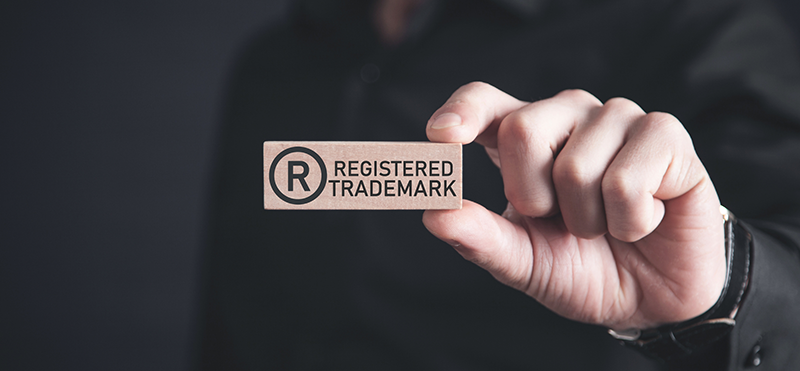
When starting a UK business, registering a company name is usually one of the first things on the list. But there is another name-related decision that many business owners overlook: trade mark registration. This often leads to a simple question:
If my company name is already registered with Companies House, why would I need a trade mark?
The answer is that they protect different things. Companies House deals with company registration and company-name rules, while the UK Intellectual Property Office (IPO) deals with trade marks. Registering a company name does not automatically give you trade mark protection.
Need help registering your UK trade mark? BusinAssist can guide you through the UK trade mark application process, helping you take the next step towards protecting your brand.
Explore Our UK Trade Mark Registration Service and start building a stronger foundation for your business.
What Does Companies House Registration Do?
When you form a limited company, you register its legal name with Companies House.
The name must meet Companies House rules and cannot normally be the same as an existing registered company name. If a name is too similar to another company name, you may also have to change it following a complaint.
This gives your company its legal identity. For example, imagine you register: BrightPath Solutions Ltd. That becomes the official name of your limited company. But this does not automatically mean that you have exclusive trade mark rights over “BrightPath Solutions”.
That is where the difference becomes important.
What Does Trade Mark Registration Do?
A trade mark protects a brand used to distinguish your goods or services from those of other businesses.
It can include things such as:
- Business or product names
- Logos
- Certain sounds
- Colours
- Combinations of these elements
A registered trade mark can give the owner stronger rights to take action against unauthorised use of the mark within the relevant scope of protection.
So while Companies House helps establish your company as a legal entity, a trade mark can help protect the brand customers recognise.
Companies House vs Trade Mark Registration
The easiest way to understand the difference is to look at what each registration is designed to do.
| Companies House Registration | Trade Mark Registration |
| Registers a company | Protects a brand or trade mark |
| Gives the business a legal identity | Helps establish exclusive rights in the registered mark |
| Managed by Companies House | Managed by the UK Intellectual Property Office |
| Focuses on company-name rules | Focuses on goods and services covered by the mark |
| Does not automatically create trade mark rights | Can provide stronger legal protection for the registered brand |
| Mainly relevant to the company’s legal identity | Particularly important for customer-facing brands |
The two systems work separately, so registering one does not replace the other.
Why Company Registration Alone May Not Be Enough
Imagine a startup spends two years building a brand around its company name.
It has:
- A popular website
- Thousands of customers
- Social media followers
- Branded packaging
- Paid advertising
- Positive reviews
The founders may assume the company name is protected because it appears on the Companies House register. But company registration does not automatically give the same rights as a registered trade mark.
The IPO specifically warns that registering a company name does not prevent someone else from using a similar or identical trade mark.
That is why checking trade marks should happen before investing heavily in a new brand.
What If Someone Already Has a Similar Trade Mark?
This is where things can become complicated. A company name may be accepted by Companies House but still create a trade mark problem.
For example, you might find that your preferred company name is available, but another business already has a similar registered trade mark covering related goods or services.
Simply having your company name accepted does not automatically solve that problem. Current Companies House guidance recommends checking the UK IPO trade mark register before choosing a company name.
Does a Trade Mark Replace Company Registration?
No. A trade mark and a company are not alternatives.
You can have:
Company registration + trade mark registration
The company registration gives your business its legal identity, while the trade mark can protect the brand you use in the marketplace. A business might therefore operate as:
ABC Innovations Ltd
while using:
ABC
as its customer-facing brand.
The legal company name and the protected brand do not necessarily have to be identical.
What About a Trading Name?
A limited company can also trade under a different name from its registered company name.
For example:
ABC Innovations Ltd
could operate publicly under a trading name.
But using a trading name does not automatically give it trade mark protection.
If the trading name becomes an important part of the company’s brand, registering it as a trade mark may be worth considering. GOV.UK guidance specifically notes that trading names and brands are not automatically protected.
When Should a New Business Think About a Trade Mark?
There is no need to wait until a company becomes large.
In fact, checking the brand early can make business planning easier.
A sensible process is:
- Choose a potential business name.
- Check Companies House.
- Search the UK trade mark database for similar marks.
- Check relevant domains and social media handles.
- Think about how the business could grow.
- Identify the goods and services the brand will cover.
- Consider trade mark registration if the brand is important to the business.
The IPO recommends checking for similar marks before applying and choosing classes and terms that fit the business’s plans.
What Does a Trade Mark Actually Protect?
Trade mark protection is not unlimited. It relates to the goods and services covered by the registration. For example, registering a brand for one category does not automatically mean that nobody anywhere can use the same word for completely unrelated products.
This is why selecting the relevant classes and terms is an important part of the application. The IPO recommends choosing classes and terms that are relevant to your business plans for the next five years. You can consider Trademark Registration guide by BusinAssist to know all the details about trademark registration.
The Simple Way to Think About It
If you remember only one thing from this article, remember this: Companies House protects your company’s place on the company register. A trade mark protects the brand identity you use in the marketplace.
They solve different problems. For a business that is serious about building a recognisable brand, understanding that difference early can prevent unnecessary complications later.
Build the Company. Then Protect What Customers Recognise.
Registering a company is an important first step, but it is only part of building a business. As the company grows, its name, logo and product identity can become valuable commercial assets. Protecting those assets should therefore be considered alongside company formation rather than after the brand has already become established.
If you are setting up or managing a UK company and need support with the administrative side of your business, BusinAssist can help with services including company formation, confirmation statement filing, identity verification and company closure. Your company name may give your business its legal identity. Your brand is what customers remember.

Nobody sets out to tear their software stack apart after six months. But it happens constantly. A founder grabs a free tool early on because it does one job well enough, and then the team doubles, the sales process completely changes, customers start expecting more, and suddenly that same tool becomes the bottleneck holding everyone back.
Startups don’t grow in straight lines. Software picked when the company was three people won’t hold up once there are fifteen, with proper sales channels, active marketing campaigns, revenue targets to hit and new hires to onboard. So what causes the mismatch, and how do you pick something you won’t need to bin within twelve months?
Your Processes Will Change Faster Than You Think
Early on, process doesn’t exist. Leads trickle in from emails, LinkedIn, referrals and maybe the odd event, and someone tracks everything in a spreadsheet that works fine because one person is doing all the selling.
Things change fast though. A second hire joins, marketing kicks off campaigns, and the spreadsheet can’t tell you who last spoke to a lead or how long deals have gone untouched. So the team grabs a CRM, but they pick one that fits the current workflow instead of what they’ll actually need in a few months when the whole operation looks different.
Most startups move from total disorder to a rough system and then to a proper repeatable playbook within about twelve months. That journey breaks tools. Whatever CRM worked during the messy early days will almost certainly buckle once processes get tighter and the team starts demanding more from it.
Pick for Flexibility, Not Just Features
Founders love a long feature list. It’s natural to compare platforms by counting what they offer and going with the one that ticks the most boxes, but that logic falls apart the moment your workflow changes and the tool can’t bend with it.
What actually matters is flexibility. Can you customise fields, rework pipeline stages, add automations and plug in other tools as your stack grows? Reviews comparing the top CRMs for early stage startups now rate platforms on scaling pain points and exit strategies alongside the usual pricing breakdowns, which tells you how common this problem really is. So before you commit, ask yourself whether you can reshape the tool in six months without having to rebuild everything from scratch.
Check the Exit Before You Enter
Before you put anything into a new platform, check how easy it is to get your data back out. This step gets skipped constantly. Export options, API access, data portability and migration support aren’t exciting things to evaluate during a free trial, but they’ll save you weeks of pain when you eventually need to switch.
Don’t overlook this part. If a platform makes it difficult to pull out contacts, deal history, pipeline data and communication logs, you’re handing your most valuable business information to a vendor that could effectively trap you, and you won’t spot the problem until it’s already too late.
Every Tool Is Temporary
That sounds dramatic. But it’s a much healthier way to think about software when you’re running a startup, and it changes the way you set things up from day one. You’ll keep data cleaner because you know it’ll need exporting eventually. You’ll document workflows properly because someone new will need to understand them when the platform changes. And you’ll stop building your entire operation around one vendor’s quirks, because you’ve accepted that the tool serving you well right now probably won’t be the one serving you well in eighteen months.
Startups that handle transitions well planned for change from the very beginning. They picked platforms with decent APIs and clean export options, they kept their data structured, and when the time came to move, the migration took days instead of months. Getting lucky with your first platform pick is rare. Being ready to move when you outgrow it is something you can actually control.
What This Means for Your Next Software Decision
Cycling through tools in a young company isn’t a sign that someone made a bad call. It happens naturally when a business grows fast and works things out along the way. The founders who waste the most time and money are the ones who either cling to a tool long past the point where it stopped working, or who panic-switch to something new without checking whether it’ll last any longer than the last one did.
Test the export options before you test the features. Push the flexibility during the trial, not after you’ve committed. Ask about migration paths and what happens to your data if you leave. And don’t get attached to any platform just because it works right now, because what your startup needs at three months old will look nothing like what it needs at eighteen, and the only real mistake is being surprised when that day arrives.


Businesses have to make a lasting impression, and the best way to do it is by increasing their brand visibility through capturing customer interest and developing strong relationships. Branded items are a great way to raise brand awareness, like traditional advertising, social network campaigns, and digital advertising. Corporate pins are among the many options for branding because of their lightweight nature, trendiness, and suitability for branding with logos, colours, and text. This article explains how lapel pins can be used by companies in the UK to promote their business by gifting them, using them in corporate events, and branding employees and clients.
Here are ways businesses use lapel pins to increase visibility of a brand:
For Promotional Gifts
Promotional gifts are an effective tool to introduce a company to potential clients and to keep its products or services in the minds of existing ones. Custom lapel pins are excellent freebies because they are lightweight, portable, and easy to distribute during marketing campaigns. Companies can use branded pins as part of welcome kits, seasonal promotions, purchase incentives, and thank-you packages for customers. Combining lapel pins UK with other promotional products can help a business to design coordinated gift packages that increase their brand awareness.
Employee Branding & Identity
Their interactions with your employees strongly influence your clients’ perception of your company. A clear and professional brand identity throughout the workforce helps customers recognise employees and connect their appearance with the company’s values. Custom lapel pins can be used in corporate attire, uniforms for employees, and name tags. Companies can also use Lapel pins UK to celebrate years of service, distinguish departments, and recognise staff achievements, to keep visual consistency.
Corporate Events & Exhibitions
Exhibitions, trade shows, conferences, and corporate events are some of the best opportunities that companies have to grow their networking with different industry professionals and potential clients. But it’s hard to stand out from the many popular exhibitions. The importance of personalised lapel pins in the UK is very high for companies that want to differ from others with a message through a unique design. You can check out Rocketbadge to get custom-made lapel pins at affordable prices.
Special Edition Products for Special Occasions
Producing special edition products is a great way to raise awareness for the brand and create a sense of intrigue around it. These days, it is quite popular to make custom lapel pins in the UK for many worthy occasions such as milestone events or product launches.
Their uniqueness may be enough to encourage customers, staff, and event-goers to keep them as collectors. Businesses can also encourage customers to post pictures of their limited-edition products on social media to increase the campaign’s reach and visibility online.
Select Designs That Will Help Your Brand
The way promotional lapel pins in the UK are designed has much to do with how well they work. The pin needs to be attractive enough that people will want to wear it, and it needs to clearly identify the company. Businesses should be focusing on recognisable logos, consistent brand colours, clear writing, and appropriate shapes. Simplicity is often more effective, as overcomplicated designs can make it hard to see the finer details.
Conclusion
Lapel pins are a cost-effective and versatile way for companies to market their brand in several ways. They provide companies a chance to connect with the public through everyday connections, collectables, corporate event items, employee accessories, or gifts. Lapel pins in the UK can be an effective part of a bigger promotion plan, as they keep the company in people’s minds long after the end of a campaign when used properly.

The Ultimate Guide to Women’s Sandals for Style and Comfort

Essential Guide to Hire Furniture in Sydney for Stylish Home Makeovers

Publishing AI-Assisted Drafts as PDFs: A Free Markdown Workflow with iBoomto

Spinal Alignment in Kuala Lumpur: What It Involves and What It Costs

When Weeks Turn Into Months: Planning Car Hire for a Longer Stay

Top 10 Best Minicab Companies in London & Surrounding Counties

The 15 Highest-Paid Rugby Players in the World

Christopher Dare: The Untold Story of Engineer and Former Husband of Angela Rippon

How to Ensure Your Home is Valued Correctly for a Quick Sale

What Is Fanquer? The Digital Creator Platform Transforming Direct-to-Fan Engagement

Dr Jared Ross: Missouri Appeals Court Upholds Protection Order Over Graphic Torture and Murder Threats

Nancy Hallam: The Inspiring Life, Career, and Success Story Behind Ian Wright’s Wife
The 15 Highest-Paid Rugby Players in the World
Christopher Dare: The Untold Story of Engineer and Former Husband of Angela Rippon
How to Ensure Your Home is Valued Correctly for a Quick Sale
What Is Fanquer? The Digital Creator Platform Transforming Direct-to-Fan Engagement
Dr Jared Ross: Missouri Appeals Court Upholds Protection Order Over Graphic Torture and Murder Threats
Nancy Hallam: The Inspiring Life, Career, and Success Story Behind Ian Wright’s Wife
-
 Sports5 months ago
The 15 Highest-Paid Rugby Players in the World
-
Celebrity11 months ago
Christopher Dare: The Untold Story of Engineer and Former Husband of Angela Rippon
-
 Real Estate9 months ago
How to Ensure Your Home is Valued Correctly for a Quick Sale
-
 Technology5 months ago
What Is Fanquer? The Digital Creator Platform Transforming Direct-to-Fan Engagement
-
 Celebrity5 months ago
Dr Jared Ross: Missouri Appeals Court Upholds Protection Order Over Graphic Torture and Murder Threats
-
Celebrity11 months ago
Nancy Hallam: The Inspiring Life, Career, and Success Story Behind Ian Wright’s Wife
-

 Celebrity8 months ago
Who Is Azriel Crews? Inside the Life and Career of Terry Crews’ Daughter
-

 Health9 months ago
Enclomimed 25 (Enclomiphene) – Effective PCT Protocol