
Health
All-on-4 vs All-on-6: Dental Implants Explained

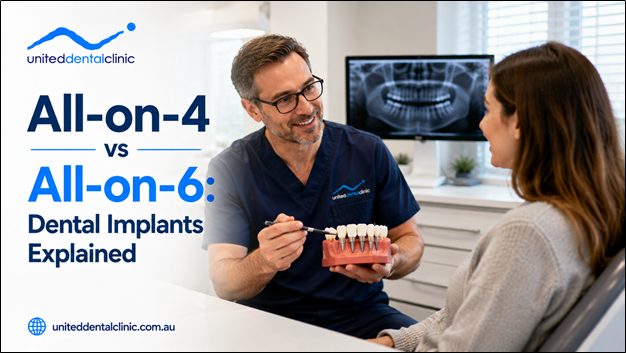
Both All-on-4 and All-on-6 replace a full arch of missing teeth with a fixed set anchored to implants. The difference comes down to the number of implants, four versus six. And that single change affects bone requirements and cost. Neither is better across the board; the right one depends entirely on your oral conditions.
Understanding how they differ helps you decide better. If you are exploring the All-On-4 Treatment Narrabeen clinics offer, here’s exactly what separates the two.
What Do These Treatments Have in Common?
Before diving into the differences, it helps to see what unites them. Both are full-arch solutions built around the same core concept.
Each relies on titanium implants set into the jawbone to hold a fixed bridge of teeth. Neither is removable, so you clean them just like natural teeth and never take them out at night. Both options deliver a complete full-arch restoration that looks natural and restores full chewing power. Plus, both maintain success rates above 95% and can last 15 to 20 years or longer with proper care.
In short, they’re two effective routes to the same end goal: a strong, permanent smile.
How Does All-on-4 Work?
All-on-4 relies on four strategically placed implants to support an entire arch of teeth. Its clever design is precisely why it became such a popular standard.
Two implants sit straight in the front section of the jaw, where natural bone density stays strongest. The back two implants are set at an angle, allowing them to anchor into available bone while often eliminating the need for complex grafting. This structural design is why All-on-4 treatment works so well for patients who were previously told they lacked sufficient bone for traditional implants.
Key advantages usually include:
- A shorter, less invasive surgical procedure
- A lower total investment compared to six implants
- Often no need for preliminary bone grafting
- A faster, smoother overall recovery
For many individuals, this creates a simpler, highly accessible path to fixed teeth.
How Does All-on-6 Work?
All-on-6 builds on the same idea but adds two extra posts for a total of six. Those additional anchor points alter how bite forces distribute through your jawbone.
With six support points instead of four, chewing pressure spreads out more evenly across the arch. This added distribution offers extra stability and peace of mind if an individual post ever encounters an issue down the road. An All-on-6 treatment plan generally suits patients with strong bone density who want maximum long-term anchor strength, or those who exert heavy force when chewing.
The trade-off is that it typically requires higher bone volume, a slightly longer surgery, and a higher financial commitment. For candidates with the right jaw structure, that extra foundation is well worth it.
How Do the Two Compare Side by Side?
Comparing their features directly makes the decision much clearer:
| Factor | All-on-4 | All-on-6 |
| Implants per arch | Four | Six |
| Bone needed | Less; often skips grafting | More; may require grafting |
| Surgery | Shorter, streamlined | Longer procedure |
| Stability | Very reliable | Maximum force distribution |
| Cost | Lower overall investment | Higher investment |
Both options provide outstanding implant-supported teeth, and neither wins by default. The ideal choice rests on:
- Your jawbone quality
- Your bite strength
- Your personal budget
Which One Is Right for You?
This decision calls for clear, personalised advice.
All-on-4 frequently benefits patients with moderate bone loss or those seeking a faster, cost-effective treatment plan. All-on-6 works best for individuals with healthy jawbones who want maximum anchor strength for a heavy bite. A Dental implant specialist Narrabeen patients trust will evaluate your bone structure, general oral health, and goals before recommending a pathway.
Most people qualify as great candidates for one or both options. A complete evaluation is the only way to know which approach serves your smile best.
Are They Better Than Traditional Dentures?
Conventional dentures sit on top of the gums and frequently shift, whereas both implant options remain permanently fixed.
Unlike removable implant-supported dentures, All-on-4 and All-on-6 anchor directly into the jawbone. This setup delivers superior bite strength while stopping the bone loss that typically occurs beneath standard dentures. You can also skip messy routines and the stress of teeth slipping during meals. If you are tired of loose plates, either treatment provides a massive upgrade.
Making Your Decision
Don’t rush or try to choose between these two systems alone. Both options are thoroughly proven, built to last for decades, and capable of restoring your complete confidence.
The key is matching the procedure to your unique anatomical needs. A sit-down consultation with a Dental implant specialist Narrabeen locals rely on will map out your jaw structure, bite dynamics, and budget. From there, they can recommend the best option for your mouth. Uncovering the best full mouth dental implants for your lifestyle begins with that initial, honest conversation.
Book Your Consultation Today
All-on-4 and All-on-6 represent two reliable roads to the same destination: strong, natural-looking teeth that stay in place. The best fit depends entirely on your unique anatomy, which is why tailored professional guidance makes all the difference.
If you are evaluating All-On-4 Treatment Narrabeen patients recommend, the team at United Dental Clinic is ready to guide you. Book your consultation today to discover which full-arch treatment option will restore your smile for good.
Frequently Asked Questions
What is the main difference between All-on-4 and All-on-6?
The total number of implants used. All-on-4 uses four posts per arch, while All-on-6 uses six. The extra posts distribute chewing forces and provide added structural support.
Is All-on-6 better than All-on-4?
Neither option is universally better. All-on-4 suits individuals with reduced jawbone density or a lower budget, while All-on-6 works best for stronger jaws that need additional anchor points. A Dental implant specialist in Narrabeen will evaluate your mouth to confirm the right choice.
Are both treatments permanent?
Yes. Both options are permanently fixed in your mouth, unlike traditional removable plates. With standard brushing, flossing, and checkups, the implants can easily last fifteen to twenty years or longer.
Can I choose All-on-4 if I’ve had bone loss?
In most cases, yes. The All-on-4 treatment approach uses angled back implants that maximise contact with existing jawbone, which often lets patients skip bone grafting altogether.


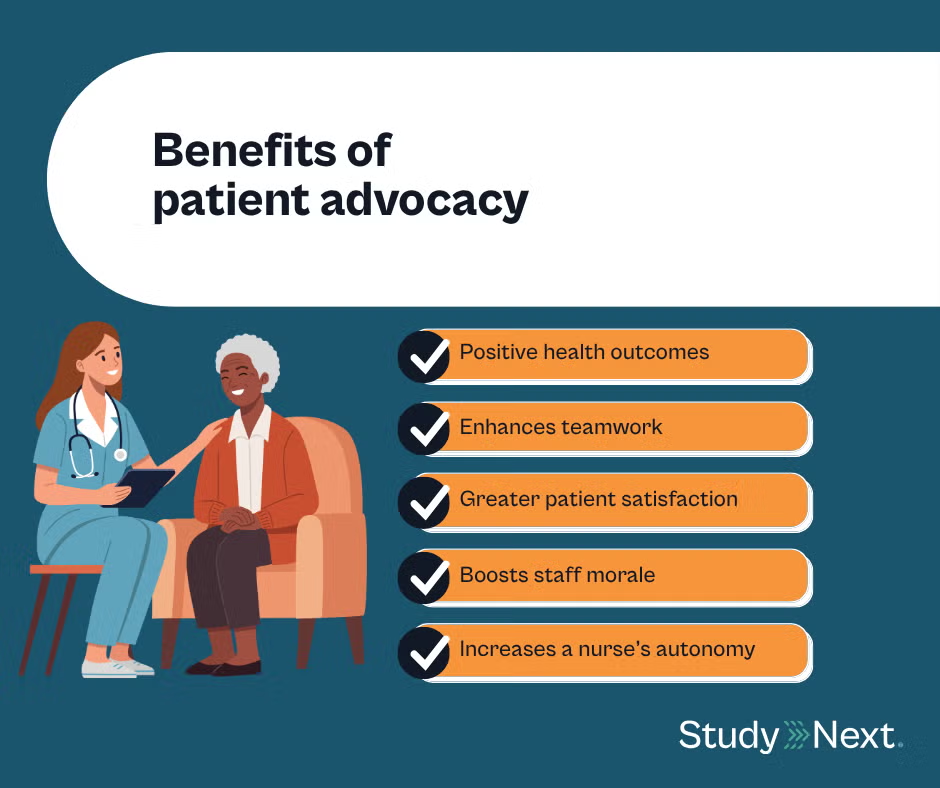
Healthcare can sometimes feel like its own mountain to climb, particularly when you’re unwell, waiting for answers or trying to understand unfamiliar medical jargon. That’s why patient advocacy matters. At its simplest, it means making sure patients have the information, confidence and support they need to take an active role in decisions about their care. It isn’t about challenging healthcare professionals at every turn. It’s about encouraging open conversations, asking questions and knowing where to turn when something doesn’t feel clear.
Why Communication Matters in Healthcare
Good healthcare depends on good communication. Patients need to understand what’s happening, why a particular treatment is being suggested and what other options might be available. Healthcare professionals, meanwhile, need an accurate picture of symptoms, concerns and individual circumstances.
If something doesn’t make sense during an appointment, it’s perfectly reasonable to ask for another explanation. Writing questions down beforehand or taking somebody you trust with you can also make it easier to remember important information.
Understanding Patient Rights and Responsibilities
Knowing your rights as a patient can make healthcare feel considerably less intimidating. Patients have the right to receive information about available tests and treatments, including their risks and benefits. Patients also have the right to be involved in decisions about their care, access their health records and accept or refuse treatment, subject to rules around capacity and consent.
Alongside those rights come responsibilities. Giving healthcare professionals accurate information, treating staff with respect and attending appointments where possible can all contribute to better communication and care. Being an active patient doesn’t mean assuming you know more than your clinician. It means recognising that your own experiences and preferences are relevant parts of the conversation.
Building Confidence When Navigating Healthcare Systems
Speaking up can be difficult, especially when something has gone wrong or you’re unsure whether your concerns are justified. Start by asking questions. Request clarification, keep useful records and, where appropriate, speak to the healthcare provider directly. In more serious situations where someone believes they may have been harmed by negligent treatment, they might choose to seek independent advice from specialist Medical Negligence Solicitors who can help explain the options available.
Seeking legal advice isn’t necessary for every poor experience or unexpected medical outcome though. It’s one possible route when there are specific concerns about whether appropriate standards of care were met.
Becoming an Active Partner in Your Care
Patient advocacy is ultimately about participation. You don’t need specialist medical knowledge to ask what a treatment involves, request information in clearer language or explain that something doesn’t feel right. Modern healthcare works best when patients feel able to communicate openly and healthcare professionals have the information they need to make informed clinical decisions.
Knowing your rights, using reliable information and asking for support when necessary can make healthcare experiences easier to understand and navigate. Being informed won’t remove every uncertainty, but it can help you become a more confident partner in your own care.


If you are considering donor egg IVF, you may want to know your chances of having a baby before starting treatment. You may also be comparing fertility clinics, treatment costs, and success rates to find an option that fits your needs and budget.
Several factors can affect the results of donor egg IVF. These include the egg donor’s age, egg quality, embryo growth, sperm health, and your own health. A clinic’s success rate can also vary based on the type of treatment and the number of embryo transfers included in its figures.
Understanding these factors can help you set clear goals and prepare for treatment. It can also help you ask useful questions before making a choice. The following sections cover six key factors that may affect donor egg IVF success rates and explain how each one can shape your treatment results.
1. Donor Age and Egg Quality

The age of the egg donor can affect the quality of the eggs used in treatment. Younger donors tend to have a higher share of eggs with the correct number of chromosomes. Chromosomes carry the genetic information needed for normal growth.
Eggs with an incorrect number of chromosomes may have a lower chance of developing into a healthy pregnancy. They may also raise the risk of an embryo failing to attach to the uterus or a pregnancy ending in miscarriage.
A 2024 study examined 515 donor egg cycles and 1,831 embryos, finding that the rate of chromosome problems increased across older donor age groups. The highest rate was among donors aged 31–35.
Egg quality, sperm health, and embryo growth also affect treatment results. When looking at donor egg IVF success rates, check the donor age range and ask how the clinic checks donor health and egg quality.
2. Fresh vs. Frozen Donor Eggs
Donor eggs may be used fresh or frozen. Fresh eggs are collected from a donor and used for fertilization around the same time, while frozen eggs are collected earlier, stored, and thawed when needed.
The main difference between the two options is treatment timing. Fresh egg treatment may require the donor’s cycle and your treatment cycle to be planned together, while frozen eggs offer more flexibility.
Both options may lead to similar results. A 2025 study of 214 donor egg treatment cycles reported live birth rates of 69.6% with fresh eggs and 66.6% with frozen eggs, with no clear difference between the groups.
Your choice may depend on egg supply, treatment needs, and cost. Your specialist can explain which option may work best for your situation.
3. Egg Numbers and Embryo Growth
The number of eggs available for fertilization can affect how many embryos may develop. Egg maturity and quality also play a role, as some eggs may not fertilize or continue to grow.
After eggs are collected or thawed, the lab team prepares them for fertilization and monitors their growth over the next few days. Some embryos stop developing early, while others reach a later stage called the blastocyst stage, when they may be ready for transfer.
A higher number of suitable eggs can give the lab team more chances to create embryos. However, the final number also depends on sperm quality, successful fertilization, and embryo growth.
The number of embryos that develop can differ from one treatment cycle to another. Understanding each stage can help you set realistic expectations about how many embryos may be available for transfer.
4. Your Health and Uterine Health
Your body needs to support embryo attachment and pregnancy, even when the eggs come from a donor. Past and current health details, hormone levels, and long-term health problems may all affect your treatment and pregnancy care.
Research also points to a link between recipient health and donor egg IVF results. A 2023 study of 1,394 donor egg recipients found that body mass index (BMI) was linked to live birth results after a single embryo transfer.
Your age and other health details may affect your care plan as well. A fertility specialist can review these details and explain whether any steps may help prepare you for treatment.
The uterus must also be ready for an embryo to attach. Your care team may check the lining of the uterus, look for growths such as fibroids or polyps, and review past health problems or surgery that could affect the uterus.
Share your full health history with your specialist before treatment. Blood tests or scans may also help your care team prepare your body for embryo transfer.
5. Sperm Health and Fertilization
Donor egg quality is important, but sperm health also affects embryo growth. The sperm must join with the egg and provide half of the genetic material needed for an embryo.
A semen test can check sperm count, movement, and shape. The results help your fertility team understand sperm health and choose a suitable way to fertilize the eggs.
In some cases, the lab may use a method called intracytoplasmic sperm injection (ICSI). With ICSI, an embryologist places one sperm directly into a mature egg. The method may help when certain sperm problems are present or when fertilization has been difficult in the past.
Once fertilization takes place, the lab team watches each embryo as it grows. The results help your fertility team decide which embryos may be suitable for transfer.
Before treatment, ask whether your partner or sperm provider needs testing. Your specialist can explain the results and discuss whether standard IVF or ICSI may suit your needs.
6. Embryo Quality and Transfer Success
Embryos grow over several days after fertilization. Some reach the blastocyst stage around day five or six. The lab team then checks their shape and cell structure before choosing an embryo for transfer.
Embryo grading describes how an embryo looks under a microscope. A higher grade can suggest stronger growth, while the chance of pregnancy also depends on other factors.
Some clinics may offer genetic tests on embryos in certain cases. These tests check for changes in the number of chromosomes in a small sample of cells. Your specialist can explain whether a test may be useful in your case and how the results could affect your treatment plan.
A single embryo transfer may lower the chance of a multiple pregnancy. Your specialist can help choose how many embryos to transfer by looking at your health, embryo quality, and past treatment.
Before treatment, find out how the clinic grades embryos and chooses one for transfer. Its transfer policy and reported pregnancy and live birth rates can also help you understand its approach.
Bottom Line
Donor egg IVF success rates depend on several factors, including donor age, egg quality, embryo growth, sperm health, and your own health. Understanding these factors can help you set clear goals and ask useful questions before you begin.
Clinic success rates can help you compare treatment options, but they need to be viewed in context. Your health and treatment plan are unique, so discuss your expected results, available choices, and next steps with your fertility specialist.


The road to a successful cosmetic surgery starts long before surgery. The first consultation is one of the most crucial, as the patient will share with a trusted surgeon their objectives, medical background, and potential treatment choices. Being well prepared for this appointment helps you to know what will happen and makes decisions easier for you.
Those looking into “plastic surgeries abroad” may also have specific questions regarding the remote consultation process and traveling to and from overseas medical facilities and with medical staff. The website of Europe Surgery in Wroclaw, Poland, offers details about cosmetic surgeries and patient care arrangements.
The guide outlines a few steps to take leading up to a consultation, what information to bring along, and questions to ask prior to considering seeking treatment in another country.

Key Takeaways
- Gather together the details of your medical file prior to calling a surgeon.
- Express what you’re looking to achieve when you’re asking for treatment and why.
- Discuss appropriate procedures, risks, and alternatives.
- Hire a surgeon who is qualified and experienced.
- Ask for written details of the costs of treatment.
- Talk about traveling, post-op care, and recovery.
- Do not be hurried to decide once.
Identify the most primary treatment concerns.
Before your consultation, come up with some questions to ask. There are patients who wish to find out about facial procedures; others are interested in breast surgery or a different body contouring procedure.
Some of the surgeries mentioned are breast augmentation surgery, breast improvement surgery, breast reduction surgery, nose reshaping surgery (rhinoplasty), facelift surgery (facelift), eyelid surgery, liposuction surgery, and tummy tuck surgery; all of them are included as surgeries in Europe Surgery.
Take note of the particular issues you want to discuss. Discuss your expectations of change, rather than determine what operation you want to have done without medical guidance.
A surgeon can determine your situation and let you know if a surgery might work. There’s also a possibility that you find another option is better suited to your requirements.
Create a Medical History
Your medical history is important for the surgeon to take into consideration and to determine if you are a good surgical candidate. On the day of the appointment, collect information on:
- Existing medical conditions.
- Prescription and Over-the-Counter medications and supplements.
- Known allergies.
- Experience with previous operations and anaesthesia.
- Addictions to tobacco and lifestyle behaviors.
- Previous cosmetic treatments.
Tell honestly when sharing this information. Every detail — it doesn’t matter if it doesn’t seem cosmetic-related — can impact surgical planning.
If you want to visit a plastic surgery clinic overseas, ask them what medical documents and test results they require before you go. Certain exams might be performed from a distance; others must be taken in person.
Find out information about the Surgeon before an appointment.
It is important for patients to know who can carry out their operation. It is important to seek information from the surgeon regarding their training, qualifications, and experience in the procedure.
An introduction of the surgical team to the website of Europe Surgery is done by Europe Surgery. Europe Surgery introduces its surgical team on the website. This information can assist you in determining who the medical providers were but should not take the place of independent verification.
Inquire about how often the surgeon does your procedure, the techniques he employs, and how he copes with complications.
It is also important to ask before surgery, during surgery, and as you recover, claims will be made for your care about who will be taking care of you.
Prepare some questions on the procedure.
A consultation is a time to learn about treatment and not just get a price quote.
Consider asking:
- What might be the reasons for me to undergo this procedure?
- What is actually possible to achieve, and what will the outcome be?
- What surgical procedure would you use?
- What is most important to consider, and what are the risks and complications?
- Do I need general or local anaesthetic?
- What could be the length of time for recovery?
- Is there anything else that could be done other than surgery?
As you may assume, clear answers are critical when choosing plastic surgery abroad, as there is a need for extra travel arrangements and aftercare.
If something you do not understand is used, feel free to request the surgeon’s explanation of that new or unfamiliar term.
Comprehend the Financial Information
Any treatment should be discussed in detail prior to committing. Ask for an itemised quotation that explains what is included in the proposed package.
Europe Surgery publishes data on the cost of procedures and provides a description of the services which might involve consultations, examinations, surgery and hospital costs, medicines and care after surgery.
Otherwise, there is an option to see the differences regarding inclusions in packages. Check if accommodation, flights and transfers, and extra surgical garments and tests are separated as extra charges.
Inquire about the terms on which the plan can be cancelled, and about any revision provisions and the cost of any further complications that you might encounter. Comparing providers fairly is easier and should be done using written information.
The next activity is to have a discussion about travel and appointment arrangements.
Timing and punctuality are important when conducting a treatment, and with international treatment they are required to be even more meticulous. For patients, appointments will be required for consultations, medical exams, as well as surgery and post-surgical follow-up visits while they are in residency.
Europe Surgery is based in Wroclaw, Poland, and offers patients information on where to stay.
Make sure to check what the date of arrival will be, the treatment program needed, and how long a person should stay for before the flight. Discuss with the person who had surgery if anyone must go with them and what help might be needed following surgery.
Your surgeon and him or her alone will decide on a time when it’s medically safe to travel home. Don’t shorten the recovery period because of a desired flight schedule.
Before scheduling an appointment, ask questions about aftercare.
Post-surgical care should be addressed at the time of the initial consultation, rather than after the surgery. Inquire about the process when checking wounds, administering medicines, changing bandages, and scheduling follow-up appointments.
Learn who to call if you have any unusual symptoms upon returning home. Ask for written directions and when timely medical care is needed regarding warning signs.
Remember, during the research process, that you plan to arrange a local healthcare professional who can help you if it is determined that additional assessment is necessary in the country where you have decided to seek plastic surgery.
Give yourself some time before you make your decision.
Once you’ve had your consultation, carefully check the information you got. Take into account the surgeon’s recommendations, potential risks, recovery, and treatment expenses.
A second opinion by another doctor might be a better idea before considering surgery. If someone feels pressured to make a decision after a few minutes, then the provider is not being trusted. If it takes only a few minutes before they make a decision and if there is no time to consider, then it is not the right provider.
People who opt in for plastic surgery abroad should be confident about the medical plan and not just because of an incredible result or an appealing deal.
Conclusion
By preparing for your first cosmetic surgery consultation, you can clear up any misunderstandings and make informed choices about your surgery. These are significant components of informed decision-making: organizing medical information, conducting research on the surgeon, and asking clear questions.
In Poland, Europe Surgery offers information regarding Europe Surgery’s surgical team, patient arrangements, and procedures. Patients should check the physicians’ medical professionalism themselves and check all the treatment information directly.
In the end, when you are considering plastic surgery overseas, you must have a well-developed plan, along with realistic expectations and an aftercare procedure. If you are prepared, you will be able to put your health first and make a treatment choice that is right for you.

Who Pays for Your Injuries After an Uber Accident in Richmond?

What to Consider When Ordering Packaging Samples

How Powder Coating Gets Its Tough Finish: A Beginner’s Guide

7 Benefits of Using an Online Meeting Notetaker for Modern Business Teams

All I Need in This Life of Syn – Syna World, Central Cee und Streetwear-Kultur

The Metadata and Cataloging Layer Most Enterprises Forget When Preparing Data for AI

How to Ensure Your Home is Valued Correctly for a Quick Sale

Christopher Dare: The Untold Story of Engineer and Former Husband of Angela Rippon

The 15 Highest-Paid Rugby Players in the World

What Is Fanquer? The Digital Creator Platform Transforming Direct-to-Fan Engagement

Dr Jared Ross: Missouri Appeals Court Upholds Protection Order Over Graphic Torture and Murder Threats

Who Is Azriel Crews? Inside the Life and Career of Terry Crews’ Daughter
How to Ensure Your Home is Valued Correctly for a Quick Sale
Christopher Dare: The Untold Story of Engineer and Former Husband of Angela Rippon
The 15 Highest-Paid Rugby Players in the World
What Is Fanquer? The Digital Creator Platform Transforming Direct-to-Fan Engagement
Dr Jared Ross: Missouri Appeals Court Upholds Protection Order Over Graphic Torture and Murder Threats
Who Is Azriel Crews? Inside the Life and Career of Terry Crews’ Daughter
-
 Real Estate10 months ago
How to Ensure Your Home is Valued Correctly for a Quick Sale
-
Celebrity12 months ago
Christopher Dare: The Untold Story of Engineer and Former Husband of Angela Rippon
-
 Sports6 months ago
The 15 Highest-Paid Rugby Players in the World
-
 Technology6 months ago
What Is Fanquer? The Digital Creator Platform Transforming Direct-to-Fan Engagement
-
 Celebrity6 months ago
Dr Jared Ross: Missouri Appeals Court Upholds Protection Order Over Graphic Torture and Murder Threats
-
 Celebrity9 months ago
Who Is Azriel Crews? Inside the Life and Career of Terry Crews’ Daughter
-
 Celebrity1 year ago
Nancy Hallam: The Inspiring Life, Career, and Success Story Behind Ian Wright’s Wife
-
 Celebrity1 year ago
Who Is Maisie Mae Roffey? The Private Life, Family Story, and Quiet Success of Julie Walters’ Daughter