
Business
How to Calculate Your Exact Water Bill Before It Arrives: A Step-by-Step Guide for US Homeowners

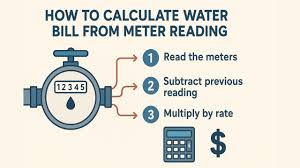
For most US homeowners, the monthly water bill arrives with little warning and even less explanation. The final number often reflects a combination of usage tiers, fixed service charges, local utility rates, and sometimes additional fees tied to stormwater or wastewater treatment. Without a clear way to track consumption between billing cycles, it becomes difficult to identify when usage is running higher than expected — or to catch a slow leak before it results in a significant charge.
Understanding how your water bill is actually calculated is not a complicated financial exercise, but it does require knowing which variables matter and how they interact. Utilities across the country use different rate structures, billing periods, and unit measurements, which means a method that works in one municipality may not apply directly in another. This guide walks through each component of a standard residential water bill in a way that makes the calculation manageable for the average homeowner.
What a Water Bill Is Actually Measuring
A water bill is not simply a charge for the volume of water that flows through your tap. It is a composite charge that reflects fixed infrastructure costs, variable consumption charges, and in many cases, separate fees for wastewater processing. Understanding this distinction is the starting point for any accurate estimate of what your bill will show when it arrives.
Before attempting any manual estimation, it helps to use a reliable Water Bill Calculator guide that breaks down each billing component into an interactive format, allowing you to enter local rate data and get a projected total based on your actual usage pattern. This is especially useful for homeowners who have recently moved, changed irrigation habits, or added water-using appliances.
Most utilities in the United States charge for water in one of three structures: flat rate, tiered (also called block rate), and seasonal variable pricing. Flat rate billing is less common but still used in smaller municipalities, where every household pays the same base charge regardless of consumption. Tiered pricing is the dominant model in most mid-size and large cities, where the rate per unit increases as usage crosses certain thresholds. Seasonal pricing applies a higher rate during peak summer months when demand on the water system is highest.
Fixed Charges Versus Variable Charges
Every water bill includes at least one fixed charge, which is billed regardless of how much water is used. This is typically called a base service charge or meter charge, and it covers the cost of maintaining the infrastructure that delivers water to the property. The size of this fixed charge often depends on the diameter of the water meter installed at the property — larger meters, which are common in properties with irrigation systems or high indoor demand, carry a higher base rate.
The variable portion of the bill is calculated by multiplying the number of units consumed by the applicable rate. Most utilities measure water in units of one hundred cubic feet, referred to as CCF, or in thousands of gallons. One CCF equals approximately 748 gallons, which matters when comparing consumption data from different billing formats. When a tiered rate structure is in place, the variable charge is calculated by applying the lower rate to the first tier of consumption and progressively higher rates to each additional tier.
Wastewater and Stormwater Fees
In most US municipalities, the wastewater charge — the cost of treating and processing water that leaves the property through drains and sewers — is calculated as a percentage of the incoming water usage. This means that high water consumption almost always results in a proportionally high wastewater charge, even if the two line items appear separately on the bill. Some utilities cap the wastewater charge during summer months under the assumption that irrigation water does not enter the sewer system, but this cap must be applied for or automatically calculated by the utility.
Stormwater fees are a separate line item in many urban and suburban billing statements. These cover the cost of managing rainwater runoff through municipal drainage systems and are typically a flat charge unrelated to water consumption. While stormwater fees do not fluctuate with usage, they can account for a meaningful portion of the total bill for homeowners in cities with aging combined sewer infrastructure.
How to Read Your Water Meter Accurately
Estimating a water bill before it arrives depends on knowing how much water has been used since the last meter reading. For homeowners who want precise data rather than estimates based on past bills, reading the water meter directly is the most reliable method. Water meters in residential properties are typically located in a covered box near the street or at the property line, though older homes may have meters mounted on an exterior wall or inside the basement.
Most residential meters display a series of digits showing the cumulative volume of water that has passed through the meter since installation. The unit displayed is usually CCF or gallons, and the measurement corresponds directly to the unit used in the utility’s billing statement. By recording the meter reading at the start of a billing period and again at the end, you can calculate exact consumption for that period.
Checking for Leaks Through Meter Observation
One practical use of the water meter is identifying hidden leaks before they accumulate into a billing problem. Many meters include a small leak indicator dial — often a small triangle or star-shaped wheel — that rotates whenever water is moving through the pipe. If all water fixtures and appliances in the home are turned off and this dial continues to move, water is flowing somewhere it should not be. According to the U.S. Environmental Protection Agency, household leaks can waste nearly one trillion gallons of water annually nationwide, with a significant share coming from silent toilet leaks and worn fixture valves that go undetected for months.
Catching a leak at the meter stage, rather than discovering it through an unexpectedly high bill, gives homeowners the opportunity to investigate and address the problem during the billing cycle rather than after the damage is already reflected in the charges. This is one reason why manual meter monitoring, even on a monthly basis, has practical value beyond simple budgeting.
Estimating Consumption by Household Activity
When meter access is limited or the goal is to project usage before it occurs — such as when planning a new irrigation schedule or calculating the impact of filling a pool — consumption can be estimated by activity. This approach requires knowledge of the average water demand for common household uses and then aggregating those estimates against the billing rate structure.
Standard indoor water usage follows consistent patterns across similarly sized households. Toilets, showers, laundry machines, and dishwashers account for the majority of indoor consumption in most single-family homes. Outdoor usage, primarily lawn irrigation, is typically the largest variable and the most significant driver of seasonal bill increases in regions with warm summers and limited rainfall.
Seasonal Shifts in Water Consumption
The difference between a winter and summer water bill for the same household can be substantial, particularly in states like California, Texas, Arizona, and Florida where summer irrigation demand is high. In these regions, outdoor watering often accounts for fifty percent or more of total summer consumption, and because tiered rate structures apply progressively higher charges to higher usage, the marginal cost of each additional unit during peak summer months is often two to three times higher than the base rate.
This means that homeowners in warm-weather states who do not adjust their irrigation controller settings after a billing period of high consumption may be unknowingly compounding the cost each month. Building a projected estimate of total bill charges using current usage data, rather than relying on the prior month’s bill, gives a more accurate picture of what to expect and a clearer basis for adjusting behavior before the billing cycle closes.
Applying the Rate Schedule to Your Usage
Once consumption data is available — whether from the meter, from past billing history, or from an activity-based estimate — the next step is applying the utility’s current rate schedule. Rate schedules are public documents that every municipal and private utility is required to publish and make available to customers. They are typically accessible through the utility’s website or customer service department and list both fixed charges and variable rates by tier.
The calculation itself involves adding the fixed base charge to the sum of all tiered variable charges that apply to the consumption total for the period. If the utility charges separately for wastewater, that charge must be added as well, using the applicable formula or percentage. Any stormwater or recycling fees should be included as flat additions at the end of the calculation.
Rate Increases and Budget Forecasting
Water rates in the United States have increased steadily over the past decade as utilities invest in aging infrastructure, drought resilience, and water treatment improvements. The rate schedules published today may not reflect what will be billed six months from now, and for homeowners who are budgeting for the year ahead, this introduces a degree of uncertainty into long-range estimates. Cross-referencing current rate data with publicly available utility budget documents or rate change notices — often published in advance of annual billing adjustments — can improve the accuracy of annual water cost projections.
Putting the Calculation Together
Calculating an exact water bill before it arrives is a process of layering accurate inputs: meter-based consumption data, the correct rate tier structure, applicable fixed charges, and any supplementary fees that apply to the property. Each layer must reflect current information rather than assumptions based on past bills, which may not account for rate changes, seasonal adjustments, or shifts in household usage.
For homeowners managing a tight monthly budget, operating rental properties, or simply trying to understand why their utility costs have changed, this kind of structured estimation provides a level of transparency that waiting for the bill does not. The more consistently it is done, the easier it becomes to identify anomalies, plan for seasonal increases, and make informed decisions about irrigation scheduling, appliance replacement, or conservation measures.
A water bill is not an unpredictable variable. With the right data and a clear understanding of how utilities structure their charges, most homeowners can arrive at a reliable estimate well before the statement appears. The effort involved is modest, and the financial clarity it provides tends to be proportionate to the complexity of your household’s water usage.



Meetings help teams solve problems, make decisions, and coordinate work. But important details can disappear when nobody records them. Employees may leave with different interpretations, forget commitments, or ask colleagues to repeat what happened.
An online meeting notetaker for business helps preserve key points, decisions, and follow-up tasks. These tools support collaboration across distributed workplaces, while reliable documentation also matters when employees meet customers or colleagues in person.
1. Keeps Employees Focused on the Discussion
Taking notes while participating is difficult. Employees must listen, ask questions, interpret information, and write key points at once. Too much focus on typing can make them miss concerns or hesitate to contribute.
A notetaker reduces this divided attention by creating a transcript or summary for later review. Participants can engage more fully during customer discussions, planning sessions, and collaborative meetings. It supports active listening rather than replacing it.
2. Creates a Consistent Record of Decisions
People can remember the same discussion differently. One employee may recall an agreed deadline, while another remembers only a possible date. These gaps create confusion once work begins.
A structured record separates confirmed decisions from suggestions and open questions. Teams can review what they approved and which issues still need attention. A common summary format also helps employees locate decisions and understand project history across departments.
3. Makes Follow-Up Faster and Clearer
A productive meeting should lead to action, but employees often spend time organizing notes and identifying tasks afterward. Delays can weaken commitments.
Automated summaries provide a starting point. A reviewer can confirm details, assign responsibilities, and share the record while the conversation remains fresh.
Useful meeting outputs often include:
- Action items: The task each participant agreed to complete.
- Owners and deadlines: The person responsible and the expected completion date.
- Decisions: The choices the group confirmed during the discussion.
- Open questions: Issues that need more information or another decision.
Clear follow-up helps employees understand what happens next instead of relying on memory or scattered messages.
4. Helps Absent Employees Catch Up
Modern teams rarely share one location or schedule. Employees may miss meetings because of time zones, customer commitments, leave, or urgent work. Without a record, they may need a colleague to explain the discussion or watch a full recording.
A concise summary helps absent employees catch up on topics, decisions, and responsibilities. A transcript can provide more detail when needed. This reduces repeated explanations and keeps projects moving when stakeholders cannot attend.
5. Improves Collaboration Across Departments
Projects often involve sales, operations, finance, product, support, and leadership. Each group has different priorities, so a shared record gives everyone the same account of the discussion.
For example, a product team may investigate a feature request while customer support gathers examples. A summary records both responsibilities and how the tasks connect. It also supports handoffs when another employee takes ownership, preserving context without restarting earlier conversations.
6. Makes Organizational Knowledge Easier to Find
Important information often remains buried in notebooks, chats, emails, or employees’ memories. When similar issues return, teams may repeat research because they cannot find the original discussion.
Searchable transcripts and summaries help employees retrieve a project name, customer requirement, decision, or recurring issue without asking several colleagues. Organized records can also support onboarding by helping new employees understand project background and previous decisions. Teams should label records clearly and distinguish official guidance from informal comments.
7. Supports Better Accountability and Project Visibility
When a record identifies tasks and owners, teams can check progress, revisit unresolved issues, and spot blockers before they affect a project.
This shared reference supports regular check-ins without requiring managers to monitor every conversation. Employees can update changed priorities so everyone understands the current plan. Customer-facing colleagues can also review previous requirements and commitments before a later discussion.
Choosing a Notetaker That Fits the Team
The benefits depend on choosing a tool that suits the organization’s meeting habits and information policies. Consider what details employees need and where notes should go.
Check for readable transcripts, useful summaries, speaker labels, and action items. Test different accents, speaking speeds, background noise, and industry terminology. If employees meet customers in person, check whether the tool supports those conversations too.
Privacy matters. Records may contain customer details, employee information, or confidential plans. Set rules for notification, consent, access, storage, retention, and deletion. Follow applicable laws and internal policies.
Finally, make the review simple. Assign someone to verify decisions, names, figures, and deadlines before sharing notes as an official record. An inaccurate summary can create more confusion than no summary at all.
Before making a decision, involve employees who will use the notes every day. Ask which details they need after a meeting and what currently slows their follow-up. A team that manages complex projects may value searchable transcripts, while a field team may need a simple way to capture conversations away from a desk. Run a short trial with representative meetings and collect feedback from attendees. Measure whether employees can find decisions faster, complete follow-ups more consistently, and avoid repeat discussions. These practical checks help distinguish a useful workflow improvement from another tool that adds work.
Teams exploring how connected workflows coordinate information and tasks can also read about AI agent orchestration across business workflows. The central principle is to make useful information available where employees can act on it, rather than leaving it isolated in a document.
Making Meeting Documentation Part of Everyday Work
An online meeting notetaker delivers value when teams build it into a sensible process. Organizers should set an agenda and identify the decisions needed. Participants should clarify responsibilities, and a reviewer should correct the generated record.
Not every conversation needs detailed documentation. A brief catch-up may need only action points, while a project review may require a fuller record. Choose the right level of capture and avoid recording sensitive discussions without a clear purpose and proper consent.
When employees trust the record, they spend less time reconstructing conversations and more time completing work. Clear decisions, shared context, and visible responsibilities strengthen collaboration.
Frequently Asked Questions
1. What is an online meeting notetaker?
An online meeting notetaker is a tool that captures meeting conversations and turns them into written records. Depending on its capabilities, it may create transcripts, summaries, speaker labels, decisions, and action items that participants can review after the meeting.
2. How does a meeting notetaker help remote teams?
It gives remote employees a shared record of discussions, decisions, and responsibilities. Team members who cannot attend can review the summary, while participants in different locations can refer to the same information and reduce misunderstandings.
3. Can an online meeting notetaker identify action items?
Many tools can identify potential tasks, owners, and deadlines from a conversation. However, participants should verify the extracted details before treating them as confirmed commitments, especially when speakers discuss options or tentative plans.
4. Are meeting transcripts safe to share?
That depends on the information captured and the organization’s privacy controls. Businesses should limit access to authorized people, follow consent and notification requirements, set retention rules, and remove records when policy or law requires it.


You know that feeling when you see a specific shade of red and immediately think of Coca-Cola? That’s brand identity doing its job. And if you’ve ever asked yourself “what is brand identity,” you’re already thinking like someone who takes their business seriously.
Here’s the thing. Brand identity isn’t your logo. It’s not your color palette. It’s not even your tagline. It’s the complete system of visual, verbal, and emotional signals your brand puts out into the world. It’s how people recognize you, remember you, and (ideally) choose you over the competition.
If you’re building a brand from scratch or rethinking your company branding, the smartest move is getting the identity right before you spend a single dollar on ads. A team that specializes in Creative Services can speed that up considerably, but let’s first make sure you understand what you’re building.
What is Brand Identity vs. Brand Image?
People mix these up all the time. Brand identity is what you put out. Brand image is what people take away.
Think of it this way. You choose your outfit in the morning (identity). But other people form their own opinion about how you look (image). You control one. You influence the other.
Your brand identity includes your logo, typography, colors, photography style, tone of voice, and messaging framework. Brand image lives in customer perception, reviews, word of mouth, and gut feelings.
The goal? Make your identity so clear and consistent that the image people form matches exactly what you intended.
Quick summary: Brand identity is the collection of visual and verbal elements a company creates to present itself. Brand image is how the audience actually perceives the brand. One is designed. The other is earned.
How to Create a Brand Identity That Actually Sticks
So how do you go from a blank canvas to a brand people recognize? Let’s break it down.
Start with Strategy, Not Design
Most beginners jump straight into designing a logo. That’s backwards.
Before you touch a single font or color swatch, answer these questions:
- Who exactly is your audience?
- What problem do you solve better than anyone?
- What do you want people to feel when they interact with your brand?
- Who are your top three competitors, and how do they position themselves?
Your answers become the foundation for everything that follows. Skip this step, and you’ll end up redesigning everything six months later.
Build Your Visual System
This is where most people think branding design starts (and ends). But it’s really just one layer. Your visual system typically includes:
- Logo and logo variations (wordmark, icon, horizontal, stacked)
- Color palette (primary, secondary, accent colors with hex codes)
- Typography (headline fonts, body fonts, size hierarchy)
- Photography and illustration style
- Iconography and graphic elements
Every piece should feel like it belongs to the same family. If your logo says “modern and minimal” but your Instagram posts look like a 2009 Myspace page, something’s off.
Note: When designing a brand identity, consistency beats creativity. A simple, repeatable system will always outperform a flashy one-off design that can’t scale across channels.
Define Your Voice and Messaging
Visual identity gets all the attention. But how you sound matters just as much.
Your brand voice is the personality behind the words. Are you witty and informal? Authoritative and polished? Friendly and educational? Pick a lane and stay in it.
Then build a messaging framework:
- Tagline or brand promise (one sentence that captures your value)
- Elevator pitch (30 seconds, clear and compelling)
- Key messages (3-5 points you want every piece of content to reinforce)
- Tone guidelines (how your voice shifts across contexts, like social vs. email vs. sales decks)
This is what separates forgettable company branding from brands that feel like they have a real personality.
Good Brand Identity Examples Worth Studying
You don’t have to look far for inspiration. Here are a few brands that absolutely nail it.
Mailchimp went all in on quirky illustrations, a banana-yellow palette, and a playful voice. Every touchpoint feels unmistakably Mailchimp, from their landing pages to their error messages.
Stripe took the opposite route. Clean, developer-focused, with gradient-heavy visuals and precise, no-fluff copy. Their identity signals “we’re built for serious builders.”
Notion found a sweet spot between minimal and warm. Simple black-and-white design with hand-drawn illustrations that make a productivity tool feel approachable.
What do all three have in common? Consistency. You could strip the logos off their websites, and you’d still know who they are. That’s the benchmark.
Mistakes to Avoid When Developing a Brand Identity
Beginners tend to fall into the same traps. Dodge these:
- Copying competitors. Getting inspired is fine. Cloning someone else’s look means you’ll always be the knockoff version.
- Designing by committee. Too many opinions water everything down. Set a clear decision-maker early.
- Ignoring your audience. Your brand identity is for your customers, not for you. Test it with real people before you commit.
- Skipping brand guidelines. If your team doesn’t have a documented guide, your brand will drift within months. Every freelancer, new hire, and agency partner needs the same playbook.
- Chasing trends. A gradient logo might look fresh now, but will it hold up in three years? Build for longevity.
Important: A brand identity isn’t a one-time project. It’s a living system. Plan to revisit and refine it at least annually as your company and market evolve.
FAQs
1. What is brand identity in simple terms?
Brand identity is the set of visual and verbal elements a business uses to present itself to the world. It includes your logo, colors, fonts, voice, and messaging. Together, they shape how people recognize and remember your brand across every channel.
2. How long does it take to design a brand identity?
For most small to mid-size businesses, developing a brand identity takes four to eight weeks. That covers research, strategy, visual design, and documentation. Rushing the process usually leads to rework, so it’s worth taking the time to get it right.
3. Can a small business build a strong brand identity on a budget?
Absolutely. Start with the basics: a clean logo, a two-to-three color palette, one or two fonts, and a clear brand voice. You don’t need a massive budget. You need clarity and consistency across the few channels you actually use.
4. When should a company rebrand or refresh its identity?
Consider a refresh when your brand no longer reflects what you do, when you’re entering new markets, or when your visual system feels dated compared to competitors. A full rebrand makes sense after a merger, a major pivot, or when customer perception has drifted significantly from your intended positioning.


For many homeowners and landlords in London, the boiler is something that rarely gets much attention, until it stops working.
It’s easy to assume that if your heating and hot water are functioning normally, everything must be fine. However, boilers can develop hidden problems long before they show obvious signs of failure. Ignoring regular maintenance may save a small amount of money in the short term, but it can lead to expensive repairs, higher energy bills and even safety risks down the line.
A boiler is one of the most important systems in any property. It provides heating during the colder months and supplies hot water throughout the year. Keeping it in good condition is essential for comfort, efficiency and safety.
In this guide, we’ll explain why boiler servicing is so important, what happens during a service and how skipping maintenance could end up costing you thousands of pounds.
Let’s get started.
Understanding Boiler Servicing
A boiler service is a professional inspection and maintenance check carried out by a qualified Gas Safe registered engineer.
During the service, the engineer examines the boiler’s key components to ensure everything is operating safely and efficiently. They will also identify any developing issues before they become major problems.
A standard boiler service typically includes:
- Visual inspection of the boiler and pipework
- Checking for leaks and corrosion
- Testing safety devices
- Inspecting internal components
- Checking gas pressure
- Cleaning essential parts if required
- Ensuring proper ventilation
- Testing flue performance
- Confirming the boiler is operating safely
The process usually takes between 30 minutes and an hour, depending on the type and condition of the boiler.
Why Do Many Homeowners Skip Boiler Servicing?
Despite the benefits, many property owners postpone servicing because:
- The boiler appears to be working normally
- They want to save money
- They forget to book an appointment
- They underestimate the importance of maintenance
- They believe newer boilers don’t need servicing
Unfortunately, these assumptions can be costly.
Many serious boiler faults begin as small issues that could have been identified during a routine service. Left untreated, these problems often develop into expensive repairs or complete boiler breakdowns.
The Hidden Costs of Skipping Boiler Servicing
Some people view annual servicing as an unnecessary expense. In reality, neglecting maintenance can lead to far greater costs.
Expensive Emergency Repairs
A minor fault that might cost very little to fix during a service can quickly become a major repair if ignored. Components such as pumps, fans, heat exchangers, and valves can become damaged when small issues are left unresolved. Emergency repair callouts often cost significantly more than preventative maintenance.
Complete Boiler Replacement
One of the biggest financial risks of neglecting servicing is premature boiler failure. A replacement boiler installation can cost several thousand pounds, particularly when installation work, controls, and system upgrades are included. Regular servicing helps extend the lifespan of your boiler and reduce the likelihood of unexpected replacement costs.
Higher Energy Bills
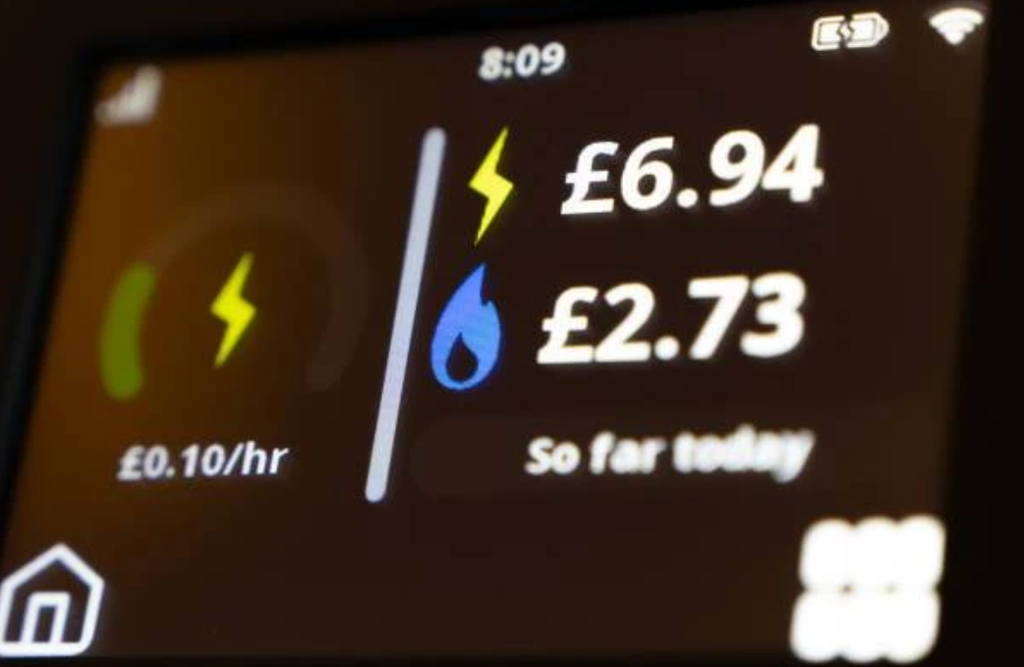
A poorly maintained boiler often works harder to produce the same level of heating and hot water. As efficiency decreases, energy consumption increases. Even a relatively small drop in efficiency can have a noticeable impact on annual heating costs, especially given rising energy prices.
Loss of Manufacturer Warranty
Many boiler manufacturers require annual servicing to keep warranties valid. Missing a scheduled service could result in warranty protection being withdrawn. If a major fault develops later, you may be responsible for the full repair or replacement cost.
Boiler Servicing Improves Energy Efficiency
Energy efficiency is becoming increasingly important for London homeowners looking to manage household costs.

Over time, dirt, debris and wear can reduce a boiler’s performance.
Regular servicing helps ensure that:
- Components operate efficiently
- Fuel is burned correctly
- Heat transfer remains effective
- System pressure stays within recommended levels
An efficient boiler uses less energy, helping to reduce monthly utility bills while maintaining comfort throughout the home.
Safety Should Never Be Overlooked
Beyond financial considerations, boiler servicing plays a crucial role in protecting household safety.
Gas appliances must be maintained correctly to operate safely.
Carbon Monoxide Risks
Carbon monoxide is a colourless, odourless gas that can be extremely dangerous.
Faulty boilers have the potential to produce carbon monoxide if combustion processes are compromised. During a service, engineers check that the boiler is burning fuel correctly and that harmful gases are safely expelled through the flue system.
Gas Leaks
Servicing can help identify small leaks or faults before they become serious safety concerns.
Ventilation Issues
Adequate ventilation is essential for safe boiler operation. An engineer will ensure that air supply and flue arrangements remain compliant and effective.
Why Boiler Servicing Is Important for Landlords
Landlords have additional responsibilities when it comes to gas safety.
In the UK, landlords must arrange annual gas safety inspections for rented properties containing gas appliances.
Regular boiler servicing can help:
- Maintain compliance
- Reduce the likelihood of tenant complaints
- Prevent unexpected breakdowns
- Protect rental income
- Improve tenant satisfaction
A boiler failure during winter can create significant disruption for tenants and often results in urgent repair costs for landlords.
Common Problems Found During Boiler Services
Many faults identified during servicing develop gradually and may not initially affect performance.

Common issues include:
- Worn seals
- Corroded components
- Low pressure problems
- Blocked condensate pipes
- Faulty thermostats
- Damaged heat exchangers
- Ignition issues
- Minor gas leaks
Identifying these problems early often results in quicker and more affordable repairs.
How Often Should a Boiler Be Serviced?
Most manufacturers and heating professionals recommend servicing a boiler once every year.
Annual servicing helps:
- Maintain efficiency
- Support warranty requirements
- Improve reliability
- Extend boiler lifespan
- Reduce safety risks
The best time to arrange a service is usually during the warmer months before winter demand increases.
This helps ensure your heating system is ready when temperatures begin to drop.
Signs Your Boiler May Need Immediate Attention
Even if a service is already scheduled, certain warning signs should never be ignored.
Contact a qualified engineer if you notice:
- Unusual noises
- Reduced heating performance
- Inconsistent hot water
- Frequent pressure loss
- Error codes
- Strange smells
- Pilot light issues
- Unexpected increases in energy bills
These symptoms may indicate underlying problems that require prompt investigation.
Choosing a Professional Boiler Service in London
Not all heating engineers provide the same level of service.
When selecting a provider, consider:
- Gas Safe registration
- Experience with your boiler type
- Positive customer reviews
- Transparent pricing
- Comprehensive inspections
- Emergency support availability
A reputable engineer will thoroughly inspect the system and provide clear recommendations if any issues are identified.
Final Words
A boiler is a major investment and like any important system, it requires regular maintenance to perform at its best.
Skipping annual servicing may seem like a way to save money, but the reality is often the opposite. Higher energy bills, unexpected repairs, invalid warranties and premature replacement costs can quickly add up.
Regular servicing helps keep your boiler safe, efficient, and reliable while reducing the likelihood of expensive problems in the future.
For homeowners and landlords across London, investing in annual boiler servicing is one of the simplest and most cost-effective ways to protect both your property and your finances.

7 Benefits of Using an Online Meeting Notetaker for Modern Business Teams

All I Need in This Life of Syn – Syna World, Central Cee und Streetwear-Kultur

The Metadata and Cataloging Layer Most Enterprises Forget When Preparing Data for AI

How to Make Your Paycheck Go Further in 2027: 5 Easy Steps

How to Get the Most Out of a London Event Venue Site Visit

How to get a better shower without a full bathroom renovation

How to Ensure Your Home is Valued Correctly for a Quick Sale

Christopher Dare: The Untold Story of Engineer and Former Husband of Angela Rippon

The 15 Highest-Paid Rugby Players in the World

What Is Fanquer? The Digital Creator Platform Transforming Direct-to-Fan Engagement

Dr Jared Ross: Missouri Appeals Court Upholds Protection Order Over Graphic Torture and Murder Threats

Who Is Azriel Crews? Inside the Life and Career of Terry Crews’ Daughter
How to Ensure Your Home is Valued Correctly for a Quick Sale
Christopher Dare: The Untold Story of Engineer and Former Husband of Angela Rippon
The 15 Highest-Paid Rugby Players in the World
What Is Fanquer? The Digital Creator Platform Transforming Direct-to-Fan Engagement
Dr Jared Ross: Missouri Appeals Court Upholds Protection Order Over Graphic Torture and Murder Threats
Who Is Azriel Crews? Inside the Life and Career of Terry Crews’ Daughter
-
 Real Estate10 months ago
How to Ensure Your Home is Valued Correctly for a Quick Sale
-
Celebrity12 months ago
Christopher Dare: The Untold Story of Engineer and Former Husband of Angela Rippon
-
 Sports6 months ago
The 15 Highest-Paid Rugby Players in the World
-
 Technology6 months ago
What Is Fanquer? The Digital Creator Platform Transforming Direct-to-Fan Engagement
-
 Celebrity6 months ago
Dr Jared Ross: Missouri Appeals Court Upholds Protection Order Over Graphic Torture and Murder Threats
-
 Celebrity9 months ago
Who Is Azriel Crews? Inside the Life and Career of Terry Crews’ Daughter
-
 Celebrity1 year ago
Nancy Hallam: The Inspiring Life, Career, and Success Story Behind Ian Wright’s Wife
-
 Celebrity1 year ago
Who Is Maisie Mae Roffey? The Private Life, Family Story, and Quiet Success of Julie Walters’ Daughter