
Blog
Top Tips for Effective Carpet Cleaning in Brisbane with Jim’s Cleaning


Carpet maintenance is essential for preserving the longevity and appearance of carpets, especially in bustling areas like Brisbane. Residents here understand the importance of keeping their carpets clean not just for aesthetic reasons but for health benefits too. When it comes to ensuring effective carpet cleaning in Brisbane, relying on professional services such as Jim’s Cleaning can make a substantial difference.
Understanding the Local Climate
Brisbane’s subtropical climate can pose unique challenges for carpet maintenance. The high humidity levels, coupled with seasonal rains, contribute to increased dust mite prevalence and potential mould growth. This makes regular cleaning crucial to prevent damage and maintain a healthy indoor air environment.
Choosing the Right Cleaning Method
There are various carpet cleaning methods, each with specific advantages. Knowing which method suits your carpet type and environmental conditions is vital. For instance, steam cleaning is excellent for deep-cleaning carpets and removing ingrained dirt. On the other hand, dry cleaning methods might be more suitable for quick clean-ups and less moisture exposure.
The Benefits of Steam Cleaning
Steam cleaning, often referred to as hot water extraction, involves injecting hot water into the carpet fibres to dislodge dirt. This method is highly effective in sanitising carpets, as the heat kills germs and allergens. Although it may take longer to dry, the results are usually superior for homes with pets or children.
When to Opt for Dry Cleaning
Dry cleaning, utilising minimal moisture, is ideal for rooms that require a fast turnaround time. It involves applying a specialised cleaning powder, which is then vacuumed up along with the dirt. This method is convenient for commercial spaces or busy households needing a quick refresh.
Regular Maintenance Tips
Aside from professional cleaning methods, regular maintenance can significantly extend the lifespan of your carpet. Simple actions such as vacuuming regularly, using door mats, and promptly addressing spills can prevent stains and wear.
The Importance of Vacuuming
Frequent vacuuming prevents dirt from embedding deep into the carpet fibres. In high-traffic areas like hallways or living rooms, vacuuming two to three times a week is advisable.
Handling Stains Effectively
Immediate action is vital when it comes to spills. Blotting the spill with a clean cloth, starting from the outside and moving inward, reduces the risk of spread. Avoid rubbing, as it may push the stain deeper or damage the fibres.
Engaging Professional Services
While regular upkeep is necessary, professional carpet cleaning holds unmatched benefits. Companies like Jim’s Cleaning provide advanced equipment and expertise, ensuring a thorough clean that dyi methods fail to achieve. Professionals can also offer valuable advice on maintaining carpets, tailored to specific environmental conditions and carpet materials.
How Often Should Carpets Be Professionally Cleaned?
The frequency of professional cleaning varies based on wear and usage. Generally, households with pets, children, or allergy sufferers should have carpets cleaned every 6 to 12 months. Areas with lighter foot traffic might manage with a biennial schedule.
The Value of Expert Advice
Engaging professionals allows homeowners to receive tailored advice which aligns with both lifestyle and local climate conditions. Knowledge about different fibres and underlayments and how they react to various cleaning agents is invaluable for effective long-term maintenance.
Environmental Considerations
Many consumers are increasingly prioritising environmentally-friendly cleaning methods. Jim’s Cleaning supports this by employing eco-friendly detergents and reducing water usage where possible, minimising environmental impact.
Choosing Sustainable Products
When selecting a cleaning service, opting for companies that use sustainable cleaning products is a great way to ensure you are reducing your carbon footprint. These products are gentle on the environment and often provide effective cleaning without the harsh chemicals.
The Role of Technology
Innovations in cleaning technology have provided opportunities to clean more efficiently and sustainably. Advanced vacuum systems and digital moisture sensors optimise water use and reduce energy consumption without sacrificing cleaning quality.


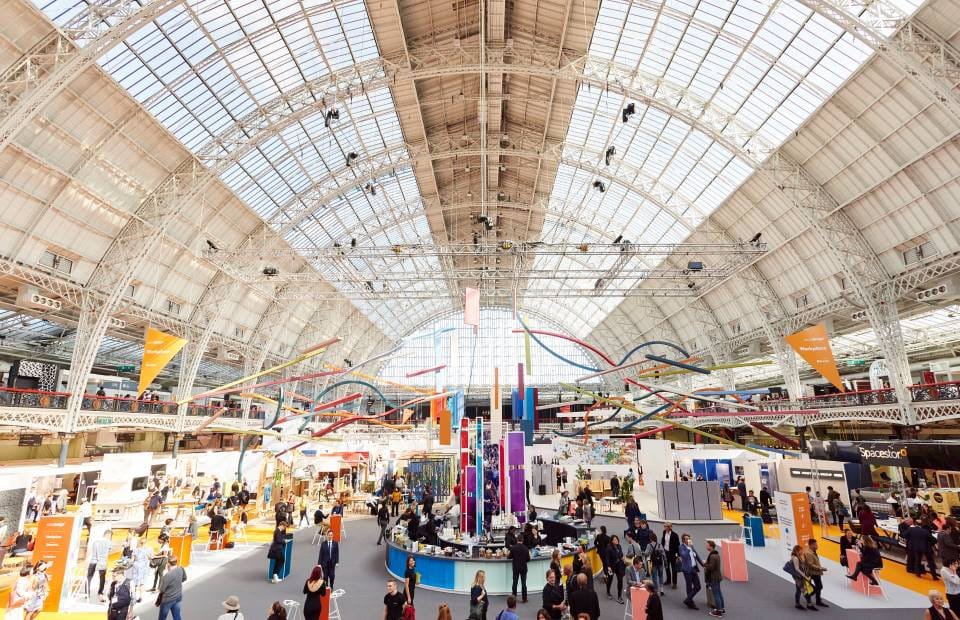
A site visit lets a planner check every claim about a London event venue against the building itself. The showround is designed to impress, so bring a structure and follow it from start to finish. Two disciplined hours in the space can prevent most of the cost and logistics surprises that surface a few weeks before the event.
Do the preparation before you travel
The quality of a site visit is settled before anyone enters the building. Start with the event brief: the date, the expected headcount, the setup format and the rough program timings. Every question on the day traces back to those four facts. Ask the venue to send floor plans, capacity charts, a sample event schedule and the preferred supplier list in advance, then read them closely enough to know which numbers need checking on the day.
Write the questions that email has not answered, bring a camera and a tape measure, and keep the checklist on paper so nothing depends on memory.
Allow enough time for the visit itself. An hour passes quickly once questions start. If the event involves production or complex catering, bring the people responsible for those areas; they will spot problems a planner might miss. Try to schedule the visit for the same time of day the event will run. Traffic and natural light both shift between morning and evening.
Where possible, book the visit for a day when another event is building or breaking down. A working venue reveals more than an empty one. The loading bay and sound transfer between rooms become clearer once the space is under pressure, and the in-house events team gives a more honest performance as well.
Test the capacity figures against the room
Capacity figures only mean something once the layout is stated. Ask for the comfortable capacity for each layout. That number changes as chairs, staging and screens move.
Ask for capacities in theater, banquet, cabaret and reception formats, and ask what each one assumes about staging and screen positions. Ask how the figures were measured. Some venues count space that no guest would accept. Then test the numbers physically. Stand where the stage would sit, and count how many seats would keep a clear sightline once pillars and production equipment take their share of the floor.
Check ceiling height alongside floor area. A low ceiling can limit staging and screen options even when the square footage looks generous. Room shape matters too: a long, narrow room gives fewer guests a clear view than a square room of the same area.
Capacity is where venues differ most. Two rooms with identical brochure figures can hold very different events. A room that only works at its maximum figure will feel crowded from the first coffee break. A London event venue that looks right on paper can stay on the shortlist only after the layout arithmetic holds up inside the room.
Check the technical infrastructure yourself
Published specifications are a starting point, so the visit has to test each claim separately. When a venue describes a room as AV ready, ask exactly what that covers. There is a wide gap between a space with power sockets and a space with AV included. Ask who supplies the equipment, what operation costs, and how quickly the answers come.
Anyone researching venue hire london should ask each venue to set out its connectivity terms, including any wired or upgraded options, and the visit is where those terms get tested. The usable facts are the simultaneous device count and the backup provision if the connection fails during a live stream. Ask for a recent speed test or the name of the provider. If the answer is vague, record that too in the notes.
Then walk the physical side. Look for rigging points and truss positions overhead, check where power sockets actually sit, and measure door widths and lift dimensions against the largest set piece the event will need. Ask where projectors and screens usually go in each layout, and check that data points sit near the production position.
Check natural light too. Open and close the blackout blinds; projection and photography both depend on how dark the room can go at midday. Finish with acoustics. Clap once in the empty room and hold a conversation at distance. Brick and glass return sound sharply, and street noise can carry further than expected.
Walk the supplier route and the guest route
A venue works twice on event day: once for the people building the event and once for the people attending it. Walk both routes in full. A problem on either one becomes the planner’s problem.
The supplier route
Start at the curb, where production vehicles arrive. Ask where they park and how far the loading bay sits from the event floor. Every corridor, lift, ramp and staircase between the two adds time to the build. Confirm whether porterage and lifting equipment are included in the hire price, and get the permitted load-in hours in writing.
Restricted access can compress a build into far fewer hours than the production schedule allows. A slow security sign-in on build morning delays everything that follows it. Walk through that process too and ask how long it takes when several trucks arrive together.
The guest route
Then make the journey a guest would make. Walk from the nearest station at a normal pace and time it. Check where taxis can drop off and where drivers can park. Accessibility is a practical question at this stage: can a guest with limited mobility reach every room the event uses, and are accessible toilets close to the event floor?
What happens when the whole audience arrives inside the same twenty minutes? Stand at the entrance and trace the path to registration. That is where queues form at peak arrival. Cloakrooms and restrooms deserve the same headcount arithmetic as the main hall, and breakout rooms should sit close enough that a short gap between sessions stays usable.
If the program includes speakers, look at the green room and the route from it to the stage. Presenters remember how they were treated before they went on. Guests who drive will ask about parking and any road charging zones, so take the venue’s answer down in detail.
Ask what the kitchen can deliver
Catering questions separate venues quickly, and the showround rarely volunteers the answers. Ask whether the in-house kitchen can plate the planned menu for the full headcount inside the service window, and ask to see the kitchen itself. A small kitchen has to work very hard to serve a large banquet, and the strain shows in the gap between courses. Ask how many staff the venue schedules for an event of this size. Service speed depends on people as much as kitchen capacity.
Ask where preparation happens relative to the event floor. Noise and cooking smells travel further than floor plans suggest. If the event needs an outside caterer, ask whether external suppliers are allowed and whether an approved list or a buy-out fee applies. Raise dietary requirements here too. A kitchen that handles them routinely answers differently from one that treats them as exceptions.
Find out what the building won’t allow
Many London venues occupy older buildings, and the features that photograph well often come with rules attached. Exposed brick and timber beams usually mean restrictions on drilling and hanging, and upper floors in historic buildings can carry limits on heavy loads. Ask directly what is off-limits, and ask for the answer in writing. Verbal flexibility tends to tighten as the event date approaches.
Branding and wayfinding depend on these answers. Confirm where welcome signage can stand, how guests will be directed between rooms, and whether sponsor logos can hang anywhere anyone will see them. A London event venue with clear written rules is easier to plan around than one that agrees to everything during the visit and reconsiders later.
Read the contingency documents in person
Every venue has emergency paperwork, and the visit is the time to read it. Ask to see the evacuation plan, walk one of the routes, and note where first aid points and assembly areas sit relative to the event floor. Ask when the team last walked the plan in full. A document that has never been rehearsed is only paper.
If the event uses outdoor space, ask what cover exists if the weather turns and how much of the program depends on that space staying usable. Ask about backup power too, and ask what happens to the schedule if load-in runs late. Both answers show how the venue behaves when the plan slips. Pay attention to who answers these questions. The in-house events team will run the event on the day, and their speed and precision during the visit give a preview of their work under pressure.
Score the venue the same day
The visit protects the event only if the findings survive the journey home. Score every venue on the same sheet: location access, capacity fit, technical capability, staff responsiveness and cost clarity. Fill it in straight after leaving, while the detail is still fresh, and label the photographs the same day. Similar rooms can merge into one within a week.
Weight the scores by what the event cannot compromise on. A conference built around streaming ranks technical capability first; a dinner ranks the kitchen first. The same sheet, weighted to the event, keeps comparisons honest.
Before leaving the building, close the commercial side. Ask for an itemized quote, the deposit terms, the cancellation terms and any late fees, and confirm the contracted load-in hours in writing. A venue that answers these questions cleanly on the day gives a useful signal about how the months before the event will go.
A brochure can put every venue on the shortlist, but the site visit shows which one belongs there. Run the visit as an inspection and keep the scoring consistent across venues. If two finish level, book a second visit during a live event and see how the building performs under pressure.

Most engagement ring shortlists start the same way: a folder of saved posts and a few screenshots. Every ring in that folder was chosen from a photo, though, and a photo can’t show you how a ring looks on your hand or how it feels on your finger. Trying rings on before you commit is what turns a folder of guesses into a decision you can trust.
Photos flatten scale
You probably already suspect that rings look different in real life. A photo shows a ring from one flattering angle, with nothing beside it for reference. The stone-to-finger proportion that decides whether a ring looks balanced disappears completely. A stone that looks elegant in a screenshot can look oversized on a slim finger or lost on a wider one, and there’s no way to predict which until the ring is on. Setting height vanishes too, because a stone sitting high above the band photographs beautifully from the front but reads very differently in profile.
Shape is part of this as well. Oval and pear shapes tend to lengthen the look of a finger, while a round stone sits more compactly, and a flat image hides all of that. Keep your shortlist, but expect your hand to disagree with at least some of it.
Metal color reads differently on real skin
You almost certainly have a metal preference already, since most people pick one early from browsing jewelry online. Hold it loosely, though, because a ring sits directly against skin, and every skin tone has undertones that change how each metal reads once it’s worn. Yellow gold tends to flatter warm undertones. White metals like platinum and white gold tend to suit cooler ones. Rose gold often lands somewhere in between, though your own hand is the only reliable test.
The metal also changes how the diamond itself looks, because a stone with faint warmth can appear whiter in yellow gold and show that warmth more clearly in a white metal. Ten minutes of trying metals on your own skin can settle a question that weeks of scrolling left open.
Comfort only shows up on your finger
An engagement ring is worn all day, so small fit issues turn into daily annoyances quickly. Band width is usually the first surprise: a narrow band makes the stone look larger, and a wider band feels tighter, which means your size can change from one style to the next. Setting height works the same way. A high setting catches on knitwear and pockets; a lower one sits closer to the finger but changes the ring’s profile. Fingers also swell and shrink as the day goes on. A ring that fits perfectly at ten in the morning can pinch by the evening.
A proper try-on tells you whether the band spins when you move and whether the stone presses into the neighboring finger. Some bands are also made with a rounded interior, often called a comfort fit, and that’s the kind of detail you only notice after ten minutes of wear. None of this comes through a screen. Comfort is often what quietly removes a favorite from the shortlist.
Seeing stones side by side resets your budget
Online, the Four Cs of cut, color, clarity and carat are a grading framework, but on a website those grades stay abstract, because you’re reading descriptions of sparkle with no stone in front of you. In a shop you can hold a larger stone next to a smaller one with a livelier cut, move your hand under the light, and understand in seconds what the grades were describing. Some people discover that sparkle means more to them than size, and others decide the opposite. Either way, the discovery comes from looking at stones on your own hand.
The natural versus lab-grown question gets easier here too, because comparing the two in person gives you something concrete to react to. Once you’ve seen what each grade actually buys you, the budget tends to drift toward the things you can see.
Making the most of a try-on
This way of shopping works at any jewelry counter where you can try rings on, and the approach stays the same whether your shortlist is three rings or thirty. If you’re ring buying around Hatton Garden, bring the screenshots and work through the whole list. Then add one style you never saved, because the shape that suits your hand is sometimes the one you scrolled past. Give that extra style the same few minutes on your finger as everything else. Move your hand under the shop lights, and pay attention to which ring you keep looking back at. If a bespoke ring ends up on the table, those discoveries become part of the design conversation.
If the ring you loved online turns out to be wrong on your hand, that’s the try-on doing its job. The screenshots got you to the counter. From there, your hand makes the final call.

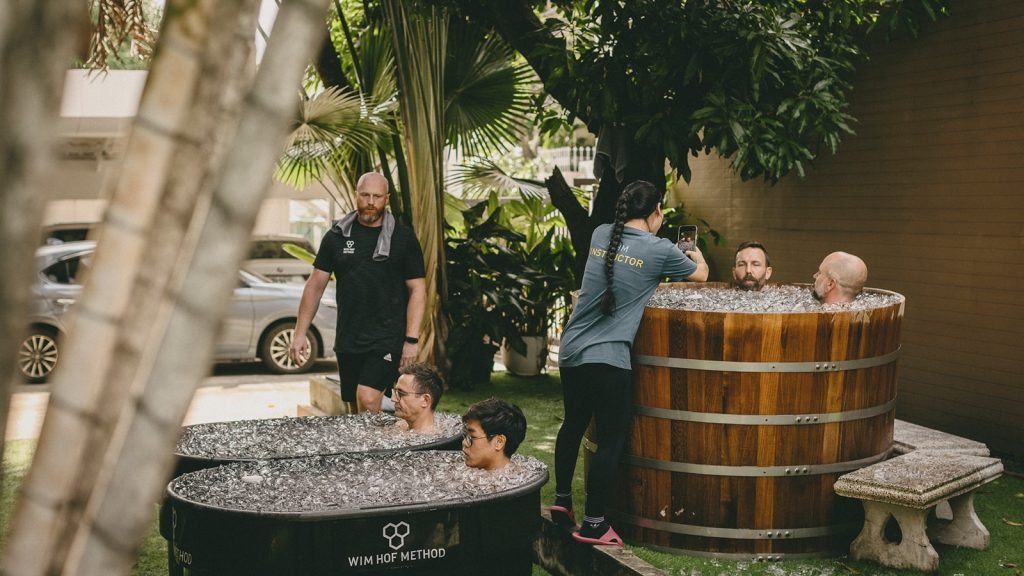
Bangkok has steadily emerged as a prominent global destination for those seeking advanced health and well-being solutions, moving beyond its traditional reputation as a vibrant cultural hub. The city now offers a sophisticated array of services, from invigorating ice baths to comprehensive longevity clinics, catering to a growing demand for holistic recovery and preventive health. This transformation positions Bangkok as a leader in the flourishing field of recovery wellness, attracting individuals worldwide who prioritize their physical and mental restoration.
The synergy of cutting-edge medical technology, skilled practitioners, and a deep-rooted culture of hospitality creates an unparalleled environment for personal rejuvenation. Whether one is an athlete aiming for peak performance, an executive seeking stress relief, or someone simply looking to invest in long-term health, the options for recovery wellness in Bangkok are both diverse and accessible.
We delve into the diverse landscape of recovery and wellness offerings available across the Thai capital, exploring the innovative treatments and serene environments that make Bangkok a top choice for a transformative health journey. Understanding the breadth of services available can help individuals tailor their experience to meet specific health goals.
The rise of recovery wellness in Bangkok
Bangkok’s strategic location in Southeast Asia, combined with its forward-thinking approach to healthcare, has fueled its ascent as a premier destination for recovery and wellness. The city boasts world-class facilities equipped with the latest technologies, often at a value that is highly attractive compared to Western counterparts. This unique combination draws a global clientele seeking high-quality care without compromise.
A blend of tradition and innovation
What sets Bangkok apart in the wellness sphere is its ability to seamlessly integrate time-honored healing practices with modern scientific advancements. Visitors can experience traditional Thai massages and herbal remedies alongside state-of-the-art diagnostic tools and biohacking therapies. This harmonious blend offers a comprehensive approach to well-being, addressing both ancient wisdom and contemporary needs.
The city’s wellness centers often feature tranquil designs that reflect Thai aesthetics, providing a calming backdrop for healing. These spaces are designed to promote relaxation and mental clarity, enhancing the physical benefits of each treatment. The atmosphere itself contributes significantly to the overall recovery process, fostering a sense of peace and detachment from daily stressors.
Accessibility and quality care
Accessibility is another key factor contributing to Bangkok’s popularity. The city is a major international travel hub, making it easy for people from various continents to reach. Once here, navigating the urban landscape to find wellness facilities is straightforward, with many located in convenient and upscale districts.
The quality of care provided in Bangkok’s recovery and wellness centers is consistently high, reflecting the rigorous standards of its medical and hospitality sectors. Practitioners are often internationally trained, bringing a wealth of expertise and a patient-centric approach to their services. This dedication to excellence ensures that visitors receive effective and personalized treatments tailored to their individual requirements.
Advanced recovery therapies: from cold to light
Bangkok’s recovery landscape is rich with advanced therapies designed to accelerate healing, reduce inflammation, and enhance overall physical performance. These treatments are popular among athletes, individuals recovering from injury, and anyone looking to optimize their body’s natural restorative processes. The range of options ensures that specific needs can be met with precision.
The invigorating power of cold therapy
Cold therapy, particularly in the form of ice baths and whole-body cryotherapy, has gained significant traction for its profound benefits on recovery and mental resilience. Immersing the body in extremely cold temperatures triggers a cascade of physiological responses, including reduced muscle soreness, decreased inflammation, and improved circulation. Many facilities in Bangkok offer specialized chambers and tubs for these treatments.
Beyond physical recovery, cold exposure is also celebrated for its ability to boost mood and energy levels. The initial shock gives way to a feeling of exhilaration, making it a popular choice for those seeking a natural uplift. Regular sessions can contribute to better sleep patterns and enhanced stress management, integrating into a broader wellness routine.
Harnessing light for healing
Red light therapy, also known as photobiomodulation, utilizes specific wavelengths of light to stimulate cellular function and promote healing. This non-invasive treatment can help with skin rejuvenation, muscle repair, joint pain relief, and even improve sleep quality. Many wellness centers in Bangkok have integrated advanced red light panels and beds into their offerings.
The gentle, soothing nature of red light therapy makes it a favored option for those seeking effective recovery without intense physical exertion. It works at a cellular level, encouraging the body’s natural regenerative processes. This therapy is particularly beneficial for reducing oxidative stress and enhancing mitochondrial function, which are crucial for overall vitality.

Hyperbaric oxygen therapy for cellular rejuvenation
Hyperbaric oxygen therapy (HBOT) involves breathing pure oxygen in a pressurized chamber, significantly increasing the amount of oxygen dissolved in the blood plasma. This elevated oxygen level can reach areas of the body that are typically oxygen-deprived, promoting tissue repair, reducing swelling, and fighting infections. HBOT is utilized for a wide array of conditions, from wound healing to cognitive enhancement.
In Bangkok, several specialized clinics offer HBOT sessions, often as part of a comprehensive recovery protocol. This therapy is particularly valued for its ability to accelerate recovery from strenuous activity, aid in post-surgical healing, and support neurological health. The controlled environment of the hyperbaric chamber ensures a safe and effective treatment experience.
Longevity clinics: investing in your future self
For those looking beyond immediate recovery and towards long-term health and vitality, Bangkok’s longevity clinics offer sophisticated programs focused on anti-aging and preventive medicine. These clinics adopt a proactive approach, aiming to optimize health spans and enhance quality of life well into later years. They represent a significant investment in future well-being.
Personalized health assessments
A cornerstone of longevity medicine is the comprehensive health assessment. These clinics typically begin with in-depth diagnostic testing, which may include genetic profiling, advanced blood panels, heavy metal analysis, and hormone evaluations. These tests provide a detailed snapshot of an individual’s current health status and potential risk factors, allowing for highly personalized interventions.
The results are then meticulously analyzed by a team of medical professionals, including doctors, nutritionists, and lifestyle coaches. This collaborative approach ensures that every aspect of health is considered, from cellular function to metabolic efficiency. The goal is to uncover root causes of imbalances rather than just treating symptoms, paving the way for targeted strategies.
Tailored anti-aging protocols
Based on the extensive assessments, longevity clinics develop bespoke anti-aging protocols. These may include personalized nutritional plans, targeted supplement recommendations, hormone replacement therapy where appropriate, detoxification programs, and advanced intravenous (IV) therapies. The focus is on optimizing cellular health, boosting energy levels, and mitigating the effects of aging.
Many programs also incorporate lifestyle modifications, encouraging regular physical activity, stress management techniques, and adequate sleep. The journey in a longevity clinic is often ongoing, with regular follow-ups and adjustments to ensure sustained progress. This continuous support empowers individuals to take charge of their health and embrace a vibrant future. To explore a comprehensive guide to these and other wellness offerings, a visit to https://bangkokrecoveryguide.fit/ can provide valuable insights and direct you to suitable facilities.
Holistic approaches to well-being
Beyond the clinical and high-tech interventions, Bangkok also excels in offering a wide range of holistic therapies that nurture the mind, body, and spirit. These approaches are often integrated into wellness retreats and spas, providing a balanced pathway to complete well-being.
Mind-body connection: yoga and meditation
The practice of yoga and meditation is deeply embedded in the wellness culture of Bangkok. Numerous studios and centers offer classes ranging from dynamic Vinyasa flows to serene Hatha sessions, catering to all levels of experience. These practices are invaluable for improving flexibility, strength, and mental clarity.
Meditation retreats, often held in peaceful urban sanctuaries or just outside the bustling city, provide opportunities for deep introspection and stress reduction. Learning to quiet the mind and cultivate mindfulness can have profound positive impacts on emotional regulation and overall peace of mind. Many find these practices to be a vital component of their recovery journey.

Nutritional guidance and detox programs
Understanding the critical role of nutrition in health, many wellness centers in Bangkok offer expert nutritional counseling and tailored detox programs. These programs are designed to cleanse the body of toxins, reset metabolic functions, and educate individuals on sustainable healthy eating habits. They can be particularly beneficial for weight management, digestive health, and boosting energy.
The emphasis is often on fresh, locally sourced ingredients, with many programs incorporating plant-based meals and nutrient-dense juices. Participants learn how to make informed food choices that support their long-term health goals, moving beyond temporary fixes to lasting dietary changes. This focus on internal nourishment complements external recovery treatments.
Traditional Thai therapies
No discussion of wellness in Bangkok would be complete without highlighting its rich tradition of Thai therapies. Traditional Thai massage, known for its therapeutic stretching and pressure point techniques, can alleviate muscle tension, improve circulation, and promote deep relaxation. Herbal compresses and steam baths are also widely available, utilizing local herbs for their healing properties.
These ancient practices are not merely about physical relief; they embody a philosophy of balancing the body’s energy lines and promoting a harmonious flow of vital energy. Experienced practitioners use their knowledge to address individual imbalances, offering a truly personalized and culturally rich healing experience. The blend of techniques can leave one feeling both invigorated and profoundly calm.
Navigating your recovery and wellness journey
Embarking on a recovery and wellness journey in Bangkok can be an enriching experience, but it requires some planning to ensure you choose the best options for your needs. The city offers a vast array of facilities, each with its own specialties and atmosphere. Making an informed decision is key to maximizing your benefits.
Choosing the right facility
When selecting a wellness center or clinic, consider several factors. Research their specializations: are you looking for advanced medical diagnostics, intense physical recovery, or a more holistic retreat experience? Reading reviews and looking at testimonials can offer valuable insights into the quality of care and patient satisfaction. We recommend prioritizing facilities with transparent information about their practitioners’ qualifications and the technologies they employ.
Location might also play a role; some prefer the serene environment of a suburban retreat, while others appreciate the convenience of an urban clinic. It is also beneficial to consider whether the facility offers integrated programs that combine multiple therapies, which can be more effective for comprehensive wellness goals.
“The true essence of wellness lies not just in treating ailments, but in cultivating an environment where the body’s innate capacity for healing and thriving is fully supported and encouraged.” – A leading wellness practitioner in Bangkok.
Understanding pricing and packages
The price of recovery wellness in Bangkok varies significantly depending on the type of treatment, the duration, and the exclusivity of the facility. While generally more affordable than in many Western countries, high-end clinics and extensive longevity programs can still represent a substantial investment. Many centers offer package deals that combine several treatments, often at a reduced overall cost.
Here’s a general overview of pricing considerations:
| Service Category | Typical Offerings | Price Range (Indicative) |
| Basic Recovery Therapies | Ice baths, red light therapy (single sessions) | $$ |
| Advanced Recovery Treatments | Cryotherapy, HBOT, IV drips (per session/package) | $$$ |
| Holistic Wellness Programs | Yoga, meditation, traditional Thai massage (sessions/retreats) | to$ |
| Longevity Clinic Consultations | Initial health assessments, basic diagnostics | $to$$ |
| Comprehensive Longevity Programs | Personalized protocols, ongoing support, advanced diagnostics | $$$$$ |
Note: “
“indicatesmoreaccessiblepricing,while”
$$$” represents premium or extensive programs. Actual costs will vary by provider.
It is always advisable to inquire about detailed pricing, what is included in packages, and any potential hidden costs before committing to a program. Many facilities offer initial consultations that can help clarify these aspects and allow you to discuss your budget and expectations.
Frequently asked questions about recovery wellness in Bangkok
We’ve compiled answers to some common questions to further assist you in planning your recovery and wellness journey in Bangkok.
- Is Bangkok safe for medical tourism and wellness travel?
Yes, Bangkok is widely regarded as a safe destination for medical and wellness tourism. The city has a well-developed infrastructure, and reputable clinics adhere to international safety standards. - Do I need a visa to access wellness services in Bangkok?
Visa requirements depend on your nationality. Many countries have visa-on-arrival or visa-free entry agreements for short stays. It’s best to check the latest visa policies with the Royal Thai Embassy or Consulate in your country before traveling. - Are the practitioners in Bangkok’s wellness centers qualified?
Absolutely. Many practitioners in Bangkok’s top wellness centers and longevity clinics hold international certifications and have extensive experience. It’s always a good practice to verify the qualifications of specific practitioners if you have particular concerns. - Can I combine a wellness trip with a regular tourist vacation?
Certainly! Bangkok offers a wealth of cultural attractions, culinary experiences, and shopping opportunities. Many visitors choose to integrate their wellness treatments with exploring the city and its surroundings, creating a balanced and fulfilling trip. - Is language a barrier in Bangkok’s wellness facilities?
Most high-end wellness centers and clinics in Bangkok employ staff who are proficient in English and often other international languages. Communication is generally not an issue, especially in facilities catering to international clients.
Embracing your wellness journey in Bangkok
Bangkok has truly solidified its position as a world-class hub for recovery and wellness, offering an impressive spectrum of services that cater to every aspect of health. From the cutting-edge science of longevity clinics and advanced recovery therapies like cryotherapy and hyperbaric oxygen, to the profound tranquility of traditional Thai healing and mindful practices, the city provides a holistic ecosystem for well-being.
The emphasis on personalized care, combined with a commitment to integrating modern innovations with ancient wisdom, ensures that visitors can find solutions tailored precisely to their individual goals. Whether seeking to optimize physical performance, mitigate the effects of aging, or simply find a peaceful sanctuary for rejuvenation, the opportunities for recovery wellness in Bangkok are expansive and deeply rewarding. Embracing these offerings can lead to a more vibrant, resilient, and balanced life.

How to Get the Most Out of a London Event Venue Site Visit

How to get a better shower without a full bathroom renovation

Why Trying On Engagement Rings Can Change Your Shortlist

Extend or Move? Why More Londoners Are Building Instead of Buying

Lab-Grown vs Natural Diamonds: How to Choose an Engagement Ring

The Latest Women’s Fashion Trends to Shop at SHEIN

How to Ensure Your Home is Valued Correctly for a Quick Sale

Christopher Dare: The Untold Story of Engineer and Former Husband of Angela Rippon

The 15 Highest-Paid Rugby Players in the World

What Is Fanquer? The Digital Creator Platform Transforming Direct-to-Fan Engagement

Dr Jared Ross: Missouri Appeals Court Upholds Protection Order Over Graphic Torture and Murder Threats

Who Is Azriel Crews? Inside the Life and Career of Terry Crews’ Daughter
How to Ensure Your Home is Valued Correctly for a Quick Sale
Christopher Dare: The Untold Story of Engineer and Former Husband of Angela Rippon
The 15 Highest-Paid Rugby Players in the World
What Is Fanquer? The Digital Creator Platform Transforming Direct-to-Fan Engagement
Dr Jared Ross: Missouri Appeals Court Upholds Protection Order Over Graphic Torture and Murder Threats
Who Is Azriel Crews? Inside the Life and Career of Terry Crews’ Daughter
-
 Real Estate10 months ago
How to Ensure Your Home is Valued Correctly for a Quick Sale
-
Celebrity12 months ago
Christopher Dare: The Untold Story of Engineer and Former Husband of Angela Rippon
-
 Sports6 months ago
The 15 Highest-Paid Rugby Players in the World
-
 Technology6 months ago
What Is Fanquer? The Digital Creator Platform Transforming Direct-to-Fan Engagement
-
 Celebrity6 months ago
Dr Jared Ross: Missouri Appeals Court Upholds Protection Order Over Graphic Torture and Murder Threats
-
 Celebrity9 months ago
Who Is Azriel Crews? Inside the Life and Career of Terry Crews’ Daughter
-
 Celebrity1 year ago
Nancy Hallam: The Inspiring Life, Career, and Success Story Behind Ian Wright’s Wife
-
 Celebrity1 year ago
Who Is Maisie Mae Roffey? The Private Life, Family Story, and Quiet Success of Julie Walters’ Daughter