
Blog
Why Quality Sleepwear Belongs in a Practical Everyday Wardrobe


Sleepwear is often treated as an afterthought, but it is one of the most frequently worn categories in a wardrobe. It is what people reach for at the end of long days, during slow mornings, while travelling, after showers and on weekends at home. For that reason, good sleepwear should do more than look attractive. It should feel comfortable, move easily and suit the way someone actually rests.
In recent years, shoppers have become more thoughtful about what they wear at home. Comfort still matters most, but there is also a growing interest in pieces that feel polished, soft and versatile. Sleepwear is no longer only about going to bed. It is also about winding down, creating a sense of routine and feeling put together in private moments.
Good sleepwear should combine comfort, breathability, softness and ease of movement. The best pieces are not the ones saved only for special occasions, but the styles worn repeatedly because they feel good on the body. A practical sleepwear drawer may include lighter options for warm nights, softer layers for cooler weather and easy pieces that can also work for relaxed mornings at home. For many shoppers, investing in better sleepwear is less about luxury and more about daily comfort.
Why sleepwear deserves more attention
Most people spend a significant part of their week in sleepwear, yet it is often replaced less often than everyday clothing. Old T-shirts, stretched waistbands and uncomfortable fabrics can become the default simply because they are familiar. However, comfort at home can have a real impact on how someone relaxes.
The right sleepwear helps signal the transition from work, errands and daily responsibilities into rest. It does not need to be elaborate. A soft nightie, breathable pyjama set or comfortable robe can make the evening feel more settled and intentional.
This is especially relevant for people with busy schedules. When life is full, small routines matter. Changing into comfortable sleepwear can become one of those small but meaningful habits that support rest and recovery.
Comfort is more than softness
Soft fabric is important, but it is not the only factor that makes sleepwear comfortable. Fit, temperature, movement and personal preference all matter. Some people prefer loose nighties that do not cling. Others like pyjama sets with a gentle waistband. Some want lightweight pieces for warmer nights, while others prefer more coverage and layers.
Good sleepwear should allow the body to move naturally. It should not twist uncomfortably, dig into the waist, pull at the shoulders or feel too restrictive when sitting, sleeping or lounging. This is where fabric and cut work together.
A well-chosen collection such as https://illusionslingerie.com.au/collections/sleepwear gives shoppers a more practical way to compare options based on how they actually sleep and relax, rather than treating sleepwear as one generic category.
Choosing sleepwear for different seasons
Australian weather can make sleepwear selection more varied than people expect. Hot nights call for breathable, lighter pieces that feel cool against the skin. Cooler evenings may require longer sleeves, warmer fabrics or layering pieces that make relaxing at home more comfortable.
A useful sleepwear drawer often includes a mix of options. One lightweight piece may suit summer nights, while a softer, more covered style may work better during winter. Travellers may also prefer pieces that pack easily and feel comfortable in different climates.
Rather than buying sleepwear only by appearance, shoppers should think about how it will be worn across the year. The most beautiful piece may not be the most useful if it is too warm, too delicate or too restrictive for regular use.
The role of fit in sleepwear
Fit is sometimes overlooked in sleepwear because shoppers assume it does not matter as much as it does in bras or shapewear. But fit still plays a major role in comfort. A waistband that rolls, straps that fall down or fabric that pulls across the bust can quickly make a garment annoying to wear.
The best sleepwear sits comfortably without needing constant adjustment. It allows room for movement while still feeling flattering. It should support the wearer’s preferred sleep style, whether that means loose and flowing, softly fitted or layered.
This is one reason specialist lingerie and sleepwear retailers remain useful. They understand that comfort is personal. A piece that feels perfect for one person may not suit another, even if both are technically the same size.
The connection between sleepwear and confidence
Sleepwear is private clothing, but that does not make it unimportant. What people wear at home can affect how they feel in their own space. Comfortable, well-chosen sleepwear can make someone feel more relaxed, more put together and more at ease.
This is not about dressing for anyone else. It is about feeling good in daily routines. A piece can be simple and still feel beautiful. It can be comfortable and still feel considered. The best sleepwear often sits at that intersection.
For many shoppers, upgrading sleepwear is one of the easiest ways to improve a wardrobe because the benefit is immediate. The piece is used often, felt directly on the skin and connected to rest.
The takeaway
Sleepwear may seem like a small category, but it plays a meaningful role in everyday comfort. The right pieces help people unwind, sleep more comfortably and move through home routines with ease.
A good sleepwear collection should offer more than decorative options. It should help shoppers find pieces that suit their climate, body, lifestyle and personal comfort preferences. When chosen well, sleepwear becomes one of the most reliable parts of a wardrobe — not because it is seen by many people, but because it is worn during the moments when comfort matters most.



„All I Need in This Life of Syn“ ist ein Ausdruck, der mit der Instagram-Präsenz von Syna World (@synaworld) verbunden ist. Die Marke steht für moderne britische Streetwear und ist eng mit dem Rapper Central Cee verbunden.
Syna World verbindet Musik, Mode und urbane Jugendkultur. Besonders Fans von Central Cee interessieren sich für die Kleidung, den Stil und die Entwicklung der Marke.
Was bedeutet „All I Need in This Life of Syn“?
Der Ausdruck „All I Need in This Life of Syn“ wird als Social-Media-Slogan im Zusammenhang mit Syna World verwendet. Er vermittelt eine Verbindung zur Markenidentität und zur Streetwear-Kultur rund um Central Cee.
Das Wort „Syn“ ist dabei eng mit dem Namen Syna World verbunden und wird in der Online-Community als Teil der Markenkommunikation wahrgenommen.
Was ist Syna World?
Syna World ist eine britische Streetwear-Marke, die vom Rapper Central Cee gegründet wurde. Die Marke hat durch ihre Verbindung zur britischen Musikszene und modernen urbanen Mode internationale Aufmerksamkeit erhalten.
Zu den bekannten Kleidungsstilen gehören:
- Syna World Tracksuits
- Syna World Hoodies
- Syna World T-Shirts
- Sweatshirts und Shorts
- Streetwear-Accessoires
Central Cee und die Syna World Markenidentität
Central Cee gehört zu den bekannten Künstlern der britischen Rap-Szene. Neben seiner Musik hat er auch die moderne Streetwear-Kultur beeinflusst.
Seine Verbindung zu Syna World macht die Marke für Fans interessant, die seinen musikalischen Stil und seine Mode verfolgen.
Die Kombination aus Musik, urbanem Lifestyle und zeitgemäßer Kleidung ist ein wichtiger Bestandteil der öffentlichen Wahrnehmung von Syna World.
Syna World Tracksuits und Hoodies
Tracksuits und Hoodies gehören zu den Kleidungsstilen, die besonders häufig mit Syna World verbunden werden.
Tracksuits: Zusammenpassende Oberteile und Hosen sorgen für einen einheitlichen Streetwear-Look.
Hoodies: Lässige Hoodies lassen sich mit Jeans, Shorts oder Jogginghosen kombinieren.
T-Shirts: Streetwear-T-Shirts eignen sich für unkomplizierte Alltagsoutfits.
Accessoires: Passende Accessoires ergänzen den persönlichen urbanen Stil.
Warum ist Syna World so beliebt?
Die Bekanntheit von Syna World hängt eng mit Central Cees musikalischem Erfolg und seiner Präsenz in der britischen Modekultur zusammen.
Wichtige Faktoren sind:
- Die Verbindung zur britischen Rap-Szene.
- Central Cees persönlicher Modeeinfluss.
- Die moderne Streetwear-Ästhetik.
- Die Präsenz der Marke auf Social Media.
- Das Interesse an Tracksuits, Hoodies und urbaner Kleidung.
Wo kann man Syna World Kleidung entdecken?
Wenn du dich für Syna World und die Streetwear-Kultur rund um Central Cee interessierst, besuche SynaWorld.org.
Dort kannst du weitere Informationen über Syna World Kleidung, Tracksuits, Hoodies, T-Shirts und Streetwear-Trends entdecken.
Achte beim Online-Kauf auf die Identität des Verkäufers, die Echtheit der Produkte sowie die Versand- und Rückgabebedingungen.
Fazit
„All I Need in This Life of Syn“ steht im Zusammenhang mit der Social-Media-Identität von Syna World und dem Interesse an Central Cees Modewelt.
Mit seiner Verbindung aus Musik, Streetwear und urbaner Kultur hat Syna World eine eigene Präsenz in der britischen Modewelt entwickelt.
Entdecke weitere Informationen über Syna World und moderne Streetwear auf https://synaworld.org/.
Häufig gestellte Fragen zu Syna World
1. Was bedeutet „All I Need in This Life of Syn“?
Es handelt sich um einen Ausdruck, der mit der Social-Media-Präsenz und Markenkommunikation von Syna World verbunden ist.
2. Was ist Syna World?
Syna World ist eine britische Streetwear-Marke, die vom Rapper Central Cee gegründet wurde.
3. Wer ist der Gründer von Syna World?
Der britische Rapper Central Cee hat Syna World gegründet.
4. Welche Kleidung bietet Syna World?
Die Marke ist mit Tracksuits, Hoodies, T-Shirts, Sweatshirts, Shorts und Accessoires verbunden.
5. Warum ist Syna World auf Instagram bekannt?
Die Marke erhält Aufmerksamkeit durch ihre Verbindung zu Central Cee, Streetwear und der britischen Musikszene.
6. Wo kann ich mehr über Syna World erfahren?
Besuche https://synaworld.org/ für weitere Informationen über Syna World Streetwear und Kleidung.


The easiest ways to make your paycheck go further in 2027 are to check your take-home pay, build a simple monthly budget, automate your savings, cut subscriptions you no longer use and protect your money from fraud. These five steps take a little time to set up, but they can free up hundreds of dollars a year without a pay rise.
The start of a new year is a natural moment to look at your money. Prices are still higher than a few years ago, and many people feel that their paycheck disappears faster than it used to. Here are five easy steps to take back control.
1. Know your real take-home pay
Your salary and your paycheck are not the same thing. Federal and state taxes, Social Security, Medicare, retirement contributions and workplace benefits all come out before the money reaches your account. Use a paycheck calculator to see exactly what you take home each pay period, and check your W-4 if you got a large refund or a surprise bill last tax season.
2. Build a simple monthly budget
A budget does not need to be complicated. List your fixed costs first, such as rent, utilities, phone bills and transport. Then set limits for flexible spending like groceries, dining out and entertainment. The popular 50/30/20 rule, which splits take-home pay into needs, wants and savings, is a good starting point.
3. Pay yourself first
The easiest way to save is to make it automatic. Set up a transfer to a savings account on payday, before you have a chance to spend the money. Even a small amount adds up. Aim to build an emergency fund that covers three to six months of essential expenses.
4. Cut subscriptions and recurring charges
Streaming services, apps, gym memberships and delivery passes are easy to forget. Go through your bank and card statements and cancel anything you have not used in the last month or two. Many people find they are paying for several services they no longer need.
5. Protect your money and your data
Fraud and data breaches can wipe out careful budgeting in an instant. Turn on alerts for every card and account, use strong unique passwords with two-factor authentication, and avoid saving card details on every website. Some people also prefer payment options that share less personal information, such as prepaid cards, virtual card numbers or Monero. If you are curious which shops accept these options, Monero Friendly’s shopping directory lists businesses that do. Whatever you choose, compare fees and only use services you trust.
A quick paycheck checklist
- Check your take-home pay and W-4 settings.
- Write a simple monthly budget.
- Automate savings on payday.
- Cancel unused subscriptions.
- Turn on account alerts and strong security.
Frequently asked questions
How much of my paycheck should I save?
Many experts suggest saving around 20 percent of take-home pay, but any regular amount is better than none. Start small and increase it when you can.
Why is my paycheck smaller than expected?
Deductions for taxes, benefits and retirement plans reduce your gross pay. Changes to your W-4, benefits or state taxes can also change your take-home amount from one year to the next.
Final thoughts
You do not need a bigger salary to feel better about money. Knowing your real take-home pay, budgeting, saving automatically, cutting waste and protecting your accounts will make every paycheck in 2027 go further.
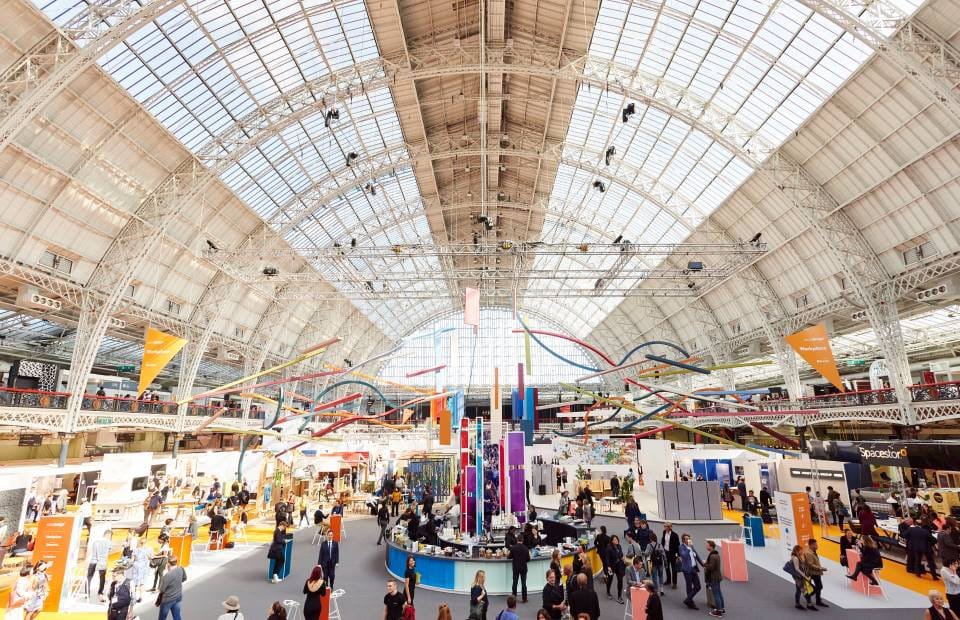
A site visit lets a planner check every claim about a London event venue against the building itself. The showround is designed to impress, so bring a structure and follow it from start to finish. Two disciplined hours in the space can prevent most of the cost and logistics surprises that surface a few weeks before the event.
Do the preparation before you travel
The quality of a site visit is settled before anyone enters the building. Start with the event brief: the date, the expected headcount, the setup format and the rough program timings. Every question on the day traces back to those four facts. Ask the venue to send floor plans, capacity charts, a sample event schedule and the preferred supplier list in advance, then read them closely enough to know which numbers need checking on the day.
Write the questions that email has not answered, bring a camera and a tape measure, and keep the checklist on paper so nothing depends on memory.
Allow enough time for the visit itself. An hour passes quickly once questions start. If the event involves production or complex catering, bring the people responsible for those areas; they will spot problems a planner might miss. Try to schedule the visit for the same time of day the event will run. Traffic and natural light both shift between morning and evening.
Where possible, book the visit for a day when another event is building or breaking down. A working venue reveals more than an empty one. The loading bay and sound transfer between rooms become clearer once the space is under pressure, and the in-house events team gives a more honest performance as well.
Test the capacity figures against the room
Capacity figures only mean something once the layout is stated. Ask for the comfortable capacity for each layout. That number changes as chairs, staging and screens move.
Ask for capacities in theater, banquet, cabaret and reception formats, and ask what each one assumes about staging and screen positions. Ask how the figures were measured. Some venues count space that no guest would accept. Then test the numbers physically. Stand where the stage would sit, and count how many seats would keep a clear sightline once pillars and production equipment take their share of the floor.
Check ceiling height alongside floor area. A low ceiling can limit staging and screen options even when the square footage looks generous. Room shape matters too: a long, narrow room gives fewer guests a clear view than a square room of the same area.
Capacity is where venues differ most. Two rooms with identical brochure figures can hold very different events. A room that only works at its maximum figure will feel crowded from the first coffee break. A London event venue that looks right on paper can stay on the shortlist only after the layout arithmetic holds up inside the room.
Check the technical infrastructure yourself
Published specifications are a starting point, so the visit has to test each claim separately. When a venue describes a room as AV ready, ask exactly what that covers. There is a wide gap between a space with power sockets and a space with AV included. Ask who supplies the equipment, what operation costs, and how quickly the answers come.
Anyone researching venue hire london should ask each venue to set out its connectivity terms, including any wired or upgraded options, and the visit is where those terms get tested. The usable facts are the simultaneous device count and the backup provision if the connection fails during a live stream. Ask for a recent speed test or the name of the provider. If the answer is vague, record that too in the notes.
Then walk the physical side. Look for rigging points and truss positions overhead, check where power sockets actually sit, and measure door widths and lift dimensions against the largest set piece the event will need. Ask where projectors and screens usually go in each layout, and check that data points sit near the production position.
Check natural light too. Open and close the blackout blinds; projection and photography both depend on how dark the room can go at midday. Finish with acoustics. Clap once in the empty room and hold a conversation at distance. Brick and glass return sound sharply, and street noise can carry further than expected.
Walk the supplier route and the guest route
A venue works twice on event day: once for the people building the event and once for the people attending it. Walk both routes in full. A problem on either one becomes the planner’s problem.
The supplier route
Start at the curb, where production vehicles arrive. Ask where they park and how far the loading bay sits from the event floor. Every corridor, lift, ramp and staircase between the two adds time to the build. Confirm whether porterage and lifting equipment are included in the hire price, and get the permitted load-in hours in writing.
Restricted access can compress a build into far fewer hours than the production schedule allows. A slow security sign-in on build morning delays everything that follows it. Walk through that process too and ask how long it takes when several trucks arrive together.
The guest route
Then make the journey a guest would make. Walk from the nearest station at a normal pace and time it. Check where taxis can drop off and where drivers can park. Accessibility is a practical question at this stage: can a guest with limited mobility reach every room the event uses, and are accessible toilets close to the event floor?
What happens when the whole audience arrives inside the same twenty minutes? Stand at the entrance and trace the path to registration. That is where queues form at peak arrival. Cloakrooms and restrooms deserve the same headcount arithmetic as the main hall, and breakout rooms should sit close enough that a short gap between sessions stays usable.
If the program includes speakers, look at the green room and the route from it to the stage. Presenters remember how they were treated before they went on. Guests who drive will ask about parking and any road charging zones, so take the venue’s answer down in detail.
Ask what the kitchen can deliver
Catering questions separate venues quickly, and the showround rarely volunteers the answers. Ask whether the in-house kitchen can plate the planned menu for the full headcount inside the service window, and ask to see the kitchen itself. A small kitchen has to work very hard to serve a large banquet, and the strain shows in the gap between courses. Ask how many staff the venue schedules for an event of this size. Service speed depends on people as much as kitchen capacity.
Ask where preparation happens relative to the event floor. Noise and cooking smells travel further than floor plans suggest. If the event needs an outside caterer, ask whether external suppliers are allowed and whether an approved list or a buy-out fee applies. Raise dietary requirements here too. A kitchen that handles them routinely answers differently from one that treats them as exceptions.
Find out what the building won’t allow
Many London venues occupy older buildings, and the features that photograph well often come with rules attached. Exposed brick and timber beams usually mean restrictions on drilling and hanging, and upper floors in historic buildings can carry limits on heavy loads. Ask directly what is off-limits, and ask for the answer in writing. Verbal flexibility tends to tighten as the event date approaches.
Branding and wayfinding depend on these answers. Confirm where welcome signage can stand, how guests will be directed between rooms, and whether sponsor logos can hang anywhere anyone will see them. A London event venue with clear written rules is easier to plan around than one that agrees to everything during the visit and reconsiders later.
Read the contingency documents in person
Every venue has emergency paperwork, and the visit is the time to read it. Ask to see the evacuation plan, walk one of the routes, and note where first aid points and assembly areas sit relative to the event floor. Ask when the team last walked the plan in full. A document that has never been rehearsed is only paper.
If the event uses outdoor space, ask what cover exists if the weather turns and how much of the program depends on that space staying usable. Ask about backup power too, and ask what happens to the schedule if load-in runs late. Both answers show how the venue behaves when the plan slips. Pay attention to who answers these questions. The in-house events team will run the event on the day, and their speed and precision during the visit give a preview of their work under pressure.
Score the venue the same day
The visit protects the event only if the findings survive the journey home. Score every venue on the same sheet: location access, capacity fit, technical capability, staff responsiveness and cost clarity. Fill it in straight after leaving, while the detail is still fresh, and label the photographs the same day. Similar rooms can merge into one within a week.
Weight the scores by what the event cannot compromise on. A conference built around streaming ranks technical capability first; a dinner ranks the kitchen first. The same sheet, weighted to the event, keeps comparisons honest.
Before leaving the building, close the commercial side. Ask for an itemized quote, the deposit terms, the cancellation terms and any late fees, and confirm the contracted load-in hours in writing. A venue that answers these questions cleanly on the day gives a useful signal about how the months before the event will go.
A brochure can put every venue on the shortlist, but the site visit shows which one belongs there. Run the visit as an inspection and keep the scoring consistent across venues. If two finish level, book a second visit during a live event and see how the building performs under pressure.

How Powder Coating Gets Its Tough Finish: A Beginner’s Guide

7 Benefits of Using an Online Meeting Notetaker for Modern Business Teams

All I Need in This Life of Syn – Syna World, Central Cee und Streetwear-Kultur

The Metadata and Cataloging Layer Most Enterprises Forget When Preparing Data for AI

How to Make Your Paycheck Go Further in 2027: 5 Easy Steps

How to Get the Most Out of a London Event Venue Site Visit

How to Ensure Your Home is Valued Correctly for a Quick Sale

Christopher Dare: The Untold Story of Engineer and Former Husband of Angela Rippon

The 15 Highest-Paid Rugby Players in the World

What Is Fanquer? The Digital Creator Platform Transforming Direct-to-Fan Engagement

Dr Jared Ross: Missouri Appeals Court Upholds Protection Order Over Graphic Torture and Murder Threats

Who Is Azriel Crews? Inside the Life and Career of Terry Crews’ Daughter
How to Ensure Your Home is Valued Correctly for a Quick Sale
Christopher Dare: The Untold Story of Engineer and Former Husband of Angela Rippon
The 15 Highest-Paid Rugby Players in the World
What Is Fanquer? The Digital Creator Platform Transforming Direct-to-Fan Engagement
Dr Jared Ross: Missouri Appeals Court Upholds Protection Order Over Graphic Torture and Murder Threats
Who Is Azriel Crews? Inside the Life and Career of Terry Crews’ Daughter
-
 Real Estate10 months ago
How to Ensure Your Home is Valued Correctly for a Quick Sale
-
Celebrity12 months ago
Christopher Dare: The Untold Story of Engineer and Former Husband of Angela Rippon
-
 Sports6 months ago
The 15 Highest-Paid Rugby Players in the World
-
 Technology6 months ago
What Is Fanquer? The Digital Creator Platform Transforming Direct-to-Fan Engagement
-
 Celebrity6 months ago
Dr Jared Ross: Missouri Appeals Court Upholds Protection Order Over Graphic Torture and Murder Threats
-
 Celebrity9 months ago
Who Is Azriel Crews? Inside the Life and Career of Terry Crews’ Daughter
-
 Celebrity1 year ago
Nancy Hallam: The Inspiring Life, Career, and Success Story Behind Ian Wright’s Wife
-
 Celebrity1 year ago
Who Is Maisie Mae Roffey? The Private Life, Family Story, and Quiet Success of Julie Walters’ Daughter