
Celebrity
Clarence Armstrong Biography: Lifestyle, Net Worth, Family, and Success Story

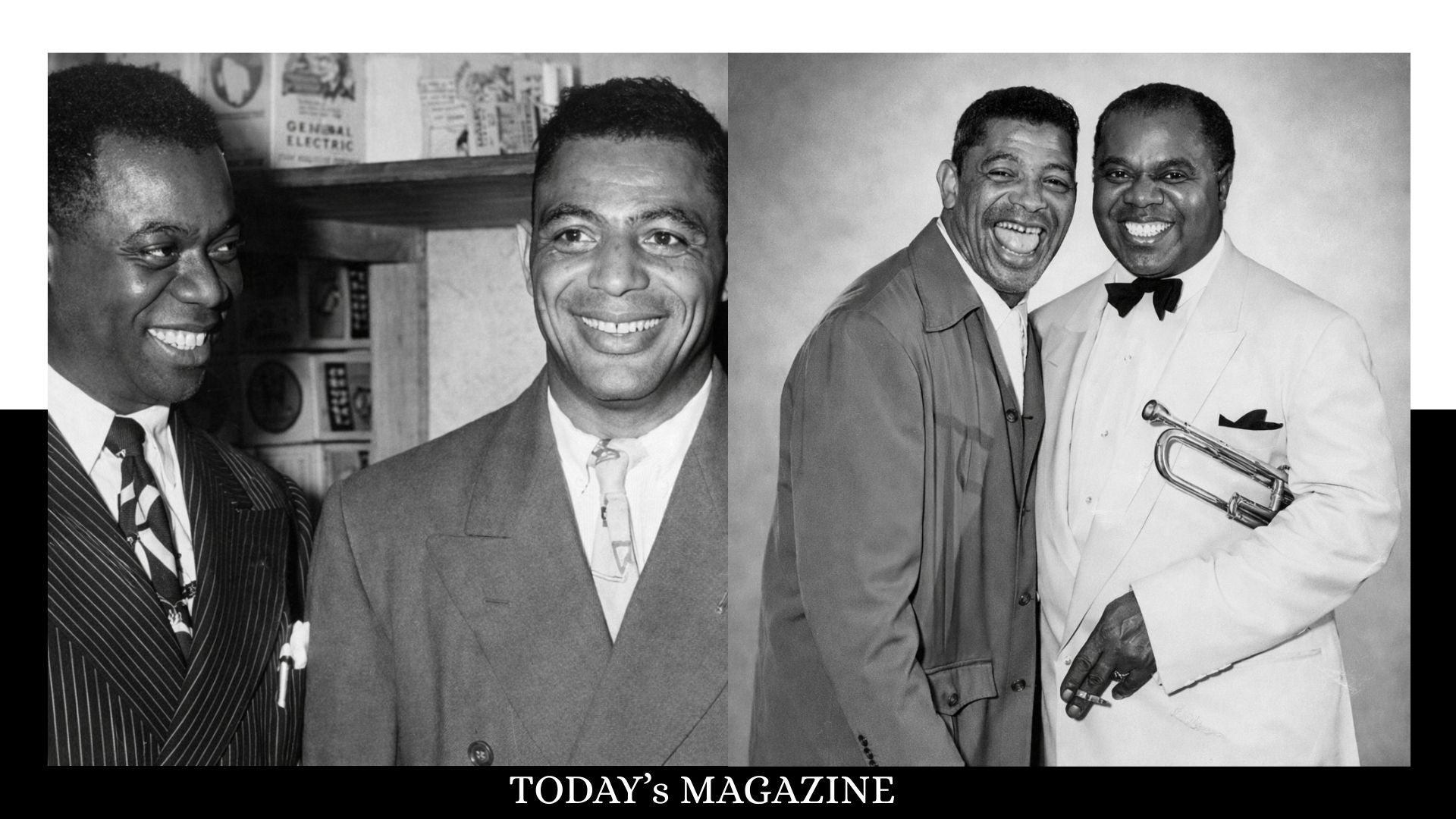
The story of Clarence Armstrong is unlike any other in American music history. Although he did not play an instrument, record an album, or perform on global stages, he remains one of the most important people in the family tree of jazz legend Louis Armstrong. Born into hardship and raised in extraordinary circumstances, Clarence lived a life shaped not by fame but by unconditional love. His lifestyle, upbringing, struggles, and unique relationship with Louis Armstrong form a powerful chapter of human compassion. Today, Clarence Armstrong is remembered not only as Louis Armstrong’s adopted son but also as a man whose quiet dignity and perseverance turned a difficult life into a profound success story of the heart.
Quick Bio
| Category | Details |
|---|---|
| Full Name | Clarence Hatfield Armstrong |
| Birth | August 8, 1915 – New Orleans, Louisiana |
| Death | August 1998 (Age 83) – Bronx, New York |
| Parents | Biological Mother: Flora Myles; Adoptive Father: Louis Armstrong |
| Biological Father | Believed to be “Copper Cent John” Hatfield |
| Nationality | American |
| Known For | Adopted son of Louis Armstrong |
| Net Worth | Estimated $0–$10,000 |
| Height | Approx. 5 ft 7 in |
| Weight | Approx. 140–150 lbs |
| Religion | Catholic |
| Education | Special school in Chicago for children with developmental disabilities |
| Residence | New Orleans → Chicago → Bronx, New York |
Early Life of Clarence Armstrong
Clarence Hatfield Armstrong entered the world on August 8, 1915, in New Orleans, a city overflowing with culture and music but also marked by poverty and social struggle. His biological mother was Flora Myles, Louis Armstrong’s teenage cousin. His biological father was believed to be “Copper Cent John” Hatfield, a white man known locally by that nickname. Flora and her infant son lived in fragile circumstances, relying on the kindness of relatives. When Louis Armstrong—only fourteen years old—learned of their situation, he began hauling coal to support them. His devotion started early, long before he achieved worldwide success.
Flora passed away when Clarence was still a young child. Records vary on the date, with some listing 1919 and others September 24, 1924. What remains undisputed is that her death left Clarence orphaned and vulnerable, with Louis Armstrong stepping in to raise him as if he were his own son.
A Childhood Accident That Changed Everything
Tragedy struck when Clarence was just three years old. While living with Louis and his first wife, Daisy Parker, Clarence fell from a second-floor porch during a rainstorm. The fall caused severe head trauma that permanently altered his development. Doctors described him using early 20th-century terms such as “feeble-minded,” meaning he would face lifelong cognitive challenges. His injury would shape his lifestyle, learning pace, and social abilities for decades.
Louis Armstrong, already struggling financially, refused to abandon Clarence. Instead, he accepted it as his responsibility—and privilege—to raise him.
Formal Adoption and the Creation of the Armstrong Family Tree
Louis Armstrong formally adopted Clarence when the boy was around seventeen. This made Clarence the only child Louis ever legally adopted. Despite not being biologically related, Clarence became a central member of Louis Armstrong’s family tree, woven into the musician’s deepest emotions and sense of duty. Clarence called him “Pops,” a nickname that stuck for life and symbolized their profound bond.
Louis ensured that Clarence had a stable lifestyle despite his disability. He provided shelter, clothing, schooling, and medical care. What he couldn’t provide in traditional father-son recreational activities, he made up for in love.
Life in Chicago: A New Beginning with Lil Hardin Armstrong
In 1924, Clarence moved to Chicago to live with Louis and his second wife, Lil Hardin Armstrong. He arrived alone on a train with a tag tied to him for identification. Chicago offered new opportunities, including enrollment in a special school for boys needing additional support.
At school, Clarence discovered hidden talents. He excelled in baseball, basketball, and football. Teachers referred to him affectionately as “Little Louis Armstrong,” hinting at the pride Clarence carried being connected to one of the rising stars of American music.
Yet the household environment was not always harmonious. Lil Hardin and her mother grew impatient with Clarence’s disability, leading Louis to relocate Clarence to a more nurturing home in the 1930s. Though their marriage later deteriorated, Louis’s loyalty to Clarence never faded.
Growing Up in Florence Smith’s Household
After leaving Lil’s home, Louis arranged for Clarence to live with Florence Smith, the mother of Louis’s close friend, Alpha Smith. Located at 3525 South Parkway in Chicago, Florence’s home became Clarence’s sanctuary. Clarence thrived under Florence’s gentle guidance and enjoyed simple pleasures such as hearty meals and relaxed routines.
He remained with Florence until her death in 1953, making her one of the most important caregivers in his family tree. During these years, Clarence developed a comfortable lifestyle and often joined Louis in Chicago nightclubs. Photographs show Clarence at venues such as the Band Box, Club DeLisa, Blue Note, and the famous Rhumboogie Café. Though he never performed, his presence symbolized Louis’s devotion.
A Familiar Face in Jazz Circles
Throughout the 1930s and 1940s, Clarence often appeared in nightlife photos with Louis Armstrong and other jazz greats. One significant moment occurred in 1936 when Clarence attended a celebration honoring Louis Armstrong and Duke Ellington at Tony’s Tavern. His shy smile appears in several archived photographs, capturing his quiet pride.
In 1949, Louis appeared on NBC’s “Eddie Condon Floor Show” and brought Clarence on stage. The audience applauded warmly as Louis introduced the son he cherished. The moment reflected a powerful success story—not of fame, but of love overcoming hardship.
Adult Life: From Chicago to the Bronx
After Florence Smith’s death, Louis moved Clarence to New York, arranging for him to live in the Bronx under the care of Evelyn Allen and her son Sonny. Some sources suggest Clarence and Evelyn may have entered a symbolic marriage in 1939, though documentation is unclear.
In the Bronx, Clarence lived a modest but joyful lifestyle. He adored baseball, especially the Mets and Yankees, and spent much of his time playing imaginary trades, cheering neighborhood games, and attending occasional stadium events. In recorded conversations from 1951, Clarence and Louis discussed baseball with enthusiasm, joking about players and reminiscing about old times.
Clarence became a familiar face in the community. Although some children teased him with the nickname “Ooga Booga,” many neighbors embraced him warmly. His gentle nature and love for sports won him friends across the borough.
Louis Armstrong’s Lifelong Love and Support
Louis Armstrong’s commitment to Clarence remained unshakeable. He oversaw Clarence’s medical care, housing, food, clothing, and emotional support. Even during the busiest years of his career, Louis made time to call, visit, and check in. He understood Clarence’s limitations but never allowed him to feel forgotten.
When Louis Armstrong died in 1971, Clarence rode in the family limousine at the funeral—an unmistakable sign of his place in the family tree. Louis left provisions ensuring Clarence would remain supported for the rest of his life. This long-term planning was one of Louis’s final acts of fatherly love.
Clarence Armstrong’s Lifestyle in Later Years
In his final decades, Clarence continued living in the Bronx, attending St. Philip & James Catholic Church, enjoying neighborhood gatherings, and celebrating local baseball culture. His lifestyle was simple, steady, and rooted in routine—structured around comfort, faith, and patterns that brought him peace.
He never sought fame or recognition. He found joy in daily conversations, friendly company, warm meals, and the memory of his father’s voice. To many, this quiet existence was its own success story: a peaceful life built from tragedy, carried by love.
What is Clarence Armstrong’s Net Worth?
Because Clarence never held a job due to his disability, he accumulated no personal wealth. His livelihood came entirely from Louis Armstrong’s support and later from financial arrangements authorized through Louis’s estate.
His net worth is best estimated as:
Estimated Net Worth: $0–$10,000
This very small figure reflects that Clarence did not earn income or own assets. Yet wealth in dollars did not define his success. He lived securely, peacefully, and respectfully—values Louis ensured he would never be denied.
Height, Weight, and Physical Profile of Clarence Armstrong
Although Clarence was not a public figure, photos provide general estimates:
Height: Approximately 5 ft 7 in
Weight: 140–150 lbs
His physical build was average for his era, and his friendly demeanor made him memorable to those he encountered.
Spiritual Life and Community Presence
Clarence practiced Catholicism, finding comfort in familiar rituals and community. At St. Philip & James Church, he was known for attending services faithfully. Faith shaped part of his lifestyle, offering structure, calm, and meaning.
In the Bronx, Clarence also earned local affection through his love of baseball. Discussions about players, stats, trades, and neighborhood games were among his favorite social interactions—his own form of social media long before the internet era existed.
Final Years and Passing
Clarence Armstrong lived a remarkably long life, passing away in August 1998 at the age of 83. He outlived Louis Armstrong by twenty-seven years. His death marked the end of a chapter that began in tragedy but unfolded through profound love.
To many in the Armstrong family tree, Clarence remains a symbol of loyalty, compassion, and the deeper meaning of fatherhood.
Legacy: A Quiet Success Story
Clarence Armstrong’s life may not appear glamorous, but it represents a powerful success story of the soul. He overcame early trauma, disability, and poverty with the help of a father who refused to let him fall. His presence shaped Louis Armstrong’s humanity, influencing the warmth reflected in Louis’s music, writing, and personal philosophy.
Today, Clarence’s story is a reminder that success is not always measured in fame, money, or accomplishments. Sometimes, it is measured in love, dignity, and the strength to live peacefully despite hardship.
FAQs
Was Clarence Armstrong Louis Armstrong’s biological son?
No. Clarence was Louis Armstrong’s adopted son, the child of Louis’s cousin Flora Myles.
What was Clarence Armstrong’s net worth?
His net worth was minimal, around $0–$10,000, because he did not work due to disability and was supported by Louis Armstrong.
How did Clarence Armstrong get his injury?
He fell from a second-story porch at age three, causing permanent developmental disability.
Where did Clarence Armstrong live as an adult?
He lived primarily in the Bronx under supervised care arranged by Louis Armstrong.
Did Clarence Armstrong have a career or musical involvement?
No. Clarence did not pursue music professionally due to his condition, though he often accompanied Louis to events.


Fausto Xavier Aguilera is widely known as the father of global pop icon Christina Aguilera. While his daughter achieved worldwide success, his own life followed a very different path. Over the years, public interest in Fausto Xavier Aguilera has grown due to his background, complex family history, and influence on Christina’s early life.
Quick Bio
| Detail | Information |
|---|---|
| Full Name | Fausto Wagner Xavier Aguilera-Monge |
| Known As | Fausto Xavier Aguilera |
| Date of Birth | November 4, 1949 |
| Age (2026) | 76 years |
| Birthplace | Guayaquil, Ecuador |
| Nationality | Ecuadorian-American |
| Ethnicity | Latino |
| Profession | Former U.S. Army Sergeant |
| Famous For | Father of Christina Aguilera |
| Marital Status | Divorced |
| Ex-Spouse | Shelly Loraine Fidler |
| Children | Christina Aguilera, Rachel Aguilera |
| Height | 5 ft 9 in (175 cm) |
| Weight | 75–80 kg |
| Net Worth (2026) | $200,000 – $500,000 |
Early Life and Family Background of Fausto Xavier Aguilera
Fausto Xavier Aguilera was born on November 4, 1949, in Guayaquil, Ecuador. He grew up in a culturally rich environment that shaped his identity and values. His parents, Fausto Aguilera and Edna Maria Monge Verduga, were part of a traditional Latin household, forming the roots of his family tree.
Growing up in Ecuador, Fausto Xavier Aguilera experienced a disciplined upbringing. This early structure influenced his future choices and contributed to the path he would later take. His heritage would eventually play a subtle but important role in shaping his daughter’s musical identity and global success.
Immigration Journey and New Beginnings
Like many individuals seeking better opportunities, Fausto Xavier Aguilera moved to the United States. This transition marked a major shift in his lifestyle and future.
Adjusting to life in a new country was not easy, but he adapted through determination and discipline. His immigration journey laid the foundation for his career and family life. It also contributed to the multicultural family tree that would later influence Christina Aguilera’s artistic identity and success.
Military Career and Discipline
One of the most defining parts of Fausto Xavier Aguilera’s life was his service in the United States Army. He rose to the rank of sergeant, reflecting strong discipline and commitment.
His military career required frequent relocations. The family lived in several places, including New York, New Jersey, Texas, and even Japan. This constant movement shaped the lifestyle of his family and had a lasting impact on his children.
While his career provided stability in some ways, it also created challenges in maintaining a consistent home environment. Still, this phase remains central to understanding the life and success journey of Fausto Xavier Aguilera.
Marriage to Shelly Loraine Fidler
Fausto Xavier Aguilera married Shelly Loraine Kearns in 1980. Shelly was a talented musician, which brought a creative influence into the household.
Their marriage marked the beginning of a new chapter in his lifestyle and family tree. The couple’s relationship started with promise, blending discipline and artistry. However, over time, challenges emerged that would eventually lead to their separation.
Children and Family Life
Fausto Xavier Aguilera is the father of two daughters, including the globally famous Christina Aguilera and her younger sister Rachel Aguilera.
Christina Aguilera, born in 1980, went on to achieve massive success in the music industry. Rachel, on the other hand, has chosen a more private lifestyle away from public attention.
The early years of their upbringing were influenced by frequent moves due to military service. This dynamic environment became a defining part of the Aguilera family tree and played a role in shaping Christina’s artistic voice and emotional depth.
Divorce and Family Struggles
The marriage between Fausto Xavier Aguilera and Shelly ended in divorce around 1986 or 1987. This period marked a major turning point in the family tree.
Christina Aguilera has openly spoken about her difficult childhood experiences. She described an unstable home environment, which led her mother to leave the marriage and prioritize a safer lifestyle for the children.
This separation had a lasting impact on the family. It also influenced Christina’s music and personal journey toward success, making this chapter a significant part of Fausto Xavier Aguilera’s story.
Relationship With Christina Aguilera
The relationship between Fausto Xavier Aguilera and Christina Aguilera has been distant for many years.
Christina has shared that her father was largely absent from her life after the divorce. Their estrangement continued into adulthood, shaping both their personal narratives.
Despite the challenges, Christina kept the Aguilera surname. This decision reflects a connection to her heritage and family tree, even as her personal experiences influenced her path to success.
Influence on Christina Aguilera’s Music
Although Fausto Xavier Aguilera was not actively involved in Christina’s later life, his presence in her early years influenced her music.
Songs like “I’m OK” and “Hurt” are often associated with her childhood experiences. These emotional themes contributed to her authenticity and global success.
In a broader sense, the cultural roots of Fausto Xavier Aguilera also shaped her identity. His Ecuadorian background inspired her exploration of Latin music, adding depth to her lifestyle and artistic expression.
Cultural Roots and Latino Heritage
Fausto Xavier Aguilera’s Ecuadorian heritage remains an important part of the Aguilera family tree. This cultural influence is reflected in Christina Aguilera’s music and public identity.
She has embraced her Latin roots through Spanish-language songs and performances. This connection highlights how even a distant relationship can still influence identity and success.
The cultural background of Fausto Xavier Aguilera continues to resonate through his daughter’s work, adding richness to her global lifestyle.
Lifestyle and Personal Life
After his military career, Fausto Xavier Aguilera chose a private lifestyle away from the public eye. Unlike his daughter, he does not engage with social media or public appearances.
His daily life remains largely undisclosed. This privacy has contributed to ongoing curiosity about his personal story.
Despite limited information, it is clear that Fausto Xavier Aguilera values a quiet and low-profile lifestyle, focusing on life outside of fame and media attention.
What Is Fausto Xavier Aguilera’s Net Worth?
The estimated net worth of Fausto Xavier Aguilera is between $200,000 and $500,000.
His financial background is primarily linked to his military career. Unlike his daughter, whose success has brought immense wealth, his net worth reflects a modest and traditional career path.
This contrast highlights the different directions within the same family tree, where one member achieves global fame while another maintains a simple lifestyle.
Public Image and Media Attention
Although Fausto Xavier Aguilera is not active on social media, his name continues to appear in discussions about Christina Aguilera’s life.
Public interest in him is largely tied to his role in her early years. His image remains that of a private individual connected to a globally recognized success story.
This unique position keeps Fausto Xavier Aguilera relevant in public conversations despite his low-profile lifestyle.
Attempts at Reconciliation
Over the years, there have been reports that Fausto Xavier Aguilera expressed regret about the past. Some sources suggest he reached out to Christina in hopes of reconciliation.
While details remain private, these reports add another layer to his story. They reflect a human side often overlooked in public narratives.
This aspect of his life highlights the emotional complexity behind the Aguilera family tree and its impact on personal success and relationships.
Where Is Fausto Xavier Aguilera Now?
As of recent years, Fausto Xavier Aguilera is believed to be living a quiet life in the United States. He remains out of the spotlight and does not engage in social media.
There is little confirmed information about his current activities. His focus appears to be on maintaining a private lifestyle.
This continued privacy keeps interest alive, as many people remain curious about his life today and his place within the Aguilera family tree.
Final Thoughts
The story of Fausto Xavier Aguilera is not one of fame, but of influence. His life is closely tied to the early experiences of one of the world’s most successful singers.
While his own net worth and lifestyle remain modest, his role in shaping Christina Aguilera’s journey cannot be ignored. His presence, both direct and indirect, contributed to her emotional depth and artistic success.
Ultimately, Fausto Xavier Aguilera represents a complex figure within a famous family tree, whose story continues to spark curiosity and discussion.
FAQs
Who is Fausto Xavier Aguilera?
Fausto Xavier Aguilera is a former U.S. Army sergeant and the father of singer Christina Aguilera.
What is Fausto Xavier Aguilera’s net worth?
His estimated net worth is between $200,000 and $500,000.
How old is Fausto Xavier Aguilera?
He was born on November 4, 1949, making him 76 years old in 2026.
Who are Fausto Xavier Aguilera’s children?
He has two daughters, Christina Aguilera and Rachel Aguilera.
What is his relationship with Christina Aguilera?
They have had a distant relationship for many years, though there have been reports of possible reconciliation efforts.

Melanie Ciccone is widely recognized as the sister of global superstar Madonna, yet her life reflects a completely different path. Instead of chasing fame, she built a quiet and meaningful journey focused on art, family, and personal expression. Her story highlights a unique balance between creativity and privacy.
Quick Bio
| Full Name | Melanie Maria Ciccone |
|---|---|
| Date of Birth | June 30, 1962 |
| Age (2026) | 63 years |
| Birthplace | Pontiac, Michigan, USA |
| Nationality | American |
| Ethnicity | Italian-American and French-Canadian |
| Profession | Textile Artist, Former Music Publicist |
| Known For | Sister of Madonna |
| Father | Silvio Anthony Ciccone |
| Mother | Madonna Louise Fortin |
| Spouse | Joe Henry |
| Children | Lulu Henry, Levon Henry |
| Residence | Maine, USA |
| Estimated Net Worth | $300,000 – $800,000 |
Who Is Melanie Ciccone?
Melanie Ciccone is an American textile artist and former music publicist. While many people discover her through her connection to Madonna, she has built her own identity through creativity and independence. Her lifestyle is deeply rooted in art and family life, and her quiet success shows that recognition is not always measured by fame.
Early Life and Childhood in Michigan
Melanie Ciccone was born in Pontiac, Michigan, into a large Catholic household. Her father, Silvio Anthony Ciccone, worked as an engineer, while her mother, Madonna Louise Fortin, was a homemaker.
Her early years were shaped by both warmth and tragedy. When her mother passed away in 1963, the loss left a deep mark on the entire family tree. This experience influenced Melanie’s emotional depth and later artistic expression. Growing up in a disciplined household also taught her resilience and independence, which later became key elements of her success.
Family Tree and Siblings
Melanie Ciccone comes from a large and complex family tree. She is one of several siblings, including the world-famous Madonna, along with Christopher, Paula, Martin, and Anthony.
After her father remarried, the family tree expanded to include half-siblings Jennifer and Mario. Living in such a dynamic household meant constant interaction, shared responsibilities, and strong emotional bonds. These experiences helped shape Melanie’s grounded lifestyle and her deep appreciation for family connections.
Education and Love for Languages
Melanie pursued higher education with a focus on Spanish Literature and Language. Her academic journey reflects her curiosity and love for culture and communication.
Her studies opened the door to international experiences, allowing her to live in Spain, Brazil, and the Dominican Republic. These travels enriched her worldview and added depth to her creative perspective. This global exposure became an important part of her evolving lifestyle and contributed to her personal and artistic success.
Life as Madonna’s Sister
Being the sister of Madonna naturally brought public attention. However, Melanie Ciccone handled this connection with grace and distance.
While Madonna embraced fame and global recognition, Melanie chose a quieter route. She never relied on celebrity status for her success. Instead, she focused on building her own identity. This decision highlights her independent lifestyle and strong personal values.
Career as a Music Publicist
Before becoming an artist, Melanie worked as a music publicist. She collaborated with organizations and gained valuable experience in the entertainment industry.
This role allowed her to understand the inner workings of fame, marketing, and artist management. It also gave her a behind-the-scenes perspective on the industry her sister dominated. This professional phase contributed to her early success and provided a foundation for her later creative pursuits.
Transition Into Textile Art
Melanie Ciccone eventually transitioned into the world of textile art. This shift marked a turning point in her life and defined her long-term lifestyle.
She began creating works using embroidery, fabric, and mixed media. Her art often reflects personal memories, emotional experiences, and abstract storytelling. This transition represents a deeper form of success, rooted in passion rather than commercial recognition.
Artistic Style and Creative Vision
Melanie’s artistic style is intuitive, emotional, and sensory. She often describes her work as “intimate maps,” capturing moments, memories, and inner thoughts.
Her use of materials such as tea-stained linen, thread, and found objects creates a unique visual language. This approach sets her apart in the art world and contributes to her artistic success. Her work reflects a deeply personal lifestyle centered on creativity and expression.
Exhibitions and Recognition
Melanie Ciccone’s artwork has been featured in several exhibitions, including galleries in Los Angeles and international venues like Dublin.
Although she does not seek mainstream attention, her work has earned respect within artistic communities. These exhibitions highlight her creative success and contribute to her modest net worth. Her achievements demonstrate that recognition can come in many forms beyond fame.
Marriage to Joe Henry
Melanie Ciccone married Joe Henry in 1987. Their long-lasting marriage reflects stability, creativity, and mutual respect.
Joe Henry is a Grammy-winning musician and producer, known for his work with various artists. Their relationship plays a central role in Melanie’s lifestyle and personal success, showing the importance of partnership and support.
Children and Family Life
Melanie and Joe Henry have two children, Lulu Henry and Levon Henry. Family remains a central pillar of her lifestyle.
She has chosen to raise her children away from the spotlight, focusing on providing a stable and nurturing environment. This dedication to family life reflects a different kind of success, one that values relationships over recognition.
Melanie Ciccone’s Relationship With Madonna
Melanie Ciccone shares a close and supportive relationship with Madonna. Unlike some siblings who experienced public disagreements, Melanie has remained a steady presence in Madonna’s life.
Their bond reflects shared experiences and deep family connections within the Ciccone family tree. This relationship adds emotional richness to Melanie’s lifestyle and reinforces the importance of family.
Lifestyle and Daily Life in Maine
After living in Los Angeles for many years, Melanie moved to Maine with her husband. Her current lifestyle is peaceful, creative, and deeply connected to nature.
Living in Maine allows her to focus on her art without distractions. Her daily life includes creative work, family time, and personal reflection. This environment supports her ongoing artistic success and enhances her overall well-being.
What is Melanie Ciccone’s Net Worth?
Melanie Ciccone’s estimated net worth ranges between $300,000 and $800,000. While this is modest compared to her sister Madonna, it reflects her independent journey.
Her net worth comes from her art, previous work in music publicity, and other creative projects. Her financial standing aligns with her simple and intentional lifestyle, showing that success is not always tied to wealth.
Social Media and Public Presence
Melanie Ciccone maintains a minimal presence on social media. She values privacy and prefers to stay out of public attention.
Unlike many public figures, she does not use social media for self-promotion. This decision reflects her grounded lifestyle and focus on personal fulfillment rather than public image.
Challenges and Personal Growth
Melanie’s life has not been without challenges. The early loss of her mother and the complexities of growing up in a large family shaped her emotional journey.
These experiences contributed to her resilience and artistic depth. Her ability to transform personal struggles into creative expression is a key part of her success. It also highlights the strength behind her quiet lifestyle.
Influence of Family on Her Art
Melanie’s family tree has played a major role in shaping her artistic vision. Memories of her mother, her upbringing, and her siblings often appear in her work.
Her art serves as a form of storytelling, preserving family history and personal experiences. This connection between art and family adds depth to her creative success.
Living Outside the Spotlight
One of the most defining aspects of Melanie Ciccone’s life is her choice to stay out of the spotlight. While many people connected to celebrities seek fame, she chose privacy.
This decision has allowed her to build a meaningful lifestyle focused on authenticity. Her success is measured by personal fulfillment rather than public recognition.
Legacy and Personal Success Story
Melanie Ciccone’s story is a powerful reminder that there are many paths to success. While her sister achieved global fame, Melanie built a life centered on creativity, family, and independence.
Her lifestyle, net worth, and contributions to art reflect a unique journey. She represents a different kind of role model—one who values purpose, balance, and authenticity.
Final Thoughts
Melanie Ciccone stands as a quiet yet inspiring figure within the Ciccone family tree. Her life shows that it is possible to remain grounded even when surrounded by fame.
Her lifestyle, net worth, and personal success reflect a life lived with intention. She proves that true fulfillment comes from staying true to oneself and embracing creativity.
FAQs
Who is Melanie Ciccone?
Melanie Ciccone is an American textile artist and the sister of Madonna.
What is Melanie Ciccone’s net worth?
Her estimated net worth is between $300,000 and $800,000.
Who is Melanie Ciccone married to?
She is married to Joe Henry since 1987.
Does Melanie Ciccone have children?
Yes, she has two children named Lulu Henry and Levon Henry.
What is Melanie Ciccone’s lifestyle like?
Her lifestyle is private, creative, and family-focused, centered around art and personal expression rather than fame.

Eissa Al Mana is widely recognized as the only son of global music icon Janet Jackson and billionaire businessman Wissam Al Mana. Born on January 3, 2017, in London, he entered a world shaped by fame, wealth, and influence.
Quick Bio
| Field | Details |
|---|---|
| Full Name | Eissa Al Mana |
| Date of Birth | January 3, 2017 |
| Age (2026) | 9 years old |
| Birthplace | London, England |
| Nationality | British, American, Qatari |
| Ethnicity | African American and Arab |
| Parents | Janet Jackson, Wissam Al Mana |
| Siblings | None |
| Known For | Janet Jackson’s son |
| Height | 127 cm (in early 2026) |
| Weight | 25–30 kg (in early 2026) |
| Net Worth | Not applicable |
Early Life and Birth Story of Eissa Al Mana
Eissa Al Mana was born in London shortly after midnight on January 3, 2017. His birth became global news because Janet Jackson welcomed her first child at age 50.
This moment represented a new chapter in her lifestyle and personal journey. She chose to prioritize motherhood over her career, redefining her sense of success. The decision to step back from touring and focus on her child highlighted how important family became in her life.
From the very beginning, Eissa was surrounded by love, stability, and careful planning. His upbringing reflects a thoughtful balance between fame and privacy, something that defines his early years.
Meaning Behind His Name
The name “Eissa” is the Arabic version of Jesus, reflecting his father’s cultural roots. This detail adds depth to his identity and highlights the multicultural nature of his family tree.
Names often carry meaning, and in Eissa’s case, it represents spirituality, heritage, and connection. It also symbolizes how his parents wanted to honor both sides of his background while building a strong sense of identity.
Family Tree and Global Legacy
Eissa’s family tree is one of the most influential in entertainment history. Through his mother, he belongs to the legendary Jackson family, which includes Michael Jackson.
This connection places him in a legacy that has shaped global music culture for decades. The Jackson family is known for creativity, performance, and groundbreaking success, all of which are part of his heritage.
On his father’s side, Eissa is connected to a powerful Qatari business dynasty. This side of his family tree is rooted in entrepreneurship, leadership, and financial growth. Together, these two worlds create a rare combination of artistic brilliance and business strength.
Mother Janet Jackson and Her Influence
Janet Jackson has had a profound impact on Eissa’s upbringing. As a mother, she is deeply involved in his daily life and focuses on nurturing his emotional and creative growth.
She has often spoken about how motherhood changed her priorities. Her lifestyle shifted from global tours and performances to spending quality time with her son. This transformation reflects a different kind of success, one centered on family and personal fulfillment.
Janet’s influence ensures that Eissa grows up with strong values, discipline, and creativity. Her guidance plays a key role in shaping his future.
Father Wissam Al Mana and Business Legacy
Wissam Al Mana brings a different but equally important influence to Eissa’s life. As a successful businessman, he represents financial intelligence, leadership, and global business strategy.
His involvement in a multi-billion-dollar enterprise contributes to the family’s immense wealth and long-term net worth potential. This connection gives Eissa access to opportunities that can support his future success in various fields.
Together, his parents provide a balanced upbringing that combines creativity and business insight.
Parents’ Marriage and Separation
Janet Jackson and Wissam Al Mana married in 2012 after years of dating. Their relationship was private and focused on mutual respect.
However, they separated in 2017, shortly after Eissa’s birth. Despite this change, both parents remained committed to co-parenting. Their ability to maintain a respectful relationship ensures that Eissa continues to enjoy a stable and supportive lifestyle.
This approach highlights the importance of family unity, even in challenging circumstances.
Childhood and Private Upbringing
Eissa’s childhood is intentionally kept private. His parents have made a strong effort to protect him from excessive media exposure.
He does not have a public presence on social media, and very little personal information is shared. This decision allows him to experience a normal childhood despite his extraordinary family tree.
His daily life focuses on learning, play, and family bonding. This protected environment supports his emotional development and helps prepare him for future success.
Education and Early Interests
While specific details about his education are not publicly available, it is known that Eissa shows an early interest in music.
He has explored instruments such as the violin, cello, and drums. These interests reflect the influence of his family tree and suggest a natural connection to creativity.
Encouraging these talents at a young age helps build confidence and opens the door to future opportunities. Whether he chooses music or another path, these early experiences contribute to his development.
Lifestyle and Daily Life
Eissa’s lifestyle combines luxury with careful parenting. He enjoys the benefits of wealth, including travel and access to high-quality education, while still maintaining a grounded upbringing.
His mother ensures that he experiences life in a meaningful way, focusing on values rather than materialism. This balance is essential for building a healthy perspective on success.
His daily routine likely includes learning activities, creative exploration, and time with family. This structure supports both personal growth and emotional well-being.
What Is Net Worth of his Parents?
Eissa does not have a personal net worth, but his family’s wealth is significant.
Janet Jackson has an estimated fortune of over $180 million, while Wissam Al Mana is associated with a billion-dollar business empire.
This financial background ensures that Eissa’s future net worth potential is secure. It also allows him to pursue opportunities without financial limitations, supporting his journey toward success.
Cultural Heritage and Identity
Eissa’s heritage combines African American and Arab roots. This blend of cultures shapes his identity and worldview.
Growing up with such diversity allows him to appreciate different traditions and perspectives. His family tree reflects a global connection that influences his upbringing and lifestyle.
Public Interest and Media Attention
Despite his private life, Eissa remains a subject of public interest. Fans of Janet Jackson are curious about her role as a mother.
Occasional updates on social media create excitement and keep fans engaged. However, his parents carefully manage this attention to protect his privacy.
Birthday Celebrations and Milestones
In January 2026, Eissa celebrated his 9th birthday. Janet Jackson shared a rare message on social media, describing him as her “beautiful heart and soul.”
These moments offer a glimpse into his lifestyle and highlight the love within his family tree. Celebrations are meaningful and often kept within close family circles.
Future Potential and Success Path
Eissa’s future is filled with possibilities. With access to education, resources, and guidance, he has the potential to achieve significant success.
Whether he follows in his mother’s footsteps in music or explores business like his father, his family tree provides a strong foundation. His journey will likely reflect a combination of creativity and innovation.
Relationship Status and Personal Life
As a child, Eissa has no relationships, spouse, or children. His life is focused on growth, learning, and enjoying childhood experiences.
His parents ensure that his lifestyle remains centered on stability and care, helping him develop a strong sense of identity.
Conclusion
Eissa Al Mana represents a unique blend of fame, wealth, and cultural heritage. As the son of Janet Jackson and Wissam Al Mana, his family tree is extraordinary.
His lifestyle reflects both privilege and protection, while his future success holds endless possibilities. As he continues to grow, he remains a figure of curiosity and admiration, living a life that balances fame with privacy.
FAQs
What is Eissa Al Mana’s age in 2026?
Eissa Al Mana is 9 years old as of 2026.
Who are Eissa Al Mana’s parents?
His parents are Janet Jackson and Wissam Al Mana.
What is Eissa Al Mana’s net worth?
He does not have a personal net worth, but his family is extremely wealthy.
Does Eissa Al Mana use social media?
No, he does not have public social media accounts.
What is Eissa Al Mana known for?
He is known for being the son of Janet Jackson and part of a famous family tree.

How FRS 102 Updates Are Impacting Businesses Today

Organic Formula from Europe: Safe and Good Brands

Is Corporate Tax Filing in the UAE Just a One-Time Activity?

Mastering the Market: Why Every Gamer Needs a Reliable Blox Fruit Value List

Buying Properties with Sitting Tenants: What Every Investor Must Know

Sleep Rituals You Can Start Tonight

Enclomimed 25 (Enclomiphene) – Effective PCT Protocol

Nancy Hallam: The Inspiring Life, Career, and Success Story Behind Ian Wright’s Wife

Who Is Maisie Mae Roffey? The Private Life, Family Story, and Quiet Success of Julie Walters’ Daughter

Johnny Carell: Inside the Life, Family, and Rising Success of Steve Carell’s Son
Roy Hodges: Biography, Lifestyle, Net Worth, Family & Success Story (2025)

Meet Nancy Strang: The Inspiring Life, Success Story, and Legacy of Louis Theroux’s Wife
Enclomimed 25 (Enclomiphene) – Effective PCT Protocol
Nancy Hallam: The Inspiring Life, Career, and Success Story Behind Ian Wright’s Wife
Who Is Maisie Mae Roffey? The Private Life, Family Story, and Quiet Success of Julie Walters’ Daughter
Johnny Carell: Inside the Life, Family, and Rising Success of Steve Carell’s Son
Roy Hodges: Biography, Lifestyle, Net Worth, Family & Success Story (2025)
Meet Nancy Strang: The Inspiring Life, Success Story, and Legacy of Louis Theroux’s Wife
-
 Health3 months ago
Enclomimed 25 (Enclomiphene) – Effective PCT Protocol
-
Celebrity5 months ago
Nancy Hallam: The Inspiring Life, Career, and Success Story Behind Ian Wright’s Wife
-
Celebrity5 months ago
Who Is Maisie Mae Roffey? The Private Life, Family Story, and Quiet Success of Julie Walters’ Daughter
-
Celebrity6 months ago
Johnny Carell: Inside the Life, Family, and Rising Success of Steve Carell’s Son
-
Celebrity4 months ago
Roy Hodges: Biography, Lifestyle, Net Worth, Family & Success Story (2025)
-
Celebrity4 months ago
Meet Nancy Strang: The Inspiring Life, Success Story, and Legacy of Louis Theroux’s Wife
-
 Celebrity3 months ago
Who Is Daniel Clifton Pratt? Inside the Life, Family Values, and Legacy Behind Chris Pratt’s Father
-
 Celebrity6 months ago
Charlotte Edwardes: The Inspiring Journey of a British Journalist and Robert Peston’s Partner