
Health
Verified Clinics Based on Reviews: What Real Verification Looks Like

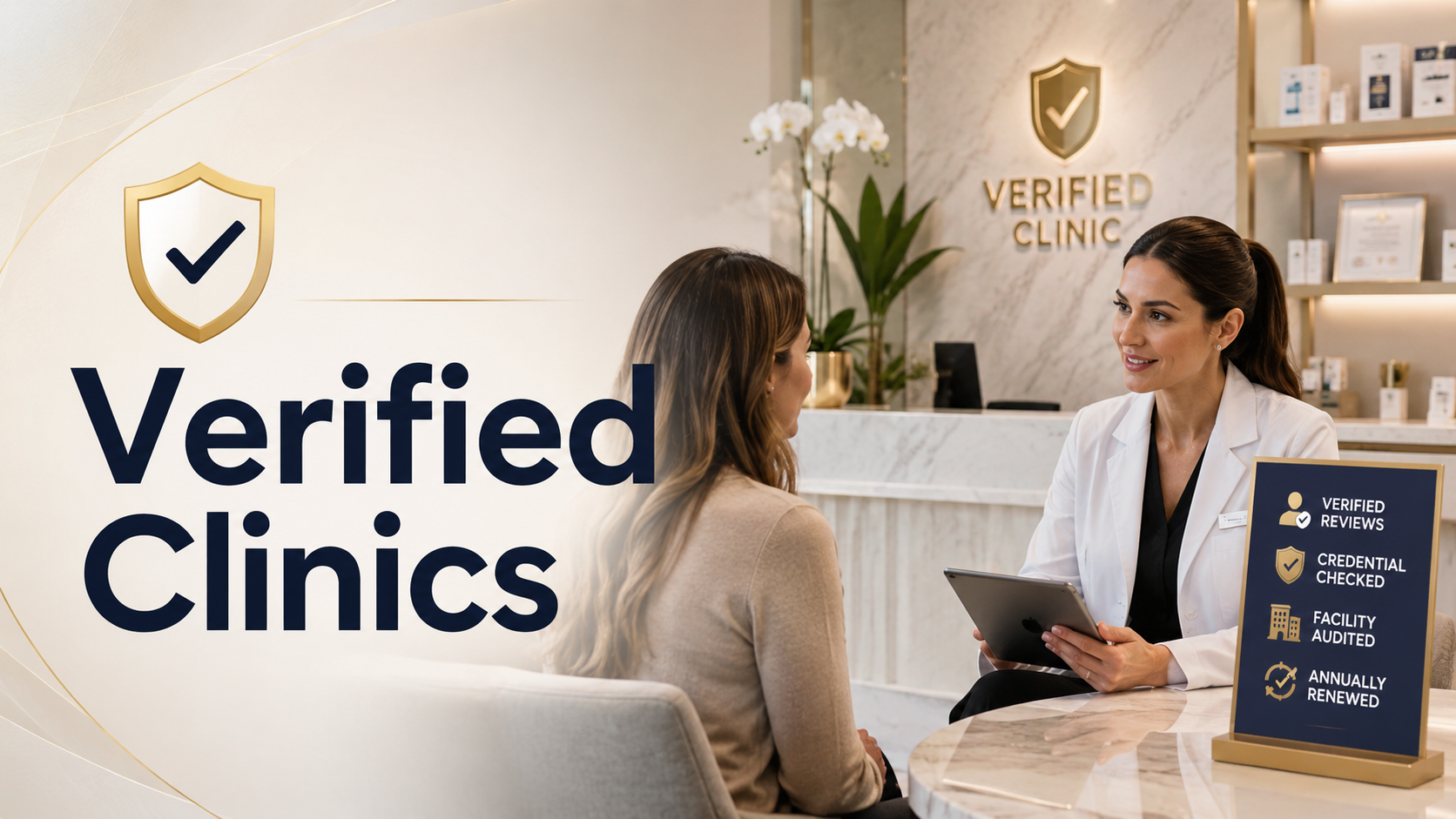
TL;DR: Star ratings and review counts can be manipulated, but verified reviews tied to confirmed patient experiences cannot. The most reliable way to find trusted aesthetic providers is through independent platforms that combine verified reviews with credential checks, facility audits, and annual renewal. Volume of reviews is not the same as verification of reviews.
When patients search for verified clinics based on reviews and patient feedback, they often find themselves staring at thousands of five-star ratings that look identical from clinic to clinic. The challenge is that a high average rating tells you very little about actual patient outcomes, because the systems that produce those ratings rarely verify whether the reviewer was a real patient, what procedure they had, or how their result held up over time. Real verification goes deeper than a number on a screen, and patients who understand the difference make better decisions, faster.
The Problem with Online Reviews Today
Most consumer review platforms are built for general retail, not medical care. They allow anonymous submissions, rarely verify identity, and have limited tools for catching review manipulation. Aesthetic clinics operate in an environment where positive reviews drive patient acquisition, which creates strong incentives for some practices to inflate ratings through paid services, staff submissions, or selective filtering. The result is a review landscape that often reflects marketing budget more than actual patient experience. Patients deserve a system that takes the same care with reviews that they would take with their own bodies.
What Verified Actually Means
Verification is not a single action. It is a layered process that confirms a review is real, the patient is real, and the experience described is consistent with what the clinic actually delivers.
Identity Verification
The first layer confirms that the person leaving feedback is a documented patient of the clinic. This typically requires matching review submissions against treatment records or appointment data. Without this step, anyone with an internet connection can shape a clinic’s online reputation, including the clinic itself.
Outcome Verification
The second layer ties the review to a specific procedure, provider, and timeframe. A useful review tells future patients what was treated, who performed the work, and how long the patient has lived with the result. Reviews that lack this context are difficult to weigh against your own situation, because aesthetic outcomes evolve over weeks and months, not minutes.
Process Verification
The third layer examines whether the clinic’s stated process matches the experience patients actually describe. If a clinic markets itself as doctor-led but most reviews describe being treated by unidentified staff, that gap matters. Verification platforms that read across reviews can surface those patterns rather than burying them in an averaged star rating.
Why Star Ratings Alone Mislead Patients
A 4.9 average across 800 reviews looks impressive until you read the reviews and realize most are about parking, front-desk friendliness, or how nice the waiting room smelled. Aesthetic care is medical, and the questions that matter are clinical: did the provider achieve the outcome discussed at consultation, were complications handled appropriately, and would the patient choose the same clinic again knowing what they know now. Star ratings rarely answer any of those questions. Verified review systems force that information to the surface, where future patients can use it.
How to Spot Verified Reviews
When evaluating reviews on any platform, look for these signals of authenticity:
- The reviewer’s procedure type and date are clearly documented
- The provider who performed the treatment is named
- The review describes both the result and the recovery process honestly
- The clinic responds to negative feedback substantively, not defensively
- The platform discloses how it verifies reviewers and prevents manipulation
- Patterns across multiple reviews are internally consistent on key details
- Reviews include realistic timelines rather than only same-day reactions
Reviews that meet most of these criteria carry far more weight than a thousand vague five-star posts. If a platform cannot explain its verification process in plain language, treat its ratings as marketing data rather than patient evidence.
Beyond Reviews: The Full Verification Picture
Reviews are one input. They are a useful one, but they cannot stand alone. The most reliable way to identify a quality clinic is to combine review verification with structural checks that reviews cannot capture.
Credential Checks
Every doctor-led practice should have its lead physician verified through the relevant medical board, with active licensure and no significant disciplinary history. Credential verification is concrete, public, and free in most regions, yet most patients never run the check before booking a procedure that will affect their face or body for years.
Facility Audits
Reviews rarely capture sterilization protocols, emergency readiness, or recordkeeping. Independent audits do. A clinic that has passed an evidence-based facility review has been examined on the parts of care patients never see but feel the consequences of when something goes wrong.
Annual Renewal
Excellence is not a one-time event. Verification systems that require annual renewal force clinics to maintain their standards rather than coast on a past achievement. Patients should ask when a clinic was last independently reviewed, what that review covered, and how often the credential check is repeated.
How WLC Approaches Verification
World’s Leading Clinics operates as an independent certification body, which means clinics cannot pay to be listed. Each certified clinic is evaluated through a structured process built around four pillars: Safety, Patient Experience, Facility Operations, and Work Culture and Outcomes. Patient feedback feeds into the Patient Experience pillar, but it sits alongside credential checks, safety reviews, and facility-level evaluation. Certification is valid for one year and must be renewed through ongoing review.
This approach is intentionally different from a typical review aggregator. Instead of ranking clinics by review volume, WLC verifies that each listed clinic has met documented benchmarks across the dimensions that actually predict patient outcomes. Patients can then explore certified clinics knowing the recognition is earned, not purchased, and that every listing reflects a current standard rather than a stale accolade.
The Bottom Line
Reviews matter, but verification matters more. Patients searching for verified clinics based on reviews and clinical excellence should look past star averages and focus on whether a clinic’s reputation is supported by identity verification, outcome documentation, credential checks, and independent renewal. The platforms that combine all of those layers are the ones worth your time. The clinics that show up well on those platforms are the ones worth your trust. Anything less is marketing dressed up as evidence, and your skin, your face, and your safety deserve a higher bar than that.



The Familiar Tools and the Gaps They Leave
Ask most people to picture a walking aid, and they will describe a wooden cane or a metal walking frame. Both have kept millions of older adults on their feet, yet the range of equipment has grown a great deal, and some of the most useful options look nothing like a traditional mobility aid. A rollator with a built-in seat, a perching stool by the kitchen counter, or a walking chair that lets the user move around the home while seated can each solve problems a cane was never designed to handle.
That matters because mobility after 70 is rarely about one single difficulty. A walking stick works well for someone with mild unsteadiness or a sore knee on one side. It takes some weight off the weaker leg and gives the brain an extra point of contact with the floor, which improves balance. What it cannot do is offer much support when legs are tired, and it keeps one hand permanently occupied.
A walking frame, often called a Zimmer frame in the UK, provides far more stability. The trade-off is that it needs both hands, has to be lifted with every step and can be awkward in narrow hallways or small bathrooms. Many people quietly develop a risky habit of leaving the frame behind so they can carry a cup of tea or a plate, which is exactly the moment a fall is most likely.
Rollators sit somewhere in between. With three or four wheels, hand brakes and usually a seat and basket, they are excellent for the high street, the park or a trip to the shops. Indoors they can feel bulky, and they demand enough grip strength to operate the brakes reliably.
The real gap appears in everyday household tasks. Cooking, washing up, unpacking shopping and reaching into low cupboards all require free hands and the ability to stay upright for several minutes. For many people over 70, fatigue rather than balance is what limits these jobs, and that is where newer types of equipment have started to fill in.
Matching the Aid to the Task, Not Just the Person
A helpful way to think about mobility equipment is to start with the activity rather than the diagnosis. Instead of asking “what walking aid do I need?”, it is often more productive to ask what happens in each room of the house and where things become difficult. The answers tend to point towards a small collection of aids, each suited to a particular setting.
In the kitchen, the challenge is usually standing still for long periods while using both hands. A perching stool lets someone lean rather than stand, and seated mobility solutions allow a person to move between the hob, the sink and the fridge without getting up each time. In the bathroom, grab rails, a shower stool and a raised toilet seat do more for safety than any walking aid could. On the stairs, a second banister or a stairlift removes the need to carry anything at all. Outside the home, a lightweight folding rollator or, for longer distances, a mobility scooter may be the better choice.
Ending up with two or three different aids is normal and sensible. The most capable manufacturers acknowledge this openly. The walking aids guide from VELA, written by one of the company’s occupational therapists, states plainly that its chair may not fully replace a rollator for trips outside the home. Instead, it presents the chair as an indoor aid that lets users move around with their feet while seated, lock the wheels with a handbrake and use an electric seat lift to reach both high shelves and low drawers. That kind of candour is useful for buyers, because it shows where a product genuinely fits instead of promising that one device will do everything.
Before buying anything, a few practical questions are worth asking. Will it fit through every doorway in the house, including the bathroom? How does it cope with rugs, thresholds and different floor surfaces? Are the brakes easy to use with stiff or arthritic hands? How much does it weigh if it ever needs to be lifted into a car? Is there a trial period or a returns policy? Testing equipment in the actual home, rather than in a showroom with smooth floors and wide aisles, often reveals problems that a product description never mentions.
Keeping Strength and Confidence While the Aids Do Their Part
A walking aid should support activity, not replace it. One of the quiet risks in later life is that equipment makes things so easy that muscles gradually weaken from lack of use. The aim is to use aids for the moments when they genuinely reduce risk or save energy, while still giving the legs regular work to do.
UK physical activity guidelines advise older adults to include activities that improve strength, balance and flexibility on at least two days a week. This does not need to mean a gym membership. Standing up from a chair several times in a row, heel raises while holding the kitchen worktop and slow side steps along a hallway all build the strength that keeps walking safe. Local councils, community centres and charities often run gentle exercise classes designed specifically for older people, and these have the added benefit of getting people out of the house and talking to others.
Professional advice makes a real difference here. A GP can refer someone to a physiotherapist for a walking and balance assessment, and the local council’s adult social care team can usually arrange a visit from an occupational therapist who looks at the home itself. These assessments often lead to simple equipment being loaned or fitted, and they help avoid buying the wrong product. A physiotherapist will also check that a walking stick is set to the right height, which is typically level with the crease of the wrist when the arm hangs loosely.
Equipment needs looking after too. Rubber ferrules on sticks and frames wear down and lose grip, brake cables on rollators can loosen, and wheels collect hair and dust that make them stiff. A quick check every few months keeps everything working as intended.
Finally, it pays to review the whole setup regularly, and always after a fall, an illness or a hospital stay. Needs change, sometimes for the better as strength returns and sometimes as energy dips. Fear of falling can lead people to move less, which in turn makes falls more likely. The right combination of aids, combined with regular movement, breaks that cycle and allows people to stay active, independent and confident in their own homes for longer.

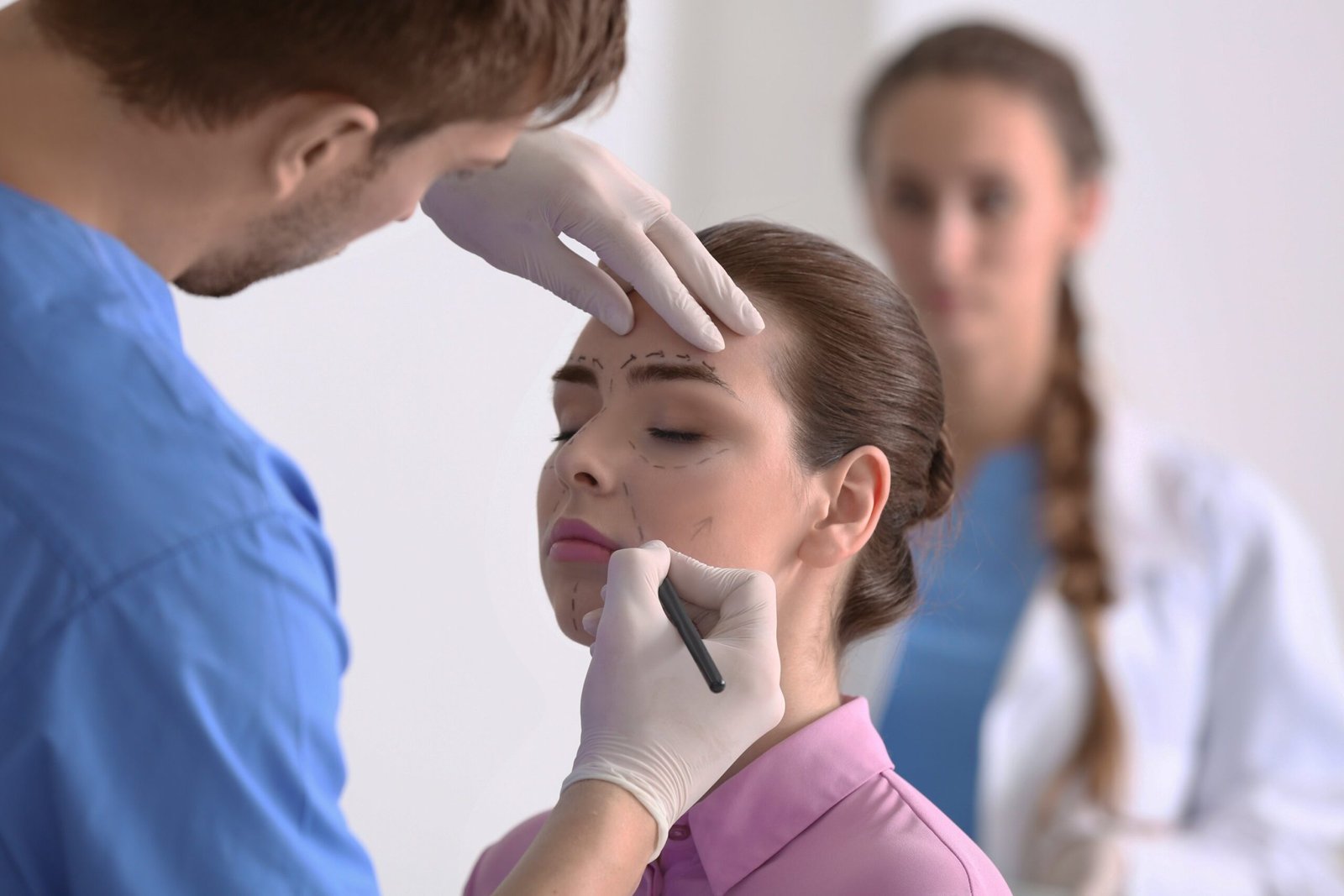
International patients considering cosmetic surgery often compare different destinations before deciding where to have treatment. Poland and Turkey are two countries that may appear during this research, with clinics offering a variety of cosmetic procedures to international patients.
However, comparing destinations involves more than looking at advertised prices. Patients should consider surgeon qualifications, clinic facilities, consultation processes, travel arrangements, recovery, and aftercare.
Comparing the Medical Environment
The first step is to research individual clinics and surgeons in both countries. Healthcare standards and services can differ between providers, so patients should avoid making assumptions based solely on the destination.
When comparing clinics, consider:
- Surgeon qualifications
- Professional registration
- Experience with the selected procedure
- Surgical facilities
- Anesthesia arrangements
- Postoperative monitoring
- Follow-up care
Plastic Surgery Turkey: What Patients Should Research
Plastic surgery turkey is frequently considered by international patients looking for cosmetic procedures abroad. Turkey has clinics that specifically work with international patients, but individual providers should still be researched carefully.
Before booking, patients can ask about the surgeon’s experience, the location of the surgery, available aftercare, and the length of stay recommended after the procedure.
Cosmetic Surgery Turkey Packages
People searching for cosmetic surgery trukey may find treatment packages that combine surgery with services such as accommodation and transportation.
Patients should check exactly what is included in these packages. A package may cover some travel-related services while other expenses remain separate.
Useful questions include:
- Is the consultation included?
- Are medical tests included?
- Is anesthesia included?
- Are medications included?
- How many accommodation nights are provided?
- Are postoperative appointments included?
- What happens if an additional stay is needed?
Understanding Plastic Surgery in Poland
Poland is another destination that international patients may consider for cosmetic procedures. Patients researching Polish clinics should apply the same level of scrutiny when checking surgeons and facilities.
The consultation should provide information about the proposed procedure, expected recovery, potential risks, and aftercare.
Patients should also confirm where the surgery will take place and who will be responsible for postoperative monitoring.
Comparing the Plastic Surgery Price
The plastic surgery price can vary considerably in both Poland and Turkey. The final amount may depend on the procedure, surgeon, clinic, anesthesia, medical tests, and aftercare.
Instead of comparing only the advertised surgery fee, patients should request a complete quotation.
Possible expenses include:
| Cost | What to Check |
| Surgery | What procedure is included |
| Consultation | Whether consultation fees apply |
| Anesthesia | Whether it is part of the quotation |
| Tests | Required preoperative examinations |
| Medication | Included or charged separately |
| Aftercare | Number of follow-up appointments |
| Accommodation | Number of included nights |
| Transportation | Airport and local transfers |
| Flights | Usually a separate travel expense |
Travel Considerations
The distance between the patient’s home and the destination can affect the overall planning process. Patients should consider flight duration, transportation, accommodation, and the time required to recover before traveling home.
A shorter journey may be more convenient for some patients, while others may prioritize different factors.
The surgeon should provide specific guidance about when travel is appropriate after surgery.
Recovery and Aftercare
Recovery is an important part of any cosmetic surgery trukey journey. Patients should understand how long they may need to remain in Poland or Turkey before returning home.
Ask the clinic about:
- Expected recovery time
- Follow-up appointments
- Medication
- Activity restrictions
- Postoperative monitoring
- Emergency contact arrangements
Patients should also understand what support is available once they return home.
Communication With the Clinic
International patients should be able to communicate clearly with their medical team. Before booking, it can be useful to establish who will handle questions before surgery and who will provide postoperative support.
Patients should receive clear written information about the treatment plan, costs, preparation, and recovery instructions.
Accommodation During Recovery
Accommodation should be selected with recovery in mind. Staying close to the clinic may make follow-up appointments easier and reduce unnecessary transportation.
Patients may want to consider:
- Distance from the clinic
- Accessibility
- Comfortable sleeping arrangements
- Transportation options
- Nearby pharmacies and shops
- Flexible booking policies
What International Patients Should Compare
Rather than asking which destination is universally suitable, patients can create a personal comparison based on the information available from individual clinics.
Consider these categories:
Medical: Qualifications, experience, facility, procedure, and aftercare.
Financial: Complete treatment cost, accommodation, travel, medication, and potential additional expenses.
Practical: Travel time, communication, recovery period, and follow-up arrangements.
Questions to Ask Before Choosing
Before making a booking in either Poland or Turkey, patients can ask:
- Who will perform my surgery?
- What qualifications and experience do they have?
- Where will the procedure take place?
- What is included in the quoted price?
- How long should I stay after surgery?
- What aftercare is provided?
- What happens if I need additional medical attention?
- What costs are not included?
Getting clear answers can make it easier to understand the differences between individual providers.
Conclusion
Poland and Turkey are both destinations that international patients may consider when researching cosmetic surgery abroad. The most useful comparison should focus on individual surgeons and clinics, rather than relying only on the country or advertised package.
Patients researching Plastic surgery turkey or cosmetic surgery trukey should examine qualifications, facilities, recovery arrangements, and aftercare. They should also look beyond the advertised plastic surgery price and calculate the complete cost of treatment, travel, accommodation, and postoperative care.

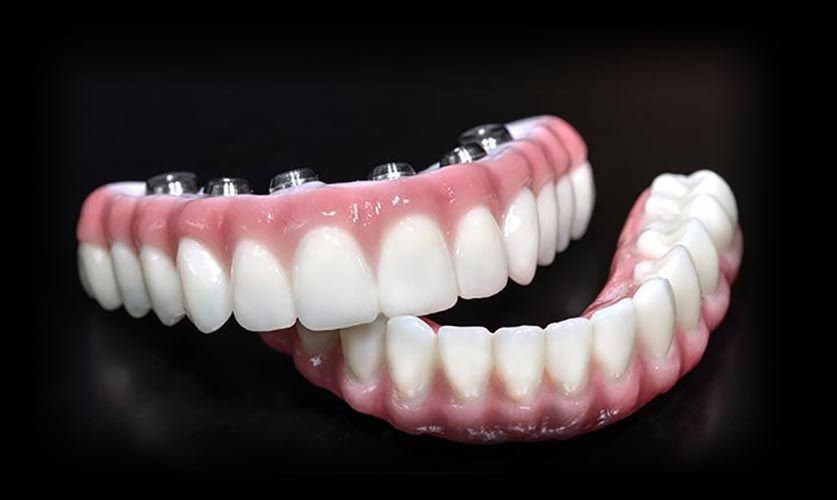
When most or all teeth in one jaw are missing, the choice is not simply between “removable” and “permanent” teeth. Conventional dentures and implant-supported fixed bridges differ in how they stay in place, what treatment involves and how they must be cleaned. Both can restore a usable smile, but neither suits everyone. Understanding the practical trade-offs can help you have a more useful conversation with a dentist about your health, priorities and budget.
What each option involves
A conventional full denture is a removable set of replacement teeth resting on the gums. Its fit depends on the shape of the jaw and surrounding tissues; some people also use denture adhesive. A denture can usually be made without implant surgery, although any teeth requiring removal must be addressed first. It may need adjustments as the gums and jaw change shape over time.
A fixed full-arch bridge attaches to dental implants placed in the jawbone. It stays in place for daily activities and is removed by a dental professional when necessary, rather than by the wearer each night. The number and position of implants depend on an individual assessment. An implant-retained overdenture is another possibility: implants help secure it, but the wearer still takes it out for cleaning.
How they feel and function day to day
Stability and eating
A well-fitting denture can work well, particularly after someone has had time to adapt. Even so, it may shift during chewing or speaking, especially as its fit changes. A fixed bridge generally feels more stable because the implants support it. That does not mean every food is immediately comfortable or that implant restorations are indestructible. Materials, bite forces and any advice given during healing still matter.
Coverage and appearance
An upper conventional denture commonly covers part or all of the palate. Some wearers find this affects their sense of taste, speech or comfort. A fixed bridge usually leaves the palate uncovered, although its shape must still allow effective cleaning. Either option can be designed with attention to tooth position and facial support. The most natural-looking result depends on careful planning, not the label attached to the treatment.
Getting used to a new restoration
Speech can take practice with either approach. Denture wearers also learn how to insert, remove and store their appliance. A fixed bridge avoids those daily steps, but it brings different responsibilities around cleaning beneath the teeth. If hand dexterity or access to support is a concern, ask to see exactly what the proposed routine would involve before deciding.
Treatment demands and suitability
Dentures can often be provided without the surgical stages involved in implants. If teeth have recently been extracted, however, the gums and jaw may continue changing during healing. An immediate denture can therefore need relining or replacement. The timeline for a fixed bridge varies too: assessment, scans, possible extractions, implant placement and a provisional restoration may all be part of the plan.
Implants require enough suitable bone and healthy surrounding tissues, or a plan that accounts for limitations. Medical conditions, smoking, medicines and a history of gum disease may affect risks or healing. A dentist can explain whether a fixed approach, including all on 4 treatment, is appropriate after examining your mouth and reviewing your health history. No particular technique guarantees immediate fixed teeth or eliminates complications.
Maintenance is different, not optional
Removable dentures should be cleaned as directed, taken out when recommended and checked for wear or poor fit. Continuing to use a loose denture can cause discomfort, so new sore spots deserve attention. The mouth also needs routine examination, even when no natural teeth remain. If a denture breaks, avoid attempting a home repair that could change its fit.
Fixed bridges cannot be removed for ordinary cleaning. Food and plaque can collect around implants and beneath the bridge, making suitable brushes, flossing aids or other recommended tools important. Regular professional reviews help monitor the bridge, implants and surrounding tissues. Components may need maintenance or replacement over time; implants themselves can also develop problems. “Fixed” describes how the teeth attach, not freedom from ongoing care.
Understanding the full cost
Conventional dentures generally have a lower upfront price than implant surgery and a fixed bridge. Their longer-term costs may include adjustments, relines and eventual replacement. Implant treatment usually involves a larger initial commitment and may also require scans, provisional teeth, maintenance or repairs. Request a written estimate that separates each stage and explains what happens if the proposed plan changes.
In Australia, private health insurance benefits vary by fund, policy and treatment category, and waiting periods or annual limits may apply. Ask your fund about specific item numbers rather than assuming a quoted procedure is covered. Medicare generally does not cover routine dental care for adults, though eligibility for particular public or other schemes depends on individual circumstances. Cost matters, but it should be weighed alongside suitability and the care required afterward.
Questions worth taking to a consultation
Ask what findings support the recommended option, what alternatives remain reasonable and which parts of treatment are uncertain. Find out how long you might be without your final teeth, what you could eat during recovery and how complications would be managed. For a fixed bridge, request a demonstration of cleaning beneath it; for a denture, ask how fit will be reviewed as your mouth changes.
The better choice is the one that fits your clinical situation and everyday life, not simply the option that sounds more advanced. A clear comparison should leave you understanding the treatment steps, likely maintenance and total financial commitment, with room to seek a second opinion if you need one.

Account Safety 101: How to Vet Any Instagram Growth Service

What Makes Underground Streetwear Hit? Breaking Down the MF DOOM Shirt and Parke Hoodie Hype

Unlocking Peak Performance with AMD Ryzen X3D: A Gamer’s Ultimate Guide

5 questions every Sydney homeowner should ask before hiring a plumber

Transforming Business Efficiency with Modern Workplace Solutions

Empowering Success: Comprehensive NDIS Student Support Services

The 15 Highest-Paid Rugby Players in the World

Christopher Dare: The Untold Story of Engineer and Former Husband of Angela Rippon

How to Ensure Your Home is Valued Correctly for a Quick Sale

What Is Fanquer? The Digital Creator Platform Transforming Direct-to-Fan Engagement

Dr Jared Ross: Missouri Appeals Court Upholds Protection Order Over Graphic Torture and Murder Threats

Nancy Hallam: The Inspiring Life, Career, and Success Story Behind Ian Wright’s Wife
The 15 Highest-Paid Rugby Players in the World
Christopher Dare: The Untold Story of Engineer and Former Husband of Angela Rippon
How to Ensure Your Home is Valued Correctly for a Quick Sale
What Is Fanquer? The Digital Creator Platform Transforming Direct-to-Fan Engagement
Dr Jared Ross: Missouri Appeals Court Upholds Protection Order Over Graphic Torture and Murder Threats
Nancy Hallam: The Inspiring Life, Career, and Success Story Behind Ian Wright’s Wife
-
 Sports5 months ago
The 15 Highest-Paid Rugby Players in the World
-
Celebrity10 months ago
Christopher Dare: The Untold Story of Engineer and Former Husband of Angela Rippon
-
 Real Estate8 months ago
How to Ensure Your Home is Valued Correctly for a Quick Sale
-
 Technology4 months ago
What Is Fanquer? The Digital Creator Platform Transforming Direct-to-Fan Engagement
-
 Celebrity4 months ago
Dr Jared Ross: Missouri Appeals Court Upholds Protection Order Over Graphic Torture and Murder Threats
-
Celebrity11 months ago
Nancy Hallam: The Inspiring Life, Career, and Success Story Behind Ian Wright’s Wife
-

 Health9 months ago
Enclomimed 25 (Enclomiphene) – Effective PCT Protocol
-
 Celebrity11 months ago
Who Is Maisie Mae Roffey? The Private Life, Family Story, and Quiet Success of Julie Walters’ Daughter