
Business
QLCredit Explained: Services, Ownership, Regulation, and How This Hong Kong Licensed Lender Operates

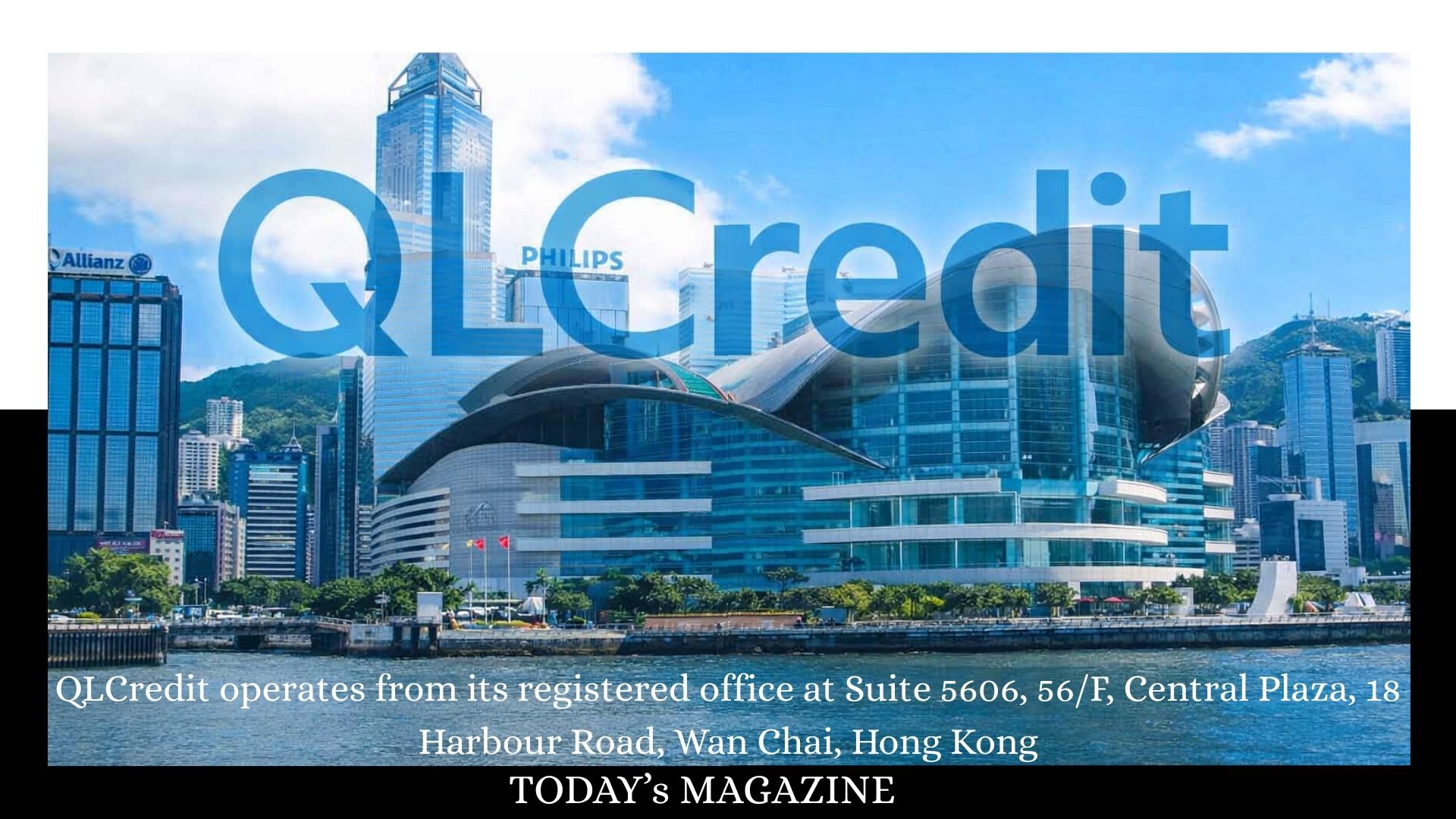
QLCredit, officially operating as QL Credit Gain Finance Company Limited (乾隆領達財務有限公司), is a licensed non-bank financing company operating within Hong Kong’s tightly regulated financial environment. The firm provides structured lending solutions to individuals, property owners, and small-to-medium enterprises, positioning itself as an alternative to traditional banking institutions while remaining fully compliant with local financial regulations.
Unlike many online platforms that present themselves as digital finance or decentralized lending solutions, QLCredit operates as a conventional finance company with physical offices, regulated lending practices, and institutional ownership. It functions as a subsidiary of China Financial Services Holdings, a publicly listed financial services group traded on the Hong Kong Stock Exchange under stock code 605.
This article delivers a detailed, factual, and third-party overview of QLCredit, examining its background, regulatory standing, lending products, operational processes, digital expansion, market role, and public perception.
Understanding QLCredit’s Role in Hong Kong’s Financial Landscape
Hong Kong’s financial system is one of the most regulated and transparent in Asia. Alongside major retail banks, the territory supports a robust ecosystem of licensed money lenders that serve borrowers with diverse financial needs. QLCredit operates within this ecosystem, focusing on borrowers who may require faster approvals, customized loan structures, or financing solutions not always accessible through large banks.
The company does not function as a peer-to-peer platform or algorithm-only lender. Instead, it combines traditional underwriting practices with selective digital tools to improve efficiency while maintaining compliance and risk control.
Company Background and Historical Development
QLCredit’s development is closely tied to the expansion strategy of its parent group, China Financial Services Holdings. The group strengthened its footprint in Hong Kong’s non-bank lending sector in late 2017 through the acquisition of loan-book assets from Bank of East Asia. This acquisition enhanced the group’s exposure to mortgage-backed and commercial lending and increased QLCredit’s visibility within the market.
Since then, QLCredit has operated as a structured lending arm within the group, focusing on stable, asset-supported growth rather than speculative expansion.
Ownership Structure and Corporate Governance
As a subsidiary of a publicly listed company, QLCredit operates under corporate governance standards aligned with listed-entity requirements. This structure introduces layers of accountability, including audited financial reporting, board oversight, and internal compliance mechanisms.
For borrowers and partners, this ownership model provides a level of institutional credibility not always present among smaller, privately held money lenders.
Regulatory Framework and Legal Compliance
QLCredit is licensed under the Hong Kong Money Lenders Ordinance, the primary legal framework governing non-bank lenders in the territory. This ordinance regulates interest-rate disclosures, borrower protection, documentation standards, and debt-collection practices.
Compliance with this framework requires licensed lenders to maintain transparent contracts, perform proper borrower assessments, and adhere to ethical lending standards. From an external observer’s perspective, QLCredit operates as a legitimate financial institution subject to regulatory scrutiny and enforcement.
Core Lending Philosophy and Credit Approach
QLCredit’s lending philosophy emphasizes structured risk assessment and responsible lending. Rather than relying solely on automated scoring, the company evaluates borrowers using a combination of financial documentation, credit history, income stability, and asset backing where applicable.
This approach reflects a balance between flexibility and risk control, allowing the company to serve borrowers who may fall outside conventional banking criteria without compromising regulatory compliance.
Mortgage Loan Services
Mortgage lending represents one of QLCredit’s primary business pillars. The company offers both first and second mortgage loans secured against residential and commercial properties in Hong Kong.
These loans are commonly used for refinancing, capital unlocking, business expansion, or liquidity needs. Assessments typically include property valuation, collateral analysis, and repayment-capacity evaluation, ensuring that loan structures align with both borrower capacity and asset value.
Second Mortgage and Refinancing Solutions
Second mortgage loans are particularly relevant in Hong Kong’s high-value property market. QLCredit provides financing options for property owners who already hold a primary mortgage with a bank but require additional funds without selling their property.
These solutions are structured to coexist with existing mortgage arrangements while maintaining clear contractual terms and repayment schedules.
Personal Loan Products
QLCredit offers personal loan solutions designed for individuals with stable income sources and verifiable financial records. Depending on the borrower’s profile, these loans may be unsecured or supported by collateral.
Personal loans are generally structured for short- to medium-term financing needs, including lifestyle expenses, consolidation, or temporary cash-flow requirements.
Corporate and SME Financing Services
Small and medium enterprises form a significant segment of QLCredit’s client base. The company provides corporate financing solutions tailored to SMEs and microenterprises that may encounter challenges accessing traditional bank loans due to size, operating history, or documentation constraints.
Evaluations typically consider business cash flow, operating performance, and available security or guarantees, allowing for customized financing structures aligned with business realities.
Microenterprise and Owner-Operated Business Support
QLCredit’s SME services extend to owner-operated and family-run businesses, which are common in Hong Kong’s commercial landscape. These borrowers often require flexible financing to manage seasonal cash flow, inventory cycles, or expansion opportunities.
Digital Expansion Through Oyster Pie Solutions
To enhance accessibility and processing speed, QLCredit operates a digital lending platform through Oyster Pie Solutions Limited. This platform allows consumers to submit loan applications online using a digital scoring and submission process.
While technology supports faster decision-making, the platform operates within the same regulatory framework as QLCredit’s offline operations, maintaining compliance with KYC and borrower-assessment requirements.
Technology as a Support Tool Rather Than a Replacement
QLCredit’s digital tools are designed to streamline application workflows rather than replace traditional underwriting. Human review, documentation verification, and regulatory checks remain integral to the approval process.
Loan Application and Approval Workflow
The loan application process at QLCredit follows a structured workflow consistent with financial-industry standards. Applicants are required to submit identification, proof of address, income or financial records, and property or business documentation where applicable.
Applications undergo know-your-client checks, credit assessment, repayment-capacity evaluation, and asset valuation for secured loans. Final approval is subject to internal review and formal contract execution.
Risk Management and Responsible Lending
Risk management plays a central role in QL Credit’s operations. The company applies conservative valuation methods, repayment-capacity thresholds, and documentation requirements to manage credit risk while remaining competitive in the non-bank lending space.
This approach supports long-term portfolio stability and regulatory compliance.
Market Position and Competitive Landscape
QL Credit occupies a defined niche between traditional banks and informal lending channels. It does not aim to replace banks but rather to complement them by serving borrowers whose needs fall outside standard banking criteria.
Its competitive advantages include flexible loan structuring, faster processing, and institutional backing, while its limitations include operating within regulatory interest-rate caps and compliance obligations.
Public Perception and Third-Party Assessment
From a third-party perspective, QL Credit is generally viewed as a compliant, institutionally supported money lender. Its association with a listed parent company and adherence to Hong Kong regulations reinforce its credibility within the market.
It is important to distinguish QL Credit from unrelated platforms that use similar naming but operate in unregulated or decentralized environments.
Physical Presence and Corporate Location
QL Credit operates from its registered office at Suite 5606, 56/F, Central Plaza, 18 Harbour Road, Wan Chai, Hong Kong. This physical presence underscores its status as an established financial institution rather than a purely online entity.
Contact and Partnership Information
General inquiries can be directed to +852 2575 0563, while partnership and marketing communications are handled through marketing@creditgain.com.hk. Corporate information is also available through the parent group’s official channels.
Conclusion
QL Credit represents a structured, compliant, and institutionally backed presence within Hong Kong’s licensed lending sector. Through a combination of traditional underwriting, selective digital innovation, and regulatory compliance, the company provides mortgage, personal, and SME financing solutions tailored to the needs of individuals and businesses. Operating under the Hong Kong Money Lenders Ordinance and supported by a publicly listed parent group, QLCredit occupies a clear and credible role as a non-bank financial institution in one of Asia’s most closely regulated financial markets.
FAQs About QLCredit
What is QLCredit and what does it do?
QLCredit is the operating name of QL Credit Gain Finance Company Limited, a licensed Hong Kong money lender providing mortgage loans, personal loans, and SME financing.
Is QLCredit legally licensed in Hong Kong?
Yes, QLCredit operates under the Hong Kong Money Lenders Ordinance and is subject to local regulatory oversight.
Who owns QLCredit?
QLCredit is a subsidiary of China Financial Services Holdings, a publicly listed financial services group on the Hong Kong Stock Exchange.
What types of loans does QLCredit offer?
The company offers first and second mortgage loans, personal loans, and corporate financing solutions for SMEs and microenterprises.
Does QLCredit offer online loan applications?
Yes, QLCredit operates a digital lending platform through Oyster Pie Solutions Limited, allowing online loan submissions.
Is QLCredit a blockchain or DeFi lending platform?
No, QLCredit is a traditional, regulated finance company and should not be confused with decentralized or blockchain-based lending platforms.
Who typically uses QLCredit’s services?
QLCredit primarily serves individuals, property owners, SMEs, and businesses seeking flexible financing options beyond traditional bank offerings.
How does QLCredit assess loan applications?
Applications are evaluated through KYC checks, credit assessment, repayment-capacity analysis, and asset or property valuation for secured loans.

Business
Choosing the Right Custom Wrist Brace Manufacturer and Custom Elbow Brace Supplier for Your Business

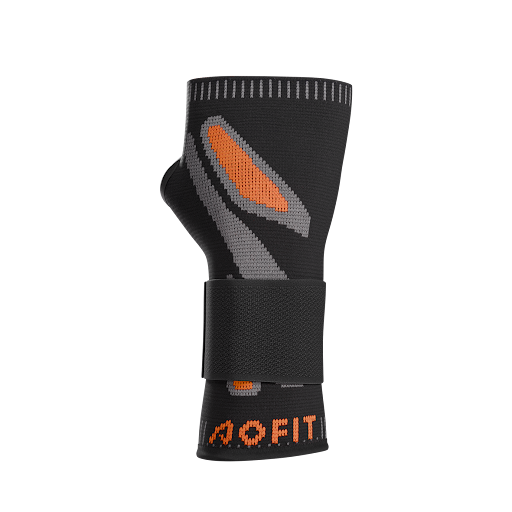
The orthopedic support industry has experienced remarkable growth in recent years as more consumers seek effective solutions for injury prevention, rehabilitation, and sports performance enhancement. Among the most in-demand products are wrist braces and elbow braces, which are widely used by athletes, office workers, rehabilitation patients, and healthcare professionals.
For brands, distributors, and wholesalers looking to enter this expanding market, partnering with a reliable custom wrist brace manufacturer and custom elbow brace supplier is essential. The right manufacturing partner can help ensure product quality, customization flexibility, regulatory compliance, and long-term business success.
Growing Demand for Wrist and Elbow Support Products
Modern lifestyles and increasing participation in sports have significantly increased the demand for supportive orthopedic products. Wrist injuries caused by repetitive strain, carpal tunnel syndrome, arthritis, and sports-related activities have created a strong market for wrist braces. Similarly, elbow braces are commonly used for conditions such as tennis elbow, golfer’s elbow, tendonitis, ligament injuries, and post-surgical rehabilitation.
As healthcare awareness continues to rise, consumers are seeking products that provide both comfort and effective support. This trend has created substantial opportunities for businesses that source high-quality products from an experienced custom wrist brace manufacturer and custom elbow brace supplier.
Why Custom Manufacturing Matters
Many businesses make the mistake of relying solely on generic products that offer little differentiation in the marketplace. Custom manufacturing allows companies to create products that reflect their brand identity while meeting the specific needs of their customers.
A professional manufacturer can provide customization options such as:
- Private label branding
- Custom logos
- Customized packaging
- Color selection
- Material customization
- Size modifications
- Functional enhancements
These customization capabilities help businesses build stronger brand recognition and improve customer loyalty.
Benefits of Working with a Custom Wrist Brace Manufacturer
Choosing an experienced custom wrist brace manufacturer offers several advantages for businesses looking to sell wrist support products.
High-Quality Materials
Quality materials play a critical role in the performance of a wrist brace. Leading manufacturers often offer various material options, including neoprene, breathable mesh fabrics, nylon blends, and moisture-wicking textiles. These materials help ensure comfort, durability, and long-term performance.
Enhanced Product Functionality
Modern wrist braces are designed to provide targeted compression and support while maintaining user comfort. Adjustable straps, ergonomic designs, and lightweight construction can significantly improve customer satisfaction.
Brand Customization
Private labeling is one of the most important services offered by a professional custom wrist brace manufacturer. Businesses can customize logos, packaging, colors, and marketing materials to create a unique product line that stands out in the marketplace.
Scalability
As your business grows, your manufacturing partner should be able to scale production without sacrificing quality. Experienced manufacturers typically have advanced production systems and multiple manufacturing facilities capable of handling large-volume orders.
The Importance of Choosing a Reliable Custom Elbow Brace Supplier
Elbow braces require precise engineering because they are often used in rehabilitation and injury recovery applications. Selecting the right custom elbow brace supplier helps ensure that products deliver the necessary support, stability, and comfort.
Wide Product Variety
A reliable supplier should offer a broad range of elbow support products, including:
- Compression elbow sleeves
- Tennis elbow braces
- Hinged elbow braces
- Rehabilitation braces
- Sports performance supports
- Adjustable elbow straps
Having access to multiple product categories allows businesses to serve different customer segments effectively.
OEM and ODM Services
Many successful brands rely on OEM and ODM manufacturing services to bring products to market quickly and cost-effectively.
OEM services allow businesses to sell products under their own brand while utilizing the manufacturer’s production expertise. ODM services provide ready-made product designs that can be customized to meet specific branding requirements.
Product Innovation
An experienced custom elbow brace supplier often invests heavily in research and development. This commitment to innovation helps create products with improved comfort, support mechanisms, and user-friendly features.
Key Factors to Consider When Selecting a Manufacturing Partner
Before choosing a manufacturing partner, businesses should carefully evaluate several important factors.
Manufacturing Experience
Experience often translates into better quality control, stronger technical expertise, and more efficient production processes. Manufacturers with many years of experience typically understand market demands and customer expectations more effectively. AOFIT, for example, highlights nearly two decades of brace manufacturing experience and global OEM/ODM operations.
Quality Assurance
Quality control should never be overlooked. Look for manufacturers that implement strict inspection procedures throughout the production process. Consistent quality helps reduce returns and strengthens customer trust.
Certifications
Industry certifications demonstrate a manufacturer’s commitment to quality and compliance. Important certifications may include:
- ISO certifications
- CE compliance
- FDA-related standards
- BSCI certification
These credentials can simplify market entry and improve buyer confidence.
Sample Availability
Requesting samples before placing a bulk order is essential. Samples allow you to evaluate materials, construction quality, comfort, and overall performance before making a larger investment.
Production Capacity
A capable custom wrist brace manufacturer and custom elbow brace supplier should be able to accommodate both small and large orders while maintaining consistent quality and delivery schedules.
Building Long-Term Business Success
A strong manufacturing partnership goes beyond simply producing products. The best manufacturers work closely with clients to improve designs, introduce new product ideas, and support long-term business growth.
When you partner with a trusted custom wrist brace manufacturer, you gain access to manufacturing expertise, customization options, and scalable production solutions. Likewise, an experienced custom elbow brace supplier can help you develop innovative products that meet the evolving needs of healthcare professionals, athletes, and everyday consumers.
Conclusion
The market for orthopedic support products continues to expand, creating exciting opportunities for brands and distributors worldwide. Success in this industry depends heavily on selecting the right manufacturing partner.
A dependable custom wrist brace manufacturer can provide high-quality products, flexible customization, and reliable production capabilities. Similarly, a professional custom elbow brace supplier offers the expertise needed to develop durable, comfortable, and effective elbow support solutions.
By focusing on quality, innovation, certifications, and customization capabilities, businesses can establish a competitive advantage and build a trusted brand in the growing orthopedic support market.


Workplaces often talk about openness, yet many women learn early on that honesty comes with conditions. Speak carefully. Don’t rock the boat. Protect your reputation. Over time, silence becomes less about agreement and more about survival.
Fozia Rashid understands that tension deeply. After reporting serious wrongdoing at work and experiencing the consequences that followed, she saw firsthand how fear shapes behaviour inside organisations. That experience became the starting point for She Speaks Out, a platform created to support women who want to raise concerns without putting their livelihoods at risk.
What defines Fozia’s work is restraint. She does not encourage dramatic gestures or rushed decisions. Her philosophy is rooted in preparation. With a background in HR, she focuses on helping women slow down, understand their options, and approach difficult situations with clarity rather than panic. In her view, speaking up should never feel reckless. It should feel informed.
She Speaks Out reflects this thinking. The platform offers free, practical tools, templates for reporting issues, checklists for documenting incidents, and guidance for requesting workplace adjustments. These are not designed to escalate conflict. They are designed to give women structure at moments that often feel chaotic. Knowing how to document properly, how to communicate professionally, and how to follow internal processes can change the outcome of a situation entirely.
Fear of retaliation sits at the centre of many workplace decisions, and Fozia does not dismiss it. She acknowledges that fear is often based on real experiences, not imagination. Careers are built over years and can be undermined quietly, through exclusion, sudden changes in tone, or unexpected questions about performance. Her work addresses this reality head-on by helping women recognise early warning signs and respond strategically rather than emotionally.
Her personal experience informs everything she builds. She knows the isolation that can follow when concerns are met with silence instead of support. She knows that retaliation rarely arrives in obvious ways. Often it’s subtle, slow, and difficult to explain. By helping women understand these patterns, She Speaks Out gives them the language and confidence to protect themselves before situations escalate.
Storytelling is another key part of her approach. Fozia encourages women to share their experiences, not for exposure, but for understanding. When women hear stories that echo their own, something shifts. Confusion turns into clarity. Self-doubt gives way to recognition. These shared experiences also reveal patterns organisations can no longer ignore, pushing conversations beyond individual cases toward systemic change.
Looking ahead, Fozia’s vision goes beyond individual support. She wants She Speaks Out to grow into a strong community that connects women, amplifies their voices, and influences how organisations respond to complaints. By highlighting issues like retaliation, discrimination, and unequal treatment, she hopes to encourage better policies, stronger reporting systems, and leadership that understands accountability is not a threat, it’s a responsibility.
She also believes lasting change requires cooperation. Employers, not just employees, must be willing to listen, reflect, and act. Creating safe reporting channels, promoting diversity in leadership, and holding people accountable are not optional steps. They are the foundation of workplaces where fear does not dictate behaviour.
Fozia Rashid is not promising that speaking up will ever be easy. What she offers is something far more realistic and valuable: a way to move forward with care, confidence, and support. Through She Speaks Out, she is helping women replace fear with knowledge and showing that when women are empowered to speak thoughtfully, workplaces are forced to listen.


In this digital age, the automatic watch may seem out of place. But there are plenty of reasons to go for these mechanical marvels.
If it’s the first time you’ve heard of the words automatic watch, don’t you worry. An automatic watch is simply a watch that is powered by motion. All mechanical movements are powered by a mainspring, which you “charge” by winding so it compresses and holds potential energy. An automatic watch utilizes a rotor that spins around when you move which in turn powers that mainspring making it a self-winding watch.
It’s a spiffy bit of engineering that is the result of centuries of watch making innovation. But why get one in this day in age?
Automatic Watches Deserve Their Space
Let’s give you three reasons.
The first is that an automatic watch doesn’t go obsolete. A digital timepiece will need firmware updates to keep functioning properly. A digital watch is never going to last more than 5 years because planned obsolescence will eventually leave you with an outdated watch. An automatic watch will last you for years, even decades, with proper care. Plus if they get damaged, it is far easier to repair a mechanical watch versus a digital one.
The second is that an automatic watch has an intrinsic value. The tiny mechanisms inside the movement make it interesting and sellable. You can hand down an automatic watch to your children or find buyers for it, but rarely will you find second hand buyers of digital watches.
The third is that automatic mechanical watches are more versatile. Sure you can wear a digital watch to your office, but an automatic watch looks way classier and you can wear one to weddings or to the beach depending on the specs. They are true daily wear watches that can be worn to different occasions.
Your Automatic Watch From Alba
And the great thing is that you can have affordable automatic watches. Let me introduce you to Alba, a subsidiary of Seiko. Their Mechanical Collection features excellent mechanical watches that you can wear everywhere.
Alba Mechanical AL4219X1
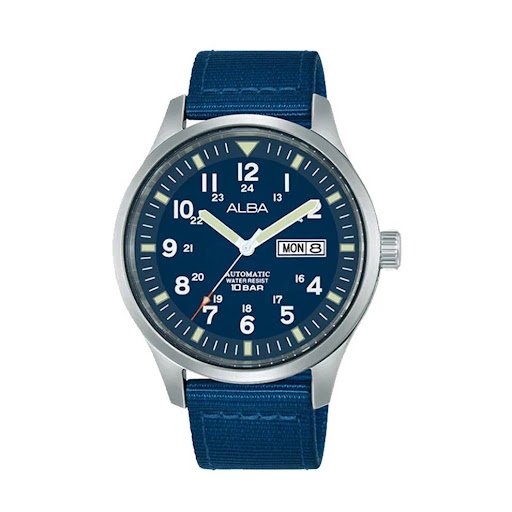
The field watch takes its name from its military background and there’s no shortage of that silhouette in the Alba Mechanical Collection. The AL4219X1 is a blue version of the field watch with a blue dial and matching blue nylon strap. The indices feature a second set indicating military time in the PM as well as a day date display. For added toughness, you get mineral crystal to protect the dial.
Inside the 10 bar water resistant 42mm stainless steel case is the Y676 automatic mechanical movement. Because it’s an automatic watch, you don’t really need to wind this timepiece for as long as you wear it on a daily basis.
Alba Mechanical AL4217X1
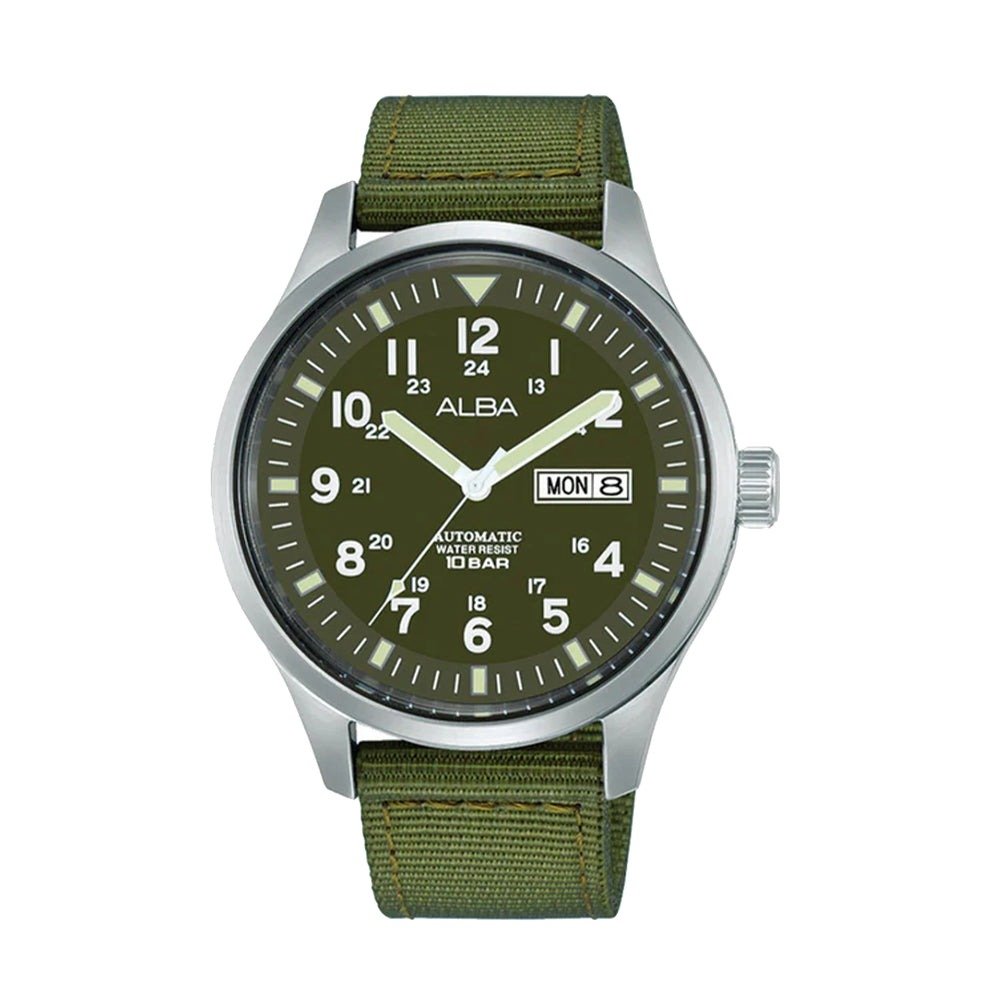
But if you want that true military look, your best bet is the AL4217X1. You’ll find the green dial and green nylon strap just has that rugged countenance that says you’re ready for anything. With dual military time indices for AM and PM as well as a day date display, you’ll always be on point with this automatic watch.
The Y676 automatic mechanical movement of course delivers reliable time as well as being a robust workhorse that will stand up to the rigors of everyday life. Protecting it is a tough 42mm stainless case and mineral crystal which are all rated for 10 bar water resistance. If you find yourself up a mountain or just commuting on the way to work, this versatile watch works equally well in both scenarios.
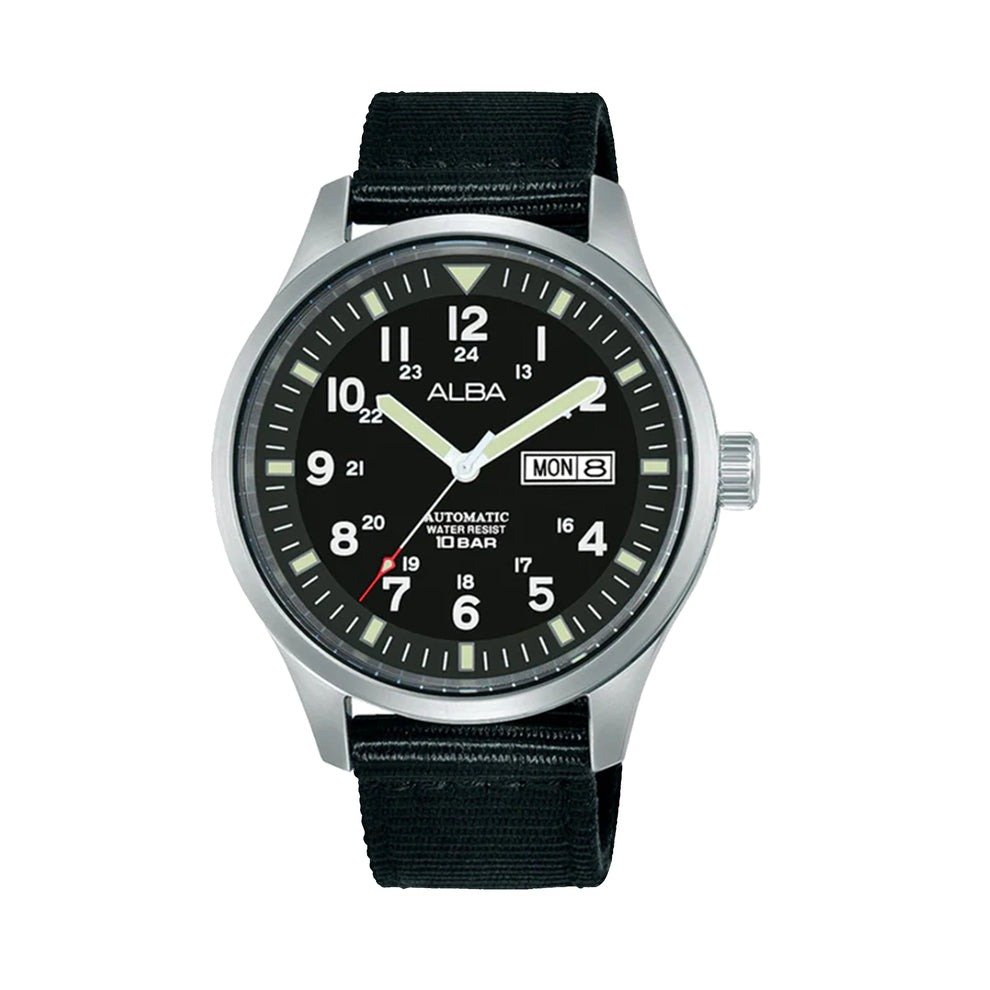
Alba Mechanical AL4223X1
But if you like the dark and sophisticated look then it’s the black dialed AL4223X1 for you. The 42mm stainless steel case is held securely with a comfortable black nylon strap.
You’ll see that the Y676 automatic mechanical movement just delivers good timekeeping as well as powering a day date display. It’s also a tough movement, able to take the shocks of going out and about but even then, the automatic watch is protected by 10 bar water resistance and mineral crystal.
Automatic Watches Are Here To Stay
Automatic watches aren’t an anachronism. They are timeless classics that will never go out of style.
And if you want reliable, affordable and stylish automatic watches, then visit Alba Philippines. The Alba Mechanical Collection has exciting timepieces that can tickle your fancy any day.
The automatic watch is always a great example of watch craftsmanship. Find one today at Alba for reliable Japanese watchmaking.

How Technology Is Changing the Way We Learn to Drive

Keeping Dogs Clean After Muddy Outdoor Adventures

Improving Business Operations Through Service and Asset Management

Bond Street Area Rentals: A Neighbourhood Guide for First Time Luxury London Visitors

Supporting Circulatory and Digestive Health: What to Know

Lessons from LeoVegas’s Euro 2016 Sportsbook Launch

The 15 Highest-Paid Rugby Players in the World

Christopher Dare: The Untold Story of Engineer and Former Husband of Angela Rippon

How to Ensure Your Home is Valued Correctly for a Quick Sale

What Is Fanquer? The Digital Creator Platform Transforming Direct-to-Fan Engagement

Dr Jared Ross: Missouri Appeals Court Upholds Protection Order Over Graphic Torture and Murder Threats

Nancy Hallam: The Inspiring Life, Career, and Success Story Behind Ian Wright’s Wife
The 15 Highest-Paid Rugby Players in the World
Christopher Dare: The Untold Story of Engineer and Former Husband of Angela Rippon
How to Ensure Your Home is Valued Correctly for a Quick Sale
What Is Fanquer? The Digital Creator Platform Transforming Direct-to-Fan Engagement
Dr Jared Ross: Missouri Appeals Court Upholds Protection Order Over Graphic Torture and Murder Threats
Nancy Hallam: The Inspiring Life, Career, and Success Story Behind Ian Wright’s Wife
-
 Sports4 months ago
The 15 Highest-Paid Rugby Players in the World
-
Celebrity10 months ago
Christopher Dare: The Untold Story of Engineer and Former Husband of Angela Rippon
-
 Real Estate8 months ago
How to Ensure Your Home is Valued Correctly for a Quick Sale
-
 Technology4 months ago
What Is Fanquer? The Digital Creator Platform Transforming Direct-to-Fan Engagement
-
 Celebrity3 months ago
Dr Jared Ross: Missouri Appeals Court Upholds Protection Order Over Graphic Torture and Murder Threats
-
Celebrity10 months ago
Nancy Hallam: The Inspiring Life, Career, and Success Story Behind Ian Wright’s Wife
-

 Health8 months ago
Enclomimed 25 (Enclomiphene) – Effective PCT Protocol
-
 Celebrity10 months ago
Who Is Maisie Mae Roffey? The Private Life, Family Story, and Quiet Success of Julie Walters’ Daughter