
Entertainment
The Ultimate Guide to Brewing Coffee at Home: Why Moka Pot Coffee Makers Are a Game-Changer


Coffee lovers everywhere are constantly searching for the perfect cup of coffee at home. Among the various brewing methods, moka pot coffee makers have seen a remarkable resurgence in popularity. But why are these compact devices taking the coffee world by storm in 2026?
Simply put: they deliver a rich, espresso-style coffee without the need for expensive machines or barista skills. Whether you’re a beginner or a seasoned coffee enthusiast, moka pots offer a balance of convenience, flavor, and affordability. In this guide, we’ll explore everything you need to know about moka pot coffee makers, from history to step-by-step brewing tips, maintenance advice, and expert recommendations.
What Is a Moka Pot?
A moka pot, sometimes called a stovetop espresso maker, is a small, compact coffee brewer designed to make strong, aromatic coffee by forcing hot water through finely ground coffee under pressure. Unlike a French press or drip coffee machine, the moka pot produces a rich, concentrated coffee closer to espresso.
Why Choose a Moka Pot?
- Compact and affordable
- Easy to use
- Produces flavorful, strong coffee
- Perfect for home, travel, or small kitchens
The moka pot has remained a favorite because it doesn’t require electricity (except for induction stovetops or electric versions) and is simple enough for beginners yet precise enough for coffee purists.
History of the Moka Pot
The moka pot was invented in 1933 by Alfonso Bialetti, an Italian engineer. His design revolutionized home coffee brewing by allowing people to enjoy espresso-style coffee without visiting a café.
Over the decades, moka pots have become a cultural symbol in Italy and beyond, symbolizing not just coffee, but community, tradition, and ritual. Today, these devices are crafted in various sizes, materials, and designs to suit modern lifestyles.
How Moka Pot Coffee Makers Work
The moka pot uses a simple, yet effective brewing principle:
- Water Chamber: Fill the lower chamber with water.
- Coffee Grounds: Place finely ground coffee in the filter basket.
- Pressure Heating: As the water heats on the stove, it produces steam.
- Coffee Extraction: Steam pressure forces water up through the coffee grounds into the upper chamber, producing concentrated coffee.
The magic lies in the pressure system: it’s enough to create strong coffee but less than a full espresso machine, giving you that perfect middle ground between drip coffee and espresso.
Step-by-Step Guide to Using a Moka Pot
Getting the perfect moka pot coffee isn’t difficult, but a few tips can make a huge difference:
- Fill Water Chamber: Use filtered water up to the safety valve.
- Add Coffee: Fill the basket with finely ground coffee without pressing it down.
- Assemble: Screw the top and bottom chambers tightly.
- Heat: Place on low to medium heat. Avoid high heat to prevent burnt flavors.
- Wait: Coffee will begin to bubble into the top chamber. Remove from heat just as you hear a hissing sound.
- Serve: Pour immediately for the freshest taste.
Tips for Brewing the Perfect Cup
- Use freshly ground coffee: pre-ground coffee loses aroma quickly.
- Avoid overfilling: too much coffee can block extraction.
- Control heat: low and slow is better than high and fast.
- Pre-warm your cup: keeps coffee hotter for longer.
- Experiment with ratios: adjust water-to-coffee ratio to match your taste.
Common Mistakes and How to Avoid Them
- Grinding too fine: Can cause clogging and bitter coffee.
- Using boiling water: Lowers extraction quality.
- Not cleaning regularly: Residue affects flavor over time.
- Overheating: Coffee can taste burnt.
Avoid these, and your moka pot will deliver cafe-quality coffee every time.
Why Moka Pot Coffee Makers Are Popular Today
In 2026, coffee culture is evolving:
- Remote work: Home brewing is more important than ever.
- Sustainability: Moka pots are reusable, eco-friendly, and plastic-free.
- Budget-friendly: Strong coffee without an expensive espresso machine.
- Portability: Great for travel or small apartments.
Moka Pot vs Other Coffee Methods
| Method | Flavor | Ease of Use | Price | Maintenance |
| Moka Pot | Rich, strong | Medium | Low | Easy |
| French Press | Bold, thick | Easy | Low | Easy |
| Espresso Machine | Intense, creamy | Hard | High | Medium |
| Pour Over | Clean, nuanced | Medium | Medium | Easy |
Moka pots strike the perfect balance between flavor, cost, and usability.
Cleaning and Maintenance Tips
- Rinse all parts after each use.
- Avoid soap; it can alter taste.
- Dry thoroughly to prevent oxidation.
- Check gaskets and valves periodically.
Proper maintenance ensures a longer-lasting, high-quality coffee experience.
Best Moka Pot Coffee Makers on the Market
If you’re ready to invest in a reliable moka pot, check out these options:
- Bialetti Moka Express: Classic, durable, timeless design.
- Aluminum vs Stainless Steel Options: Aluminum heats faster; stainless steel is more durable.
- Size Options: 1-cup to 12-cup for different household needs.
For a wide selection and detailed reviews, see moka pot coffee makers to find the perfect fit for your home.
FAQs – Moka Pot Coffee Makers
1. Can I use espresso grind in a moka pot?
No, too fine a grind can block the filter; use medium-fine coffee.
2. How long does coffee last in a moka pot?
Best served immediately; flavor deteriorates after 10–15 minutes.
3. Is aluminum or stainless steel better?
Aluminum heats quickly, stainless steel is more durable and suitable for induction stoves.
4. Can I brew flavored coffee in a moka pot?
Yes, flavored beans work, but avoid sugar or syrups in the pot.
5. How often should I replace the gasket?
Check every 6–12 months; replace when it becomes brittle to avoid leaks.
Conclusion
Moka pot coffee makers remain one of the most versatile, affordable, and flavorful methods for brewing coffee at home. Whether you’re a casual drinker or a dedicated coffee aficionado, mastering your moka pot is rewarding and simple.
By following these guides, tips, and maintenance advice, you’ll enjoy rich, café-quality coffee every day, without needing expensive equipment or complicated routines.
If you’re ready to elevate your home coffee game, check out the best moka pot coffee makers available today.


On-site readiness isn’t just about having a plan—it’s about making sure that plan actually works when it matters most. For businesses across industries, being prepared for emergencies, security threats, and operational disruptions can mean the difference between a minor setback and a catastrophic loss. Yet many organizations underestimate just how much goes into building a truly ready workplace.
From access control to staff training, on-site readiness covers a wide range of measures. The good news? Most of them are practical, scalable, and well within reach for businesses of all sizes.
1. Conduct Regular Risk Assessments
The first step to improving on-site readiness is understanding where your vulnerabilities lie. Regular risk assessments help identify potential threats—whether physical, environmental, or operational—before they escalate. Walk through your facility with a critical eye, consult your team, and document any gaps you find. Make this a routine, not a one-time exercise.
2. Invest in the Right Security Infrastructure
A solid physical security setup forms the backbone of any readiness strategy. This includes surveillance cameras, alarm systems, and access control measures that limit entry to authorized personnel only. For businesses operating in remote or rural areas, such as those relying on security systems for business in North Dakota, having reliable, weather-resistant technology that functions in extreme conditions is especially important.
3. Develop a Clear Emergency Response Plan
Every business needs a documented emergency response plan that employees can follow without hesitation. This plan should cover fire evacuations, medical emergencies, power outages, and any industry-specific scenarios relevant to your operations. Keep it accessible, review it annually, and make sure new hires receive a thorough walkthrough during onboarding.
4. Train Employees Consistently
Even the best-designed plan fails without people who know how to execute it. Regular training sessions ensure that staff understand their roles during an emergency and feel confident acting on them. Drills—however disruptive they may feel—are one of the most effective ways to identify weaknesses in your response procedures and build muscle memory for high-stress situations.
5. Establish Clear Communication Protocols
When an incident occurs, confusion and miscommunication can make things significantly worse. Businesses that are truly prepared have defined communication chains: who gets notified, in what order, and through which channels. This applies both internally (managers, department heads, floor staff) and externally (emergency services, key clients, suppliers).
Consider investing in a mass notification system that can reach all employees simultaneously, whether they’re in the office, on the floor, or working remotely.
6. Secure Your Entry and Exit Points
Access control is one of the most overlooked elements of on-site readiness. Unmonitored entry points create vulnerabilities that can be exploited, whether through theft, unauthorized access, or safety incidents. Key card systems, visitor management logs, and security personnel at key locations all contribute to a more controlled and accountable environment.
Regularly audit who has access to which areas of your facility. Permissions often accumulate over time, leaving former employees or contractors with access they no longer need.
7. Maintain Your Equipment and Systems
Readiness deteriorates without maintenance. Alarm systems that haven’t been tested, fire suppression equipment that’s past its service date, and surveillance cameras with blind spots all create false confidence. Build a regular maintenance schedule for every piece of safety and security infrastructure on your site.
Document everything. Maintenance logs provide accountability and can be invaluable during insurance claims or regulatory audits.
8. Partner With Local Emergency Services
Strong relationships with local fire departments, police, and medical responders can significantly improve your on-site readiness. Invite them to tour your facility so they’re familiar with the layout before an emergency occurs. Some businesses also work with local authorities to run joint drills, which builds coordination and trust on both sides.
These partnerships are particularly valuable for businesses in areas where emergency response times may be longer, making self-sufficiency in the critical first few minutes even more important.
Building a Culture of Preparedness
On-site readiness isn’t a project with a finish line—it’s an ongoing commitment. The companies that handle crises most effectively are those that have embedded preparedness into their culture, not just their documentation.
Start with one or two of the strategies above, get buy-in from your leadership team, and build from there. Assess what’s working, address what isn’t, and treat readiness as a living part of your operations rather than a compliance checkbox.
The investment is modest compared to the cost of being caught unprepared.
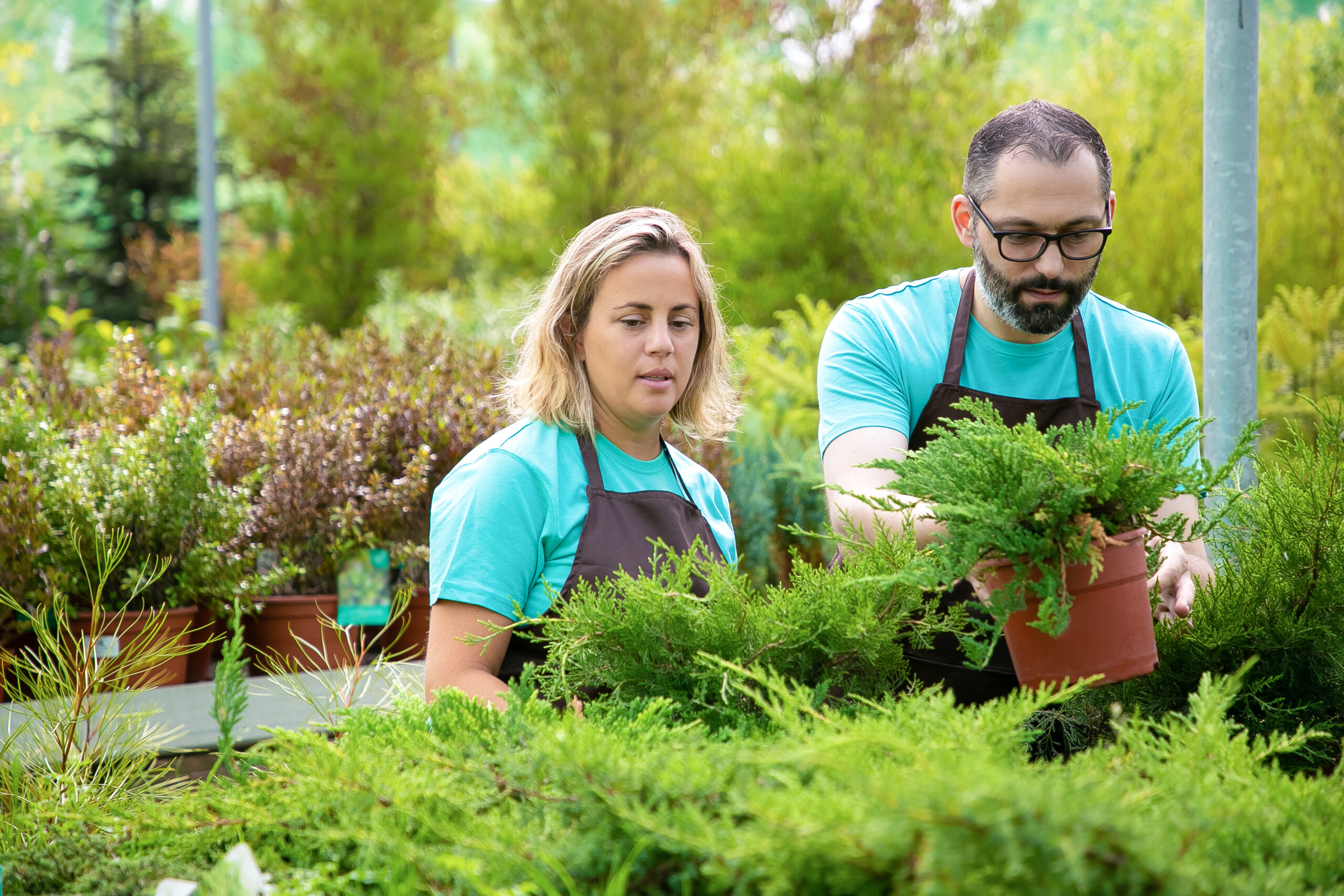
Your workplace exterior is the first thing clients, partners, and employees see. Before anyone walks through the door, they’ve already formed an opinion—and your landscaping plays a bigger role in that than most people realize.
A well-maintained outdoor space signals that your business is organized, professional, and attentive to detail. On the flip side, overgrown shrubs, cracked pathways, and patchy lawns can quietly erode trust before a single handshake. The good news? A few targeted landscaping tasks can make a dramatic difference.
Here are six landscaping priorities that can sharpen your workplace’s image and keep it looking sharp year-round.
1. Keep Your Lawn Healthy and Even
Nothing undermines a polished exterior quite like a patchy, yellowing lawn. Regular mowing, fertilizing, and aeration keep your grass thick, green, and visually consistent across your entire property.
Aim to mow on a consistent schedule—typically every one to two weeks during the growing season. Edging along pathways and parking lots adds a clean, defined look that ties the whole space together. If your lawn has bare spots, overseeding in the fall can restore density before the next growing season.
2. Prune Shrubs and Hedges Regularly
Overgrown hedges and shrubs make even the most attractive building look neglected. Regular pruning keeps plants healthy, controls their shape, and prevents them from blocking windows, signage, or entryways.
For commercial properties, clean geometric shapes—like squared hedges along walkways—tend to read as more professional than loose, informal pruning styles. That said, the right approach depends on your brand’s personality. A creative agency might lean into a more relaxed, natural look, while a law firm or financial institution typically benefits from crisp, structured greenery.
Scheduling professional pruning at least twice a year (spring and late summer) is a smart baseline for most businesses.
3. Manage Trees on Your Property
Trees add tremendous value to a commercial property—they provide shade, improve air quality, and create a sense of permanence and prestige. But they also require consistent attention to stay safe and visually appealing.
Dead or damaged branches should be removed promptly. Left unchecked, they pose liability risks and make the property look poorly maintained. In some cases, a tree may need to be removed entirely—particularly if it’s diseased, structurally compromised, or interfering with infrastructure. For businesses that need professional tree removal in Salt Lake City, working with a certified arborist ensures the job is done safely and in compliance with local regulations.
Regular trimming, on the other hand, keeps healthy trees looking their best and prevents canopy overgrowth from casting too much shade on entrances or parking areas.
4. Refresh Mulch and Ground Cover
Mulch does more than retain soil moisture and suppress weeds—it also gives your landscaping beds a clean, finished appearance. Over time, mulch fades and breaks down, leaving beds looking dull and unkempt.
Refreshing your mulch once or twice a year (typically in spring and fall) instantly revitalizes the look of planting areas. Dark-toned mulch, like deep brown or black, tends to create a sharp contrast against green plants and gives commercial properties a modern, polished feel.
Ground cover plants are another low-maintenance option for filling in spaces between shrubs and trees, reducing the need for constant upkeep while keeping beds looking intentional and full.
5. Maintain Clean, Clear Walkways and Entrances
The path to your front door sets the tone for the entire visitor experience. Cracked concrete, stained pavers, weeds sprouting through joints, and cluttered entryways send the wrong message—even if everything else looks great.
Pressure washing walkways and entryways a couple of times per year removes built-up grime, algae, and staining. Pulling weeds from cracks and joints is an easy but often overlooked task that keeps hardscaping looking sharp. If pathways are aging or damaged, resurfacing or replacing sections is a worthwhile investment in your property’s overall image.
Good lighting along walkways also enhances safety and adds a professional touch during early mornings and evenings.
6. Add Seasonal Color with Flowers and Planters
Strategic use of color is one of the most effective—and most overlooked—tools in commercial landscaping. Rotating seasonal flowers and well-maintained planters near entrances creates a welcoming atmosphere and signals that your property is actively cared for.
Choose planting schemes that align with your brand’s color palette where possible, and swap them out as seasons change. Spring tulips, summer annuals, and fall chrysanthemums each offer an opportunity to refresh your exterior without major investment. Planters at your entrance, in particular, are a small detail that leaves a strong impression.
A Well-Kept Exterior Reflects a Well-Run Business
Landscaping is rarely the first item on a business owner’s priority list—but its impact on perception is hard to overstate. Each of these six tasks contributes to a property that looks intentional, professional, and well-managed.
You don’t need to tackle everything at once. Start with what’s most visible—your entrance, your lawn, your hedges—and build a maintenance routine from there. Over time, a consistently well-kept exterior becomes part of your brand identity, quietly reinforcing the quality and care you bring to everything else you do.

Not all gardens require months of patience. Some vegetables go from seed to table in a matter of weeks—making them perfect for beginners, renters, and anyone working with a small outdoor space. Whether you have a windowsill planter or a modest backyard plot, quick-harvest vegetables offer near-instant gratification. You put in the effort, and the results show up fast.
The Top 5 Fast-Growing Vegetables
1. Radishes (20–30 days)
Radishes are the sprinters of the vegetable world. Most varieties are harvest-ready in under a month, making them ideal for first-time growers who want results quickly. They grow well in containers, raised beds, or directly in the ground. Sow seeds about half an inch deep, water consistently, and watch them go.
2. Spinach (25–40 days)
Spinach thrives in cooler temperatures, which makes it a great choice for early spring or fall planting. It’s nutrient-dense, versatile in the kitchen, and grows quickly enough that you can start harvesting outer leaves before the plant fully matures—a technique called cut-and-come-again harvesting. More on that below.
3. Lettuce (30–45 days)
Like spinach, lettuce rewards patience only briefly. Loose-leaf varieties mature faster than head lettuces and can be harvested progressively as they grow. They also adapt well to container gardening, meaning a sunny balcony or patio is more than enough space to grow a steady supply of salad greens.
4. Baby Carrots (30–40 days)
Standard carrots can take up to 80 days to mature, but baby carrot varieties are a different story. Harvested young and small, they’re ready in as little as a month. They need loose, well-draining soil to develop properly—compacted ground will stunt their growth. If you’re planting in a container, choose a deep pot to give the roots room to form.
5. Arugula (21–40 days)
Arugula grows fast and doesn’t ask for much. It prefers cooler conditions and partial shade, which makes it a surprisingly good indoor option. Its peppery flavor adds a punch to salads and sandwiches, and like lettuce and spinach, it responds well to repeated harvesting.
Key Growth Tips
Start with good soil. Quick-growing vegetables don’t have time to fight through poor conditions. Use a well-draining potting mix enriched with compost to give your plants the nutrients they need from day one. For containers, avoid heavy garden soil—it compacts too easily and restricts root development.
Water consistently, not excessively. Irregular watering is one of the most common reasons fast-growing vegetables fail. Aim to keep the soil consistently moist but never waterlogged. A good rule of thumb: if the top inch of soil feels dry, it’s time to water. Drip irrigation or a simple watering schedule works well for busy growers.
Get the sunlight right. Most fast-growing vegetables prefer full sun—around six hours of direct light per day. Lettuce and arugula are exceptions; they tolerate and even prefer partial shade, especially in warmer climates where too much sun can cause them to bolt (flower and turn bitter) prematurely.
Thin your seedlings. Overcrowding is a silent growth killer, especially when you’re starting with bulk vegetable seeds. Once seedlings emerge, thin them out so each plant has enough space to develop. For radishes, aim for about two inches between plants. For lettuce and spinach, four to six inches works well.
Harvesting and Storage
Knowing when to harvest is just as important as knowing how to grow. Here’s what to look for:
- Radishes: Harvest when the tops are about an inch in diameter. Left too long, they become woody and bitter.
- Spinach and Lettuce: Use the cut-and-come-again method—snip outer leaves at the base, leaving the center intact to keep producing. Harvest in the morning for the crispest leaves.
- Baby Carrots: Pull them when they’re about the width of a finger. Younger is better for tenderness.
- Arugula: Pick leaves before the plant flowers for the best flavor.
Once harvested, store leafy greens in a damp paper towel inside an airtight container in the refrigerator. They’ll stay fresh for up to a week. Radishes and baby carrots keep best when stored dry in sealed bags in the crisper drawer.
Conclusion
The best way to learn gardening is simply to start. These five vegetables are easy, rewarding, and don’t require much space or experience. With a few containers, good potting mix, and a sunny spot, you can have fresh produce in just a month.

The Ultimate Guide to Brewing Coffee at Home: Why Moka Pot Coffee Makers Are a Game-Changer

8 Ways Companies Improve On‑Site Readiness

6 Landscaping Tasks That Enhance Workplace Image

Why Python is the Go-To Language for AI, Data Science, and Automation

Faversham Property Market Trends: A Local Guide for Buyers and Sellers

5 Fast-Growing Vegetables You Can Harvest in Weeks

Enclomimed 25 (Enclomiphene) – Effective PCT Protocol

Roy Hodges: Biography, Lifestyle, Net Worth, Family & Success Story (2025)

Who Is Maisie Mae Roffey? The Private Life, Family Story, and Quiet Success of Julie Walters’ Daughter

Nancy Hallam: The Inspiring Life, Career, and Success Story Behind Ian Wright’s Wife

Draven Duncan: Tim Duncan’s Rising Star Son and His Inspiring Basketball Journey

Who Is Daniel Clifton Pratt? Inside the Life, Family Values, and Legacy Behind Chris Pratt’s Father
Enclomimed 25 (Enclomiphene) – Effective PCT Protocol
Roy Hodges: Biography, Lifestyle, Net Worth, Family & Success Story (2025)
Who Is Maisie Mae Roffey? The Private Life, Family Story, and Quiet Success of Julie Walters’ Daughter
Nancy Hallam: The Inspiring Life, Career, and Success Story Behind Ian Wright’s Wife
Draven Duncan: Tim Duncan’s Rising Star Son and His Inspiring Basketball Journey
Who Is Daniel Clifton Pratt? Inside the Life, Family Values, and Legacy Behind Chris Pratt’s Father
-
 Health2 months ago
Enclomimed 25 (Enclomiphene) – Effective PCT Protocol
-
Celebrity3 months ago
Roy Hodges: Biography, Lifestyle, Net Worth, Family & Success Story (2025)
-
Celebrity4 months ago
Who Is Maisie Mae Roffey? The Private Life, Family Story, and Quiet Success of Julie Walters’ Daughter
-
Celebrity4 months ago
Nancy Hallam: The Inspiring Life, Career, and Success Story Behind Ian Wright’s Wife
-
Celebrity2 months ago
Draven Duncan: Tim Duncan’s Rising Star Son and His Inspiring Basketball Journey
-
Celebrity2 months ago
Who Is Daniel Clifton Pratt? Inside the Life, Family Values, and Legacy Behind Chris Pratt’s Father
-
 Celebrity5 months ago
Kai Dugan: The Private Life of Jennifer Connelly’s Son and His Connection to British Fame
-
 Celebrity3 months ago
Who is Sheila Page?All About Nick Nolte’s First Wife, Her Story Behind the Spotlight