
Business
What Are the Most Effective Heating Options for Modern Homes

The way you heat your home has evolved a lot. Though traditional chimneys are still used, modern homes need advanced heating systems. They are built with better insulation and improved layouts, and a better focus on comfort and energy efficiency. Therefore, traditional heating methods may not always be the best fit anymore.
You may find that older systems cost more to run, waste heat, or fail to provide warmth throughout your living space. At the same time, rising energy prices make it crucial to choose heating solutions that are practical and cost-effective. In this article, we will tell you about some of the most effective heating solutions for modern homes. Let’s go through them without further ado.
Most Effective Heating Options for Modern Homes
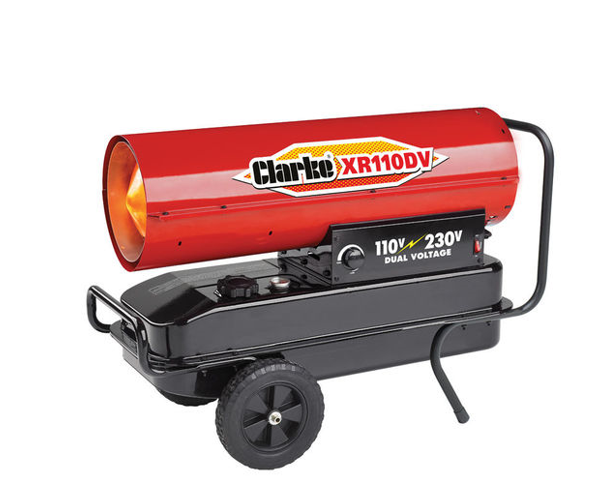
Diesel Space Heaters
It is a strong and practical heating solution, especially if you need fast and reliable warmth. Diesel space heaters work by burning diesel fuel to produce heat. It is ideal for large rooms, garages, workshops, or even whole homes in colder areas. If your home is off the gas grid or you need a backup heating option, it can be very effective. You can place it where heat is needed most.
Diesel space heaters are known for producing high heat output in a short time. It makes them useful during extremely cold weather when other systems struggle to keep your space warm. Modern diesel heaters are more efficient and cleaner than older ones. You can use them to reduce fuel waste. You also benefit from lower running costs compared to electric systems.
Gas Central Heating
It remains one of the most common heating choices in modern homes across the UK. If your property is connected to the gas network, this system offers steady and reliable warmth throughout your home. Gas boilers heat water, which then flows through radiators or underfloor pipes to ensure even heat in every room.
Modern gas boilers are far more efficient than older ones. They use less fuel to produce the same amount of heat, which helps you keep energy bills under control. You can also pair gas central heating with smart thermostats. It allows you to adjust temperatures room by room. It means you only heat the spaces you use.
Heat Pumps
They are becoming more popular in modern homes because they offer an energy-efficient way to stay warm. A heat pump moves heat from outside air or the ground into your home. Even in cold weather, there is still heat available outdoors. It makes heat pumps a smart option if you want to lower your carbon footprint while keeping your home comfortable.
Though the installation cost can be higher, they are more affordable to run over time. They use electricity but produce more heat than the energy they consume. It means lower bills, especially when combined with good insulation. Heat pumps work best in modern homes with underfloor heating or large radiators.
Underfloor Heating
Underfloor heating is a popular choice in modern homes because it provides gentle and even heat. Instead of warming the air from one point, heat rises from the floor and spreads across the room. It creates a comfortable environment without cold spots. You benefit from a clean look because no visible radiators are taking up wall space.
You can use underfloor heating with electric systems or water-based systems connected to a boiler or heat pump. It works especially well in well-insulated homes, as it runs at lower temperatures. Underfloor heating is ideal for living areas, bathrooms, and kitchens where comfort matters most.
Electric Fireplaces
It is a modern heating solution that combines warmth with visual appeal. Unlike traditional fireplaces, it does not require a chimney or ventilation. You can install it almost anywhere in your home, which makes it a convenient option. Electric fireplaces use electricity to produce heat and realistic flame effects.
You can opt for the HOMCOM Wall Mounted Ethanol Fireplace to benefit from instant heat at the push of a button. The best part is that it doesn’t create any mess and is easier to maintain. Many electric fireplaces allow you to adjust heat levels or enjoy the flame effect without heat.
Electric Radiators
They are a simple and flexible heating option for modern homes. They are easy to install and do not require pipes, boilers, or major building work. It makes them ideal if you want to upgrade heating in specific rooms or avoid complex systems. You can control each radiator separately, which gives you full control over where and when you use heat.
Modern electric radiators are designed to hold heat efficiently, reducing energy waste. Many models come with built-in timers and thermostats. They are particularly useful in flats, home offices, or spare rooms that are not used all the time.
Choosing the right heating option for your modern home depends on your needs and lifestyle. You can opt for any of the aforementioned ones to keep your space warm within your budget.


Cooking at home is one of the best ways to save money and eat healthier—but it can also quietly increase your electricity bill if you’re not careful. Many everyday cooking habits use more energy than necessary, and most people don’t even realize it.
The good news? You don’t need to stop cooking your favorite meals. With a few simple adjustments, you can reduce energy waste while keeping your kitchen routine just as efficient and enjoyable.
In this guide, we’ll explore the most common energy-wasting cooking habits—and the easy swaps that can make a real difference.
Why Cooking Uses More Energy Than You Think
Cooking appliances are some of the most energy-intensive tools in your home.
They often involve:
- High heat
- Long cooking times
- Frequent use
When combined with inefficient habits, energy use increases quickly—especially if you cook multiple meals a day.
The Most Common Energy-Wasting Cooking Habits
Let’s break down the biggest culprits in everyday kitchens.
1. Preheating the Oven Too Early
Many people turn on the oven long before they’re ready to cook.
Why it wastes energy:
- The oven runs empty for several minutes
- Heat is lost before food is even inside
Easy swap:
- Preheat only when your ingredients are fully prepared
- Use the time efficiently so the oven isn’t running unnecessarily
2. Opening the Oven Door Frequently
It’s tempting to check on your food—but every time you open the oven door, heat escapes.
Why it wastes energy:
- The oven has to reheat to maintain temperature
- Cooking time may increase
Easy swap:
- Use the oven light and window instead
- Limit how often you open the door
3. Using the Oven for Small Meals
Ovens are powerful—but not always efficient for smaller portions.
Why it wastes energy:
- Large space requires more heat
- More energy than necessary for simple tasks
Easy swap:
- Use a toaster oven, microwave, or air fryer for smaller meals
- Match the appliance to the portion size
4. Cooking Without Lids
Boiling or simmering without a lid takes longer and uses more energy.
Why it wastes energy:
- Heat escapes continuously
- Cooking time increases
Easy swap:
- Cover pots and pans whenever possible
- Use lids to retain heat and cook faster
5. Using High Heat When It’s Not Needed
Turning burners or ovens to maximum heat doesn’t always speed things up.
Why it wastes energy:
- Excess heat is lost
- Food may cook unevenly
Easy swap:
- Use the appropriate heat level for each dish
- Lower heat once food reaches the desired temperature
6. Running Appliances Separately
Cooking multiple items one at a time increases total energy use.
Why it wastes energy:
- Appliances are reheated multiple times
- More total runtime
Easy swap:
- Cook multiple dishes at once
- Batch your cooking when possible
7. Not Using Residual Heat
Many people turn off appliances only when cooking is fully complete.
Why it wastes energy:
- Extra heat continues to run unnecessarily
Easy swap:
- Turn off the stove or oven a few minutes early
- Let residual heat finish the cooking process
8. Using the Wrong Cookware
Not all cookware distributes heat efficiently.
Why it wastes energy:
- Uneven heating requires longer cooking times
- More energy is needed to maintain temperature
Easy swap:
- Use flat-bottomed pans
- Choose cookware that matches your burner size
9. Ignoring Appliance Efficiency
Older or inefficient appliances use more electricity.
Why it wastes energy:
- Higher energy consumption per use
- Longer cooking times
Easy swap:
- Upgrade to energy-efficient appliances when possible
- Maintain your current appliances for optimal performance
The Hidden Cost of Inefficient Cooking
These habits may seem small, but they add up over time.
Increased Energy Consumption
Repeated inefficient practices raise overall usage.
Higher Utility Bills
Even minor inefficiencies can impact your monthly costs.
Unnoticed Waste
Because cooking is routine, energy waste often goes unnoticed.
Some households explore comparisons, like those found in puco apples to apples, to better understand their energy costs, but improving daily habits is often the fastest way to see savings.
Simple Cooking Habits That Save Energy
You don’t need to overhaul your kitchen—just make smarter choices.
1. Plan Meals Ahead
Reduce unnecessary cooking by:
- Preparing ingredients in advance
- Cooking in batches
- Avoiding last-minute decisions
2. Use the Right Appliance
Match the tool to the task:
- Microwave for reheating
- Slow cooker for long meals
- Air fryer for quick cooking
3. Cook Efficiently, Not Just Quickly
Focus on:
- Consistent heat
- Proper timing
- Minimal energy waste
4. Keep Appliances Clean
Dirty appliances work harder.
- Clean oven interiors
- Maintain burners
- Remove buildup
Efficiency improves with proper maintenance.
5. Be Mindful, Not Perfect
You don’t need to change everything overnight.
Start with:
- Using lids
- Avoiding unnecessary preheating
- Cooking multiple items at once
Small changes create lasting results.
The Bigger Picture: Smarter Cooking, Lower Costs
Cooking is a daily activity, which makes it one of the best opportunities to reduce energy use.
When you:
- Adjust small habits
- Use appliances efficiently
- Stay mindful of your routine
You can significantly lower your electricity consumption without sacrificing the meals you love.
Frequently Asked Questions (FAQs)
1. Does cooking really use a lot of electricity?
Yes. Ovens, stoves, and other kitchen appliances are among the highest energy users in most homes.
2. What’s the most energy-efficient way to cook?
Using the right appliance for the task, cooking with lids, and avoiding unnecessary heat are key strategies.
3. Is it better to cook multiple meals at once?
Yes. Batch cooking reduces the number of times appliances need to be used.
4. Do small habits really make a difference?
Absolutely. Small changes, when repeated daily, can significantly reduce energy use.
5. Are newer appliances more energy-efficient?
Generally, yes. Modern appliances are designed to use less energy while maintaining performance.
6. What’s the easiest change to start with?
Cooking with lids is one of the simplest and most effective ways to save energy.
Final Thoughts
Energy-efficient cooking isn’t about giving up your favorite meals—it’s about making smarter choices in how you prepare them.
By recognizing the habits that waste electricity and replacing them with simple alternatives, you can reduce your energy use without adding complexity to your routine.
Start small. Stay consistent. And let your kitchen work smarter—not harder.

Bringing a new baby home is life-changing in every way—from your daily routine to your sleep schedule. But one thing many new parents don’t expect? A noticeable increase in their electricity usage.
Almost overnight, your home starts running differently. Lights stay on longer, appliances are used more frequently, and comfort becomes a top priority. These changes are completely natural—but they can also lead to higher energy bills if you’re not aware of them.
In this article, we’ll break down how having a baby affects your electricity consumption and share practical, realistic ways to manage it without adding stress to your already busy life.
Why Electricity Use Increases After a Baby Arrives
The shift isn’t about one big change—it’s about many small ones that happen all at once.
1. Lights Stay On Longer
Newborns don’t follow a day-night schedule.
- Late-night feedings
- Diaper changes
- Frequent wake-ups
This means lights are often turned on at all hours. Even if you try to keep things dim, the overall usage increases simply because you’re awake more often.
2. More Laundry Than Ever Before
Babies go through multiple outfit changes daily.
- Spit-ups
- Diaper leaks
- Messy feeding times
As a result, washing machines and dryers run more frequently—sometimes daily.
3. Temperature Control Becomes a Priority
Babies are more sensitive to temperature changes.
Parents often:
- Keep air conditioning or heating running consistently
- Avoid turning systems off overnight
- Maintain a stable indoor climate
This can significantly increase energy usage, especially in extreme weather.
4. New Devices and Equipment
A baby often means new electrical items, such as:
- Bottle warmers
- Sterilizers
- Baby monitors
- White noise machines
- Night lights
Each device may use a small amount of energy, but together, they add up.
5. Around-the-Clock Appliance Use
Unlike before, your home may rarely “power down.”
- Devices stay plugged in
- Appliances are used at odd hours
- Electronics remain on standby
Your home becomes a 24/7 environment.
The Emotional Side of Energy Use
When you have a baby, your priorities shift—and rightly so.
You’re focused on:
- Comfort
- Safety
- Convenience
This often leads to decisions like:
- Leaving lights on to avoid disturbing the baby
- Keeping appliances running for quick access
- Avoiding changes that might disrupt sleep
In this stage of life, efficiency takes a back seat—and that’s completely understandable.
The Financial Impact
All these small changes can lead to:
Increased Energy Consumption
More usage across multiple devices and times of day.
Higher Monthly Bills
Even modest increases in daily use can become noticeable over time.
Less Predictable Usage Patterns
Your energy habits may feel inconsistent, making it harder to manage costs.
Many parents only start noticing this when comparing bills or exploring different options from energy companies to better manage their household expenses.
Practical Ways to Manage Energy Use With a Baby
The goal isn’t to cut back on comfort—it’s to make smarter, low-effort adjustments.
1. Switch to Soft, Energy-Efficient Lighting
Instead of bright overhead lights:
- Use LED night lights
- Install dimmable bulbs
- Keep lighting soft and focused
This reduces energy use and creates a calmer environment for your baby.
2. Be Strategic With Laundry
You don’t need to run smaller loads more often.
Try:
- Washing full loads when possible
- Using cold water settings
- Air-drying clothes occasionally
These small changes can lower energy consumption.
3. Optimize Temperature Settings
Keep your home comfortable without overdoing it.
- Set a consistent, moderate temperature
- Avoid extreme cooling or heating
- Use fans to support airflow
This helps maintain comfort while reducing energy use.
4. Use Timers and Automation
You already have enough on your plate—let technology help.
- Set timers for lights and devices
- Use smart plugs for appliances
- Schedule temperature adjustments
Automation reduces the need for constant decision-making.
5. Unplug What You Don’t Need
Some baby devices don’t need to stay plugged in all day.
- Bottle warmers
- Sterilizers
- Charging stations
Unplugging when not in use can reduce standby power.
6. Create Simple Routines
Even small habits can make a difference.
- Turn off lights after nighttime tasks
- Check appliances before going back to sleep
- Keep frequently used items easily accessible
Consistency helps without adding stress.
7. Give Yourself Grace
This stage of life is demanding.
You won’t always remember to:
- Turn things off
- Optimize usage
- Follow routines perfectly
And that’s okay.
Focus on small improvements—not perfection.
The Bigger Picture: Your Home Is Adapting Too
Having a baby transforms your home into a space that supports constant care and comfort.
Your energy usage reflects that shift.
Instead of seeing higher electricity use as a problem, think of it as:
- A temporary adjustment
- A natural part of parenthood
- An opportunity to build smarter habits over time
Frequently Asked Questions (FAQs)
1. Is it normal for electricity bills to increase after having a baby?
Yes. Increased usage from lighting, laundry, and temperature control is very common for new parents.
2. Which appliances contribute most to the increase?
Air conditioning/heating systems, washing machines, dryers, and baby-related devices are the biggest contributors.
3. How can I reduce energy use without affecting my baby’s comfort?
Focus on small changes like using energy-efficient lighting, setting moderate temperatures, and using timers.
4. Should I unplug baby devices when not in use?
Yes, if they’re not needed continuously. This helps reduce standby energy consumption.
5. Is it worth investing in smart home devices as a new parent?
Yes. Automation can save time and energy, making it easier to manage your home efficiently.
6. How long does this increase in energy use typically last?
It varies, but usage often stabilizes as your baby grows and routines become more predictable.
Final Thoughts
Welcoming a baby into your home changes everything—including how you use electricity. The increase in energy consumption is natural and often unavoidable, especially in the early months.
But with a few mindful adjustments, you can manage your usage without sacrificing comfort or convenience.
Start small. Keep it simple. And remember—your priority is your baby, not perfect energy efficiency.
Over time, as your routine settles, you’ll find a balance that works for both your family and your energy costs.


In the modern over-saturated digital space, it is not only pleasant but also necessary to stand out. There is intense competition among brands on the attention of such platforms as Instagram, Tik Tok, and YouTube. However, here is the point: generic advertisements and posts tend to turn into the noise. What really works? Partnerships with influencers and social media marketing or SMM that cuts the noise. These are some of the strategies that can assist you Outperform competitors because they exploit authentic trust and buzz.
Think about it. Individuals do not make purchases with nameless organizations any more. They subscribe to innovators whom they resonate with. Influencer marketing allows you to borrow that credibility. Combine it with the SMM strategy – such as targeted posts, stories, and reels, and you can see your message go viral.
Table of Contents
Why Influencer Marketing Packs a Punch
Influencers are not mere beautiful models with fans. They are narrative speakers who relate at a personal level. When a fitness celebrity is screaming your protein shake, her followers will listen to her since they have witnessed her struggling during exercise. That is true authenticity that is not made.
Pick the right ones, though. Micro-influencers (those with 10k-100k followers) can usually provide better engagement rates than mega-stars. They are niche influencers – a skincare blogger to promote your brand or a gamer to your energy drink. The prices are different, however, micros charge about 100-500 per post, and then it increases.
Collaborate closely. Create together: unboxings, tutorials, or challenges. Monitor performance using special discount codes or affiliate links. I have witnessed campaigns increase by 30 percent sales in the night due to the credibility of endorsement by fans.
The Power of SMM in Your Arsenal
SMM is not rocket science yet it requires routine. It is all about the fueling the fire influencers begin. Post user-generated content, conduct polls, and respond to all the comments. Algorithms are fond of active accounts.
Use hashtags, but do not overload hashtags. Use 5-10 applicable ones on each post, such as hashtags such as FitnessJourney or SmallBusinessWins. Preminence is given to stories and Reels, which are short videos, less than 15 seconds long and catch the attention of the viewers in a short period.
Paid boosts amplify reach. Spam an Instagram ad at a cost of 50 dollars and reach thousands of people in your target audience. Sprinkle with organic SMM to grow the compound. Applications such as schedulers will ensure you do not run out of steam posting on the daily.
Blending Both for Maximum Impact
It is the magic of their combination. Begin with an influencer partnership to get the attention going. Continue follow-ups with SMM blasts: repeat their content, do behind-the-scenes reels, and make giveaways. This forms a loop of feedback, the more shares, the more visible.
An example: A regional coffee brand partnered with food influencers on taste-test videos. They were followed by SMM competitions (Tag a friend free lattes!). The sales increased 45 percent within a month and left chain cafes behind.
Measure everything. Impressions, clicks and conversions are followed by tools. Tailor made—whatever works Reels work, put your money in it.
Challenges and How to Dodge Them
It’s not all smooth. Some of the influencers are full of faker followers- vet them using engagement audits (likes/comments over 3-5%). Spend smart; put 60 percent of your budget on influencers and 40 percent on SMM.
Stay compliant. Disclosure partnerships with #ad. Establish genuine relationships, not casual ones. Authenticity is a way to ensure repeat audiences.
Conclusion
Competitive advantage is not about outworking the competition but outwitting. Influencer marketing creates trust; SMM multiplies. They make them loyal customers together. Begin with little: locate one influencer, publish regularly, and see your brand skyrocket. Your competitors will not be aware of what struck them.

Key Features to Look for in Modern Test Management Tools

Cooking Habits That Waste the Most Electricity (And Easy Swaps)

How Having a Baby Changes Your Electricity Consumption Overnight

Rise Above Competitors with Influencer and SMM Marketing

Increase Social Capital with Proven SMM Promotion Strategies

Safe and Effective Ways to Buy Growth for Marketing Success

Enclomimed 25 (Enclomiphene) – Effective PCT Protocol

Nancy Hallam: The Inspiring Life, Career, and Success Story Behind Ian Wright’s Wife

Who Is Maisie Mae Roffey? The Private Life, Family Story, and Quiet Success of Julie Walters’ Daughter

Roy Hodges: Biography, Lifestyle, Net Worth, Family & Success Story (2025)

Johnny Carell: Inside the Life, Family, and Rising Success of Steve Carell’s Son

Meet Nancy Strang: The Inspiring Life, Success Story, and Legacy of Louis Theroux’s Wife
Enclomimed 25 (Enclomiphene) – Effective PCT Protocol
Nancy Hallam: The Inspiring Life, Career, and Success Story Behind Ian Wright’s Wife
Who Is Maisie Mae Roffey? The Private Life, Family Story, and Quiet Success of Julie Walters’ Daughter
Roy Hodges: Biography, Lifestyle, Net Worth, Family & Success Story (2025)
Johnny Carell: Inside the Life, Family, and Rising Success of Steve Carell’s Son
Meet Nancy Strang: The Inspiring Life, Success Story, and Legacy of Louis Theroux’s Wife
-
 Health3 months ago
Enclomimed 25 (Enclomiphene) – Effective PCT Protocol
-
Celebrity5 months ago
Nancy Hallam: The Inspiring Life, Career, and Success Story Behind Ian Wright’s Wife
-
Celebrity5 months ago
Who Is Maisie Mae Roffey? The Private Life, Family Story, and Quiet Success of Julie Walters’ Daughter
-
Celebrity4 months ago
Roy Hodges: Biography, Lifestyle, Net Worth, Family & Success Story (2025)
-
Celebrity6 months ago
Johnny Carell: Inside the Life, Family, and Rising Success of Steve Carell’s Son
-
Celebrity4 months ago
Meet Nancy Strang: The Inspiring Life, Success Story, and Legacy of Louis Theroux’s Wife
-
 Celebrity3 months ago
Who Is Daniel Clifton Pratt? Inside the Life, Family Values, and Legacy Behind Chris Pratt’s Father
-
 Celebrity6 months ago
Charlotte Edwardes: The Inspiring Journey of a British Journalist and Robert Peston’s Partner