
Health
Sleep Rituals You Can Start Tonight


In the past, sleep deprivation was considered an ageing process. But in this era, sleep issues are becoming a global health concern. Insufficient sleep has a direct link with increased heart problems, obesity, diabetes, accidents, and more.
So, apart from medication that also comes with side effects, it is high time to implement sleep-supportive habits in daily life for prevention. In this guide, learn about sleep rituals with safe and proven results for every age group.
Natural Strategies to Maintain Sleep Hygiene
Here are some science-backed sleep-boosting habits effective for managing insomnia and similar sleep issues.
- Having a Consistent Bedtime
Consistency in sleep and wake-up times is essential for synchronizing the circadian rhythm with external timing. Our body’s internal clock works well if we follow a fixed sleep time. Ensure you go to bed at the same time every day. Initially, it may be difficult to fall asleep, but with time, your brain becomes able to recognize nighttime.
Once the brain can differentiate day and night, melatonin production is adjusted accordingly. This sleep hormone should be high at night and low during the day for alertness, which is possible only with a consistent bedtime routine.
- Practicing Digital Detox
Doomscrolling is now taken as a wind-down activity before bedtime, but the reality is opposite.
Suppressed Melatonin Production
The blue light emitted by digital screens disrupts the circadian rhythm. Our brains get confused with bright light exposure, taking it as daytime. This suppresses melatonin production, the sleep hormone.
Anxiety Issues
Constant exposure to negative news increases cortisol levels. Anxiety issues are common in people with excessive mobile usage. Moreover, our brain remains active in processing information constantly, leading to mental overload as well. Both these factors contribute to sleep disturbances and worsen insomnia.
Based on the negative effects of doomscrolling, avoid screen time at least one to two hours before bedtime.
- Sleep-supporting Supplements
Gummies for sleep support may serve as a natural therapy by calming the nervous system. Low doses of various cannabis compounds before bedtime reduce nighttime awakenings. However, such supplements are not yet FDA-approved. So, you must consult a healthcare provider before regular use.
- Alcohol and Caffeine Cutoff
Alcohol leads to circadian rhythm disturbance and shortens sleep duration. Its regular intake worsens insomnia symptoms. So, one must moderately consume or completely refrain from its use with sleep deprivation.
Along with alcohol avoidance, caffeine is another factor in staying alert at night, hindering successful wind-down. Caffeine consumption can reduce total sleep duration by 45 minutes. So, avoid alcohol and caffeine and replace them with herbal soothing teas such as chamomile or lavender.
- Thermoregulation
Room temperature has a direct effect on sleep quality, particularly the temperature. A bedroom that is too cold or too hot increases nighttime awakenings. During sleep, the core body temperature declines naturally, and to activate this natural body behavior, a slightly cool room temperature of around 20–25°C is ideal.
An increase in temperature from 25°C to 30°C was found to be related to poor sleep hygiene. So, if you are facing frequent nighttime issues, then look for temperature adjustment. In summer, have an air conditioning unit or other cooling device to maintain a temperature of around 25°C.
- Having a Warm Shower/Bath
A daily warm-water bath after evening has remarkable results for sleep restoration. It is beneficial for sleep with these soothing effects.
Reduces Temperature
As mentioned above, the core body temperature naturally reduces during sleep, and a warm shower can help achieve it. You experience calming effects with a warm bath at around 40 to 42.5°C before bedtime. This warm-water exposure raises the body’s temperature. As a response, the body’s core temperature declines, having a calming effect on the nervous system.
Provide Pain Relief
Warm water also helps relieve pain and discomfort and relax tense muscles. Both pain and fatigue are significant factors behind sleep disturbance. With a relaxed mind and body, you are more likely to get uninterrupted sleep.
In Conclusion
Sleep deprivation is becoming common in all age groups due to unhealthy lifestyles. However, it becomes worse if left untreated. So, you need to take timely intervention in the form of both pharmaceutical and complementary treatment.
The above-mentioned science-backed rituals help to maintain sleep hygiene and address insomnia symptoms. However, these strategies take time to show the desired results, so consistency is essential.



Kevin Krasinski is best known as the older brother of John Krasinski, but his life tells a completely different story of success. Instead of pursuing a career in entertainment, he followed a path in medicine and built a respected reputation as an orthopedic surgeon. His journey reflects discipline, focus, and long-term commitment to excellence.
His story is also a strong example of how a grounded lifestyle and supportive upbringing can shape a meaningful career. While his brother gained global fame, Kevin quietly built his own identity in healthcare. His life reflects strong family tree values, professional dedication, and a clear definition of personal success.
Quick Bio
| Field | Details |
|---|---|
| Full Name | Kevin Krasinski |
| Profession | Orthopedic Surgeon |
| Nationality | American |
| Ethnicity | Polish-American |
| Birth Year | Estimated 1970s |
| Age (2026) | 48–55 years |
| Height | 191–193 cm (6’3”–6’4”) |
| Weight | 85–95 kg |
| Net Worth | $1M – $3M (estimated) |
| Father | Dr. Ronald Krasinski |
| Mother | Mary Clare Krasinski |
| Siblings | John Krasinski, Paul Krasinski |
| Marital Status | Private |
| Children | Not publicly disclosed |
| Residence | North Carolina, USA |
Who Is Kevin Krasinski?
Kevin Krasinski is a board-certified orthopedic surgeon who specializes in sports medicine, with a focus on shoulder and knee injuries. While many recognize the Krasinski name because of John Krasinski, Kevin has established his own professional identity through years of medical training and patient care.
His success did not come from public attention or media exposure. Instead, it developed through years of study, residency, and hands-on experience in the medical field. His work with athletes and active individuals shows how his expertise directly impacts people’s lives. This form of success is quieter but equally meaningful.
Early Life and Background of Kevin Krasinski
Kevin Krasinski was raised in Newton, Massachusetts, a place known for its strong education system and family-oriented environment. His early lifestyle was centered around academics, discipline, and strong family values. Growing up in such an environment helped shape his long-term goals and career choices.
From a young age, Kevin was exposed to the importance of education and responsibility. His parents emphasized hard work and consistency, which later became key factors in his professional journey. His Polish-American heritage also played a role in shaping his identity and sense of discipline.
Family Tree and Upbringing
The Krasinski family tree reflects a strong connection to healthcare and education. Kevin’s father, Dr. Ronald Krasinski, worked as a physician, while his mother, Mary Clare Krasinski, worked as a nurse. This environment naturally encouraged Kevin to pursue a medical career.
Growing up with his brothers, including John Krasinski and Paul Krasinski, Kevin experienced a supportive and encouraging household. The family maintained close relationships, and their shared experiences helped shape their individual paths. The strong family tree continues to influence their lives even today.
Relationship With John Krasinski
Kevin Krasinski shares a close and supportive relationship with his younger brother John Krasinski. Despite their different career paths, the brothers have maintained a strong bond over the years. Their shared upbringing in Massachusetts created a foundation of trust and understanding.
John has often mentioned his brothers in interviews, highlighting their humor and support. Kevin and Paul have been known to keep John grounded, even as he gained international fame. This dynamic reflects a balanced lifestyle where family remains central, regardless of career differences.
Education and Academic Journey
Kevin Krasinski’s academic journey reflects dedication and focus. He attended Colgate University, where he majored in biology. This choice laid the foundation for his future medical career and demonstrated his early interest in science and healthcare.
After completing his undergraduate studies, Kevin went on to attend Tufts University School of Medicine. He continued to build his knowledge and skills through rigorous training. His commitment to education played a key role in achieving long-term success in the medical field.
Medical Training and Specialization
Kevin completed his residency in orthopedic surgery at Tufts-New England Medical Center in Boston. This stage of his career involved intensive training and hands-on experience in treating musculoskeletal conditions.
He further advanced his expertise by completing a fellowship in sports medicine and shoulder surgery at Duke University Medical Center. This specialization allowed him to focus on treating athletes and active individuals, strengthening his reputation in the field. His journey reflects how focused training leads to professional success.
Kevin Krasinski’s Professional Career in Orthopedic Surgery
Kevin Krasinski works as an orthopedic surgeon specializing in sports medicine, particularly shoulder and knee injuries. His career has involved working with athletes at various levels, helping them recover and return to peak performance.
He has served as a team physician for Boston College athletics and worked with sports programs at Duke University and the University of North Carolina. These roles highlight his expertise and dedication. His success is built on years of consistent effort and professional growth.
Work With Athletes and Sports Teams
Kevin’s work with athletes is a major part of his professional lifestyle. He has treated sports-related injuries and provided medical support to teams, ensuring players maintain their health and performance.
His experience includes working with college athletics and minor league teams. This role requires precision, quick decision-making, and deep knowledge of sports injuries. His contributions to athlete care demonstrate a high level of professional success.
Lifestyle and Daily Routine
Kevin Krasinski maintains a structured and disciplined lifestyle. As a medical professional, his daily routine likely includes patient consultations, surgeries, and follow-ups. His work demands focus and attention to detail.
Outside of his profession, Kevin values privacy and simplicity. Unlike his brother, he avoids public attention and media exposure. His lifestyle reflects balance, responsibility, and a focus on meaningful work rather than fame.
What Is Kevin Krasinski’s Net Worth?
Kevin Krasinski’s net worth is estimated to be between $1 million and $3 million. This estimate is based on his long-term career as an orthopedic surgeon and his experience in sports medicine.
His financial success comes from consistent professional work rather than entertainment or endorsements. His net worth reflects stability and a steady career path, highlighting the benefits of choosing a reliable profession.
Height, Physical Appearance, and Presence
Kevin Krasinski is known to be taller than his brother John Krasinski, who stands at 6 feet 3 inches. His estimated height is around 6 feet 3 to 6 feet 4 inches, giving him a strong physical presence.
His build is consistent with an active and professional lifestyle, likely weighing between 85 and 95 kilograms. While these details are not officially confirmed, they align with general observations. His appearance reflects confidence and professionalism.
Personal Life and Relationships
Kevin Krasinski keeps his personal life private. There is no confirmed public information about his spouse, relationships, or children. This privacy aligns with his overall lifestyle, which avoids media attention.
Despite limited public details, it is clear that family remains important to him. His close relationship with his brothers reflects strong personal values and a stable family environment.
Social Media and Public Presence
Kevin Krasinski does not maintain a visible presence on social media. Unlike many public figures, he prefers to keep his life offline and focused on his career.
This choice highlights a different kind of lifestyle, one that values privacy over visibility. In contrast to modern trends, Kevin’s limited social media presence reinforces his commitment to a professional and personal balance.
Success Story and Life Lessons
Kevin Krasinski’s journey is a powerful example of success built on dedication and discipline. While his brother achieved fame in Hollywood, Kevin found his path in medicine and created a meaningful career.
His story shows that success does not always come from public recognition. Instead, it can come from helping others, building expertise, and maintaining strong values. His life reflects the importance of a supportive family tree and a focused lifestyle.
Conclusion
Kevin Krasinski represents a different kind of success, one that is grounded in professionalism, privacy, and purpose. His journey from a student in Massachusetts to a respected orthopedic surgeon highlights the power of education and dedication.
While he may not be a public figure, his life story is inspiring. His strong family tree, disciplined lifestyle, and steady career path demonstrate that meaningful success can be achieved in many ways.
FAQs
Who is Kevin Krasinski?
Kevin Krasinski is an orthopedic surgeon and the older brother of John Krasinski.
What is Kevin Krasinski’s net worth?
His net worth is estimated to be between $1 million and $3 million.
How tall is Kevin Krasinski?
He is estimated to be around 6 feet 3 to 6 feet 4 inches tall.
What does Kevin Krasinski do?
He is a board-certified orthopedic surgeon specializing in sports medicine.
Is Kevin Krasinski active on social media?
No, he maintains a private lifestyle and does not have a public social media presence.
Health
From Data to Decisions: How Predictive Health Intelligence Is Reducing Workforce Risk in 2026

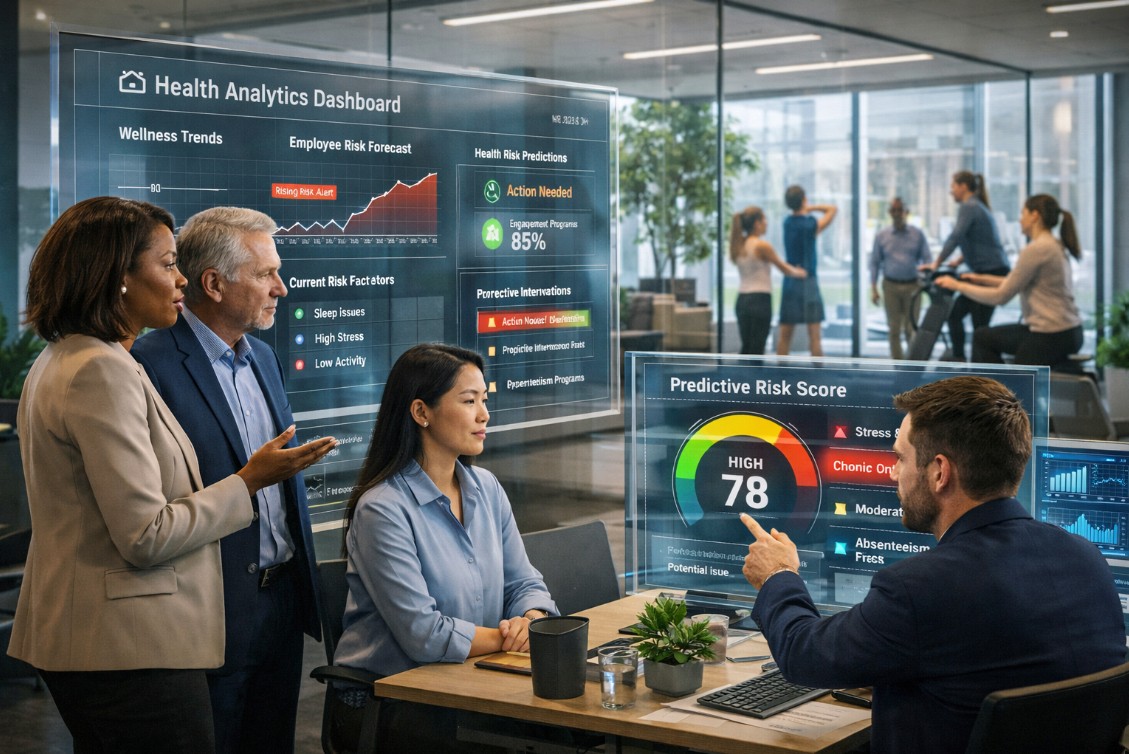
In 2026, enterprise leaders are facing a silent but escalating crisis: rising healthcare costs, increasing absenteeism, and declining workforce resilience. Global organizations are no longer just reacting to employee health issues—they are being forced to predict, prevent, and proactively manage them.
The shift is clear. Traditional wellness programs—once limited to gym reimbursements and annual checkups—are being replaced by intelligent, data-driven systems. At the center of this transformation is predictive health intelligence, powered by AI and advanced analytics.
For HR leaders, CFOs, and decision-makers, this isn’t just a wellbeing initiative—it’s a business-critical strategy.
The Rising Cost of Workforce Risk
Healthcare expenses have become one of the fastest-growing cost centers for enterprises. Alongside this, indirect costs such as absenteeism, presenteeism (working while unwell), and employee disengagement are eroding productivity at scale.
Recent industry insights show:
- Organizations lose up to 20–30% of productivity annually due to health-related issues
- Absenteeism costs large enterprises millions per year
- Poor employee health contributes to higher insurance premiums and claims
The problem? Most companies still rely on reactive systems—intervening only after issues occur.
What Is Predictive Health Intelligence?
Predictive health intelligence combines AI, behavioral data, wearable technology, and employee engagement metrics to forecast potential health risks before they escalate.
Instead of asking:
“Who is sick right now?”
It answers:
“Who is likely to face a health issue in the next 3–6 months—and how can we prevent it?”
Core Components
- Data Collection
- Activity levels (steps, movement, exercise)
- Sleep patterns
- Engagement in wellness programs
- Stress indicators and behavioral trends
- AI & Machine Learning
- Identifies patterns across large populations
- Detects early warning signs of burnout, inactivity, or chronic risk
- Actionable Insights
- Personalized nudges
- Team-level health trends
- Organizational risk forecasting
From Insight to Action: How Enterprises Are Using AI in Wellness
The real power of predictive health intelligence lies in its ability to drive proactive decision-making.
1. Preventing Burnout Before It Happens
AI models can detect:
- Reduced activity levels
- Declining engagement
- Changes in behavioral patterns
These signals often precede burnout.
Organizations can intervene with:
- Wellness challenges
- Flexible work adjustments
- Mental health support
2. Reducing Absenteeism Through Early Intervention
Predictive systems identify high-risk groups based on:
- Sedentary behavior
- Low participation in wellness initiatives
- High stress indicators
By targeting these employees early, companies can:
- Improve health outcomes
- Reduce sick days
- Lower insurance claims
3. Personalizing Employee Wellbeing at Scale
Modern employee wellness platforms are no longer one-size-fits-all.
AI enables:
- Personalized fitness challenges
- Tailored incentives
- Individual health journeys
This drives significantly higher engagement compared to traditional programs.
Real-World Application: Data-Driven Wellness in Action
Leading enterprises are already leveraging predictive health intelligence to transform outcomes.
Case Example: Global Financial Institution
A multinational bank implemented an AI-powered corporate wellness platform to address declining employee engagement and rising absenteeism.
Results within 6 months:
- 10% reduction in absenteeism
- 60% increase in employee participation
- Improved productivity across key departments
Case Example: Consulting Firm
A global consulting company introduced gamified wellness challenges integrated with predictive analytics.
Outcomes:
- Employees logged hundreds of days of collective activity in weeks
- Significant improvements in mental wellbeing
- Stronger team cohesion across remote offices
The Role of Corporate Wellbeing Apps for Employees
At the core of this transformation are corporate wellbeing apps for employees—platforms that combine engagement, data, and AI into a single ecosystem.
These apps are evolving into enterprise intelligence systems, offering:
- Real-time health data tracking
- Predictive risk modeling
- Engagement-driven wellness programs
- ROI measurement for HR leaders
Related Keywords Integrated:
- employee wellbeing apps
- corporate wellness platforms
- employee wellness platform
Why Traditional Wellness Programs Fail
Before understanding the future, it’s important to recognize why legacy approaches fall short:
- Low engagement (often below 20%)
- Lack of measurable ROI
- No personalization
- No predictive capabilities
Without data, companies are essentially operating in the dark.
Enter GoJoe: Closing the Data Loop
One of the standout innovations in this space is GoJoe, a performance health platform designed to bridge the gap between engagement and predictive intelligence.
What Makes GoJoe Different?
Unlike traditional corporate wellness platforms, GoJoe focuses on behavior-driven data and inclusive engagement, ensuring that every employee—not just the most active—participates.
How GoJoe Transforms Workforce Health
1. Predict → Activate → Measure → Reduce
GoJoe model is built around a closed-loop system:
- Predict: Identify health risks using behavioral data
- Activate: Engage employees through challenges and rewards
- Measure: Track participation and outcomes
- Reduce: Lower healthcare costs and absenteeism
2. Gamification That Drives Real Engagement
- 60+ inclusive activities (not just steps)
- Team-based challenges across global workforces
- Social connection as a core engagement driver
Impact:
- 90% average engagement rate
- 5x higher retention than industry standards
3. AI-Powered Insights
With partnerships including leading institutions, GoJoe delivers:
- Deep analytics on workforce health
- Actionable insights for HR teams
- Predictive modeling for risk reduction
4. Measurable Business Outcomes
Organizations using GoJoe report:
- 10% reduction in absenteeism
- 40% decrease in workplace stress
- 67% increase in productivity perception
- 74% improvement in work-life balance
5. Seamless Integration with Insurance
Through partnerships like Bupa, GoJoe connects wellness data with health insurance insights—helping companies:
- Lower premiums
- Reduce claims
- Make smarter policy decisions
The ROI of Predictive Health Intelligence
For enterprise leaders, the key question is simple:
Does it deliver measurable ROI?
The answer is increasingly yes.
Direct Benefits
- Reduced healthcare costs
- Lower absenteeism
- Improved productivity
Indirect Benefits
- Stronger employer branding
- Higher employee retention
- Better workplace culture
Companies investing in predictive health systems are seeing multi-fold returns—both financially and culturally.
Strategic Insights for 2026 and Beyond
As we move deeper into the era of AI-driven workplaces, several trends are becoming clear:
1. Health Data Will Be a Core Business Metric
Workforce health will sit alongside revenue and profitability as a key KPI.
2. AI Will Drive HR Decision-Making
From hiring to retention to wellbeing—AI will guide strategic choices.
3. Engagement Will Define Success
The most advanced platform will fail without employee participation. Gamification and inclusivity will be critical.
4. Preventive Health Will Replace Reactive Models
Organizations that fail to adopt predictive systems will face rising costs and declining performance.
Conclusion: From Wellness to Workforce Intelligence
Predictive health intelligence is no longer a futuristic concept—it’s a competitive necessity.
Enterprises that embrace AI-powered employee wellbeing apps and corporate wellness platforms are not just improving health outcomes—they are transforming how businesses operate.
By shifting from reactive care to proactive intelligence, organizations can:
- Reduce workforce risk
- Improve productivity
- Build resilient, high-performing teams
Platforms like GoJoe are leading this evolution—turning everyday employee activity into powerful insights that drive real business impact.

Companies are getting much better at recognising mental health challenges, and providing support for their staff. However, there’s always room for improvement.
Let’s discuss how approaches to employee mental health have evolved over the years, what workplaces can do to comply with legal obligations, and how employees can learn to put themselves first.
Overview: Mental Health in the Workplace
As mental health becomes a natural part of conversations in the UK, it’s slowly making its way into the world of business.
Gone are the days when you would never mention your emotions at work, for fear of being seen as unprofessional or out of control. In many workplaces, it’s now socially and professionally acceptable to discuss things like stress, burnout, and the impact of work-life boundaries.
When the topic of mental health is normalised, employees feel safe being themselves at work, and reaching out for help when they need it.
Why are Workplace Attitudes to Mental Health Shifting?
Workplace culture reflects society at large, and in recent years, we’ve seen a huge shift in mental health discourse. Attitudes have evolved in a positive way, leading to:
- More open conversations
- Empathy for people with mental health conditions
- Reduced stigma
- Increased support for mental health issues
It’s likely that the global pandemic accelerated some of these changes, as many of us were forced to let go of an unhealthy work-life balance, and some realised they could be just as productive in their roles without working extremely long hours or commuting an hour to and from the office.
Another key reason for the attitude shift is the legal focus on employer responsibility.
Example: sexual harassment
The Equality Act 2010 gave a clearer definition of sexual harassment and legal guidance for employees who wanted to make a claim. This Act emphasised that employers would be liable if harassment occurred.
In 2023, the Worker Protection Act was introduced, and this led to even greater accountability for employers. As well as being responsible for harassment occurring, they are now responsible for taking reasonable steps to prevent it in the first place.
Employers have a duty of care to protect their employees’ mental health, and preventing sexual harassment is just one example of this.
As employers are legally obligated to prioritise mental health, it’s creating workplace cultures that embrace this issue, through:
- Formal mental health support
- Informal discussions about mental health
- External workshops and training on mental health
- Flexible working policies that benefit people who struggle with their mental health
Common Mental Health Challenges in the Workplace
When we talk about workplace mental health challenges, what are we referring to?
Firstly, many people in the workplace are diagnosed with a mental health condition, such as:
- Generalised anxiety disorder
- Social anxiety disorder
- OCD
- PTSD
- Depression
- Bipolar disorder
- Borderline personality disorder
Other conditions, such as physical or neurodevelopmental diagnoses, can also have a significant impact on mental health. These include:
- Autism
- ADHD
- Heart conditions
- Diabetes
- Autoimmune diseases
Let’s not make the mistake of thinking workplace mental health only matters when a diagnosis is involved. There are many other challenges employees face on a regular basis, that can make it harder to show up every day. For example:
- Impostor syndrome
- Low motivation
- High sensitivity
- Stress
- People pleasing tendencies
- Decision paralysis
Even simply mentioning these challenges can reduce stigma and help employees feel connected to their work community.
For example, just a few years ago, impostor syndrome wasn’t widely recognised. People who felt inadequate at work may have blamed themselves, and believed they were feeling something unique.
Now, it’s commonplace to refer to impostor syndrome, and it’s encouraged countless employees to be open about their insecurities. In the past, they may have felt that their impostor syndrome was stemming from genuine incompetence, but now, they know that it’s a well-known phenomenon that can affect any of us, even highly successful people.
Practical Steps Employers Can Take to Improving Workplace Mental Health
1. Providing training
All staff should receive mental health training, so they know when to reach out for support, and when to help someone who’s struggling.
2. Offering professional support
Many companies offer professional services such as counselling or therapy. It’s a great incentive for employees, and can reduce stress within the workplace.
3. Keeping the conversation open
It’s important to stay open about mental health, so that each member of staff would feel comfortable opening up about any issues.
4. Adapting policies
Conversation only goes so far. Adapting policies is where true change starts. Review your policies to ensure they account for mental health struggles.
For example, do your policies on working hours, sick leave and bereavement leave reflect a genuine care for your employees? Are you encouraging staff to use all of their annual leave, or allowing them to carry it over to the next year, instead of subtly incentivising overworking?
Tips for Looking After Yourself as an Employee
Your company could have the most understanding managers, and the most flexible work policies, but if you aren’t prepared to put your mental health first, you’re still risking burnout.
Think about how you can take care of your mental health in small ways each day, such as:
- Having a reliable morning routine
- Socialising in your breaks
- Taking regular time away from screens
- Only working the hours you’re scheduled to work
- Making the most of digital mental health resources
Why Companies Benefit From Prioritising Mental Health
When businesses invest in mental health, the benefits are not only felt by employees, but by the organisation as a whole.
It often leads to:
- Greater employee satisfaction
- Reduced absenteeism
- Healthier workforce
- Increased productivity
Employees who feel valued as individuals are more likely to turn up every day, work hard, and invest in their wellbeing. All in response to their employer prioritising it.
As the approach to workplace mental health continues to evolve, it’s crucial for organisations to stay ahead of the game, and show jobseekers that their culture aligns with modern attitudes.
When Company Support Isn’t Enough
If an employee is battling a severe mental health issue, changing policies and opening up conversations may not be sufficient. They may need to seek professional help, even beyond any counselling they already receive via the organisation.
Addiction is a prime example of this. An employee who is deep in substance addiction can’t heal overnight; they may need to go to inpatient drug or alcohol rehab to begin their recovery journey. Fortunately, many modern health plans, such as Cigna insurance coverage for rehab, provide comprehensive support for these essential services, ensuring that cost isn’t a barrier to life-saving residential treatment.
Employers can still play a crucial role in this, by spotting signs of deteriorating mental health in their staff, scheduling regular check-ins, and being flexible when it comes to someone taking time off work for treatment.
Remember that the employee’s health always has to come first, both legally and morally. The most supportive workplaces don’t just do the bare minimum. They look at how they can protect their employees’ wellbeing at all costs.
Someone getting a home detox may insist they can return to work days after, but as an employer, you should be considering whether they feel under pressure to return, and whether they’re in a healthy state to return.
Conclusion
Expectations are higher than ever for employers. The modern approach to workplace mental health values open conversations, adequate support, and flexibility.
However, it’s a shared responsibility between employers and employees. Staff should also be implementing strategies into their daily work routine to prevent challenges from arising.
With our top tips, a healthy balance can be achieved.

Mastering the Market: Why Every Gamer Needs a Reliable Blox Fruit Value List

Buying Properties with Sitting Tenants: What Every Investor Must Know

Sleep Rituals You Can Start Tonight

Game Maker without coding for beginners

Why Professional Property Valuation Is Important for Buyers

Why Most Walmart Sellers Struggle Without Proper Walmart Store Automation

Enclomimed 25 (Enclomiphene) – Effective PCT Protocol

Nancy Hallam: The Inspiring Life, Career, and Success Story Behind Ian Wright’s Wife

Who Is Maisie Mae Roffey? The Private Life, Family Story, and Quiet Success of Julie Walters’ Daughter

Johnny Carell: Inside the Life, Family, and Rising Success of Steve Carell’s Son

Roy Hodges: Biography, Lifestyle, Net Worth, Family & Success Story (2025)

Meet Nancy Strang: The Inspiring Life, Success Story, and Legacy of Louis Theroux’s Wife
Enclomimed 25 (Enclomiphene) – Effective PCT Protocol
Nancy Hallam: The Inspiring Life, Career, and Success Story Behind Ian Wright’s Wife
Who Is Maisie Mae Roffey? The Private Life, Family Story, and Quiet Success of Julie Walters’ Daughter
Johnny Carell: Inside the Life, Family, and Rising Success of Steve Carell’s Son
Roy Hodges: Biography, Lifestyle, Net Worth, Family & Success Story (2025)
Meet Nancy Strang: The Inspiring Life, Success Story, and Legacy of Louis Theroux’s Wife
-
 Health3 months ago
Enclomimed 25 (Enclomiphene) – Effective PCT Protocol
-
Celebrity5 months ago
Nancy Hallam: The Inspiring Life, Career, and Success Story Behind Ian Wright’s Wife
-
Celebrity5 months ago
Who Is Maisie Mae Roffey? The Private Life, Family Story, and Quiet Success of Julie Walters’ Daughter
-
Celebrity6 months ago
Johnny Carell: Inside the Life, Family, and Rising Success of Steve Carell’s Son
-
Celebrity4 months ago
Roy Hodges: Biography, Lifestyle, Net Worth, Family & Success Story (2025)
-
Celebrity4 months ago
Meet Nancy Strang: The Inspiring Life, Success Story, and Legacy of Louis Theroux’s Wife
-
 Celebrity3 months ago
Who Is Daniel Clifton Pratt? Inside the Life, Family Values, and Legacy Behind Chris Pratt’s Father
-
 Celebrity6 months ago
Charlotte Edwardes: The Inspiring Journey of a British Journalist and Robert Peston’s Partner