
Fashion
Choosing the Right Carpet for Every Room in Your Home

Selecting the right carpet for your home is about more than colour or pattern. The right choice improves comfort, reduces noise, supports insulation, and stands up to daily life. Each room has different demands, and understanding those differences helps you choose a carpet that looks good and performs well for years.
Carpets remain a popular flooring option across British homes because they combine warmth, softness, and versatility. However, a carpet that works beautifully in a bedroom may struggle in a busy hallway. Foot traffic, moisture, furniture weight, and cleaning needs all vary from room to room, something homeowners often discuss when visiting a Carpet Shop in Derby for practical advice. This guide breaks down what to consider when choosing carpets for different areas of your home, focusing on practicality as much as style.
Living rooms and shared spaces
Living rooms, family rooms, and open plan areas tend to experience moderate to heavy foot traffic. These spaces also need to balance comfort with durability, as they are used for relaxing, entertaining, and everyday movement.
A medium pile carpet is often a good choice here. It offers enough softness to feel comfortable underfoot while still being resilient enough to recover from furniture pressure and regular use. Twist pile carpets are particularly popular in living rooms because their tightly twisted fibres help disguise footprints and minor wear. For households with children or pets, a carpet with a subtle pattern or flecked design can help conceal marks and small stains.
Material choice also matters. Wool carpets offer natural resilience, excellent insulation, and a premium feel, but they can be more expensive. Synthetic options such as polypropylene are widely used in living spaces due to their stain resistance and lower maintenance requirements. Colour choice should reflect both lighting and lifestyle. Lighter shades can make a room feel larger, but mid tone neutrals are often more forgiving in busy homes.
Bedrooms and low traffic areas
Bedrooms are typically low traffic environments, making them ideal spaces for softer and deeper carpets. Comfort is often the priority here, as bedrooms are places of rest and relaxation. A plush or deep pile carpet can add a luxurious feel and provide warmth first thing in the morning.
Cut pile carpets, including saxony styles, are commonly chosen for bedrooms because of their smooth and velvety appearance. These carpets feel soft underfoot and enhance the cosy atmosphere of the room. Since bedrooms experience less wear, appearance retention is less of a concern than in shared areas.
Colour plays an important role in bedrooms. Soft neutrals, warm greys, and muted tones help create a calm environment. Carpets also contribute to sound insulation, reducing noise between floors in multi storey homes. While wool remains a strong option for comfort and longevity, blended fibres can offer a good balance of softness and affordability.
Hallways stairs and practical spaces
Hallways and stairs face the toughest conditions in most homes. These areas see constant foot traffic, frequent turning movements, and higher levels of dirt and moisture from shoes. As a result, durability and safety are key considerations.
Low pile carpets are generally best suited to these spaces. They are easier to clean, less likely to flatten, and provide better grip on stairs. Loop pile carpets, such as berber styles, are known for their strength and wear resistance, although they may not be ideal in homes with pets due to potential snagging.
Darker colours or patterned designs work well in hallways as they hide dirt and wear more effectively. Stain resistant fibres are highly recommended, especially near entrances. For stairs, ensure the carpet has a strong backing and is professionally fitted to reduce movement and improve safety. Practical spaces such as home offices or dining rooms may also benefit from similar considerations, especially where chair movement or spill risk is higher.
Choosing the right carpet for each room ensures your flooring not only looks good but also supports daily life. By matching pile type, material, and colour to how each space is used, you can create a home that feels comfortable, practical, and well considered throughout.


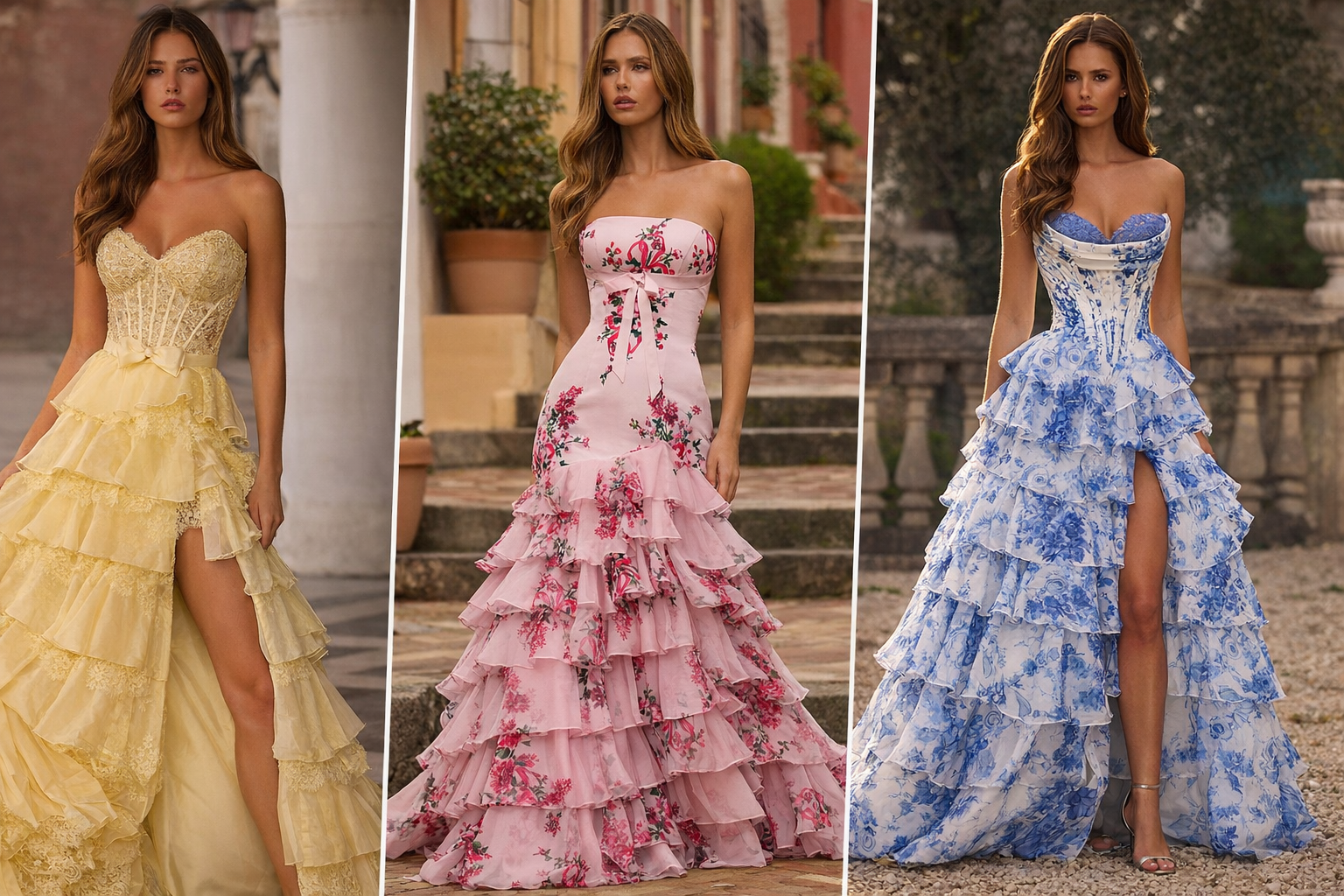
Prom is an important part of the high school experience. Whether you’re the parent of an attendee or someone who’s gearing up for the big day, it’s important to understand how much it will cost. Not only do you have to have funds aside to attend the event, but prom dresses are another big component, and some of them can cost a small fortune.
That said, the goal of this article is to help you understand the average prom dress cost. This way, you don’t have any surprises when it’s time to start shopping.
The Average Prom Dress Cost
When it comes to the average cost of a prom dress, it varies based on the style and quality of the dress. On average, you’ll find that people tend to spend between $150 and $1,500 on prom dresses. That said, the average cost tends to be around $400 to $600 for most mid-range prom dresses.
Now, once you dive into elegance, the cost can be around $750 to $1,500. On the other end of the spectrum, you can find some budget-friendly options for around $250 to $500, and you can even visit your local thrift store for one that costs less than $100.
Factors that Impact the Average Prom Dress Cost
Several factors impact the average prom dress cost. While something as crucial as the material may impact the cost, the designer and brand also have an impact. Learn more about the factors that impact the average cost of a prom dress below.
The Designer
When it comes to name brands, you have to pay name-brand money. On the other hand, you may find that less well-known companies will charge less for their dresses.
In fact, this can be the difference between a budget-friendly prom dress and an extravagant dress that costs more than $1,000. Therefore, you need to consider how much you value the designer.
Overall Design and Build
This may not be something that you think about when shopping for a dress, but how it’s made impacts the cost. You’ll find that brands like Sherri Hill use unique and high-quality horsehair hems, corseting, and other innovative fashion designs that will highlight your best features.
Sure, you may be able to find knock-off options that look the same as a dress from a brand like Sherri Hill, but the quality just isn’t there. Depending on your goals, it may be worth a few extra bucks to avoid looking frumpy.
The Fabric
The fabric a prom dress is made with also impacts the cost. After all, each type of fabric may cost a brand more or less money, and they often pass the cost on to the shopper. For this reason, you’ll find that silk, velvet, and other materials cost more than polyester and blends of fabric.
That said, polyester and other fabrics have unique benefits that go beyond affordability, so it’s important to consider your options before choosing based on the price.
Other Prom Costs to Consider
The dress is an important piece of the puzzle, but it’s not the only one. You also need to consider additional prom costs. This can help you better understand your budget and how much you’ll have left for a dress.
Some other costs to consider include:
- Hair, nails, and makeup can cost you around $50 to $300.
- Limos may cost around $50 to $100 per person (depending on how many people are in the limo).
- Tickets to prom tend to cost around $50 to $200 per person.
- Prom accessories, like boutonnieres, can add another $50 to $100 to the cost of prom.
These are only a handful of factors to consider. Overall, prom can end up costing around $500 to $2,000, so keep these factors in mind when shopping for a dress.
Our Final Thoughts on the Average Prom Dress Cost
At the end of the day, the average prom dress cost is around $400 to $800. Somewhere in that range is the sweet spot, and even designer brands, like Sherri Hill, have options in this range.
That said, you can also find plenty of budget-friendly options if the style or name on the label isn’t super important to you. So, before you start shopping, make sure you take these factors into consideration and choose a dress that makes sense for you.


For women with fine or flat hair, clip-in hair extensions can feel like a gamble. One day, they look soft and natural. Next, they feel bulky at the roots, show through at the sides, or hang in thin strands at the ends.
The issue is rarely the idea of extensions. It is usually the construction, density, and placement.
Fine hair behaves differently from medium or thick hair. When that is not considered, even well-made pieces can look obvious. Here is why that happens, and what to look for instead.
The Density Mistake Many Brands Make
Most ready-made clip-in hair extensions are designed with average hair density in mind. That means they often contain too much hair per weft for someone with fine strands.
When thick wefts are clipped into delicate hair, three things tend to happen:
- The roots appear raised or lumpy
- The clips show through at the crown
- The ends look heavy compared to the natural hair
Fine hair cannot carry excessive weight close to the scalp. It collapses under it. This creates a ridge effect, which is why some extensions seem visible even when colour-matched well.
The solution is not less in length. It is balanced density. A lighter, evenly distributed weft blends far more convincingly than a thick strip placed in the same area.
Why Weight Per Weft Matters More Than Length
Many people focus on length when choosing clip-in hair extensions. Yet for fine hair, weight per weft is far more important.
A 20-inch set is not automatically the problem. The issue is how much hair is stitched onto each piece.
When weight is concentrated into fewer, thicker wefts, they sit heavily against the scalp. Fine hair cannot conceal that structure. Instead, look for:
- Smaller, more flexible wefts
- Even spacing of hair along the seam
- Pieces that can be layered gradually
Distributing weight across more lightweight sections allows the hair to move naturally. Movement is key. If extensions swing as one solid block, they will look separate from your own hair.
In practice, this often means choosing tailored clip-in hair extensions rather than mass-produced sets.
The Root Blending Technique Stylists Use
Even well-made pieces need careful placement. One of the most common errors is clipping too high on the head.
Fine hair requires depth. Professional stylists usually:
- Leave enough natural hair at the crown to conceal the top weft
- Avoid placing extensions directly along the hairline
- Angle the side pieces slightly downward for a softer fall
Another technique involves gentle backcombing at the root before clipping in. This creates a light cushion for the clip to grip without sliding. It also prevents the weft from sitting flat and visible.
Texture matching matters just as much as colour. Straight clip-in hair extensions placed into slightly wavy natural hair will separate and reveal the join. A soft wave added to both creates cohesion.
Blending is rarely about hiding. It is about integration.
Why Stringy Ends Happen
One of the main complaints about clip-in hair extensions on fine hair is thin or stringy ends.
This usually happens for two reasons:
- The natural hair is much shorter than the extensions
- The extension set tapers too sharply at the bottom
If the ends of the extensions are dense but your own hair is light, the difference becomes obvious. On the other hand, if the extensions thin out too much, they create a wispy finish that looks fragile rather than full.
A gentle trim after fitting can solve this. Shaping the extensions into the natural haircut helps the two merge into one silhouette. Layering is often more effective than blunt cuts for fine hair.
High-Street vs Bespoke Clip Ins
There is a structural difference between ready-packaged clip-in hair extensions and bespoke pieces.
High-street options are produced in fixed densities and sizes. They aim to suit as many people as possible. That works for some hair types, but fine hair tends to fall outside the average range.
Bespoke clip-ins, by contrast, are adjusted for:
- Head size
- Hair density
- Desired length
- Colour nuance
This does not mean one approach is right and the other wrong. It means fine hair often benefits from personal adjustment.
Some British brands, including Tatiana Karelina, have built their reputation around tailoring hair pieces for individual density and blending needs rather than relying on standard sets.
The difference is subtle but noticeable in daily wear. The extensions feel lighter, sit flatter, and move with the natural hair.
Practical Checklist Before You Buy
If you have fine hair and are considering clip-in hair extensions, keep this checklist in mind:
- Check total weight, not just length
- Look for slim, flexible wefts
- Avoid bulky seams
- Match texture as well as colour
- Plan for trimming and shaping after fitting
It is also worth asking how many grams are distributed per weft. Balanced distribution reduces pressure at the root.
Fine hair does not need more hair. It needs the right structure.
Summary
When clip-in hair extensions look fake on fine hair, the issue is rarely the wearer. It is usually density, weight balance, or placement.
Fine strands require lighter construction, careful root blending, and thoughtful shaping at the ends. With the right approach, extensions can sit flat, move freely, and integrate smoothly.
The aim is not a dramatic transformation. It is subtle support that feels like your own hair, only fuller and more confident.
Choosing wisely at the start saves frustration later.
Delta Fitness Authority has emerged as a leading provider of professional fitness solutions across the Middle East, particularly in Saudi Arabia and Bahrain. Known for distributing high-quality gym equipment and delivering complete wellness solutions, the company serves gyms, hotels, corporate wellness centers, and private fitness enthusiasts.
As part of the respected Alireza Group through Delta Marketing, Delta Fitness Authority combines international fitness technology with regional expertise. The organization partners with globally recognized brands and offers end-to-end services ranging from equipment distribution to facility design and digital fitness engagement.
In a world where health and productivity are closely connected, Delta Fitness Authority promotes a holistic approach to wellness. Their philosophy goes beyond simple workouts and focuses on helping individuals build sustainable fitness lifestyles that support both mental clarity and physical strength.
This article explores Delta Fitness Authority in detail, including its key features, services, solutions, usage scenarios, and competitors in the global fitness industry.
What Is Delta Fitness Authority?
Delta Fitness Authority is a specialized fitness solutions provider operating primarily in Saudi Arabia and Bahrain. The company focuses on supplying premium gym equipment, designing fitness facilities, and supporting modern wellness programs for both commercial and corporate clients.
Rather than functioning only as an equipment distributor, Delta Fitness Authority provides complete fitness ecosystem services. This means they assist businesses and organizations in building fully operational fitness spaces that meet international standards.
Their offerings cover several important areas including gym equipment supply, fitness facility planning, training consultation, and digital tools for fitness management. This integrated approach allows clients to create world-class training environments without needing multiple vendors.
Because the company represents more than twenty five global fitness brands, it has become a trusted partner for organizations looking to invest in long-term wellness infrastructure.
The Vision and Philosophy Behind Delta Fitness Authority
The philosophy of Delta Fitness Authority focuses on improving quality of life through structured wellness programs. Instead of promoting extreme or exhausting workouts, the company emphasizes balanced fitness that supports productivity and long-term health.
Their approach includes three key principles.
First, fitness should support mental clarity and personal performance. Exercise is not only about building muscle but also about improving focus, energy levels, and emotional stability.
Second, wellness should be accessible in everyday environments. Delta Fitness Authority works with workplaces, residential communities, and hospitality businesses to integrate fitness into daily routines.
Third, modern technology can enhance fitness experiences. With digital applications and smart fitness equipment, users can track progress, optimize training routines, and stay motivated over time.
This philosophy aligns with the broader global movement toward holistic health and wellness.
Key Features of Delta Fitness Authority
Delta Fitness Authority stands out because of its comprehensive service model and partnerships with globally recognized fitness brands.
Premium Equipment Distribution
One of the most important features of Delta Fitness Authority is its role as a distributor of world-class gym equipment. The company partners with internationally respected fitness manufacturers that produce professional-grade machines.
These include brands such as Life Fitness, Hammer Strength, Cybex, and Concept2. These brands are widely used in professional gyms, athletic training centers, and Olympic-level facilities.
By providing access to these high-quality machines, Delta Fitness Authority ensures that fitness facilities in Saudi Arabia and Bahrain can match global standards.
Comprehensive Fitness Facility Design
Another major feature is their ability to design and build complete gym environments. Instead of simply selling equipment, Delta Fitness Authority helps organizations plan entire fitness facilities.
This includes selecting appropriate equipment, designing layouts for optimal movement flow, ensuring safety standards, and creating spaces that enhance user experience.
This service is particularly valuable for hotels, corporate offices, universities, and residential complexes that want to establish modern fitness centers.
Customized Training and Wellness Solutions
Delta Fitness Authority offers tailored wellness solutions based on client needs. Different organizations require different types of fitness programs.
For example, corporate offices may prioritize wellness programs that reduce employee stress, while sports training centers may require specialized strength and conditioning equipment.
The company works with each client to develop solutions that match their goals, space, and budget.
Digital Fitness Tools and Applications
The company also supports digital engagement through mobile applications and management tools. These platforms help users track workouts, monitor fitness progress, and access training guidance.
Digital tools allow gyms and organizations to manage memberships, training schedules, and wellness programs more efficiently.
This integration of technology makes fitness more interactive and data-driven.
Guide to Delta Fitness Authority Services
Understanding how Delta Fitness Authority works can help organizations and individuals take advantage of its services more effectively.
Equipment Selection Process
The first step typically involves selecting the right equipment based on the intended use of the fitness facility.
Different environments require different equipment combinations. For example, a hotel gym may prioritize cardio machines and compact strength equipment, while a professional training facility may require advanced strength systems.
Delta Fitness Authority consultants assist clients in choosing equipment that balances performance, durability, and cost efficiency.
Facility Planning and Layout
Once equipment is selected, the next step is planning the layout of the facility. Proper design ensures smooth movement between workout areas and prevents overcrowding.
Delta Fitness Authority professionals consider factors such as safety zones, equipment spacing, ventilation, lighting, and user comfort.
Well-planned facilities improve both functionality and aesthetics.
Installation and Setup
After planning, the equipment is delivered and installed by trained professionals. Installation ensures that all machines are assembled correctly and meet safety standards.
Proper installation also ensures that the equipment operates efficiently and lasts longer.
Maintenance and Support
Maintenance is essential for keeping gym equipment in optimal condition. Delta Fitness Authority provides maintenance services to ensure machines remain reliable and safe for users.
Regular servicing prevents breakdowns and helps facilities maintain professional standards.
Uses of Delta Fitness Authority Solutions
Delta Fitness Authority solutions are used across many industries and environments.
Commercial Gyms
Many professional gyms rely on Delta Fitness Authority to supply high-quality equipment and create modern training environments.
These gyms benefit from durable machines, professional design, and ongoing support services.
Corporate Wellness Programs
Companies are increasingly investing in employee wellness programs. Delta Fitness Authority helps businesses create on-site fitness centers that encourage healthier lifestyles.
Corporate gyms improve employee productivity, reduce stress, and enhance workplace morale.
Hotels and Hospitality Industry
Luxury hotels often include fitness centers as part of their guest experience. Delta Fitness Authority provides equipment and facility design that matches the standards of international hospitality brands.
High-quality fitness facilities can significantly enhance guest satisfaction.
Residential Communities
Modern residential developments often include shared wellness facilities. Delta Fitness Authority helps property developers create attractive fitness spaces that add value to residential communities.
Sports Training Centers
Athletic training centers require specialized equipment designed for strength development and performance training. Delta Fitness Authority supplies professional systems used by athletes and sports teams.
Regional Presence of Delta Fitness Authority
Delta Fitness Authority has established a strong presence in Saudi Arabia and Bahrain.
These regions have experienced rapid growth in the fitness and wellness industry due to increasing health awareness and government initiatives promoting active lifestyles.
The company supports this growth by providing modern fitness infrastructure to gyms, hotels, and organizations.
As wellness becomes a central component of lifestyle culture in the Gulf region, Delta Fitness Authority continues to expand its influence.
Delta Fitness Authority Mobile App and Digital Engagement
Digital technology plays a growing role in fitness management.
Delta Fitness Authority provides a mobile application that allows users to interact with fitness programs more effectively.
Through the app, users can manage memberships, track workouts, and access training resources. This digital engagement strengthens the connection between users and their fitness environments.
Fitness facilities can also use digital tools to improve management efficiency and provide personalized experiences for members.
Advantages of Using Delta Fitness Authority
There are several advantages to choosing Delta Fitness Authority for fitness solutions.
One major advantage is access to premium global brands. This ensures that equipment meets international standards of performance and durability.
Another benefit is the company’s comprehensive service model. Clients receive support throughout the entire process, from planning to installation and maintenance.
The company also provides expertise in modern wellness trends. This helps organizations create fitness environments that align with current health and lifestyle priorities.
Finally, digital integration enhances the overall user experience by allowing people to track progress and stay motivated.
Competitors of Delta Fitness Authority
While Delta Fitness Authority is a strong player in the Middle East fitness market, it operates within a competitive industry that includes several global companies.
Technogym
Technogym is an Italian fitness equipment manufacturer known for its sleek design and advanced digital fitness platforms. It supplies equipment to gyms, hotels, and Olympic training centers worldwide.
Precor
Precor is another major competitor that produces premium cardio and strength equipment. It is widely used in commercial gyms and corporate wellness facilities.
Matrix Fitness
Matrix Fitness is recognized for innovative strength and cardio equipment used in fitness clubs around the world.
Nautilus
Nautilus has a long history in strength training equipment and remains a well-known name in the fitness industry.
Despite these competitors, Delta Fitness Authority maintains a strong position in the Middle East due to its regional expertise and partnerships with global equipment manufacturers.
The Future of Delta Fitness Authority
The future of Delta Fitness Authority looks promising as the global wellness industry continues to grow.
Governments and organizations are increasingly prioritizing public health and physical activity. This trend is especially strong in regions like Saudi Arabia, where national initiatives encourage healthier lifestyles.
Delta Fitness Authority is well positioned to support this growth by providing advanced fitness solutions and technology-driven wellness systems.
As fitness technology evolves, the company may expand its digital platforms, smart equipment integrations, and personalized training services.
These innovations will likely play a major role in shaping the next generation of fitness experiences.
Conclusion
Delta Fitness Authority has established itself as a trusted fitness solutions provider in Saudi Arabia and Bahrain. By combining global fitness technology with regional expertise, the company helps organizations create professional wellness environments.
From equipment distribution to facility design and digital engagement tools, Delta Fitness Authority delivers comprehensive services that support modern fitness lifestyles.
As the demand for wellness continues to grow worldwide, companies like Delta Fitness Authority play an important role in shaping healthier communities and promoting long-term physical and mental well-being.

Who Is Jayden Brown Australian Dressage Rider Lifestyle Net Worth and Success Story

Teeth Whitening Myths and Facts Explained

How Dental Check Ups Can Help Spot Early Signs of Wider Health Issues

How Advanced SystemCare 19 Helps Optimize and Protect Your Windows PC

A Guide to Hybrid Monetization and LiveOps in 2026

What Should You Know Before Buying a Sofa Online?

Enclomimed 25 (Enclomiphene) – Effective PCT Protocol

Roy Hodges: Biography, Lifestyle, Net Worth, Family & Success Story (2025)

Who Is Maisie Mae Roffey? The Private Life, Family Story, and Quiet Success of Julie Walters’ Daughter

Nancy Hallam: The Inspiring Life, Career, and Success Story Behind Ian Wright’s Wife

Draven Duncan: Tim Duncan’s Rising Star Son and His Inspiring Basketball Journey

Who Is Daniel Clifton Pratt? Inside the Life, Family Values, and Legacy Behind Chris Pratt’s Father
Enclomimed 25 (Enclomiphene) – Effective PCT Protocol
Roy Hodges: Biography, Lifestyle, Net Worth, Family & Success Story (2025)
Who Is Maisie Mae Roffey? The Private Life, Family Story, and Quiet Success of Julie Walters’ Daughter
Nancy Hallam: The Inspiring Life, Career, and Success Story Behind Ian Wright’s Wife
Draven Duncan: Tim Duncan’s Rising Star Son and His Inspiring Basketball Journey
Who Is Daniel Clifton Pratt? Inside the Life, Family Values, and Legacy Behind Chris Pratt’s Father
-
 Health2 months ago
Enclomimed 25 (Enclomiphene) – Effective PCT Protocol
-
Celebrity4 months ago
Roy Hodges: Biography, Lifestyle, Net Worth, Family & Success Story (2025)
-
Celebrity4 months ago
Who Is Maisie Mae Roffey? The Private Life, Family Story, and Quiet Success of Julie Walters’ Daughter
-
Celebrity5 months ago
Nancy Hallam: The Inspiring Life, Career, and Success Story Behind Ian Wright’s Wife
-
Celebrity3 months ago
Draven Duncan: Tim Duncan’s Rising Star Son and His Inspiring Basketball Journey
-
Celebrity3 months ago
Who Is Daniel Clifton Pratt? Inside the Life, Family Values, and Legacy Behind Chris Pratt’s Father
-
 Celebrity5 months ago
Charlotte Edwardes: The Inspiring Journey of a British Journalist and Robert Peston’s Partner
-
 Celebrity5 months ago
Jack Scott Ramsay: The Spirited Son of a Culinary Legend and a Star in His Own Right